
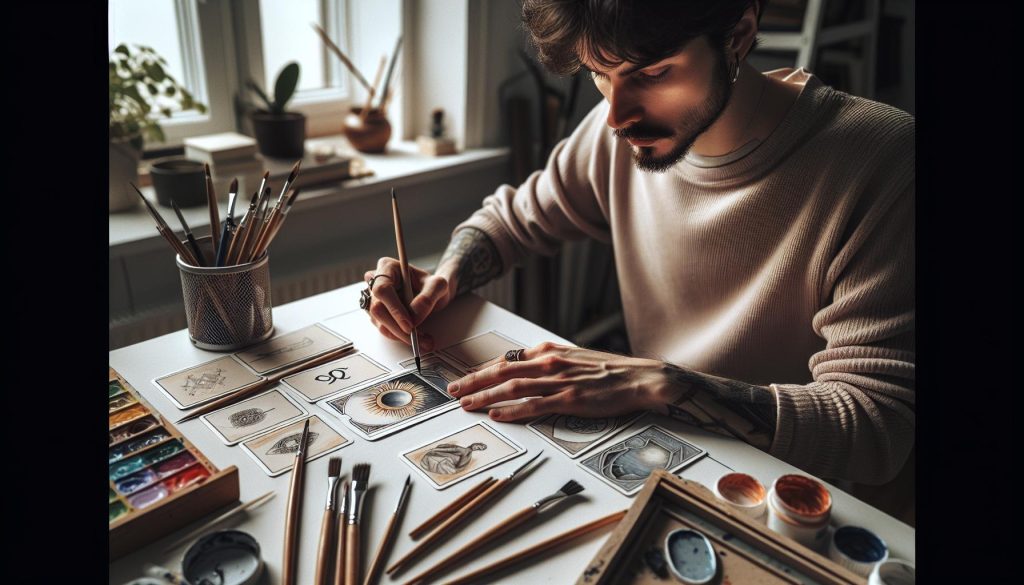
Creating your own Tarot cards can be a deeply personal and fulfilling endeavor. It allows you to infuse your unique energy, symbols, and interpretations into each card, making them a true reflection of your intuition and experiences. But how do you effectively embark on this artistic and intuitive journey? Whether you’re a seasoned reader looking to deepen your practice or a curious beginner exploring the mystical world of Tarot, crafting your own deck can help you forge a more profound connection with the cards.
Imagine holding a deck that resonates with your personal story, tools that aid in your self-discovery and spiritual growth. This guide will walk you through the process, offering practical steps and creative inspiration to help you design a deck that feels perfect for you. So, let’s explore the magic of making your own Tarot cards and unlock the intuitive skills within you!
Understanding the Basics of Tarot Card Creation
Creating your own tarot cards can be an incredibly rewarding journey, one that allows you to immerse yourself in the rich symbolic language of tarot while expressing your individuality. At its core, tarot card creation is about understanding the interplay of imagery, symbolism, and personal intuition. Each card is a unique portal into the spiritual and psychological realms, and the process of designing them invites you to reflect deeply on what resonates with you.
The first step in this artistic endeavor begins with a clear concept. To create a cohesive deck, establish overarching themes that reflect your vision. Consider whether you wish to draw upon traditional tarot symbolism, personal experiences, or even modern influences. Some creators find inspiration in nature, mythology, or their own emotional landscapes, which can serve as a strong foundation for your imagery. It’s essential to note that the meanings of the cards can be deeply personal; therefore, infusing your own narratives into the symbols can enrich your readings.
Next, familiarize yourself with essential tarot card structures. A standard tarot deck typically consists of 78 cards-22 Major Arcana cards representing key life themes and 56 Minor Arcana cards divided into suits. Understanding these classifications not only informs your designs but also empowers your interpretations. As you sketch and visualize your cards, consider how the visual elements can convey the messages of the card. For instance, the vibrancy of colors, the nature of the symbols, and even the accompanying text can guide a reader’s experience.
As you embark on your card creation journey, maintain an open dialogue with your intuition. Experimentation is key-try various artistic styles, from watercolor and collage to digital art, until you find what feels right for you. Remember, the process is just as important as the final product. Embrace the learning curve and allow your creativity to flourish. In doing so, you’ll cultivate a deeper connection to the tarot and develop a unique deck that speaks authentically to you and your readings.
Choosing Your Tarot Themes and Symbols
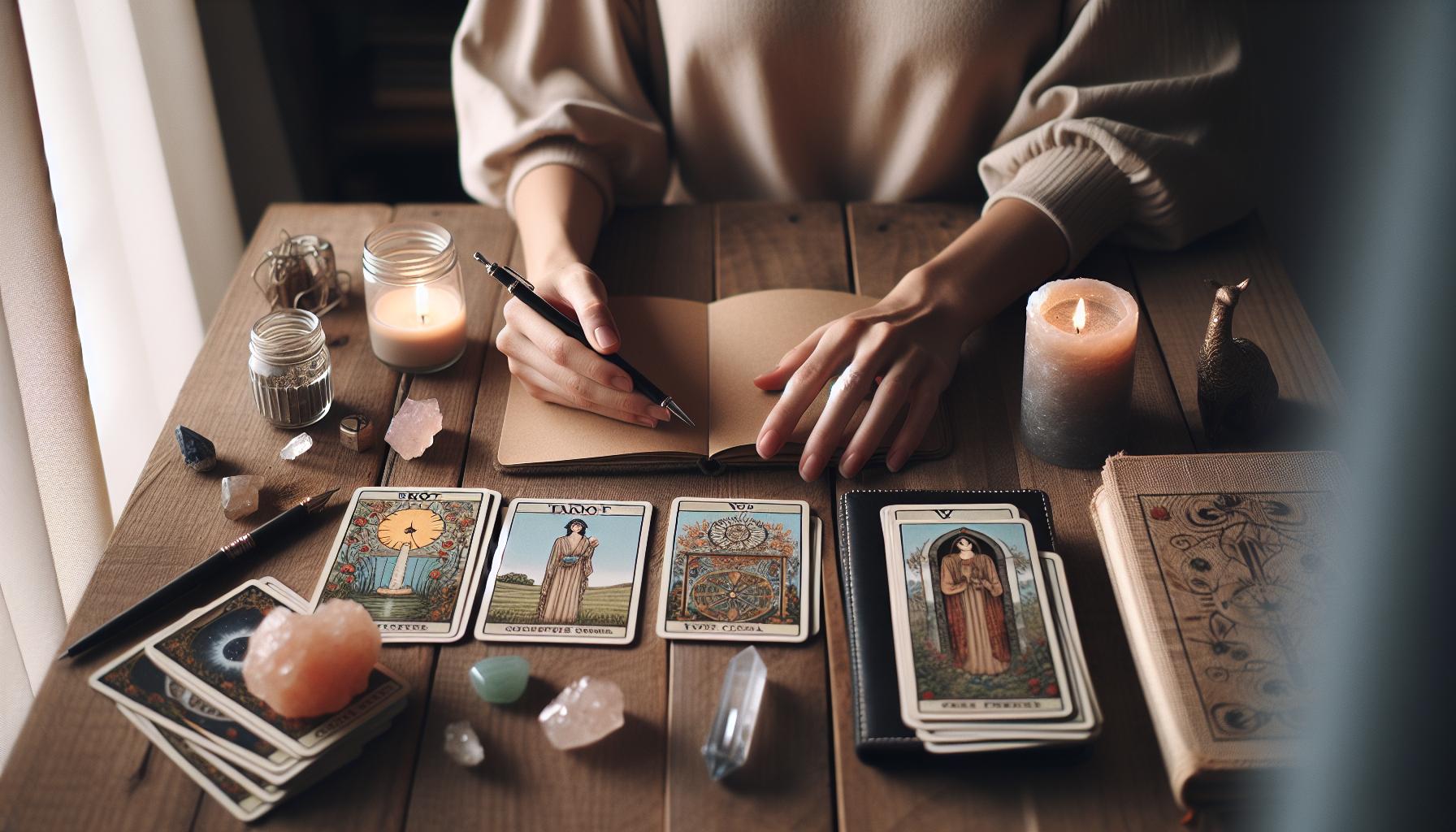
Choosing the themes and symbols for your tarot cards is a deeply personal and creative process that sets the foundation for your entire deck. Begin by reflecting on what resonates with you personally. Think about your interests, experiences, and values. Whether you find solace in nature, enlightenment in spirituality, or inspiration from mythology, your themes should mirror what is meaningful to you. This not only shapes your artistic direction but also infuses your cards with authenticity and depth.
Brainstorming Themes
Consider creating a list of potential themes that excite you. Here are a few ideas to get you started:
- Nature and Seasons: Use the cycles of nature to represent growth, change, and renewal.
- Mythology: Draw symbols from mythology that resonate with archetypes and personal journeys.
- Personal Journey: Reflect your life experiences that can translate into themes of resilience, love, or hope.
- Dreams and Imagination: Use surreal imagery that speaks to the subconscious and our dreams.
Once you select a theme, dive deeper into its symbolism. Research various cultural significances associated with the symbols or imagery you plan to use. Understanding their meanings can enrich your deck and enhance the intuitive reading experience for both you and others.
Symbol Selection
Incorporating symbols is crucial, as they are the language of the tarot. Start with traditional tarot symbolism if that feels right, but remember that you can innovate. Create your personal symbols for the Major and Minor Arcana. You might depict the Fool not just as a carefree wanderer but as a mirror of your own journey through uncertainty and adventure.
Make a conscious decision about the colors and imagery you use, as these elements will elicit emotions and trigger intuitive responses. Think about the meanings behind colors-what does blue evoke for you? Is it calm, sadness, or clarity? By personalizing both your themes and symbols, you create a tarot deck that not only reflects your vision but also speaks to your intuitive insights during readings.
As you embark on this empowering creative journey, remember that your tarot deck is a reflection of you-your past, your beliefs, and your intuition. Trust yourself. The process will help you connect more deeply with your own inner wisdom, enhancing both your readings and your personal growth.
Essential Materials for DIY Tarot Cards
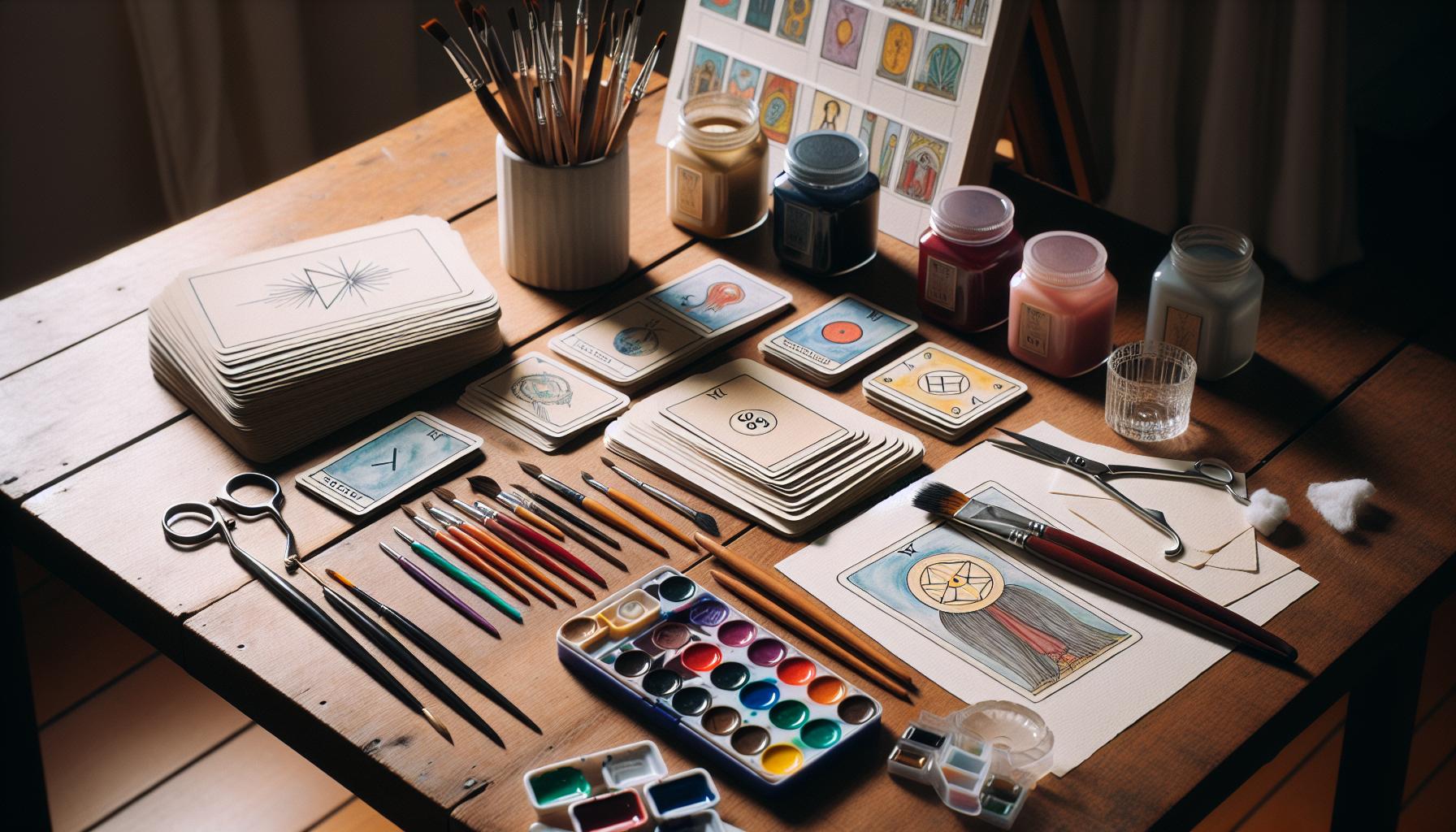
Creating your own tarot cards can be a fulfilling and deeply personal project that connects you to your intuition and creative spirit. To embark on this artistic journey, gathering the right materials is essential, as they will not only impact the aesthetics of your deck but also the feel and energy of the cards in your hands.
Start with cardstock or heavy paper; this offers durability and a quality feel to your cards. You can choose various finishes, such as matte or glossy, depending on your preference. If you want to make your cards extra special, consider using pre-cut card blanks available at craft stores. These save time and ensure uniformity. Another option is to use recycled materials, such as cereal boxes, which can add a unique, eco-friendly touch to your cards.
Next, get ready with art supplies. This might include markers, paints, or colored pencils that suit your artistic style. Consider using watercolor paints for a softer, dreamy look or fine liners for detailed drawings. Don’t forget about decorative elements such as stickers or washi tape that can add extra flair and personality to your cards. For those who prefer a digital approach, graphic design software can help create intricate designs that can be printed onto your chosen cardstock.
To keep your creations safe, invest in a card sleeve or protective case. This will not only preserve the artwork but also protect it from wear and tear during readings. Additionally, a cutting tool such as a craft knife or scissors is crucial for achieving clean edges and a polished look.
Finally, have a notebook handy for jotting down ideas and interpretations as you create your cards. Documenting your thoughts and feelings will deepen your connection to the deck, providing context for your readings. This personalized approach to materials will help create a tarot deck that feels uniquely yours, allowing you to connect with your intuition and enhance your readings.
Step-by-Step Guide to Designing Your Cards
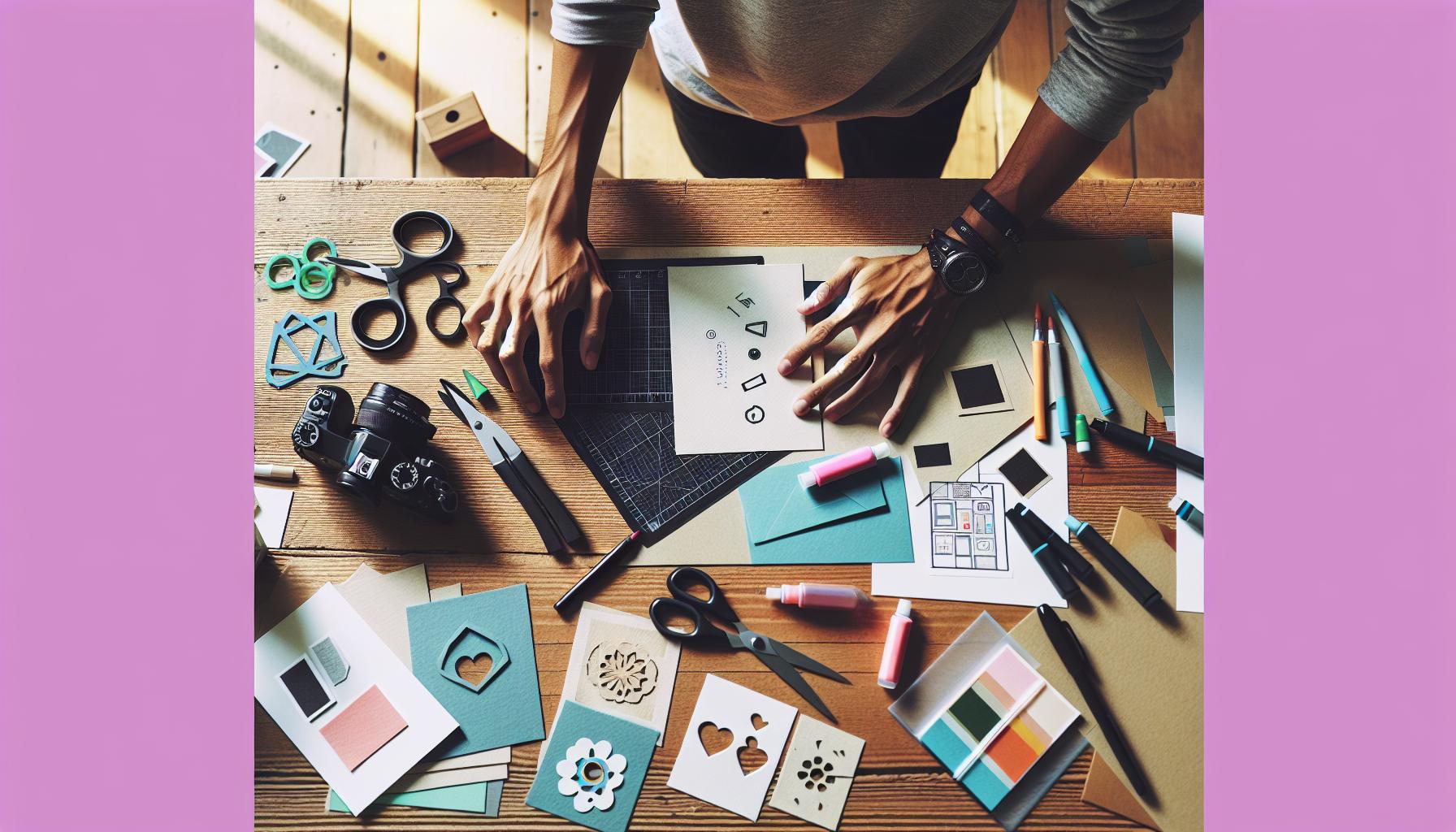
Creating your own tarot cards offers a unique opportunity to infuse personal insights and artistic expression into your practice. The design process is not only about aesthetics but also about connecting deeply with your intuition and reflecting your inner truths. To embark on this creative journey, follow these steps to bring your vision to life.
Start by envisioning the overall theme and purpose of your tarot deck. Ask yourself what emotions or concepts you want your cards to convey. This will influence your imagery, symbols, and colors. You might want to base your design on traditional meanings of tarot or channel your own experiences and beliefs. For instance, if you have a deep appreciation for nature, consider incorporating elements like flora and fauna in your designs to resonate with your connection to the Earth.
Once you have a theme, it’s time to sketch out your ideas. Begin with a basic outline of how many cards you’ll create (typically 78 for a complete deck). Draft rough sketches for each card, paying attention to the symbols and imagery that will best convey the meanings you want to express. Don’t be afraid to experiment! You can blend different symbols or styles until the imagery feels right. Use the sketches as a blueprint to refine your designs, focusing on how the visual elements evoke the meanings of the cards.
After finalizing your sketches, choose your artistic medium. Whether you prefer painting, drawing, or digital art, select materials that resonate with your creative flow. If you’re painting, consider the mood you want to set with your color palette. For example, using bold and vibrant colors can evoke excitement and positivity, while softer tones can create a sense of calm and introspection. As you transition from sketches to finished pieces, keep in mind the durability and feel of the final cards, selecting quality cardstock that matches your vision.
As you complete each card, take time to interpret its meaning, perhaps writing a short description or message for each one. This not only solidifies your connection to the card but also serves as a guide for future readings. Once all cards are designed, consider how they’ll work together as a cohesive deck. Reflect on their common themes and ensure they align visually and energetically for a harmonious reading experience. Your cards are not just tools; they’re an extension of your spiritual practice and a testament to your creative spirit.
In summary, designing your tarot cards is an enriching process that combines artistry, intuition, and personal meaning. Embrace each step, allowing your creativity to flow and finding joy in the unique expressions of your insights. With patience and passion, you’ll craft a deck that not only illustrates your vision but also enhances your readings with profound personal resonance.
Artistic Techniques for Unique Tarot Imagery
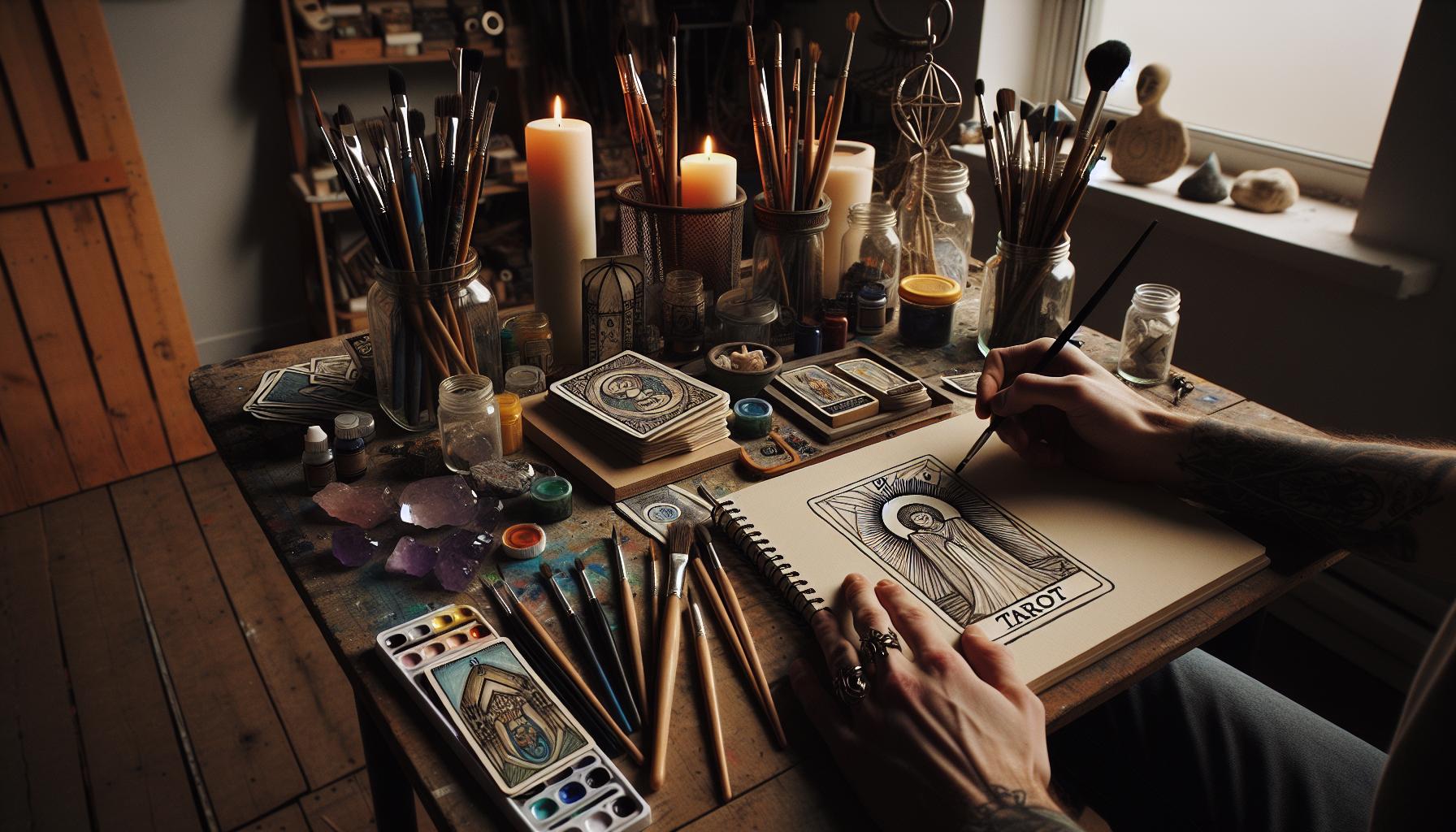
Creating visually compelling tarot cards is an artful journey that blends personal expression with spiritual meaning. To craft unique imagery, consider various artistic techniques that resonate with your vision and enhance the cards’ symbolic depth. Here are some strategies to inspire your creativity:
Experiment with Mixed Media
Using a combination of materials can yield stunning results that add texture and dimension to your cards. Consider incorporating watercolor, ink, and collage elements. For example, you might paint a background with soft watercolors, then overlay it with ink-drawn symbols or photographs cut from magazines. This layered approach not only enhances the visual appeal but also allows you to convey complex meanings through different materials.
Play with Symbolism and Color
Colors and symbols are powerful tools in tarot imagery. Each color carries distinct emotional vibrations and can significantly impact the interpretation of a card. For instance, deep blues might evoke a sense of calm while fiery reds can denote passion and energy. When designing your cards, think about the emotional tone you wish to set. Research traditional meanings of colors and consider how you can incorporate them into your artwork. For example, the Strength card could feature a golden lion set against a vibrant red background to symbolize courage and vitality.
Incorporate Spiritual Practices
If you have specific spiritual practices or beliefs, let these inform your designs. For instance, if you find inspiration in nature, consider including elements like plants, animals, or natural landscapes that reflect the energy of each card. This can create a personal connection not only between you and your cards but also for others who use them.
Use Digital Tools for Flexibility
In today’s digital age, don’t hesitate to utilize software like Photoshop or Procreate for creating digital art. These platforms allow for easy manipulation of images, layering effects, and experimenting with colors without the mess of traditional art supplies. If you’re more comfortable with hand-drawn pieces, consider scanning your artwork and enhancing it digitally before printing. This approach maintains the personal touch of your creations while offering the benefits of digital editing.
By embracing these artistic techniques, your tarot cards can become a vibrant reflection of your inner world, inviting both you and your seekers to explore deeper meanings and connections. Allow your intuition to guide you in this creative process, trusting that your unique vision will shine through in every card you create.
Incorporating Personal Meaning into Card Interpretations
In the journey of creating your own tarot deck, infusing personal meaning into each card is vital for making them resonate with your own intuitive understanding. This individuality not only enhances your connection to the cards but also enriches your readings, allowing you to draw upon your life experiences and insights. One powerful approach is to reflect on your journey, values, and emotions while interpreting the symbols and themes on your cards. By doing so, each card can become a gateway to personal insight and guidance.
Connecting Personal Experiences
Begin by tapping into significant life events that have shaped your worldview. For instance, consider what the Tower card represents for you personally-perhaps a time of unexpected change that led to growth or revelation. Write a few sentences about these experiences, and use them as the foundation for how you interpret the card in your deck. Linking such memories provides a deep well of meaning from which to draw during a reading.
Personal Symbols and Archetypes
Incorporate symbols or archetypes that resonate with your spiritual path. If you find strength in certain animals, colors, or mythical creatures, weave these into the imagery of your cards. For instance, if the Empress card embodies nurturing to you, include flora native to your home or a beloved pet in your design. This personal context helps your cards reflect your unique journey, providing clarity during readings.
Refining Interpretations
As you create your card interpretations, it’s useful to maintain a balance between traditional meanings and your own insights. Create a simple table with the following columns: Card Name, Traditional Meaning, Personal Interpretation. This practice offers a clear view of how the standard interpretation aligns or diverges from your personal understanding.
| Card Name | Traditional Meaning | Personal Interpretation |
|---|---|---|
| The Lovers | Partnership, union, choices | Finding balance in relationships; decision-making in love |
| The Hanged Man | Letting go, new perspectives | Seeing situations differently; patience in waiting for clarity |
By establishing clear personal meanings and using life experiences as anchors, you begin crafting a tarot deck that feels familiar and intuitive. This process not only enhances your readings but also fosters a deeper understanding of your own life journey, ultimately transforming the tarot into a personal tool of empowerment and insight. With each card’s unique meaning, both the creator and the querent can explore the multifaceted layers of personal development and spiritual connection.
Creating Tarot Card Spreads that Reflect Your Intentions
Creating tailored tarot card spreads that resonate with your personal intentions can enhance your readings and deepen your connection to the cards. A thoughtfully designed spread acts as a guide, helping you navigate life’s questions and challenges with clarity and insight. Whether you’re facing a specific issue or simply seeking general guidance, the right spread can illuminate your path.
To begin, consider what you want to achieve with your reading. This intention forms the foundation for your spread. Here are a few questions to help you define your purpose:
- What area of your life do you want to focus on? (e.g., love, career, health)
- Is there a particular question on your mind?
- Are you looking for past insights, current situations, or future possibilities?
After clarifying your intention, you can design your spread. A common yet powerful structure is the three-card spread, where each card represents past, present, and future. This simple layout allows you to quickly gather insights into your question while also inviting deeper reflection.
Designing Your Spread
You can modify the basic structure to suit your needs. For instance, if you’re exploring a relationship, consider the following layout:
| Card Position | Meaning |
|---|---|
| Card 1 | Your perception of the relationship |
| Card 2 | The other person’s perspective |
| Card 3 | Advice or outcome |
With this structure, each card conveys a specific aspect of the relationship dynamics, offering balanced insights. As you draw cards for each position, remain open to how the meanings may shift based on your personal interpretations and context.
Reflecting on the Spread
After laying out your cards, take time to contemplate what each one reveals. How do the cards speak to your current situation or feelings? Write down your interpretations in a journal, allowing your thoughts to flow freely. This practice can reveal layers of understanding you might not notice in the moment.
Ultimately, creating unique tarot spreads that reflect your intentions encourages an empowering, personal tarot practice. It transforms routine readings into profound experiences of self-discovery and insight. Remember, your intuition is your best guide-trust it as you design and explore your spreads.
Understanding Card Associations: Colors, Numbers, and Elements
Colors, numbers, and elements are essential components that deepen the meaning of tarot cards. Each card speaks not only through its imagery but also through these associations, enhancing the overall vibrational quality of your readings. Understanding these layers helps you connect on a more intuitive level with your deck, making your personal tarot practice richer and more insightful.
When it comes to colors, each hue carries a specific energy. For instance, red can symbolize passion and action, while blue often signifies calmness and intuition. As you design your cards, think about the emotional response you want to evoke and choose colors accordingly. For example, if you’re illustrating a card representing new beginnings, vibrant greens may resonate, implying growth and renewal.
Numbers in tarot also play a critical role. Each number is tied to its own vibrational qualities; for instance, the number three represents creativity and collaboration, while ten often signifies completion or cycles. Including these numerical meanings in your card designs can provide additional layers of interpretation. As you work on your major arcana cards, consider how the number associated with each card can influence your design choices. The Empress (III), for example, can be portrayed using flowing shapes and natural imagery to convey abundance and nurturing.
Finally, elements such as Earth, Water, Fire, and Air provide another layer of connection. Each element embodies distinct qualities: Earth relates to stability and material matters, Water embodies emotions and intuition, Fire represents energy and transformation, and Air symbolizes intellect and communication. By incorporating these elemental symbols into your designs, you can create cards that resonate even more with their intended themes. A card depicting emotional healing could integrate flowing water imagery alongside calming blues, reinforcing its message through both visual and elemental association.
As you create your tarot deck, consider how these associations can enhance the meanings of your cards. Experiment by mixing colors, numbers, and elements to find combinations that feel right for you. This exploration will not only bring your cards to life but also empower you to read them with confidence and understanding, allowing for a more meaningful and personal tarot practice.
Tips for Ensuring Cohesion in Your Tarot Deck
Creating a tarot deck is not merely about assembling images; it’s about crafting a cohesive narrative that resonates with you on a personal level. The unity of design, theme, and imagery in your cards will enhance your intuitive connection to them, leading to deeper readings. Here are some essential tips to help you ensure cohesion in your tarot deck.
Start by defining a clear theme that will carry throughout your entire deck. Whether it’s inspired by nature, mythology, abstract concepts, or your own spiritual journey, having a defined theme will guide all your design choices. For instance, if you choose a nature theme, consider how each card’s imagery (like the elements and colors) can reflect different aspects of the natural world. This will not only create a visual consistency but also deepen the interpretative layers of your readings.
Next, maintain a consistent artistic style across all cards. This could mean using similar color palettes, types of imagery, or illustrative techniques. For example, if you decide on watercolor as your primary technique, carry that through each card to create a harmonious fluidity. Using a consistent style fosters a strong connection not just within your deck but also in how you interact with each card during readings.
Symbolism is another vital factor in ensuring cohesion. Think about how symbols relate to each other within your theme. Create a symbol glossary that defines how specific motifs, colors, or shapes correspond to the meanings you wish to convey. For instance, using a recurring symbol, like a tree for growth or renewal, on multiple cards can significantly enhance the overall narrative of your deck.
Lastly, consider the emotional journey you want the deck to embody. As you develop each card, ask yourself: How does this card contribute to the overall message? Does it reflect hope, challenge, transformation, or support? By recognizing the emotional flow and intention behind each card, you ensure that each piece plays its role in the larger story your deck tells.
Embracing these elements while creating your tarot deck will not only solidify its cohesion but also deepen your personal connection to it, transforming it into a powerful tool for insight and reflection.
Testing and Refining Your Tarot Cards
Creating tarot cards is an evolving journey that involves not just design but also testing and refining your creations. After you’ve crafted your initial deck, it’s essential to engage in a process of evaluation to ensure that your cards resonate with you and serve their intended purpose. This stage can transform your personal tarot deck from a simple collection of images into a powerful tool for self-discovery and guidance.
Begin your testing phase by conducting readings with your completed cards. Start with daily draws or small spreads-simple three-card readings can provide insightful responses while allowing you to observe how each card interacts with the others. Pay attention to the intuition that arises during these sessions. How do the meanings align with your current life experiences? Are there any cards that feel off or fail to convey the intended message? Note these observations-this reflective practice will help you identify cards that may need adjustment or reworking.
Gather feedback. Share your deck with trusted friends who appreciate tarot, as fresh perspectives can highlight strengths and weaknesses you might overlook. You can also consider participating in online tarot forums or communities, where you can showcase your deck and receive constructive criticism. Don’t hesitate to ask specific questions about what resonates and what feels unclear. This exchange can lead to meaningful insights that enhance your card’s imagery or meanings.
As you receive feedback, be open to making changes. Maybe a specific image doesn’t quite resonate, or the symbolism feels too weak. Use sketches or digital tools to experiment with new designs or reinterpretations. This refinement phase not only improves individual cards but also contributes to the overall cohesiveness of your deck. Each revision offers another opportunity to enhance your intuitive connection.
Finally, embrace patience and persistence. The journey of is ongoing. Regularly revisit your deck as you grow and change; you may find that your interpretations shift over time, necessitating further tweaks. The more you engage with your cards, the more they will evolve alongside you, deepening your intuitive readings and enhancing your spiritual practice. Celebrate this process of continual growth, as it mirrors the transformative journeys that tarot itself embodies.
How to Read with Your Custom Tarot Deck
Reading with your custom tarot deck is a transformative experience that deepens your connection to both the cards and your intuitive self. Your unique creations not only reflect your personal journey but serve as powerful tools for insight and guidance when properly engaged. Understanding how to interpret these cards, deeply intertwined with your own life and meanings, is key to unlocking their transformative power.
Begin by familiarizing yourself with the meanings behind each card. Since you’ve created the images, your interpretation may differ from traditional meanings, so trust your intuition. Take time to think about what each card represents for you personally and jot these down in a tarot journal. This step is essential, as personal symbolism will guide your readings. When you draw a card, pause to reflect on how it relates to your current situation or the question at hand.
To get started with readings, consider simple layouts like the one-card draw or a three-card spread. Here’s a quick guide to each:
- One-Card Draw: Perfect for daily guidance or a focused question. Draw a single card and meditate on its meaning. Ask yourself, “What do I need to know today?” or “What is the best approach to my current situation?”
- Three-Card Spread: A great way to explore past, present, and future. Assign each card a position: the first for past influences, the second for the present situation, and the third for possible future outcomes. This gives a fuller picture of your query and how the energies are flowing.
During your readings, maintain an open mind. Let your intuition lead you-sometimes the meanings of the cards can shift based on context. Don’t hesitate to incorporate other symbols or personal meanings from your life that might relate to your cards. For instance, if your card reminds you of a specific color or emotion, engage with that in your interpretation.
Over time, reading with your deck will not only enhance your understanding of the cards but also cultivate a deeper intuition about your own life. Regular practice allows you to witness how the cards reflect your evolving patterns and insights. Remember, tarot is a dialogue between you and the universe-a blend of personal experience and archetypal wisdom. Embrace this journey with curiosity and openness, and your custom deck will reveal endless layers of meaning and connection.
Sharing Your DIY Tarot Journey and Insights
Embarking on the journey to create your own tarot cards is not just an artistic endeavor-it’s a deeply personal exploration that illuminates your relationship with intuition, symbolism, and spirituality. This creative process enables you to weave your experiences and insights into a unique deck that resonates with your individual path. Sharing this journey can inspire others, foster connections, and deepen your own understanding of tarot as a tool for insight and guidance.
Document your creative process through a tarot journal or blog. Detail each stage of design, from brainstorming themes to selecting symbols that hold personal significance. This not only helps clarify your intentions but also creates a reflective space where you can revisit your thoughts and feelings. For example, if you choose to represent the Empress with an image of your grandmother’s garden, write about why that connection is meaningful for you. Include photos of your artwork, sketches, or even videos of your card construction; visuals enhance engagement and provide inspiration to others who might want to follow in your footsteps.
Regularly engaging with your deck and sharing your readings can solidify your understanding and confidence. Consider hosting virtual tarot reading sessions with friends or within online communities. When sharing insights from your custom cards, explain how their meanings relate to your life. If you pull the Ace of Cups, talk about a recent personal growth experience that feels aligned with the card’s themes of love and new beginnings. This approach fosters a dialogue around interpretation that can benefit both you and others, inviting varying perspectives while reinforcing the communal aspect of tarot reading.
Lastly, don’t shy away from vulnerability. Sharing challenges you’ve faced in your creative journey-be it perfectionism or self-doubt-can create a safe space for others who may feel similarly. Encourage discussions about the fears and triumphs tied to crafting a tarot deck. Remember, your authenticity can empower others to explore their own intuitive gifts, making the tarot practice more inclusive and enriching for everyone involved. Your DIY tarot journey is not just about the cards; it’s about the stories, connections, and wisdom that unfold along the way.
Frequently asked questions
Q: Can I use regular cards to create my own Tarot deck?
A: Yes, you can use regular playing cards to create a Tarot deck! Many Tarot systems correlate playing cards to Tarot cards, allowing you to craft meanings and interpretations based on traditional Tarot. This method encourages creativity and personal association, making your readings unique. To learn more about the relationship between different card systems, check our sections on card associations.
Q: How do I choose a theme for my DIY Tarot deck?
A: Choosing a theme for your DIY Tarot deck can enhance your connection to the cards. Consider what resonates with you-nature, mythology, or personal experiences. A cohesive theme will bring unity to your deck. For specific steps on integrating themes, refer to our guide on Choosing Your Tarot Themes and Symbols.
Q: What materials are best for making custom Tarot cards?
A: The best materials for creating custom Tarot cards include sturdy cardstock for durability, art supplies for illustrations, and protective coatings for longevity. You can also use digital design tools if you prefer a modern approach. Explore our section on Essential Materials for DIY Tarot Cards for deeper insights.
Q: How can I ensure my Tarot deck is cohesive?
A: To ensure your Tarot deck is cohesive, stick to a unified color palette and style throughout the cards. This consistency helps reinforce the themes and interpretations. You can find more detailed strategies in our Tips for Ensuring Cohesion in Your Tarot Deck section.
Q: What are some artistic techniques for creating unique tarot imagery?
A: Artistic techniques for unique tarot imagery include mixing media like watercolor and digital art, using collage methods, or even photography. Experiment with different styles to find what resonates with your intuition. For more artistic tips, check out our section on Artistic Techniques for Unique Tarot Imagery.
Q: How do I test my custom Tarot cards before using them?
A: Testing your custom Tarot cards involves conducting sample readings and observing your intuitive reactions to each card. This practice helps refine both the cards and your readings, ensuring they resonate with you. Our section on Testing and Refining Your Tarot Cards provides useful methods for this process.
Q: Can I create a Tarot spread specifically for my custom deck?
A: Absolutely! Creating a Tarot spread for your custom deck allows you to tailor the reading experience to your unique interpretations. Consider the questions you want to explore and design a spread that reflects those intentions. For guidance on crafting effective spreads, please read our section on Creating Tarot Card Spreads that Reflect Your Intentions.
Q: How do I interpret the meanings of my DIY Tarot cards?
A: Interpreting the meanings of your DIY Tarot cards involves reflecting on personal associations and traditional interpretations. Trust your intuition as you assign meanings, making your readings more authentic. You can expand on this in our segment on Incorporating Personal Meaning into Card Interpretations.
The Way Forward
Creating your own Tarot cards is not just a fun project; it’s a deeply personal journey that enhances your intuitive abilities. As you craft designs that resonate with your unique energies, you invite a profound connection to the cards that will assist you in readings. Take the next step-start gathering materials or sketching your ideas today! Want to dive deeper? Explore our insights on Tarot spreads for beginners or learn how to interpret your cards like a pro.
If you have questions or would like to share your experiences, we’d love to hear from you in the comments! Don’t miss out on our newsletter for more Tarot tips and exclusive content. Remember, every creation you make is a step toward enhancing your spiritual practice-so embrace it with joy and curiosity. Let your Tarot journey unfold!


