Tarot readings offer a unique window into our inner selves, providing insights that can illuminate our paths and clarify our emotions. Whether you’re feeling lost, seeking guidance, or simply curious about your future, tarot can serve as a powerful tool for self-reflection and understanding. By exploring the symbolism of the cards and their position in various spreads, you can connect with your intuition and uncover hidden truths.
In this article, we’ll demystify the process of tarot readings, breaking down the fundamental elements-from shuffling the deck to interpreting the meaning of individual cards. We’ll address common questions and concerns while empowering you with practical techniques to enhance your reading skills, regardless of your experience level. Ready to unlock the wisdom of the tarot? Let’s dive in and discover how this ancient practice can enrich your life and deepen your understanding of yourself and the world around you.
How Tarot Readings Connect to Intuition
When you sit down to shuffle a deck of Tarot cards, you might not realize that you’re engaging in a practice deeply rooted in intuition. This intuitive connection serves as a bridge between the conscious mind and the deeper, often hidden aspects of the self. Many readers find that the cards act as a mirror, reflecting insights that might otherwise remain obscured by the noise of daily life. The art of Tarot is not just about interpreting symbols; it’s about tuning into your inner voice and allowing it to guide you through the reading.
Tarot readings connect to intuition in several significant ways. First, the cards themselves can evoke emotional responses and stir memories, creating a rich tapestry from which you can draw insights. For example, drawing the Two of Cups may bring sentiments of partnership to the forefront, prompting you to consider your current relationships or your feelings about love. This isn’t merely about the card’s traditional meanings; it’s about what those images and symbols spark in your own mind and heart. Readers often describe experiences where a particular card resonates with personal significance, guiding the narrative of the reading in a direction that feels both meaningful and authentic.
Trusting Your Intuitive Process
Developing a connection to your intuition through Tarot can be cultivated with practice. Here are a few practical steps to enhance this intrinsic link:
- Prepare Your Space: Create a tranquil environment that invites reflection. This might mean lighting a candle, playing soft music, or simply finding a quiet corner where you feel safe to explore your thoughts.
- Ask Open-Ended Questions: Rather than seeking yes-or-no answers, frame your questions in a way that encourages exploration. For example, instead of asking, “Will I get this job?”, you might ask, “What do I need to consider about my career path right now?”
- Reflect on Your Feelings: As you lay out the cards, pay attention to any feelings, thoughts, or images that arise. Take note of these intuitive nudges-they are often where the true insights lie.
Connecting with your intuition through Tarot can be a transformative experience, blending emotional awareness with spiritual exploration. Whether you’re a beginner or have some experience, trust that your instincts will guide your interpretation and, in turn, enrich your understanding of the messages presented by the cards. Each reading is a unique journey, driven as much by the intuition as by the iconography of the Tarot itself, inviting both skeptics and believers to uncover deeper truths about themselves and their paths forward.
The Science Behind Tarot: Myths and Facts

The perception of Tarot as a mystical art form is often clouded by myths that can discourage curious minds from exploring its potential. Contrary to popular belief, Tarot does not predict the future with absolute certainty or function solely as a tool for fortune-telling. Instead, it serves as a means of tapping into one’s intuition and reflecting on personal circumstances. While many enthusiasts embrace the spiritual aspects of Tarot, a closer examination reveals a layered relationship with psychology, symbolism, and human insight.
One common myth is that Tarot readings are purely about fate or preordained events. In reality, Tarot operates more like a mirror, reflecting the current emotional and psychological state of the querent. It encourages introspection and supports decision-making by providing insights that may not be immediately evident. This psychological aspect is rooted in Carl Jung’s theories, which connect Tarot symbolism with archetypes and the collective unconscious, suggesting that the cards resonate with universal human experiences. By engaging with the imagery and narratives of the cards, individuals can uncover deeper truths about their situations, making the reading feel relevant and timely.
Fact vs. Fiction: Unpacking Common Misunderstandings
Understanding the nuances of Tarot requires dissecting its myths from its truths. Here are some prevalent misconceptions:
- Myth: Tarot readings are always accurate predictions of the future.
- Fact: Tarot offers insights based on the current moment and potential outcomes, shaped by choices and circumstances.
- Myth: Only certain people can read Tarot cards.
- Fact: Anyone can learn to read Tarot with practice and patience; it is about personal interpretation and intuition.
- Myth: Tarot is linked to negative practices or is inherently bad.
- Fact: Tarot can be a positive tool for self-reflection and empowerment, promoting personal growth and understanding.
By demystifying these myths, individuals can approach Tarot with an open mind, appreciating it as a versatile tool that transcends simple interpretations. Whether used for guidance in daily life or deeper personal exploration, Tarot’s real power lies in its capacity to illuminate the subconscious and foster meaningful dialogue – both with oneself and others. Understanding this allows both skeptics and believers to find value in the ancient practice of Tarot, enriching their spiritual journey with grounded knowledge and thoughtful introspection.
The Essential Tarot Deck: Types and Tools
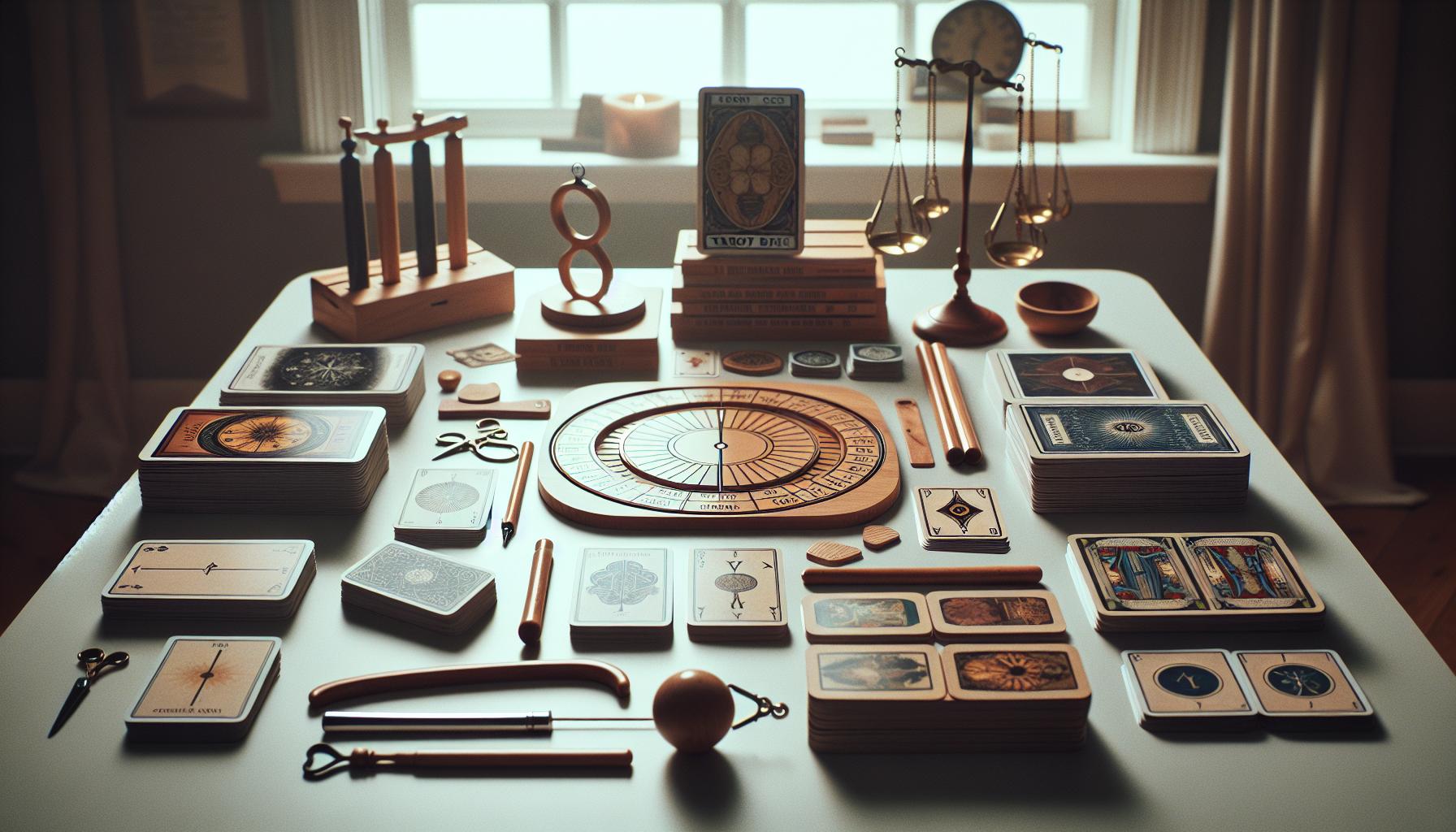
When diving into the world of Tarot, one of the most essential aspects to understand is the type of decks and tools available to readers. Each Tarot deck comes with its unique aesthetic and symbolic language, which can significantly impact your readings. There are numerous types of Tarot decks out there, ranging from traditional Rider-Waite designs to contemporary artistic interpretations. Choosing a deck that resonates with you is vital; it can enhance your intuitive process and connection to the cards.
Deciding on a deck begins with understanding the two primary categories: the Tarot deck and Oracle cards. Traditional Tarot decks consist of 78 cards divided into the Major and Minor Arcana, while Oracle decks vary widely in structure and theme, often without strict guidelines on the number of cards. Many readers find that incorporating both Tarot and Oracle decks into their practice allows for a broader range of insights. For example, an Oracle card can serve as a guiding message or affirmation after a Tarot reading, adding depth and clarity to the inquiry.
Choosing Your Tarot Deck
When selecting a Tarot deck, consider these factors:
- Artwork: The visual appeal and symbolism of the artwork should resonate with your personal style and preferences.
- Interpretation: Some decks come with guidebooks that offer detailed insights into the meanings of the cards, while others may require you to develop your interpretations.
- Purpose: Think about what you want to achieve with your readings. Some decks are designed for specific themes, such as love, shadow work, or spiritual growth.
Once you’ve selected your deck, consider accompanying tools that can enhance your readings. Common tools include:
- Tarot Cloth: A beautiful cloth to lay your cards on can create a sacred space for your practice.
- Journal: Keeping a Tarot journal is invaluable for tracking your readings, reflecting on experiences, and developing your intuition.
- Cleansing Tools: Using crystals, smudging with sage, or sound bowls can help clear your deck’s energy and renew your connection with the cards.
With the right deck and tools at hand, you’ll find that your Tarot readings become more meaningful and insightful. Embrace your intuition as you journey through the rich and diverse landscape of Tarot, and remember that the most important aspect is finding what resonates with you personally. Whether you’re just beginning to explore Tarot or looking to deepen your practice, the right deck can make all the difference.
Understanding Tarot Cards: Major vs. Minor Arcana
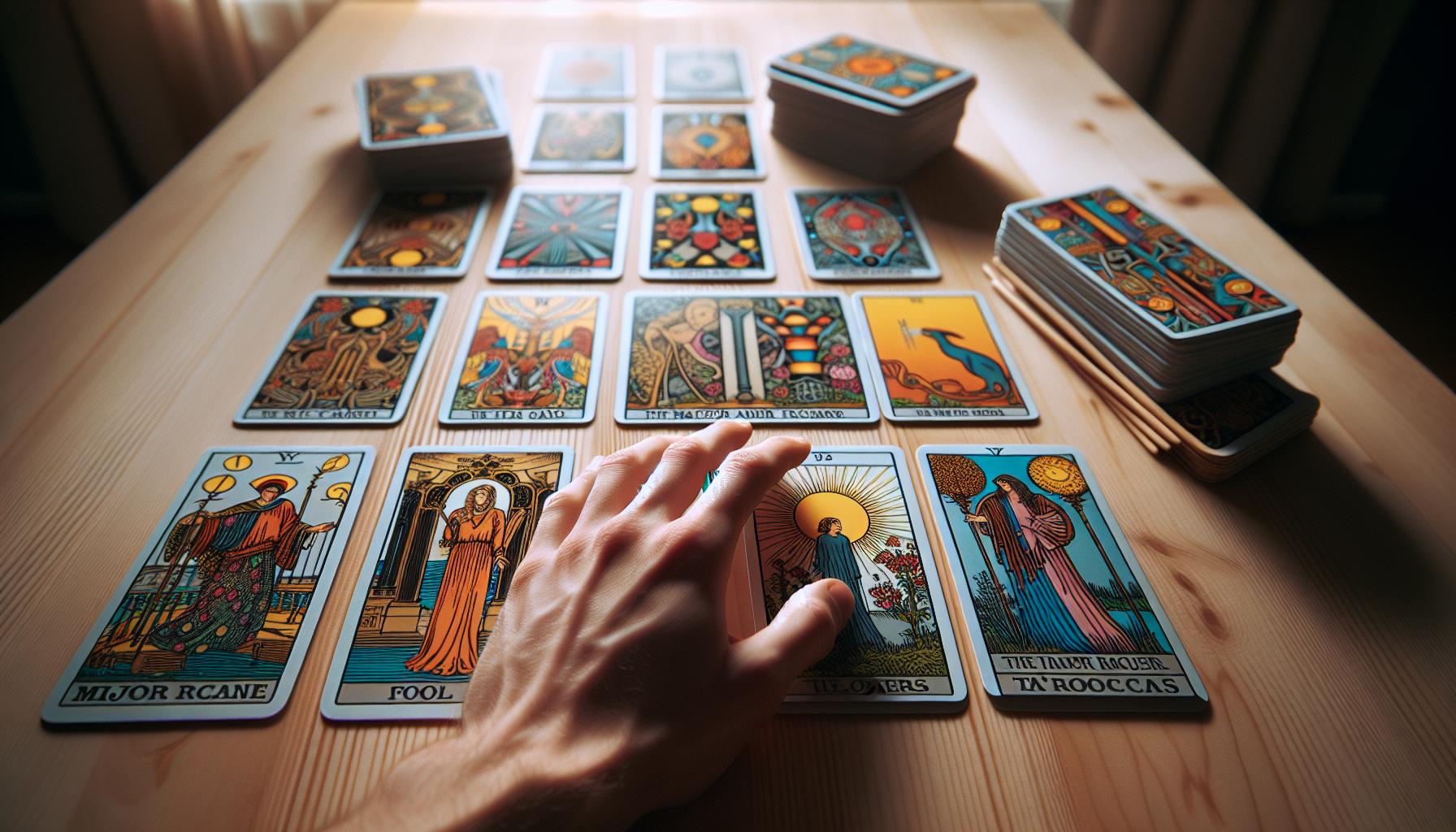
Tarot cards are a fascinating exploration of archetypes and symbols that reflect human experiences. Understanding the distinction between the Major and Minor Arcana is key to diving deeper into Tarot readings. The Major Arcana consists of 22 cards that represent significant life events, spiritual lessons, and core themes in our journeys. Cards like The Fool, The Magician, and The World encapsulate profound messages about personal growth, transformation, and universal connections. When they appear in a reading, they signify moments of importance that resonate deeply within the querent’s life.
In contrast, the Minor Arcana is composed of 56 cards divided into four suits: Cups, Pentacles, Swords, and Wands. Each suit corresponds to different aspects of everyday life. Cups relate to emotions and relationships; Pentacles focus on material and financial matters; Swords deal with thoughts and challenges; while Wands represent creativity and ambition. This division allows readers to interpret everyday influences and events that may not hold the same weight as those indicated by the Major Arcana but still play critical roles in shaping our daily experiences.
To make the most of your readings, it’s important to consider the context in which these cards appear. For example, if you draw a Major Arcana card alongside several Minor Arcana cards, it may indicate that a significant theme is influencing the more mundane aspects of your life. Alternatively, if Minor Arcana cards dominate the spread, you might be being called to focus on daily decisions and minor challenges that lead to growth. Embracing this interplay enriches your understanding of how the Tarot speaks to you, fostering a more nuanced and intuitive approach to your readings.
As you practice, take the time to reflect on how both the Major and Minor Arcana influence your questions and insights. Keeping a journal can help you track patterns and develop your interpretations over time, allowing your intuitive faculties to unfold naturally. Tarot is not just about divination; it’s a journey of self-discovery, where each card offers a chance to dive deeper into your own psyche and life path.
Common Tarot Spreads and Their Purposes
Tarot spreads are structured layouts of cards that guide readers in interpreting messages and insights during a reading. Choosing the right spread can enhance your connection to the cards and clarify your questions, whether you’re seeking guidance on love, career, or personal growth. Each spread serves a specific purpose, helping to focus the reading on particular areas of your life or specific questions you may have.
Popular Tarot Spreads and Their Uses
One of the simplest and most commonly used spreads is the Three-Card Spread. This layout can represent the past, present, and future. It’s perfect for beginners or anyone looking for quick insight into a situation. Each card drawn provides a layered understanding of how past experiences affect current circumstances and what potential future outcomes may arise.
Another powerful spread is the Celtic Cross, which consists of ten cards and offers a comprehensive view of a person’s life situation. This spread explores various aspects, such as the querent’s current position, challenges, influences, and potential outcomes, making it suitable for deeper inquiries. Each card in this spread has a specific placement that contributes to the overall narrative of the reading.
For those focused on relationships, the Love Spread is a creative choice. It typically involves six cards, which may reveal insights about the querent and their partner, the relationship dynamics, and the strengths or challenges that need addressing. This spread is excellent for individuals looking to navigate complex emotional landscapes.
In addition, spreads can be tailored for specific situations or questions. For example, if you’re contemplating a career move, a Career Spread can help illuminate your aspirations, current obstacles, and broader influences affecting your professional life. The flexibility of Tarot spreads allows readers to adapt them to their unique needs, harnessing the intuitive nature of the cards.
When conducting a reading, remember that the context of each card and its position within the spread are vital for a nuanced interpretation. Embrace the opportunity to engage with the cards intuitively. Over time, as you grow more familiar with different spreads, you will develop your unique approach to Tarot readings, enriching your practice and enhancing your understanding of the insights they offer.
How to Prepare for a Tarot Reading
To truly connect with your Tarot reading, preparation is key. Just like an artist preparing their canvas, you need to create the right environment and mindset to receive insights. Start by finding a quiet, comfortable space where you won’t be disturbed. This setting will help you clear distractions and focus on your intuition. Consider lighting a candle or burning incense to create a calming atmosphere that invites reflection.
Next, gather your Tarot deck along with any additional tools you wish to use. Some readers find it helpful to keep a journal nearby to jot down thoughts and interpretations during the reading. Before drawing any cards, take a moment to center yourself. You can do this through deep breathing, meditation, or even a short grounding exercise. Visualize your energy clearing and aligning, making space for the wisdom that the cards may reveal.
When you’re ready, think about the questions or themes you want to explore during your reading. Be specific with your inquiries-open-ended questions can lead to more meaningful insights. For instance, rather than asking, “What will my future be like?” you might ask, “What can I do to improve my career situation?” This focus will help orient the reading toward your current needs and desires, allowing the cards to communicate effectively.
Once you’ve set your intention and prepared your space, shuffle your deck while keeping your questions in mind. Feel free to infuse the process with your own energy-shuffle in a way that feels comfortable to you. When you feel ready, draw your cards for the spread you’ve chosen. Approaching your reading with an open heart and mind will help you interpret the cards’ messages more intuitively. Remember, Tarot is a dialogue between you and the universe; trust the process and the insights that come through.
Step-by-Step: Conducting Your Own Tarot Reading
To embark on your Tarot reading journey, it’s essential to embrace the process with openness and curiosity. Each step is a unique opportunity to connect with your intuition and gain insights into your life. Start by selecting a quiet, comfortable space where you feel at ease; this will foster a serene environment conducive to reflection and concentration.
Gather Your Tools
Before diving into your reading, gather your Tarot deck and any supplementary items. Many readers find it beneficial to keep a journal close by for recording impressions and interpretations. It’s a great way to track your evolving understanding of the cards.
Center Yourself
Once you have everything ready, take a moment to settle in. Engage in a few minutes of deep breathing or gentle meditation to center your thoughts. Clearing your mind allows your intuition to surface, creating space for the reading’s insights. Visualize your energy aligning, preparing you to receive the messages the cards are about to reveal.
Formulate Your Questions
As you prepare for the reading, think carefully about the questions you wish to explore. Be specific with your inquiries. Instead of a vague query like, “What does my future hold?” consider a more focused question, such as, “What steps can I take to enhance my relationships?” This specificity helps tune your reading to your current needs.
Shuffle and Draw Your Cards
With your questions in mind, shuffle your deck while infusing it with your energy. There’s no right way to shuffle; find what feels natural to you. Once you feel ready, draw the cards for your chosen spread. A simple three-card spread can offer insights into the past, present, and future regarding your question.
Approaching your reading with a heart open to discovery will enhance your ability to interpret the cards intuitively. Tarot is not just about the cards themselves but also about the conversation you’re having with your intuition and the universe. Each card holds layers of meaning; allow yourself to explore these as personal insights, guiding you on your path. Remember, trust the insights you receive, for the magic of Tarot is as much about self-discovery as it is about divination.
Interpreting Tarot Card Meanings for Beginners
Understanding the meanings behind Tarot cards can feel like deciphering a secret language, but with a bit of guidance, anyone can unlock the wisdom they offer. Each card in the Tarot deck holds a rich tapestry of symbols, imagery, and interpretations that speak not just to the situations we face, but to the deeper patterns of life and our innermost selves. This exploration is not merely about memorizing definitions, but rather about connecting emotionally and intuitively with each card’s energy.
To begin interpreting Tarot card meanings, start by familiarizing yourself with the two main sections of the deck: the Major Arcana and the Minor Arcana. The Major Arcana consists of 22 cards that depict significant life lessons and spiritual themes, while the Minor Arcana (comprising four suits: Cups, Wands, Swords, and Pentacles) illustrates the everyday challenges and experiences we encounter. A beginner might find it helpful to focus initially on the Major Arcana, as these cards often contain more profound messages.
As you draw each card, take note of not only its traditional meaning but also your personal feelings and reactions. For example, if you pull the Ace of Cups, it typically symbolizes new emotional beginnings, such as love and creativity. However, if you associate this card with a past experience, it could bring forth messages about self-love or the pursuit of one’s passions. Engage your intuition by allowing your mind to wander and explore the card’s imagery – colors, symbols, and figures can all hold personal significance.
Many beginners find it useful to keep a Tarot journal. Document your interpretations, feelings, and any insights as you work with the cards. This practice not only strengthens your connection to them but also helps you track how your understanding evolves over time. You might also consider starting with simple tarot spreads, such as a single-card draw to focus on a specific question or a three-card spread representing the past, present, and future of a situation.
Ultimately, interpreting Tarot is about building a personal relationship with the cards. There is no right or wrong way to interpret them; the most important rule is to trust your intuition. Each reading becomes a unique dialogue between you and the universe, unveiling insights into your life while promoting self-reflection and growth. By approaching your readings with openness and curiosity, you’ll soon discover that each card holds a mirror to your soul’s journey.
Deepening Your Reading: Advanced Techniques
To elevate your tarot readings, consider integrating advanced techniques that deepen your insights and enhance your intuitive abilities. These methods allow readers to explore layers of meaning beyond the basic interpretations, enriching the overall experience and effectiveness of their tarot practice.
One powerful approach is the concept of card combinations. Instead of interpreting each card in isolation, look at how cards interact with one another within your spread. For example, if you draw the Strength card alongside the Three of Swords, it can indicate a journey of healing from heartbreak, emphasizing resilience and inner strength in confronting pain. Pay attention to the relationships between the cards-do some create tension while others offer resolution? The dialogue between them can provide profound clarity.
Another technique involves incorporating astrological associations with tarot. Each card has astrological correspondences that can add depth to your readings. For instance, the Chariot is linked with Cancer, representing emotional depth and the need to balance feelings while moving forward. When you understand these connections, you can interpret how the energy of the zodiac influences the situation at hand. Keeping a notebook with notes on card associations can be immensely helpful in cultivating this layer of interpretation over time.
Utilizing reversed cards can also enrich your readings. Reversed cards can signify blocked energy, internal struggles, or the need to reassess a situation. For example, a reversed Two of Cups might suggest disharmony in a partnership rather than a benign delay. When you include reversals in your practice, remember that they don’t necessarily represent negatives; they can also illustrate the potential for growth and introspection.
Lastly, consider the numerology of the cards. Each number in tarot has a significance that contributes to the message of a reading. For example, the number 3 is often associated with creativity and growth, evident in cards like the Three of Cups and the Three of Wands. By recognizing these patterns, you can draw further connections between the cards and enhance the richness of your readings.
Incorporating these advanced techniques invites a more holistic view of tarot. By moving beyond surface-level interpretations and engaging with the interconnectedness of the cards, astrological influences, reversals, and numerology, you will harness the full potential of tarot as a tool for profound personal insight and spiritual growth. Trust in your developing intuition, and let these methods guide you in creating deeper, more meaningful readings.
Navigating Challenges in Tarot Interpretations
Navigating the intricacies of tarot interpretations can feel daunting, especially for those new to the cards. Each shuffle, draw, and placement brings a fresh wave of potential meanings, making it easy to feel overwhelmed or unsure about your insights. The truth is, interpreting tarot readings is not merely about memorizing card meanings; it’s about fostering a deep connection with the energies those cards represent, which might require some practice and patience.
One common challenge is deciphering ambiguous or conflicting messages within a spread. When faced with cards that seem to contradict one another, take a moment to pause and assess the situation from different angles. For example, if your spread includes the Tower, symbolizing upheaval, paired with the Sun, which represents joy and success, consider the context of your question. This might indicate that a significant change is leading you to a brighter place, suggesting transformation through adversity. Keep a journal of your insights, and don’t hesitate to jot down initial impressions without judgment. This practice can unveil patterns over time, helping you connect the dots where you might initially feel lost.
Another hurdle is the tendency to overthink or second-guess your intuition. Trusting your initial impressions can be challenging, especially when a card pulls on fears or uncertainties. To cultivate confidence, practice readings for yourself or friends in a safe, non-judgmental environment. For instance, select a simple three-card spread-past, present, future-and share your interpretations. Not only does this reinforce your intuitive muscle, but it also helps to demystify the experience, as you see how your insights resonate or diverge from others’ perceptions.
Embracing reversals can also pose a significant challenge. Many new readers shy away from reversed cards due to perceptions of negativity, but these reversed cards can offer valuable insights into blocks, introspection, or potential for growth. For example, while the Ace of Cups typically signifies new emotional beginnings, a reversed version might prompt a critical look at how one’s vulnerabilities impact relationships, inviting deeper reflection and healing.
Ultimately, the goal of tarot is to provide guidance and insight, not to predict unchangeable futures. Tarot works best when it fosters self-reflection and encourages personal empowerment. Being patient with yourself and understanding that growth in interpretation comes with practice will make your journey more fulfilling. Embrace each reading as a unique exploration, and allow your intuition to guide you through the labyrinth of meanings. Each card, spread, and moment is an opportunity to learn and evolve, connecting you deeper with yourself and the universe around you.
Using Tarot for Self-Reflection and Personal Growth
Tarot is a powerful tool for self-reflection and personal growth, tapping into the deep well of your intuition. Its cards serve as mirrors, reflecting aspects of your life that you might overlook amidst the chaos of daily routines. Each card can evoke different emotions and thoughts, prompting you to address unresolved feelings or hidden desires. Whether you approach tarot with skepticism or a spiritual outlook, its potential for self-discovery is universal.
When using tarot for personal growth, start with a simple intention. Ask yourself what area of your life needs attention-be it relationships, career, or inner peace. You might choose a single card to represent your main focus. For instance, drawing the Four of Swords could suggest a need for rest and rejuvenation, encouraging you to evaluate your self-care practices. This single-card pull can guide you into deeper contemplation about your current state, sparking insights that lead to actionable change.
Incorporating Reflective Practices
To deepen this reflective journey, consider journaling your thoughts after each reading. Write down not just the card meanings, but also how they resonate with your personal situation. For example, if you draw the Empress, symbolizing abundance and creativity, reflect on where you can nurture these qualities in your life. Ask yourself questions like, “What does abundance look like for me?” or “How can I express my creativity more fully?” This practice will help you track patterns over time and clarify your evolving understanding of self.
As you gain confidence, experiment with different spreads. A three-card spread-representing the past, present, and future-can provide a more nuanced view of your personal journey. The past card helps you recognize influences that shaped your current situation, while the present card focuses on your current circumstances, and the future card illuminates potential outcomes. This structure can facilitate deeper discussions with yourself about your growth path and decisions you need to make moving forward.
Ultimately, the beauty of tarot lies in its ability to empower you. By embracing the messages these cards hold, you can unlock profound insights about yourself and catalyze meaningful changes in your life. Remember, this journey of self-discovery is uniquely yours; allow each reading to unfold organically, and trust in your intuition to guide you toward enlightenment and growth.
Exploring Tarot’s Role in Modern Spirituality
Tarot has found a vibrant place in modern spirituality, serving as a bridge between ancient wisdom and contemporary self-exploration. Far from being merely a divination tool, tarot embodies a complex system of symbols and narratives that invites users to engage in introspective dialogue. As we navigate the challenges of today’s fast-paced life, many individuals turn to tarot not only for guidance but as a means of fostering a deeper connection with their inner selves. This makes tarot an inclusive tool suitable for both seasoned practitioners and curious newcomers.
At its core, tarot encourages reflection and mindfulness, allowing users to step back from the noise of daily life and tune into their thoughts and feelings. By presenting archetypal images and scenarios, tarot cards can trigger intuitive insights. For example, the appearance of the Hanged Man might prompt one to reconsider their perspective on a situation. In this way, tarot readings can serve as a catalyst for personal growth, helping seekers navigate life transitions with clarity and intention.
The Community Aspect of Tarot
Modern spirituality often emphasizes community, and tarot is no exception. Many enthusiasts gather in groups, sharing readings and interpretations, fostering a sense of belonging and collective growth. This communal aspect can create supportive environments where individuals feel safe to explore their queries and vulnerabilities. Group rituals or online forums dedicated to tarot discussions allow for diverse interpretations that enhance everyone’s understanding.
Additionally, the rise of technology has facilitated greater access to tarot resources. Online readings, apps, and virtual meetups have made tarot accessible to those who may not have had the opportunity to connect with traditional spiritual communities. This democratization of tarot practice nurtures a spirit of inclusivity, allowing anyone to delve into their personal spiritual journey without judgment.
Ultimately, tarot’s role in modern spirituality is about cultivating a personal and unique experience. Whether you are using tarot as a standalone practice or integrating it into broader spiritual practices like meditation and intention-setting, embracing its potential can inspire profound transformations. As you embark on this journey, trust your intuition, remain open to the messages revealed, and allow the cards to guide you on your path toward self-discovery and empowerment.
Faq
Q: How do tarot readings provide insights and guidance?
A: Tarot readings offer insights by tapping into symbolism, intuition, and the energies surrounding a situation. The cards drawn reflect the querent’s current circumstances, feelings, and potential outcomes, allowing for deep self-reflection and guidance. Understanding different spreads enhances the clarity of the message.
Q: What is the meaning of reversed tarot cards?
A: Reversed tarot cards typically signify blocked energies or challenges related to the card’s upright interpretation. They can indicate a need for introspection, caution, or alternate perspectives. Understanding reversals enriches readings, encouraging deeper engagement with both positive and negative aspects of situations.
Q: How can I choose the right tarot deck for my needs?
A: To choose a tarot deck, consider your personal style and preference. Some decks resonate better with certain energies or themes. Exploring various decks can help you find one that speaks to you, encouraging a stronger connection during readings. Feel free to read reviews and test decks that draw your interest.
Q: What is the importance of the question in tarot readings?
A: The question’s clarity is crucial as it directs the reading’s focus. A specific, open-ended question leads to more insightful responses and deeper guidance. Before a reading, take time to formulate your question thoughtfully to enhance the effectiveness of the tarot session.
Q: How often should I get a tarot reading?
A: Frequency depends on personal needs and circumstances. Many find monthly or quarterly readings beneficial for ongoing guidance, while major life changes may warrant more frequent sessions. Trust your intuition regarding when to seek insight; it’s all about your comfort level and needs.
Q: Can tarot readings predict the future?
A: Tarot readings do not predict the future with certainty but offer insights based on current energies and possibilities. They empower individuals to make informed decisions, illustrating potential paths and outcomes while emphasizing personal choice in shaping one’s destiny.
Q: How do I interpret the symbolism in tarot cards?
A: Interpreting symbolism requires studying traditional meanings and reflecting on personal associations. Each card has rich layers of symbolism related to archetypes, elements, and numerology. Keeping a tarot journal where you note personal insights can enhance your interpretations over time.
Q: What should I do if I feel overwhelmed during a reading?
A: If you feel overwhelmed during a reading, it’s essential to pause and breathe. Ground yourself by focusing on the present moment. You can also ask the reader to clarify or simplify the message. Remember, it’s perfectly fine to take breaks or ask for interpretation help when needed.
Future Outlook
As we wrap up our exploration of how tarot readings work, remember that this mystical art offers a powerful tool for self-reflection and guidance. Whether you’re a curious beginner or an advanced reader, embracing tarot can deepen your intuition and clarify your life’s path. Ready to dive deeper? Check out our guides on Daily Tarot Draws and Psychic Readings for practical applications of your newfound knowledge.
Feeling unsure about starting your own tarot journey? Don’t hesitate to reach out for a personalized consultation or subscribe to our newsletter for tips and insights delivered right to your inbox. Your unique path awaits, so take the next step and unlock the messages that the cards have for you. Join our community of tarot enthusiasts by sharing your thoughts or questions in the comments below-let’s explore the magic together!