
Have you ever felt drawn to the mysterious world of tarot cards, yet unsure where to start? Reading tarot cards isn’t just about fortune-telling; it’s a powerful tool for self-reflection and guidance. In this beginner’s step-by-step guide, you’ll learn the essentials of tarot reading, from understanding card meanings to interpreting spreads. Whether you’re seeking clarity on personal issues or simply curious about the cards, this guide will provide you with the skills and confidence to connect with your intuition. Each card tells a story, and as you explore their depths, you’ll uncover insights that resonate with your unique journey. Let’s embark on this enchanting adventure together, demystifying tarot while making it accessible and relevant to your life. Your pathway to intuitive understanding starts here!
How Tarot Cards Work: Understanding the Basics
Understanding the art of Tarot reading can be both a captivating journey and a practical skill set. At its core, Tarot consists of 78 cards that offer insights into various aspects of life, psychology, and personal growth. Each card serves as a reflective mirror, allowing you to tap into your intuition and gain clarity on different situations or questions. The magic of Tarot lies not in a strict set of rules, but in the exploration of symbols, images, and personal interpretations.
To begin reading Tarot, it’s essential to familiarize yourself with the two main categories: the Major Arcana and the Minor Arcana. The Major Arcana comprises 22 cards that represent significant life events and spiritual lessons, while the Minor Arcana consists of 56 cards divided into four suits (Cups, Wands, Swords, and Pentacles) that reflect everyday experiences. Understanding these distinctions helps you grasp the depth of each card’s meaning and how they relate to your life.
The process of reading Tarot typically starts with forming a clear question or intention. This focus allows the cards to speak directly to the issue at hand. After shuffling the deck, you can draw cards using various spreads, which are simply layouts that structure the reading. Popular spreads include the three-card spread for past, present, and future insights, or the Celtic Cross for a more complex analysis.
When interpreting the cards, remember to consider both their upright and reversed positions, as each can convey different meanings. Additionally, trust your intuition-if a particular image or feeling resonates with you, don’t hesitate to incorporate that into your reading. As you gain experience, you’ll develop your own style and interpretations, making each Tarot session uniquely yours. Remember, Tarot reading isn’t just about predicting the future; it’s a tool for self-discovery and empowerment. Engage with the cards, ask questions, and allow them to guide you on your personal journey.
Choosing Your First Tarot Deck: A Guide for Beginners
Choosing your first Tarot deck can feel like a sacred rite-one that opens the door to a world of intuition and insight. With countless options available, selecting the right deck is crucial for your journey into Tarot reading. Your deck should resonate with you personally, serving as a companion on your path of self-discovery and empowerment.
Start by exploring different styles and themes. There are traditional decks, like the Rider-Waite-Smith, known for its classic imagery, and modern designs that incorporate vibrant colors or unique artistic interpretations. Many decks also come with accompanying guidebooks that can explain the meanings of the cards and how to use them effectively. Visit a local metaphysical store or browse online to see what decks speak to you visually and emotionally.
Consider the size and feel of the cards as well. Some readers prefer larger cards that display intricate details, while others find smaller decks easier to shuffle and handle. When you hold a deck in your hands, pay attention to how it feels; does it evoke excitement or calmness? Selecting a deck that inspires you will deepen your connection as you begin your readings.
Once you’ve chosen your deck, take a moment to establish a connection with it. This could include cleansing the cards through ritual, like smudging them with sage, or simply spending quiet time together, shuffling and reflecting on your intentions for your readings. Remember, Tarot is a deeply personal practice, and your deck is just as unique as your intuition. By honoring this process, you set the stage for meaningful readings that support your journey, whether you approach Tarot with skepticism or embrace its mystical allure.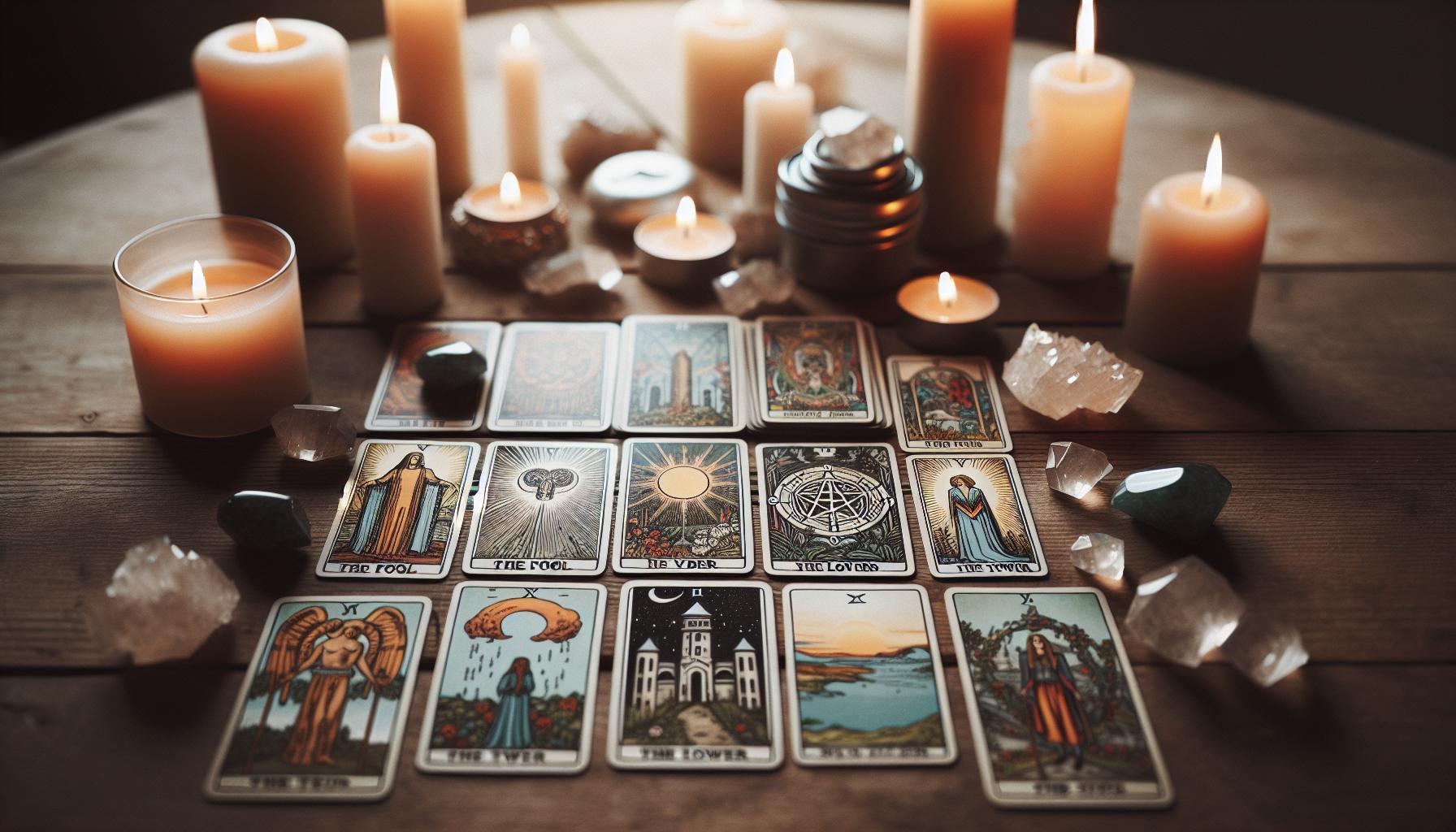
The Major Arcana: Key Cards You Must Know
Recognizing the Major Arcana is a pivotal step in understanding Tarot readings. This thirteen-card section of the deck represents profound archetypes and universal themes that connect deeply with our life journeys. Unlike the Minor Arcana, which focuses on everyday events, the Major Arcana cards delve into significant life events, spiritual lessons, and personal transformations. Each card carries rich symbolism and meaning, offering insightful messages whether you’re reading for yourself or others.
The journey through the Major Arcana begins with The Fool, symbolizing new beginnings and spontaneous decisions. As you explore this card, you might reflect on how taking a leap of faith can lead to new opportunities. Moving through to the values of The High Priestess, this card encourages you to trust your intuition and delve into the subconscious. Each card tells a story, revealing layers of meaning as you learn to interpret them based on the context of the reading.
Here are a few key cards you should know:
- The Fool (0): Represents new beginnings and potential. A reminder to embrace the unknown with an open heart.
- The Magician (I): Signifies manifestation and resourcefulness. You hold the tools to create your reality.
- The Empress (III): Embodies fertility, abundance, and nurturing. Connect with nature and the creative forces of the universe.
- The Tower (XVI): Indicates sudden upheaval and revelation. Though challenging, it can lead to new insights and liberation.
- The World (XXI): Symbolizes completion, wholeness, and fulfillment. Celebrate your achievements and recognize your journey.
As you progress in your Tarot practice, consider how these cards resonate with your experiences. For example, if you draw The Lovers (VI) during a guidance session about a relationship, it may signal not only romantic connections but the importance of choice and balance within these dynamics. Make journaling a habit to record your interpretations and observations about how each card reflects personal or client situations.
When working with the Major Arcana, it helps to concentrate on the cards’ emotional and spiritual messages rather than solely their technical meanings. This approach deepens your intuitive abilities and strengthens your connection to the cards. As you grow more comfortable, remember that each reading is a unique, sacred conversation where the cards unfold their stories in your hands, guiding you toward insight and clarity. Embrace the learning journey as you uncover the powerful narratives woven through the Major Arcana, marking significant milestones along your path.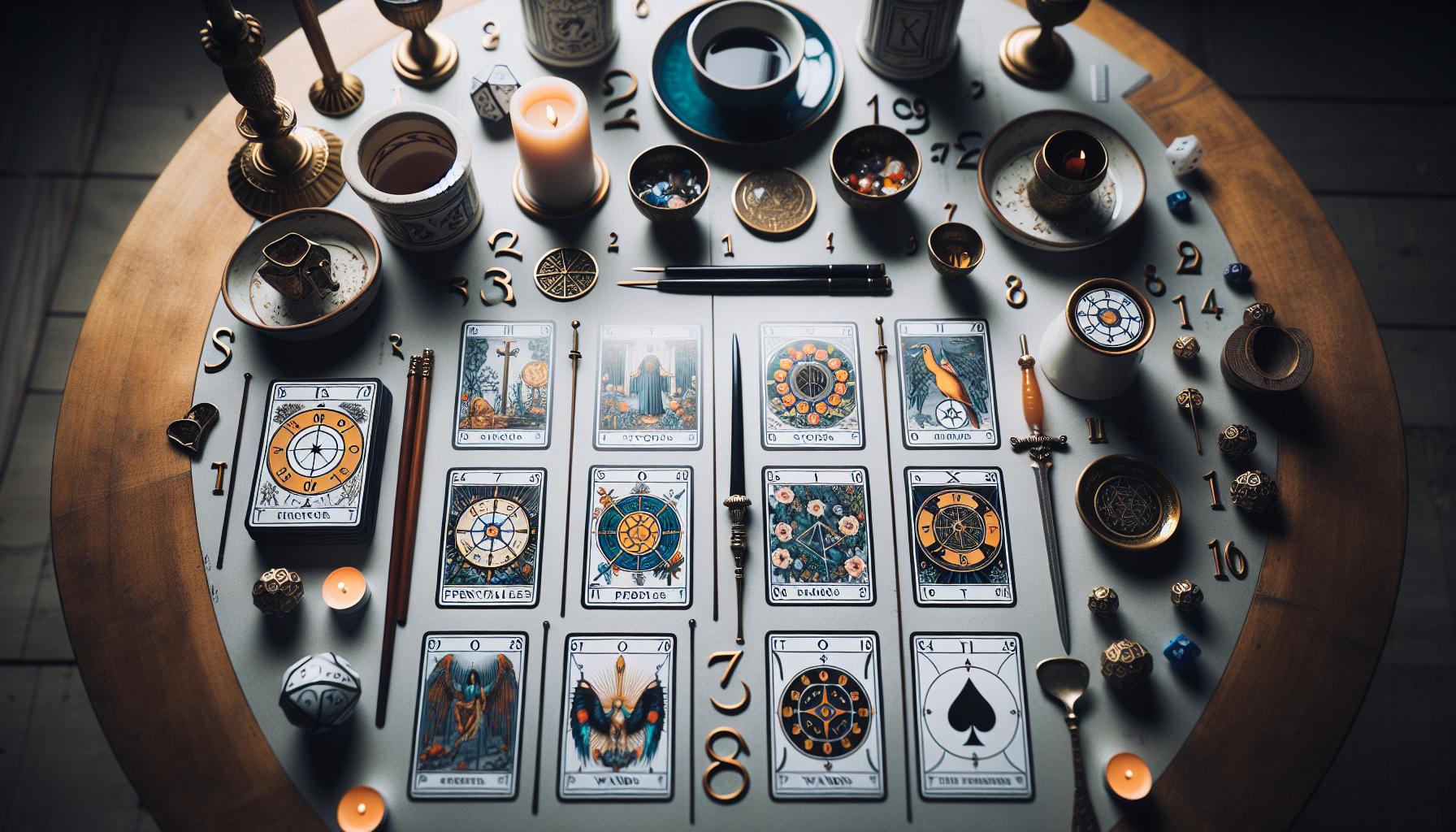
The Minor Arcana: Understanding Suits and Numbers
The Minor Arcana is often viewed as the heart of the Tarot deck, bringing depth and detail to our daily experiences. Composed of 56 cards, it is divided into four suits: Cups, Wands, Swords, and Pentacles. These suits each symbolize different aspects of life, guiding us through our emotions, challenges, actions, and resources. As you explore the Minor Arcana, you will discover how these cards offer insights into practical matters and situational dynamics, making them essential for any reading.
Cups
The suit of Cups is associated with emotions, relationships, and connections. When you draw a Cup card, you might be tapping into feelings related to love, intuition, or emotional growth. For example, The Two of Cups often signifies partnership and harmonious relationships, urging you to foster connections. In contrast, The Five of Cups can represent loss or regret, inviting reflection on what has been lost rather than what remains.
Wands
Wands represent creativity, action, and ambition. This suit is tied to your passions and the challenges you face in pursuing your goals. When you encounter a Wands card in a reading, consider how your drive and enthusiasm are shaping your path. For instance, The Ace of Wands is a powerful symbol of new beginnings and inspiration, encouraging you to take bold steps toward your desires, while The Seven of Wands often points to the need for perseverance and defense of your position.
Swords
The Swords suit deals with intellect, conflict, and decision-making. These cards may reflect thoughts, beliefs, or challenges you’re facing mentally and socially. Drawing a Swords card can indicate a need for clarity or truth. A card like The Three of Swords may signify heartache and emotional pain, prompting one to confront difficult truths, whereas The Ace of Swords can symbolize clarity, breakthrough ideas, or the triumph of the mind.
Pentacles
Lastly, Pentacles handle matters of material aspects, including finance, work, and physical health. They ground the reading in reality, often revealing what is tangible in your life. For instance, The Ace of Pentacles suggests new financial opportunities or material stability, while The Five of Pentacles warns of hardship or insecurity, encouraging attention to issues of support and community.
As you delve into the Minor Arcana, remember that each card within a suit tells a story not just individually but also in relation to its counterparts. For instance, drawing a combination of Cups and Pentacles might indicate an emotional aspect affecting your finances. Keep a journal of your readings to track how these interpretations manifest in your life or the lives of those you read for. This practice will enhance your intuitive skills and deepen your understanding of the intricate narratives woven through the Minor Arcana, creating a bridge between the spiritual and the everyday.
Simple Tarot Spreads for New Readers
While embarking on your tarot journey, selecting a simple spread can significantly enhance your reading experience, especially for beginners. A tarot spread is essentially a layout of cards that helps organize your reading and makes interpreting the cards’ messages clearer. Here are a few essential spreads that anyone can use to develop their skills and confidence.
One-Card Spread
The most straightforward approach to reading tarot is the one-card spread. This method is perfect for daily guidance or specific questions. To use this spread:
- Ask a question: It can be open-ended like, “What should I focus on today?”
- Draw a card: Shuffle your deck while thinking about your question, then draw one card.
- Interpret the card: Look up its meaning in your tarot guidebook, focusing on how it relates to your question.
This spread encourages you to develop your intuition and understand the significance of a single card in your life.
Three-Card Spread
This spread adds depth by allowing you to explore past, present, and future influences or different aspects of a single situation. Here’s a simple way to implement it:
- Set your intention: Think about what you want to inquire about and frame your question appropriately.
- Draw three cards: Shuffle again and lay out three cards in a row.
- Assign meanings: The first card can represent the past, the second the present, and the third the future. Reflect on how these cards interact with each other.
By using this spread, you gain insight into how past experiences shape your current situation and potential outcomes.
Celtic Cross Spread
If you’re feeling ready for a more complex reading, the Celtic Cross is a classic 10-card spread that provides comprehensive insights. Although it might seem daunting, take it step by step:
- Lay out the cards: Start with your first card in the center, then place cards 2-10 following the traditional positions.
- Focus on card placements: Each position holds a specific meaning-such as challenges, influences, or external factors.
- Interpret in context: Analyze how each card affects the whole reading.
This spread offers a thorough view of not just one question but the various dimensions and influences surrounding your situation.
Starting with these simple spreads can help demystify tarot readings and foster your understanding of how to interpret the cards. As you practice, remember to keep a journal of your readings, noting interpretations and how they played out in real life. This reflection not only enhances your intuition but deepens your connection with the deck itself-turning each reading into a spiritual conversation with yourself. Most importantly, trust your instincts and enjoy the journey!
Step-by-Step: How to Conduct Your First Reading
When you’re ready to dive into your first tarot reading, the experience can feel both exhilarating and overwhelming. However, with a clear plan and a little bit of openness, you can navigate this spiritual practice with confidence. Follow these straightforward steps to make your first reading both enjoyable and insightful.
Start by creating a comfortable space free from distractions. This could be a quiet corner in your home, a park, or anywhere you feel at peace. Once you’ve settled in, take a few moments to ground yourself. You might want to close your eyes and take deep breaths, allowing any outside thoughts to gently fade away. This will help you connect with your intention for the reading.
Next, prepare your tarot deck. If it’s brand new, give it a little love by shuffling the cards to infuse them with your energy. As you shuffle, think about the questions or themes you wish to explore. It helps to frame your inquiry clearly; for example, instead of a vague “What will happen in my life?”, ask something more specific like, “What do I need to focus on this month?”
Once you feel ready, choose a tarot spread. A simple one-card or three-card spread is perfect for beginners. To conduct a one-card reading after shuffling, cut the deck and draw a card, placing it face up in front of you. Take a moment to observe the imagery and symbols on the card. Refer to your guidebook or your intuition to decipher its meaning-how does it relate to your question?
For a three-card spread, repeat the shuffling and focus on your question, then draw three cards sequentially. Assign meanings to each card: the first for the past, the second for the present, and the third for the future. Reflect on how these elements interact. For instance, if the first card is the Five of Cups (representing loss or regret), and the second is the Ace of Cups (indicating new emotional opportunities), notice how your past experiences might be influencing your current situation and where you might find hope ahead.
Remember, there are no wrong answers in tarot. Your interpretation should feel right to you, so trust your instincts. After the reading, consider journaling your thoughts and insights. Over time, this will deepen your intuitive skills and enhance your connection to the cards. Tarot is not just about predicting the future; it’s an enriching conversation with your inner self, guiding you as you navigate life’s journey. Enjoy the process, and embrace the magic of your tarot experience!
Interpreting Card Meanings: Tips for Beginners
When you first encounter the vibrant images and symbolism of tarot cards, it can feel like stepping into a rich, mystical world. But understanding how to interpret these cards can transform your readings into powerful tools for self-reflection and guidance. Each tarot card holds its own set of meanings, influenced by imagery, numerology, and the specific questions you ask during your reading. Embracing this complexity can open doors to insightful personal revelations and empower your intuitive abilities.
To begin interpreting card meanings, focus on the images and symbols present on the card. Every detail, from the colors to the figures and their actions, contributes to the card’s message. For example, the Two of Cups, often associated with partnerships, features two figures exchanging cups, symbolizing mutual support and connection. Consider what resonates with you personally: how do these depictions relate to your situation or question? Take a moment to jot down your initial thoughts before consulting your guidebook or other resources, allowing your intuition to lead the way.
Essential Tips for Card Interpretation
- Connect with Your Emotions: Gather your feelings associated with the card. If the card evokes a strong memory or emotion, acknowledge it. This reaction can guide you to a deeper understanding.
- Start with Key Meanings: Familiarize yourself with the core meanings of each card, but remain flexible. As you grow in your practice, allow your interpretations to evolve based on context or personal experiences.
- Utilize Reversals: If you choose to read reversals (inverted cards), trust your instincts. A reversed card might signal a blockage or an alternate perspective on the card’s upright meaning.
- Seek Patterns: Over time, look for patterns in how certain cards appear in your readings. For instance, if you frequently draw the Wheel of Fortune, consider what cycles or changes are currently present in your life.
As you gain confidence, experiment with combining interpretations from multiple cards within a spread. For instance, if you draw the Three of Swords (symbolizing heartbreak) alongside the Star (representing hope and healing), reflect on how these two messages interact: perhaps a painful experience is paving the way to brighter prospects. Integrating card meanings creates a more holistic perspective, enriching your insights and aiding your understanding of complex situations.
Remember, the beauty of tarot lies in its subjectivity. There’s no single “correct” interpretation; each reading is a conversation between you and your inner wisdom. Embrace the journey of learning, and trust that with practice, your intuitive skills will sharpen. You hold the key to the remarkable world within your tarot deck-each reading is an opportunity for exploration and growth.
Enhancing Your Intuition: Trusting Your Gut Feelings
Feeling uncertain is a common experience when starting to explore tarot cards, but trusting your intuition can transform your readings from mere speculation into insightful personal journeys. Intuition acts as an inner compass, guiding you through the rich symbolism and meanings embedded within each card. As you delve into the world of tarot, remember that your gut feelings are not just fleeting instincts; they’re valuable signals that can deepen your understanding of the cards and their messages.
To enhance your intuitive abilities, start by creating a calm and open space before each reading. Take a few moments to breathe deeply and clear your mind of distractions. This practice can help you tune into your internal voice. When you draw a card, pause and observe your immediate reactions. What thoughts or emotions arise? For example, if you pull the High Priestess, you might feel a sense of mystery or introspection. Rather than searching for a textbook definition first, try to articulate why that card resonates with you at that moment. This initial reaction is often the key to unlocking the deeper messages within your reading.
Practice with Intuitive Exercises
- Free Association: After drawing a card, write down every word or image that comes to mind without filtering your thoughts. This spontaneous reflection can reveal connections you might not consciously acknowledge.
- Question Yourself: Ask yourself guided questions such as, “What do I think this card is trying to tell me?” or “How does this card reflect my current situation?” Journaling your responses can help clarify your intuition over time.
- Daily Card Pull: Make it a habit to draw one card daily and reflect on it throughout the day. Note how its meaning illustrates events or thoughts as they arise. This practice reinforces your intuitive connections by creating a narrative over multiple days or weeks.
As you grow more confident in your interpretations, don’t hesitate to experiment with combining card meanings within a spread. For instance, if you draw the Seven of Cups alongside the Judgment, consider how the themes of choices and awakening might interact in your life. Trusting your intuition in these moments allows you to craft a narrative that feels genuine to your experience. Remember, in tarot, there are no hard and fast rules: your individual interpretation is a powerful tool in your readings.
Ultimately, embracing your intuition opens the door to a more personal and profound connection with your tarot practice. Celebrate each reading as an opportunity to listen to your inner voice, acknowledging that your feelings and thoughts are just as valid as any traditional interpretation. Over time, you will find that your intuition becomes your most trusted ally in navigating the rich tapestry of tarot cards.
Common Mistakes to Avoid While Reading Tarot
Reading Tarot can be a transformative experience, but beginners often stumble due to common pitfalls that can derail their confidence and accuracy. Recognizing and avoiding these mistakes can empower you on your journey into Tarot, allowing for more insightful readings.
One frequent error is depending too heavily on reference materials instead of trusting your intuition. While learning card meanings is essential, every card can resonate differently depending on context and your personal associations. For instance, the Two of Pentacles might usually signify balance and juggling tasks, but if you personally associate it with taking a risk, that interpretation could add valuable depth to your reading. Embrace your unique insights-they’re as valid as standardized interpretations.
Another common misstep is overcomplicating spreads with too many cards or questions. Beginners might feel the need to pull out a dozen cards to get a comprehensive view, but this can lead to confusion. Start with simpler spreads, like a three-card layout representing past, present, and future, to establish a clearer connection and narrative. When you feel comfortable, gradually explore more complex arrangements.
Neglecting Intuitive Insights
When interpreting the cards, it’s easy to become fixated on textbook definitions instead of allowing your intuitive insights to shine. Pay attention to the feelings and imagery each card evokes in you. If you pull the Fool and immediately think of new beginnings in a career context, don’t hesitate to follow that line of thought. The magic of Tarot lies in its fluid nature and ability to reflect your personal journey and current life situations.
Striving for “right” answers can also hinder your practice. Remember, Tarot is not an exact science; it’s a tool for exploration and reflection. If a reading doesn’t seem to yield clear answers, consider that it may serve as a prompt for deeper introspection or meditation rather than a definitive guideline. Approach each session with an open mind and a sense of curiosity, allowing yourself the freedom to explore various interpretations without fear of being wrong.
Rushing the Process
Lastly, new readers sometimes rush through the reading process, eager to uncover answers. Take your time to connect with each card drawn. After pulling a card, pause; breathe and meditate on its imagery and symbolism before jumping to conclusions. Engaging in this thoughtful practice not only enhances your interpretations but deepens your connection to the cards.
Avoiding these common mistakes while embracing your personal intuitive insights will help you build confidence and cultivate a more meaningful Tarot practice. Every reading is a step toward deeper understanding, both of the cards and of your inner self.
Caring for Your Tarot Deck: Maintenance and Rituals
Caring for your Tarot deck is essential to maintaining its energy and ensuring that it remains a powerful tool for your readings. Just like any tool, a Tarot deck benefits from regular maintenance and the establishment of rituals that resonate with you personally. Taking time to nurture your cards can deepen your connection to them, making your readings more intuitive and insightful.
One effective practice is to regularly cleanse your deck. This can be done in various ways, depending on what feels right for you. Some common methods include:
- Smoke Cleansing: Pass your deck through the smoke of burning sage, incense, or Palo Santo. This method is believed to clear negative energies.
- Crystal Charging: Place your deck on a piece of selenite or clear quartz overnight. These crystals are thought to purify and recharge other energies.
- Sound Cleansing: Use a bell or singing bowl to create sound vibrations around your cards. Sound can break up stagnant energy and refresh your deck.
Establishing a ritual for when you first receive your deck can also set a sacred intention. Take a moment to hold each card and visualize your energy mingling with the cards. Express a deep intention for guidance, clarity, or any specific focus for your readings.
Another important aspect of maintaining your Tarot deck is physical care. Ensure that your cards are kept in a safe, dry place when not in use. Some readers prefer to store their decks in satin bags or decorative boxes that reflect their intentions or personal style. This protects the cards from wear and tear, as well as environmental factors that could affect their condition.
Consider incorporating a regular practice of reflection after each reading. Spend a few moments journaling about your insights, feelings, or any messages that arose. This not only helps you remember the nuances of each reading but also enhances your personal growth and connection to the deck over time.
By integrating these maintenance rituals into your Tarot practice, you will nurture both your cards and your intuitive abilities. Remember, your Tarot deck is a reflection of your journey; caring for it respectfully fosters a deeper understanding of the messages it holds and the wisdom it offers.
Advanced Techniques: Deepening Your Tarot Practice
Exploring advanced techniques in tarot can elevate your practice from simple card readings to a profound journey of self-discovery and insight. By implementing these methods, you deepen your understanding of the cards and enhance your intuitive capabilities, allowing for more complex readings that resonate with both you and those you read for.
One effective approach is to engage with your cards on a deeper level by journaling your insights. After each reading, take time to reflect on what each card means to you personally. Record not just the traditional interpretations but also how the imagery and symbolism resonate with your current life situations. This practice helps to build a library of meanings unique to your experiences, strengthening your intuition over time. For example, if you pull the Death card, instead of fearing it as an omen of tragedy, you might write about a transformation you are currently undergoing, viewing it as an opportunity for rebirth.
Another technique to deepen your tarot practice is the incorporation of intuitive exercises. Try pulling a daily card and using it as a focal point for meditation. Sit quietly, reflect on the imagery, and allow your mind to wander into thought processes related to that card. Consider questions like “What lesson is this card teaching me today?” or “How can I embody the energy of this card?” This habit not only familiarizes you with your deck but also enhances your intuitive skills, enabling you to rely less on memorized meanings and more on personal narrative during a reading.
Developing Your Own Spreads
Creating custom spreads tailored to specific questions or themes can also serve as an excellent way to deepen your practice. Instead of defaulting to a simple three-card spread, experiment with different layouts. For instance, if you’re grappling with a big decision, design a spread that explores the pros and cons, possible outcomes, and the emotional landscape surrounding your choice. Lay out the cards in a way that feels organic to you, and watch how this personalized approach enhances the clarity of your readings.
Furthermore, consider weaving tarot into other spiritual practices that resonate with you. Whether it’s astrology, numerology, or mindfulness, exploring the intersections of these disciplines can provide rich insights. For example, if you connect tarot with astrology, you might begin to interpret major arcana cards through the lens of astrological signs, adding another layer of depth to your readings. This integration can open new pathways of understanding and enrich the messages conveyed through your tarot practice.
By exploring these advanced techniques, you not only expand your skill set but also deepen your personal relationship with tarot. Remember, each reading is an opportunity to learn and grow, inviting you to trust your intuition and become a more confident reader.
Integrating Tarot with Other Spiritual Practices
can enhance the richness of your readings, allowing for a more profound exploration of your intuition and insights. By combining tarot with disciplines like astrology, numerology, or mindfulness, you create a dynamic framework that deepens your understanding and personal connection to the cards.
One of the most enriching combinations is integrating tarot with astrology. Each tarot card aligns with specific astrological signs, and recognizing this connection adds layers to your interpretations. For example, understanding that The Emperor card resonates with the energy of Aries can give you insights into themes of leadership and authority in your readings. When you draw this card, consider what Aries qualities-assertiveness, confidence, or sometimes impatience-may be influencing your situation. You could also explore the lunar cycles by drawing cards during the New Moon for intentions and during the Full Moon for release, enriching your practice with seasonal awareness.
Another powerful way to merge practices is through numerology. Each card (especially in the Minor Arcana) has a number that can provide additional insight. For instance, if you frequently draw the Four of Swords, the number four represents stability and foundation. Reflecting on this can prompt questions about where you seek rest or security in your life and can guide your meditation or intention-setting sessions. You might also consider creating a spread specifically focused on your personal numerology, interpreting how your life path number influences your current circumstances.
Mindfulness practices can also complement your tarot readings beautifully. As you prepare for a reading, engage in a few moments of deep breathing or meditation. This practice centers your mind, allowing you to approach the cards with clarity and openness. After a reading, take a moment to journal your thoughts and feelings about the cards you drew. This practice not only solidifies your insights but also encourages ongoing self-reflection-which is key to developing your intuitive skills over time.
Finally, don’t hesitate to explore how elements like crystals, herbs, or even meditation can enhance your tarot experience. For instance, holding a grounding crystal like hematite while reading may help you stay focused, while using herbs like lavender for peace or rosemary for mental clarity can enhance your psychic abilities.
Ultimately, approaching tarot as part of a larger spiritual practice allows you to explore the interconnectedness of your experiences and beliefs. Each reading becomes a stepping stone on your journey, inviting you to reflect, learn, and grow in a holistic manner. Embrace these integrations with curiosity and open-heartedness, knowing that every layer you add enriches your experience with the cards.
Frequently Asked Questions
markdown
Q: What are the first steps to learning how to read Tarot cards?
A: Start by choosing a Tarot deck that resonates with you. Familiarize yourself with the Major and Minor Arcana, as understanding these cards is crucial. Additionally, practice simple spreads and set your intentions for each reading to enhance your focus.

Q: How can I improve my Tarot reading skills?
A: To enhance your Tarot reading skills, practice regularly and keep a Tarot journal. Record your readings, thoughts, and any intuitive insights. Engage with Tarot communities or online courses for diverse perspectives and tips to grow your understanding and confidence.

Q: What should I do if I feel unsure about my interpretations?
A: If you feel unsure about your interpretations, take a step back and trust your intuition. Consider the imagery and emotions of the cards and how they relate to your question. You can also refer to guidebooks or online resources for additional insights.

Q: How can I cleanse my Tarot cards after a reading?
A: To cleanse your Tarot cards, consider methods like smudging with sage, placing them under moonlight, or using crystals like selenite. Establishing a ritual helps maintain the energy of your cards. For specific cleansing techniques, refer to the Caring for Your Tarot Deck section of the main article.

Q: Can I read Tarot for others as a beginner?
A: Yes, you can read Tarot for others as a beginner! Start by practicing with friends and family who are understanding. Communicate your experience level upfront and approach each reading with genuine care and openness. This will build your confidence and refine your skills.

Q: What common mistakes should I avoid when reading Tarot cards?
A: Avoid common mistakes like relying solely on guidebook meanings instead of your intuition, asking vague questions, or reading when emotionally unbalanced. Establish clear queries and approach each reading with a calm mind, as discussed in the Common Mistakes to Avoid While Reading Tarot section.

Q: How do I choose the right Tarot spread for my reading?
A: Choosing the right Tarot spread depends on your question and the depth of insight you wish to achieve. For general readings, start with simple 3-card spreads. As you gain confidence, explore more complex spreads like the Celtic Cross. Refer to the Simple Tarot Spreads for New Readers section for options.

Q: Why is it important to trust my intuition during a reading?
A: Trusting your intuition is vital during a Tarot reading as it allows you to connect more deeply with the cards' meanings and energies. Your intuition provides personal insights and helps you interpret cards in ways that resonate uniquely with each reading situation.
The Conclusion
Now that you’ve learned how to read tarot cards step-by-step, you’re equipped to connect with your intuition and uncover deeper meanings in each card. Embrace the magic and mystery of tarot-whether you seek clarity in daily life or insight into relationships and personal growth, the cards are powerful allies in your journey. Don’t stop here! Explore our guide on Tarot Card Definitions to deepen your knowledge, or take a look at our 3-Card Love Reading for personalized insights into your romantic life.
Ready to dive deeper? Join our community by signing up for our newsletter, and receive exclusive tips and readings straight to your inbox. If you have questions or want to share your experiences, we invite you to leave a comment below. Remember, tarot is not just for the seasoned reader; it’s a welcoming path for everyone! Embrace your journey with confidence, and let the cards guide you toward empowerment and understanding.
Get our latest guides, news, and insights highlighted in your Google Search & AI Overviews.