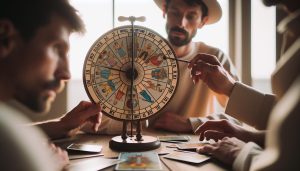
Unlocking the mysteries of Tarot can be an enriching journey for anyone seeking clarity or insight into life’s twists and turns. This guide will empower you to harness the wisdom of Tarot cards, revealing how they can serve as a mirror to your inner self and a tool for personal growth. Whether you feel curious, skeptical, or simply lost about where to start, you’re not alone-many share the desire to tap into the intuitive guidance Tarot offers. By exploring card meanings and learning practical techniques, you can foster confidence in your readings and deepen your understanding of your own path. Are you ready to embark on this transformative adventure? Let’s demystify Tarot together and discover how these beautiful cards can illuminate your journey!
Understanding Tarot Cards: A Beginner’s Overview
Understanding Tarot cards can be an exciting adventure into the realms of self-discovery and intuition. At its core, Tarot is a powerful tool for reflection and insight, often made up of 78 cards that comprise two main groups: the Major Arcana and the Minor Arcana. The Major Arcana consists of 22 cards, each representing significant life themes and lessons, while the Minor Arcana, made up of 56 cards, reflects everyday events and situations. Together, these cards offer a way to explore your thoughts, feelings, and life circumstances.
When you first approach Tarot, it’s helpful to understand that each card is filled with symbols, colors, and images that can be interpreted in various ways. These symbols often resonate with universal themes and personal experiences. For example, the Fool card signifies new beginnings and the courage to take risks, while the Tower denotes sudden change or upheaval. Engaging with these cards offers a dynamic interaction where meanings can shift depending on your question, the context of the reading, and your own intuition.
Furthermore, using Tarot involves more than just knowing card meanings; it’s about establishing a relationship with your deck. Many practitioners recommend spending time simply looking at the cards, feeling their energy, and journaling your impressions. This connection enhances your intuitive abilities and enables you to draw insights that are unique to your situation. Whether you are seeking clarity on a specific issue or guidance on your life’s path, approaching Tarot with an open heart and a curious mind can yield profound lessons and affirmations.
In practice, before a reading, set a clear intention or question. This focus directs the energy of the cards and shapes your interpretation. Remember, there are no wrong interpretations-what resonates with you is what truly matters. Embrace the journey with love and curiosity, and let the cards guide you toward deeper understanding and personal growth.
Selecting Your First Tarot Deck: What to Look For
Choosing your first Tarot deck can feel like a magical journey that speaks to your intuition and personal style. With so many options available, it’s essential to select a deck that resonates with you on a deeper level. Look for imagery and themes that you feel an emotional connection with. Whether it’s vibrant colors, mystical symbolism, or a particular art style, your first deck should feel like a true reflection of your personality and beliefs.
When considering different decks, pay attention to the following aspects:
- Art Style: Explore various artists and styles. Some decks are ornate and colorful, while others may be minimalist or abstract. Choose a style that draws you in and excites your imagination, as this will enhance your reading experience.
- Theme: Themes can vary widely-some decks focus on mythology, nature, cultural elements, or even modern interpretations. Select a theme that resonates with your interests or spiritual beliefs.
- Guidebook: A good guidebook can be a tremendous asset, especially for beginners. Look for decks that come with detailed explanations of each card and practical reading tips. This can greatly aid your understanding of Tarot meanings and spreads.
- Card Size and Quality: Consider tactile aspects such as card size, material, and durability. You’ll want a deck that feels comfortable in your hands and can withstand repeated shuffling and use.
Don’t hesitate to visit a local metaphysical shop or browse online resources. Sometimes, holding the cards or looking at sample images can help you decide. Many practitioners suggest spending time with a deck before committing-whether that’s through handling it at a store or using digital previews available online.
Finally, remember that Tarot is about connection and intuition. Choosing your first deck should feel like a collaborative process, not just a purchase. Trust your instincts; the right deck will resonate with you and enhance your journey into the world of Tarot. Be patient, and enjoy the exploration-this relationship will grow as you delve deeper into your readings and personal growth.
Essential Tarot Card Meanings: A Quick Reference
Understanding the essential meanings of Tarot cards can dramatically enhance your readings and personal insights. Each card carries a multitude of layers and interpretations, acting as a mirror to your subconscious thoughts and feelings. As a beginner, it’s helpful to familiarize yourself with key meanings to build a solid foundation for your intuitive practices.
Here’s a quick reference for some core cards from the Major Arcana and their basic significances:
Major Arcana Overview
| Card | Key Meaning |
|---|---|
| The Fool | New beginnings, adventure, potential |
| The Magician | Manifestation, resourcefulness, power |
| The High Priestess | Intuition, unconscious knowledge, mystery |
| The Empress | Fertility, creativity, nurturing |
| The Emperor | Authority, structure, control |
| The Lovers | Relationships, choices, harmony |
| Death | Endings, transformation, transition |
| The World | Completion, travel, achievement |
Your connection with these cards deepens as you spend time reflecting on their imagery and meanings. As you draw each card, consider what emotions or thoughts arise-is there a dialogue occurring? Use this as your guiding compass.
Similarly, the Minor Arcana contains four suits: Cups, Pentacles, Swords, and Wands, each connecting to different aspects of life.
Minor Arcana Basics
- Cups: Associated with emotions, relationships, and connections.
- Pentacles: Focused on material and financial aspects of life.
- Swords: Representing thoughts, intellect, and challenges.
- Wands: Symbolizing action, inspiration, and creativity.
Familiarizing yourself with these cards equips you to read and interpret your spreads more confidently. When you grasp the meaning of each card, try practicing with simple three-card spreads-past, present, and future-to see how these meanings unfold in your life situations. This combination of knowledge and intuition transforms your Tarot practice into a rich exploration of self-discovery and understanding.
How to Shuffle and Prepare Your Tarot Cards
When preparing to delve into the world of Tarot, how you shuffle and prepare your cards is a deeply personal and essential part of your practice. This ritual not only sets the tone for your readings but also strengthens your connection to the cards. Before you begin, take a moment to ground yourself-this might include taking a few deep breaths or lighting a candle to create a serene atmosphere. The goal here is to clear your mind and open your heart to the messages the Tarot has to offer.
There are several ways to shuffle your Tarot cards, and each method holds its own unique energy. A common approach is the overhand shuffle: hold the deck in your dominant hand and use the other hand to lift small sections of the deck and let them fall back together. This method allows for the cards to intermingle without too much stress, preserving their energy. Another popular technique is the rifle shuffle, where you divide the deck into two halves and then shuffle them together. While this can be effective, it may wear down the edges of your cards over time if done too aggressively.
As you shuffle, it’s helpful to focus on your question or the intention behind your reading. You might say a mantra aloud or in your mind, such as, “I seek clarity on my current situation.” This intention-setting becomes part of the process, imbuing the cards with your energy and focus. After shuffling, allow the cards to rest for a moment before you begin to lay them out. You might want to cut the deck into three piles and choose one, as this can also help in channeling your energy into a specific area of the reading.
Once your cards are shuffled and split, consider laying them face down in your chosen spread. There are many beginner-friendly layouts, such as the three-card spread, which represents the past, present, and future. The way you prepare your space, your mindset, and your method of shuffling all enhance the intuitive experience of your reading, making your connection with the Tarot more profound and meaningful. Remember, this is your journey with the cards-embrace the methods that resonate with you and feel free to adapt them as you grow in your practice.
Beginner Tarot Spreads: Simple Layouts to Get Started
Starting your journey with Tarot can feel like unearthing a treasure trove of guidance and insight. For beginners, using simple spreads is an accessible way to dive into this intuitive art. These layouts don’t just provide structure; they help you focus your questions and provide clarity on various aspects of life. Here’s a look at some beginner-friendly spreads to help you get started.
Three-Card Spread
One of the most beloved layouts for novices is the Three-Card Spread. This straightforward arrangement allows you to explore a situation from three perspectives: the past, present, and future. As you lay out the cards, reflect on how each one relates to the context of your inquiry.
How to Use It:
- Shuffle your deck while focusing on your question.
- Draw three cards and lay them in a row from left to right.
- Interpret:
– The first card reveals influences from the past.
– The second card represents your current situation.
– The third card provides insight into the potential outcome.
This spread not only helps you understand the flow of events but also illustrates how past actions influence your present and future.
One-Card Pull
If you’re looking for a quick insight or daily guidance, the One-Card Pull is perfect. This method simplifies the process, allowing for reflection on a specific question or theme for the day.
How to Use It:
- Set your intention or question clearly in your mind.
- Draw a single card from the shuffled deck.
- Contemplate its meaning and how it applies to your situation.
This exercise can be especially empowering, as it trains you to listen to your intuition and connect with the cards directly.
Four-Card Spread
For slightly more depth, try the Four-Card Spread, which often represents what you need to know, what you want, what you’re afraid of, and the possible outcome. This spread provides a holistic view, helping you address and integrate various aspects of your inquiry.
How to Use It:
- Shuffle the cards, focusing on your overall inquiry.
- Draw four cards and lay them face up in a row.
- Label each card as follows:
– Card 1: What you need to know
– Card 2: What you want
– Card 3: What you fear
– Card 4: The possible outcome
Together, these cards offer insights into your motivations and hesitations while painting a clearer picture of potential developments.
As you explore these Tarot spreads, remember that the connection you build with your cards is uniquely yours. Each reading is a dialogue between your intuition and the symbols before you. Embrace the process, trust your instincts, and let the Tarot illuminate your path!
Interpreting Tarot Readings: Tips for Insight
Interpreting Tarot readings can feel like peering into a mirror that reflects not just your current situation but also the deeper currents of your subconscious. Each card tells a story and invites you into a conversation with your own intuition. To unlock the full potential of your readings, remember that understanding the cards is both an intellectual and intuitive endeavor.
Start by grounding your interpretations with the traditional meanings of the cards. Familiarize yourself with the symbolism and themes associated with each card. The Major Arcana cards often represent significant life events or spiritual lessons, while the Minor Arcana cards relate to everyday situations. When drawing a card, consider its position within the spread, as it can dramatically alter its meaning. For example, the Fool card may suggest new beginnings when drawn in a forward position, but if it’s reversed, it may indicate recklessness or a lack of direction.
Once you have a grasp on the basic meanings, allow your intuition to guide you. Take a moment to reflect on how the imagery and symbols resonate with your personal experiences. Tarots are designed to evoke feelings; trust those feelings. You might find that the Two of Cups brings to mind a recent partnership or a significant relationship in your life. Jot down these reflections as they can guide your understanding and provide context for the reading.
Practical Tips for Interpretation
- Context is Key: Always consider the question you asked when interpreting the cards. The relevance of the card’s meaning can shift based on what you seek to understand.
- Trust Your Instincts: If the traditional meaning of a card doesn’t resonate with you in that moment, go with your gut. Your personal association with the card can offer deeper insights.
- Look for Patterns: As you gain experience, pay attention to recurring themes or cards in your readings. These can serve as significant indicators of what you need to explore further.
- Practice Writing: Keep a Tarot journal where you document each reading. Include the question, the cards drawn, and your reflections. Over time, you’ll notice how your interpretations evolve.
Remember, the Tarot is not just a tool for divination; it’s also a catalyst for introspection and growth. With practice, your confidence in interpreting readings will flourish, empowering you to draw meaningful conclusions that resonate on a personal level. Enjoy the journey as you engage with these cards, and let them guide you toward deeper self-awareness and clarity.
Common Tarot Myths: Debunking Misconceptions
Many people are drawn to Tarot with a mixture of intrigue and skepticism, often fueled by common myths that can cloud their understanding or inhibit their exploration of the cards. One prevalent misconception is that Tarot reading is fundamentally about fortune-telling-predicting the future in a fixed way. In reality, Tarot acts as a mirror, reflecting current energies and potential paths rather than dictating a specific outcome. Each reading invites reflection and introspection, empowering the querent to engage with their own intuition and make informed decisions about their life.
Another misconception is the belief that you need to be psychic to read Tarot. This could not be further from the truth. Anyone can learn to read Tarot cards, as the process is fundamentally about understanding the symbols and meanings within the cards, combined with personal intuition. By practicing and learning the basics of card meanings and spreads, you’ll cultivate your unique reading style over time. This democratizes the practice-ensuring it’s accessible to everyone, regardless of their perceived intuitive abilities.
Some also fear that Tarot cards have inherent power or that they can lead to bad luck. It’s important to recognize that Tarot is simply a tool. The cards do not possess power over your life or fate; instead, they facilitate a deeper exploration of your thoughts, feelings, and circumstances. By engaging with the cards, you can bring clarity and insight into your situation. This process is akin to journaling or meditation, where the focus is on enhancing personal insight rather than invoking supernatural influences.
Lastly, many believe that there are strict rules governing how Tarot must be used, including specific rituals for shuffling or cleansing the cards. While some readers may prefer to follow certain traditions, there are no universal guidelines. What matters is your relationship with the cards and how you feel comfortable using them. Approaching your Tarot practice with an open mind will allow your sessions to be more fulfilling and personalized, with your intuition guiding your methods.
By debunking these myths, you open the door to embracing Tarot as a valuable tool for exploration and growth. Whether you’re seeking guidance on personal issues, creative inspiration, or simply a deeper understanding of yourself, the cards can serve as a powerful ally on your journey.
Building Your Intuition: Trusting Your Inner Voice
Building intuition can feel like a daunting task, especially for those new to Tarot. However, tapping into your inner voice is not only possible; it’s an essential part of truly connecting with the cards. Each time you shuffle the deck, you engage in a sacred dialogue with yourself and your intuition, inviting insights and clarity. This process is akin to learning a new dance; it takes practice, but with each movement, you begin to feel the rhythm.
To begin nurturing your intuition, create a quiet space for yourself before a reading. This environment should be free of distractions, allowing you to tune into your thoughts and feelings. Consider lighting a candle or using soothing music to enhance your focus. As you prepare, ask open-ended questions about the situation you wish to explore. For example, “What do I need to know about this relationship?” or “What energies are present in my career right now?” This approach invites your intuition to surface, helping it guide your interpretation of the cards.
Practical Steps to Enhance Intuition
- Daily Pulls: Start by drawing a single card each day. Reflect on its meaning and how it relates to your day. Over time, you’ll notice patterns and develop a personal connection to the message behind the cards.
- Free Association: When you draw a card, jot down the first thoughts or emotions that come to you. These initial reactions often reveal your intuitive insights and can lead to a deeper understanding of the card’s meaning.
- Visual Journaling: Keep a tarot journal where you draw the cards and express your feelings about them through sketches or words. This integration helps bridge your analytical mind with your inner voice.
Trusting your intuition doesn’t mean discarding card meanings; rather, it’s about blending your understanding of the symbols with your personal experiences. When interpreting a card, ask yourself how it resonates with your current life circumstances. For example, if you draw the Ace of Cups, which symbolizes new emotional beginnings, you might feel a surge of excitement about a budding friendship rather than a romantic relationship. In this way, your intuition personalizes the reading, offering you tailored insights for your path.
Remember that building intuition is a journey. It requires patience and practice, much like learning any other skill. Celebrate small victories and remain open to the messages the cards convey. In doing so, you’ll find that the Tarot becomes an invaluable ally on your journey of self-discovery and reflection.
Tarot Journaling: Documenting Your Journey
Even seasoned Tarot readers often find that maintaining a journal of their experiences can unlock deeper insights and personal growth. Tarot journaling is not just a record; it is a sacred space where your interpretations and emotional connections to the cards can flourish. By documenting your readings, thoughts, and feelings, you create a rich tapestry that reflects your evolving journey through the realms of self-discovery and intuitiveness.
To begin your tarot journaling practice, establish a dedicated notebook or digital document where you can freely express yourself. Each entry could start with the date, the spread used, and a reflection on your current emotional or situational context. For instance, if you pull the Three of Swords-often indicating heartache-you might write about a recent disappointment, allowing the card’s meaning to resonate with your personal experiences. This practice not only helps you understand the cards better but also encourages you to recognize patterns over time, enhancing your intuition.
Key Elements to Include in Your Entries
- Card Interpretations: Write down your thoughts on the meanings of the cards drawn, both traditional interpretations and your intuitive insights.
- Personal Connections: Link the card messages to specific events or feelings in your life, noting how they resonate or challenge your current situation.
- Reflection Questions: Consider ending each entry with questions that encourage further reflection, such as “How can I apply this insight moving forward?”
Another beneficial aspect of tarot journaling is the ability to review your past readings. By looking back at your entries, you might discover recurring themes or insights that were initially missed. For example, if you frequently receive the Ace of Pentacles, which symbolizes new beginnings in financial or material matters, it may be a prompt to evaluate your career goals or financial strategies. This retrospective view not only fosters deeper understanding but also showcases your growth as a reader.
Incorporate various creative elements to invigorate your journaling. Try sketching the cards and noting down your emotional responses to their imagery. You can also experiment with color coding cards based on the type of reading (love, career, etc.) or how they made you feel. This not only makes the process enjoyable but also visually engaging, allowing your intuition to blend with creativity.
By engaging in tarot journaling, you embrace a practice that celebrates your unique journey. It becomes an essential tool for reflecting on the past, understanding the present, and navigating future possibilities, reminding you that the power of Tarot lies not only in the cards themselves but also in your connection to them.
Exploring Advanced Spreads: A Path to Deeper Understanding
The world of tarot cards is rich and multifaceted, inviting you to delve deeper as you gain confidence in your reading skills. Advanced spreads can reveal nuances and layers in your life’s story that simpler layouts may overlook. They offer a structured way to explore different facets of a question or situation, providing clarity and insight into complex scenarios.
Start by exploring the Celtic Cross, one of the most popular advanced spreads. This ten-card layout offers a comprehensive view of past influences, present circumstances, and potential future paths. Each card represents a different aspect of your inquiry-such as your current challenges, immediate influences, and hopes or fears-making it a profound tool for complex questions. As you lay out the cards, pause at each position to reflect on its meaning in the context of your broader narrative.
Another enriching option is the Relationship Spread, which helps uncover dynamics between two parties-be it friends, partners, or colleagues. This spread typically includes cards representing each person’s perspectives, strengths, weaknesses, and the relationship’s overall energy. This can be especially enlightening during times of uncertainty or conflict, as it brings hidden feelings to the surface. A three-card version of this spread could consist of one card for each person’s viewpoint and a third card symbolizing the relationship dynamic itself.
To make the most of these advanced spreads, consider some practical tips:
- Set Intentions: Before you shuffle, take a moment to ground your thoughts. What do you truly want to understand? This focus will guide your interpretation.
- Take Your Time: With advanced spreads, there’s no rush. Spend time with each card, appreciating its imagery and meaning. Allow your intuition to speak.
- Document Your Readings: Keep notes on your spreads in a tarot journal. Reflect on how your interpretations evolve over time as you gain experience.
Lastly, cultivate a sense of trust in your intuition while reading. Advanced spreads can feel daunting, but they are an opportunity for deeper understanding. Don’t hesitate to explore what each card means in regard to your unique circumstances. The magic of tarot lies in your connection with the cards-let that guide you as you navigate your readings with confidence and clarity.
How to Use Tarot for Personal Growth and Reflection
The transformative power of tarot extends far beyond simple predictions; it serves as a profound tool for personal growth and self-reflection. Engaging with tarot encourages a deep dive into your emotions, beliefs, and behaviors, acting as a mirror that reflects your inner world. Whether used to navigate through a difficult life change or to enhance self-awareness, tarot can help illuminate paths of growth that may not have been clear before.
To begin, consider setting a specific intention before your reading. Ask yourself what aspect of your life you want to explore. It could be questions about relationships, career choices, or personal challenges. For example, if you’re feeling stagnant in your job, you might draw cards to reveal truths about your current situation and insights on future opportunities. This focused approach will guide your interpretation and yield more meaningful insights.
When conducting a personal growth reading, you could use a simple three-card spread. Lay out your three cards and assign each one a specific question, such as:
- What am I currently experiencing?
- What needs to be released or transformed?
- What positive change can I embrace?
As you reflect on the cards, take notes in your tarot journal. Document not only the meanings of the cards but also how they resonate with your feelings and experiences. Over time, you’ll develop a deeper understanding of both the cards and your own patterns of thought and behavior.
Embrace the habit of regularly revisiting your readings. This process can help you track your progress and recognize recurring themes in your life. With practice, you’ll find that tarot becomes a trusted companion in your journey of self-discovery, offering guidance and clarity as you evolve. Each card read becomes an opportunity to connect more deeply with your intuition, fostering a sense of empowerment and direction as you navigate life’s complexities.
Connecting with Your Deck: Rituals and Practices
Connecting with your tarot deck is a vital part of the tarot journey, as it enhances your intuition and deepens your understanding of the cards. Just like any relationship, cultivating a bond with your deck requires time, intention, and personal meaning. Establishing rituals and practices not only honors your cards but also creates a sacred space conducive to insightful readings.
Start by creating a dedicated area for your tarot practice, a calming environment where you feel comfortable and can concentrate. This could be a small table or a cozy corner with soft lighting. Consider incorporating elements that resonate with you, such as crystals, candles, or incense, to set a spiritual mood. Many practitioners find that these physical symbols help to signal a shift in energy, marking the transition from everyday life to a more introspective state.
Engaging in specific rituals can further strengthen your connection. Here are a few practices you can try:
- Cleansing Your Deck: Before your first use and periodically thereafter, cleanse your deck to remove any lingering energies. You can do this by passing each card through the smoke of sage or palo santo, or simply placing your cards under moonlight overnight.
- Daily Draw: Each morning, pull a single card from your deck. Reflect on its meaning and how it applies to your day. This practice helps familiarize yourself with your cards and encourages deeper introspection.
- Setting Intentions: Before a reading, take a moment to ground yourself and clearly set your intentions. Speak or write down what you wish to understand or explore during your session, creating a focused approach that invites clarity.
These rituals are not just about the cards themselves; they are about you as a reader. As you immerse yourself in these practices, your unique interpretations will begin to unfold. Don’t be afraid to journal your thoughts, feelings, and insights after each reading. Over time, this practice will allocate space for you to notice patterns, themes, and personal growth in your tarot interactions, transforming your deck into a trusted companion on your spiritual journey.
Ultimately, the goal is to approach your tarot practice with openness and curiosity. Whether you are a skeptic or a believer, creating a space of respect and reflection allows tarot to reveal its magic in unexpected ways, guiding you to insights that resonate with your life experience.
FAQ
Q: What are the different types of Tarot spreads for beginners?
A: Beginners can start with simple Tarot spreads like the Three-Card Spread, which reveals past, present, and future insights, or the One-Card Draw, ideal for daily guidance. These spreads help develop a deeper understanding of card meanings and personal intuition. For more options, refer to the Beginner Tarot Spreads section in the guide.
Q: How do I connect with my Tarot deck?
A: To connect with your Tarot deck, focus your intentions when you first handle the cards. Spend time shuffling and contemplating the deck’s imagery. You can also create a ritual, such as lighting candles or meditating, to enhance your bond. Explore the Connecting with Your Deck: Rituals and Practices section for more insights.
Q: When is the best time to do a Tarot reading?
A: The best time to do a Tarot reading is when you feel calm and centered, allowing for clearer intuition. Consider readings during the new moon for new beginnings or the full moon for closure and reflection. Consistency can help track your progress and understanding.
Q: How should I interpret reversed Tarot cards as a beginner?
A: Reversed Tarot cards can indicate blockages or challenges related to the card’s upright meaning. As a beginner, consider them as insights into areas needing attention. Practice interpreting reversals by creating a separate meaning list for each card. This can deepen your understanding of the cards.
Q: What should I do if I feel stuck during a Tarot reading?
A: If you feel stuck, take a moment to breathe and ground yourself. Ask your intuition what the blockage might be. It’s helpful to rediscuss the question or shuffle the cards again. Consider journaling your thoughts to explore underlying feelings further-check out the Tarot Journaling: Documenting Your Journey section for tips.
Q: Can I use Tarot cards for decision-making?
A: Yes, Tarot cards can aid in decision-making by providing perspective and insight into the options available. Use spreads like the Two-Choice Spread to weigh the pros and cons. This method can clarify your feelings and thoughts about each choice, guiding you towards a more informed decision.
Q: Why do some people believe Tarot cards are only for fortune-telling?
A: Some believe Tarot cards are solely for fortune-telling due to misconceptions and media portrayals. In reality, Tarot serves as a powerful tool for self-reflection, personal growth, and understanding complex situations. The guide emphasizes using Tarot as a way to explore your inner self and not merely to predict the future.
Q: How often should I do Tarot readings?
A: The frequency of Tarot readings is personal; you might choose to read daily, weekly, or monthly. Regular readings can enhance your intuition and understanding of the cards. Experiment with different intervals to find what feels best for you-check the How to Use Tarot for Personal Growth and Reflection section for guidance.
To Wrap It Up
Now that you’ve unlocked the basics of using tarot cards, it’s time to delve deeper into your intuitive journey. Remember, tarot is not just a tool for divination; it’s a pathway to self-discovery and empowerment. Each reading you do will enhance your skills and deepen your understanding. If you found this guide helpful, explore our 3-Card Tarot Reading tool for practical experience and insights tailored to your questions [[1]].
Don’t hesitate to broaden your knowledge further by checking out our detailed articles on the principles of tarot reading or the various card meanings that can guide your interpretations [[2]]. By continuing to practice and engaging with our resources, you’ll build confidence and clarity in your readings.
Ready to take your tarot practice to the next level? Subscribe to our newsletter for expert tips and updates, and join our community of fellow tarot enthusiasts. We value your thoughts-share your experiences or questions in the comments below! Tarot is for everyone, and with every card you turn, the universe has something special to reveal.