Have you ever wondered how Tarot readings can offer clarity in life’s confusing moments? Whether you’re facing a tough decision or seeking insight into your personal journey, Tarot serves as a powerful tool for guidance. This ancient practice connects the spiritual and the practical, providing a unique perspective on your life’s challenges and opportunities. In this breakdown, we’ll explore how a Tarot reading works step-by-step, making it accessible for everyone-from curious newcomers to seasoned enthusiasts. By the end, you’ll feel empowered to interpret the cards and enhance your intuitive understanding. So, let’s dive in and uncover the magic and meaning behind each spread!
Understanding the Basics of Tarot Reading
Tarot reading is a captivating blend of intuition, symbolism, and personal exploration. At its core, it serves as a mirror to our thoughts and feelings, helping us navigate the complexities of life. Each tarot card holds a unique narrative, often reflecting the questions we seek to answer or the uncertainties we wish to explore. Whether you approach tarot with skepticism or curiosity, the process can be enlightening and rewarding.
To engage with tarot, it’s essential to understand the structure of the tarot deck. Typically, a complete tarot deck consists of 78 cards divided into the Major Arcana and Minor Arcana. The Major Arcana cards, like The Fool or The Lovers, represent significant life events or themes, while the Minor Arcana, consisting of four suits (Cups, Pentacles, Swords, and Wands), reflects the energies and experiences we encounter daily. Each card conveys its own distinct meaning, influenced by its position in a spread and the context of the question posed.
The reading process itself requires more than just shuffling cards; it involves grounding, setting intentions, and developing a connection to your intuition. Before a reading, take a moment to breathe deeply and focus on your query, whether it pertains to love, career, or personal development. When you draw the cards, observe not only the individual meanings but also how they interact with one another. For instance, a card representing conflict may influence the interpretation of another card symbolizing love, suggesting a need to resolve inner turmoil for harmonious relationships.
As you become familiar with the tarot’s intricacies, you’ll find that your intuition plays a critical role. Each reading offers an opportunity to reflect on your inner world and expand your understanding of various situations. Embrace the journey with an open heart and mind, allowing the tarot to guide you towards greater clarity and self-awareness. Tarot is not just a tool for divination; it’s a conduit for insight and personal growth.
The History and Evolution of Tarot
The origins of tarot can be traced back to the early 15th century in Europe, where decks were initially created for playing card games rather than for mystical divination. These early cards bore little resemblance to the tarot we know today; they were beautifully illustrated with allegorical images but were used primarily for leisure. It was not until the late 18th century that tarot began to be associated with the occult and spiritual insights, largely through the work of figures like Antoine Court de Gébelin, who claimed that the cards were a repository of ancient esoteric wisdom.
As tarot evolved, the structure of the deck became more standardized, leading to the familiar division between the Major and Minor Arcana. The Major Arcana consists of 22 cards, each carrying a powerful archetype such as The Fool or The Magician, symbolizing significant spiritual lessons and life themes. The Minor Arcana, with its 56 cards divided into four suits, reflects daily experiences and interpersonal dynamics. This rich tapestry of symbols allows for a deep, nuanced reading, revealing insights that are as relevant today as they were centuries ago.
Over the centuries, tarot has absorbed various influences, including alchemy, Kabbalah, and astrology, enriching its interpretive potential. For many, tarot serves not only as a method for divination but also as a powerful tool for personal reflection and psychological insight. In contemporary practice, readers often blend intuition with traditional meanings, creating a dynamic dialogue between the cards and the querent’s life experiences. Each reading becomes a unique exploration, revealing not only the past and present but also potential future paths, making tarot a valuable companion on the journey of self-discovery.
In recognizing this historical evolution, it’s important to approach tarot with an open mind, whether you are a skeptic or a believer. The cards serve as a mirror, reflecting personal truths and guiding individuals toward greater self-awareness and decision-making clarity. Engaging with the history of tarot enhances one’s appreciation for the practice, allowing readers to connect more deeply with the symbols and insights that emerge during a reading. Embrace the journey, and let the tarot illuminate your path, offering wisdom from both the echoes of the past and the realities of the present.
Decoding the Tarot Deck: Cards and Their Meanings
To truly appreciate the allure of tarot, one must delve into the intricate meanings behind each card. A standard tarot deck consists of 78 cards, which are divided into two main sections: the Major Arcana and the Minor Arcana. The Major Arcana includes 22 cards that depict significant life events and spiritual lessons, while the Minor Arcana consists of 56 cards that reflect the day-to-day experiences we encounter.
Each card embodies a unique set of symbols and themes, serving as a lens through which one can gain insights into various aspects of life. For example, The Fool symbolizes new beginnings and adventures, urging openness and spontaneity. In contrast, The Tower represents abrupt change and upheaval, often prompting introspection about the structures we have in place. By developing a connection with these cards, whether through readings or personal meditation, one can begin to interpret the messages they convey.
Understanding the Major Arcana
The Major Arcana cards are often seen as the heart of a tarot deck. They are steeped in deep archetypal significance. Here are a few pivotal cards:
- The Magician: Manifestation, resourcefulness, and power.
- The Empress: Fertility, femininity, and nurturing energy.
- The Death: Transformation, endings, and transitions (often misinterpreted, it signals the end of one phase and the beginning of another).
These cards illustrate major life themes and are typically seen in spreads that focus on long-term influences or critical situations.
Exploring the Minor Arcana
The Minor Arcana, by contrast, is divided into four suits: Cups, Pentacles, Swords, and Wands. Each suit relates to different aspects of human experience:
- Cups: Emotions, relationships, and connections.
- Pentacles: Material aspects, career, and finances.
- Swords: Thoughts, challenges, and conflicts.
- Wands: Creativity, action, and passion.
Each suit includes numbered cards from Ace to Ten, as well as four court cards (Page, Knight, Queen, King), creating a robust framework for interpreting everyday situations. For instance, drawing The Ace of Cups could indicate the start of a new emotional experience or love, whereas The Ten of Swords often suggests the conclusion of a painful cycle.
Understanding the meanings of these cards can significantly enhance your reading experience. Whether you’re just beginning your tarot journey or looking to deepen your expertise, familiarizing yourself with these essential interpretations can empower you to navigate both your readings and everyday life with greater clarity. Embrace this exploration, and allow the tarot to guide you towards insights that resonate with your personal journey.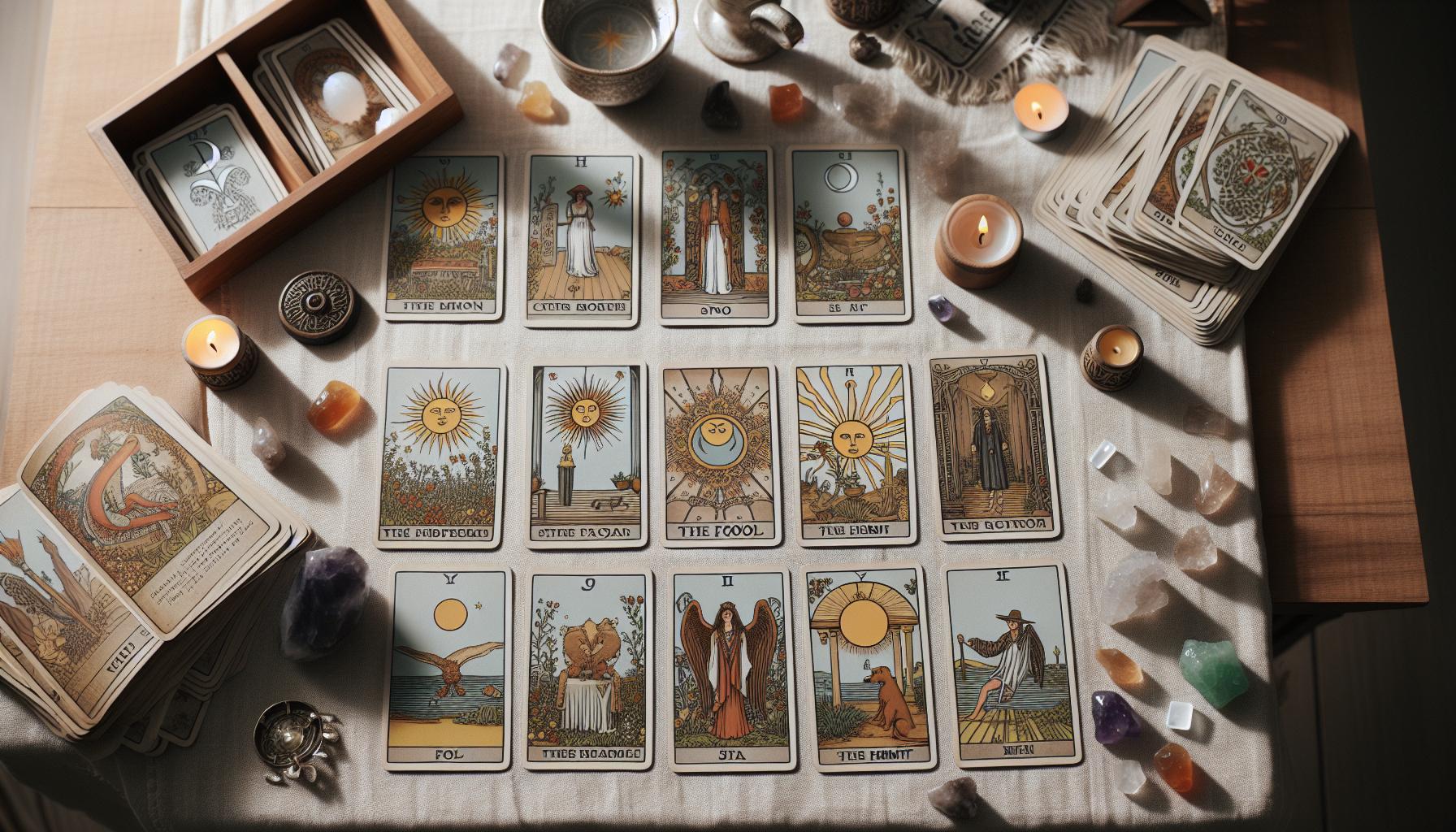
Choosing the Right Tarot Spread for Your Reading
Choosing the right tarot spread is essential for a meaningful reading. Just like choosing the right tool for a job, selecting a spread that aligns with your question or intention sets the stage for deeper insights. Spreads vary in complexity and design, from simple one-card draws to elaborate multi-card arrangements. The choice often depends on the depth of inquiry-whether you’re seeking quick answers or exploring nuanced situations.
For beginners, the one-card draw is an excellent starting point. This straightforward approach lets you focus your energy on a single question and lends clarity to day-to-day situations. For example, you might ask, “What should I focus on today?” Drawing The Star could inspire hope and the pursuit of goals.
As readers become more comfortable, they can experiment with spreads like the three-card spread. This configuration usually explores the past, present, and future related to a specific issue. Picture asking about your career path: the past card might reveal experiences influencing your current situation, while the future card outlines potential outcomes. If you draw The Fool in the future position, it suggests embracing new beginnings with optimism.
For more complex inquiries, consider using the Celtic Cross spread. This ten-card layout delves into deeper themes-like life challenges and external influences. It’s particularly helpful for contemplative questions or during times of transition. Each card’s placement signifies different aspects of your life, facilitating a comprehensive narrative.
While selecting a spread, always trust your intuition. Don’t hesitate to modify existing layouts or create your own based on what feels right. The goal is to enhance the connection with your cards and gain authentic insights. Remember, the magic of tarot lies in its ability to reflect your inner world, offering guidance wherever you are on your journey.
How to Prepare for a Tarot Reading Session
Preparing for a tarot reading can significantly enhance the experience, allowing both the reader and the querent (the person seeking guidance) to engage fully with the insights that the cards offer. A few moments of thoughtful preparation can create a more conducive atmosphere for divination and strengthen your connection to the cards.
Start by creating a space that feels safe and inviting. This doesn’t have to be elaborate; even a small area in your home where you feel comfortable can work. Consider lighting a candle or burning some incense to set the mood. The scents and flickering light can help ground you and signal to your mind that it’s time to enter a reflective space. Once your environment is set, take a few deep breaths to center your thoughts. This is particularly helpful if you’re feeling anxious or distracted, as it allows you to focus on the reading ahead.
Next, clarity is crucial-take a moment to reflect on what you wish to ask the cards. Formulating a specific question or intention can guide the reading and help the cards produce relevant insights. Whether it’s about love, career, or personal growth, having a clear focus can yield deeper meanings. For example, instead of asking, “Will I be happy?” consider specifying, “What steps can I take to enhance my happiness in my career?” This level of detail invites richer explorations through your cards.
After you’ve established your intention, familiarize yourself with the deck you’ll be using. Each deck has its unique artwork and interpretations, so spend a few minutes handling the cards, shuffling them, and even looking through them. If you’re new to tarot, utilize a guidebook to understand the imagery and meanings better. This engagement not only enhances your connection to the cards, but it allows your intuition to begin sparking even before the reading starts.
Lastly, maintain an open mind during the reading. While it’s natural to hope for certain outcomes, allowing the cards to guide you without preconceived notions can lead to surprising and valuable revelations. Embrace the reading as a dialogue with your subconscious or a conversation with the universe-one that may reveal insights you hadn’t considered before. By following these steps, you’ll ensure that your tarot session is not just a routine but a profound exploration of inner truths and guidance.
Step-by-Step Guide to Conducting a Tarot Reading
Conducting a tarot reading can be both a profound and enlightening experience, bridging the gap between intuition and insight. Whether you’re reading for yourself or someone else, the following steps will guide you through a seamless process, allowing the cards to offer their wisdom effectively.
Begin by shuffling the cards. This act not only helps to randomize the deck but also serves as a way to focus your energy and intentions into the reading. You may choose to shuffle in a way that feels natural to you-using your hands, or even cutting the deck a few times. As you shuffle, think about the question or situation at hand, encouraging the cards to reveal their messages.
Once you feel ready, it’s time to draw the cards. Depending on your preferred spread, you might draw one card or several. For beginners, a simple three-card spread can be very effective: one card for the past, one for the present, and one for the future. This configuration provides a clear narrative flow, helping you and the querent understand how past influences shape current situations and future possibilities.
After you’ve drawn the cards, it’s essential to interpret their meanings. Begin by looking at each card and considering its traditional interpretation as well as its intuitive resonance. For instance, if you pull the “Two of Cups,” it typically symbolizes partnerships and harmony. However, you may also see it as a sign of the need for balance in a personal relationship based on the context of the question. Reflect on how the imagery, symbols, and feelings attached to each card connect with the issue at hand.
Finally, summarize the reading by tying the cards together. Discuss the relationships between the cards and how they relate to the question posed. Encourage a reflective conversation, asking the querent what insights they gather from the reading. This step enhances understanding and allows for deeper exploration of the themes presented.
Through these steps, the tarot reading transforms into a collaborative dance between the reader and the cards, revealing insights and guiding paths towards greater self-awareness and understanding. Each reading can vary widely based on personal intuition and the energy present, making every session a unique journey into the mysteries of life.
Interpreting Card Positions and Relationships
Understanding how card positions influence the meanings of the cards can deepen your insights during a tarot reading. Each position in a spread serves a unique purpose and sheds light on different aspects of the question posed. Whether you’re a novice or a seasoned reader, grasping this concept will enhance the clarity and significance of your readings.
When you lay out the cards, the position in which they fall tells a story. For example, in a three-card spread reflecting the past, present, and future, each card doesn’t just exist in isolation but interacts with the others. The first card can reveal how past influences shape current circumstances, while the second card reflects the present situation, and the third offers a glimpse into potential future outcomes. This linear narrative allows for a deeper exploration of time and causation.
However, in more complex spreads, such as the Celtic Cross, each of the ten positions has a distinct meaning-some may represent external influences, internal feelings, hopes, or fears. Recognizing the significance of each position helps you connect the dots between the cards. For example, if the “Five of Cups” appears in a position indicating internal feelings, it may indicate a struggle with disappointment or loss, while the same card in a position related to external influences might suggest a need to focus on the positive aspects of life.
To effectively interpret the relationships between cards, consider how their meanings shift based on their positions. Look for connections: does one card mirror or contradict another? Pay attention to the elements of the cards-like their suits and numbers-as they also unveil layers to the reading. For instance, a card from the suit of Cups may speak to emotions, while a card from the suit of Swords might suggest conflict or clarity. This interplay can enrich your interpretation and provide a more nuanced reading.
As you practice and become more familiar with different spreads and card positions, trust your intuition to guide you. Every reader’s relationship with the cards is unique, and allowing yourself to explore the meanings and connections organically will lead to profound insights and revelations. Embrace this journey, as is where the magic of tarot truly comes alive.
Common Tarot Reading Techniques and Methods
Engaging with Tarot goes beyond merely reading the cards; it’s about building a connection with intuition and the energies surrounding you. Many tarot readers employ a variety of techniques and methods that enhance the reading experience, catering to both novice readers and seasoned practitioners. These techniques serve to amplify understanding, deepen insight, and foster an enriching dialogue with the cards.
Key Techniques to Enhance Your Reading
- Intuitive Interpretation: While traditional meanings offer a foundation, intuitive interpretation allows readers to connect personally with the cards. Take a moment to feel the energy of each card and trust your gut feelings. What emotions arise? How do the images resonate with your situation? This personal connection can unveil deeper insights that go beyond standard definitions.
- Storytelling Approach: Tarot cards can form a narrative. When you lay them down, consider how they interact to tell a story. For example, if you pull the Knight of Swords followed by the Empress, you might see a tale of rapid action leading to nurturing results. This method engages your creative side and can make readings more relatable and memorable.
- Elemental Correspondence: Each suit in the tarot corresponds to an element (Cups – Water, Swords – Air, Wands – Fire, Pentacles – Earth). By understanding these associations, you can interpret how the elemental influences may affect the situation at hand. For instance, a reading heavy in Water cards might indicate heightened emotions, suggesting a need for emotional reflection.
- Numerology Insights: Consider the numbers on your cards as well. Each number has its significance (e.g., Aces denote new beginnings, Fives often symbolize conflict or change). By analyzing these numerical associations, you can gain context that enhances the overall message of your spread.
- Oracle Cards Integration: Incorporating oracle cards into a tarot reading can provide additional layers of clarity. After a tarot session, drawing an oracle card may summarize the reading, offering a final piece of guidance or direction that resonates on a different level.
The profound experience of tarot reading emerges through practice and exploration of these methods. As you embrace these techniques, ensure that you approach each reading with an open heart and mind, making space for the magic that unfolds. Whether you’re reading for yourself or others, the combination of intuitive insights and these techniques can create a powerful, transformational tool for understanding life’s path. Trust the process, and remember that there are no wrong answers in tarot-only revelations waiting to be discovered.
Enhancing Your Intuition During a Reading
Connecting with your intuition during a tarot reading transforms it from a simple card layout into a deeply personal experience. Each card is a window not just into the universe’s messages but into your own inner landscape. When you approach each reading with intuitive openness, you unlock layers of meaning that traditional interpretations alone might overlook.
To begin enhancing your intuition, create a serene environment before starting your reading. This could involve lighting a candle, playing soft music, or even meditating briefly. Establishing a calm space allows you to clear your mind and prepare your intuition to engage. A simple grounding exercise, like feeling your feet planted on the ground or taking a few deep breaths, can help you center your thoughts and sharpen your focus.
Tuning into Your Sensations
As you lay out the cards, notice any physical sensations that arise. Do certain cards evoke warmth or tension in your body? For example, pulling the Four of Cups might make you feel a heaviness in your chest, signaling introspection or stagnation. This bodily awareness is a valuable aspect of intuitive reading. Pay attention, and don’t dismiss what your body communicates; it often reflects emotional truths that your mind might overlook.
Engaging with Imagery
Look closely at the artwork on each card. Let your eyes roam over the details and consider how they resonate with your current life circumstances. Ask yourself questions like, “What emotions do these colors evoke?” or “What story do I see in this scene?” For instance, a vibrant Sun card could inspire feelings of joy and clarity, prompting thoughts about new beginnings or success in your endeavors. Allow your interpretations to flow freely without judgment.
Using Queries and Affirmations
Direct your intuition by formulating open-ended questions before you begin your reading. Instead of “Will I get the job?”, try “What can I learn about my career path through this reading?” This encourages your subconscious to guide your interpretation toward more enriching insights. Incorporating affirmations during your readings, such as “I trust my instincts” or “I welcome clarity,” can further strengthen your intuitive connection.
Enhancing your intuition isn’t just about understanding the cards; it’s about trusting yourself and the messages that arise. As you continue to practice these techniques, you will find confidence in your intuitive abilities, leading to more meaningful and insightful tarot readings. Remember, every reading is a journey; embrace each card as a step along your unique path.
Troubleshooting Challenges in Tarot Readings
When embarking on a tarot reading journey, encountering challenges along the way is quite common. Even seasoned readers face moments of confusion or doubt. Understanding how to navigate these hurdles can enhance your experience and strengthen your connection to the cards. Recognizing that every reader’s path is unique allows for a supportive atmosphere that encourages growth and learning.
One frequent issue is encountering unclear or conflicting messages from the cards. If you find yourself feeling overwhelmed or unsure about what a spread is conveying, it helps to take a step back. Start by revisiting the question that guided your reading. Clarify what you truly wish to understand. Sometimes reframing your inquiry can shed new light on the situation. For example, instead of asking, “What does my future hold?”, consider refining it to “What steps can I take to improve my current situation?”
Another challenge readers might face is feeling disconnected from their intuition during a reading. This could manifest as difficulty interpreting the cards or a sense of mental fog. To overcome this, grounding techniques can be extremely beneficial. Try taking a few deep breaths, visualizing a calming light surrounding you, or even stepping away for a brief walk. Reconnecting with your physical presence helps to clear mental clutter, allowing intuitive insights to flow more freely.
It’s also not uncommon to experience skepticism, either from oneself or from others. If you find yourself questioning the validity of a reading, remember that tarot can be a tool for reflection rather than an absolute prediction of the future. Engaging in dialogue with skeptics can be enlightening. Share how tarot helps you explore personal insights rather than simply foretelling events. This shift in perspective can foster a more open and enriching experience, both for you and those around you.
Remember, tarot readings are not merely about the cards themselves but about the journey of self-discovery they facilitate. Embrace the challenges as part of your evolution as a reader. Each encounter is an opportunity to grow, refine your intuition, and deepen your understanding of the cards’ messages. Trust that with every reading, you are not just interpreting symbols, but creating a narrative that speaks to your experiences and aspirations.
Real-Life Examples: What a Tarot Reading Reveals
Many people approach tarot readings with curiosity, often eager to uncover the insights they can bring. Real-life examples illustrate how tarot can offer clarity and direction, even in challenging situations. Consider a person who is at a career crossroads, feeling both overwhelmed and uncertain about which path to choose. Through a three-card spread, they might pull the Two of Wands, The Chariot, and The Fool.
The Two of Wands can symbolize planning and foresight, suggesting that the querent has the potential to evaluate their options. Following this, The Chariot represents determination and willpower, indicating that success is achievable if they choose to take control of their journey. Finally, The Fool embodies new beginnings and the courage to embrace the unknown. This combination reassures them: by harnessing their ambition and willingness to take risks, they can navigate their transitional phase with confidence.
Tarot readings can also illuminate personal relationships. For example, someone struggling with a complicated friendship might ask about their current feelings. Pulling the Three of Cups, The Tower, and Queen of Cups offers a rich narrative. The Three of Cups typically indicates celebration and joy, hinting at the positive aspects of the relationship. However, The Tower warns of disruption and unexpected change, suggesting that tensions may be brewing beneath the surface. Lastly, the Queen of Cups urges them to embrace compassion and understanding. This spread provides a balanced view: acknowledging the joy in their friendship while recognizing the need for open communication to address underlying issues.
In both scenarios, the tarot reading serves as a mirror, reflecting the querent’s inner thoughts and feelings and guiding them toward empowered decisions. Tarot isn’t about predicting a definitive future; rather, it’s a tool for self-reflection and exploration. With practice, anyone can learn to interpret their cards, gaining confidence in their intuitive abilities. As you engage with tarot, remember that each reading, whether simple or complex, is an invitation to understand yourself and your circumstances more deeply. Embrace the journey as a valuable aspect of personal growth!
How to Reflect on and Use Your Reading Insights
Reflecting on the insights from a tarot reading can be as enlightening as the reading itself. It’s a moment to connect with the messages and energies of the cards, allowing their wisdom to resonate deep within you. A good way to start this reflective process is to journal about your reading. Take a moment to write down the cards drawn, their positions, and your initial interpretations. This helps solidify your thoughts and feelings, making it easier to review these insights later.
After recording your reading, consider the following steps to enhance your understanding and application of the insights gained:
Identify Core Themes
Look for patterns or recurring themes among the cards. For instance, if multiple cards touch upon the idea of movement or change, it may point to a need for action in your life. Ask yourself questions such as:
- What do these cards convey about my current situation?
- Are there any patterns in the messages that relate to past experiences?
- What emotions did I feel during the reading, and how do they connect to the cards drawn?
Apply Insights to Daily Life
Consider how the insights can be integrated into your daily routine. If a card like the Queen of Cups represents emotional nurturing, you might decide to reach out to a friend in need or to take time for self-care. Setting actionable intentions based on your reading can create a bridge between your insights and tangible changes in your life.
Seek Further Clarity
If certain aspects of the reading remain unclear, don’t hesitate to draw additional cards for clarification. This can provide deeper insights or even an alternative perspective. You might pull one card to explore the situation further or create a new spread focused on a specific question that arose during the reading.
Reflect Regularly
Make it a habit to revisit your past readings and reflect on their outcomes. This not only reinforces learning but also boosts your confidence in understanding the tarot. You can create a dedicated section in your journal for reflections on how your life changes in light of the readings over time.
In this reflective practice, remember that tarot is not just about the cards-it’s about the conversation between you and your inner self. By engaging with the insights gained, you empower yourself to navigate your life’s journey with clarity and intention. The magic of tarot flourishes through your engagement, transforming mystical messages into practical wisdom for everyday living.
Faq
Q: What should I ask during a Tarot reading?
A: Focus your questions to get the most insightful answers. Ask about areas of your life like love, career, or personal growth. Use open-ended questions, such as “What can I do to improve my relationships?” This approach encourages deeper interpretation of the cards. Explore more about preparing for your session in the Preparation section of the guide.
Q: How do I choose a Tarot spread for my reading?
A: Select a Tarot spread based on your question’s complexity. For straightforward inquiries, a Three-Card Spread is effective. For deeper insights, consider multi-card layouts like the Celtic Cross. Each spread has unique layouts that serve different purposes. Check the Choosing the Right Tarot Spread section for detailed options.
Q: Can I do a Tarot reading for myself?
A: Yes, you can read Tarot for yourself! To do this effectively, create a quiet space, focus on your question, and draw your cards. Trust your intuition and reflect on the meanings. Self-readings can be revealing; however, having another reader can provide additional perspectives. Refer to the Conducting a Tarot Reading Section for a step-by-step guide.
Q: What if I don’t understand the Tarot cards’ meanings?
A: Don’t worry! It’s common to feel overwhelmed initially. Start by familiarizing yourself with the basic meanings of each card. You can utilize Tarot resources or guides. Remember, interpretation is subjective; trust your intuition. The article’s Decoding the Tarot Deck section offers insights into understanding card meanings better.
Q: How often should I get a Tarot reading?
A: Frequency of Tarot readings depends on personal preference and your circumstances. Many find value in readings monthly to stay aligned with their goals. However, you might benefit from more frequent readings during pivotal life changes. Explore how to reflect on your readings in the Reflection section to maximize their impact.
Q: Is there a right and wrong way to interpret the cards?
A: There’s no right or wrong way to interpret Tarot cards, as interpretation is deeply personal. Each reader brings their unique intuition and experiences into the reading. Practice with various cards and spreads to refine your understanding. The Interpreting Card Positions section offers guidance on effective interpretations.
Q: What tools can enhance my Tarot reading experience?
A: Enhance your Tarot readings by incorporating tools like journals, crystals, or meditation techniques. Journaling helps you track insights, while crystals like amethyst can increase intuition. Meditation prepares your mind for focused reading. Check out the Enhancing Your Intuition section for practical tips.
Q: How can I improve my Tarot reading skills over time?
A: To improve your Tarot skills, practice consistently and engage with the Tarot community. Attend workshops, read books, or join online forums to share experiences. Regular practice and diverse exposure will enhance your confidence and intuition. Visit the Common Tarot Reading Techniques section for more advanced strategies.
Key Takeaways
Now that you understand how a Tarot reading works, it’s time to take the next step on your journey. Whether you’re seeking clarity on a specific issue or looking to explore your intuition further, Tarot can provide invaluable insights. If you have lingering questions, don’t hesitate to check out our comprehensive guide on how to choose your Tarot deck or try our instant Yes or No Tarot reading for quick answers to burning questions.
Ready to dive deeper? Consider scheduling a personalized reading or explore our 3-Card Tarot Career Reading to navigate your professional path. Remember, Tarot isn’t just a mystical tool; it’s a way to empower yourself and refine your decision-making skills. Share your experiences in the comments below, and join our community of seekers today. Your journey with Tarot is just beginning!