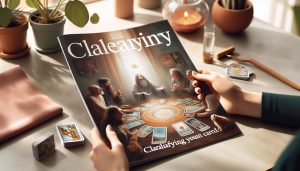
Have you ever felt lost or uncertain about the future? Tarot cards can be a powerful tool to gain insight and clarity, creating a connection between your intuition and the universe. In this guide, “How to Use Tarot Cards: Master the Basics in 5 Simple Steps,” we will break down the essentials of tarot reading, making it accessible whether you’re a curious beginner or looking to deepen your practice.
Understanding tarot doesn’t have to be intimidating. With just a few simple techniques, you can learn to interpret the cards and uncover their meanings in a way that resonates with your unique experiences. Each card tells a story, and our steps will help you harness that narrative to reflect on your life and decisions. By the end of this guide, you’ll feel more confident in your ability to use tarot as a supportive tool for self-discovery. Let’s embark on this exciting journey together and unveil the mysteries that tarot can bring to your everyday life!
Understanding the Origins of Tarot Cards
The story of tarot cards is a rich tapestry woven through centuries and cultures, offering a fascinating glimpse into how imagery, symbolism, and divination have evolved over time. Originating in the 15th century, tarot was initially designed as a card game known as tarocchi, played by the elite in Italy. It wasn’t until the 18th century that the cards began to take on their mystical associations. The transformation from a simple card game into a spiritual tool occurred as occultists infused the deck with esoteric meaning, linking its imagery to ancient philosophies, mysticism, and psychology.
The term “tarot” is often believed to derive from the Arabic word *tarh*, meaning “to lay down.” This implies a deeper symbolic meaning where the cards represent various elements of life and the human experience that can be “laid down” for interpretation. Tarot’s association with divination can be traced back to early manuscripts. The earliest known tarot texts that explored their divinatory meanings emerged around the 1750s, marking a significant shift toward the cards being viewed as a source of insight rather than mere entertainment [[3]].
Today, tarot cards carry an incredible variety of interpretations and styles, influenced by a multitude of spiritual and psychological perspectives. From the traditional Rider-Waite-Smith deck to more modern interpretations, every deck tells a unique story through its artwork and symbolism. As you delve into the world of tarot, you’ll discover how it serves as a mirror for self-reflection, helping to illuminate your inner landscape and guiding you through life’s complexities.
For anyone beginning their tarot journey, understanding this history not only enriches the practice but also fosters a deeper connection to the cards themselves. Embracing this ancient tool can provide profound insights, encouraging a dialogue between the subconscious and conscious mind, ultimately empowering you in your personal growth and spiritual journey. Whether you come from a skeptical viewpoint or already resonate with the mystical aspects of tarot, knowing its origins can anchor your readings in a deeper context and cultivate a richer experience as you explore its wisdom.
Choosing the Right Tarot Deck for You
Finding the perfect tarot deck can feel like a personal quest, as each deck resonates differently with individuals. The imagery, symbolism, and themes in a deck can either spark your intuition or leave you feeling lost. To ensure your experience feels welcoming and empowering, consider these elements when selecting your tarot deck.
Identify Your Personal Style
Begin by reflecting on what draws you in-do you prefer a classic look, or are modern artistic interpretations more your style? The traditional Rider-Waite-Smith deck, known for its rich symbolism and straightforward imagery, is a great starter deck. However, if you’re more drawn to contemporary themes, decks like the Modern Witch Tarot or the Light Seer’s Tarot may resonate more with you. Don’t hesitate to explore a variety of decks; many tarot shops allow you to flip through cards before purchasing.
Consider the Artwork and Theme
The visual representation in a tarot deck plays a pivotal role in how you connect with it. Take the time to explore different artistic styles-abstract, collage, or even photographic decks can each evoke varying emotional responses. Additionally, think about the themes that resonate with you. Are you passionate about nature, mythology, or cultural representations? Decks that reflect your interests often enhance your intuitive understanding of the cards. For example, the Numinous Tarot celebrates diversity and inclusivity through its imagery, fostering a deeper connection for those who value representation.
Clarity and Readability
When browsing for decks, prioritize clarity in the card design. You want cards that are easily readable, especially if you are new to tarot. Look for decks with clear symbols and brief descriptions that don’t overwhelm you at first glance. Some artists even offer guidebooks to accompany their decks, which can be incredibly helpful as you develop your skills.
Trust Your Intuition
Ultimately, the best way to choose a tarot deck is to trust your intuition. Spend time with different decks and notice which ones you feel a pull towards. It’s perfectly acceptable to be drawn to more than one deck-many readers find joy in using multiple decks for various purposes. As you deepen your relationship with the tarot, the right deck will feel like an extension of your own thoughts and feelings, enhancing your readings and offering profound insights on your journey. Embrace this process, and remember that no deck is right or wrong; it’s about what resonates with you personally.
Essential Tarot Card Meanings to Know
Understanding the meanings of tarot cards is essential for any aspiring reader. Each card within the tarot deck carries unique symbolism and messages that can encourage introspection and provide clarity in your readings. To effectively utilize tarot, it is vital to familiarize yourself with the core meanings of both the Major and Minor Arcana, as these will form the foundation of your readings.
Major Arcana
The Major Arcana consists of 22 cards that represent significant life themes and lessons. Each card in this group holds a deep, archetypal meaning that often speaks to our personal journeys and spiritual growth. Here are a few key cards and their interpretations:
- The Fool: New beginnings, adventure, and spontaneity. This card encourages you to take a leap of faith.
- The Lovers: Relationships, choices, and harmony. It signifies the importance of connection and partnership.
- The Death Card: Transformation and rebirth. This does not signify a literal death but rather a significant change leading to new opportunities.
- The Sun: Joy, success, and positivity. This card radiates warmth and signifies a successful outcome.
Minor Arcana
The Minor Arcana, comprising 56 cards, provides a more nuanced view of daily events and experiences. It is divided into four suits-Cups, Pentacles, Swords, and Wands-each representing different aspects of life. Here’s a brief look at these suits:
- Cups: Emotions, relationships, and connections. They often deal with feelings and interpersonal dynamics.
- Pentacles: Material aspects, finances, and the physical realm. This suit often reflects your work and resources.
- Swords: Thoughts, conflicts, and challenges. This suit revolves around the mind, intellect, and struggles.
- Wands: Creativity, action, and inspiration. It signifies movement and the energy that drives your desires.
Developing Your Understanding
When starting out, focusing on the basic meanings of these cards can greatly enhance your reading skills. Consider keeping a tarot journal where you write down your interpretations and any insights you gather during readings. You can also experiment with various spreads; for instance, a three-card spread can offer a quick snapshot of past, present, and future influences, helping you see how card meanings play out in context.
As your intuition grows, allow your personal interpretations to develop alongside traditional meanings. Each reading is unique-trust your instincts when assessing how the cards speak to you and your querent’s situation. Remember, tarot is as much about your connection with the cards as it is about the meanings themselves. Embrace this journey of discovery, and don’t hesitate to consult additional resources or communities that resonate with you. The more you engage with the cards, the more meaningful your readings will become.
Mastering the Basics: Shuffling and Spreading
There’s a sense of anticipation that fills the air as you prepare to engage with your tarot deck. Shuffling is not just a mechanical act-it’s a sacred ritual that connects you to your intuitive self and the energy of the cards. The way you shuffle can influence the flow of the reading, setting the stage for the messages that are about to unfold. Whether you prefer a simple mix or a more elaborate arrangement, understanding the technique can deepen your connection to the tarot.
To start, hold the deck in your hands and take a moment to ground yourself. Breathe deeply, letting go of any distractions. As you shuffle, allow your mind to focus on your question or intention. You can shuffle in various ways: traditional overhand shuffling, where you let a portion of cards fall into your other hand, or the more casual riffle shuffle, where you split the deck and let the cards cascade together. Each method has its merits, and you should choose one that feels right for you.
Once you feel the deck is well-mixed, it’s time to spread the cards. Depending on your reading style, you may choose a specific spread. Common options include the three-card spread for past, present, and future insights or the Celtic Cross for a more comprehensive overview. To lay out your spread, fan the cards face down and allow the querent (the person asking for the reading) to select cards intuitively. Trust that the cards chosen will resonate with the questions being posed.
As you interpret the spread, remember that card positions play an essential role in their meanings. For instance, a card in the position of “past influences” will carry different significance than the same card placed in “future potential.” Engaging in this thoughtful process can transform the reading into a dialogue of sorts, where you uncover deeper insights than the face value of the cards alone. By mastering the basics of shuffling and spreading, you’ll build a solid foundation for more profound, intuitive readings that will resonate both with you and those you read for.
Incorporate practices that appeal to your intuition. For example, consider creating a sacred space with candles or crystals when you shuffle and spread your cards. This environment can enhance your focus and energy, creating a more powerful connection to the reading. Remember, the more you practice, the more your style and methods will evolve, deepening your understanding of the tarot. Each shuffle, each spread is a step on your journey into this mystical art.
How to Formulate Your Tarot Questions
When approaching tarot readings, the questions you ask are just as important as the cards themselves. Crafting effective questions can open the door to deeper insights and clearer guidance. Instead of defaulting to vague queries like “What will happen in my future?”, consider rephrasing to engage the cards more constructively. For instance, ask “What should I focus on to achieve my goals?” This not only invites actionable wisdom but also allows the cards to resonate more accurately with your current state.
To formulate your tarot questions, start with a specific context or issue. Reflect on what you genuinely want to understand or improve. Good questions typically encompass themes like relationships, career, or personal growth. Here is a simple approach to guide your inquiry:
- Be Open-Ended: Frame your questions to invite exploration. Instead of asking “Will I get the job?”, ask “What do I need to know about my job search?”
- Stay Present: Focus on your current situation rather than predicting distant outcomes. Questions like “What can I learn from my current challenges?” encourage the cards to provide relevant insights.
- Explore Emotions: Dive into the emotional aspects behind your concerns. For example, “What fears are holding me back from pursuing my passion?” helps in uncovering underlying blocks.
Incorporating these strategies will create an intimate dialogue with your tarot deck, allowing you to tap into its guidance more effectively. Remember, curiosity is key. Engage with the cards from a place of wanting to learn, and you’ll find that your questions can lead to empowering revelations. Keep your intuitions alive; as you become more attuned to the process, your ability to ask the right questions will naturally improve.
Interpreting Your Tarot Spread: A Step-by-Step Guide
Interpreting a tarot spread can be an enriching process, transforming individual cards into a narrative that speaks to your life’s journey. Each card drawn is a piece of a puzzle, contributing to a larger story that can provide guidance, clarification, and insight. To start, it’s essential to lay your cards down in a manner that reflects the questions at heart. The structure of the spread often dictates its meaning, so consider the intention behind each position as you begin your interpretation.
Step-by-Step Process for Interpretation
Begin with a general overview of the spread. Take a moment to observe not just each card, but how they interact with one another. Look for patterns-groups of cards that share the same suit or major versus minor arcana. This helps in grasping the overarching themes.
- Read Each Card Individually:
– Identify the core meaning of each card based on its position in the spread. For example, in a three-card spread, the first card often represents the past influences, the second the present situation, and the third your potential future.
– Use keywords as guideposts: The Fool might symbolize new beginnings, while The Tower could warn of upheaval.
- Consider the Relationships Between Cards:
– Analyze how the cards relate to one another. Does one card resonate strongly with another? For example, if The Lovers appear next to The Hermit, it might indicate a need for introspection in a relationship.
– Pay attention to both harmonious and discordant pairs, as these can highlight areas of growth or challenge.
- Synthesize the Message:
– Combine your interpretations to articulate a cohesive narrative. How do the cards reflect your question? What insights are revealed through their connections?
– Use simple language to write down the story that unfolds, allowing it to guide your thoughts and emotions.
- Reflect on Your Intuition:
– Finally, trust your intuition. Your unique insights matter greatly in understanding the cards. If a particular card draws your attention or evokes a strong emotional response, take note of it.
– Engage with these feelings to deepen your understanding of the reading.
Every reading is a dialogue between you and the cards, rich with potential. As you practice, the interpretations will become clearer and more intuitive. Remember, the aim is not to predict a fixed future but to explore possibilities and gain clarity about your path. Embrace the journey, and allow your understanding of the tarot to evolve over time, becoming a more powerful tool for self-reflection and guidance.
Developing Your Intuition for Better Readings
Developing a strong sense of intuition is essential for anyone looking to enhance their tarot readings. Intuition isn’t just a mystical concept; it’s a skill that can be cultivated over time with practice and dedication. Engaging with tarot can be a deeply personal journey, as the cards act as mirrors reflecting your thoughts, emotions, and circumstances. As you learn to tap into your intuitive abilities, you’ll find that your readings become richer and more meaningful, allowing you to connect with the subtle messages of the universe.
Start by creating a sacred space for your readings. This doesn’t have to be elaborate; a quiet corner with a candle or some incense can set the tone. Leave behind distractions and allow yourself to breathe deeply, focusing on your intention for the reading. As you shuffle the cards, engage your senses. Feel the texture of the cards, observe the colors, and notice the imagery. These physical sensations can ground you, helping to quiet your mind and open your heart to intuitive insights.
Another practical tip is to keep a tarot journal. Document your readings, including your thoughts, feelings, and any intuitive nudges you experience during the process. Over time, you may begin to notice patterns in your interpretations or recurring themes in your spreads. This not only helps build your confidence, but it also strengthens your connection to your intuition. Each entry serves as a roadmap of your growth, showing how your interpretations evolve and deepening your understanding of the cards.
Finally, consider integrating mindfulness practices into your tarot routine. Techniques such as meditation and breathwork can enhance your ability to listen to your inner voice. When you approach a reading from a place of calm and clarity, you’re more likely to notice subtle cues that can guide your interpretation of the cards. Remember, every reading is an opportunity to practice and connect with your intuition; there’s no right or wrong way to interpret the cards. Trust the process, and affirm to yourself that your intuition is a natural part of your journey with tarot.
Common Tarot Card Spreads and Their Uses
Choosing the right tarot spread can transform your reading experience. Each spread offers a different lens through which to view your questions and situation, enhancing your understanding of the cards’ messages. Whether you’re looking to explore your feelings about a relationship, gain insights into a career path, or reflect on personal growth, there’s a spread designed for you.
One of the simplest and most popular spreads is the three-card spread. This layout is versatile and can answer a wide range of inquiries. By positioning cards in a left, center, and right format, you might designate the first card to represent the past, the second the present, and the third the future. For instance, if you pull the Two of Cups in the past, this could imply a significant relationship that has influenced your current emotional state, represented by a card like the Nine of Swords, suggesting anxiety or worry. The future card could be the Ace of Pentacles, hinting at new opportunities for stability and growth ahead.
For a deeper exploration, the Celtic Cross spread is a classic choice. This ten-card layout helps to address complex situations by providing a comprehensive view of your circumstances and the influences at play. Each position has a specific meaning, from your current challenges to external influences, hopes, and outcomes. This spread encourages a narrative approach, allowing you to weave a story that reflects your journey and potential paths forward.
Another effective spread is the five-card relationship spread. This setup focuses particularly on interpersonal dynamics and can illuminate various aspects such as attraction, challenges, and the outcome of a relationship. Each card can represent elements like what you bring to the table, what your partner contributes, the bond you share, any obstacles, and the potential outcome. For example, if you draw the Lovers as what your partner contributes, it speaks to a deep, meaningful connection, while a card like the Tower for obstacles may suggest that external pressures are shaking the foundation of your relationship.
Ultimately, selecting the right spread aligns with your intention for the reading. Try keeping a journal of your spreads and their corresponding interpretations to track your progress and deepen your connection with the cards. Each reading can become a step towards greater clarity and understanding, inviting magic into your everyday life.
Building Confidence: Reading for Yourself and Others
Reading Tarot can be a profound and meaningful experience, but many people struggle with self-doubt when it comes to interpreting the cards for themselves or others. The key to building confidence in Tarot reading lies in embracing your intuition and developing a personalized approach to the cards. Remember that every reader has their unique style; there is no right or wrong way to connect with Tarot, and flexibility is essential.
Start by familiarizing yourself with your Tarot deck. Spend time with each card, noticing the images and symbols they present. This connection will enhance your readings. Create a personal card journal where you can write down your impressions, thoughts, and feelings about each card. This practice not only deepens your understanding but also serves as a valuable resource for future reference.
When it comes time to read for yourself or others, maintain a relaxed and open mindset. Formulate clear questions to guide your reading, as this helps to channel your intuition effectively. For beginners, using simple spreads like the three-card spread can ease the pressure. This layout allows you to address a single question while providing insights into past influences, current situations, and future possibilities. For example, if you pull the Strength card in the past position, it may suggest that you’ve overcome challenges with resilience, while the Page of Cups in the present could indicate a time for emotional exploration and creativity.
Practice makes perfect, so don’t be afraid to read regularly. Start with friends or family, and share your interpretations. Communicating your insights will not only boost your confidence but also help you refine your skills. Remember, it’s natural to feel nervous; every experienced reader has been there. Approach each reading as an opportunity to learn and grow, and trust that your instinctive insights carry value.
Lastly, welcome feedback openly. Engaging with others in the Tarot community can further enhance your skills and confidence. Whether through online forums, local groups, or workshops, sharing experiences can enrich your understanding and highlight different perspectives. As you build your confidence, remember that Tarot is not solely about predictions; it’s a tool for reflection, empowerment, and connection with the deeper aspects of life. Embrace the magic and let it flow through you.
Navigating Common Misconceptions About Tarot
Many who are drawn to Tarot often encounter a labyrinth of misconceptions that can cloud their understanding and appreciation of this powerful tool. One prevalent myth is that Tarot cards predict fixed, unavoidable futures. In reality, the cards serve more as mirrors reflecting your current energies and potential pathways rather than strict prophecies. Each reading offers insight into your choices, emphasizing that you have the power to shape your destiny through your actions.
Another common misunderstanding is that Tarot reading is inherently negative or foreboding. This belief might deter skeptics and novices alike. However, Tarot is not about delivering doom and gloom; rather, it can highlight areas of growth, encouragement, and opportunity. For instance, drawing the Ten of Swords, often seen as a card of endings, can also signify the potential for new beginnings and resilience. This duality is critical for interpreting messages in an empowering way.
Furthermore, some believe that only those with psychic abilities can truly understand Tarot. While intuition plays a significant role, it is not a prerequisite for insightful readings. Anyone can learn to read Tarot through study, practice, and personalized interpretation. Engaging with the imagery and symbolism of your cards will cultivate your intuitive skills over time. Approaching Tarot with an open and curious mindset invites a richer, more meaningful experience.
Lastly, let’s address the idea that Tarot readings are set in stone and unchangeable. This view undermines the dynamic nature of the cards. Each reading is a snapshot of the current situation, influenced by your choices and perspectives. The insights drawn from a spread can serve as guiding lights, empowering you to navigate challenges and make informed decisions. Thus, rather than fearing the cards, embrace them as valuable allies in your journey of self-discovery and growth.
Deepening Your Practice: Journaling Your Readings
Journaling your tarot readings can be a transformative practice that deepens your understanding of the cards and enhances your intuitive skills. This tool not only allows you to document your interpretations but also offers a space for reflection and growth. By recording your thoughts and feelings surrounding each reading, you create a personal resource that you can revisit over time, revealing patterns and insights you may not have noticed before.
To start, consider the following key elements to include in your tarot journal:
- Date and Time: Jot down when the reading occurred. This can help track how your insights change over time.
- Spread Used: Note the type of spread (e.g., three-card spread, Celtic cross) and its purpose. Understanding the structure of your readings is crucial for meaningful analysis.
- Cards Drawn: Write down each card and its position within the spread, along with your initial interpretations. Don’t hesitate to include any intuitive flashes you receive during the reading.
- Personal Insights: Reflect on how the cards relate to your current life situation. This connection is key to unlocking the wisdom the tarot offers.
- Follow-Up Thoughts: After some time has passed, revisit your readings. Noting any new insights or how the situations described have evolved can further deepen your understanding.
As you progress in your journaling practice, try experimenting with different styles. You might write in a narrative format, jotting down a story of your day alongside the cards’ meanings. Alternatively, create visual layouts by drawing or pasting images of the cards next to your written reflections. This can engage your creativity and allow another layer of connection to your spiritual practice.
Over time, your tarot journal will become a treasure trove of wisdom and growth. Whether you’re using it for personal reflection or to enhance your readings for others, journaling invites a deeper exploration of the tarot cards and your intuitive responses. Embrace this process, knowing that the act of writing is not just a record of the past but a roadmap for the journey ahead.
Exploring Advanced Tarot Techniques and Resources
Gaining mastery in tarot reading involves exploring advanced techniques that can deepen your intuitive skills and enhance your readings. One of the most effective ways to elevate your practice is to engage with synchronicities, recognizing patterns and connections that resonate with your questions or current life situations. For instance, while practicing a daily three-card spread, you might notice that the cards drawn often resonate with events from your week. This alignment can provide profound insights and affirm your intuitive capabilities.
Enhancing Your Intuitive Readings
To refine your intuition, consider incorporating visualization techniques into your readings. As you shuffle and draw your cards, take a moment to close your eyes and visualize the energy surrounding you and the cards. This practice allows you to tap into deeper insights and feelings that transcend the standard meanings of the cards. By focusing on your intuitive reactions rather than solely relying on traditional definitions, you create a more personalized and impactful reading experience.
Advanced Spreads and Layouts
Experimenting with advanced spreads can also enrich your tarot practice. While beginner spreads like the three-card or Celtic Cross are great for foundational learning, you might explore more complex layouts such as the Astrological Spread or the Horseshoe Spread. Each of these spreads can illuminate different aspects of your life or inquiry. For example, the Astrological Spread not only covers your current situation but also explores influences over the coming months based on astrological houses, adding layers to your interpretations.
Resources for Further Learning
There are numerous resources available to expand your tarot knowledge. Books that delve into advanced techniques, like customized tarot spreads or interpretations based on numerology and element associations, can provide new perspectives. Online communities and forums also allow you to share experiences with other readers, seek guidance, and learn from a variety of interpretations and traditions. Embrace these opportunities to connect with fellow enthusiasts and explore diverse schools of thought within the tarot community.
Finally, remember that the journey of mastering tarot is unique to each reader. Embrace both the magical and practical experiences along the way, and allow your practice to evolve naturally through consistent engagement, exploration of advanced techniques, and interaction with a community that shares your passion for tarot.
Frequently asked questions
Q: How do I start a tarot reading for beginners?
A: To start a tarot reading, find a quiet space to gather your thoughts. Shuffle the deck while concentrating on your question, then spread the cards in a chosen layout. This process helps connect your energy to the cards, making it easier to interpret their messages effectively.
Q: What are the best tarot spreads for beginners?
A: Beginners should try the three-card spread for its simplicity. This spread can represent the past, present, and future, or you can focus on issues such as body, mind, and spirit. It’s a foundational layout for understanding card meanings and learning to interpret their relationships.
Q: How can I improve my tarot reading skills?
A: To enhance your tarot reading skills, practice daily with a journal to note your readings and insights. Engage with online communities or workshops to gain different perspectives. Furthermore, building your intuition through meditation can significantly elevate your readings.
Q: What should I do if I get a card I don’t understand?
A: If you draw a card you don’t understand, take a moment to reflect on its imagery and symbolism. Consider your question’s context, and don’t hesitate to consult a guidebook or trusted resource. Trust your intuition-sometimes, the meaning will reveal itself over time.
Q: How often should I do a tarot reading?
A: The frequency of tarot readings depends on personal preference, but weekly or monthly readings can provide clarity on your journey. Ensure you allow time for reflection between readings, as this helps integrate the insights gained and fosters personal growth.
Q: Can I read tarot without a question?
A: Yes, you can perform a general reading without a specific question. Simply focus on your current life situation or emotional state. This practice can reveal underlying themes or challenges you might not be consciously aware of, guiding your personal development.
Q: What common mistakes should beginners avoid when learning tarot?
A: Beginners should avoid overcomplicating readings by trying to interpret too many cards at once. Another mistake is relying solely on guidebooks without engaging intuition. Instead, seek to balance structured learning with personal insights for a more genuine experience.
Q: How do I clean and maintain my tarot deck?
A: To maintain your tarot deck, regularly clear it of negative energy by smudging with sage or placing it under moonlight. Store the cards in a pouch or box to protect them. Handle your deck with care, treating it as a sacred tool to enhance your connection.
In Conclusion
Congratulations on taking your first steps in mastering tarot! You’ve learned how to harness the cards’ wisdom through simple spreads and essential interpretations. Remember, each reading is a unique journey-trust your intuition as you explore the depths of your connections with the cards. For further guidance, check out our detailed articles on card meanings and advanced spreads to continue your tarot exploration.
Feeling inspired to dive deeper? Subscribe to our newsletter for more tips, or explore our shop for beautifully crafted tarot decks tailored to enhance your practice. Don’t forget to share your experiences or any questions in the comments below; we love hearing from our community! Keep the mystical journey alive-tarot awaits you with endless possibilities.