Tarot cards are more than just colorful illustrations; they are powerful tools for introspection and guidance. Each card in a full deck carries unique meanings that can illuminate your path, helping you navigate challenges and explore your potential. Whether you’re seeking clarity about relationships, career choices, or personal growth, the tarot offers insights that resonate with everyone-skeptics and believers alike.
Many people feel a desire to connect with their intuition but may struggle to find a method that speaks to them. Understanding the tarot can be a transformative experience, unlocking the wisdom that resides within you. As we delve into the intricacies of each card, you’ll discover not only their meanings but also how to integrate them into your life. Join us on this journey to demystify the tarot and learn how it can serve as a supportive friend on your spiritual quest. Let’s explore the cards together and unearth the guidance they hold for you.
Types of Tarot Cards: Understanding the Deck
The Tarot deck is a fascinating blend of symbolism, mythology, and personal insight, composed of 78 unique cards that can guide you on your journey of self-discovery. At the core of the Tarot, the cards are divided into two primary categories: the Major Arcana and the Minor Arcana. Understanding the distinctions and interconnections between these categories can enhance your readings and deepen your comprehension of the Tarot’s rich messages.
The Major Arcana
The Major Arcana consists of 22 cards, each representing significant life themes, spiritual lessons, and transformative experiences. These cards, ranging from The Fool to The World, are not just mere symbols; they encapsulate archetypal narratives that resonate with the human experience. Each card in this section carries profound meanings that can guide you through the pivotal moments in your life, such as choice, change, and growth. For example, The Fool symbolizes new beginnings and adventures, while The Tower warns of upheaval but also the potential for rebuilding and deeper awareness.
The Minor Arcana
In contrast, the Minor Arcana includes 56 cards divided into four suits: Cups, Wands, Swords, and Pentacles. Each suit corresponds to specific aspects of life, emotions, and human behavior:
- Cups: Focused on emotions, relationships, and intuitive experiences.
- Wands: Representing inspiration, action, and ambition.
- Swords: Linked to thoughts, challenges, and conflicts.
- Pentacles: Related to material aspects, work, and resources.
Each suit contains numbered cards (Ace through 10) along with four court cards (Page, Knight, Queen, and King), offering insights into everyday situations and personal growth.
Card Combinations and Interactions
Understanding how these cards interact is crucial for effective interpretation. When drawn together, cards from the Major Arcana often signify major influences, while Minor Arcana cards highlight the daily aspects of situations. For example, if The Lovers (Major Arcana) appears alongside the 2 of Cups (Minor Arcana), it can indicate a significant romantic relationship that also holds deep emotional meaning.
In your readings, consider not just individual card meanings, but also how they weave together a full narrative about your query. This interconnected approach can expand your understanding and reveal deeper insights into your path.
By familiarizing yourself with these types of Tarot cards, you begin to unlock the potential for profound insights, personal empowerment, and spiritual growth. Each card invites you to explore both the depths of your psyche and the vibrant experiences of your daily life, making Tarot a truly accessible tool for everyone, regardless of their background or belief system.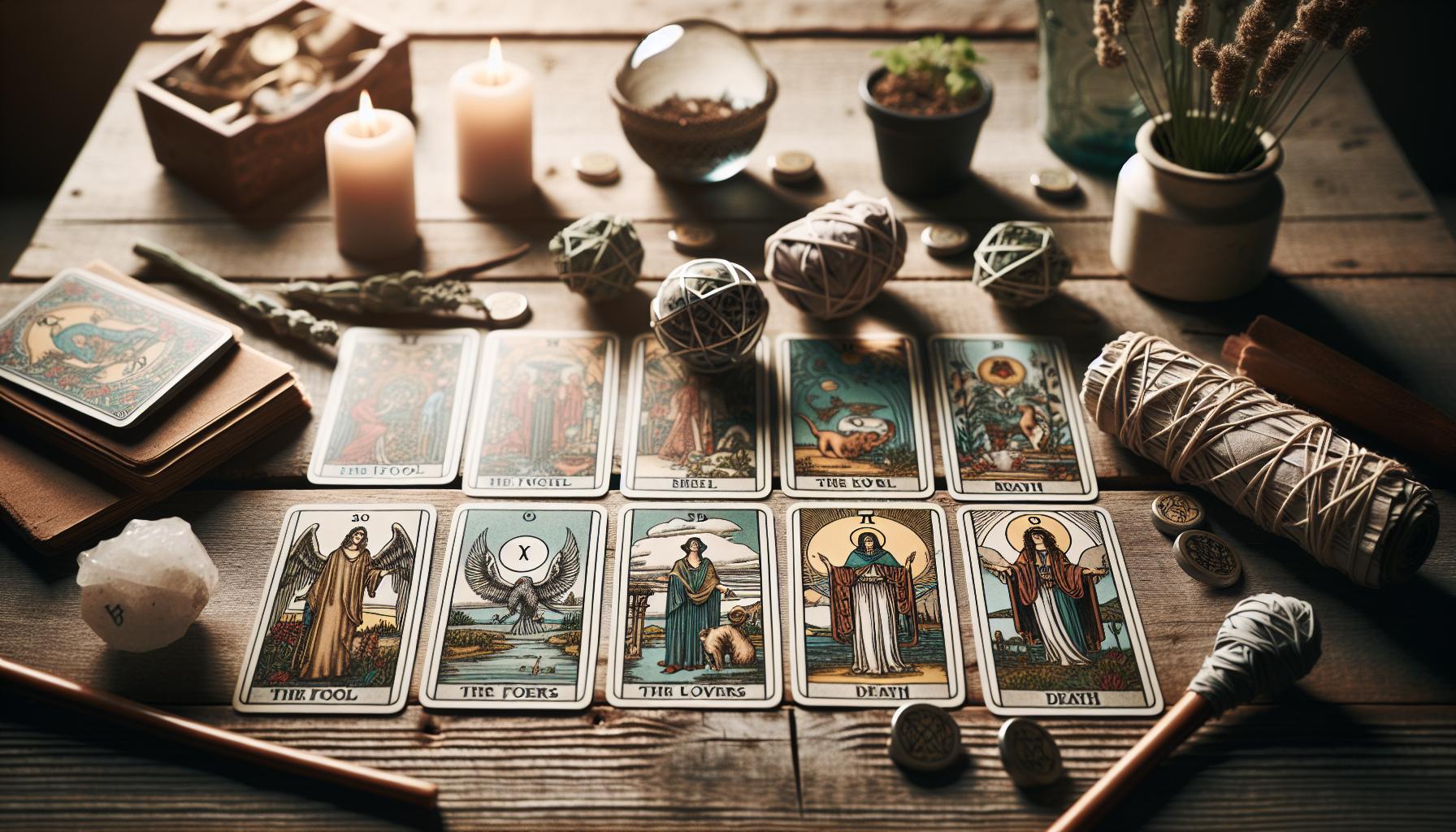
The Major Arcana: Key Card Meanings Explained
The 22 cards of the Major Arcana are the soul of the Tarot, each acting as a powerful guide on your journey of personal transformation and spiritual understanding. Unlike the Minor Arcana, which reflects our daily experiences and challenges, the Major Arcana delves into profound life themes and significant turning points. Each card unfolds a story or lesson, inviting you to explore deeper truths about your personal path.
To navigate the Major Arcana effectively, it’s essential to understand the key meanings of these cards. Here’s a brief overview of some pivotal cards and their significance:
- The Fool (0): Represents new beginnings and the courage to embark on adventures. This card encourages you to embrace spontaneity and trust the process of life.
- The Magician (I): Symbolizes manifestation and resourcefulness, reminding you that you have the power to create your reality through focused intention and action.
- The High Priestess (II): Embodies intuition and deeper knowledge. She invites you to look within for answers and trust your inner voice.
- The Empress (III): Signifies abundance, nurturing, and creativity. This card encourages you to connect with nature and the relationship you hold with Mother Earth.
- The Tower (XVI): Represents sudden upheaval and revelation. While often unsettling, it serves as a catalyst for growth, urging you to embrace change and rebuild stronger foundations.
- The World (XXI): Indicates completion and fulfillment. This card celebrates the culmination of a cycle, reveling in the achievements and the insights gained along the journey.
When interpreting these cards in a reading, consider their positions and relationships with one another. For instance, drawing The Fool alongside The World can illustrate a significant beginning and ending in your life’s journey, suggesting you are entering a new phase enriched by lessons learned. This dynamic interaction highlights the interconnectedness of experiences, urging you to reflect on how past choices have influenced your present situation.
Ultimately, engaging with the Major Arcana invites you to dive into the archetypal journeys shared by humanity. Approach each card with open curiosity and honesty, and let them guide you in revealing the mysteries of your own life story. As you learn to interpret these cards, you’ll build a bridge between intuition and knowledge, empowering you to navigate life’s complexities with grace and insight.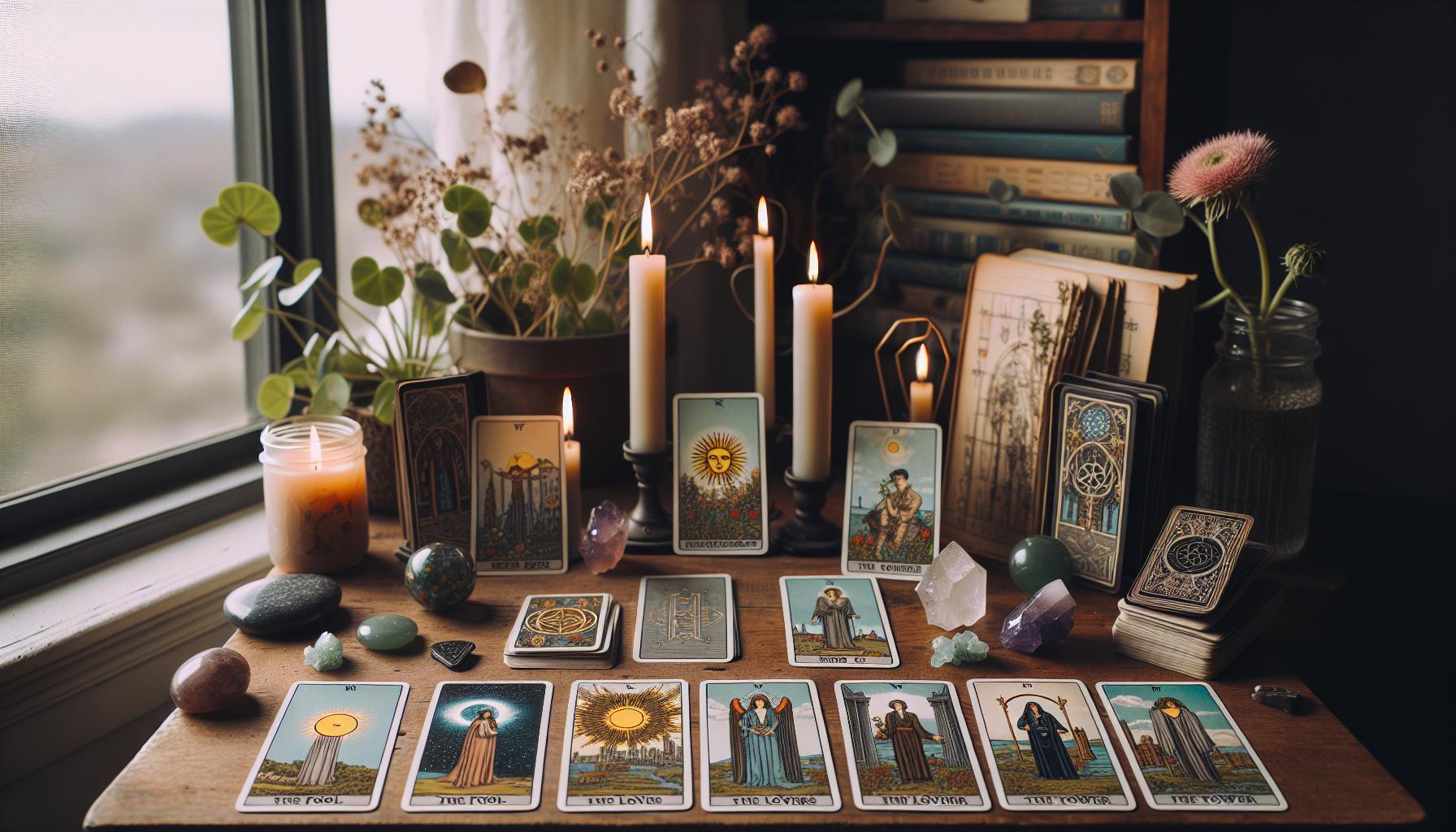
The Minor Arcana: Suit Details and Interpretations
The Minor Arcana is a crucial part of the Tarot, providing insight into the day-to-day experiences and challenges that shape our lives. While the Major Arcana focuses on significant life themes and spiritual lessons, the Minor Arcana offers a more nuanced view of our everyday situations, emotions, and interactions. This section dives into the four suits: Cups, Wands, Swords, and Pentacles, each representing different aspects of human experience.
Understanding the Suits
Each suit within the Minor Arcana carries unique meanings and interpretations, guiding tarot readers in fleshing out the narratives presented in a spread.
- Suit of Cups: Associated with emotions, relationships, and connections. Cups often reflect matters of the heart; they explore love, joy, sadness, and intuition. Key cards like the Two of Cups symbolize partnership and mutual respect, while the Five of Cups may denote loss and the importance of focusing on what remains rather than what has been lost.
- Suit of Wands: This suit represents inspiration, creativity, and action. Wands often convey messages regarding ambition and enterprises. For instance, the Ace of Wands signifies a burst of creativity or the inception of a new project, while the Ten of Wands suggests the weight of burden and responsibility on the querent’s shoulders.
- Suit of Swords: Linked to thoughts, conflicts, and challenges. The Swords suit delves into the realm of the mind, often highlighting struggles or issues needing resolution. The Three of Swords, for example, can symbolize heartbreak or emotional strife, while the Six of Swords points towards transition and moving away from difficulties.
- Suit of Pentacles: Associated with the material world, including finances, work, and physical possessions. Pentacles emphasize practicality and stability. The Ace of Pentacles heralds new beginnings financially or in career, while the Eight of Pentacles reflects dedication to honing one’s craft and skills.
Interpreting the Minor Arcana
Interpreting these cards within their respective suits requires an understanding of both their individual meanings and their context in a reading. For example, drawing the Ace of Cups alongside the Three of Swords can point towards the potential for healing from past heartache, suggesting that new love or emotional fulfillment is on the horizon.
When approaching a reading, it’s vital to consider not only the symbolisms of each suit but also the relationships between the cards drawn. This interconnectedness can provide profound insights, allowing you to see how small actions and emotions lead to larger patterns or themes in your life.
Whether you’re a beginner experimenting with your first deck or an advanced reader delving into complex spreads, the Minor Arcana offers a rich tapestry of guidance and support for navigating life’s myriad complexities. Embrace the messages these cards bring, and let them illuminate the path of your everyday experiences.
Understanding Tarot Card Spreads and Their Uses
The magic of Tarot lies not only in the cards themselves but also in how they are organized and read in spreads. Tarot spreads provide structure to your readings, helping to channel the energy of each card into a coherent narrative. Whether you’re seeking clarity on a specific situation or exploring deeper questions about your life path, the configuration of cards can reveal insights that are both profound and actionable.
A spread refers to the layout in which you arrange your Tarot cards, and different spreads serve different purposes. For beginners, the three-card spread is a fantastic entry point. Simply designate three positions for the past, present, and future, and draw a card for each. This straightforward approach helps illuminate how past influences shape the current situation and what potential outcomes may lie ahead. For example, drawing the Page of Cups in the present position could signify a time of creative inspiration or new emotional experiences, guiding you to embrace your feelings and explore creative avenues.
As you advance in your practice, you might explore more complex layouts like the Celtic Cross, which dives deeper into the layers of a query. This ten-card spread addresses various aspects such as challenges, influences, and possible outcomes, allowing for a multi-dimensional understanding of a situation. Each position has a specific meaning-such as ‘the outcome’ or ‘your present self’-which adds depth to the reading. With this spread, pulling the Two of Swords in the challenge position could point to indecision or the need to weigh options carefully.
Understanding spreads goes hand-in-hand with interpretation skills. When reading the positions’ meanings alongside the cards drawn, consider their relational dynamics. For instance, if the outcome card is the Nine of Pentacles alongside the Ten of Wands in the challenge position, you may interpret the need to release burdens in order to achieve financial independence and self-sufficiency.
Ultimately, the beauty of Tarot spreads is their ability to provide clarity and guidance tailored specifically to your questions. With practice, you will find that creating your own spreads based on personal intentions and insights can elevate your readings, making the experience even more enriching. Embrace these practices with an open heart and mind, and allow your intuitive abilities to flourish as you engage more deeply with the Tarot.
How to Choose Your Tarot Deck: A Guide
Selecting a Tarot deck that resonates with you is an exciting journey that begins with understanding your own preferences and intentions. With countless options available, from traditional decks brimming with symbolism to modern reinterpretations infused with contemporary art, the right deck can deepen your connection to the cards and enhance your readings. Remember, the best deck for you is one that speaks to your intuition and feels comfortable in your hands.
Start by considering the artwork. Each deck has its own visual style, which can significantly influence your interpretation of the cards. Aesthetic appeal is crucial; some people may feel drawn to the classic imagery of the Rider-Waite-Smith deck, while others might prefer the whimsical illustrations of the Wild Unknown or the spiritual depth of the Thoth deck. Take your time browsing through images online or at local shops. If a deck’s artwork makes you feel excited or connected, it might just be the one for you.
Next, reflect on your purpose for using Tarot. Are you seeking insight into personal growth, love, career, or spiritual exploration? Some decks are tailored for specific themes or approaches. For instance, decks like the Lovers’ Tarot focus on relationships, while others, such as the Oracle decks, might cater to self-care and daily affirmations. Consider reading reviews or sample spreads from the decks you’re interested in. This can provide insight into how well they align with your needs and reading style.
Before making a purchase, if possible, handle the decks physically. Shuffle the cards to gauge how they feel in your hands. Do they slide easily? Are they the right size for comfortable handling? Sometimes the tactile feel of the cards can make a significant difference in your reading experience. Many tarot enthusiasts emphasize the importance of establishing a physical connection with the deck, as your energy is transferred to the cards, enhancing your intuitive readings.
Finally, trust your instincts. While recommendations from friends, or ratings might offer direction, your own intuition should guide your choice. Tarot is a deeply personal practice, and the right deck will not only resonate with your eyes but also speak to your soul. Embrace the exploration, and remember that your choice may evolve over time as you grow along your Tarot journey. Tarot is not just about the cards; it’s about the relationship you build with them. Picking the right deck is your first step into a world of mystery and self-discovery.
The Art of Shuffling and Card Drawing Techniques
The act of shuffling and drawing cards is a vital part of any tarot reading, acting as the bridge between your intuition and the messages the cards convey. Many practitioners believe that the way you engage with your deck can influence the clarity of your readings and the bond you form with the cards. Proper techniques not only enhance your intuitive connection but also create a sacred space for insight and reflection.
To begin with, consider the shuffle. There are numerous methods to shuffle your tarot deck, each serving a unique purpose. One common approach is the overhand shuffle, where you hold the deck in one hand and use your other hand to slide small groups of cards off the top and back onto the deck, repeating the process until you feel ready. This method is particularly useful for beginners as it is easy to control and allows for a gentle mixing of the cards. For a more thorough shuffle, the riffle shuffle is effective. Here, you split the deck in half and allow the cards to interleave as you release them. This method takes practice but can create a powerful energy exchange.
After shuffling, it’s crucial to focus on your intention as you draw cards. Some readers prefer to spread the cards face down in a fan and select intuitively, while others may choose to cut the deck and draw from the top. It’s essential to approach this moment with mindfulness. Take a deep breath, visualize your question or intention, and allow your hand to be guided by your intuition. Many find that the first card they are drawn to often holds the most significant message.
When it comes to drawing techniques, consider the three-card spread, an excellent option for beginners. This straightforward layout can represent the past, present, and future, providing a clear narrative for your inquiry. As you place each card, take a moment to consider its symbolism; allow your intuitive responses to unfold. For more advanced readers, techniques like the Celtic Cross or the Horseshoe spread can yield deeper insights, offering complex layers of interpretation and guidance.
Building confidence in these techniques comes with practice. Protect your reading space, be patient, and trust your connection to the cards. Take time to reflect on your readings and the messages you receive, allowing your intuitive muscles to strengthen over time. Remember that shuffling and drawing are not merely mechanical actions; they are the beginning of a rich dialogue with the vast wisdom that tarot can provide.
Interpreting Tarot Cards: Basic Reading Skills
Understanding how to interpret tarot cards is the key to unlocking the insights they hold. Each card carries unique meanings influenced by astrological, numerological, and elemental associations. To begin interpreting tarot, start with a few fundamental skills that can enhance your readings.
First, familiarize yourself with the core meanings of both the Major and Minor Arcana. The Major Arcana represents significant life events and deeper archetypal themes, with cards like The Fool symbolizing new beginnings and The Tower indicating upheaval. In contrast, the Minor Arcana details everyday situations and experiences, divided into four suits: Cups, Pentacles, Swords, and Wands. Each suit has its themes-Cups relate to emotions, Pentacles to material matters, Swords to thoughts and conflict, and Wands to action and creativity.
Basic Techniques for Interpretation
When reading, consider both the position of a card in a spread and its relationship to surrounding cards. For example, if you draw The Lovers in a spread about a relationship, it could indicate harmony and connection. However, if it appears next to The Devil, it may suggest temptation or imbalance. Here are a few techniques to hone your skills:
- Develop Your Intuition: Trust your initial feelings about a card, as intuition is a powerful guide. Consider what emotions or thoughts arise when you look at a card.
- Learn Symbolism: Each tarot card is rich with symbols. Take time to research and ponder the imagery. For instance, the Four of Cups may feature a figure in contemplation, suggesting the need to reassess what truly brings joy.
- Use Context: Context is crucial. A card’s meaning can shift based on the question asked or the spread used. The same card may indicate motivation in a career reading while highlighting emotional issues in a relationship reading.
Practice Makes Perfect
The more you practice interpreting cards, the more fluently you will read them. Start with simple spreads like the three-card spread for past, present, and future. Write down your interpretations and revisit them later to see how the insights unfolded in your life. Over time, confidence will grow as you learn to blend traditional meanings with your personal insights. Remember, tarot is not just a tool for fortune-telling; it’s a means of self-discovery and reflection, providing valuable lessons for your journey.
Advanced Tarot Techniques for Deeper Insights
To deepen your tarot practice, exploring advanced techniques can significantly enhance the insights you gain from each reading. These methods go beyond foundational interpretations, allowing you to connect more profoundly with the cards and the messages they convey.
One valuable technique is intuitive card reading. Instead of relying solely on traditional meanings, engage with your intuition. When you draw a card, pause and take a moment to reflect on your immediate thoughts and feelings. Consider what the imagery and symbols evoke for you personally. For instance, when drawing The High Priestess, instead of immediately considering her association with intuition or secrets, ask yourself: What does she signify in relation to my current question or situation? This personalized approach can yield unique insights tailored to your life circumstances.
You might also experiment with layered readings, where you combine multiple spreads for a richer interpretation. For example, you could do a three-card spread for past, present, and future, and then overlay that with a Celtic Cross spread for deeper contextual understanding. By comparing the narratives of these spreads, you can uncover connections between various aspects of your life, revealing patterns or themes that might not be apparent through single spreads alone.
Next, consider the influence of numerology and astrology in your readings. Each card in the tarot deck has a number associated with it, which can provide additional layers of meaning. For example, understanding that the Emperor is the fourth card in the Major Arcana might draw your attention to themes of stability and foundation, as the number four is associated with structure. Similarly, explore the astrological correspondences of the cards; knowing that The Empress relates to Venus can enhance insights about love, beauty, and fertility in your readings.
Lastly, keeping a tarot journal is a powerful tool for advancing your skills. After each reading, write down the cards drawn, the positions they occupied, and your interpretations. Over time, you can revisit these entries, reflecting on how the messages resonated in your life. This practice not only reinforces your learning but also builds a personal repository of insights, making your readings richer and more profound as your understanding evolves.
Incorporating these advanced techniques into your tarot practice invites deeper exploration and mastery, helping you connect with the cards on a more intuitive level. Remember that tarot is not just a practice-it’s a journey of self-discovery that can bring profound personal insights and clarity. Embrace the magic of the cards with an open heart and mind, and let your intuition guide you.
Common Tarot Myths Debunked: What You Need to Know
Many people are drawn to tarot cards with a mixture of curiosity and caution, often influenced by pervasive myths that shape their perceptions. For instance, some believe that tarot readings are purely about predicting the future, while others think they are just for those with mystical abilities. In reality, tarot is a versatile tool for introspection and exploration, accessible to anyone willing to engage with their own intuition.
One common misconception is that tarot cards are inherently negative or associated with dark magic. While certain cards may evoke challenging themes, such as the Death card representing transformation rather than literal demise, the overall aim of tarot is to encourage personal growth and self-awareness. Tarot serves as a mirror, reflecting your current state and offering insights that can lead to positive change. Embracing all aspects of the tarot, including the difficult ones, allows for a holistic approach to understanding life’s complexities.
Another prevalent myth is that you must be psychic to effectively read tarot. This belief can discourage many eager learners. In practice, tarot reading relies more on interpretation and intuition than on supernatural abilities. Beginners should focus on familiarizing themselves with the meanings of the cards, practicing with spreads, and developing their insights. It’s like honing any skill-engagement and practice build confidence and clarity. As you deepen your understanding, you will find your intuitive voice guiding your readings.
Tarot is not a rigid system confined to conventional interpretations; its power lies in its adaptability. Each reader brings their own experiences and feelings into the interpretation process, allowing personal connections to inform insights. This flexibility can be empowering, as it dismantles the idea that tarot is a one-size-fits-all tool. Rather than viewing tarot as a mystical enigma separate from everyday life, consider it a practical guide that invites self-exploration and facilitates dialogue with your inner self.
In conclusion, dispelling these myths opens the door to a rewarding relationship with tarot. By viewing tarot as a compassionate companion in your journey of self-discovery, you allow yourself to access deeper understanding and foster growth, making it a practice that truly is for everyone. Embrace the cards with an open heart, and you’ll find that the answers lie within you.
The History of Tarot: Origins and Evolution
The history of tarot cards is a captivating journey that intertwines mysticism, art, and cultural evolution. Although many today perceive tarot as a tool for divination, its origins are more complex and nuanced. The earliest tarot decks date back to the 15th century in Europe, specifically in Italy, where they were created not for fortune-telling but as playing cards for games such as tarocchi. These decks featured lavish illustrations and were often commissioned by the wealthy, indicative of the artistry and craftsmanship of the time.
As time progressed, the tarot deck evolved into a more spiritual and mystical tool. By the 18th century, esoteric societies like the Rosicrucians and later the Hermetic Order of the Golden Dawn began to explore and reinterpret these cards. They infused the tarot with rich symbolism drawn from Kabbalah, astrology, and alchemy, transforming it from mere cards into a roadmap for inner exploration and spiritual development. This transition marked the beginning of tarot’s modern reputation as a divination tool, bringing in themes of intuition, personal insight, and archetypal narratives.
In the 20th century, tarot underwent a significant revival thanks to influential figures like Arthur Edward Waite and Pamela Colman Smith, who created the Rider-Waite deck. This deck, with its iconic imagery and accessible interpretations, played a crucial role in popularizing tarot for both serious practitioners and the curious public. Today, tarot is embraced worldwide, not only for its potential to forecast future events but for its profound capability to facilitate self-discovery and spiritual growth-standing as a bridge between the conscious and unconscious mind.
Exploring the origins of tarot invites a deeper connection to its practices today. Whether you view tarot through a spiritual lens or as a psychological reflection, understanding its rich lineage can enhance your readings and interpretations. The beauty of tarot lies not just in the cards themselves but in the stories they tell-stories that resonate with the human experience, blending the mystical with the practical. As you engage with tarot, you can appreciate not only its artistic beauty but also its historical significance, allowing it to guide you towards personal revelations and insights.
Using Tarot for Self-Discovery and Spiritual Growth
Using tarot as a tool for self-discovery and spiritual growth can open up profound pathways to understanding yourself better. Each card in the tarot deck acts as a mirror, reflecting emotions, desires, and even hidden fears. When approached with intention and openness, tarot can guide you toward deeper insights, illuminating aspects of your life that might otherwise remain obscured.
To start utilizing tarot for personal development, consider creating a sacred space where you can relax and focus. This could be a quiet room, a favorite chair, or even outside surrounded by nature. Take a few moments to breathe deeply and set your intention. What do you hope to learn? It could be about a specific situation, a personal challenge, or even your general life direction.
Once you’re centered, you might choose a simple three-card spread to explore your current situation. Each card position can represent your past, present, and possible future regarding the question you have in mind. The first card reveals lessons from the past that influence your current circumstances, the second represents your present state, and the third card offers guidance or a potential outcome based on your current path.
Here’s a brief example:
- Card 1 (Past): The Empress – suggesting a nurturing phase or creativity that has shaped your relationships.
- Card 2 (Present): The Eight of Swords – indicating feelings of entrapment or confusion in your current situation.
- Card 3 (Future): The Star – promising hope and clarity if you can move past your current limitations.
This simple layout not only helps you see the connections between different life stages but also encourages you to reflect on how these influences shape your decisions and emotional state.
As you become more comfortable, delve into more complex spreads, such as the Celtic Cross, which provides a broader view of your life circumstances. Keep a journal to document your readings and feelings; this practice fosters mindful awareness and tracks your progress over time.
Using tarot encourages you to cultivate intuition and trust in your inner wisdom. Remember, there are no right or wrong interpretations; the cards are meant to inspire reflection and conversation within yourself. As you navigate your journey, embrace the idea that exploring the tarot can be a playful, enlightening, and validating experience, making it a valuable companion in your path toward self-awareness and personal evolution.
Tarot in Modern Practice: Combining Tradition with Intuition
In today’s world, tarot is often seen as a fascinating blend of tradition and intuition, appealing to both the skeptic and the seeker. Each tarot card, rich in symbolism and history, serves as a tool not just for fortune telling but for profound personal reflection and insight. The beauty of tarot lies in its ability to adapt-allowing modern interpretations and intuitive understandings to mingle with classical teachings, creating a versatile resource for personal and spiritual growth.
Combining traditional meanings with personal intuition can elevate your tarot practice significantly. Start by familiarizing yourself with the established interpretations of each card in the deck. This foundational knowledge gives you a solid backdrop against which to measure your intuitive insights. For instance, when you draw the Chariot, its traditional meaning revolves around determination and victory, but you might also sense its energy in relation to particular life challenges or emotions you are currently experiencing. Allow these feelings to guide your interpretation, nurturing a personal connection to the cards.
Practical Tips for a Balanced Approach
To effectively merge tradition with intuition, consider the following strategies:
- Keep a Tarot Journal: Document your readings, thoughts, and feelings associated with each card. Over time, this practice will reveal patterns and deepen your understanding of your intuitive responses.
- Practice Intuitive Draws: Instead of relying solely on spreads, try drawing a single card each day and reflect on its significance in the context of your daily life. This exercise hones your ability to interpret cards based on your immediate experiences.
- Engage with the Cards: Hold each card in your hands, meditate on its imagery, and observe what emotions arise. This tactile experience often enhances your intuitive grasp of the card’s message.
- Utilize Modern Spreads: Explore innovative spreads, such as the three-card spread for insights into the past, present, and future, or more complex layouts that provide layered insights. Tailor these to fit your current needs and curiosities.
Ultimately, the journey of tarot reading is deeply personal. Each time you sit down with your cards, remember that there are no right or wrong answers; the value of your readings comes from the conversation you foster between the traditional meanings and your unique interpretations. Allow your intuition to flourish, and let the cards guide your path toward deeper self-understanding and spiritual exploration. Whether you’re reading for yourself or others, the magic of tarot is in its ability to inspire and transform, bridging the ancient with the modern, the mystical with the tangible.
FAQ
Q: What are the main components of a Tarot deck?
A: A Tarot deck consists mainly of two parts: the Major Arcana and the Minor Arcana. The Major Arcana includes 22 cards that represent significant life events and spiritual lessons, while the Minor Arcana consists of 56 cards divided into four suits, each reflecting day-to-day experiences.
Q: How do Tarot card meanings change based on their position in a spread?
A: Tarot card meanings can vary significantly depending on their position in a spread. For example, a card representing challenge may suggest a past influence in one position but indicate potential in another. Understanding spreads helps deepen your interpretation skills. Explore more in the section on Understanding Tarot Card Spreads and Their Uses.
Q: Can anyone learn to read Tarot cards?
A: Yes, anyone can learn to read Tarot cards with practice and openness. Start by familiarizing yourself with card meanings and developing your intuition. Engaging with your deck regularly can build confidence and enhance your reading abilities. For tips, check the Interpreting Tarot Cards: Basic Reading Skills section.
Q: What is the significance of reversals in Tarot reading?
A: Tarot reversals, where cards appear upside down, can signify blockages, challenges, or opposing energies. They offer a deeper perspective on the card’s traditional meaning. If you’re curious about this technique, explore the Advanced Tarot Techniques for Deeper Insights section.
Q: How can I use Tarot for self-discovery?
A: Tarot can facilitate self-discovery by encouraging reflection on personal beliefs and feelings. Create a simple spread focusing on your past, present, and future to gain insight into your life path. For ideas, refer to Using Tarot for Self-Discovery and Spiritual Growth.
Q: What should I consider when choosing my first Tarot deck?
A: When choosing your first Tarot deck, consider the artwork, themes, and your personal connection to the deck. Look for a design that resonates with you, as this will enhance your reading experience. Check out How to Choose Your Tarot Deck: A Guide for more helpful tips.
Q: How does the history of Tarot influence modern practice?
A: The history of Tarot influences modern practice by providing context for the symbolism and techniques used today. Understanding its origins can deepen your appreciation and application of the cards in readings. Explore more in The History of Tarot: Origins and Evolution.
Q: Is Tarot a form of divination or a psychological tool?
A: Tarot serves both as a form of divination and a psychological tool. It can offer insights into future possibilities while also acting as a mirror to your subconscious, helping you navigate your inner thoughts and emotions. This duality is explored in Tarot in Modern Practice: Combining Tradition with Intuition.
Concluding Remarks
As you explore the world of Tarot cards, remember that each card holds a wealth of insight that can illuminate your journey. By understanding the full deck, you empower yourself to navigate life’s uncertainties with clarity and confidence. Don’t miss out on diving deeper into your Tarot practice-check out our comprehensive guide on Tarot Card Definitions to enrich your readings or discover our Instant Yes or No Tarot tool for quick answers to your pressing questions.
Ready to unlock more of your intuitive potential? Sign up for our newsletter for exclusive insights and tips, or take the next step with a personalized reading. Your journey with Tarot is just beginning, and we’re here to support you every step of the way. Share your thoughts in the comments, and let’s continue this exploration together!