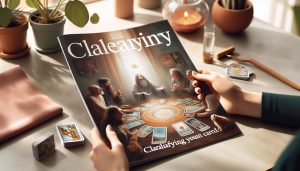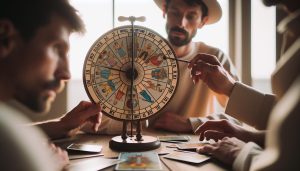
Have you ever felt lost or sought clarity in your life? A Tarot card reading might just be what you need! This powerful practice serves as a mirror to your inner self, illuminating paths and possibilities you may not have considered. A Tarot session unfolds as a dialogue between you and the cards, offering insights into your current circumstances and future potential. Whether you’re a curious beginner or someone seeking deeper understanding, Tarot is an accessible tool for everyone. It invites you to explore your intuition and connect with your unique journey. So, why not dive deeper? Discover how a Tarot reading can empower you to navigate your life’s twists and turns with confidence and clarity.
Understanding the Basics of Tarot Card Reading
Tarot card reading is a fascinating practice that dates back centuries, intertwining history with personal intuition. At its core, a tarot reading serves as a tool for guidance, providing insight into various aspects of life, from relationships and career to spiritual growth and self-discovery. Each card in the tarot deck holds rich symbolism and meaning, making the art of reading them both a mystical experience and a practical method for navigating life’s complexities.
To understand tarot readings, it’s essential to grasp the structure of a tarot deck, which typically consists of 78 cards divided into two main sections: the Major Arcana and the Minor Arcana. The Major Arcana cards, numbering 22, represent significant life events and deep spiritual lessons, while the Minor Arcana consists of 56 cards that reflect day-to-day experiences and challenges. This division allows readers to interpret cards in the context of both grand themes and mundane situations, enabling a tailored reading that resonates with the individual’s concerns.
When you engage in a tarot reading, the process usually begins by focusing on a specific question or intention. The reader then shuffles the cards and lays them out in a chosen spread-an arrangement that can vary by intention and complexity. For beginner readers, simple spreads such as the three-card spread can provide clarity, allowing for a straightforward interpretation of past, present, and future influences. Each card drawn acts as a mirror, reflecting possibilities and uncovering insights that may not have been considered before.
Ultimately, tarot reading is accessible to everyone, whether you are a skeptic or a seasoned spiritual seeker. Building your confidence in intuitive abilities can enhance your readings, turning them into a powerful practice for personal growth. As you delve deeper into the world of tarot, you’ll find not only a tool for answering your questions but also a means of connecting with your inner wisdom and the universe around you.
The History and Origins of Tarot Cards
The rich tapestry of tarot history begins in the 15th century, where it emerged not as a mystical divination tool but as a card game enjoyed by nobility in Europe, particularly in Italy. Known as “Tarocchi,” these early tarot decks were beautifully illustrated, often featuring intricate designs that reflected the art of the time. Each card held its own significance, but the esoteric and spiritual uses of tarot didn’t truly blossom until the late 18th century. It was then that tarot transitioned from a simple game to a tool for divination and spiritual guidance, as scholars and mystics began to explore its deeper symbolic meanings.
Evolution into Divination
The transformation of tarot into a means of divination was fueled by a combination of mysticism, alchemy, and the esoteric philosophies of the time. The publication of “The Tarot of Marseilles,” one of the most famous tarot decks, in the 1700s helped solidify the association between tarot and guidance. Notably, André Durand and later occultists like Antoine Court de Gébelin and Éliphas Lévi promoted these ideas, claiming that the cards held ancient wisdom and insights about life’s spiritual journey. This narrative began to attract a broader audience, inviting both skeptics and believers to explore the cards’ potential.
The Archetypal Connection
Today’s tarot decks often reflect a myriad of cultural influences, incorporating symbols from various traditions. Each of the 78 cards tells a story, drawing on universal themes and archetypes recognizable across cultures. The Major Arcana, with its 22 cards, symbolizes significant life events, spiritual lessons, and existential inquiries. Conversely, the Minor Arcana offers a lens into the day-to-day experiences and challenges we face. Readers learn to decode these symbols, connecting their meanings to personal queries and influences, making the tarot a deeply personal instrument of reflection and guidance.
Ultimately, exploring the history of tarot enriches one’s understanding of its symbolic nature and enhances the reading experience. By recognizing tarot as a blend of art, psychology, and spirituality, anyone can approach their readings with a sense of empowerment and insight-wherever they may be on their journey. Embrace this ancient practice as a conversation between the self and the universe, allowing it to guide you through life’s complexities.
How Tarot Card Readings Work: The Process Explained
The journey of a tarot card reading is as much about the seeker’s intent as it is about the mystical symbols portrayed on the cards. Engaging in tarot can be a transformative experience, offering insights and guidance tailored to your unique life circumstances. The process is relatively straightforward yet deeply rewarding, blending intuition, symbolism, and context into a single session.
To begin, you’ll want to create a serene space where you feel comfortable and focused. This environment sets the tone for an open dialogue between your intuition and the energies around you. If you’re reading for yourself, take a moment to center your thoughts and clarify the question or area of life you’re exploring. This could be anything from relationship guidance to career insights. If you’re consulting a reader, communicate your question clearly to ensure they can tune into your energy effectively.
Once you feel centered, it’s time to shuffle and lay out the cards. Shuffling serves a dual purpose: it mixes the energies of the cards with your own, and it also helps you focus on your question. Various tarot spreads exist, each designed for different inquiries. A simple three-card spread, for instance, often explores the past, present, and future related to your question. More complex spreads, like the Celtic Cross, can delve deeper into multiple aspects of your situation.
As the cards are laid out, this is where the magic truly begins. Each card carries its own symbolism, categorized into the Major and Minor Arcana. As you or the reader reveals each card, interpretations unfold based on its position and the surrounding cards. For example, drawing The Fool may signify new beginnings, while the presence of The Tower could indicate sudden change. This interplay of meanings allows for a rich narrative that speaks to your personal journey.
Throughout the reading, remain open and receptive to the messages conveyed. Trust your intuition to guide you in discerning how the cards apply to your life. A tarot reading is not about predicting an unchangeable future; instead, it’s an opportunity to explore potential paths and gain clarity on your feelings and choices. Whether you’re a skeptic or a believer, engaging with tarot can open doors to self-discovery and understanding, inviting you to see beyond the surface of your daily experiences.
Types of Tarot Card Spreads and Their Purposes
There are numerous tarot card spreads, each tailored to answer specific questions or delve into different aspects of life. Understanding these spreads can enhance your tarot reading experience, offering clearer insights and a deeper connection to your intuitive self.
Single Card Spread
The simplest of spreads, the single card layout, is perfect for beginners or those seeking quick guidance on a pressing question. Just shuffle your deck, focus on your query, and draw one card. This card’s interpretation provides a concise, focused message, whether it’s drawing The Lovers, suggesting a decision in your love life, or the Two of Pentacles, indicating the need to find balance.
Three-Card Spread
The three-card spread expands on this with its flexibility. This layout can represent various timeframes or aspects of a situation, such as past, present, and future, or mind, body, and spirit. For example, if you draw the Chariot (past), the Moon (present), and the Sun (future), the reading may highlight a journey of overcoming obstacles, navigating uncertainty, and eventually achieving joy and success.
Celtic Cross Spread
For those ready to venture deeper, the Celtic Cross is one of the most famous and intricate spreads. This layout consists of ten cards, each with a specific positional meaning, allowing for comprehensive insights into your life circumstances. The first card represents your current situation, while the second card addresses the challenge you’re facing. Subsequently, you explore past influences, future possibilities, and external factors affecting your question. This intricate web of meanings creates a nuanced narrative, revealing how various elements of your life intertwine.
Relationship Spread
Navigating the complexities of relationships benefits greatly from dedicated spreads. A relationship spread typically consists of several positions that reflect each person’s feelings, strengths, weaknesses, and the connection itself. For instance, in a spread where card positions reflect both individuals and their shared energies, drawing the Empress for one partner may denote nurturing qualities, while The Tower for the other could indicate significant change or upheaval. This contrast helps illuminate relational dynamics and potential growth areas.
By selecting a spread that resonates with your inquiry, you can tailor your reading to uncover richer insights and guidance. Whether exploring personal growth or relationship dynamics, letting the spread guide you fosters a more profound understanding of your journey while enhancing your connection to the tarot cards.
Reading the Cards: Major vs. Minor Arcana
Understanding the distinction between the Major and Minor Arcana is crucial for anyone delving into tarot reading. The tarot deck consists of 78 cards, divided into two main categories: the Major Arcana and the Minor Arcana. Each group serves a unique purpose and conveys different layers of meaning, providing a rich tapestry of insights during your readings.
The Major Arcana comprises 22 cards, often considered the heart of the tarot deck. These cards represent significant life events, spiritual lessons, and transformative moments. For example, drawing the Fool might suggest embarking on a new journey or taking a leap of faith, while the Death card (which signifies transformation rather than literal death) can indicate the end of one phase and the beginning of another. When Major Arcana cards dominate a reading, it often reflects that the seeker is dealing with fundamental changes or powerful influences shaping their life path.
In contrast, the Minor Arcana consists of 56 cards divided into four suits: Cups, Pentacles, Swords, and Wands. These cards generally reflect day-to-day events and experiences. For instance, the Two of Cups might symbolize a budding relationship, while the Five of Pentacles can indicate financial stress or feelings of isolation. Since the Minor Arcana deals with the more mundane aspects of life, they often provide context and detail to the overarching themes presented by the Major Arcana. When the Minor Arcana appears, it highlights the nuances and small challenges that contribute to the larger journey.
When reading the cards, consider how the interplay between the Major and Minor Arcana can enrich your insights. A reading filled with Major Arcana may urge you to pay attention to significant life lessons or shifts, while a spread heavy with Minor Arcana can guide you to focus on current situations and practical steps you can take. This duality not only enhances your understanding of the cards but also builds your confidence in your intuitive abilities as you connect the messages of each card to your personal experiences.
Interpreting Tarot Symbols and Imagery
is a fascinating aspect of tarot card reading that allows you to delve deep into the layers of meaning each card holds. Each card in the deck is rich with symbols that communicate messages beyond words, triggering your intuition and inviting personal reflection. The imagery can evoke associations tied to your personal experiences, cultural background, and even subconscious thoughts, transforming your reading into a deeply individual journey.
The symbols found on tarot cards often relate to broader concepts or archetypes, making them powerful tools for insight. For instance, imagine drawing the Empress card. The lush greenery and symbols of fertility and abundance might prompt you to consider areas of your life where growth is possible-perhaps relationships, creativity, or even self-care. As you examine these images, ask yourself what feelings or memories they stir. This subjective interpretation is at the heart of tarot readings and can lead to profound realizations.
A helpful approach to understanding tarot imagery is to break down the card into its components. Consider the following steps:
- Analyze the colors: Different colors evoke different emotions. For instance, red could signify passion or anger, while blue often relates to calmness and clarity.
- Examine the figures: Look at the posture, expression, and actions of any characters. Are they facing toward or away from something? This can reveal their emotional state or intentions.
- Identify recurring symbols: Certain images, like the moon or a tower, have specific meanings in tarot lore. Researching these can enrich your understanding of the card’s message.
Engaging with tarot symbols is not merely a mental exercise; it opens up a channel for emotional and spiritual exploration. Trust your intuition-if a specific symbol resonates with you, explore that feeling. Creating a personal connection to the imagery enhances your readings and builds confidence in your ability to interpret the cards. For example, if you pull the Nine of Cups, commonly associated with wishes coming true, but see it in the context of a recent disappointment, reflect on how this card may be inviting you to reconsider what fulfillment looks like in your current situation.
Ultimately, is a practice that becomes more refined over time. As you continue to engage with the cards and their meanings, your intuitive ability to connect with the imagery will strengthen, making each reading a unique blend of personal insight and universal wisdom. Tarot is not just about the cards but also about the rich tapestry of symbols that weave into our life stories. Embrace this journey with curiosity and openness, and let the cards guide your exploration of self and spirit.
Connecting with Your Intuition During a Reading
Tapping into your intuition during a tarot reading is akin to navigating a deep ocean of insight and emotion. Each card acts as a vessel, guiding you through the waters of your subconscious, revealing truths you may not consciously recognize. As you shuffle the deck and lay the cards out, allow yourself to step back and listen to the quiet, often unspoken thoughts and feelings that arise. This connection will enrich your reading and empower your interpretation, making the experience more profound and personal.
To enhance your intuitive connection, start with a few grounding techniques. Take a moment to breathe deeply, focusing on your breath as it flows in and out. This practice helps quiet the mind’s chatter, allowing your intuitive voice to emerge. Visualize a warm, guiding light enveloping you, creating a safe space for exploration. As you draw your cards, pay attention not only to their traditional meanings but also to the feelings and images they evoke for you personally.
Here are some practical tips to help you engage more deeply with your intuition:
- Ask Open-Ended Questions: Instead of limiting your inquiry, frame your questions to allow for broader insights. For example, ask, “What do I need to understand about my current situation?” rather than “Will I get the job?”
- Trust Your First Impressions: Your initial thoughts about a card often reflect your intuition’s guidance. Take note of what comes to mind when you see the card; this can lead to powerful revelations.
- Keep a Tarot Journal: Documenting your readings can help you track your intuitive growth over time. Write down the cards drawn, your interpretations, and any emotional responses you had during the process.
- Practice Regularly: The more you engage with tarot, the more your intuitive skills will develop. Even daily draws can help reinforce this connection.
By nurturing this intuitive bond, you transform your tarot readings from mere card interpretations into meaningful dialogues with your inner self. If you pull the High Priestess, for instance, allow yourself to explore feelings of mystery or hidden knowledge. How does this relate to your life? What secrets are being called to your attention? Engaging with these questions deepens your understanding, revealing connections that might otherwise remain unnoticed.
Remember, everyone’s intuitive journey is unique. It’s about finding the balance between the structured meanings of the tarot and the fluid, personal insights that arise. Embrace the process with an open heart and mind-your intuition is a valuable guide, illuminating the path toward greater self-awareness and exploration through each card drawn.
What to Expect During Your First Tarot Session
Stepping into your first tarot session can feel like entering a world of wonder-and perhaps a bit of nervousness. Whether you’re a skeptic or a curious soul, it’s essential to know what to expect to make the experience enriching and insightful. The atmosphere can be inviting, often accompanied by calming music or a cozy arrangement of space that encourages introspection. Key elements like crystals, candles, or incense may also enhance the ambiance, creating a sacred space for your exploration.
When you arrive for your session, the reader may begin with a brief introduction, explaining their approach and how they connect with the cards. This initial chat is a great opportunity for you to articulate what you hope to gain from the reading. You might discuss specific questions or broader themes in your life, such as relationships, career, or personal growth. Don’t hesitate to share your feelings openly, as this sets the stage for a deeper connection with the cards.
As the reading unfolds, the tarot reader will shuffle the deck, inviting you to focus on your intentions or questions. You might be asked to pick cards yourself or let the reader draw them. Each card drawn has its own story and meaning, influenced by its position in the spread. For example, the well-known “Celtic Cross” spread offers insights into past influences, present challenges, and future possibilities, providing a comprehensive look at your situation.
Throughout the session, the reader will interpret the cards, weaving together their meanings and your personal context. Expect a mix of traditional interpretations and intuitive insights. You can engage by asking questions or expressing your thoughts about the cards-this interaction can lead to deeper realizations. Be open to the unfolding journey, as even cards that may seem negative at first, like the Death card, often symbolize transformation and new beginnings.
Ultimately, a tarot reading is a collaborative journey between you and the reader. Approach it with an open heart and mind, ready to embrace the insights that emerge. You may leave with newfound clarity about your path, a shift in perspective, or simply a sense of connectedness to the universe. Remember, it’s not just about predicting the future-it’s about understanding yourself and the energies surrounding you, empowering you to navigate your path with confidence.
Common Misconceptions About Tarot Readings
Many people approach tarot card readings with a blend of curiosity and skepticism, often colored by misconceptions. One of the most prevalent misunderstandings is that tarot readings are purely about predicting the future. While the cards can provide insight into potential outcomes, their primary purpose is to facilitate introspection and personal growth. Think of the tarot as a mirror reflecting your current circumstances, emotional states, and possible paths forward rather than a crystal ball revealing fixed destinies.
Another common belief is that the person performing the reading possesses mystical powers or clairvoyant abilities. In reality, a skilled tarot reader is like a guide who interprets the cards based on their meanings, their intuition, and the context of your situation. The effectiveness of a reading often hinges on the connection between the reader and the seeker, along with the openness of the individual to engage with the symbols and messages presented.
Additionally, there’s a perception that tarot is exclusively linked to dark or negative energies. This idea can deter individuals from exploring its benefits. However, tarot can be a profoundly positive tool, offering clarity, empowerment, and guidance. Many cards associated with hardship, like the Tower or the Death card, can symbolize transformative experiences that lead to growth and new beginnings. Recognizing this can help shift the narrative surrounding tarot from fear to exploration.
Lastly, some believe that tarot requires elaborate rituals or a specific set of tools to be effective. While ambiance and intention can enhance the experience, they are not prerequisites for a meaningful reading. Even a simple deck and a quiet space can be enough to engage with tarot’s wisdom. Remember, the practice is meant to be inclusive and accessible; anyone can benefit from connecting with these powerful archetypes, regardless of their spiritual background or beliefs. Embracing tarot as a tool for insight and self-discovery can open up pathways to deeper understanding and connection with yourself.
Developing Your Tarot Reading Skills Over Time
To truly flourish in the art of tarot reading, it’s essential to embrace the journey of continuous learning and practice. Just like any skill, mastering tarot requires time, patience, and a willingness to explore and experiment. Each reading, whether it’s for yourself or someone else, presents a unique opportunity to deepen your understanding and refine your intuitive abilities.
Start with the Basics
For beginners, it’s crucial to familiarize yourself with the foundational concepts of tarot. This includes understanding the structure of the tarot deck, which is comprised of 78 cards divided into the Major and Minor Arcana. Spend time with each card, noting its imagery, symbolism, and keywords. You might keep a tarot journal to record your impressions, research interpretations, and document your personal experiences with each card.
To practice, regularly perform readings for yourself using simple spreads like the three-card spread, which can represent the past, present, and future. As you grow more comfortable, explore more complex layouts, such as the Celtic Cross, which can provide deeper insights into multifaceted questions. Don’t hesitate to mix and match meanings based on your intuitive feelings-this will enhance your personal connection to the cards.
Building Intuition
As you progress, honing your intuition becomes increasingly important. Intuition is a vital tool in tarot reading and can be nurtured through various practices. Engaging in meditation can clear your mind and open your heart, making it easier to interpret the messages from the cards. Additionally, before each reading, take a moment to ground yourself, perhaps by taking a few deep breaths or setting an intention for clarity.
Consider also keeping a collection of tarot spreads that resonate with you. Over time, you’ll discover which layouts best suit your style and the questions you tend to explore. For instance, if you find that you frequently seek guidance on love and relationships, you might enjoy using a heart-centered spread specifically designed for that purpose.
Learn from Experience
Real-world practice is invaluable. Engage with fellow tarot enthusiasts and consider joining a tarot group, either in-person or online. Discussing interpretations and sharing experiences can illuminate different perspectives and deepen your understanding. Additionally, don’t shy away from reading for friends and family. Their diverse energies and situations will challenge you to apply your knowledge in new ways, expanding your versatility as a reader.
As you accumulate readings, reflect on your experiences. Ask yourself questions like, “What patterns do I notice?” or “How did my intuition guide me during this reading?” Over time, you’ll build a repertoire of insights that will inform your approach and enhance your readings.
Continual Growth
Finally, remember that tarot reading is not a destination but a delightful journey. Embrace the process of lifelong learning; read books, attend workshops, and stay curious about different styles and philosophies of tarot. Exploring diverse perspectives will not only expand your technique but also make your readings richer and more nuanced.
Ultimately, developing your tarot reading skills is about fostering a deep connection to the cards and your intuition. With each reading, you’ll cultivate confidence and insight, transforming tarot into a vital tool for self-discovery and guidance. Whether you are a skeptic or a believer, this journey can be both enlightening and empowering.
Enhancing Your Readings with Meditation and Intention
To deepen your tarot reading experience, integrating practices of meditation and intention can be transformative. Many seasoned readers emphasize the importance of clearing the mind and creating a sacred space before engaging with the cards. This preparation allows you to clear distractions and focus on the energies at play. By centering yourself, you enhance your sensitivity to the messages conveyed by the tarot, making your readings more intuitive and insightful.
Start with a simple meditation practice. Before your reading, take a moment to sit quietly, close your eyes, and breathe deeply. Visualize a warm light surrounding you, providing comfort and clarity. As thoughts arise, acknowledge them without judgment and gently redirect your focus to your breath. This practice can take as little as five minutes but will significantly enhance your ability to connect with your intuition during your session.
Setting clear intentions is another vital aspect of the tarot process. Before you shuffle your deck, ask yourself what guidance you seek. It could be related to a specific question or a more general inquiry about your life path. For instance, if you’re looking for insights into a relationship, you might phrase your intention clearly: “What do I need to understand about my connection with [Name]?” Writing this intention down can help anchor your focus, allowing the cards to resonate more directly with your inquiry.
During the reading, keep your intention in mind. As you draw each card, reflect on how its symbolism relates to the question at hand. Take your time with each interpretation, allowing your intuition to guide you further into the meaning behind the images. For example, if you draw The Lovers card, consider not just its surface meaning of relationships but also what choices you may need to make or the balance of dualities that exists in your life at this moment.
Incorporating these practices will not only enhance your readings but also enrich your overall experience with tarot. As you create a routine that includes meditation and intentionality, you will cultivate a deeper relationship with the cards, leading to more meaningful insights and a greater sense of connection to your intuitive self. Remember, each reading is a unique journey, and the more you practice, the more profound your understanding will become.
Integrating Tarot Into Your Daily Life for Guidance
Integrating tarot into your daily life can be a profoundly enriching experience, transforming ordinary moments into opportunities for introspection and growth. By incorporating tarot practice into your routine, you open yourself up to a continuous dialogue with your intuition, offering you guidance and insight as you navigate life’s challenges and decisions.
One effective approach is to establish a daily card draw, where you pull one card each morning. This simple act can set the tone for your day, prompting reflection on its meaning and how it might apply to your daily activities. For instance, if you draw The Chariot, a card symbolizing determination and willpower, you might use its energy to tackle a challenging task at work or commit to a personal goal that requires focus.
Practical Tips for Daily Integration
- Create a Sacred Space: Dedicate a small area in your home for your tarot practice. This could be a corner of a room adorned with your cards, crystals, and any other spiritual tools that resonate with you. Having a physical space for your practice helps reinforce your commitment to integrating tarot into your life.
- Reflect on the Cards: Keep a tarot journal where you can jot down the card you draw each day along with your interpretations and feelings about it. Over time, this will help you identify patterns and themes that arise in your life.
- Use Tarot in Decision-Making: When faced with a choice, use a simple three-card spread to explore the possible outcomes of each option. For example, the first card might represent the potential outcome of your first choice, the second card for the alternative, and the third card as guidance on which path aligns best with your true self.
- Infuse Tarot into Your Meditation: Before meditating, select a card that you feel drawn to or that addresses a current challenge. Contemplate its imagery and symbolism during your meditation session, allowing the card’s energy to guide your thoughts and insights.
Making tarot a regular part of your life not only demystifies the practice but also empowers you to utilize the cards as a tool for personal development and self-discovery. Remember, tarot is not merely a predictive tool but a mirror reflecting your inner landscape. As you become more attuned to its messages, you’ll find that the cards can offer clarity and encouragement exactly when you need it most. By embracing this practice with openness and curiosity, you nurture a deeper connection to your intuition and the universe’s guidance, making every day a new journey of understanding.
FAQ
Q: What can I ask during a tarot card reading?
A: During a tarot card reading, you can ask about *any aspect of your life*, such as relationships, career choices, or personal growth. It’s beneficial to frame your questions clearly to receive more insightful guidance. For example, instead of asking “Will I be happy?”, ask “What steps can I take to improve my happiness?” This approach fosters a deeper exploration during your session.
Q: How do I prepare for my first tarot card reading?
A: To prepare for your first tarot card reading, *set a clear intention*. Think about what you hope to gain from the reading, such as clarity on a specific issue. Additionally, find a comfortable and quiet space to help you focus. This preparation will enhance your openness to the messages revealed during the session.
Q: Can tarot card readings predict the future?
A: Tarot card readings are not strictly predictive; rather, they offer insights and guidance based on your current path. They can highlight potential outcomes and clarify choices you face. Understanding this can help you see tarot as a tool for reflection and awareness rather than a definitive forecast of events.
Q: What is the difference between major and minor arcana in tarot?
A: The *Major Arcana* includes 22 cards that represent significant life lessons and spiritual themes, while the *Minor Arcana* consists of 56 cards that reflect daily events and situations. Together, they offer a holistic view of your journey, with the Major Arcana emphasizing transformative moments.
Q: How often should I get a tarot reading?
A: It depends on your personal needs. Many people benefit from readings *monthly or quarterly* to gain insight on their evolving situations. You might choose to have a reading more frequently during challenging times or before making major decisions. Trust your intuition about what feels right for you.
Q: How can I interpret tarot cards for myself?
A: To interpret tarot cards for yourself, start by learning the meanings of each card and their positions within spreads. Use your intuition to connect personally with the symbols and imagery. Keeping a journal to record your interpretations and feelings about each reading can also enhance your understanding over time.
Q: Is it necessary to have a tarot deck for a reading?
A: While having a tarot deck allows for deeper connection and personal interpretation, it’s not necessary to conduct a reading. You can use online tarot tools or apps to receive readings instantly. This flexibility makes tarot accessible to everyone, regardless of whether they own a physical deck.
Q: What are the benefits of regular tarot readings?
A: Regular tarot readings can enhance your *self-awareness*, provide clarity on ongoing challenges, and inspire personal growth. They serve as reflective checkpoints, helping you navigate decisions and understand recurring themes in your life. Integrating tarot into your routine can cultivate mindfulness and intentional living.
Future Outlook
Now that you’ve explored what a Tarot card reading entails, you may feel inspired to delve deeper into its mystical world. Remember, each card reveals profound insights about your life’s journey, offering guidance and clarity. If you’re eager to experience a personal Tarot reading, explore our free 3-Card Tarot Career Reading or discover how each card influences love in our comprehensive guide to Tarot and love readings.
Don’t let questions hold you back-embracing Tarot can elevate your understanding of yourself and your path. Whether you’re a curious beginner or ready to refine your skills, we have resources for everyone. Join our community by signing up for our newsletter to receive exclusive Tarot insights and tips straight to your inbox. Share your experiences or thoughts in the comments; we love hearing from fellow seekers! Always remember, Tarot isn’t just about answers, but about empowering your intuition. Happy reading!