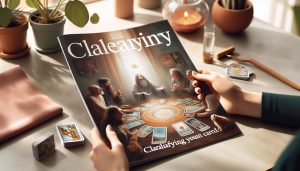
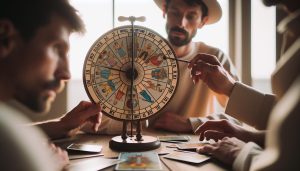
Have you ever felt lost, seeking answers in uncertain times? Tarot cards can be a powerful tool for self-reflection and empowerment, guiding you through life’s challenges. At their core, tarot is more than just a mystical practice; it’s an accessible means of tapping into your intuition and gaining clarity.
In this guide, we’ll demystify tarot cards, providing you with a solid understanding of their significance, common interpretations, and how to use them in your journey of discovery. Whether you’re a skeptic or a believer, tarot invites everyone to explore their inner thoughts and feelings. So, if you’re curious about how these cards can illuminate your path, read on. Unlock the wisdom of tarot and learn how to connect with your own intuitive powers, bringing focus to your life’s questions.
What Are Tarot Cards and Their History?
Tarot cards have captivated the human imagination for centuries, serving as tools for insight, self-exploration, and divination. The journey of these mystical cards began in the mid-15th century in Italy, primarily used not for mystical purposes but as playing cards in games like tarocchi. It wasn’t until the 18th century that tarot cards gained their reputation for divination, popularized by mystics and occultists, and embraced for their rich symbolism and storytelling potential.
At their core, tarot decks typically consist of 78 cards, divided into the Major Arcana and the Minor Arcana. The Major Arcana encompasses 22 cards, each representing significant life themes, archetypes, or spiritual lessons, like The Fool, The Lovers, and The World. In contrast, the Minor Arcana, made up of four suits (often Cups, Pentacles, Swords, and Wands), captures everyday situations and challenges through 56 cards, including numbered cards and court cards. This intricate structure not only facilitates exploration of personal narratives but also invites deeper reflection on one’s life path.
Understanding tarot cards also means appreciating their imagery and symbolism. Each card is adorned with rich visuals that evoke complex emotions and insights, making the reading experience deeply personal. For example, the imagery on The Tower card often symbolizes abrupt change or upheaval, while The Sun card radiates joy and positivity. This symbolic language allows readers to draw on their intuition and connect the cards’ meanings to their own life experiences.
As you begin your journey with tarot, remember that these cards are not simply tools for predicting the future-they serve as mirrors reflecting your innermost thoughts, feelings, and situations. Embrace the process with an open heart, and allow yourself to explore the stories and lessons that the cards unveil, making your tarot experience both enlightening and transformative.
Understanding the Structure of Tarot Decks
The tarot deck is a fascinating blend of art, symbolism, and history, designed to facilitate introspection and guidance. At first glance, you might notice that a standard tarot deck consists of 78 cards, which are categorized into two main sections: the Major Arcana and the Minor Arcana. This structure is pivotal to understanding how to use tarot effectively.
The Major Arcana
The Major Arcana consists of 22 cards, each representing significant life lessons or spiritual themes. These cards, such as The Fool, The Lovers, and The World, encapsulate profound archetypes. They often indicate periods of transformation or pivotal moments in a person’s journey. For instance, drawing The Tower can suggest an impending upheaval, while The Sun radiates joy and success. These cards invite deeper reflection on your life path and spiritual experiences.
The Minor Arcana
In contrast, the Minor Arcana contains 56 cards divided into four suits: Cups, Pentacles, Swords, and Wands. Each suit corresponds to different aspects of life-Cups represent emotions and relationships, Pentacles focus on material and financial matters, Swords deal with thoughts and challenges, and Wands embody creativity and action. Each suit includes numbered cards (1 through 10), which depict everyday situations, along with four court cards (Page, Knight, Queen, King) that signify personalities or influences in your life. Understanding these suits helps you interpret the nuances of your readings.
- Cups: Emotions, relationships, and connections.
- Pentacles: Material aspects, work, and finance.
- Swords: Thoughts, decisions, and challenges.
- Wands: Creativity, inspiration, and action.
The intricate structure of tarot decks invites you to explore personal narratives shaped by both major life events and day-to-day occurrences. By engaging with both the Major and Minor Arcana, you start to see a more holistic view of your circumstances, allowing for richer interpretations and deeper connections to your experiences. As you become familiar with the different cards and their meanings, your intuitive understanding will grow, aiding you in making insights not only into your own life but also into the lives of others you may read for.
How to Interpret the Major Arcana Cards
Interpreting the Major Arcana cards can feel like stepping into a world rich with symbolism and deep personal insight. Each of the 22 cards in this section of the tarot deck holds significant meaning, often representing major life themes and spiritual lessons that resonate on a profound level. These cards highlight pivotal moments or profound changes, acting as guides that help us navigate our life’s journey. For instance, drawing The Fool might suggest a new beginning filled with potential and adventure, while The Death card often denotes a necessary transformation or the closing of one chapter to make way for another, rather than a literal end.
When you approach a reading with Major Arcana cards, it’s beneficial to reflect on the context of your question. Consider the feelings and thoughts evoked by the imagery and symbols in each card. For example, if you draw The Lovers, it may not just relate to romance; it could also symbolize choices and unity in your life. Pay attention to the energies of the card in relation to your life context, as this can dramatically alter the message conveyed.
To interpret these cards effectively, observe the following steps:
- Observe the Imagery: Look closely at what you see. The colors, figures, and symbols can provide clues. For example, a card depicting a busy cityscape might suggest fast-paced change or decision-making.
- Consider the Numbering: The placement of each card can also influence its meaning. For instance, cards closer to the beginning of the sequence (like The Magician) represent new beginnings, while those toward the end (like The World) often indicate culmination and completion.
- Assess the Question’s Context: How does the card relate to your inquiry? If you’re asking about career, The Empress might highlight the importance of nurturing creativity in your work environment.
- Trust Your Intuition: Ultimately, your gut feeling plays a vital role in card interpretation. If a particular meaning strongly resonates with you, honor that internal response, as it often leads you closer to the insight you seek.
By integrating these techniques, you’ll find a more holistic understanding of the Major Arcana cards, facilitating deeper reflections on your life’s path. Remember, some cards may seem daunting at first-like The Tower-but often, they signal growth, clearing away the old to make room for the new. Embrace the journey and trust in your intuitive abilities as you explore this mystical tool for self-discovery.
Exploring the Minor Arcana: Suits and Numerology
Understanding the Minor Arcana is essential for anyone delving into the world of tarot. This part of the deck provides rich insights into everyday experiences, emotions, and challenges, making it a practical tool for guidance in daily life. Composed of four suits-Cups, Wands, Swords, and Pentacles-the Minor Arcana cards address the nuances and details of human existence, from relationships to finances, from inspiration to conflict.
The Suits and Their Symbolism
Each suit in the Minor Arcana represents a specific aspect of life:
- Cups: Associated with emotions, relationships, and connections. They often reflect themes of love, joy, and intuition. Drawing a Cup card can signify matters of the heart or emotional growth.
- Wands: Symbolizing creativity, action, and passion, Wands are linked to ambition and inspiration. These cards encourage you to follow your instincts and pursue your dreams boldly.
- Swords: Representing thoughts, communication, and challenges, Swords often highlight conflict, decision-making, and the power of the mind. They can signify both clarity and confusion in your mental processes.
- Pentacles: Focused on material aspects, such as work, finance, and health. Pentacles teach us about stability, growth, and the tangible rewards of our efforts.
Numerology in the Minor Arcana
The numbers associated with each card also hold significant meaning, representing progression or cycles in various life aspects. The cards are usually numbered from Ace to Ten, followed by the court cards: Page, Knight, Queen, and King.
- Aces symbolize new beginnings and opportunities.
- Twos often indicate choices or partnerships.
- Threes represent growth and collaboration.
- Fours involve stability and foundation.
- Fives suggest conflict or change.
- Sixes are about harmony and communication.
- Sevens indicate reflection and evaluation.
- Eights represent action and movement.
- Nines highlight completion and personal achievement.
- Tens suggest culmination and the end of a cycle, leading to new beginnings.
Understanding the numerological meanings can enhance your readings, offering deeper insights into situations and helping you interpret the progression of a query’s theme.
Incorporating the insights from the Minor Arcana into your readings opens up a wealth of information about everyday situations and offers guidance that is both practical and profound. Whether you’re contemplating a personal issue, a career project, or a relationship dynamic, the Minor Arcana equips you to connect with the subtleties of your life’s journey.
Common Tarot Card Spreads for Beginners
When beginning your journey with tarot, understanding how to structure your readings is essential. Tarot card spreads, which are specific layouts of cards drawn during a reading, serve as a framework for interpreting the messages the cards convey. Each spread clarifies different aspects of your inquiry or situation, allowing for a more focused reading experience. Here are some common tarot card spreads perfectly suited for beginners.
The Three-Card Spread
The simplest and most versatile, the three-card spread is ideal for those just starting. It typically represents the past, present, and future, giving a sequential view of the situation at hand. Here’s how to use it:
- Shuffle your deck while concentrating on your question.
- Draw three cards and lay them from left to right.
- Interpret the cards:
– The first card reveals influences and events from the past.
– The second card addresses your current circumstances.
– The third card provides insight into potential future outcomes.
This straightforward approach makes it easy to gauge how past actions influence present realities and future possibilities.
The Celtic Cross Spread
A bit more complex, the Celtic Cross spread offers a comprehensive overview of a situation. While it may seem daunting at first, it’s invaluable for deeper insights. The spread consists of ten cards that examine various elements of your query, from external influences to potential obstacles.
- Create a cross shape using the first six cards.
- Position the first card in the center as the present issue, followed by a card crossing it, representing challenges.
- Place the next two cards above and below the center, indicating past influences and future possibilities.
- Fill in the sides with cards for external influences, hopes/fears, and the final outcome.
This spread is excellent for exploring complex situations and understanding how different aspects of your life interact with each other.
The One-Card Pull
For those who prefer a minimalist approach, the one-card pull is perfect. It’s particularly useful for daily guidance or quick reflections. Simply focus on a question or area of concern, shuffle the cards, and draw one. This card will serve as your focal point for the day, offering insight and direction.
Additionally, experimenting with various spreads helps to develop your intuition. After each reading, take notes on your interpretations and the outcomes. Over time, this practice enhances not just your understanding of the cards but your confidence in your intuitive abilities. Tarot is a personal journey, and each spread serves as a tool to expand your spiritual practice and connect deeper with your inner self.
Tips for a Meaningful Tarot Reading Experience
Creating a meaningful tarot reading experience hinges on your mindset and approach as much as on the cards themselves. To begin with, set a clear intention before you shuffle the deck. This step not only offers direction to your reading but also helps focus your energy. Ask yourself what you truly want to learn from the session-be it clarity on a specific issue or general guidance on your life path. Write down your question or intention to keep it front and center in your mind as you delve deeper into the cards.
An inviting and calm environment can greatly enhance your reading experience. Find a quiet space where you feel comfortable and relaxed. Consider dimming the lights or lighting a candle to create a soothing atmosphere. These small rituals can help signal to your subconscious that it’s time to connect and reflect. Also, take a few moments to ground yourself-breathe deeply and visualize any stress or distractions melting away. This practice sets a sacred space for your intuitive insights to emerge.
When interpreting the cards, balance reliance on traditional meanings with your personal intuition. Each card’s symbolism can offer valuable clues, but your own feelings and reactions are just as important. For instance, if you pull the Tower card, which typically signifies upheaval and change, take note of any emotions that arise. Does it evoke fear, excitement, or resistance? Trust your instincts; they can reveal layers of meaning that standard interpretations might overlook. After all, tarot is a personal journey, and there’s no one right way to interpret a card.
Finally, keep a tarot journal to document your readings and progress. Record your questions, the cards drawn, your interpretations, and the subsequent events in your life that relate to these readings. Over time, this practice will illustrate your growth and deepen your understanding of the cards. Additionally, it reinforces the connection between your insights and real-life outcomes, effectively enhancing your confidence in your intuitive abilities. Embrace the blend of tradition and personal journey, and you will find that tarot can be a powerful tool for self-discovery and guidance.
How to Use Intuition in Tarot Readings
The intuitive aspect of tarot reading is what truly personalizes your experience with the cards. Each card holds traditional meanings, but the way those meanings resonate with you is what adds depth to your readings. When you tune into your intuition, you invite a deeper understanding of each card’s significance and how it relates specifically to your life. Whether you’re a seasoned reader or just starting out, tapping into your intuition can transform a simple card spread into a profound exploration of your inner world.
Begin by allowing yourself to feel a genuine curiosity about the cards. When you pull a card, take a moment to observe your initial thoughts and feelings. What imagery stands out to you? Does a particular color or symbol ignite any emotions? For example, drawing the Five of Cups might traditionally indicate loss or disappointment. Yet, if you find yourself drawn to the two cups still standing in the image, you may interpret it as a reminder to focus on what remains in your life rather than what has passed.
Harnessing Intuitive Insights
- Set Your Intention: Before beginning a reading, clarify what you seek to understand. This focus acts like a compass for your intuition.
- Engage with the Cards Visually: As you lay out each card, trust your first impressions. Don’t rush to flip through your tarot book for meanings-give yourself time to feel the energy of the cards fully.
- Dialogue with the Deck: Speaking aloud can help articulate your thoughts. Ask yourself questions like, “What can this card teach me?” or “How does this relate to my current situation?”.
- Emphasize Personal Symbols: You may find that certain images or colors in a card connect with personal experiences or memories. Allow these associations to guide your interpretations rather than rigid meanings.
- Practice Regularly: Like any skill, intuition develops over time. Conduct readings for yourself often and pay attention to the cards, your feelings, and the insights gained.
As you weave these practices into your tarot journey, you’ll find that intuition not only enriches your readings but also fosters a greater connection to your own inner wisdom. Rather than seeing the tarot as a fixed set of symbols, view it as a dynamic dialogue between you and your subconscious, where both the cards and your intuition work together to unveil the truth of your path.
Reading Tarot Cards for Yourself: Best Practices
Many people find that reading tarot cards for oneself can be a deeply personal and transformative experience. Unlike reading for others, which may require a different set of skills and emotional boundaries, self-reading invites you to engage directly with your inner thoughts and feelings. To ensure a fulfilling experience, it’s helpful to establish a few best practices that will guide you in connecting with the cards on a personal level.
First, create a sacred space where you feel comfortable and undistracted. This could be a quiet corner of your home adorned with items that resonate with your energy, such as candles, crystals, or meaningful objects. Ground yourself by taking a few deep breaths, and consider setting an intention for your reading. This intention acts as a guiding light, allowing you to focus on the insights you wish to uncover.
When you begin to shuffle the deck, allow your thoughts to flow freely. You might ask yourself questions like, “What do I need to know right now?” or “What challenges should I be aware of?” As you draw the cards, pay attention to your first impressions and emotional responses. Trusting your intuition is key. For instance, if you pull the Ace of Cups and feel warmth or joy, interpret it as a sign of new beginnings in your emotional or spiritual life, rather than solely relying on traditional meanings.
As you engage with the cards, consider keeping a tarot journal. This is a powerful tool for tracking your readings and thoughts over time. Write down the cards you draw, your interpretations, and any feelings that arise during the reading. This practice will help you recognize patterns and deepen your understanding of how the tarot speaks to you personally. Over time, you’ll build a unique relationship with your deck, making your readings more intuitive and impactful.
Remember, there are no hard and fast rules when it comes to tarot. Each reading is an opportunity to explore your inner landscape, so embrace the process with curiosity and an open heart. Whether you’re a beginner or more experienced, the journey of self-discovery through tarot is always evolving, inviting you to deepen your connection to your own intuition and wisdom.
Myths and Misconceptions About Tarot
Many people are drawn to tarot out of curiosity or a desire for guidance, but misconceptions often cloud their understanding. At its core, tarot is not about predicting the future with absolute certainty; rather, it serves as a tool for introspection and self-discovery. One common myth suggests that tarot readers possess supernatural abilities or can foresee specific future events. In reality, most readers interpret the symbols on the cards based on their intuition and knowledge, fostering a connection to the querent’s personal journey.
Another misconception is that tarot is inherently linked to dark magic or the occult. This stems from the imagery commonly found in tarot decks, which can be perceived as strange or mystical. However, it’s essential to recognize that tarot’s origins are rooted in history and art, often used for storytelling and as a means of reflection. Those who utilize tarot in a spiritual practice do so to enhance their intuition and gain deeper insights into their lives, aligning with the belief that every individual has the power to shape their own destiny.
To demystify tarot, beginners should know that learning to read tarot cards is a journey-one that welcomes skeptics and enthusiasts alike. A big part of this experience involves practice and intuition rather than adherence to fixed rules. As individuals familiarize themselves with the meanings of the cards and how they interact within a spread, they’ll discover that personal interpretation is as valuable as traditional interpretations.
In summary, tarot is about connection-between you and the cards, your intuition, and your inner self. By shedding these myths, you can approach tarot with openness, allowing it to serve as a mirror reflecting your thoughts, feelings, and potential paths forward. Whether you’re looking for clarity in a specific situation or seeking a deeper understanding of your life’s narrative, embracing tarot’s true essence can be a gentle guide on your journey.
Integrating Tarot into Your Spiritual Practice
Incorporating tarot into your spiritual practice can create a profound layer of insight and self-discovery. Many practitioners find that tarot serves not only as a tool for guidance and reflection but also as a companion in their spiritual journey. To get started, consider dedicating a specific time and space for your tarot practice. This can transform your readings from casual to sacred, allowing you to engage fully with the cards and their meanings.
Creating a Sacred Space
Establish an environment that promotes serenity and focus. This can include:
- Cleanliness: Ensure your space is tidy to reflect a clear state of mind.
- Aromatherapy: Use incense or essential oils to enhance your ambiance and help ground your energy.
- Personal Touch: Add items that resonate with you spiritually, like crystals, candles, or artwork.
Using Tarot for Meditation and Reflection
Once your space is prepared, you can integrate tarot readings into your meditation practice. This involves selecting a card or a spread that resonates with your current emotional or spiritual state. After pulling your cards, take moments to meditate on their imagery, symbolism, and meanings. For example, if you draw The High Priestess, reflect on aspects of intuition and inner wisdom. Allow the energy of the card to inform your meditation and guide your thoughts.
Journaling Your Insights
Another valuable practice is to keep a tarot journal. Documenting your readings not only helps track your personal growth but also deepens your understanding of the cards over time. After each reading, write down:
- The date and question posed
- The cards drawn and their positions
- Your initial feelings about the reading
- Any insights or lessons learned
Consider reviewing your journal regularly to observe patterns and shifts in your perspectives, which can further improve your intuitive skills.
Connecting with Your Intuition
As you grow more comfortable with tarot, trust your intuition. Each card carries a universal meaning, yet your unique interpretation can offer fresh insights. For instance, if you pull the Ten of Swords during a challenging moment, rather than just seeing it as defeat, explore what it could mean about endings leading to new beginnings in your life. This connection between your intuition and the cards fosters a deeper relationship with your spiritual practice.
By integrating these practices into your routine, tarot can transition from a mere divination tool to a cherished element of your spiritual life. Over time, you will find that your readings not only provide answers but also enrich your understanding of yourself and your path. Embrace the journey with openness, and allow the cards to guide you toward personal evolution.
Choosing Your First Tarot Deck: A Guide
Choosing your first tarot deck can feel like a daunting task, especially with the plethora of options available. However, the right deck can truly resonate with you, enhancing your connection to the cards and cultivating your intuitive abilities. Whether you seek a traditional Rider-Waite style or something more modern and artistic, your deck should reflect your personal style and spiritual needs.
Consider Your Connection
When selecting your first tarot deck, it’s essential to consider which imagery and themes resonate with you. Some might be drawn to the vibrant colors and detailed illustrations of the *Tarot de Marseille*, while others may prefer the more whimsical artwork found in decks like the *Wild Unknown Tarot*. Visit a local metaphysical shop or browse online to see the images up close. It often helps to choose a deck whose artwork speaks to your intuition. If the images evoke feelings or curiosity, that deck may be the one for you.
Beginner-Friendly Features
Look for decks that come with a guidebook, especially if you’re new to tarot. A good guidebook will explain card meanings, offer sample spreads, and provide tips for your readings. Some beginner-friendly decks include the *Radiant Rider-Waite Tarot* or the *Everyday Tarot*. These decks not only feature accessible imagery but also come with comprehensive resources to help you get started on your tarot journey.
Deck Themes and Structure
Consider the themes of the decks you’re interested in. Some decks are grounded in traditional symbolism, while others may explore more contemporary or eclectic themes, such as nature, mythology, or personal empowerment. Additionally, familiarize yourself with the structure of tarot decks, which typically consist of 78 cards: 22 Major Arcana representing significant life themes and 56 Minor Arcana divided into four suits (Cups, Pentacles, Swords, and Wands). Understanding this will aid in selecting a deck that aligns with your interests and goals.
Price and Quality
Prices for tarot decks can vary widely, so set a budget before you start your search. While it’s often worth investing in a higher-quality deck that will last you for years, there are also plenty of affordable options that are both beautiful and functional. Remember that the intention and energy you bring to your tarot practice are far more important than the price tag of your deck.
By taking the time to find a tarot deck that resonates with you, you’re setting the stage for a fulfilling and enriching tarot journey. Trust your instincts, explore your options, and remember that this journey is yours to embrace-there’s no wrong choice.
Resources for Further Tarot Learning and Growth
There is a wealth of resources available for those looking to deepen their understanding of tarot, whether you’re just starting your journey or you’re ready to expand your skills. Embracing tarot offers a unique opportunity for personal growth and spiritual exploration. Below are various avenues you might consider as you continue this fascinating journey.
Books and Literature
Books remain one of the most effective means to enrich your tarot knowledge. Some highly recommended titles include:
- The Complete Guide to Tarot: This comprehensive resource offers insights into card meanings and spreads suitable for all levels.
- Seventy-Eight Degrees of Wisdom: Often considered a classic, this book dives deeply into the symbolism and psychological aspects of the tarot.
- The Tarot Bible: A practical guide that includes a variety of spreads and interpretations for beginners and seasoned readers alike.
These texts provide foundational knowledge as well as advanced insights that can enhance your readings.
Online Courses and Workshops
Consider enrolling in online courses that offer structured learning. Platforms like Udemy, Skillshare, and even specialized tarot websites provide classes ranging from beginner to advanced levels. Many of these courses feature video content, interactive forums, and guided readings, allowing for a more hands-on approach to learning.
Community and Practice Groups
Connecting with fellow tarot enthusiasts can be incredibly beneficial. Look for local meetups or online forums-social media groups on platforms like Facebook or community forums such as Reddit often have active tarot communities. These spaces provide opportunities for sharing insights, asking questions, and practicing readings with peers.
Tarot Journaling
A tarot journal is an invaluable tool for personal development. Start by documenting your daily or weekly draws, noting your interpretations and feelings. Over time, you will notice patterns and themes emerging that can inform your intuitive practice. This reflective practice deepens your connection to the cards and supports your understanding of their messages.
By tapping into these resources, you can cultivate your connection with tarot, allowing it to become not just a tool for divination, but a cherished part of your spiritual practice. Embrace the learning process, and remember that growth takes time-be gentle with yourself as you navigate this mystical journey.
Frequently asked questions
Q: What do Tarot cards represent?
A: Tarot cards represent archetypal symbols that reflect various aspects of human experience. Each card conveys a unique message about emotions, situations, or life lessons. By interpreting these symbols, you gain insight into your personal journey and the energies around you.
Q: How do I start reading Tarot cards as a beginner?
A: To start reading Tarot cards, first choose a deck that resonates with you. Familiarize yourself with the cards and their meanings. Begin practicing with simple spreads, like a single card draw, and focus on interpreting the cards using your intuition. For detailed guidance, check “Common Tarot Card Spreads for Beginners” in your main article.
Q: Can anyone learn to read Tarot cards?
A: Yes, anyone can learn to read Tarot cards! It requires practice, patience, and an open mind. Begin with basic interpretations and gradually develop your intuition. The beauty of Tarot lies in its accessibility-it’s for everyone, regardless of experience level.
Q: What are the different types of Tarot spreads?
A: Tarot spreads are layouts for drawing cards that help focus your reading. Common types include the One Card Spread, Three Card Spread, and Celtic Cross. Each spread serves different purposes; explore these in the “Common Tarot Card Spreads for Beginners” section for more details.
Q: Why is intuition important in Tarot readings?
A: Intuition is crucial in Tarot readings because it enhances your connection to the cards’ meanings. Trusting your instincts allows you to interpret the messages in a way that’s personally relevant. Developing your intuitive skills will enrich your Tarot practice.
Q: How can I choose the right Tarot deck for myself?
A: To choose the right Tarot deck, consider design, energy, and personal connection to the imagery. Visit a store to handle different decks or search online for reviews. Ensure the deck’s symbolism resonates with you, making it easier to read. Check out “Choosing Your First Tarot Deck: A Guide” for further insights.
Q: What are some common misconceptions about Tarot?
A: Common misconceptions about Tarot include the beliefs that it’s only for fortune-telling or that it requires special powers to read. In reality, Tarot is a tool for self-reflection and empowerment, accessible to anyone interested in personal growth and understanding. Learn more in the “Myths and Misconceptions About Tarot” section.
Q: How can I integrate Tarot into my spiritual practice?
A: To integrate Tarot into your spiritual practice, start by using it as a tool for meditation or journaling. Reflect on the messages of the cards to gain deeper insights into your spiritual journey. This daily practice fosters a strong connection to the intuitive and mystical aspects of Tarot. For more tips, refer to the section on “Integrating Tarot into Your Spiritual Practice.”
Concluding Remarks
Thank you for exploring the mystical world of tarot cards with us! You’ve taken the first steps to unlocking this powerful tool for self-discovery and guidance. Remember, each card reveals layers of meaning that can enhance your journey, whether you’re seeking clarity or inspiration. If you’re eager to dive deeper, check out our detailed guides on Tarot Card Definitions and explore different Tarot Spreads for personalized readings.
Now is the perfect time to start practicing! Grab your deck, set your intentions, and consider a simple Yes or No Tarot Reading to experience the insights firsthand. Don’t hesitate to share your experiences or questions in the comments below; we love hearing from our community! For more enchanting content and exclusive resources straight to your inbox, sign up for our newsletter. Your tarot journey awaits, so let’s embrace the magic together!