Have you ever wondered how a simple deck of cards can reveal deep insights into your life? Tarot, an ancient divination tool, serves as a powerful guide, helping you navigate personal challenges, explore your emotions, and uncover hidden potentials within yourself. With its rich symbolism and profound wisdom, Tarot is accessible to anyone willing to explore it, whether you’re a skeptic or a seasoned reader. Many find that tapping into Tarot opens pathways to self-discovery and heightened intuition. This guide will demystify Tarot, offering you practical techniques and insights into card meanings, reading spreads, and how you can use this mystical tool for guidance. Let’s embark on this journey together, uncovering the transformative power of Tarot as a supportive ally on your life’s path.
What Is Tarot? A Brief Overview of Its History
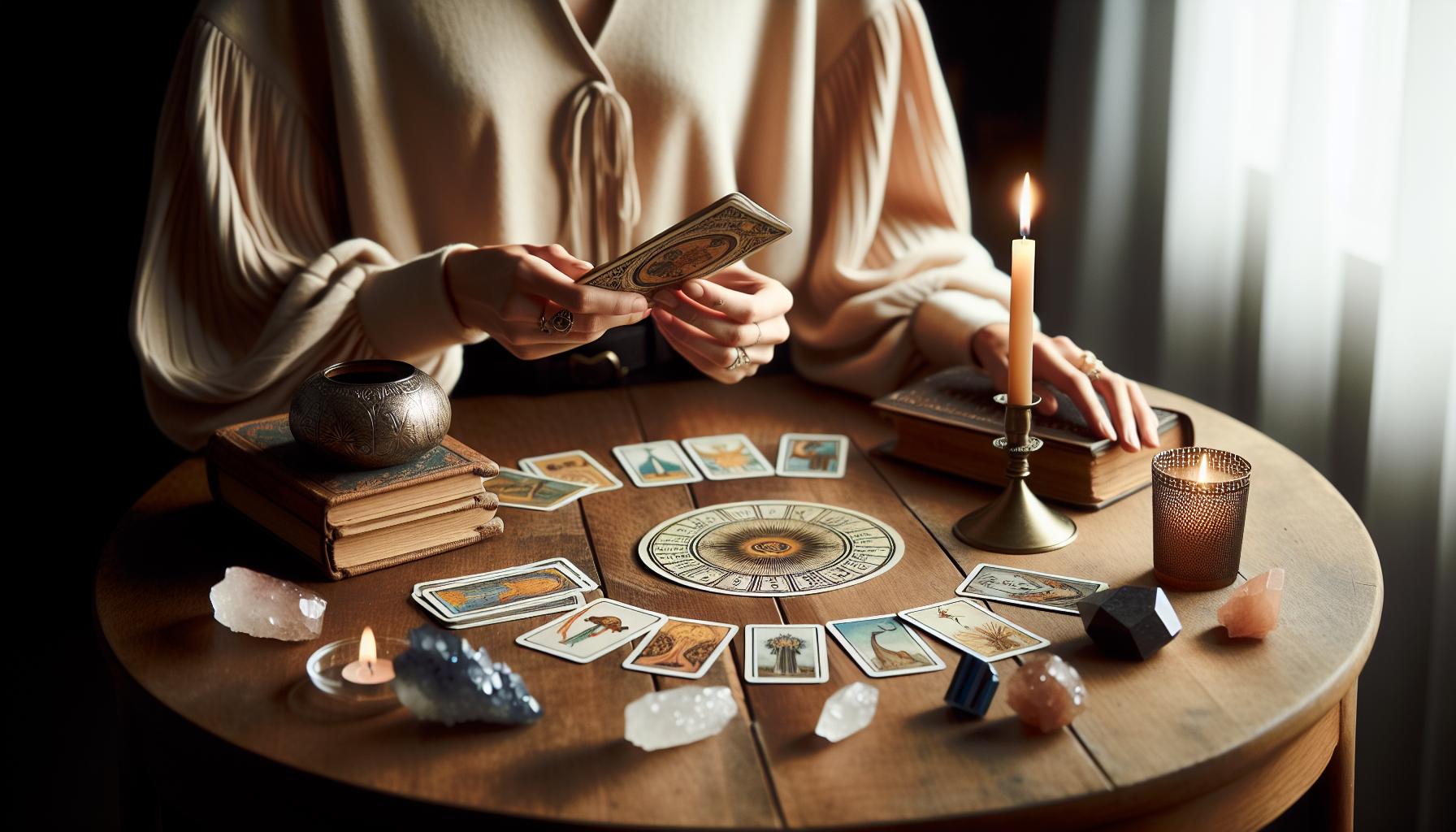
The origins of tarot reflect an intriguing blend of history, mysticism, and art that spans centuries and cultures. Initially, tarot cards emerged in the 15th century in Europe, primarily as playing cards used for games. The earliest known decks, such as the Visconti-Sforza deck, were crafted for nobility in Northern Italy, notable for their intricate designs and rich symbolism. It wasn’t until the late 18th century that tarot began to be associated with divination and esotericism, largely thanks to figures like Antoine Court de Gébelin, who posited that the cards contained ancient Egyptian wisdom.
As tarot evolved, its structure and interpretations became more standardized. The deck typically consists of 78 cards, divided into the Major Arcana (22 cards representing significant life themes and spiritual lessons) and the Minor Arcana (56 cards that reflect daily experiences and challenges). Each card carries unique imagery and symbolism, inviting deeper exploration into both personal and collective unconscious. The diversity in artistic expression-from the mystical to the modern-has ensured that tarot resonates with a wide audience, each seeking insights tailored to their own journey.
Modern practitioners utilize tarot not only as a tool for divination but also for self-reflection and personal empowerment. Many find that tarot serves as a mirror, reflecting their hopes, fears, and thoughts through the lens of archetypal imagery. This reflects a broader trend wherein users-from beginners to seasoned readers-embrace tarot for its practical applications in decision-making and emotional clarity. Whether approached skeptically or with open curiosity, tarot invites all persons to delve into the rich tapestry of their inner lives while fostering a deeper connection to the world around them.
In exploring the historical evolution of tarot, one realizes it transcends the mere fortune-telling most commonly associated with it. It embodies a continuum of human experience-rich with emotional depth and spiritual insight-making it a timeless companion on the journey of self-discovery and understanding.
The Symbolism Behind Tarot Cards Explained
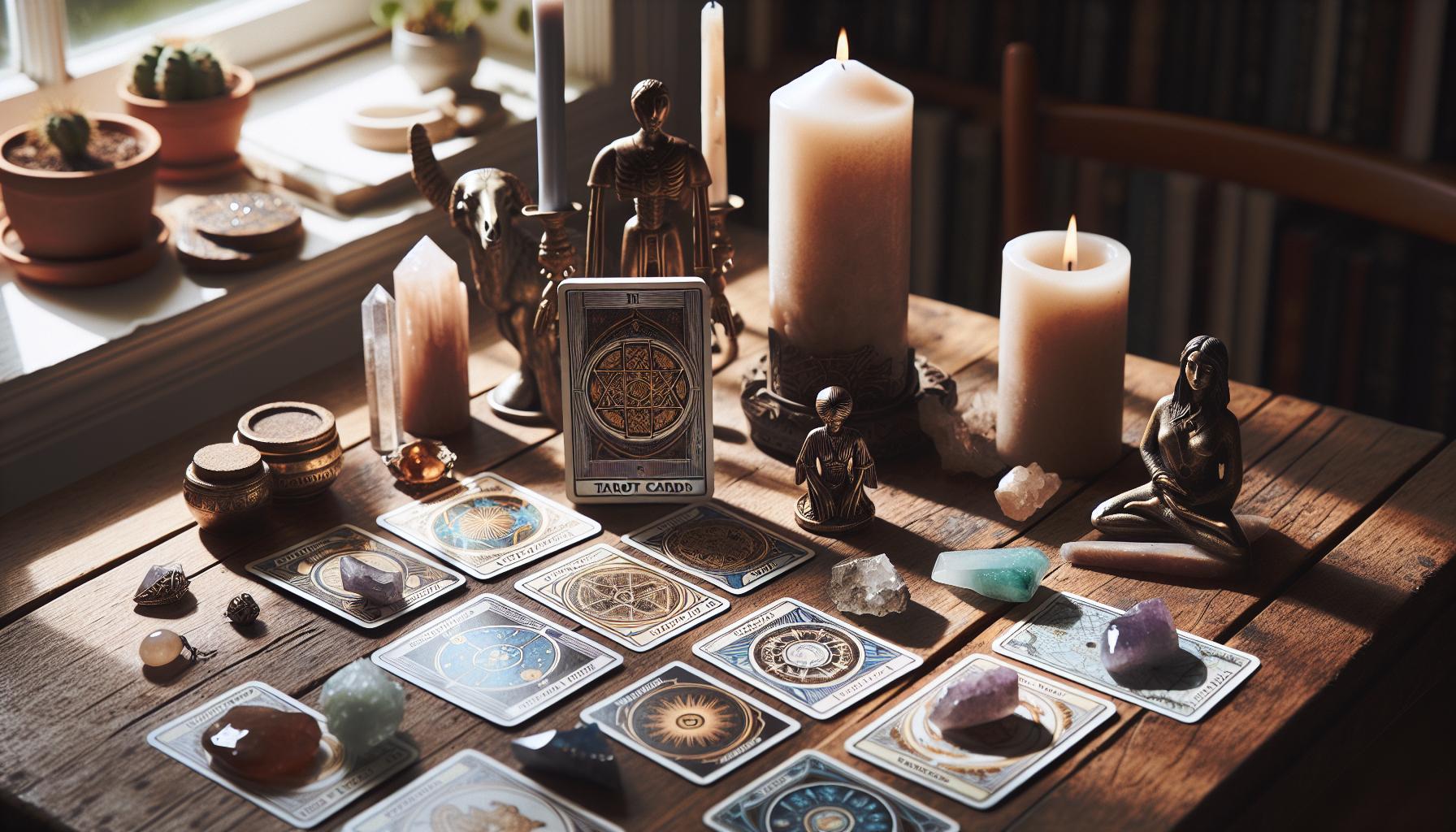
The intricate imagery and symbolism of tarot cards serve as a rich language of archetypes and metaphors, inviting seekers to explore their inner landscapes. Each card tells a story, conveying profound meanings that resonate deeply with various aspects of life. When a card appears, it functions as a mirror, reflecting not just the external world but also the inner workings of one’s psyche. Understanding this symbolism is essential for both beginners and seasoned readers aiming to enhance their tarot practice.
At the heart of tarot is the dual structure of the deck: the Major Arcana and the Minor Arcana. The Major Arcana, consisting of 22 cards, symbolizes significant life events, spiritual lessons, and key archetypes. For instance, The Fool represents new beginnings and infinite potential, while The Tower signifies sudden upheaval leading to transformation. Each card here holds a deep narrative, urging the reader to contemplate their personal journey against a larger backdrop.
In contrast, the Minor Arcana, made up of 56 cards divided into four suits (Cups, Pentacles, Swords, and Wands), reflects the day-to-day experiences that shape our lives. Each suit embodies distinct themes: Cups relate to emotions and relationships, Pentacles deal with material aspects and home life, Swords represent thoughts and conflict, while Wands symbolize creativity and action. For example, drawing the Ace of Cups could indicate a blossoming relationship or emotional renewal, while the Five of Swords might suggest conflict or a need to reconsider one’s approach to a problem.
Color and Imagery
Color and imagery enhance the depth of meaning. For instance, blue often symbolizes calm and intuition, while red can indicate passion or conflict. Take the Queen of Wands; she is depicted with vibrant colors, symbolizing confidence, warmth, and the power of manifestation. Observing the details-such as a card’s background, positioning, and symbols-can unveil layers of meaning that speak to your personal context.
Personal Connection
Building a personal connection with your cards is crucial. As you engage with the imagery, allow your intuition to guide you. Consider keeping a tarot journal where you reflect on card meanings, your interpretations, and the life events surrounding your readings. This practice not only deepens comprehension but also nurtures your intuitive abilities.
Embrace the magical world of tarot, where symbolism beckons you to explore and reflect on your life’s narrative. By understanding the language of these cards, you empower yourself to navigate challenges, celebrate victories, and cultivate a richer connection with the universe around you. Remember, every reading is a conversation between you and the cards; let your insights flow freely, welcoming the journey of discovery that tarot offers.
Types of Tarot Decks: Finding Your Perfect Fit
Choosing the right tarot deck is a journey in itself, as each deck brings its own unique energy, artwork, and interpretations. With countless options available, it’s essential to find one that resonates with you personally. Whether you seek vivid illustrations that draw you in, or a traditional design that offers a familiar touch, starting your tarot journey with the right deck can enhance your experience.
Major Types of Tarot Decks
There are several primary types of tarot decks you might consider:
- Traditional Tarot Decks: These decks follow the classic Rider-Waite-Smith structure, featuring the standard 78 cards divided into Major and Minor Arcana. They are ideal for beginners due to their straightforward imagery and widely recognized interpretations.
- Artistic or Themed Decks: Many decks draw from various themes-mythology, fantasy, nature, or even cultural traditions. These can be visually stunning and may include unique interpretations that expand on or reinterpret traditional meanings.
- Oracle Decks: While not strictly tarot, oracle decks often include fewer cards and do not follow a standard structure. They can offer more flexible interpretations and messages, perfect for quick insights or daily pulls.
- Custom or Indie Decks: Independent creators often produce decks that feature original artwork and interpretations. This category offers a wide variety in style and theme, allowing you to find a deck that speaks right to your heart.
Choosing Based on Your Intuition
When selecting a deck, consider what draws you in. Don’t hesitate to pick up a few decks if possible; the right one will resonate both visually and energetically. Pay attention to the artwork, colors, and the overall feeling the deck evokes in you. This personal connection is crucial; tarot is a deeply intuitive practice.
Practical Tips for Selection
Here are some tips to help you find your perfect tarot deck:
- Visit Local Shops: If possible, browse local metaphysical shops or bookstores to physically see and feel the decks.
- Read Reviews: Online communities often share reviews and experiences with different decks, helping you understand their suitability.
- Check Illustrations: Consider how the artwork speaks to you-each card’s imagery should inspire clarity and connection.
- Trust Your Instincts: If you feel an emotional pull towards a particular deck, it might just be the one for you!
Finding the right tarot deck is about embracing your intuition and allowing it to guide your choice. When you find a deck that speaks to you, its energy will enhance your readings, making each session a more profound exploration into your own inner world. Whether you’re just starting or looking to add to your collection, the journey with your chosen deck is a beautiful adventure filled with insight, growth, and self-discovery.
How to Read Tarot Cards: A Step-by-Step Guide
Reading tarot cards is not just about the cards themselves; it’s a dynamic process that blends intuition, knowledge, and personal interpretation. To begin, immerse yourself in the experience: find a quiet and comfortable space where you feel at ease. Setting the right atmosphere can enhance your connection to the cards. Light a candle, play soft music, or diffuse essential oils-whatever helps you to align your energy.
Start by shuffling the deck while focusing on your question or intention. This act of shuffling is vital; it’s your way of infusing the cards with your energy and setting the stage for your reading. Once you feel ready, you can draw a card or several cards, depending on the spread you’ve chosen. For beginners, a simple three-card spread-Past, Present, Future-can be a powerful method to gain insight into your situation.
### Understanding Card Meanings
Each card has its own meanings, which can vary based on its position in the spread and its relationship to surrounding cards. Begin by familiarizing yourself with the meanings of the Major and Minor Arcana. Use a guidebook or trusted online resources to help interpret what each card represents in your reading.
#### Tips for Card Interpretation:
- Trust Your Impressions: The first thoughts that come to mind when you see the card often carry the most significance.
- Consider Imagery: Each card is rich with symbolism. Reflect on what elements stand out to you and how they relate to your question.
- Look for Patterns: If you notice a theme among the cards (like many Cups cards which pertain to emotions), explore what that might mean for your reading.
### Reflecting on the Reading
After you interpret the cards, take a moment to reflect. What insights have emerged? How do the cards connect to your life and the question you posed? Journaling your readings can provide clarity and allow you to track how your interpretations evolve over time.
Importantly, remember that tarot is an invitation to access your own intuition and insights. Each reading is a partnership between you and the cards. With practice, you’ll find your confidence in interpreting them grows, allowing tarot to be a valuable tool in your personal and spiritual journey. Whether you’re a skeptic or a believer, the beauty of tarot lies in its ability to spark introspection and reveal the layers of your inner world.
Common Tarot Spreads and Their Purposes
Drawing tarot cards can be an illuminating experience, especially when utilizing specific spreads designed to address various questions or situations. Whether you’re a novice or more experienced in the tarot world, understanding different spreads can enhance your readings and offer profound insights into your life.
The three-card spread, often a staple for beginners, is a straightforward approach to explore the Past, Present, and Future regarding a specific question. As you lay out the cards, focus on each position’s significance. The first card reveals past influences, the second reflects current circumstances, and the third card suggests future developments. This simple yet effective spread provides a clear narrative that helps contextualize your experiences.
For those seeking deeper clarity, the Celtic Cross spread is a classic. It consists of ten cards, each representing various aspects such as your current situation, challenges, past influences, and future outcomes. This spread might appear complex, but it offers a comprehensive view, helping to unravel complicated situations. By engaging with this spread, you can explore not just what is happening, but also why it’s happening and how it can evolve.
Another engaging spread is the Relationship Spread, ideal for exploring the dynamics between two individuals. Typically consisting of five cards, this spread allows you to assess each person’s feelings, challenges, and potential outcomes of the relationship. It invites you to reflect not only on your connection but also on what you can do to foster a healthier relational dynamic.
When using these spreads, remember to infuse your intuition into the process. Each card’s placement can offer unique insights, so don’t hesitate to reflect on the imagery and symbols presented. Ultimately, the spread you choose should resonate with your question and provide the guidance you seek.
Incorporating these practices into your readings can transform the experience, making tarot an accessible tool to navigate life’s complexities. Remember, tarot is not simply about predicting the future but about understanding the present and learning from the past. Each spread is an invitation to deepen your intuition and expand your self-awareness on your spiritual journey.
Interpreting Card Meanings: A Beginner’s Approach
Understanding the meanings behind tarot cards can feel daunting at first, yet it is an essential part of unlocking the rich insights that tarot offers. Each card tells a story, presenting symbols, imagery, and emotions that can guide your reflections and decisions. Approaching this interpretation process with curiosity and openness allows you to tap into your intuition and connect more deeply with your readings.
To start, familiarize yourself with the major and minor arcana. The Major Arcana cards (like The Fool, The Lovers, and The World) represent significant life themes and spiritual lessons, while the Minor Arcana cards, divided into four suits (Cups, Pentacles, Swords, and Wands), focus on everyday situations and challenges. Here’s a brief guide to interpreting the essence of each:
- Cups: Emotions, relationships, and connections.
- Pentacles: Material aspects, finances, and practical matters.
- Swords: Thoughts, challenges, and conflict.
- Wands: Creativity, action, and inspiration.
As you begin to read, consider drawing one card at a time. Focus on the card’s imagery and your initial feelings about it. What symbols stand out to you? How does the card relate to your question or situation? For instance, pulling the Two of Cups could indicate a budding relationship or partnership, inviting you to explore collaboration and emotional bonds. By reflecting on these elements, you’re not just assigning meanings based on a guide but engaging in a dialogue between yourself and the cards.
It’s equally important to practice regularly. Set aside time for daily or weekly readings, allowing yourself to become comfortable with card meanings and your personal interpretations. You might keep a tarot journal to track your readings and reflections. Over time, you’ll notice recurring themes and insights that resonate particularly with you.
As your confidence grows, deepen your exploration by considering the positions of the cards in various spreads. Each position carries its own significance that can further shape the interpretation. Remember, there’s no single right way to read tarot. Trust your intuition and allow the cards to reveal what you need to know, rather than adhering strictly to pre-established meanings. This intuitive approach not only enriches your experience but connects you more profoundly to the wisdom that tarot offers on your journey.
Developing Intuition: Trusting Your Inner Guidance
The journey of developing intuition in tarot reading is akin to nurturing a beautiful plant; it requires patience, attention, and an open heart. Each time you engage with the cards, you’re not only interpreting their meanings but also creating a space for deeper insights to emerge. By learning to trust your inner guidance, you enhance your readings and develop a stronger connection with yourself and the universe.
Start by setting a calm atmosphere when you read. Light a candle, burn some incense, or play soft music that resonates with you. This ritual signals your mind that it’s time to enter a space of contemplation. As you shuffle the cards, focus on your breath. Allow any tension or distractions to fade, creating a mental and emotional sanctuary. This practice not only aids concentration but also quiets the mind, making it easier for intuitive insights to surface.
Once you draw your cards, take a moment before diving into traditional meanings. Observe the imagery and notice how it makes you feel. Are there colors that draw your attention? Does a specific symbol resonate in a way that seems personal? For instance, if you pull the High Priestess, you might initially recall her association with intuition and mystery. However, your intuition might lead you to think of a specific situation in your life needing careful reflection. If this card appears, it could be a prompt to trust your gut feeling in that context, guiding you toward deeper understanding.
To help cultivate this intuitive relationship with the cards, consider keeping a tarot journal. Write not only the card meanings but also your feelings, thoughts, and any symbols that stood out during your readings. Over time, you’ll likely notice patterns and personal meanings evolve, reinforcing your intuitive skills. As you build this habit, begin to interpret the cards as they relate to your life events, pulling insights from both conventional meanings and your unique interpretations.
Remember, there’s no absolute right or wrong way to engage with tarot. Trust is key; the more you lean into your intuition, the more confident you’ll become in your readings. Approach your tarot practice with curiosity and playfulness, allowing yourself to explore different interpretations and insights. By doing so, you’ll not only enhance your tarot readings but also open new pathways for personal growth and understanding in every aspect of your life.
Advanced Tarot Techniques: Beyond the Basics
Exploring advanced techniques in tarot invites you to deepen your connection with the cards and expand your reading abilities in transformative ways. At this stage, you are encouraged to move beyond basic interpretations and engage in nuanced analysis that incorporates your inherent intuition, context, and personal insight. Whether you are reading for yourself or others, these strategies can enrich your readings, making them more meaningful and impactful.
Enhancing Your Readings with Contextual Awareness
One of the most powerful techniques is to contextualize your readings. This involves considering not just the individual cards but how they relate to one another within a spread. For example, if you draw the Two of Swords (representing indecision) alongside the Chariot (symbolizing determination and willpower), think about how the need to make a decision might hinder forward momentum. Engaging in this dialogue between cards can guide you in formulating questions and reflections that are relevant to the querent’s situation.
- Ask open-ended questions: Encourage exploration by posing questions like, “What do the cards reveal about my current choices?”
- Consider surrounding influences: Reflect on external factors impacting the reading, such as the querent’s recent experiences or prevailing life themes.
Utilizing Advanced Spreads for Insight
Moving into advanced spreads can also elevate your practice. For instance, the Celtic Cross is a classic choice, but pairing it with a specific focus, such as relationships or career, can yield deeper insights. Another innovative approach is to use a spread that reflects time, like the Past-Present-Future layout, and integrate reversals for added complexity.
Try using a small spread for quick insights. A Three-Card Spread can provide clarity around a specific question:
- Card 1: past influences related to the question.
- Card 2: present circumstances.
- Card 3: potential outcomes.
This method keeps the reading concise while allowing for rich interpretations.
Developing Symbolic Language
Each card is layered with meaning, and part of advancing your tarot skills is developing your unique symbolic language. Pay attention to recurring themes, colors, and symbols that stand out during your readings. This practice can create a personalized connection between you and the deck. Consider maintaining a Tarot Journal to document your insights, symbols, and any intuitive nudges that arise during readings. Over time, you’ll build a lexicon that speaks directly to your experiences and those of the querents you read for.
Incorporating Meditation and Visualization
Another effective technique is to combine tarot reading with meditation and visualization. Before a reading, spend a few moments in silence, focusing your mind on the specific question or intention. Visualizing the energy surrounding the cards can lead to powerful revelations. For example, if you are exploring a challenge, visualize the energy of the card that represents the solution manifesting in your life.
Integrating these advanced techniques into your tarot practice not only deepens your readings but also fosters a more enriching and engaging relationship with the cards. As you continue to explore, remember that trust in your intuition will guide you in interpreting the subtle nuances, making each reading a journey of discovery and connection.
Integrating Tarot into Daily Life and Decision-Making
Incorporating tarot into your daily life can be a transformative practice, allowing you to tap into your intuition and clarify your decision-making processes. Many people overlook the everyday relevance of tarot, believing it to be confined to mystical rituals or elaborate readings. However, tarot can serve as a practical tool, guiding you through daily challenges and helping you reflect on your choices in a meaningful way.
One effective method is to draw a card each morning as a way to set your intention for the day. This practice can illuminate themes or challenges you might encounter, prompting you to consider how you wish to navigate them. For instance, drawing the Eight of Cups may inspire you to focus on emotional release and moving away from unfulfilling situations, while the Ace of Pentacles could indicate new beginnings around financial opportunities or career growth. This method encourages mindfulness as you reflect on the message of the card and apply it throughout your day.
Utilizing Tarot for Decision-Making
When faced with a significant choice, employing tarot can add clarity and perspective. A simple three-card spread can be particularly illuminating for this purpose:
- Card 1: Your current situation.
- Card 2: The potential outcome if you follow a certain path.
- Card 3: The challenges you may face.
For example, if you are deciding whether to accept a job offer, draw three cards. The first card may represent your feelings about your current job, the second may reveal the benefits of the new position, and the third may highlight any fears or obstacles tied to making that leap. Engaging with these insights allows you to access deeper layers of your intuition, guiding you toward a more confident decision.
Creating Rituals for Reflection
Integrating regular tarot practices into your life can also foster a more profound sense of connection with your inner self. Establish a weekly ritual where you reflect on past events, utilizing a Past-Present-Future spread. Each card can reveal how past experiences influence your current circumstances and hint at possible future outcomes. This reflective practice not only enhances your understanding of your life journey but also cultivates a habit of introspection, encouraging you to make choices aligned with your true self.
In every reading, remember that the cards are not set in stone; rather, they are mirrors reflecting your current state and potential paths forward. Respecting this interplay between the card meanings and your unique intuition is key. By welcoming tarot into your daily routine, you not only enrich your decision-making abilities but also embark on a journey of self-discovery and growth.
Debunking Myths About Tarot: What You Should Know
While many people are intrigued by tarot, misconceptions often cloud its true nature. Contrary to popular belief, tarot is not solely a tool for fortune-telling or predicting the future. Instead, it serves as a reflective medium that allows individuals to explore their thoughts, feelings, and circumstances more deeply. By viewing tarot as a mirror reflecting one’s current state rather than a crystal ball revealing the future, users can embrace its potential for personal insight and growth.
One common myth is that tarot cards are inherently evil or linked to dark forces. This fear is often rooted in sensationalized portrayals in media. In reality, tarot can be a spiritual practice steeped in positive intention, self-discovery, and empowerment. Many tarot readers and practitioners approach their work with a heartfelt desire to guide others on their paths, using the cards as tools for exploration rather than as tools for manipulation or ominous prediction.
Another misconception is that only the “gifted” can read tarot cards effectively. This belief can be daunting for beginners, who might feel intimidated by the perceived complexity of tarot. In truth, anyone can learn to read tarot with practice and patience. Starting with a simple deck and gradually familiarizing oneself with the meanings of the cards can open the door to intuitive insights. Engaging with the imagery and symbolism of each card, noting how they resonate personally, allows for a unique and informative reading experience.
Engaging with tarot doesn’t require extensive knowledge or spiritual background. Many people use the cards for daily reflection, personal development, and decision-making support. Beginners can start by drawing one card a day for guidance, while more advanced practitioners might explore complex spreads to delve into specific areas of life. Remember, the journey with tarot is individual and personal; it’s about discovering what resonates with you and how you can utilize these insights to enhance your life.
Understanding these myths can empower you to explore tarot with an open heart and mind, allowing it to become a valuable resource in your life. Rather than shying away, dive into the cards with curiosity and respect, and you may find that tarot offers more clarity and comfort than you ever expected.
The Role of Intention in Tarot Readings
Intention serves as the compass guiding the journey of tarot readings, profoundly influencing the clarity and depth of insights gained. When you approach a tarot session with a clear intention, whether it relates to personal growth, decision-making, or understanding a relationship, you create a focused energy that helps to filter and amplify the messages the cards convey. This practice aligns your subconscious with your conscious mind, opening the door for authentic and meaningful insights to emerge.
Establishing your intention begins before you even shuffle the cards. Take a moment to reflect on the question or area of your life you wish to explore. Formulate this into a clear, concise statement. For instance, rather than asking, “What will happen in my career?” consider framing it as, “What steps can I take to align my career with my passions?” This shift not only clarifies your inquiry but also allows the cards to deliver insights that are actionable and relevant to your situation.
Creating a Sacred Space
To enhance the role of intention in your readings, consider creating a sacred space. This can be as simple as lighting a candle, burning incense, or clearing your mind through a few deep breaths. By doing this, you help ground yourself and establish an environment that respects the insight you’re about to receive. Additionally, you might want to use affirmations or rituals to reinforce your intention. An example could be repeating, “I am open to receiving the guidance I need” as you shuffle your deck.
Reading with Intention: A Practical Example
Imagine you are feeling uncertain about a significant life choice. You decide to do a three-card spread focused on this dilemma. As you lay out the cards, recall your intention. The first card represents your current situation, the second offers insight into the challenges you face, and the third points to potential outcomes based on your actions. By consistently bringing your focus back to your initial intention throughout the reading, you ensure that each card’s interpretation feels relevant and tailored to your inquiry.
By embedding intention into your tarot practice, you foster a more personalized and spiritually enriching experience. This not only enhances the accuracy of your readings but also strengthens your connection to the cards and your inner intuition. Tarot is not about predicting the future, but rather about illuminating the path before you, allowing you to navigate it with confidence and self-awareness. Embrace this process as a powerful tool for self-discovery and empowerment, knowing that your intention is your greatest ally in the realm of tarot.
Exploring Tarot’s Connection to Spirituality and Healing
Tarot is often regarded as a mystical art, but its profound connection to spirituality and healing goes much deeper than mere fortune-telling. Many practitioners and seekers use tarot not only to gain insights about their lives but also as a tool for emotional and spiritual growth. By tapping into the archetypal images and symbols present in the cards, individuals can explore their inner selves, confront personal challenges, and foster healing.
One way tarot aids in healing is through its reflective nature. Each card can serve as a mirror, prompting self-inquiry and allowing for exploration of thoughts, emotions, and behaviors that may currently hold you back. For example, drawing the Two of Swords may encourage you to examine feelings of indecision and the impact this has on your well-being. It invites you to confront what you’re avoiding and consider the paths you may not wish to see. This process empowers you to integrate these insights into your daily life, promoting healing and understanding.
Moreover, creating a ritual around tarot reading can enhance its healing properties. Establishing a safe, sacred space for your readings can foster a deeper connection to the practice. Consider lighting candles, using crystals, or even incorporating soothing music. These elements help ground your energy and set the intention for healing, allowing the messages from the cards to resonate more deeply. Remember, the act of drawing cards is not just about prediction; it’s an invitation to dialogue with your inner wisdom.
Integrating tarot into daily practices can also be enormously beneficial. Start by pulling a card each morning to set a theme or intention for the day. Reflect on how that card’s message can apply to your personal circumstances. This practice not only cultivates mindfulness but also encourages you to remain open to the teachings and lessons life presents you. As you become more familiar with the cards and their meanings, you’ll find your intuition sharpening, enabling you to navigate life’s challenges with greater confidence and clarity. Whether approached with skepticism or belief, tarot can be a valuable companion on your journey toward greater self-awareness and healing.
Frequently Asked Questions
Q: What are the main components of a Tarot deck?
A: A Tarot deck typically consists of 78 cards, divided into the Major Arcana (22 cards representing significant life themes) and the Minor Arcana (56 cards divided into four suits). Each card carries unique symbols and meanings that contribute to a reading’s insights.
Q: How do Tarot readings help with personal growth?
A: Tarot readings facilitate personal growth by encouraging self-reflection and introspection. They can illuminate patterns in your thoughts and behaviors, helping you set intentions for change and greater awareness. For deeper insights, explore our section on Integrating Tarot into Daily Life.
Q: Can anyone learn to read Tarot cards?
A: Yes, anyone can learn to read Tarot cards! It requires practice and developing intuition. Beginners are encouraged to start with basic meanings and card interpretations, gradually exploring advanced techniques in their readings.
Q: What is the significance of the Tarot card spreads?
A: Tarot spreads organize the cards during a reading, providing structure and context. Each spread has a specific purpose, such as gaining clarity on a situation or grounding intuitive insights. To learn about popular spreads, refer to our section Common Tarot Spreads and Their Purposes.
Q: Why is intention important in Tarot readings?
A: Intention shapes the energy of a Tarot reading, influencing both the reader and the cards drawn. A clear intention can lead to more focused questions and meaningful insights. Discover more about this in our segment on The Role of Intention in Tarot Readings.
Q: How can I choose the right Tarot deck for me?
A: Selecting the right Tarot deck involves considering your personal preferences. Look for designs and styles that resonate with you. Visiting local shops or browsing online can help you find a deck that suits your aesthetic and intuitive needs. Check our guide on Types of Tarot Decks: Finding Your Perfect Fit for tips.
Q: Can Tarot be used for decision-making?
A: Yes, Tarot can be an effective tool for decision-making. By revealing underlying emotions and issues, it provides clarity on your choices. To effectively integrate Tarot into your decision-making, consult our section on Integrating Tarot into Daily Life and Decision-Making.
Q: What are some common misconceptions about Tarot?
A: Common misconceptions about Tarot include the belief that it predicts the future definitively or that it is linked exclusively to the occult. In reality, Tarot serves as a guide for self-discovery and insight, allowing users to explore their potential paths. For more on this topic, see Debunking Myths About Tarot: What You Should Know.
In Summary
In exploring the world of Tarot, we’ve uncovered its rich history and practical applications as an ancient divination tool. Now that you have a foundation, it’s time to deepen your insight! Consider beginning your own Tarot journey with a personalized 3-card reading to clarify your career goals or life path-discover how to draw meaningful connections from the cards to your everyday decisions [2].
Are you ready to unlock your intuition? Join our community for exclusive access to Tarot tips, techniques, and guided practices that cater to all levels, from beginners to advanced readers. Don’t miss out on our detailed guide to the four Tarot suits, which can enrich your understanding of card meanings [1].
By engaging with Tarot, you empower yourself to face life’s challenges with clarity and confidence. If questions linger or you seek deeper exploration, our resources await you. Share your experiences and insights in the comments-join the conversation and enhance your intuitive abilities today!