
Have you ever felt drawn to explore your inner self or seek guidance during challenging times? Tarot card reading is a powerful tool that can help illuminate your path and deepen your understanding of life’s complexities. At its core, Tarot is a system of symbols and archetypes that reflects our human experiences, emotions, and the lessons we encounter.
This guide is crafted for beginners and offers a friendly introduction to Tarot, breaking down its meanings, spreads, and interpretation techniques. Whether you’re curious about how Tarot can enhance your intuition, provide clarity on personal issues, or simply serve as a reflective practice, you’ll find the insights you need. With each card offering its guidance, you’ll learn to trust your instincts and develop your skills. Embrace this journey with an open heart, and discover how Tarot can become a meaningful part of your life.
What is Tarot Card Reading? A Beginner’s Overview
Delving into tarot card reading can feel like embarking on a mystical journey, one that offers insight and guidance through symbolism and intuition. At its core, tarot reading is a practice that uses a deck of cards to tap into the subconscious, providing a framework for reflection and understanding of one’s life circumstances. Each card is infused with rich meanings, which can reveal deeper truths about your past, present, and future. It’s not just about predicting outcomes; it’s about exploring possibilities and gaining clarity.
When starting with tarot, it’s essential to understand that the experience is highly personal and can differ for each reader. A typical tarot deck consists of 78 cards, divided into the Major and Minor Arcana. The Major Arcana represents significant life events and major themes, while the Minor Arcana focuses on everyday experiences. This distinction is crucial as it helps readers contextualize the messages conveyed during a reading. Beginner readers often find it helpful to write down their impressions and associations with each card, creating a personalized guide that enhances their intuitive skills and understanding.
In a tarot reading, the reader shuffles the deck and lays out the cards in a specific pattern, known as a spread. Each position in the spread has a different meaning that pertains to the question or situation at hand. One common beginner spread is the three-card spread, which can represent the past, present, and future, allowing readers to see connections and influences in their lives. It’s a straightforward approach for those new to tarot, making it accessible and effective.
Ultimately, tarot reading is an invitation to cultivate your intuition. As you learn to trust your interpretations and feelings about each card, you’ll find that the practice becomes increasingly rewarding. Remember, whether you approach tarot with skepticism or curiosity, this ancient tool is designed to be a source of empowerment and self-discovery, providing insights into the labyrinth of your experiences.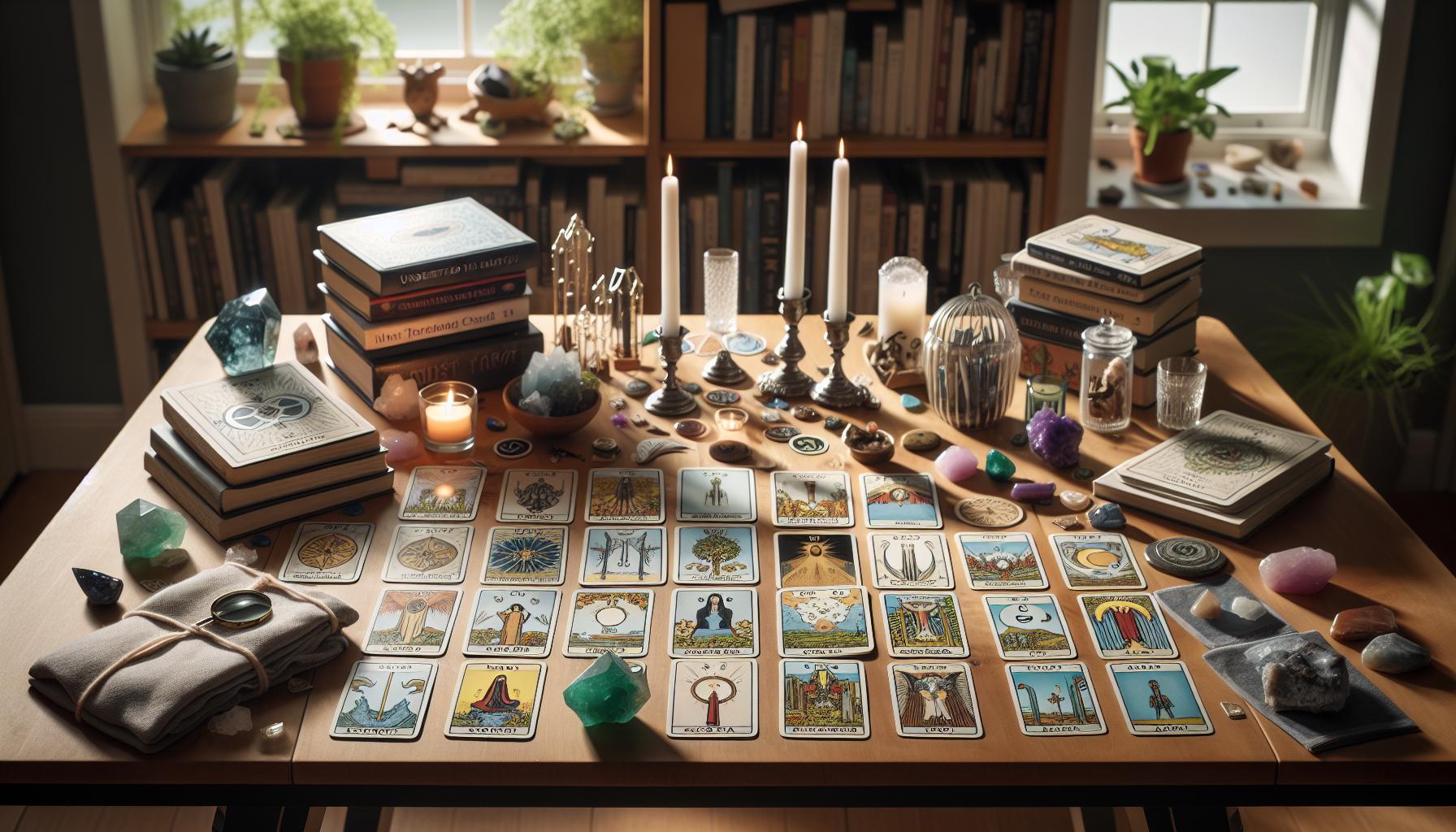
Understanding Tarot Decks: Types and Components
Every tarot reader, whether new or seasoned, relies on their deck as the primary tool for insight and guidance. Understanding the various types of tarot decks and their components can significantly enhance your reading experience and deepen your connection to the cards.
A standard tarot deck consists of 78 cards, divided into two main categories: the Major Arcana and the Minor Arcana. The Major Arcana, containing 22 cards, represents significant life events and universal experiences. Cards like The Fool, The Tower, and The World encapsulate powerful themes, urging readers to reflect on their life journeys. In contrast, the Minor Arcana consists of 56 cards that delve into day-to-day events and emotions, divided into four suits: Cups, Pentacles, Swords, and Wands. Each suit corresponds to different aspects of life-Cups relate to emotions and relationships, Pentacles to material aspects and work, Swords to intellect and conflicts, and Wands to creativity and action.
When selecting a deck, you might encounter various styles, imagery, and interpretations that speak to your intuition. Some popular decks include the Rider-Waite-Smith, known for its clear symbolism and beginner-friendly approach, and the Thoth Tarot, which offers more abstract art and complex meanings. Exploring different decks can be a personal journey that enhances your readings, allowing you to find one that resonates with your energy.
To facilitate your understanding of the cards, it’s beneficial to familiarize yourself with their core meanings. Here are some key tips for integrating card familiarity into your practice:
- Keep a Tarot Journal: Document your feelings and interpretations of each card as you work through the deck. This personal association builds a powerful connection.
- Create Flashcards: Make a deck of flashcards with the card image on one side and its meaning on the other. This encourages quick recognition and recall during readings.
- Study Card Relationships: Observe how different cards interact with each other within a reading. Each spread reveals complex stories and relationships that can guide your interpretation.
Understanding the types and components of tarot decks not only boosts your confidence as a reader but also enriches your intuitive capacity. As you explore the world of tarot, remain open to the unique messages that each card offers. With time and practice, you will develop a holistic understanding that transforms the practice into a powerful tool for personal and spiritual growth.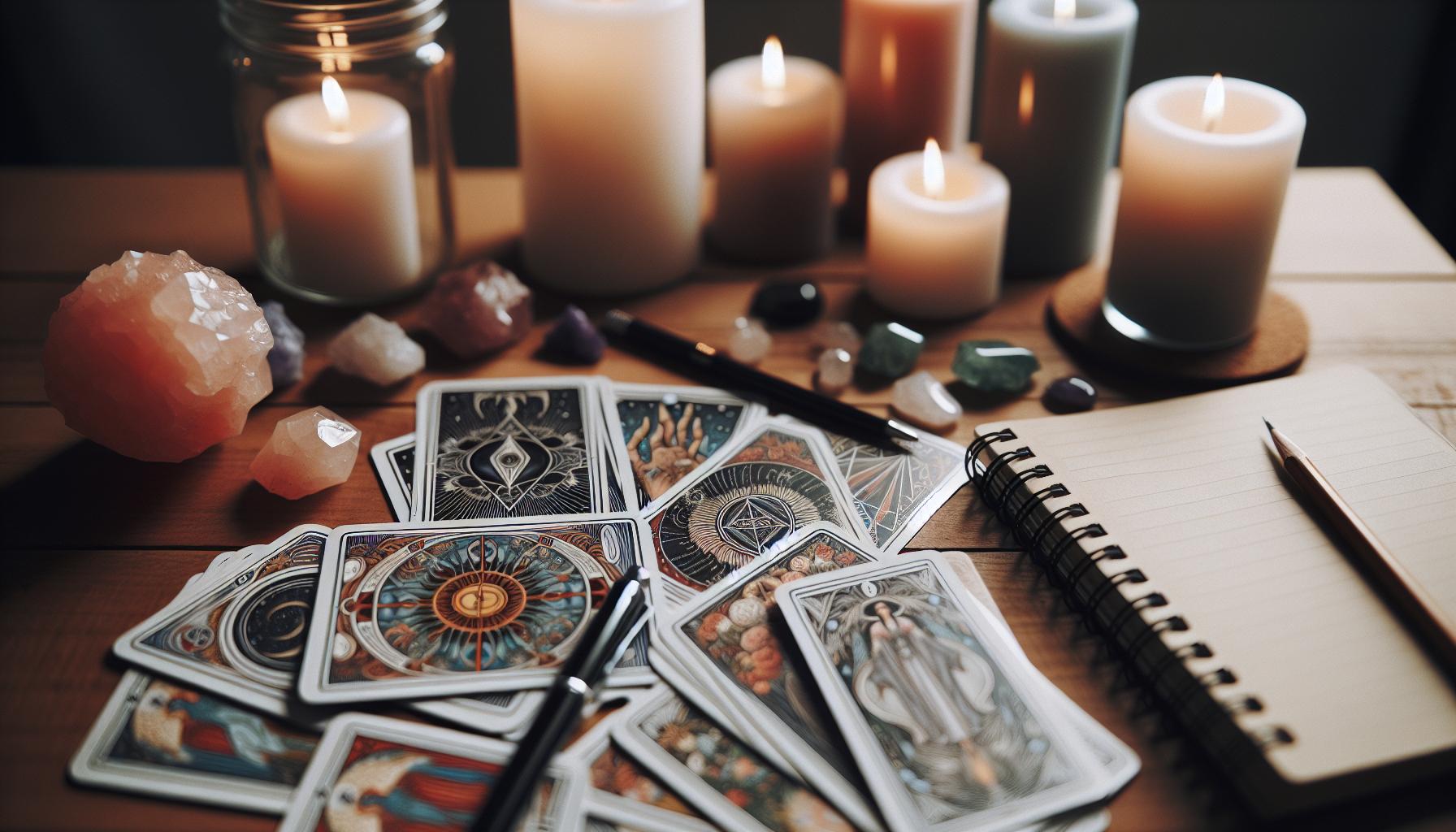
The Basics of Tarot Card Meanings Explained
While there are myriad interpretations of Tarot, understanding the basics of card meanings serves as the foundation for any reader. Each card in a standard Tarot deck carries its own story, symbol, and emotional resonance. By immersing yourself into the nuances of these meanings, you can unlock deeper insights during your readings.
The Tarot deck is predominantly divided into the Major Arcana and Minor Arcana. The Major Arcana cards, like The Fool and The World, signify pivotal life changes and spiritual lessons. They address vast themes such as personal transformation and existential dilemmas. For instance, drawing The Fool may represent new beginnings, encouraging you to embrace the unknown and take risks.
On the other hand, the Minor Arcana dives into daily aspects of life. Each suit corresponds to different elements of existence, such as emotions, intellect, and action. For example, the Cups deal with emotions and relationships; pulling the Two of Cups might indicate a new partnership or the strengthening of an existing bond. In contrast, Swords signify conflict and decisions, while Wands mirror creativity and ambition.
To get started with understanding card meanings, consider these practical steps:
- Daily Card Pull: Draw one card each day and reflect on its meaning. This practice helps contextualize how the card’s message might apply to your life.
- Group Study: Join a Tarot circle or online community to discuss meanings and share insights. Collaboration often leads to richer interpretations.
- Use Reference Guides: Keep a guidebook or an app handy that details interpretations. This can serve as a dense resource of information during readings.
Exploring these meanings can feel like embarking on a journey where each card opens up new pathways of reflection and understanding. As you become familiar with what each card signifies, your intuitive abilities will flourish, allowing the cards to speak to you in profound and personal ways. Remember, Tarot is not just a mystical practice; it’s an accessible tool for self-discovery and personal growth.
How to Conduct Your First Tarot Reading
When you’re ready to dive into your first Tarot reading, it’s important to create a comfortable space and approach the experience with an open heart and mind. Setting the stage properly can make all the difference. Find a quiet spot where you won’t be interrupted, and perhaps light a candle or burn some incense to set the mood. This creates a sacred atmosphere that honors the Tarot’s mystical nature. Remember, it’s not just about the cards; it’s about fostering a connection to your intuition and the energies around you.
Start your reading by formulating a clear and concise question or intention. Good questions often start with “What” or “How,” as these can lead to deeper insights. For instance, instead of asking, “Will I find a new job?” try framing it as “What can I do to enhance my job search?” This slight shift can open the door to valuable guidance from the cards.
Next, shuffle your deck while focusing on your question. This is your chance to set your intention and infuse your energy into the cards. Once you feel ready, draw the cards. A beginner-friendly spread to consider is the three-card spread, which allows you to explore the past, present, and future related to your question.
Interpreting the Cards
As you lay down your cards, take a moment to observe their imagery and symbols. Look at each card not just for its traditional meaning but also for how it resonates with your personal experience. For example, if you draw the Six of Cups, it might evoke feelings of nostalgia, prompting you to reflect on past influences in your current situation.
Remember, Tarot is as much about intuition as it is about established meanings. Allow yourself to speak aloud what you feel about each card, even if it doesn’t match traditional interpretations. This personal insight is valuable and helps to build your confidence as a reader.
Closing Your Reading
After interpreting the cards, take a moment to journal your thoughts and insights. Writing helps consolidate your reflections and may reveal patterns or connections you might have missed during your reading. Finally, thank the cards and the energies present for their guidance. This act of gratitude reinforces your connection to the Tarot and sets a positive tone for future readings.
Conducting your first Tarot reading can be both thrilling and enlightening. With practice, patience, and an open heart, you’ll find that the Tarot becomes not just a tool for fortune-telling but a mirror reflecting your inner wisdom and life journey. Remember, every reader was once a beginner, and the magic of Tarot is available to all who seek it.
Common Tarot Spreads for Beginners
When starting your journey with Tarot, selecting the right spread can significantly enhance your reading experience. A Tarot spread is the arrangement of cards drawn during a reading, each position symbolizing different aspects of the query at hand. Using the right spread not only clarifies the questions you’re seeking to answer but also allows you to engage more deeply with the insights the cards can provide.
One of the most accessible spreads for beginners is the Three-Card Spread. This simple yet effective layout allows you to examine the past, present, and future regarding your question. For instance, if your question is about career direction, the first card might represent past influences affecting your career choices, the second would illustrate your current situation, and the third could indicate future opportunities or challenges. This straightforward approach helps you focus on different timelines and can foster a deeper understanding of your path.
Another excellent option is the Celtic Cross Spread, which, while slightly more complex, offers a comprehensive overview of your situation. This spread consists of ten cards, each with a specific position, providing insights into your current challenges, underlying influences, and potential outcomes. Beginners often appreciate developing their intuition through such detailed insights, as it reveals layers of interconnection within their lives. However, it’s best to start with simpler spreads to build your confidence and understanding before diving into more intricate layouts.
For those seeking clarity on a particular aspect, the Single Card Draw is a great technique. This method is perfect for quick guidance on specific questions or daily pulls for insight. Simply draw one card, take a moment to reflect on its meaning, and consider how it relates to your current life circumstances. You might be surprised at the depth of clarity a single card can provide when you approach it with an open heart and mind.
Whichever spread you choose, remember to keep your intentions clear and approach the cards with curiosity. Reflect on their imagery and how they personally resonate with your life experiences. By using these foundational spreads, you’ll not only enhance your Tarot readings but also foster a deeper connection to your own intuition and journey.
Interpreting Tarot Card Combinations for Insights
Understanding how to interpret combinations of Tarot cards can deepen your readings significantly, revealing layers of meaning that single cards alone may not convey. When cards are drawn together, they interact, creating narratives that offer insights into your question. For instance, if you draw the Two of Cups alongside the Lovers, it may suggest a beautiful partnership or a decision related to love, harmoniously blending the themes of connection and choice.
To begin pairing cards, focus first on the individual meanings before observing how they resonate together. Here are a few tips to guide your process:
- Look for Themes: Identify the predominant themes among the cards. If you draw multiple cups cards, for example, emotions and relationships are likely to be in the spotlight.
- Identify Contrasts: Sometimes cards may offer opposing energies. If you pull the Chariot (often signifying movement and willpower) alongside the Four of Swords (indicative of rest), it could suggest the need to find balance between action and recovery.
- Consider Numerology: Card numbers can also give insights. For example, a group of three (like the Three of Pentacles, Three of Cups, and Empress) might emphasize collaboration and creative growth.
When interpreting combinations, allow yourself to be intuitive. Ask yourself how the energies blend together and what story they might tell. For instance, a pair of Death and Sun cards could indicate a powerful transformation that leads to newfound joy and clarity. Engaging with the imagery of the cards-colors, symbols, and figures-can further activate your intuition and guide your understanding.
Finally, practice is paramount. Try different combinations in your readings, jotting down your interpretations and observations. Over time, you’ll discover patterns and can develop your unique insights, making each reading a rich experience that resonates with the energies at play. Whether you’re a skeptic or a believer, remember that tarot is a tool for self-reflection and personal growth, accessible to all who seek it.
Developing Your Intuition for Tarot Reading
To truly connect with the Tarot, developing your intuition is essential. Intuition is often described as the inner voice or gut feeling that guides us, and it plays a crucial role in interpreting the messages from the cards. Unlike memorizing definitions, tapping into your intuition allows for a more personalized and profound reading experience, making Tarot a dynamic tool for self-discovery and insight.
One effective way to foster your intuitive abilities is through mindfulness practice. Begin by creating a serene environment where you can focus. This could involve light meditation, breathing exercises, or simply quieting your mind. Once centered, shuffle your Tarot deck while contemplating your question or intention. Notice any feelings, images, or thoughts that arise during this process; these can provide valuable context for your reading.
Another technique is to engage with the imagery of the cards. Instead of solely relying on traditional meanings, take a moment to observe the artwork closely. What emotions does it evoke? What symbols stand out to you? For instance, when drawing the Four of Cups, a card representing contemplation and introspection, you might feel a sense of stagnation or a yearning for something more. Allow this personal symbolism to guide your interpretation, blending it with established meanings to enrich your insights.
Finally, don’t underestimate the power of journaling. Documenting your readings, thoughts, and intuitive flashes helps build your confidence over time. Reflect on past readings and how your interpretations evolved. Ask yourself how faithful your intuition was, and adjust your approach accordingly. Regular practice not only enhances your intuitive skills but also deepens your connection to the Tarot, making you a more attuned reader.
By nurturing your intuition through mindfulness, engaging with the cards, and reflective journaling, you’ll find that Tarot reading transforms from a simple act into a rich, insightful dialogue with your inner self. Remember, everyone’s intuitive journey is unique, so embrace your style, learn with curiosity, and enjoy the process.
Understanding Reversals: What They Mean in Readings
Understanding Tarot reversals can significantly enhance your readings, bringing a deeper and nuanced perspective to the messages conveyed by the cards. When a card appears upside down, its meaning can shift from positive to more challenging interpretations, highlighting internal struggles, hidden aspects, or lessons yet to be learned. This inversion is not to be feared; rather, it presents an opportunity for reflection and growth.
One common approach to interpreting reversals is to think of them as a call to examine the energies associated with that card more critically. For instance, the Sun card upright signifies joy and success, while reversed, it may point to temporary setbacks or a feeling of discontent despite apparent external success. A reversed card can indicate areas where you might be blocking your own happiness or failing to appreciate what you have.
To navigate these shifts, it’s helpful to adopt a mindset of curiosity rather than judgment. Ask yourself what the reversed position is revealing about your situation. Is it an invitation to explore your fears? Perhaps it’s suggesting a need to reassess your priorities or confront what’s being ignored. Engaging with reversals this way transforms them into valuable tools for self-discovery and empowerment.
When you’re starting with reversals, consider practicing with different spreads specifically designed to incorporate them. For example, in a three-card spread, you might interpret an upright card as your current situation, and a reversed card could reveal obstacles you’re facing. Throughout your readings, maintain an open dialogue with your intuition. As you get comfortable with the meanings of reversed cards, you’ll find they add layers of depth, helping you or your querent gain profound insights.
Remember, whether you see reversals as negative or as part of the holistic story the cards tell, embracing their duality can deepen your readings. Like life itself, Tarot presents both challenges and opportunities, and understanding reversals allows you to explore this intricate balance.
Tools and Accessories to Enhance Your Tarot Experience
To elevate your Tarot reading experience, consider incorporating tools and accessories that not only enhance your readings but also create a personal and sacred space. These items can assist in grounding your energy, fostering intuition, and deepening your connection to the cards, making your practice more enjoyable and fruitful.
Essential Accessories for Your Tarot Journey
- Tarot Cloth: A dedicated cloth can help create a cleaner, more focused space for your cards. Opt for one with symbols, colors, or designs that resonate with you, as this can also aid in setting the mood for your readings.
- Journal or Logbook: Keeping a Tarot journal allows you to track your readings over time, jot down your interpretations, and capture any intuitive thoughts or feelings that arise. This personal record can be invaluable for noticing patterns in your readings and enhancing your intuition.
- Crystals: Certain crystals are believed to amplify energy and intuition. Amethyst, for instance, is great for clarity of thought, while clear quartz can enhance connections to your higher self. Placing these stones near your reading area can help focus your energy.
- Incense or Candles: Light a candle or burn some incense to establish a calming atmosphere that invites reflection. Aromas like sandalwood or lavender can create a serene environment conducive for deeper insights.
- Card Holders or Stands: These can display cards during readings, making it easier to focus on specific messages while keeping the cards organized. This is particularly helpful for spreads where visualizing the layout is essential.
Creating a Personalized Space
Designing a sacred space for your readings doesn’t have to be complicated. Whether you have a dedicated room or just a small corner, infuse it with elements that inspire you. Consider adding personal tokens, nature elements like plants or stones, or other items that hold personal meaning. Each element should resonate with your journey and aid in your connection to the cards.
Engaging with Your Tools
The way you engage with these tools can transform your readings. For instance, before each session, you might perform a simple ritual like lighting a candle and taking a few deep breaths to center yourself. As you shuffle your deck, set an intention for your reading, which can enhance your focus and clarity. Subsequently, each accessory you use, from the cloth to the crystals, can serve as a reminder of your purpose and help you connect with your intuition.
By infusing your Tarot practice with these thoughtful tools and creating a space that reflects your personal energies, you will find that your readings can become more meaningful, insightful, and enriching. Each object you choose contributes to a unique tapestry of your Tarot journey, allowing both veterans and beginners alike to explore the magic of the cards with confidence.
Tips for Creating a Sacred Space for Readings
Creating a nurturing environment for Tarot readings can greatly enhance your intuition and the insights you gain from your cards. Think of your sacred space as a personal sanctuary where you can connect with your inner self, free from distractions. This space not only helps ground your energy but also invites clarity and focus, making your readings more fruitful. Here are some effective tips to help you craft a sacred space that resonates with your unique energy.
Start by choosing a location that feels comfortable and private, whether it’s a full room dedicated to your Tarot practice or simply a cozy corner in your home. This area should be free from clutter and noise, allowing you to immerse yourself in the reading process. Once you’ve selected the spot, you’ll want to personalize it. Decorate with items that inspire you-these could be crystals, candles, or meaningful trinkets. Each piece you introduce should reflect something personal, creating a warm atmosphere conducive to intuitive work.
Incorporate Natural Elements
Natural elements can significantly enhance your sacred space. Consider adding plants or flowers that bring a sense of life and vibrancy. Each plant has its own energies and meanings; for example, lavender offers calmness, while basil can invite good fortune. You might also want to include a bowl of water or a small fountain, as the sound of flowing water can help maintain tranquility and keep your mind focused.
Establishing Rituals
Rituals are a powerful part of creating a sacred space. Before starting a reading, dedicate a few moments to set your intentions. You might light a candle, burn incense, or simply take several deep breaths to connect with your spirit. For instance, as you light a stick of sandalwood incense, visualize it purifying your space and opening channels for clear communication with your cards. This intentional action can cultivate a deep connection to the readings you’re about to undertake.
By following these tips and nurturing your sacred space, you will find that your Tarot experience will flourish with every reading. This special area, infused with your intentions and personal touches, not only enhances your practice but also invites an enriching dialogue with your cards, making your journey into Tarot both accessible and profound. Remember, this journey is yours to unfold, and the energy you bring into your sacred space can amplify the magic of the Tarot.
Navigating Skepticism: Embracing Different Beliefs in Tarot
Many people approach Tarot with a mix of curiosity and skepticism. It’s natural to question a practice that appears mystical or otherworldly. However, embracing this curiosity while acknowledging different beliefs can deepen your understanding of Tarot and enhance your personal practice. Tarot reading is not solely about predicting the future; it serves as a tool for introspection, guidance, and emotional exploration. Understanding this can shift your perspective and encourage openness, even if you’re initially skeptical.
One way to navigate skepticism is to focus on the psychological and symbolic aspects of Tarot. Think of each card as a prompt that reflects your subconscious thoughts and feelings. For instance, drawing the Two of Swords might represent a decision you’re facing. If you see it as a reflection of your internal conflict rather than a literal foretelling of the future, it becomes a constructive part of your self-exploration process. Tarot works best when approached with a willingness to engage with the symbols and narratives it presents, allowing for personal interpretation and relevance.
Take the time to conduct a few simple readings for yourself. Start with straightforward questions like, “What do I need to focus on today?” or “What challenges should I be aware of?” These prompts can set the stage for meaningful reflections without the pressure of needing profound predictions. It’s also beneficial to record your readings in a journal. This practice allows you to track how your interpretations evolve over time, reinforcing the idea that Tarot is more about your journey than the cards themselves.
As you delve into Tarot, remember to respect the diverse beliefs and experiences of others. Some may find Tarot to be a spiritual tool that connects them to higher powers or universal energies, while others may strictly view it as a psychological exercise. Both perspectives hold value and can coexist harmoniously. Invite discussions about these varying interpretations; it can enhance your understanding and enrich your practice. Embracing a non-judgmental attitude fosters a community where both skeptics and believers can explore the wisdom of Tarot together.
Resources for Deepening Your Tarot Knowledge
To truly deepen your understanding and practice of Tarot, a wealth of resources is available that cater to varying levels of experience and interests. Whether you’re just starting out or wish to refine your skills, these resources can enhance your journey. Engaging with the right materials not only increases your knowledge but also helps build confidence in your intuitive abilities.
One excellent way to learn about Tarot is through books. Look for titles that resonate with you, such as The Ultimate Guide to Tarot by Liz Dean or The Complete Guide to Tarot by James Rickleff. These texts provide extensive insights into card meanings, spreads, and practical tips for readings. Consider joining a local or online book club focused on Tarot. This can offer fresh perspectives from fellow enthusiasts and enrich your interpretation skills through shared experiences.
Online courses and workshops are another fantastic method to immerse yourself in Tarot. Many experienced readers offer structured lessons that cover everything from the basics to advanced techniques. Websites like Udemy and Coursera often have Tarot courses led by skilled instructors. Participating in these sessions enables you to learn directly from experts and ask questions in real-time, fostering a more profound connection to the material.
You might also explore tarot communities on social media or forums like Reddit’s r/tarot. These platforms are perfect for exchanging ideas, discovering new spreads, and finding reading partners. When interacting with others, you can gain insight into how different individuals interpret the cards and navigate their own reading practices. Additionally, this sense of community provides a supportive environment for sharing your doubts, successes, and experiences without judgment.
Lastly, consider keeping a tarot journal to document your readings, insights, and evolving interpretations. This practice not only aids memory but encourages reflection on how your understanding of the cards changes over time. Each entry can become a testament to your growth and intuitive development, connecting you with the deeper symbolic meanings of each reading session.
By harnessing these resources, you’ll empower yourself on your Tarot journey, blending knowledge with intuition as you explore this magnificent tool for self-discovery and divination. The more you engage with Tarot in various formats, the richer your experience will become, allowing you to develop a practice that resonates profoundly with your personal worldview.
Frequently Asked Questions
Q: What are the benefits of tarot card reading for beginners?
A: Tarot card reading offers numerous benefits for beginners, including enhanced self-awareness, improved intuition, and clarity in decision-making. It serves as a reflective tool that can help individuals process emotions and gain insights into their lives. Beginners can use tarot to explore personal challenges and set intentions for growth. For more foundational information, check out our section on What is Tarot Card Reading? A Beginner’s Overview.
Q: Can tarot card readings predict the future?
A: While tarot card readings can provide guidance and insights, they do not predict the future definitively. Instead, tarot helps individuals reflect on current situations and potential outcomes based on current choices. It emphasizes free will and offers perspectives rather than absolute predictions. For deeper exploration, see our section on Understanding Tarot Decks: Types and Components.
Q: How often should I do a tarot card reading?
A: The frequency of tarot card readings depends on personal preference and purpose. Many recommend reading weekly or monthly to track progress and changes. Others may choose to read whenever they face a new decision or challenge. Make it a part of your self-care routine for the best results. Explore our tips on How to Conduct Your First Tarot Reading for more guidance.
Q: Are there specific decks recommended for beginners?
A: Yes, beginners are encouraged to start with decks that resonate with them personally, such as the Rider-Waite-Smith deck. This deck features clear imagery and well-documented meanings, making it accessible for new readers. Check out our section on Understanding Tarot Decks: Types and Components for more suggestions.
Q: What is the significance of tarot card reversals?
A: Tarot card reversals indicate a shift in energy or meaning when a card is drawn upside down. They can signify obstacles, delays, or a different perspective on the card’s upright interpretation. Understanding reversals adds depth to readings and helps develop a complete insight. Learn more in our section on Understanding Reversals: What They Mean in Readings.
Q: How can I prepare for my first tarot reading?
A: To prepare for your first tarot reading, find a quiet and comfortable space, set your intentions, and maybe light a candle or incense to create a sacred atmosphere. Take a few deep breaths to center yourself. Familiarize yourself with your chosen tarot deck and consider what questions you want to focus on. For insights, see our tips in Tips for Creating a Sacred Space for Readings.
Q: What should I do if I don’t understand a tarot reading?
A: If you don’t understand a tarot reading, take a moment to reflect on your feelings and the cards drawn. Journaling about what each card could represent in your life might help clarify your thoughts. You can also rephrase your questions or consult additional resources to deepen your understanding, as suggested in Tools and Accessories to Enhance Your Tarot Experience.
Q: How can I deepen my knowledge of tarot card readings?
A: To deepen your knowledge, consider reading books, joining online forums, or attending workshops. Regular practice and reflecting on your readings will significantly enhance your skills. Engaging with a community of tarot enthusiasts can also provide valuable insights and support. Explore our Resources for Deepening Your Tarot Knowledge section for more ideas.
In Conclusion
As you embark on your journey with tarot card reading, remember that each card tells a story and every spread reveals a part of your path. By understanding the symbols and meanings, you’re not just predicting the future-you’re using insight to empower your decisions today. If you’re eager to deepen your knowledge, explore our resources on Tarot Card Definitions or try a practical 3-Card Tarot Reading to apply what you’ve learned.
Don’t let doubts hold you back-tarot is accessible to everyone, from curious beginners to seasoned seekers. Dive deeper into your intuitive abilities and consider signing up for our newsletter to stay updated on new insights and tools. We encourage you to ask questions and share your experiences in the comments below; your journey matters. Unlock the magic and wisdom of tarot today-adventure awaits!
Get our latest guides, news, and insights highlighted in your Google Search & AI Overviews.