Have you ever felt lost in the chaos of life, searching for clarity or direction? Tarot cards, a powerful tool for self-reflection and guidance, can illuminate your path and connect you with your intuition. In essence, Tarot consists of a deck of cards, each filled with rich symbols and meanings that tap into universal archetypes, helping you gain insight into your life’s journey. Whether you’re seeking answers about love, career, or personal growth, understanding the basics of Tarot can empower you to make informed decisions and foster personal transformation. This guide will unravel the mystery behind Tarot cards, offering you a foundation to explore this ancient practice. Join us as we demystify Tarot, making it accessible for everyone-from the curious skeptic to the seasoned seeker. Embrace the journey to uncover the wisdom that lies within you!
What Are Tarot Cards? A Simple Overview
The allure of Tarot cards lies in their ability to bridge the mystical and the mundane, offering insights that resonate deeply within our subconscious. Tarot consists of a deck of 78 cards, rich with symbolism and archetype, each waiting to guide you on a personal journey of reflection and discovery. While some people may view Tarot merely as a tool for predicting the future, it is, at its core, a profound resource for self-exploration, helping us to tap into our intuition and better understand our life’s narratives.
At its most basic level, Tarot is divided into two main components: the Major Arcana and the Minor Arcana. The Major Arcana consists of 22 cards that depict significant life themes and spiritual lessons-think of them as the chapters of a grand life story. In contrast, the Minor Arcana comprises 56 cards representing the everyday aspects of life, divided into four suits: Cups, Wands, Swords, and Pentacles. Each suit corresponds to different elements of the human experience, from emotions and relationships to creativity and material issues.
Using Tarot involves more than just laying down cards; it invites you to engage actively with your inner self. Whether you’re seeking clarity on a relationship, career choice, or personal growth, each card you draw acts as a mirror reflecting your thoughts and feelings. This interaction fosters a deeper understanding of your current circumstances, revealing both obstacles and opportunities. Beginners often find comfort in simple spreads like the three-card spread, which can represent your past, present, and future, offering a concise snapshot of your life’s journey.
Ultimately, Tarot is a tool for everyone, welcoming both skeptics and enthusiastic seekers. It’s not about predicting an unchangeable fate but rather about embracing the present moment and empowering you to make informed choices. The ancient wisdom of the cards encourages you to listen to your inner voice-your most reliable guide on the path to personal growth and self-acceptance.
The History of Tarot: From Mysticism to Modernity

The origins of Tarot cards weave a captivating tapestry of mysticism, culture, and evolving meanings. Initially believed to have begun in the 15th century as playing cards in Europe, they were far from the mystical instruments we recognize today. The earliest decks, such as the Visconti-Sforza cards, were created for noble families and played primarily for leisure. Over time, these decks began to attract a more esoteric significance.
In the late 18th century, Tarot underwent a profound transformation. Scholars and mystics alike began to associate the cards with deeper spiritual insights and ancient wisdom. This era marked the rise of the belief that Tarot could unlock secrets of the human experience, providing guidance on life’s journeys. Figures like Antoine Court de Gébelin claimed that Tarot originated from ancient Egyptian mystery schools, attributing symbols and meanings that connected the cards to universal truths. This view ignited the imaginations of many and solidified the Tarot’s position as more than a mere game.
As we progressed into modern times, Tarot has embraced a diverse array of interpretations and uses. Today, it serves as a bridge for personal reflection, psychological exploration, and even a tool for decision-making. Many practitioners emphasize the importance of intuition and personal connection to the cards, moving away from traditional, fortune-telling interpretations. Instead of fixed meanings, the focus has shifted toward how cards resonate with individual experiences. Tarot readings can now help reveal inner truths, encouraging users to reflect on their lives and feelings in a supportive environment.
This evolution demonstrates that Tarot is not merely a relic of the past but a living practice, continually adapting to the needs of those who seek its wisdom. For both skeptics and believers, engaging with Tarot can be an accessible journey into understanding oneself and the world around them. Embracing this rich history can enhance your readings, encouraging deeper connections to the cards and fostering a profound sense of self-discovery.
Understanding Tarot Decks: Types and Structures

When diving into the world of Tarot, understanding the structure and types of decks is essential for both new and seasoned readers. Tarot decks typically consist of 78 cards, divided into two main sections: the Major Arcana and the Minor Arcana. Each part serves a distinct purpose and offers unique insights, making the Tarot a rich tool for exploration.
The Major Arcana
The Major Arcana contains 22 cards, numbered from 0 (The Fool) to 21 (The World). These cards represent significant life themes and spiritual lessons. They often reflect major life events or deep inner work, acting as guiding forces in a reading. For example, drawing The Lovers might indicate issues surrounding partnerships, while The Tower could signify sudden change or upheaval. Each card in this section encapsulates powerful archetypes that resonate with universal experiences, making them essential cornerstones for any intuitive work.
The Minor Arcana
In contrast, the Minor Arcana consists of 56 cards organized into four suits, similar to playing cards. Traditionally, these suits are Cups, Pentacles, Swords, and Wands. Each suit reflects specific areas of life and emotional realms:
- Cups: Emotions and relationships
- Pentacles: Material aspects and career
- Swords: Thoughts and challenges
- Wands: Creativity and action
Within each suit, the cards are numbered from Ace to 10, accompanied by four Court Cards: Page, Knight, Queen, and King. This structure allows for detailed readings that address both minor developments and everyday influences in context.
Deck Diversity
While the classic Rider-Waite deck is popular among beginners, many unique interpretations exist. From the colorful imagery of the Thoth Tarot to the whimsical themes of the Tarot of the Magical Forest, each deck offers a different lens through which to engage with the cards. Choosing a deck that resonates with you is crucial, as personal connection can enhance your readings significantly. Whether you want a traditional style or something more modern and artistic, there’s a deck out there to serve your spiritual journey.
In summary, being familiar with the types and structures of Tarot decks empowers you to make informed choices and deepens your readings. Each deck tells its own story, waiting for you to uncover its secrets while tapping into your own intuition. Embrace this journey-the cards are here to guide you!
The Major Arcana: Unlocking Powerful Symbols

The Major Arcana serves as the heart of the Tarot deck, containing 22 cards that encapsulate the essence of our life’s journey through powerful symbols and archetypes. Each card is not just a mere representation of a concept; it embodies profound spiritual lessons and significant turning points, making them invaluable for seekers on their path. For example, The Fool is often viewed as the card of new beginnings, inviting us to embrace the unknown with a sense of wonder and openness. In contrast, The World signifies completion and fulfillment, reminding us that every cycle has the potential to lead to a new beginning.
When you draw a card from the Major Arcana during a reading, it’s essential to reflect on its broader implications. These cards can reveal insights about your personal growth and life lessons. For instance, The Chariot speaks to the importance of determination and willpower in overcoming obstacles, while Justice urges you to consider ethical dilemmas and the consequences of your actions. This duality highlights the balancing act of embracing both light and shadow aspects of our experiences.
- The Fool (0): New beginnings, spontaneity, and trust in the journey.
- The Lovers (6): Relationships and choices, highlighting the importance of harmony.
- The Tower (16): Sudden change and revelation, often challenging but transformative.
- The Sun (19): Joy, success, and positivity, a reminder of the warmth in our lives.
Understanding these symbols can enhance your intuitive readings. Reflecting on the imagery and meanings can open up pathways for insights. For beginners, it’s beneficial to keep a journal of your reflections on each card. Write down your impressions, personal connections to the imagery, and how the card manifests in your life. Over time, this practice can deepen your connection to the Major Arcana and enhance your overall Tarot experience.
Remember, the beauty of the Major Arcana lies in its capacity to mirror your own life narrative. Each card encourages you to explore your aspirations, face your fears, and acknowledge the myriad lessons life presents. Trust your intuition as you interpret these symbols; they are here to guide you on your journey, showing that within every challenge lies the potential for profound growth and transformation. Embrace the journey-the cards are your allies in navigation!
The Minor Arcana: Decoding Everyday Insights
The Minor Arcana, often overshadowed by the grandeur of the Major Arcana, plays an essential role in daily Tarot readings, providing nuanced insights into the everyday events and experiences that shape our lives. Comprised of 56 cards divided into four suits-Cups, Wands, Swords, and Pentacles-the Minor Arcana focuses on the practical aspects of life, encompassing our emotions, actions, thoughts, and material concerns. Each suit represents fundamental human experiences, making it relatable and accessible, even for beginners.
Understanding the Suits
The four suits each possess distinct qualities and themes:
- Cups: Symbolizing emotions and relationships, Cups deal with feelings, connections, and personal matters. For example, drawing a card from this suit may indicate a focus on love or emotional challenges.
- Wands: Representing action and creativity, Wands encourage you to explore your passions and ambitions. A Wands card might suggest a need for inspiration or a new project.
- Swords: Associated with intellect and conflict, Swords often highlight challenges, decisions, and the need for clarity. These cards can encourage you to confront challenges head-on or reassess your thought patterns.
- Pentacles: Grounded in the material world, Pentacles relate to finances, work, and health. They remind you to consider practical matters and the importance of stability.
Decoding Everyday Insights
When reading from the Minor Arcana, think of these cards as reflecting the day-to-day events that influence your journey. For example, pulling the Three of Cups could suggest a celebration with friends, while the Two of Swords might indicate a tough choice ahead. To effectively incorporate these insights into your life, focus on the card’s imagery and context. What emotions does it evoke? How can it apply to your current situation? Keeping a Tarot journal can help you track these patterns over time, enhancing your understanding of how the cards relate to your personal experiences.
There is no need to feel intimidated; the Minor Arcana is designed to resonate with the intimate details of your life. Each draw offers an opportunity for reflection, encouraging you to explore how external circumstances align with your inner emotional landscape. By tuning into these daily messages, you can cultivate a deeper awareness of your surroundings and navigate challenges with greater confidence.
Remember, Tarot is not merely a tool for divination; it acts as a mirror, reflecting back your thoughts, feelings, and experiences. Let the Minor Arcana guide you through the subtleties of your everyday existence, helping you recognize both the challenges and triumphs encountered along the way. Embrace this journey with curiosity, and allow the insights from these cards to enhance your path of personal growth and self-discovery.
How Tarot Spreads Work: Examples for Beginners
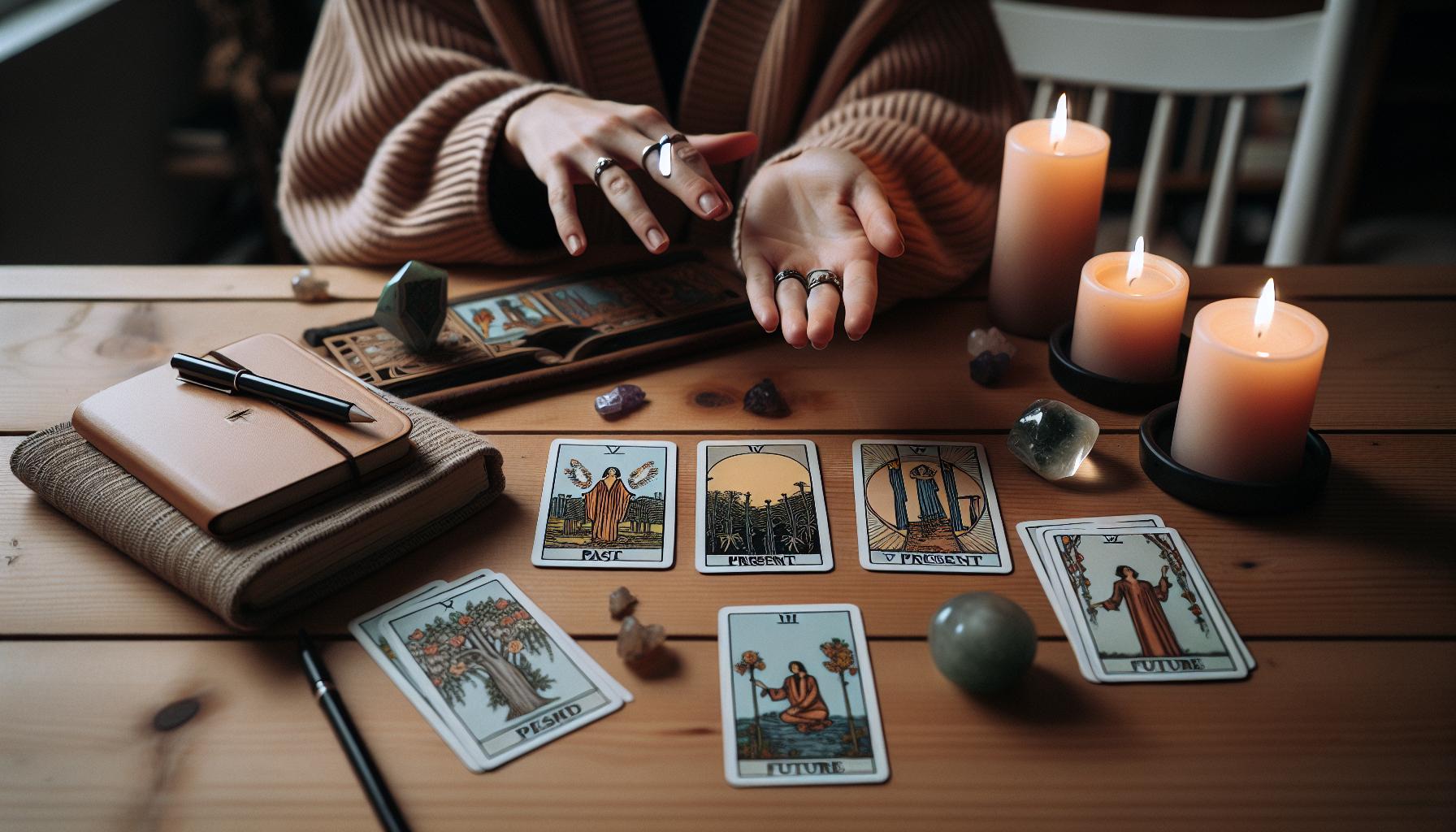
Understanding how Tarot spreads work is essential for harnessing the power of your cards. A Tarot spread refers to the layout of cards drawn during a reading, each position in the spread representing a different aspect of the question or situation. These layouts help guide you in interpreting the cards, making the insights more structured and comprehensive.
One popular beginner spread is the Three-Card Spread. This simple yet effective method invites you to draw three cards, each representing the past, present, and future. For example, if you draw the Six of Cups (past), it may indicate nostalgia or childhood memories influencing your current situation. The Two of Pentacles (present) might suggest a need for balance or juggling responsibilities, while the Wheel of Fortune (future) could signal impending change or new opportunities. By contextualizing the cards this way, you can create a narrative that reflects your journey.
Another effective spread is the Celtic Cross, often used to address more complex questions. This ten-card layout dives deeper into various aspects of your life, including challenges, influences, and possible outcomes. Each card is placed in a specific position, revealing layers of meaning. For instance, the central card represents your current situation, while the cards surrounding it provide insight into influences and obstacles.
When using these spreads, focus on the imagery and symbols of each card. Ask yourself how they resonate with your feelings and experiences. If you’re unsure about a card’s meaning, referencing a Tarot deck guide or a trusted resource can provide clarity. Over time, you’ll develop your interpretations, allowing greater personal intuition to shine through.
Ultimately, Tarot spreads are not just tools for divination but pathways for deeper self-reflection and growth. Don’t hesitate to experiment with different spreads to see which ones resonate with you. With practice, you’ll find they not only clarify your questions but also empower you to navigate life’s challenges with confidence and insight.
Reading Tarot Cards: Step-by-Step Guide
Learning to read Tarot cards can be a transformative journey, one that taps into your intuition and encourages personal growth. It doesn’t matter if you’re skeptical or a firm believer; Tarot is accessible to everyone. The key to confident reading lies in understanding the cards, their meanings, and being open to the insights they offer.
To begin your reading, start by grounding yourself. Find a quiet space where you can focus without distractions. Take a few deep breaths to center your mind. This intention-setting helps create a clear channel for messages from the cards. Next, shuffle your deck, allowing your energy to blend with the cards. While doing this, concentrate on your question or the situation you’d like clarity on.
Once you’ve shuffled, draw your cards. If you’re using a simple Three-Card Spread, flip over the first three cards and lay them out in front of you. These positions represent the past, present, and future. As you look at each card, take a moment to reflect on their imagery and symbolism. For example, if your first card is the Five of Cups, it may suggest focusing on disappointment, while the Star in the present position represents hope and healing. The future card, such as the Page of Pentacles, could signify new opportunities or beginnings.
As you interpret the cards, allow your intuition to guide you. Each reader develops a unique connection with their cards, so trust your emotions and insights. Write down your thoughts; this practice not only deepens your understanding but also helps track your journey. The more you read, the more confident you’ll become.
Finally, always close your reading by reflecting on the insights gained. Consider how the messages align with your life, and think about actionable steps to take moving forward. The magic of Tarot lies not just in prediction but in prompting profound self-reflection and growth.
Developing Intuition: Your Inner Guidance System
Understanding and developing your intuition is a fundamental aspect of reading Tarot. Intuition is often described as the inner voice or gut feeling that guides us through life’s decisions and challenges. In the context of Tarot, it allows you to connect more deeply with the cards, facilitating insights that go beyond mere interpretations. Everyone possesses intuitive abilities; it simply requires practice and openness to access them effectively.
To start honing your intuition, create a regular practice of mindfulness. You might consider engaging in meditation before your readings. As you quiet your mind, focus on your breath, allowing thoughts to drift away. This state of calm makes it easier to hear your inner guidance during a Tarot reading. You might even visualize a protective light surrounding you, creating a sacred space for the messages to flow.
When you sit down for a reading, approach it with curiosity rather than expectation. Instead of relying solely on established meanings of the cards, allow your first impressions to surface. As you pull each card, pause to reflect on what it evokes for you personally. For example, if the Two of Swords appears, you might feel a sense of indecision or a need for balance. Write these thoughts down-tracking them will reveal patterns and help you understand your intuitive language better. This practice not only enhances your readings but also builds your confidence over time.
Don’t shy away from symbols, colors, or even your emotional responses while interpreting the cards. Intuition often speaks in feelings and visuals. Engaging with the imagery of the cards can lead to powerful realizations. If the Empress card makes you feel nurturing or reminds you of a loved one, honor that connection. Each reading should be a collaborative dialogue between your conscious mind and your intuitive sense, leading to more meaningful insights that resonate with your personal journey.
Over time, as you cultivate this trust in your inner guidance, you’ll find your readings becoming more profound and insightful. Remember, this journey is not about perfection; it’s about the relationship you build with yourself and the cards. Embrace the process, be patient, and allow your intuition to flourish.
Common Tarot Myths: Debunking Misconceptions
Many people are drawn to tarot cards, yet they often carry a cloud of misunderstanding. One common myth is that tarot cards are tools for fortune-telling, predicting the future in a fixed way. In reality, tarot serves more as a mirror reflecting your current thoughts, feelings, and energies, allowing you to explore potential outcomes rather than definitive predictions. It’s important to understand that while the cards can provide insights, the future is fluid and heavily influenced by your actions and decisions.
Another prevalent misconception is that tarot reading requires a special gift or psychic ability. In truth, anyone can learn to read tarot cards! The key lies in your willingness to connect with the cards and develop your intuition over time. Start with simple spreads, such as a one-card daily draw or a three-card spread that reflects past, present, and future. As you practice, you’ll begin to notice patterns and insights that resonate personally, enhancing your confidence and understanding.
Some people also believe that tarot can only be used for specific areas like love or finances; however, its applications are virtually limitless. You can use tarot for self-reflection, to gain clarity on personal challenges, to improve your decision-making process, or even to inspire creative thinking. It’s about framing your questions thoughtfully. Instead of asking, “Will I get that job?” try, “What do I need to focus on to improve my chances of getting that job?”
It’s crucial to approach tarot with respect and an open mind. Whether you’re a seasoned reader or a curious newcomer, dispelling these myths can help you embrace the true potential of tarot as a tool for personal growth and empowerment. Engage with the cards authentically, and you’ll discover that their wisdom is accessible to everyone, regardless of prior experience.
Using Tarot for Self-Reflection and Growth
Engaging with tarot offers a profound path for self-reflection and personal growth, acting as a gentle guide to help you navigate your inner landscape. When you draw cards, you’re not just selecting colorful illustrations; you’re tapping into deep archetypal wisdom that resonates with your life experiences. Each card serves as a mirror, reflecting your thoughts, feelings, and any challenges you might be facing. This process can illuminate paths you may not have considered, prompting meaningful insights that support your journey.
To make the most of your tarot practice, consider asking open-ended questions that encourage exploration rather than seeking straightforward answers. For instance, instead of asking, “Will I be successful in my new job?” you might reframe it to, “What aspects of my strengths can I leverage to achieve success in my new role?” This shifts your focus towards growth, helping you identify actionable insights that empower your progress. When you draw a card, take a moment to reflect on its imagery and traditional meanings, then relate it to your current situation-this connection can reveal hidden emotions and aspirations.
Practical Steps for Self-Reflection
- Set an Intention: Before you begin, take a moment to center yourself and set a clear intention for your reading. This could be as simple as asking for clarity on a specific area in your life.
- Choose a Simple Spread: For beginners, a one-card draw can be very effective. Pull a card and ask yourself how it relates to your question. Alternatively, try a three-card spread representing the past, present, and future to gain a broader perspective.
- Journal Your Insights: Keep a tarot journal to record your spreads and reflections. Over time, you’ll notice patterns that can deepen your understanding and confidence in your readings. Reflect on how the insights you gain influence your choices and feelings.
- Practice Regularly: Consistency is key. Set aside time weekly or monthly for a tarot session to cultivate a deeper relationship with the cards and your intuition.
Using tarot for self-reflection is not about divination but rather a tool for introspection and empowerment. Embrace this journey with curiosity and an open heart, allowing the cards to guide you towards self-discovery and growth. This practice can be enriching, offering you fresh perspectives and highlighting areas of life where you might wish to focus your energy and intention. Whether you’re seeking answers, clarity, or simply a moment of pause to reflect, tarot can be a treasured companion on your journey.
Tips for Choosing Your First Tarot Deck
Choosing your first tarot deck can feel like a significant step on your journey into the world of tarot. With so many beautiful options available, the process can be both exciting and overwhelming. One important thing to remember is that the best deck for you is one that resonates personally. Look for artwork that you are drawn to; the imagery should speak to you and evoke feelings or thoughts that enhance your understanding of the cards.
When exploring options, consider your connection to the themes and symbols presented in different decks. For instance, some decks are deeply rooted in traditional symbolism, like the Rider-Waite-Smith deck, while others might feature modern interpretations or specific themes like nature, mythology, or fantasy. It’s beneficial to research the variety of styles and themes available, as finding a deck that you feel aligns with your personal beliefs and aesthetic can deepen your reading experience.
Practical Tips for Selecting Your First Deck
- Look for Guidebooks: Many decks come with comprehensive guidebooks that explain card meanings and offer insights into readings. Check if these resources are included or available separately, as they can be invaluable when starting.
- Consider Your Purpose: Think about why you want to use tarot. Are you looking for personal guidance, creative inspiration, or a tool for meditation? Your intention can help guide your choice.
- Community Recommendations: Join online forums or social media groups dedicated to tarot. Engaging with the community can provide suggestions based on personal experiences and help you find decks that others love.
- Try a Few Out: If possible, visit a local metaphysical shop where you can handle different decks. Sometimes, the right one will simply feel right in your hands. Other times, experiencing a deck in person can give you a better sense of its imagery and whether it resonates with you.
As you embark on this enchanting journey, remember that your first deck doesn’t need to be perfect. The relationship you cultivate with the cards is what truly matters. Over time, your intuition will grow, and your connection to the deck will deepen, making each reading a unique exploration of your inner landscape. Embrace the process with an open heart, knowing that tarot is a tool for personal exploration that anyone can embrace-whether you’re a skeptic or a firm believer.
How to Ask Questions for Tarot Readings
Asking the right questions is crucial for an insightful tarot reading. The quality of your inquiry often determines the clarity and relevance of the guidance you receive. To begin, consider framing your questions in a way that opens up deeper understanding rather than limiting it. Instead of yes or no questions, aim for open-ended queries. For example, instead of asking, “Will I get this job?” you could ask, “What can I do to improve my chances of getting this job?” This approach encourages the cards to provide more nuanced insights.
When you’re preparing your question, it can be helpful to focus on a specific area of your life that you seek guidance on. Whether it’s about relationships, career, or personal growth, clarity in your context allows for more focused insights. Creating a calm environment where you can reflect on your thoughts and feelings before the reading can enhance your connection with the cards. Take a moment to breathe and clear your mind; this practice can help you access your intuition which is essential for interpreting the tarot’s messages.
Once your question is formed, consider writing it down. This simple act not only solidifies your intention but also provides a point of reference during your reading. You might even want to form multiple questions if you have various areas of concern, allowing the cards to address each one in their turn. For instance, you could ask, “What should I be aware of in my current relationship?” followed by, “What steps can I take to achieve my career goals?” Each question can guide you through a deeper exploration of your situation.
Lastly, remember that tarot is a dynamic tool for exploration. The conversation you have with the cards is fluid and can lead to unexpected insights. Stay open to the messages, and trust your intuition to interpret them. Embrace the journey of self-discovery that tarot can facilitate; the right questions will ground your experience and empower your readings. Celebrate this opportunity to engage with your own wisdom and intuition, growing more confident with each session.
Faq
markdown
Q: What do Tarot cards represent?
A: Tarot cards represent various aspects of life and human experience. Each card carries unique meanings, often related to emotions, situations, or influences that may be present in one's life. Understanding these symbols can provide insights into personal situations, helping users gain clarity and direction.

Q: How can beginners start reading Tarot cards?
A: Beginners can start reading Tarot cards by selecting a deck they feel drawn to and familiarizing themselves with the card meanings. Practicing simple spreads, like the three-card spread, is a great way to begin, as it allows readers to explore past, present, and future influences in their lives.

Q: Why should I use Tarot for self-reflection?
A: Using Tarot for self-reflection offers a structured way to explore your thoughts and feelings. The cards can prompt insights into your inner landscape, helping identify patterns and emotions that may influence your decisions. It's a tool for deepening self-awareness and personal growth.

Q: Are Tarot readings accurate?
A: The accuracy of Tarot readings often depends on the reader's intuition and connection with the cards. While Tarot does not predict the future definitively, it can provide valuable perspective on current situations and potential outcomes, reflecting your energy at the moment.

Q: How does a Tarot spread work?
A: A Tarot spread is a specific layout of cards that represents different aspects of a situation or question. Each position in the spread has a meaning that relates to your inquiry, helping to provide comprehensive insights. Beginners can start with simple spreads, gradually moving to more complex ones as they gain confidence.

Q: What are common misconceptions about Tarot cards?
A: Common misconceptions about Tarot cards include the belief that they predict the future with certainty or that they should be feared. In reality, Tarot is a tool for self-discovery and should be approached with an open mind. Understanding the symbolism can enhance personal intuition and insight.

Q: Can anyone learn to read Tarot cards?
A: Yes, anyone can learn to read Tarot cards. It requires practice, openness to interpretation, and an understanding of the symbols involved. Starting with basic meanings and gradually building upon that knowledge can make Tarot reading accessible to all, regardless of experience level.

Q: What do I need to start using Tarot cards?
A: To start using Tarot cards, you need a Tarot deck and a quiet space for reflection. Familiarize yourself with the card meanings through books or online resources, and consider journaling your readings to track your insights and growth over time. Exploring different spreads can also enhance your practice.
Wrapping Up
Now that you have a clearer understanding of tarot cards and their significance, it’s time to explore how they can enhance your journey of self-discovery. Remember, tarot isn’t just a mystical tool; it’s a means to tap into your intuition and gain insights that can guide your decisions. If you’re eager to deepen your knowledge, check out our detailed guide on Tarot Card Definitions or experience a transformative Daily Tarot Reading that can provide you with valuable daily insights.
Don’t let uncertainty hold you back-start practicing your own readings today! If you have questions or need further guidance, we invite you to engage with our community. Share your thoughts in the comments, and feel free to explore our resources designed for both beginners and advanced practitioners alike. The world of tarot is vibrant and welcoming-dive in, and let your intuition lead the way!