Tarot reading, a mystical practice with roots tracing back centuries, serves as a powerful tool for self-discovery and guidance. By exploring the symbolism of Tarot cards, anyone can unlock insights into their life’s journey, whether seeking clarity in relationships, career, or personal growth. Many people feel uncertain about their path, yearning for guidance in moments of doubt. You’re not alone; the Tarot offers a compassionate mirror to reflect your inner thoughts and feelings. This ancient art is accessible to everyone, blending spiritual depth with practical techniques that can empower both skeptics and believers alike.
As we delve into the world of Tarot, you’ll learn how to connect with your intuition, interpret card meanings, and navigate different spreads. This journey could illuminate the answers you seek or inspire transformative reflections. Join us as we uncover the beauty and wisdom of Tarot reading, guiding you to harness its potential for your own life.
What Is Tarot Reading and How It Works
Understanding tarot reading opens a door to a rich tapestry of intuition, symbolism, and personal insight. Tarot is much more than a mystical pastime; it serves as a powerful tool for self-reflection and guidance. By engaging with this ancient art, one can explore both present situations and potential future paths through the interplay of cards, each teeming with meaning and connection to the human experience.
At its core, tarot reading involves drawing cards from a deck and interpreting their meanings based on various positions within a spread. Each card represents archetypes of humanity’s thoughts, emotions, and experiences. This allows readers to gain clarity on personal questions or challenges by tapping into their intuitive understanding and the symbolic language of tarot. Whether it’s seeking insight into love, career, or spiritual growth, the cards can illuminate insights that might not be immediately apparent in our day-to-day lives.
When a reader lays out the cards, they establish a narrative that resonates with the querent’s current situation. The configuration of the spread and the specific cards drawn reveal not only potential outcomes but also underlying influences that may be at play. This melding of intuition with structured meaning enables readers to provide thoughtful guidance and provoke deeper contemplation amongst those seeking answers.
For instance, a simple three-card spread can encapsulate past influences, present circumstances, and future possibilities, giving querents a comprehensive view of their situation. Readers may feel drawn to specific cards in intuitive ways, enhancing their interpretations and allowing for a personal connection that fosters understanding and healing. Embracing this practice, whether as a practitioner or a seeker, can develop a deeper trust in one’s own insights and the wisdom inherent in the cards themselves.
By centering the tarot in this way, it becomes clear that the practice is not just about fortune-telling but is more about engaging a conversation with oneself-navigating life’s complexities through a unique lens that encourages growth and reflection. Harnessing this intuitive guide offers empowerment and insight, making tarot a valuable practice for anyone curious about their inner world.
The History of Tarot: Origins and Evolution
The tarot’s journey through time is as fascinating as the messages it conveys. Rooted in the 15th century as a simple card game known as “tarocchi” in Italy, it was not initially associated with mysticism or divination. Players enjoyed this social pastime without any spiritual implications. However, by the 18th century, the tarot began its transformation, evolving into a tool for cryptic wisdom and esoteric study, linking it with various mystical traditions.
One key figure in the tarot’s transition was Antoine Court de Gébelin, a French clergyman and linguist. He sensationally claimed that the imagery of tarot cards was derived from ancient Egyptian wisdom. This idea sparked a wave of interest among occultists, leading to the development of tarot as a divination tool. Soon, tarot decks became a canvas for artistic and spiritual expression, with the designs encompassing a mixture of mythology, astrology, and Kabbalistic influences.
As the 19th century unfolded, tarot experienced a renaissance, particularly through the work of the Hermetic Order of the Golden Dawn. This secret society embraced the tarot, elaborating on its symbolism and integrating its use with numerology, astrology, and alchemy. The iconic Rider-Waite deck, published in 1909, became instrumental in popularizing tarot for the masses. Filled with rich symbolism and detailed imagery, it made the practice more accessible, inviting beginners to explore its profound insights.
Today, tarot is embraced by individuals seeking guidance, self-discovery, and a connection to the mystical side of life. Whether through a casual three-card spread or an elaborate Celtic Cross, the modern reader can tap into a deep well of wisdom, interpreting the cards in personal or spiritual contexts. With various decks available, reflecting numerous artistic styles and themes, the tarot remains a versatile tool for intuition and reflection, continuing to evolve and adapt to contemporary needs.
On this journey through its history, we find that tarot is much more than mere fortune-telling; it embodies centuries of cultural richness that invites everyone-believers and skeptics alike-to explore its depths and discover their own paths to understanding and insight.
Understanding Tarot Decks: Key Components Explained
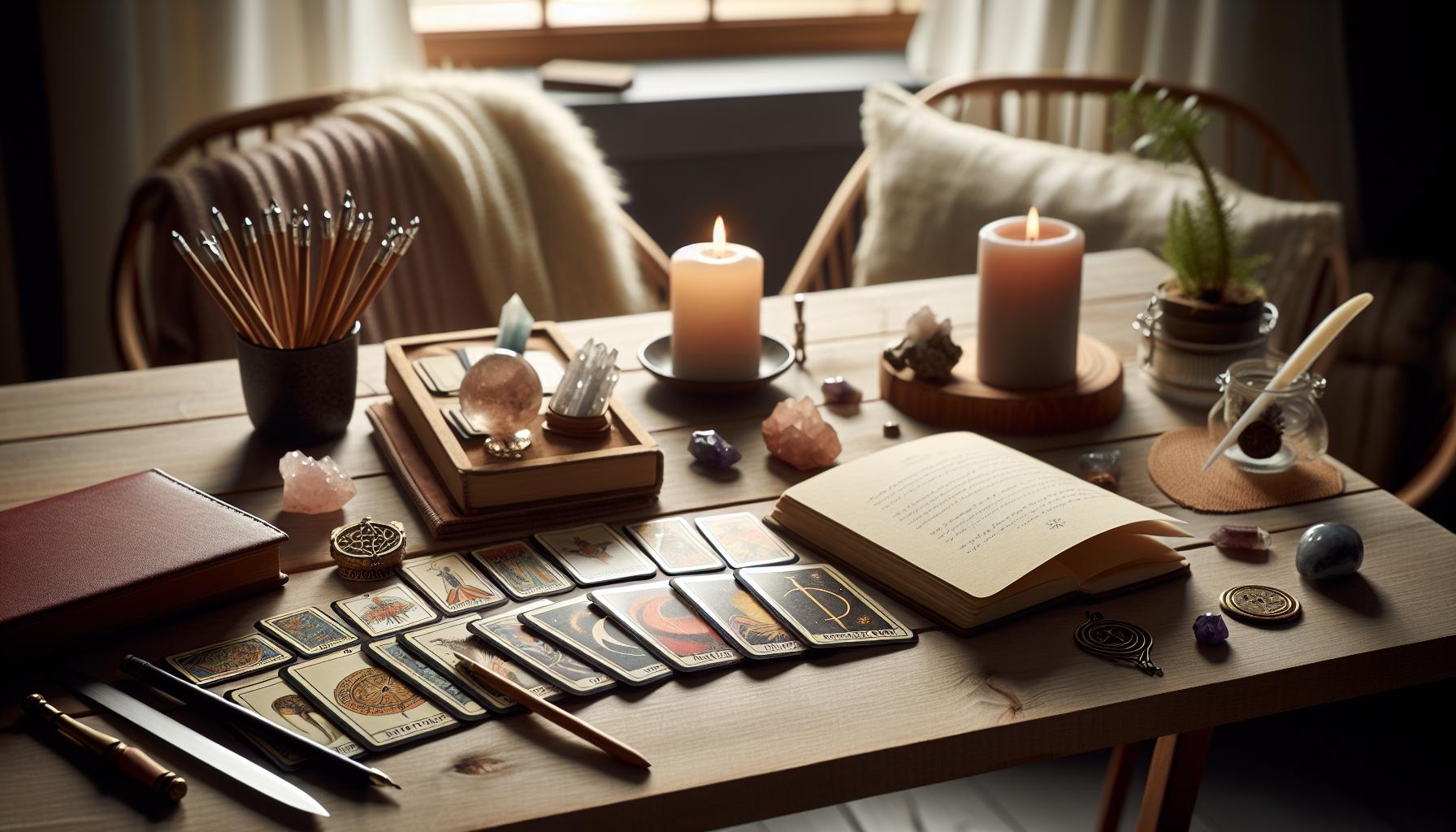
The essence of tarot lies not just in its cards, but in the intricate tapestry of symbolism and archetypes each deck contains. At its core, a typical tarot deck is composed of 78 cards, divided into two main sections: the Major Arcana and the Minor Arcana. Understanding the key components of these decks is essential for anyone keen on exploring the ancient art of tarot reading.
Major Arcana
The Major Arcana consists of 22 cards, each representing significant life events, spiritual lessons, and deep archetypal themes. Cards like The Fool, The Lovers, and Death symbolize pivotal moments and profound insights. When drawn, these cards often point to major influences or turning points in a querent’s life. For instance, drawing The Fool may indicate new beginnings and the embrace of adventure, emphasizing the importance of pursuing one’s authentic path.
Minor Arcana
The Minor Arcana is divided into four suits: Cups, Pentacles, Swords, and Wands, each containing 14 cards (numbered 1-10 and four court cards: Page, Knight, Queen, King). Each suit represents different aspects of life:
- Cups: Emotions, relationships, and connections.
- Pentacles: Material aspects, work, and finances.
- Swords: Intellect, conflict, and challenges.
- Wands: Creativity, inspiration, and action.
When a card from these suits appears in a reading, it offers insights into everyday experiences and issues. For instance, the Three of Cups often signifies celebration, community, and shared joy, reminding the seeker of the importance of social bonds.
Card Illustrations and Symbolism
Every tarot card features rich artwork that is steeped in symbolism. Colors, numbers, and figures can influence interpretation, adding deeper layers of meaning. Learning to read these symbols can enhance your readings. For example, the color blue in a card might suggest calm and intuition, while a specific animal might represent qualities like loyalty or wisdom.
Deck Varieties
While the Rider-Waite deck is among the most popular and widely recognized, there are countless styles, each reflecting different artistic and thematic focuses. Whether it’s an animal-themed deck, one rooted in historical imagery, or a modern interpretation, each deck offers a unique lens through which to engage with tarot. Choosing a deck that resonates personally is one of the first steps in your tarot journey.
Embracing the complexity of tarot decks is an exhilarating aspect of learning this art. With practice, readers can develop their own style, leveraging both the shared meanings of the cards and their personal intuition. As you embark on this journey, remember that every card drawn is a conversation waiting to unfold, a gateway to understanding the self, and a guide through the winding paths of life.
Exploring Major and Minor Arcana Cards
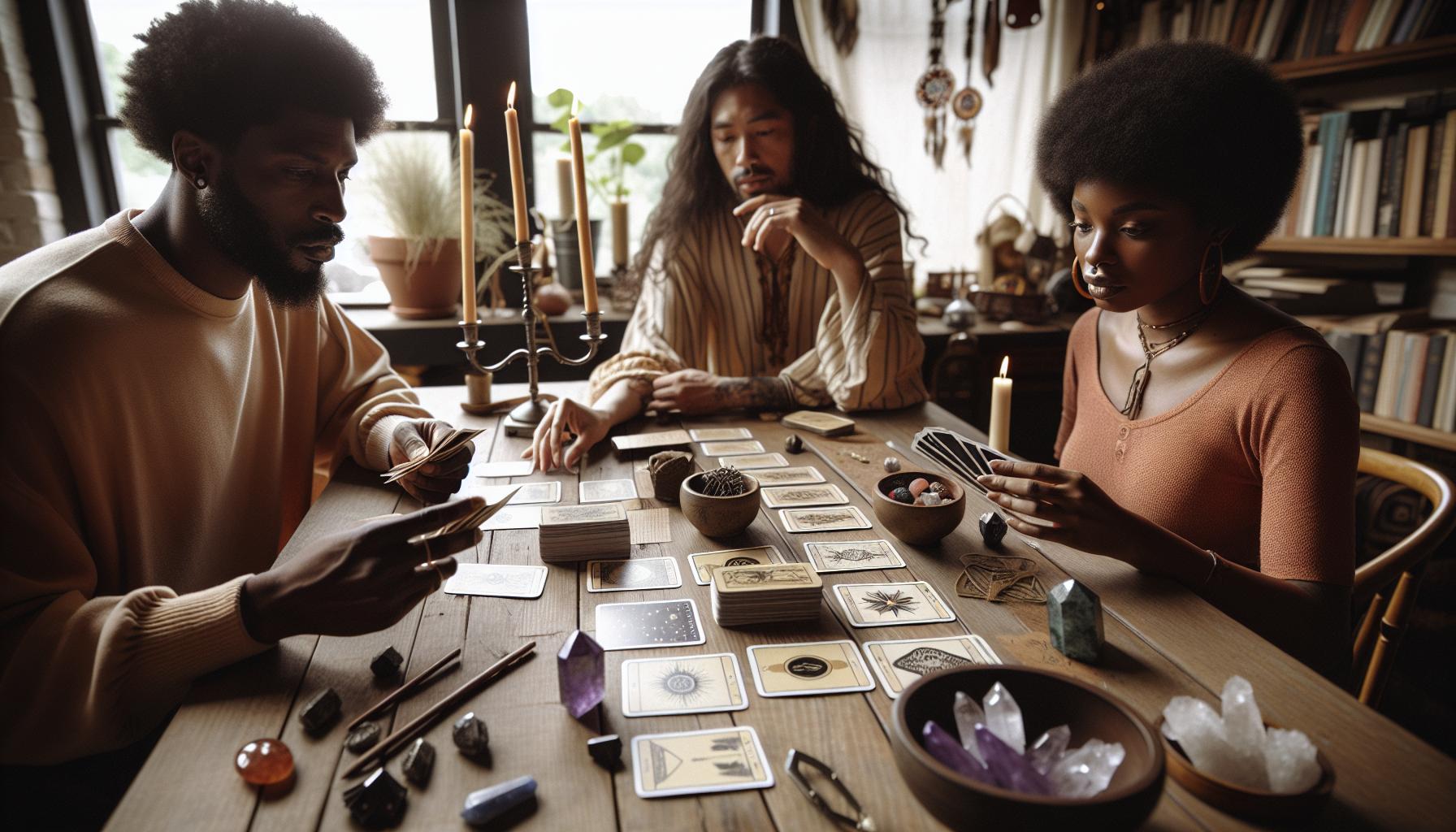
The journey through the tarot begins with understanding its two foundational components: the Major Arcana and the Minor Arcana. Each segment of the deck serves a unique purpose, offering insights into both profound life lessons and the everyday experiences that shape our lives. By exploring these cards, readers can deepen their understanding of themselves and the world around them.
Major Arcana
The Major Arcana consists of 22 cards, often regarded as the heart of the tarot. Each card encapsulates significant life themes and spiritual journeys, providing guidance and illumination through key experiences. For example, The Lovers card isn’t just about romantic relationships; it represents choices and harmony in both personal life and major decisions. The Death card is not about physical demise but symbolizes transformation and rebirth-highlighting the importance of letting go and embracing change. When these cards appear in a reading, they signal pivotal moments or lessons that require attention and introspection.
Minor Arcana
Contrasting the Major Arcana, the Minor Arcana consists of 56 cards, divided into four suits: Cups, Pentacles, Swords, and Wands. Each suit addresses different aspects of life:
- Cups: Govern emotions, relationships, and inner experiences.
- Pentacles: Focus on material concerns, work, and finances.
- Swords: Deal with intellect, conflict, and challenges.
- Wands: Inspire creativity, action, and personal initiative.
These cards often reflect daily occurrences and feelings. For instance, drawing the Three of Cups might indicate a time for celebration and joy, inviting the querent to connect with their community and loved ones. Understanding the different suits helps the reader contextualize the cards based on current situations in life, catering to the querent’s needs and queries.
Navigating through the Major and Minor Arcana allows readers to paint a detailed picture of a querent’s situation, offering them clarity and direction. By integrating both aspects, you can develop a comprehensive reading that encompasses both the profound and the practical, creating a richer, more holistic understanding of the messages within the cards.
Common Tarot Spreads: Purpose and Use
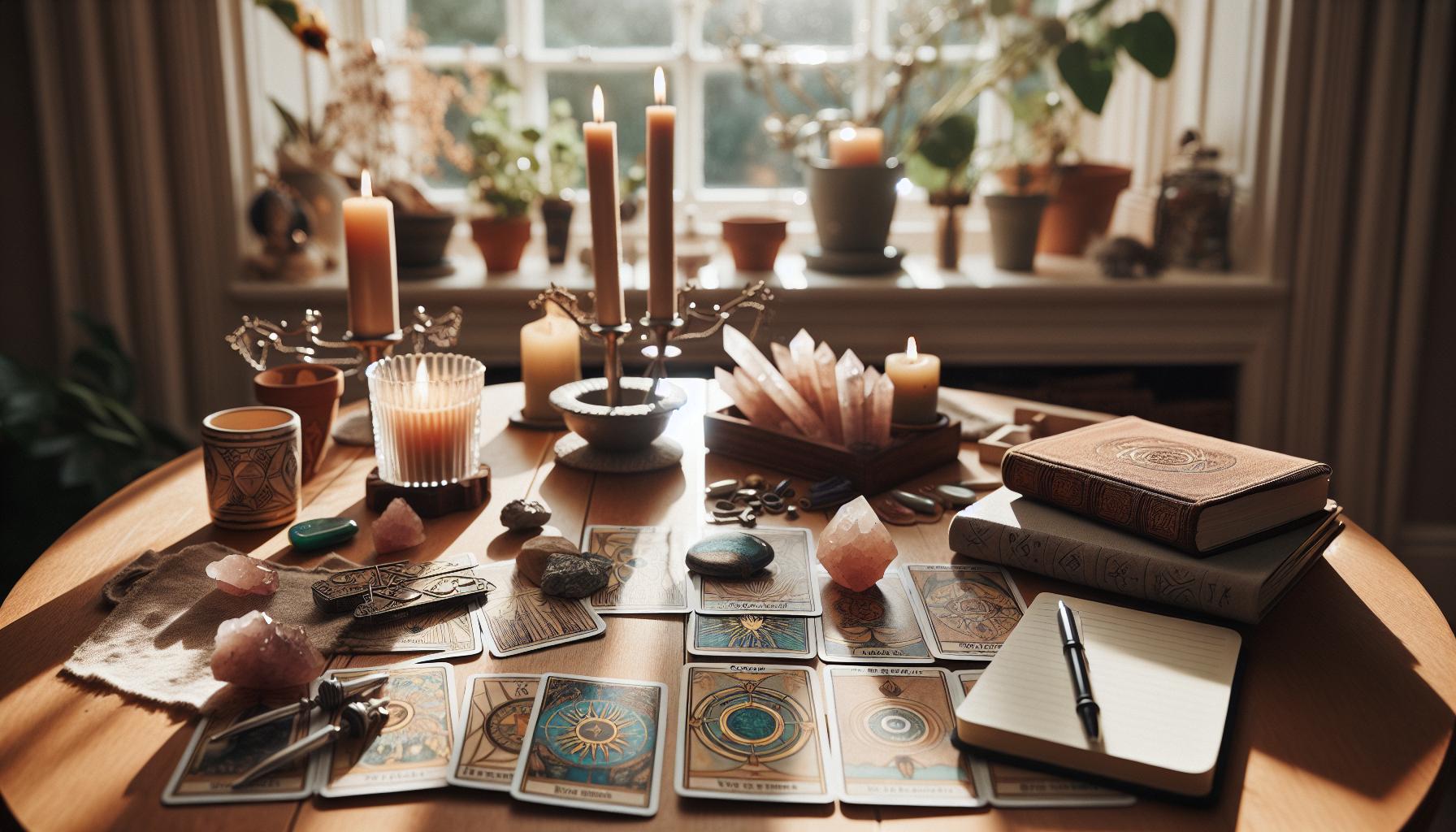
Common Tarot spreads serve as navigational tools, guiding both the reader and the querent through the complex landscape of personal insight and spiritual exploration. Each spread has its unique purpose, assisting in addressing specific questions or themes and providing clarity in various aspects of life. By choosing the right spread, readers can enhance their interpretations and deliver more meaningful messages.
A popular choice for beginners is the Three-Card Spread, which offers a simple yet profound means to explore past, present, and future influences. Each card drawn represents a temporal aspect: the first card might reveal past influences that shape the current situation, the second outlines present circumstances, and the third signifies potential future outcomes. For instance, if the cards reveal the Five of Pentacles (past), The Chariot (present), and The Sun (future), it suggests overcoming hardship through determination and ultimately achieving joy and success.
For those seeking a deeper dive, the Celtic Cross Spread is an excellent option. This ten-card spread allows for a comprehensive exploration of the querent’s situation, integrating various aspects such as obstacles, external influences, and hopes or fears. It begins with the first card representing the present situation, followed by cards illuminating challenges, past foundations, and future possibilities. Readers can glean complex insights by carefully interpreting each position within the spread.
Another efficient spread is the Relationship Spread, ideal for those wanting to understand dynamics in romantic partnerships or friendships. This layout typically involves drawing cards for each person involved and a third card to represent the relationship itself. For example, drawing The Lovers for one person, The Empress for the other, and The Two of Cups for the relationship can evoke themes of connection, nurturing, and mutual respect.
When exploring spreads, keep in mind the importance of intuition in interpretation. Trusting your instincts will often lead to the most resonant insights. Remember, the purpose of these spreads is not merely to predict outcomes but to empower querents to explore their paths, make informed decisions, and foster personal growth. Embrace the magic of tarot, and allow it to illuminate the intricate tapestry of life’s journey.
How to Prepare for a Tarot Reading
Preparing for a tarot reading is a powerful moment that sets the stage for deep insights and personal reflection. Whether you’re the one receiving a reading or providing one, creating the right environment and mindset can significantly enhance the experience. Start by finding a quiet space where you can feel at ease. This should be a setting free from distractions, allowing you to focus completely on the energies at play between you and the cards.
Next, hold a clear intention for your reading. Reflect on the questions or themes you wish to explore. This could range from specific issues like career or love-such as “What steps can I take to improve my relationship?”-to broader inquiries like, “What should I focus on in the coming months?” Write these questions down, as the act of writing helps clarify your thoughts and brings a deeper level of awareness.
Consider cleansing your tarot deck before the reading. This can be achieved through various methods such as smudging with sage, passing the cards through the smoke of incense, or even just holding them and envisioning any stagnant energy dissipating. This ritual helps to refresh the energy of the cards, making them more receptive to your inquiries.
Finally, foster an open mindset. Approach the reading with curiosity rather than expectation. Be ready to explore whatever the cards reveal, even if it diverges from your original questions. Remember, each card carries profound symbolism and insights that may reflect subconscious thoughts or energy patterns you weren’t previously aware of. By being open to these messages, you allow the tarot to guide you on your journey toward clarity and self-discovery.
Interpreting Cards: Techniques for Beginners
Interpreting tarot cards can feel daunting at first, but with practice and the right techniques, anyone can develop their intuition and reading skills. The key to interpreting cards lies not just in memorizing meanings, but in cultivating a personal relationship with the cards and trusting your gut feelings. As you begin your journey into tarot, remember that each card holds a universe of potential interpretations, often influenced by context and your intuition.
One practical approach to start interpreting cards is to break down each card into its fundamental elements. Consider these aspects:
- Imagery: Take note of what you see. Colors, symbols, and figures all convey messages. For instance, the image of a bright sun could signal positivity, while a dark figure might suggest uncertainty or fear.
- Numerology: Each card’s number can add layers to its interpretation. For example, the number One often represents beginnings, while Ten signifies completion.
- Suits and Elements: Familiarize yourself with the suits-Cups, Wands, Swords, and Pentacles. Each suit resonates with particular aspects of life (emotions, action, intellect, and material matters, respectively).
As you grow more comfortable, practice reading spreads-a layout of several cards designed to provide insight into specific questions or themes. A simple three-card spread can offer past, present, and future perspectives on a situation. For instance, you might draw The Magician for the past, indicating the potential and resources you’ve had, the Five of Cups for the present, perhaps reflecting feelings of loss, and The Star for the future, suggesting hope and renewal. This method allows you to develop a narrative that connects the cards, making their messages clearer.
Finally, remember to keep a tarot journal. As you interpret each reading, jot down your impressions, the context of your questions, and how you felt about each card. Over time, you’ll start to notice patterns in your interpretations and develop a richer understanding of the cards and their meanings.
By embracing these techniques and maintaining an open mindset, you’ll build your confidence in reading and interpreting tarot cards. The process is as much about intuition and personal insight as it is about the traditional meanings assigned to each card. Trust in your abilities to unlock the wisdom that tarot can offer.
Advanced Tarot Techniques for Seasoned Readers
Building on your foundational skills, advanced tarot techniques can deepen your understanding and enhance your readings. For seasoned readers, the magic of tarot lies not just in the cards themselves but in the intricate relationships and stories they can weave together. One powerful method is to engage in intuitive reading, where you focus less on traditional meanings and more on the feelings and impressions the cards evoke. This approach allows you to respond to the client’s energy and the specific nuances of their question.
Integrating Elemental Associations
Consider the elemental associations of each suit-Cups (Water), Swords (Air), Wands (Fire), and Pentacles (Earth). You can use these associations strategically to influence the flow of your reading. For example, if a question involves emotional depth, drawing heavily from the Cups may emphasize feelings and relationships. Alternatively, if the focus is on decisions or conflict, a predominance of Swords can illuminate mental processes and challenges.
Utilizing Card Patterns
Another advanced technique is to look for patterns among the drawn cards. As you develop this skill, you might notice recurring themes or imagery. Create a replicated spread that uses cards from multiple readings to track how certain cards arrive in similar situations. Over time, you’ll build a tableau that reflects not just individual messages but a broader narrative that spans multiple inquiries. This can highlight shifts in your client’s life or patterns they may be overlooking.
Incorporating Numerology and Astrology
By integrating numerology and astrology into your readings, you can add additional layers of depth. Each card’s number carries a specific vibration that influences its meaning. For instance, Fours often signify stability, while Nines signal completion. When combined with astrological associations-such as the Month of Birth or the client’s zodiac sign-you can tailor readings that speak directly to the individual’s experiences and cycles.
Creating Complex Spreads
Finally, embrace the art of crafting complex spreads. Beyond the standard three-car or Celtic Cross, consider designing your own layouts tailored to specific questions or situations. For instance, creating a “Life Path Spread” could involve specific positions representing past influences, present challenges, and future potentials. Each card’s placement and meaning could offer clarity and foresight tailored to the individual’s unique journey.
By exploring these advanced techniques, you can experience the tarot as a dynamic tool for insight and transformation. Each reading becomes a collaborative journey, reflecting not only the universe’s messages but also the rich tapestry of human experience. Trust in your growing intuition, allowing your readings to resonate with authenticity and depth.
Tarot Reading Ethics: Best Practices and Guidelines
When diving into tarot reading, it’s essential to recognize that with great power comes great responsibility. The insights garnered from tarot can deeply impact a person’s life, and ethical considerations should guide every reading. Establishing a strong ethical framework ensures that you not only protect your clients but also cultivate a respectful and constructive environment for their exploration of personal truths.
Confidentiality is Key
One of the most fundamental aspects of ethical tarot reading is maintaining confidentiality. Every client deserves a safe space to share their thoughts and feelings without fear of judgment or exposure. This means not discussing clients or their readings with others. Consider how comfortable you’d be if someone shared your personal revelations. Create an atmosphere of trust through your discretion, reinforcing that what is said between you and your client stays between you.
Empower, Don’t Predict
While tarot can reveal potential outcomes based on current paths, it’s vital to remember that the future is not set in stone. Engage with your clients as collaborators in their journey rather than as a fortune teller. Empower them to make their own choices. Phrasing insights as “possibilities” adds to their agency. For example, instead of saying, “You will face a challenging decision,” you could say, “There may be an important decision coming up, and the cards suggest considering your values and feelings ahead of time.”
Respect Boundaries
Understanding when to draw back is crucial. If a client seems uncomfortable with a question or a topic arises that they wish to avoid, respect that boundary. You might say, “It seems this area may be sensitive for you. Would you like to explore another question?” This approach ensures clients feel in control and valued throughout the reading.
Be Honest About Your Limitations
Being truthful about your strengths and limits as a reader fosters trust and adds a layer of professionalism to your practice. If you are unsure of a card’s interpretation, it’s better to communicate that openly than to fabricate an answer. Encourage clients seeking psychological or medical help to consult licensed professionals. This not only respects your role as a tarot reader but also protects your clients’ well-being.
By weaving these ethical practices into your readings, you contribute to a respectful, nurturing tarot experience. Your integrity will shine through, allowing clients to focus on their inner exploration and growth rather than the divination itself. This balance of mysticism with ethical responsibility creates a meaningful and transformative interaction that resonates long after the cards are laid down.
Debunking Myths: Separating Fact from Fiction in Tarot
Many people are intrigued by tarot reading, yet numerous misconceptions often cloud the true essence of this ancient practice. Understanding the reality of tarot can illuminate its potential as a tool for insight and personal growth. One of the most pervasive myths is that tarot reading is synonymous with fortune-telling; instead, it is fundamentally a process of self-exploration and reflection. While tarot cards can suggest themes and possibilities based on current circumstances, they do not predict a fixed future. Rather, they serve as a mirror, reflecting the inner landscape of the querent’s mind and emotions, encouraging them to contemplate their choices.
Another common myth suggests that tarot requires special powers or psychic abilities. In truth, anyone can learn to read tarot with practice and dedication. The key is developing intuition and understanding the cards’ meanings-something achievable for all, regardless of perceived spiritual sensitivity. Beginners can start by familiarizing themselves with the cards through study and personal reflection, gradually building confidence in their interpretations. Even seasoned readers often draw upon their intuition combined with knowledge of card symbolism, making tarot reading a skill honed over time rather than an innate talent.
Additionally, some might believe that tarot cards can only be interpreted in one way. This rigid thinking dismisses the richness of tarot’s multifaceted nature. Each card carries various meanings that shift based on context, the specific question asked, and the surrounding cards in a spread. For example, the Death card, often feared, actually symbolizes transformation and new beginnings in many contexts. Embracing this varied interpretation fosters a deeper understanding and flexibility in readings.
Finally, skeptics might dismiss tarot as mere superstition or entertainment. Yet, many individuals who engage with tarot find profound insights that catalyze change in their lives. Tarot can ignite meaningful conversations and personal breakthroughs. By approaching tarot with an open mind, skeptics may discover its potential not as a mystical spectacle but as a valuable tool for introspection and self-growth.
In navigating these myths, it becomes clear that tarot reading is accessible to everyone, filled with opportunities for personal discovery and empowerment. Whether you come as a skeptic or a believer, embracing the reality of tarot can transform your perception and open new pathways for understanding.
Harnessing Intuition: Trusting Your Inner Guide
Trusting your intuition is an essential part of tarot reading; it acts as a bridge between the conscious mind and the deeper wisdom within. Many novice readers feel overwhelmed by the vast meanings and interpretations associated with each card, yet the beauty of tarot lies in its personal nature. Your intuition can guide you in discerning the messages that resonate most deeply with you and those you read for.
To cultivate your intuitive abilities, start by creating a calm, focused environment before you begin a reading. This can include lighting a candle, playing soft music, or even meditating for a few minutes. When you shuffle or lay out the cards, take a moment to center yourself. Ask a guiding question, even if it’s just about the general energy of the reading. Then, as you draw each card, pay attention not just to its traditional meaning but also to any feelings, thoughts, or images that arise in your mind. Make note of these impressions; they might reveal significant insights beyond the card’s surface interpretation.
Techniques to Enhance Intuition
- Keep a Tarot Journal: Document your readings and your intuitive insights. Over time, you will begin to see patterns and connections that might not be immediately evident. Reflecting on past readings can also help you recognize your intuitive growth.
- Practice Mindfulness: Engaging in mindfulness exercises can sharpen your awareness and help you stay connected to your intuitive side. Regular meditation or yoga practice cultivates a mind that can listen to its inner voice.
- Connect with Your Cards: Spend time with each card in the deck. Look at the imagery, read about its meanings, and hold it while considering what feelings it evokes within you. This personal connection will deepen your understanding and enhance your intuitive responses.
An important aspect of developing intuition is learning to trust it, even when it contradicts traditional meanings. For instance, drawing the Tower card, often associated with upheaval, might evoke feelings of renewal and inspiration for you, depending on the context of your inquiry. Embracing these instincts can lead to richer and more personalized readings. Remember, while tarot provides archetypes and archetypal themes, your unique perspective is vital in translating those messages.
Whether reading for yourself or others, fostering your intuitive skills transforms tarot into a deeply communicative experience. By balancing the wisdom of the cards with your own inner guidance, you create a harmonious exchange that resonates with authenticity and depth. This journey of self-discovery can prove enlightening, empowering you and others to unlock the insights that tarot has to offer.
Practical Tips for Giving and Receiving Readings
The experience of giving and receiving a tarot reading can be a transformative and deeply personal journey. To enhance this sacred exchange, here are some practical tips that cater to both beginners and seasoned readers, ensuring a fulfilling session for everyone involved.
Begin by setting the mood for the reading. A comfortable, quiet space free from distractions is essential. Whether you’re reading for yourself or someone else, consider incorporating methods that create a sacred atmosphere. This might include lighting candles, burning incense, or playing soft music. These elements help ground you and signal that you are entering a space for reflection and insight.
When it comes to the actual reading, start with open communication. If you’re reading for someone else, encourage them to express their intentions or concerns. This can help guide the reading and make it more relevant. Consider asking questions that promote clarity, such as, “What would you like to gain from this session?” This collaborative approach fosters trust and connection, making the experience more enriching.
As you shuffle and draw the cards, take your time. Allow the cards to speak to you intuitively. Each card holds layers of meaning; some will resonate more based on the energy of the question asked. For instance, if a card associated with conflict appears, it may highlight not only a struggle but also potential resolutions or lessons learned. Share your interpretations aloud, while remaining fluid; the dialogue can illuminate fresh insights for both the reader and the seeker.
To ensure a respectful exchange, be mindful of the emotional nature of tarot. Stay compassionate and avoid overly specific predictions that could lead to disappointment. Instead, focus on empowering insights or guidance that encourages the seeker to reflect on their paths. Conclude the reading by summarizing key points, inviting questions, and instilling a sense of hope and possibility.
Remember, whether giving or receiving a reading, the key lies in openness, empathy, and intuition. Every reading is an opportunity for growth, clarity, and self-discovery. Embrace the process, and allow the wisdom of the cards to unfold in its own time, illuminating paths for all who seek guidance.
Faq
Q: How can Tarot readings help in decision-making?
A: Tarot readings can provide clarity and insight into decision-making by illuminating your subconscious thoughts and feelings. Each card reflects different aspects of your situation, helping you to consider various perspectives and possible outcomes. This can enhance your confidence in making informed choices.
Q: What should I focus on during a Tarot reading?
A: During a Tarot reading, focus on your intentions and questions. This clarity will guide the interpretation of the cards. Whether you’re seeking answers about love, career, or personal growth, being specific with your questions leads to more relevant insights. Consider referencing the section on How to Prepare for a Tarot Reading.
Q: Can anyone learn to read Tarot cards?
A: Yes, anyone can learn to read Tarot cards! With practice and patience, you can develop your intuitive abilities. Start by studying the meanings of the cards and practicing different spreads. Even beginners can gain insights by engaging with the cards regularly; see the section on Interpreting Cards: Techniques for Beginners for helpful tips.
Q: What are the common misconceptions about Tarot reading?
A: Many believe Tarot reading is purely fortune-telling, but it’s fundamentally about self-reflection and guidance. Tarot does not predict the future but helps you explore your inner psyche and potential paths. For more details, check the Debunking Myths section in the main article.
Q: How do I choose the right Tarot deck for me?
A: Choosing the right Tarot deck involves personal resonance. Explore different decks and choose one that appeals to you visually and intuitively. Consider any themes or energies that attract you. For more guidance, refer to the section on Understanding Tarot Decks: Key Components Explained.
Q: Can Tarot readings be done for others?
A: Absolutely! Doing Tarot readings for others can deepen your understanding of the cards. Focus on active listening and empathy, as this will enhance your readings. Remember to approach readings with integrity-see the Tarot Reading Ethics section for best practices.
Q: What is the significance of reversed Tarot cards?
A: Reversed Tarot cards often indicate blockages, challenges, or different dimensions of the card’s meaning. They can signal that you need to address issues that may not be immediately apparent. Learning to interpret reversed cards can add depth to your readings, as discussed in the Advanced Tarot Techniques for Seasoned Readers section.
Q: How do I trust my intuition while reading Tarot?
A: Trusting your intuition develops with practice and awareness. Begin by quieting your mind before readings to enhance your connection with the cards. Acknowledge your first impressions when interpreting cards, as this often reflects your intuition. For more tips, see Harnessing Intuition: Trusting Your Inner Guide.
The Conclusion
As you delve into the ancient art of Tarot reading, remember that this powerful tool is not just about predictions, but about understanding yourself and the universe around you. Whether you’re seeking clarity in love, career, or personal growth, Tarot can illuminate your path. Don’t hesitate-embrace your intuitive journey today!
To deepen your understanding, explore our guides on Tarot spreads, including how to unpack feelings with just a few cards, or read your daily horoscope for ongoing insights into your astrological influences. Curious about how different cards resonate with your life? Check out our article on Tarot’s role in your emotional landscape.
Join our community of enthusiasts by signing up for our newsletter. Stay tuned for tips, resources, and exclusive content that will elevate your Tarot practice. Your journey into the mystical world of Tarot awaits-let’s explore it together!