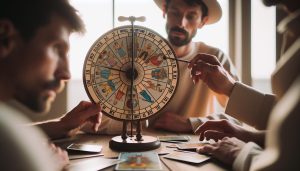
Have you ever wondered how the ancient art of Tarot can offer guidance in your life? Your personal Tarot card serves as a unique reflection of your personality, experiences, and potential, providing insights into your journey. Understanding your card can illuminate the pathways before you, empowering you to make informed decisions and embrace new opportunities. Whether you’re a skeptic or a seasoned enthusiast, discovering your personal card can deepen your self-awareness and connect you with your inner wisdom. Ready to explore this fascinating aspect of Tarot? Let’s unfold the magic together and find out what your personal card reveals about you!
What’s the Meaning of Your Personal Tarot Card?
Understanding the meaning of your personal tarot card can be a transformative experience. Each tarot card is a microcosm of potential meanings, reflecting a spectrum of emotions, challenges, and insights that mirror your personal journey. Your core card can provide profound clarity about your life purpose, relationships, and spiritual growth. It serves as a guiding energy, offering insights that resonate with your innate traits and life lessons.
To discover what your personal tarot card signifies, take a moment to explore its archetypal themes. For example, if your card is The Fool, you might find themes of adventure, new beginnings, and openness to experiences are central to your life narrative. On the other hand, if The Empress aligns with you, your journey may emphasize creativity, nurturing, and abundance. Each card embodies not only its own traits but also the lessons you may need to embrace or challenge throughout your lifetime.
In your explorations, consider journaling about the ways your personal card’s qualities manifest in your life. Does The Magician inspire you to take charge of your fate, showcasing your ability to manifest stress and triumph? Or perhaps The Hermit invites you to seek solitude for deeper internal reflection. As you engage with the principles of your card, you’ll start to see patterns that inform your relationships, career choices, and personal growth.
Remember, your personal tarot card is not just a symbol, but a source of wisdom. Reflect on how its meanings apply to your daily experiences and decisions, and don’t hesitate to revisit your interpretations as you grow. Embrace this journey with an open heart, trusting that the insights derived from your card will guide you toward a deeper understanding of yourself and your path in life.
How to Discover Your Core Tarot Card

To uncover your core tarot card, start by engaging with the tarot deck in a way that feels intuitive to you. This journey is personal, and there are various paths you can take. One popular method is to use your birth date to derive your core card. By adding the digits of your birth date together and reducing them to a number between 1 and 22, you can identify your card within the Major Arcana. For instance, if you were born on March 25, 1990, you add 3 + 2 + 5 + 1 + 9 + 9 + 0 = 29, then reduce it further: 2 + 9 = 11. In this case, your core card would be The Justice card.
Another method involves simply asking the deck directly. Shuffle the cards while concentrating on your intentions, and draw a card. This spontaneous selection can provide insight into your current life situation and reveal your core card based on your present energy. Feel free to repeat this process until a card resonates with you, knowing that each draw might tell a different story.
Use Reflection and Journaling
Once you’ve identified your core tarot card, spend some time reflecting on it. What feelings does it evoke? What does it represent in your life? Keeping a tarot journal can be particularly beneficial. Document your thoughts and experiences related to this card, making connections between its meanings and your personal journey. For example, if your card is The Lovers, explore themes of love, choice, and harmony, and consider how these resonate with your current relationship or decisions.
Remember, your relationship with your core card is dynamic. As you grow and evolve, so too might the meaning of your card in your life. Revisiting the card periodically can unveil new insights and affirm your personal growth.
Engaging with your tarot card doesn’t have to involve rigid practices; it can be as simple as expressing curiosity and openness. Whether through birth date calculations, intuitive draws, or heartfelt reflection, this exploratory process invites you to embrace the wisdom the tarot offers, rooted in your unique life experiences.
The Significance of Major Arcana in Tarot

The Major Arcana, comprising 22 cards, holds a special place within the Tarot. These cards represent the significant life lessons and spiritual growth that we encounter on our journeys. Each Major Arcana card symbolizes universal themes-embracing the spectrum of human experience from joy to sorrow, change to stability, and freedom to restriction. By understanding these cards, you can gain profound insights into not only your personal life but also the collective human experience.
The significance of a Major Arcana card in a reading is profound. These cards often indicate notable phases or turning points in a person’s life. For instance, drawing The Fool may suggest embarking on a new adventure or a leap of faith, while The Tower could signify unexpected upheaval leading to necessary transformation. Each card serves as a mirror reflecting pivotal moments, urging you to reflect, evolve, and make conscious choices.
Engaging with the Major Arcana enables you to explore your personal card’s deeper meaning. This journey can clarify your life purpose, reveal hidden patterns, and ignite your intuition. Here are a few steps to help you dive deeper into the symbolism of the Major Arcana:
- Choose Your Card: Identify which Major Arcana card resonates with you most. You can do this by using your birth date method or drawing cards through intuitive selection.
- Research the Card: Explore its traditional meanings, themes, and symbols. Reflect on how these relate to your life circumstances.
- Reflect and Journal: Write about your insights, feelings, and any significant events associated with your card. This can enhance your understanding of its influence.
- Apply the Insights: Use the lessons from your Major Arcana card in your daily life. Consider how its themes might guide your decisions and interactions.
Ultimately, the Major Arcana invites you to embrace the lessons inherent in your personal journey. By recognizing and understanding the power of these cards, you empower yourself to navigate life with greater confidence and clarity. Each Major Arcana card holds a treasure trove of wisdom, ready to support your development and illuminate your path.
Decoding Your Tarot Card’s Personality Traits
To truly uncover the essence of your personal Tarot card, it’s essential to explore its unique personality traits, which can reveal significant insights about who you are and how you navigate life. Each Tarot card embodies specific characteristics and archetypal energies that resonate deeply with different aspects of our personalities. By examining these traits, you can enhance your self-awareness and uncover patterns that affect your behavior and decisions.
Understanding the personality traits associated with your card involves focusing on both the upright and reversed meanings. For example, if your personal card is The Empress, you may embody traits such as nurturing, creativity, and abundance in its upright position. In its reversed state, however, this card could reflect issues like overindulgence or neglecting one’s own needs. Engaging with both aspects allows for a more holistic view of how this card influences your life.
Steps to Decode Your Card’s Personality Traits
- Identify Key Attributes: Start by listing the traits traditionally associated with your card. Use resources that provide detailed descriptions and interpretations, such as the ones found on tarot websites like Tarot.com or City Tarot.
- Reflect on Personal Resonance: Consider how these attributes manifest in your life. Are you known for being a great listener, like The High Priestess? Do you exhibit qualities of leadership and ambition like The Emperor? Journaling can aid in this self-reflection process.
- Connect with Themes and Life Experiences: Relate the traits of your card to significant events in your life. For example, if you draw The Lovers as your personal card, think about how this card’s themes of love, harmony, and choices have appeared in your relationships.
- Practice Mindfulness: Integrate the traits of your card into your daily life through mindful practices. For instance, if your card is The Hermit, embrace moments of solitude that allow for introspection and personal growth.
As you familiarize yourself with your Tarot card’s personality traits, remember that these insights are not meant to pigeonhole you, but rather to guide your journey. Each card serves as a reflection of your inner world, revealing strengths and challenges that can help you evolve. Trust in the process, and know that your personal Tarot card is a powerful ally in navigating life’s complexities, encouraging you to align more authentically with your true self.
Exploring Card Associations: Elements and Astrology
When exploring the fascinating world of Tarot, understanding how card associations with elements and astrology can deepen your insight is essential. Each Tarot card is linked to one of the four classical elements-Fire, Water, Air, and Earth-each representing different aspects of experience and personality. Additionally, specific cards correlate with astrological signs, providing layered meanings that resonate with individuals based on their zodiac traits.
Elemental Associations
The four elements play a crucial role in interpreting Tarot cards:
- Fire (Wands): Represents passion, inspiration, and action. If your personal card falls within this suit, you likely embody traits of enthusiasm and creativity. For example, The Emperor resonates strongly with the element of Fire, reflecting leadership and assertiveness.
- Water (Cups): Symbolizes emotions, relationships, and intuition. A card like The High Priestess, associated with Water, indicates a deeply intuitive and emotionally connected personality. Individuals who identify with Water cards often navigate their feelings and the feelings of others with sensitivity.
- Air (Swords): Relates to intellect, communication, and conflict. Swords cards like The Ace of Swords signify clarity, truth, and the power of thought. If your card derives from this suit, you may find yourself thriving on mental challenges and clear, strategic thinking.
- Earth (Pentacles): Denotes material aspects, stability, and practicality. The Empress, tied to Earth, nurtures growth and abundance. Those aligned with Earth cards tend to value security and tangible outcomes in their endeavors.
Astrological Connections
The astrological associations further enrich your understanding of your personal Tarot card. Each Tarot card has a corresponding zodiac sign that adds another layer of meaning:
- The Fool is linked to Uranus, reflecting open-mindedness and spontaneous inspiration.
- The Lovers, associated with Gemini, focuses on relationships, choices, and duality.
- The Wheel of Fortune embodies Jupiter and its themes of luck, fortune, and cycles.
Recognizing your personal card’s astrological ties can help you align your life’s rhythms with cosmic energies, enhancing your intuition and decision-making processes.
Practical Steps for Integration
To utilize these associations in your self-reflection and Tarot practice:
- Identify Your Card’s Element: Reflect on how the elemental traits manifest in your life. What qualities do you see in yourself that align with your card’s element?
- Explore Astrological Connections: Research your personal Tarot card’s zodiac association. How do the traits of that sign resonate with your personality?
- Journaling: Document your thoughts about how these associations play out in your day-to-day experiences. This practice can help you deepen your understanding of self and enhance your intuitive Tarot readings.
By diving into the associations between your Tarot card, elements, and astrology, you invite a richer understanding of your journey and foster a more profound connection to your personal growth. Tarot is not just a tool for divination; it’s a pathway to self-discovery that invites you to explore the depths of your being and embrace your unique narrative.
Understanding Your Card’s Influence on Life Events
Understanding how your personal Tarot card influences your life events can provide profound insights into your path and purpose. Each card embodies specific energies and themes that resonate throughout various experiences, shaping your decisions and reactions. For example, if The Chariot is your personal card, you might find that determination and willpower frequently guide your life choices. This card signals triumph over obstacles, suggesting that you often confront challenges with confidence and assertiveness.
To harness the influence of your Tarot card effectively, consider reflecting on significant moments in your life that align with the card’s themes. Ask yourself: How did my personal card’s attributes manifest during those experiences? Perhaps you noticed that during periods of struggle, you displayed the resilience characteristic of the Strength card, or during moments of healing and relationships, the nurturing energy of The Empress was at play. This reflective practice helps you connect with the innate wisdom of your card, illuminating patterns in your experiences that might align with its teachings.
It can also be beneficial to create a Tarot event journal. Record notable life events alongside your personal card’s interpretations. This journal will not only reveal how your card’s influence appears in your life but will also strengthen your relationship with the Tarot, making it a living part of your journey.
In addition, exploring how your card interacts with significant life events-such as career changes, relationship dynamics, or spiritual awakenings-can be enriching. If your personal card is The Wheel of Fortune, you may notice cycles of luck and timing in your life, and reflecting on these can help you navigate future opportunities with greater awareness.
Engaging with your Tarot card’s influence serves as a compass for personal growth, guiding you through challenges and affirming your inherent strengths. By keeping your personal card in mind as a lens through which to view your life events, you foster a deeper connection to yourself and your unique path, turning the Tarot into a tool for empowerment rather than just divination.
Using Your Personal Card for Daily Guidance
Using your personal Tarot card for daily guidance can transform your approach to everyday decisions, offering clarity and inspiration. Each card carries its unique energy and lessons, which can serve as a beacon in your daily life. By aligning your actions and mindset with the attributes of your personal card, you cultivate a more intentional way of navigating challenges and opportunities.
Start your day by drawing your personal card, either from your deck or through a guided reading. Reflect on its meaning and how it resonates with your current situation. For instance, if your card is The Star, focus on themes of hope and renewal. Ask yourself questions like, “How can I embody hope today?” or “What areas in my life need healing?” This practice not only sets a positive tone for your day but also deepens your connection to your card’s guidance.
Consider journaling your thoughts and experiences related to your card. Create a simple daily log where you note how situations arise that relate to the card’s themes. For example, if your personal card is The Lovers, you might note moments of choice or partnership throughout your day. Review these entries regularly, as they can highlight patterns and growth over time, allowing you to see how your personal card influences your life’s journey.
Engaging with your personal Tarot card doesn’t require complex rituals or deep esoteric knowledge; it can be as simple as dedicating a moment of your day to this practice. You might even set a reminder on your phone to take a few breaths and affirm the card’s qualities before a meeting or important task. By consistently integrating this mindful approach, you empower yourself with the wisdom and strength inherent in your Tarot card, making it a vital part of your daily life.
Deep Dive: The Spiritual Journey of Your Tarot Card
The journey through the Tarot is not merely a process of drawing cards; it’s a profound exploration of your inner self, your life experiences, and your spiritual path. Each Tarot card represents a unique archetype that resonates with universal themes and personal experiences. Understanding your personal Tarot card can significantly deepen your self-awareness and spiritual growth.
When you discover your personal Tarot card-often referred to as your “core” card-you embark on a spiritual journey that reflects your aspirations, challenges, and lessons to be learned. This card serves as a mirror, revealing aspects of your personality and the forces at play in your life. For example, if your core card is The Fool, you might find encouragement to embrace new beginnings and adventures without fear. This journey invites you to explore how the wisdom of your card informs your life choices and actions.
Integrating your Tarot card into your daily reflection can illuminate your path. Take time to meditate on the card’s imagery and symbolism, asking yourself how its attributes apply to your life experiences. Reflect on significantly relevant moments where the themes of your card manifested. Perhaps you faced uncertainty (The Fool), experienced profound love and choices (The Lovers), or found transformation (Death).
As you immerse yourself in the energy of your Tarot card, consider keeping a journal to document insights and revelations that arise. Record instances where you embody the qualities of the card, and notice how your behaviors and decisions align or contrast with its lessons. This practice can lead you to greater clarity and intentionality in your life. Over time, this spiritual journey with your Tarot card can help you cultivate a deeper connection to your higher self and ultimately guide you toward fulfilling your true purpose.
How to Use Tarot Cards for Self-Reflection
Reflecting on your life through the lens of Tarot can unlock a treasure trove of personal insights and growth. By engaging with your Tarot cards regularly, you create a space for self-discovery that fosters understanding, healing, and empowerment. Whether you’re new to Tarot or a seasoned practitioner, these cards serve as mirrors that reflect your inner thoughts, emotions, and experiences.
Start by selecting a card that resonates with you or your current situation. This could be your core card, one you’ve drawn in a recent reading, or simply one that stands out to you at the moment. Spend a few moments with the card: observe its imagery, colors, and symbols. Ask yourself questions like:
- What feelings arise when I look at this card?
- How does this card relate to my current life circumstances?
- What personal qualities might this card be highlighting in me right now?
Next, consider keeping a Tarot journal. Writing down your reflections allows you to articulate your thoughts and track your growth over time. Document your interpretations of the card’s symbolism, any emotions stirred, and how these insights connect to your day-to-day life. This practice not only deepens your understanding of your personal card but also enhances your intuitive skills.
To make your session even more structured, try a simple three-card spread focusing on self-reflection. Lay out the cards in this format:
- First Card: Your current state or situation.
- Second Card: Challenges you might face.
- Third Card: Guidance for moving forward.
Once you have drawn the cards, contemplate each one in relation to your life. This method can reveal patterns, provide clarity on issues you’re grappling with, and illustrate the evolving themes present in your journey.
By consistently weaving Tarot into your self-reflection practices, you invite deeper understanding and empower your decision-making process. Remember, the cards are not just tools for divination-they are keys to unlocking the vast landscape of your psyche and life’s narrative. Embrace the journey, knowing that every reading offers a new opportunity for growth and transformation.
Advanced Tarot Techniques for Personal Card Insight
Unlocking deeper insights into your personal Tarot card requires a combination of techniques and mindfulness tailored to enhance your understanding. One effective method is creating a personalized Tarot spread specifically designed for self-discovery. You can craft a spread that speaks to your intuition, such as a five-card layout that explores different aspects of your life and how your personal card influences them.
Start by formulating a question that aligns with your current feelings or life situation. For example, “What aspects of my life are most affected by my personal card?” Then, lay out the cards as follows:
- First Card: Your core energy.
- Second Card: Challenges or obstacles.
- Third Card: Opportunities for growth.
- Fourth Card: Guidance from your personal card.
- Fifth Card: Potential outcomes.
As you interpret each card, pay attention to how they resonate with your personal card’s symbolism and themes. Reflect on the narrative that emerges from your reading; for instance, if your personal card is The Empress, focus on how themes of nurturing and abundance manifest in your life.
Incorporate Elemental and Astrological Associations
Diving deeper into the elemental and astrological associations of your personal card can further enrich your insights. Each Tarot card is tied to a specific element-Earth, Water, Air, or Fire-which influences its energy. Research how these elements interact with your everyday experiences. For example, if your card is associated with Water, you might explore emotional tides in your life, considering how intuition plays a role in your decision-making.
You can also reflect on astrological correspondences. Each card in the Major Arcana aligns with different zodiac signs or planetary energies. Understanding these connections can illuminate how cosmic influences shape your personal card’s impact on your life. For instance, if your card is The Fool, which aligns with Uranus, you might examine areas of your life where spontaneity and innovation come into play.
Practice Visualization Techniques
Visualization exercises can enhance your connection with your personal card, making its lessons more vivid. Spend time in meditation, envisioning yourself embodying the traits of your personal card. Imagine how you would respond to challenges, embrace opportunities, and navigate interpersonal relationships under the influence of that card. This practice not only fosters acceptance of the card’s qualities but also helps you integrate its wisdom into your daily life.
For an added layer, consider using affirmations based on your card’s energy. If your personal card is The Chariot, you might affirm, “I am in control of my journey and will overcome any obstacles with determination.” Regularly reciting such affirmations can deepen your self-awareness and empower you to embody the strengths associated with your personal card.
By exploring these advanced techniques, you invite a multifaceted understanding of your personal Tarot card, transforming it from a mere symbol into a powerful guide in your life journey. Embrace these practices with curiosity and openness, allowing your intuitive abilities to flourish.
Common Misconceptions About Tarot Cards
Many people approach Tarot with a mixture of intrigue and skepticism, often shaped by misconceptions that surround these mystical cards. One of the most prevalent myths is that Tarot cards predict the future with absolute certainty. In reality, Tarot serves as a tool for self-reflection and guidance rather than a definitive roadmap to what will happen. Each reading is influenced by the reader’s intuition and the querent’s current energy, making it more about potential paths and insights than fixed outcomes. This allows individuals to explore their thoughts and feelings, empowering them to make informed decisions.
Another common misunderstanding is that Tarot reading requires a special gift or inherent talent which only a few possess. While intuitive connection can enhance a reading, anyone can learn to interpret Tarot cards. Beginning readers can start by focusing on the imagery and symbolism of the cards, practicing with spreads that resonate with them. Over time, familiarity with the cards’ meanings develops into a deeper understanding, allowing for richer and more insightful readings. Remember, every Tarot reader was once a beginner, and practice fosters growth.
Some might also believe that Tarot cards are associated with negative energy or represent dark forces. This stereotype is often perpetuated by media portrayals of Tarot as an occult practice linked to witchcraft or the supernatural. In truth, Tarot is used by many as a vehicle for personal development, emotional healing, and spiritual insight. The cards encourage introspection, helping people tap into their inner wisdom and confront their personal challenges. The experience can be profoundly positive and enlightening, providing a fresh perspective on life’s dilemmas.
Lastly, skeptics often view Tarot as mere coincidence-believing that any insight gained is simply a product of chance. However, the magic of Tarot lies in its ability to mirror the subconscious mind. When you engage with the cards, you may uncover thoughts and feelings that were previously hidden or unexamined. This introspective process can lead to significant self-discovery and personal growth, turning Tarot into a valuable resource for understanding oneself and navigating life’s complexities. Embrace your curiosity about Tarot, and allow it to guide you on a transformative journey.
How to Trust Your Intuition in Tarot Readings
To navigate the mystical terrain of Tarot, trusting your intuition is essential. Many people underestimate their own intuitive abilities, believing they need to be born with a special gift to read the cards effectively. In reality, intuition is a natural skill that everyone possesses, and honing it can lead to deeper connections with your cards and more meaningful readings. Start by creating a calm space where you feel comfortable and can freely express your thoughts and feelings. This environment can act as a conduit for intuitive insights.
When you draw a card, take a moment to observe your immediate feelings and thoughts. What does the imagery evoke for you? What memories or emotions does it stir? This initial gut reaction is your intuition speaking. Write these impressions down; they may seem trivial at first but can reveal profound insights as you connect more deeply with your personal Tarot journey. For example, if you draw The Empress and feel a strong connection to nature, consider how this card might represent nurturing aspects in your life or a call to embrace creativity.
Practice Active Listening
Listen to what your intuition tells you, even if it contradicts traditional card meanings. Each card has a universal interpretation, but your unique circumstances shape its message for you. Engage in practices such as meditation or journaling to develop a stronger rapport with your inner voice. This practice enhances your capacity to discern between fleeting thoughts and genuine intuitive messages. Use spreads that resonate with your purpose, such as a simple one-card draw for daily guidance, which allows your intuitive insights to flow without overwhelming you.
Furthermore, it’s helpful to share your experiences and feelings with other Tarot enthusiasts. Join a community where you can discuss interpretations and insights without judgment. This dialogue not only builds confidence but can also provide different perspectives that can enhance your intuitive understanding. Remember, intuition is like a muscle; the more you exercise it, the stronger it becomes.
With consistent practice and an open heart, you’ll find that trusting your intuition transforms your Tarot readings into a powerful tool for self-discovery and personal growth. Whether you’re a beginner or more experienced, each card drawn carries the potential for insight, reflection, and guidance on your unique journey.
FAQ
Q: How can I find my personal tarot card?
A: You can find your personal tarot card by calculating your birth card using numerology. Add the digits of your birth date together until you reach a number between 1 and 22, which corresponds to the Major Arcana cards. For detailed guidance, refer to the section on How to Discover Your Core Tarot Card.
Q: What do tarot cards mean in numerology?
A: In numerology, tarot cards correspond to specific life themes and energies. Each Major Arcana card (1-22) has its unique meaning, influenced by its number. For example, the number 1 symbolizes new beginnings, while 10 represents completion. Explore Decoding Your Tarot Card’s Personality Traits for more insights.
Q: Can tarot cards change over time?
A: Yes, your personal tarot card can evolve as you undergo significant life changes or personal growth. Periodically reassessing your card can reveal new insights. Use the Understanding Your Card’s Influence on Life Events section to guide your reflection.
Q: What should I do if I draw the same tarot card repeatedly?
A: Drawing the same tarot card multiple times often signals that you need to pay attention to its message. Consider its implications on your current situation and how it relates to your life. Dive deeper into Using Your Personal Card for Daily Guidance for practical advice.
Q: How do I interpret my personal tarot card’s influence?
A: To interpret your personal tarot card’s influence, reflect on its traditional meanings, symbols, and associations. Consider how these elements resonate with your current experiences. For a structured approach, refer to the Understanding Your Card’s Influence on Life Events section.
Q: What elements are associated with my tarot card?
A: Each tarot card is linked to specific elements (Fire, Water, Earth, Air) that enhance its meaning. Identify your card’s elemental association to better understand its energy and impact on your life. The section on Exploring Card Associations: Elements and Astrology provides valuable context.
Q: How can I use my personal tarot card for daily guidance?
A: You can use your personal tarot card for daily guidance by reflecting on its meaning in the context of your life each day. Meditate on its message or draw additional cards for deeper insights. Check out the Using Your Personal Card for Daily Guidance section for techniques.
Q: Why is my tarot card significant for my spiritual journey?
A: Your tarot card is a key element of your spiritual journey as it reflects your core essence and life path. It serves as a compass for self-discovery and growth. Explore the Deep Dive: The Spiritual Journey of Your Tarot Card section for more profound insights.
To Wrap It Up
Unlock the mysteries of your personal Tarot card and how it can guide you on your journey. By understanding your card’s meaning, you can enhance your decision-making and find clarity in your life’s path. Don’t let your exploration stop here-dive deeper into the world of Tarot with our detailed guide on the four suits: Cups, Wands, Swords, and Pentacles, and discover how each can influence your readings. Interested in how Tarot can shape your career? Check out our 3-Card Tarot Career Reading for insight tailored to your professional aspirations.
Every Tarot journey is unique, and we encourage you to explore your intuitive side. Share your thoughts or questions in the comments-we love hearing from our community! For those ready to deepen their practice, consider signing up for our newsletter to receive expert advice, exclusive content, and updates on Tarot resources. Remember, the journey of self-discovery through Tarot is ongoing; embrace the magic within and let your personal card illuminate your path!