Have you ever wondered about the origins of tarot cards and how they’ve shaped our understanding of the universe? The history of tarot is as intriguing as its uses today, intertwining art, mysticism, and psychology. Understanding when tarot cards were invented not only enriches your appreciation for this powerful tool but also enhances your connection to its wisdom.
From their humble beginnings in 15th-century Italy to their evolution into a staple of spiritual practice, the timeline of tarot reflects humanity’s quest for insight and guidance. Whether you’re a seasoned reader or just beginning your journey, exploring the roots of tarot can deepen your intuition and broaden your perspective. Join us as we unveil the fascinating history of tarot cards, revealing how they became the beloved divination tool we know today.
When Did Tarot Cards First Appear?
The origins of tarot cards are shrouded in mystery, capturing the imagination of historians and mystics alike. It is widely believed that tarot cards first appeared in the 15th century in Europe, specifically in Italy. The earliest known tarot decks were not used for divination purposes but were instead created for playing a card game called tarocchi, a game similar to bridge that enjoyed popularity among the nobility. The earliest historical references to tarot decks date back to 1440, with records indicating that members of the aristocracy commissioned beautifully illustrated cards, which were hand-painted and considered works of art.
As the popularity of tarot games spread, decks began to evolve in their themes and artistry. By the late 15th century, various regions in Italy developed distinct styles. The Visconti-Sforza deck, one of the oldest surviving tarot decks, is a prime example of the rich iconography that characterized early tarot cards. Each card was adorned with allegorical images, which hinted at deeper meanings, laying the foundation for their later use in divination practices.
The transition from playing cards to tools for divination didn’t fully take shape until the late 18th century. It was in this period that influential figures, such as Antoine Court de Gébelin, began to associate the tarot with mystical and esoteric elements, claiming that the cards held ancient Egyptian wisdom. This new perspective ignited a fascination that transformed tarot into a spiritual practice, enabling it to thrive in the realms of mysticism and psychology, ultimately leading to its widespread use today.
Understanding this evolution helps appreciate how tarot cards transitioned from mere entertainment to profound instruments for insight and guidance. As you explore tarot, it’s essential to acknowledge these rich histories, allowing them to deepen your connection with the cards and enhance your readings, whether you’re a curious beginner or a seasoned reader.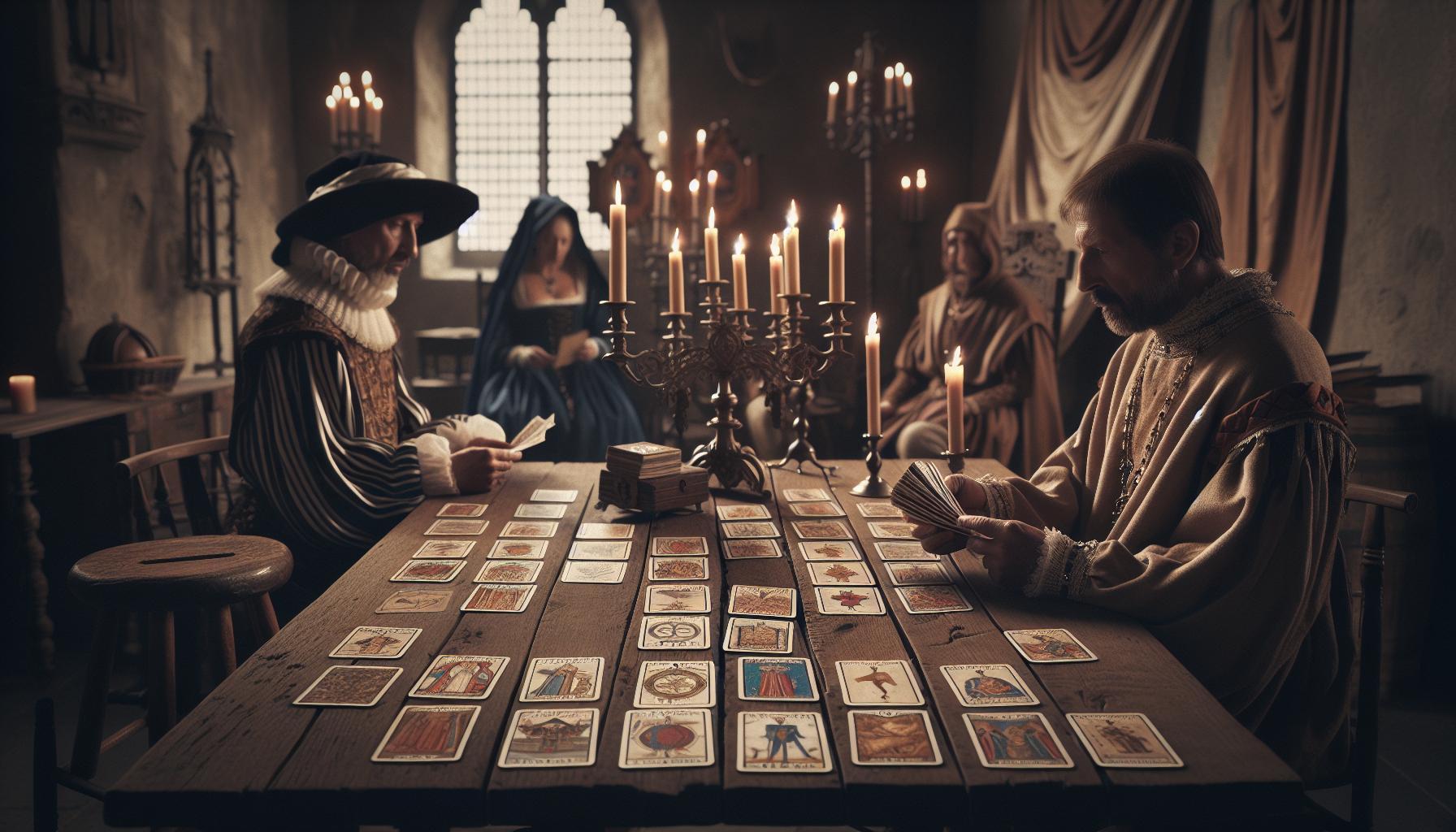
The Evolution of Tarot Cards Through History
The journey of tarot cards is a fascinating tale that weaves together history, art, and spirituality. Emerging in the 15th century, tarot began as a simple deck of cards crafted for the Italian card game tarocchi, enjoyed by nobles across Italy. This seemingly mundane purpose belies the rich tapestry of meaning woven into the cards, which would later become revered tools for divination and personal insight. As the game spread, so too did the artistic styles of the decks, with each region developing its unique flair, often adorned with stunning allegorical imagery.
By the late 18th century, tarot had begun to shed its recreational mantle, evolving into something much deeper and more mystical. Influential figures such as Antoine Court de Gébelin began to associate tarot with ancient mystical traditions, claiming it held wisdom from Egyptian hieroglyphs. This shift marked a pivotal point in the evolution of tarot, as it transformed from mere entertainment into a potent spiritual tool used for guidance and introspection. The tarot’s connection to mysticism redefined its cultural significance, attracting practitioners seeking clarity and understanding in their lives.
Throughout the 19th and 20th centuries, the popularity of tarot grew immensely, influenced by the rise of occult movements and the burgeoning interest in psychology. This era gave birth to iconic decks, such as the Rider-Waite-Smith deck, which introduced new symbols and meanings, making tarot more accessible to the masses. With its deeper meanings and psychological insights, tarot appealed to those curious about the mysteries of the human experience and the unseen forces that shape our lives.
Today, tarot is a diverse practice embraced by people from all backgrounds, whether as an artistic medium, a psychological tool, or a spiritual guide. As you explore its evolution, consider how the tarot embodies both historical and modern perspectives, reflecting humanity’s enduring quest for understanding. Whether you approach it with skepticism or faith, tarot invites you to tap into your intuition, connect with the energies around you, and embark on a journey of self-discovery that can illuminate your path ahead.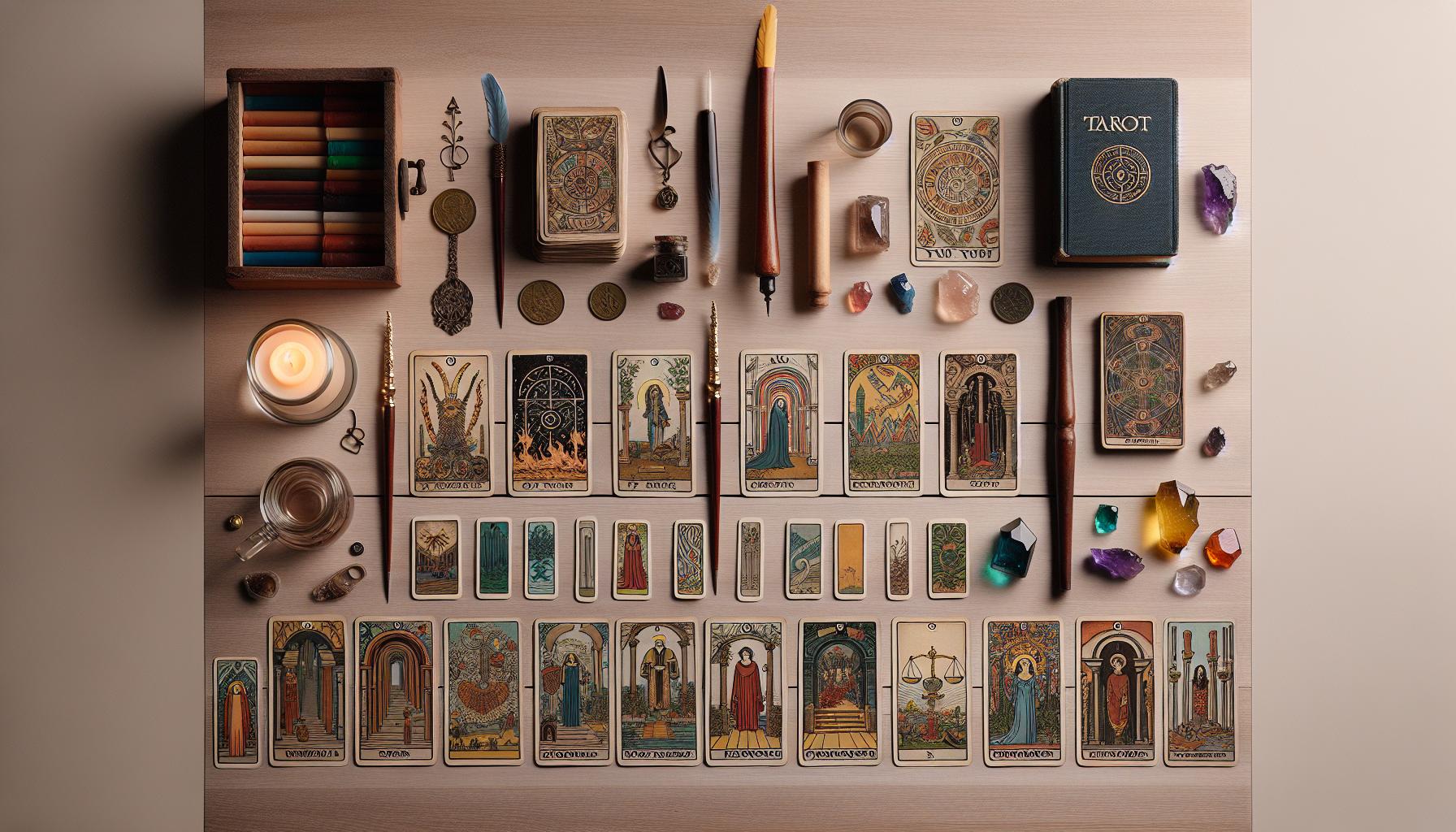
Understanding the Origins of Tarot Card Designs
The enchanting world of tarot card designs is steeped in rich symbolism, artistic expression, and historical evolution. Originating in 15th-century Italy, the earliest tarot decks were primarily suited for playing games rather than divination. These early cards featured simple designs and elements, often influenced by existing playing cards of the time. However, as tarot began to evolve into a tool of spiritual insight, the artistic complexity and symbolic depth of the cards began to grow significantly.
Over the centuries, the designs of tarot cards have drawn inspiration from various cultural, mystical, and artistic traditions. The *Visconti-Sforza* deck, one of the oldest known tarot decks, showcases the intricate artistry of its period, characterized by detailed hand-painted illustrations that reflect the wealth and power of its noble patrons. As tarot spread across Europe, local interpretations and artistic styles flourished. For instance, the French tarot decks incorporated intricate allegorical imagery that resonated with the Enlightenment ideals of the time, while the German decks often focused on Christian themes and folkloric elements.
Symbolism in Design
The rise of tarot as a spiritual practice in the late 18th century led to a significant refinement in card symbolism. Influenced by esoteric traditions, such as Kabbalah and alchemy, creators like Antoine Court de Gébelin began to infuse the tarot cards with deeper meaning, suggesting connections to ancient wisdom. This period saw the emergence of the *Rider-Waite-Smith* deck in the early 20th century, which was pivotal in shaping modern tarot. Designed by Arthur Edward Waite and illustrated by Pamela Colman Smith, the deck introduced accessible symbolism and imagery, including vibrant depictions of emotions, archetypes, and life journeys.
Each card in the tarot now serves as a visual cue to personal introspection and divination. For beginners, understanding the symbolic meaning of the Major Arcana-such as the *Fool*, representing new beginnings, or the *Tower*, indicating upheaval-can illuminate one’s spiritual path. As we continue to explore tarot today, we recognize that every design choice carries intention, inviting users into a dance of intuition and personal insight.
not only enriches your reading experience but also connects you more deeply to the traditions and meanings embedded within each card. Whether you are a seasoned reader or just starting, embracing these designs fosters a more profound connection with the historical and mystical roots of tarot, transforming your practice into a personal journey of discovery and growth.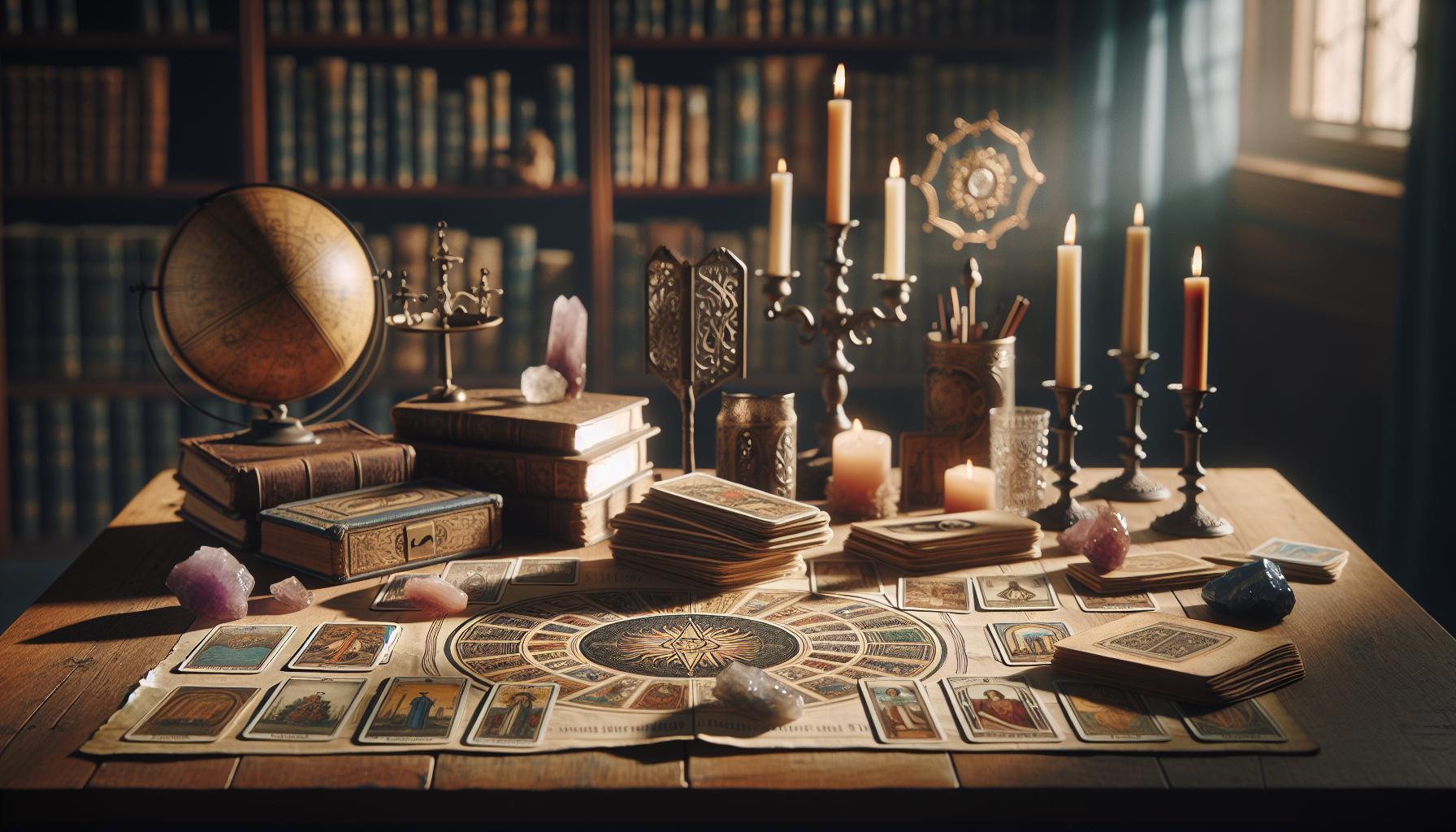
Major Influences on Tarot Card Development
The journey of tarot card development is a fascinating tapestry woven from cultural, artistic, and spiritual threads. Emerging in the 15th century as a game, tarot began to acquire deeper meanings through various influences, shaping its role in divination and personal introspection. This evolution was significantly impacted by historical events, cultural exchanges, and the intellectual movements of different eras.
In the late 17th to early 18th centuries, a resurgence of interest in mysticism led to the incorporation of esoteric symbolism into tarot. Thinkers such as Antoine Court de Gébelin believed that tarot held ancient knowledge, linking cards to mystical systems like Kabbalah and alchemy. This paradigm shift transformed tarot from merely a card game into a profound tool for spiritual exploration. The symbolic interpretations of cards expanded, inviting users to contemplate life’s mysteries through a lens of intuition and deeper understanding.
The early 20th century marked another pivotal moment with the creation of the Rider-Waite-Smith deck. This iconic deck was designed by Arthur Edward Waite and illustrated by Pamela Colman Smith, who infused each card with rich imagery and meaning. Their work democratized tarot, making it accessible to a broader audience. The visual language of this deck brought emotions and life experiences to the forefront, connecting readers on a visceral level with the archetypical themes represented within the cards.
As tarot continued to evolve, various artistic styles emerged, influenced by local cultures and spiritual traditions. Today, there is an incredible diversity of tarot decks, each a reflection of its creator’s vision. From minimalist designs to richly detailed art, these decks not only serve as tools for divination but also as avenues for personal expression and cultural identity. Each deck carries with it the essence of its influences and the intention of its creators, inviting users to explore the collective consciousness through their readings.
By understanding the , readers can appreciate not just the beauty and symbolism of the cards but also the rich historical context that informs their use today. Embracing this knowledge can enhance one’s tarot practice, fostering a deeper connection to the cards and their transformative power.
The Role of Tarot in Divination and Spirituality
Tarot cards serve as a powerful medium for divination and spiritual guidance, acting as mirrors that reflect our inner thoughts and feelings. Each card is imbued with rich symbolism and layers of meaning, allowing for deep exploration of personal issues and the circumstances surrounding us. The practice of using tarot for divination dates back centuries, evolving from a mere game to a profound tool for spiritual insight. It’s no wonder many seek to understand their lives through the lens of the tarot.
Engaging with tarot involves an intuitive connection between the reader and the cards. When a question is posed, the cards drawn in response often reveal insights that might not be apparent. For example, using a three-card spread-the past, present, and future-can elucidate a current dilemma or a long-standing emotional issue. A card like the Six of Cups may suggest past influences that are shaping present realities, while a card like The Fool could indicate new beginnings and adventures ahead. This multi-layered perspective enriches the understanding of one’s journey and offers clarity.
To utilize tarot effectively, clarity of intention is crucial. Here’s how to get started:
- Set Your Intention: Before shuffling the deck, take a moment to focus on a specific question or area of your life you wish to explore.
- Shuffle and Draw: As you shuffle, remain open to the messages that the cards may convey. Draw your cards intuitively.
- Interpret the Cards: Reflect on the imagery and symbolism of each card. Consider how they relate to your question, blending traditional meanings with your intuitive feelings.
- Reflect and Journal: After your reading, take notes on your insights and feelings. This practice helps in recognizing patterns over time.
As people delve deeper into their spiritual practices, tarot has become increasingly relevant, offering a unique blend of guidance and reflection. Each reading is a personal journey, allowing seekers to connect with their intuition and draw on their inner wisdom. Whether approached as a skeptic or a believer, the tarot invites everyone to explore the hidden aspects of their lives, fostering growth, understanding, and transformation.
How Tarot Cards Became Popular in the Modern Era
Interest in tarot cards has surged dramatically in modern times, driven by a blend of cultural revival, spiritual exploration, and the quest for personal insight. What once began as a simple playing card game in the 15th century has transformed into a widely embraced tool for self-reflection and divination. This shift started in the 18th century when mystics and scholars began to link tarot cards with ancient wisdom and mystical traditions, sparking fascination that continues to grow today.
In the 20th century, particularly during the 1960s and 70s, the counterculture movement played a pivotal role in the popularization of tarot. As individuals sought alternative spiritual paths, tarot emerged as a compelling method for exploring intuition and personal growth. The publication of influential decks like the Rider-Waite-Smith tarot and the development of accessible literature on tarot reading helped demystify this ancient practice, making it approachable for everyone-from seasoned practitioners to curious newcomers. Today, tarot classes, workshops, and online communities thrive, fostering a sense of connection and shared discovery among practitioners.
Moreover, the digital age has contributed to the resurgence of interest in tarot. Online platforms and social media have become vibrant spaces for sharing tarot readings, card interpretations, and personal experiences. This visibility not only legitimizes tarot as a form of self-care and spiritual practice but also helps normalize it within everyday lives. People now integrate tarot into their personal routines, often using it as a reflective tool to navigate the complexities of modern living-whether it’s setting intentions for the day or gaining deeper insights into life’s challenges.
As tarot continues to evolve, it embraces a diverse audience. Whether viewed as a mystical art or a psychological tool, the cards have found their place in a personal toolkit for many, encouraging exploration into one’s own psyche and spiritual journey. For those interested in starting their own tarot practice, the key is to approach the cards with an open heart and mind, allowing the imagery and symbolism to resonate on a personal level. Embrace the wisdom within each card and trust your inner voice to guide you.
Different Types of Tarot Decks and Their Histories
The world of tarot is as diverse as it is captivating, boasting a variety of decks each imbued with unique symbolism and history. While the traditional tarot, rooted in the 15th-century European playing cards, laid the foundation, a multitude of artistic interpretations has arisen over centuries, reflecting cultural shifts, spiritual beliefs, and personal insights. Whether you’re drawn to the classic imagery of the Marseille Tarot or the modern aesthetics of the Wild Unknown Tarot, understanding the types of tarot decks and their stories can enrich your reading experience.
Standard Tarot Decks
At the heart of tarot practice lies the standard 78-card deck, comprised of the Major and Minor Arcana. The Major Arcana features 22 cards, such as The Fool and The Lovers, that represent significant life events and spiritual lessons, while the Minor Arcana includes 56 cards divided into four suits (Cups, Pentacles, Swords, and Wands), each illustrating everyday experiences and challenges. The most recognized deck, the Rider-Waite-Smith, created in 1909 by Arthur Edward Waite and illustrated by Pamela Colman Smith, introduced rich imagery that has shaped the way many interpret tarot today. This deck remains a favorite for both beginners and seasoned readers alike, offering clear visuals that enhance intuitive connections.
Specialty and Themed Decks
In contrast to traditional decks, specialty or themed tarot decks cater to specific interests or philosophies. These often incorporate unique artwork and narratives. For example, the Druid Craft Tarot embodies pagan spirituality and Celtic traditions, appealing to those who resonate with nature and ancient wisdom. Another notable example is the Steampunk Tarot, which blends Victorian aesthetics with futuristic elements, creating a visually stunning deck that excites the imagination.
- Animal Totem Tarot – Focuses on animal symbolism, perfect for those seeking guidance from nature.
- Modern Witch Tarot – A contemporary reimagining with diversity and modern themes.
These decks not only provide new perspectives but also invite readers to explore personal connections to their meanings and imagery.
Tarot Decks for Specific Practices
Some decks are designed for particular practices or philosophies. For instance, the Thoth Tarot, created by Aleister Crowley and Lady Frieda Harris, is steeped in Kabbalistic and astrological symbolism, appealing to those interested in esoteric traditions. Alternatively, the Osho Zen Tarot promotes mindfulness and self-discovery, devoid of traditional symbolism, emphasizing personal insight over prediction.
Whatever your path or interest, there’s a tarot deck out there for you. Each deck’s journey mirrors a relationship-it’s about connection, understanding, and finding what resonates with your unique intuition. As you explore the different types of tarot decks, consider what speaks to you personally. Trust your instincts and let the artwork, philosophy, and history guide you in choosing a deck that will enhance your spiritual journey. Embrace the magic inherent in these cards, and allow themselves to unfold their stories to you.
Key Figures in Tarot History: Who Shaped the Cards?
The story of tarot is deeply intertwined with various influential figures who shaped its practice and evolution through history. Key individuals, both artists and thinkers, have contributed to the decks we recognize today, making their marks in distinct yet profound ways. Notably, the collaboration between Arthur Edward Waite and Pamela Colman Smith in the early 20th century revolutionized the field. Waite, a prominent member of the Hermetic Order of the Golden Dawn, infused the tarot with esoteric symbolism and spiritual depth. His vision culminated in the iconic Rider-Waite-Smith deck, which remains one of the most widely used and loved tarot decks globally. Smith’s enchanting illustrations brought to life emotions and meanings associated with each card, offering a visual language that resonates with readers on a personal level.
Another pivotal figure was Aleister Crowley, a controversial occultist whose contributions added layers of complexity to tarot’s mystical practices. His Thoth Tarot deck, created with artist Lady Frieda Harris, is steeped in Kabbalistic, astrological, and alchemical symbolism. Crowley’s emphasis on understanding the deeper esoteric connections within the tarot played a vital role in expanding its use beyond mere fortune-telling, inviting practitioners to explore the psychological and spiritual intricacies of human experience.
The impact of these figures continues to echo through time, shaping how tarot is perceived and practiced today. Modern readers often draw inspiration from their innovative approaches and the rich tapestry of meanings behind the cards. Whether you’re a seasoned practitioner or a curious newcomer, recognizing the influence of these key figures enriches your understanding and appreciation of this ancient art. Engaging with the historical context can empower your readings, helping you connect on a deeper level with the messages the cards convey.
As you delve into tarot, consider how the contributions of these visionaries resonate with your journey. Their explorations in symbolism and psychology encourage all readers to uncover their paths within the intricate world of tarot. Explore their decks, study their philosophies, and let their insights inform your intuitive practice-each reading can become a dialogue with the legacy they have left behind.
Myth vs. Reality: Common Misconceptions About Tarot
Misconceptions about tarot can often cloud its true purpose and potential. One of the most pervasive myths is that tarot is a tool solely for fortune-telling. While tarot can offer insight into possible futures or outcomes, its primary function is to provide deep self-reflection and guidance. Instead of predicting fixed events, tarot encourages users to explore their thoughts, feelings, and situations from different angles. This opens a pathway to greater understanding and self-awareness, empowering individuals to make informed choices in their lives.
Another common belief is that tarot cards possess magical powers or that readings are solely divinatory in nature. In reality, tarot is a psychological tool that uses archetypes and symbolism to tap into the subconscious. When drawing cards, you engage in a dialogue with your inner self, allowing you to articulate your experiences and aspirations. Through this process, the cards become mirrors reflecting your emotional landscape, thoughts, and intuitive insights rather than faucets of supernatural knowledge.
People often worry that tarot reading is only for those with mystical abilities or spiritual backgrounds. However, tarot is accessible to everyone. Anyone can learn to read cards, tune into their intuition, and interpret symbols. Beginners can start with simplified spreads, concentrating on a single card’s meaning or a three-card layout. Practicing regularly and studying the cards fosters confidence over time, demonstrating that tarot is not an elite privilege but a skill that anyone can develop.
Lastly, another misconception is that tarot can lead to harmful or negative outcomes. This stems from a fear of the unknown or the tendency to associate certain cards with misfortune. Each card has a spectrum of interpretations, and what appears negative may signify necessary change or growth. Embracing this view allows readers to approach their sessions with open hearts and minds, seeing how challenges can be opportunities for transformation. Ultimately, by dispelling these myths, individuals can approach tarot with curiosity and respect, unlocking its true potential as a source of wisdom and personal insight.
Exploring Tarot’s Cultural Significance Across Time
Exploring the transformation of tarot cards over the centuries reveals a fascinating tapestry of cultural significance that intertwines art, psychology, and spirituality. Initially emerging in the 15th century as a game in Italy, tarot quickly evolved into a complex system used for divination and personal insight. This evolution mirrors broader societal changes, where the cards became a tool for self-reflection amidst periods of turmoil, such as the Renaissance and the Enlightenment. The intricate imagery and symbolism found in decks reflect the philosophies and beliefs of their times, encapsulating societal values, fears, and aspirations.
One of the key aspects of tarot’s cultural significance is its adaptability. Over centuries, diverse cultures have infused tarot with their unique traditions and meanings. For instance, the mystique surrounding tarot in the late 18th century, particularly through figures like Antoine Court de Gébelin, painted the cards as ancient Egyptian wisdom. This connection to mysticism and ancient knowledge fueled a resurgence of interest and laid the groundwork for modern tarot practices, including its psychological applications. Today, many practitioners use tarot not just for divination but as a tool for counseling and self-exploration, emphasizing its role in personal growth and emotional well-being.
The connection between tarot and various artistic movements further highlights its cultural relevance. Artists have drawn inspiration from tarot imagery, creating bespoke decks that reflect contemporary themes, social issues, and personal narratives. From the vibrant colors of the Rider-Waite-Smith deck to the modern interpretations seen in decks like the Wild Unknown, each version speaks to the artist’s perspective and the cultural climate of its creation. This synergy between art and tarot not only democratizes the practice but also opens the door for individuals from all backgrounds to engage with the cards in ways that resonate personally.
As we navigate today’s fast-paced world, the resurgence of interest in tarot underscores its continued significance. In a climate where many seek mindfulness and deeper understanding, tarot offers a bridge between the past and present, providing insights that are both timeless and relevant. Whether approached with skepticism or curiosity, engaging with tarot allows individuals to explore their inner landscapes, promoting a culture of reflection and self-empowerment that echoes throughout time.
The Future of Tarot: Trends and Adaptations in Modern Practice
The landscape of tarot is continuously evolving, reflecting our collective search for meaning and understanding in an increasingly complex world. In recent years, there has been a notable surge in interest surrounding tarot, driven by a desire for mindfulness, self-exploration, and intuitive development. This renaissance has led to innovative practices, diverse deck creations, and a growing community of practitioners who embrace tarot as a multifaceted tool for personal growth.
One of the most significant trends is the integration of tarot into modern wellness and therapeutic practices. Many therapists and life coaches are now incorporating tarot into their sessions, using it as a catalyst for discussion and self-reflection. By drawing cards, clients can access deeper insights into their emotions and life patterns, helping to reveal subconscious beliefs that may hold them back. For practitioners, this method not only enhances their toolset but also provides a bridge between traditional therapeutic approaches and intuitive insights.
New Deck Designs and Cultural Fusions
As the tarot community expands, so too does the variety of tarot decks available. Artists are creatively reinterpreting classic imagery, often merging tarot with elements from various cultures and modern themes. This has resulted in decks that are vibrant and innovative, addressing contemporary societal issues, personal narratives, and even niche interests. For example, decks like the “Modern Witch Tarot” reinterpret traditional archetypes through a feminist lens, while other decks explore themes of mental health, LGBTQ+ identities, or environmental concerns. This diversity encourages individuals from all walks of life to find decks that resonate with their unique journeys and perspectives.
Accessibility Through Technology
Furthermore, technology plays a crucial role in the future of tarot. With the rise of mobile apps and online platforms, people can access tarot readings and resources with unprecedented ease. Virtual tarot communities are thriving, offering forums where users can share experiences, insights, and advice. This democratization of tarot knowledge is breaking down barriers, making the practice accessible to a broader audience. Online courses and social media tutorials empower beginners to learn tarot at their own pace, fostering a sense of connection among practitioners worldwide.
The future of tarot is bright and full of potential. As we continuously adapt to new challenges and opportunities, tarot remains a powerful companion for those seeking clarity, comfort, and a deeper understanding of themselves and the world around them. Whether practiced alone or in a community, it serves as a timeless tool that bridges the past and future, always inviting us to explore our inner landscapes with curiosity and courage.
Faq
Q: What is the earliest known reference to Tarot cards?
A: The earliest known reference to Tarot cards dates back to the 15th century in Italy, specifically in the city of Milan. These cards were initially used for playing games, not for divination. This historical context is essential for understanding how Tarot evolved over time into a tool for spiritual insight.
Q: How did Tarot cards transition from games to divination?
A: Tarot cards transitioned from games to divination during the late 18th century when mystics began to associate the cards with spiritual meanings and esoteric practices. This shift marked a significant change in perception, evolving Tarot from a mere playing card game to a revered tool for insight and guidance.
Q: Which cultural influences shaped the design of Tarot cards?
A: The design of Tarot cards has been influenced by various cultures, primarily Italian, French, and Egyptian elements. Each culture contributed unique symbols and imagery, reflecting their spiritual beliefs and artistic styles, enriching the symbolic depth of modern Tarot decks. Explore more in “Understanding the Origins of Tarot Card Designs.”
Q: What role did the Tarot play in European occult practices?
A: Tarot played a crucial role in European occult practices, particularly during the Renaissance. It became associated with mysticism, astrology, and alchemy, serving as a symbolic system that practitioners used for spiritual exploration and divination, thus broadening its acceptance and use in esoteric circles.
Q: How did the Tarot cards gain popularity in the 20th century?
A: In the 20th century, Tarot gained popularity through the work of influential figures like Arthur Edward Waite and the creation of the Rider-Waite deck in 1909. This deck introduced new imagery that made Tarot more accessible, igniting interest among both spiritual seekers and artists alike.
Q: What types of Tarot decks are there, and how do they differ?
A: There are various types of Tarot decks, including traditional decks like the Tarot de Marseille, theme-based decks, and modern interpretations such as the Wild Unknown Tarot. Each deck differs in artwork, symbolism, and purpose, catering to diverse preferences and spiritual practices. Check out “Different Types of Tarot Decks and Their Histories” for in-depth insights.
Q: How has the perception of Tarot changed in contemporary society?
A: The perception of Tarot in contemporary society has shifted dramatically from a misunderstood mystical tool to a popular means for self-reflection and personal growth. Today, Tarot is embraced by both skeptics and believers, bridging gaps between spirituality and practicality.
Q: What misconceptions exist about the origins of Tarot cards?
A: Common misconceptions about Tarot include the belief that it originated solely for divination or was consistently associated with witchcraft. In reality, Tarot’s origins are rooted in gaming and later evolved for various spiritual and psychological uses. Myth vs. Reality: Common Misconceptions About Tarot discusses this further.
Final Thoughts
Understanding the historical journey of tarot cards enriches your connection to this mystical tool. From their intriguing origins to their evolution as powerful divination instruments, you’ve uncovered not just dates but the very essence of the tarot experience. Are you ready to deepen your practice? Explore our daily tarot readings for fresh insights or dive into a 3-card spread to illuminate your path.
Curious about how to interpret your readings? Check out our guide on how to use tarot cards effectively for both beginners and seasoned readers alike. The world of tarot has so much to offer-don’t stop here! Join our community by signing up for our newsletter for exclusive tips and resources designed to enhance your intuitive journey. Your next adventure in tarot awaits, and we can’t wait to support you every step of the way!
Get our latest guides, news, and insights highlighted in your Google Search & AI Overviews.