Have you ever wondered about the enchanting world of tarot and where it all began? Exploring the historical origins of tarot not only unveils its rich tapestry of cultural influences but also helps us understand its evolving role as a tool for intuition and insight. Knowing the story of tarot can deepen your connection with the cards, whether you’re a seasoned reader or just curious about their mysterious allure.
From its ambiguous beginnings in 15th-century Europe to its transformation into a revered divination tool, the journey of tarot is intertwined with the quest for personal understanding and spiritual growth. By delving into its history, you’ll discover how tarot reflects human experiences and the universal search for meaning. So, let’s embark on this fascinating exploration together, unraveling the myth and magic behind these captivating cards and uncovering the wisdom they hold.
Historical Overview of Tarot’s Beginnings
The origins of tarot are as fascinating as they are mysterious, captured in a tapestry of history that blends art, culture, and mysticism. Initially, tarot cards were created in 15th-century Italy, primarily as a card game known as tarocchi. They were not originally intended for divination or spiritual insight; rather, they served as a source of entertainment among the nobility. Over time, the use and understanding of tarot evolved dramatically, reflecting shifts in societal attitudes and beliefs.
During the Renaissance, tarot began to capture the interest of mystics and scholars, who associated its imagery with deeper spiritual and symbolic meanings. The transition from a common card game to a tool for divination emerged in the 18th century when tarot was reinterpreted by occultists such as Etteilla and later by the likes of P. D. Ouspensky and A. E. Waite. This shift launched tarot into the realm of the mystical, linking the cards with the broader themes of spirituality, self-reflection, and the art of intuition. The intricate designs and symbolism found within tarot decks made them appealing to individuals seeking guidance on personal journeys.
As tarot’s popularity grew, the traditional decks evolved in both style and structure. The introduction of the Major and Minor Arcana solidified the tarot’s role in spiritual practices. The Major Arcana, consisting of 22 cards, reflects significant life lessons and spiritual milestones, while the 56 cards of the Minor Arcana depict the everyday challenges and experiences of life. This division illustrates the journey of human existence, balancing profound insights with the mundanity of day-to-day living.
In contemporary spirituality, tarot has become a beloved tool for self-exploration and divination, inviting individuals to tap into their inner wisdom. It is crucial to remember that the essence of tarot lies not merely in fortune-telling, but in enhancing one’s intuition and fostering personal growth. As readers draw cards, they engage in a dialogue with their subconscious, uncovering insights that may have been previously obscured. In this way, the historical journey of tarot mirrors our own paths, offering guidance, reflection, and connection to the deeper aspects of ourselves.
The Evolution of Tarot Decks Through Time
The journey of tarot decks over the centuries reveals a fascinating evolution influenced by cultural shifts, artistic movements, and spiritual thought. What began as a simple game for the aristocracy of 15th-century Italy has transformed into a profound tool for personal reflection and divine insight. Early tarot decks, known as tarocchi, were characterized by decorative and elaborate imagery, largely focusing on courtly themes and everyday life. Each card was a piece of art, reflecting the craftsmanship and aesthetics of its time.
As the centuries progressed, the advent of the Renaissance sparked interest in symbolism and philosophy, leading to more intricate and meaningful designs. This period saw the emergence of decks that incorporated allegorical images, aligning with the spiritual trends of the day. The tarot began to captivate not just card players but also mystics and intellectuals who recognized deeper meanings within the imagery. This transition marked a pivotal moment in tarot’s evolution, as the cards were now seen as a means of introspection and guidance.
In the 18th century, tarot’s influence expanded with the involvement of occultists like Etteilla and later, A. E. Waite. Their reinterpretations added layers of esoteric significance to the cards, setting the stage for the division into the Major and Minor Arcana. The Major Arcana, with its archetypal figures, represents transformational life experiences, while the Minor Arcana addresses the nuances of daily life, encompassing the full spectrum of human experience. This structural evolution solidified tarot’s role as a tool for understanding both the grand journey of life and the individual moments that make it meaningful.
Today, tarot decks come in countless styles, reflecting various themes, cultures, and artistic expressions. From the classic Rider-Waite-Smith deck to contemporary designs that resonate with modern sensibilities, each deck invites users to explore their intuition and personal narratives. Engaging with tarot encourages a dialogue not only with the deck but also with one’s inner self, fostering a deeper understanding of life’s complexities. Whether you are a beginner or an experienced reader, finding a deck that resonates with you is an essential step in your tarot journey. Remember, every card you draw is a mirror reflecting your own thoughts and feelings-embrace the insights they offer as you navigate your unique path.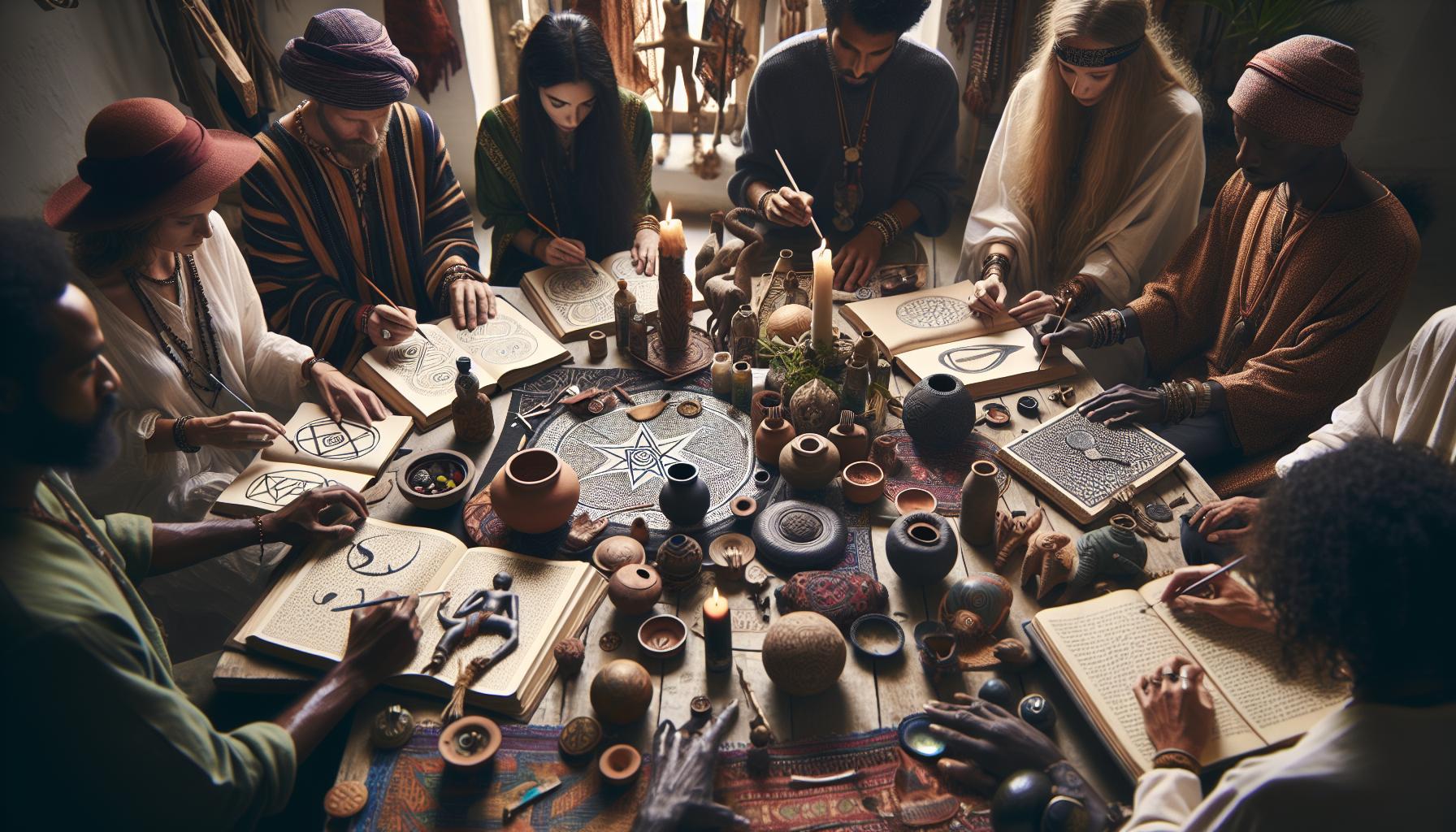
Influences from Art, Culture, and Mysticism
The intricate tapestry of tarot’s history intertwines with diverse art movements, cultural evolution, and mystical traditions, creating a rich narrative that captivates and informs. From its inception as a card game in the 15th century, tarot has transformed into a profound spiritual tool, influenced heavily by the artistic and philosophical trends of its time. Each tarot card functions not only as a means of divination but also as a canvas showcasing the societal values, beliefs, and emotions of the eras they represent.
Throughout history, the visual artistry of tarot decks evolved significantly, reflecting the changes in artistic styles. Early decks featured hand-painted illustrations drawn from the popular culture and themes of their time, such as courtly life and allegorical representations. As the Renaissance blossomed, interest in humanism and naturalism inspired artists to infuse their tarot creations with deeper symbolism. Think of the intricate designs of the Visconti-Sforza deck, where each card starkly illustrates the awe of divinity, nature, and human experience. The beauty of these illustrations invited users not merely to play but to reflect on existential themes, making tarot a mirror of society’s collective psyche.
Culturally, tarot has continuously absorbed influences from various mystical traditions, including Kabbalistic, hermetic, and astrological systems. The incorporation of these esoteric elements enriched the meanings of the cards, making each reading a multi-layered experience. For instance, the connection between the Major Arcana cards and the Hebrew alphabet offers profound insights into spiritual journeys and personal development. This melding of cultural mystique has positioned tarot as not just a tangible tool for divination but an exploration of the human condition itself.
As you engage with tarot, consider the following tips to deepen your connection with its artistic and mystical aspects:
- Explore Different Decks: Each deck carries its own artistic style and cultural background. Try working with decks that resonate with you personally, whether they are traditional or contemporary.
- Study the Art: Pay attention to the imagery in each card. What emotions do they evoke? What symbols stand out? Understanding these elements can enhance your readings.
- Reflect on Cultural Context: Research the historical and cultural background of various decks. Recognizing how their creators viewed the world can provide insights into your own interpretations.
- Incorporate Other Practices: Consider blending tarot with other forms of spiritual exploration, such as meditation or journaling, to deepen your understanding of the cards.
By recognizing the influences of art, culture, and mysticism on tarot, you embrace a journey that transcends mere card reading. Instead, it becomes a holistic approach to understanding life’s complexities-a dance between intuition and insight that invites everyone, skeptics and believers alike, to partake in the wisdom and beauty this ancient practice offers.
Understanding the Major Arcana’s Origins
Exploring the origins of the Major Arcana invites us to witness the fusion of art, philosophy, and spirituality that has defined tarot’s evolution. The Major Arcana consists of 22 cards, each symbolizing monumental themes in our human experience, from the beginnings of life to profound transformations. Historically, these cards served a dual purpose: as a means of entertainment in early card games and as mystical tools for insight and reflection.
The roots of the Major Arcana can be traced back to the late 14th and early 15th centuries in Europe, particularly within the Italian courts. The Visconti-Sforza tarot deck, one of the earliest known, showcases how these cards were crafted not only for play but also as a form of artistic expression rich with symbolism. Each card depicted allegorical figures, often derived from ancient mythology, biblical narratives, and astrology, reflecting the cultural milieu of the time. This artistic rendering imbued the cards with layers of meaning, allowing insights into life’s journey.
Card Symbolism and Meaning
Understanding individual cards paves the way for deeper interpretations. Each of the 22 Major Arcana cards carries unique symbolism:
- The Fool (0): Represents new beginnings, adventure, and the leap of faith.
- The Magician (I): Signifies mastery, skill, and the manifestation of desires.
- The High Priestess (II): Embodies intuition, mystery, and the subconscious mind.
- The Empress (III): Reflects fertility, abundance, and nurturing energy.
- The Tower (XVI): Represents chaos, upheaval, and sudden change.
These interpretations serve not only as guidance in readings but also as reflections of the universal human experiences and struggles we all face. They invite readers to explore their own lives and the significant transformations they encounter.
Cultural Influence and Spiritual Significance
The integration of Kabbalistic and astrological symbols into the Major Arcana has enriched its interpretation as well. For instance, the associations between the cards and the Hebrew alphabet illustrate deeper spiritual truths and personal growth journeys. This melding of diverse traditions has rendered the Major Arcana a powerful tool for exploration-encouraging users to uncover their own connections to the themes represented.
In practical terms, as you begin working with the Major Arcana, consider these steps:
- Select a Card Daily: Spend a moment each morning to draw a card, reflecting on its meaning and how it might apply to your day.
- Keep a Tarot Journal: Document your thoughts and insights about each card you encounter. Note how they resonate with your life experiences.
- Engage with the Imagery: Allow the visual aspects of each card to speak to you. What emotions do they evoke? What stories do they tell?
By engaging with the Major Arcana, you not only unlock its rich historical context but also tap into a path of personal understanding and growth. This journey through the cards is an invitation to all, whether seasoned practitioners or curious newcomers, to find depth and clarity in the symbolic language of tarot.
Exploring the Minor Arcana’s Historical Context
The Minor Arcana, often overshadowed by its more famous counterpart, the Major Arcana, holds a wealth of historical significance that deserves a closer look. These 56 cards are divided into four suits: Cups, Pentacles, Swords, and Wands, each representing different aspects of human experience-emotions, material concerns, intellect, and action. Unlike the Major Arcana, which focuses on major life lessons and spiritual arcs, the Minor Arcana delves into the daily ebb and flow of life, making it a practical companion for everyday insights.
Historically, the origins of the Minor Arcana can be traced back to early playing cards that emerged in the 14th century, specifically in Italy. The designs of these cards evolved from the Mamluk cards of the Islamic world, which featured intricate geometric patterns and stylized images. As these cards spread across Europe, they began to incorporate local symbolism and themes. The four suits we recognize today began to take shape, with Cups often associated with the element of water and emotional connections, Pentacles linked to earth and material wealth, Swords representing air and conflict, and Wands connected to fire and creativity. This evolution embodies how different cultures adapted the Tarot to fit their spiritual and social contexts.
Practical Insights from the Minor Arcana
While the Major Arcana can reflect significant life phases, the Minor Arcana provides guidance on day-to-day situations. For anyone beginning their tarot journey, working with these cards can reveal how the influences of emotions, choices, and actions manifest in everyday life. Here are some ways to start tapping into the wisdom of the Minor Arcana:
- Practice Daily Draws: Pick a card from the Minor Arcana each morning to see how it might play out in your day. Allow its imagery and meaning to inform your thoughts and actions.
- Group Readings: When reading for friends or family, use the Minor Arcana to focus on immediate circumstances. Ask specific questions, such as “What should I be mindful of today?”
- Journal Your Reflections: Keep a record of daily draws or readings. Reflect on how the themes of the cards played out over time-this practice can deepen your understanding of their significance.
As you explore the Minor Arcana’s context and connection to daily life, remember that each card invites reflection on personal experiences and choices. While it can feel overwhelming at times, trust your intuition; approaching these cards with curiosity fosters an enriching and enlightening journey through the tapestry of Tarot.
The Role of Tarot in Ancient Divination Practices
The use of tarot as a divination tool can be traced back through centuries, weaving a rich tapestry of spiritual and esoteric practices. Ancient civilizations, particularly those steeped in mysticism and the occult, developed various methods to gain insights into their lives and destinies. The early manifestations of tarot were less about the glossy decks we recognize today and more about practical tools used for oracular readings and self-reflection.
In ancient times, divination often relied on symbols and imagery to interpret the unknown. Tarot fits into this tradition beautifully, as its cards, particularly the Major Arcana, represent archetypal energies and universal themes. Each card’s symbolism provides a portal to understanding life’s complexities, allowing individuals to pose questions and explore their subconscious insights. For example, the Fool can represent new beginnings and potential, encouraging seekers to embrace spontaneity and adventure in their lives.
Tarot’s role in divination was not merely predictive; it served as a mirror, reflecting the inner state of the querent (the person asking the question). This aspect makes tarot particularly accessible and powerful, regardless of one’s spiritual background. You don’t need to be a mystic to tap into its wisdom. Many find value in simple spreads that address daily concerns, such as the three-card spread, which can reveal insights about the past, present, and future of a situation based on the cards drawn.
Integrating Tarot into Daily Practices
For those looking to incorporate tarot into their daily lives, starting with divination practices can be quite rewarding. Here are a few practical steps:
- Begin with Intention: Before drawing cards, take a moment to focus on a question or area of your life you’d like clarity on. Your intention acts as a guide during the reading.
- Choose Your Spread: Whether it’s a simple one-card draw for daily guidance or a more complex five-card spread for deeper insights, select a layout that resonates with your experience level.
- Record Your Readings: Keeping a tarot journal of your questions, the cards drawn, and your interpretations can deepen your understanding and assist in recognizing patterns over time.
Utilizing tarot for divination not only fosters a greater connection to one’s intuition but also encourages personal growth. By engaging with the rich symbolic language of the cards, practitioners can more clearly navigate the labyrinth of life, making it a timeless and transformative practice suitable for everyone, regardless of their belief system or level of experience.
How Tarot Became a Tool for Self-Reflection
The journey of tarot from a mere divination tool to a profound instrument for self-reflection is both fascinating and deeply rooted in human psychology. Initially, tarot cards were used primarily for fortune-telling and as playful games, but over centuries, they evolved into a framework for introspection and personal insight. What makes tarot uniquely powerful is its ability to evoke the subconscious, allowing individuals to confront their innermost thoughts and feelings.
Engaging with tarot requires more than just drawing cards; it invites a conversation with one’s self. Each card serves as a mirror, reflecting aspects of the querent’s life, emotions, and even fears. For example, drawing the Seven of Cups might reveal confusion or choices that feel overwhelming. This card encourages the individual to pause and assess what truly fulfills them, highlighting the importance of clarity amidst chaos. Such revelations guide seekers toward self-awareness and transformed perspectives, illustrating tarot’s potential to foster critical self-reflection.
Practical Steps to Cultivate Self-Reflection with Tarot
To effectively use tarot for self-reflection, consider these practical steps:
- Set Your Intention: Before each reading, think deeply about what you wish to explore. A clear intention, such as “What do I need to understand about my current situation?” creates a focused space for insight.
- Choose a Reflective Spread: While spreads can range from simple to complex, a three-card spread (past, present, future) can illuminate how past experiences shape current feelings and future choices.
- Journaling Insights: After your readings, write down your reflections and interpretations. This practice helps consolidate insights and reveals patterns over time, deepening your understanding of yourself.
Using tarot as a tool for self-reflection doesn’t just illuminate the mind; it also connects you to your intuition, guiding you through complex emotional landscapes. By welcoming this process, anyone-whether a skeptic or a seasoned practitioner-can harness the transformative power of tarot to navigate their life’s journey. It transforms the abstract into the tangible, making the cards accessible and relatable, and empowering individuals to embrace their paths of self-discovery.
Misconceptions About Tarot’s Purpose and Use
While many perceive tarot solely as a tool for fortune-telling, this common misconception oversimplifies its rich history and diverse applications. At its origin, tarot was a simple deck of playing cards used in games, but it evolved into a symbol of spiritual journeying and psychological exploration. The versatile nature of tarot allows it to serve numerous purposes, from providing insight and clarity to promoting self-reflection and personal growth.
A prevalent misunderstanding is that tarot predicts specific events with absolute certainty. In reality, tarot cards offer guidance based on current energies and circumstances. They provide a framework to explore potential outcomes rather than concrete answers. For example, if you draw The Tower card, it’s not a grim prophecy but a prompt to examine areas in your life that may require significant change. This perspective invites the querent to engage with their own intuition, empowering them to navigate their paths more consciously.
Moreover, some view tarot as a divination practice reserved for mystics or the spiritually inclined. However, tarot is accessible to everyone, regardless of their spiritual background. The key lies in how one approaches the cards. Beginners might start with questions about their daily life, while more experienced practitioners may delve into deeper existential queries. Inclusivity is at the heart of tarot practice, welcoming both skeptics and believers into its fold.
To enhance your tarot experience and dispel these misconceptions, consider the following practical steps:
- Engage Without Expectation: Approach your readings with a mindset of curiosity rather than expectation. This openness can lead to more profound insights.
- Reflect on Your Draws: After each reading, take time to reflect on the cards’ meanings and how they relate to your life. This engagement fosters a deeper understanding.
- Share Your Insights: Discuss your readings with a trusted friend or fellow practitioner. Sharing insights can illuminate new perspectives you hadn’t considered.
By embracing tarot’s multifaceted nature, you can utilize it not only as a means of divination but as a powerful tool for personal discovery and growth. My approach to teaching and sharing tarot is rooted in this philosophy, seeking to demystify its use and empower individuals on their journeys of self-discovery and understanding. Trust in your intuition, and remember that tarot is a companion on your path-here to guide you, not to dictate your fate.
Key Figures in Tarot’s Development
Throughout the history of tarot, certain individuals have played pivotal roles in shaping its development and cultural significance. These key figures have influenced not just how tarot is used, but also the rich tapestry of meaning woven into the cards we recognize today. Understanding their contributions can deepen your appreciation of tarot’s journey from mere playing cards to a profound tool for introspection and guidance.
One of the most influential figures is Jean-Baptiste Alliette, known as Etteilla. He is credited with the first tarot deck intended explicitly for divination, creating the “Etteilla Tarot” in the late 18th century. Etteilla’s work shifted the focus of tarot from a game to a mystical practice, deeply intertwining it with the emerging interest in the occult during the Enlightenment. His writings and interpretations laid the groundwork for a new understanding of the tarot as not only a method for predicting the future but as a means to explore the self.
Another significant contributor is Aleister Crowley, a prominent occultist who developed the Thoth Tarot in the early 20th century. Crowley’s deck is rich in symbolic content, reflecting his own spiritual beliefs and studies in mysticism. His interpretations of the cards and the integration of astrological correspondences expanded tarot’s complexity, making it a versatile tool for psychological exploration. Crowley emphasized the connection between the cards and the deeper psychological states of the human experience, a perspective that many modern practitioners still find relevant today.
The Rider-Waite-Smith deck, created by Arthur Edward Waite and illustrated by Pamela Colman Smith in 1909, also holds a critical place in tarot history. This deck popularized the concept of imagery in tarot cards, moving away from the more abstract representations seen in earlier decks. The vibrant illustrations depict scenes of human experience and emotion, making the deck more accessible and relatable for those seeking guidance. Smith’s artwork infused the cards with deeper meanings, encouraging users to draw personal insights based on the imagery.
As you delve into your tarot practice, consider exploring the contributions of these figures to enrich your understanding. Their innovations continue to affect how tarot is perceived and utilized. A deeper historical context can enhance your readings, allowing you to connect with the transformative power of the cards while appreciating their rich heritage. Tarot is not just a reflection of your questions; it embodies a centuries-long dialogue about the self, the universe, and the interplay between the two. Engaging with tarot in this way can reveal layers of meaning that resonate with your journey.
The Revival of Tarot in Modern Spirituality
The modern resurgence of tarot is not merely a trend; it reflects a profound shift in how individuals seek meaning and connection in their lives. As people increasingly turn to spiritual practices for insight and personal growth, tarot has emerged as a versatile tool that transcends traditional divination. No longer confined to the realms of mysticism and fortune-telling, tarot is widely embraced as a means of self-reflection, empowerment, and creative exploration.
In recent years, a diverse array of practices has contributed to the revival of tarot within modern spirituality. One significant influence is the popularization of online communities and social media platforms where tarot enthusiasts share their readings, interpretations, and personal stories. This accessibility fosters a welcoming environment for both seasoned practitioners and newcomers alike, encouraging exploration without judgment. As people share their experiences, a communal understanding of tarot’s purpose evolves, highlighting its role in personal storytelling and emotional processing.
Moreover, the incorporation of tarot into therapeutic practices has gained traction. Many mental health professionals utilize tarot as a therapeutic tool, recognizing its ability to facilitate dialogue and self-discovery. For instance, during a session, a card drawn at random can serve as a focal point for discussion, prompting clients to reflect on their feelings, challenges, and aspirations. This approach demystifies tarot, aligning it with contemporary psychological principles while validating its historical roots as a means of introspection and guidance.
The diversity of tarot decks available today also plays a crucial role in its revival. Deck creators draw from various cultural backgrounds, artistic styles, and spiritual philosophies, allowing practitioners to find decks that resonate personally with them. This personalization makes tarot more relatable, inviting users to engage with the cards on a deeper, more intuitive level. Whether one chooses a traditional Rider-Waite-Smith deck or an artistically unique interpretation, the connection forged with a chosen deck can significantly enhance one’s reading experience, making it a profound journey of self-discovery.
By embracing tarot in this modern context, individuals from all walks of life can harness its wisdom for their personal journeys. Whether you seek clarity in relationships, guidance in career choices, or insights into personal challenges, tarot offers a unique framework for exploration. As you engage with the cards, trust your intuition and allow yourself the freedom to interpret their messages in a way that feels authentic. Tarot is for everyone; it invites you to embark on a path of introspection, growth, and connection to the mysteries of your own experience.
Cultural Variations in Tarot Interpretations
Cultural interpretations of tarot are as diverse and vibrant as the cultures from which they emerge. Each culture infuses its own beliefs, symbols, and values into the cards, creating unique lenses through which to view the wisdom they contain. For instance, while the traditional Rider-Waite-Smith deck popular in the West conveys themes rooted in Western esotericism, other decks draw directly from indigenous symbols, historical narratives, or spiritual practices from around the globe.
Example Decks and Their Cultural Roots
- Tarot de Marseille: This historical French deck emphasizes a more minimalist and straightforward approach, often seen as focusing on numerology and direct meanings in readings. Its aesthetic draws from late medieval European art, reflecting the cultural and artistic milieu of its time.
- The Wild Unknown Tarot: This contemporary deck utilizes animal imagery and natural elements, resonating with themes of connection to nature and personal intuition. It reflects a modern spiritual approach that champions introspection and organic exploration of one’s path.
- The Thoth Tarot: Created by Aleister Crowley, this deck integrates elements of Kabbalah, astrology, and alchemy, offering a dense layer of meanings and inviting readers to delve into complex interpretations that reflect both Western mysticism and Eastern philosophies.
Understanding these variations not only enhances your reading experience but also deepens your appreciation of the tarot’s rich history. Engaging with different cultural interpretations can provide fresh insights and methods of reflection.
How to Explore Cultural Differences in Tarot
To appreciate how diverse cultures interpret the tarot, consider integrating the following practices into your journey with the cards:
- Study Different Decks: Research decks from various cultures. Look for those that resonate with you personally, noting how their symbols and imagery differ from those you are accustomed to.
- Join Communities: Engage with online forums or local meet-ups focused on global tarot traditions. Sharing interpretations can foster a deeper understanding of cultural nuances.
- Attune to Intuition: As you explore different decks, pay attention to your feelings and instincts. The cards should feel approachable and relevant to your experiences.
Tarot does not belong to a single narrative or cultural perspective; it is a tapestry woven from countless threads. Whether you’re a skeptic or a devotee, allowing yourself to explore these varied interpretations can ignite newfound curiosity and insight, making your tarot practice even more enriching and personal. Engaging with the cards through a cultural lens is an invitation not just to read the images, but to relate to the stories and symbols that reflect the human experience across time and space.
Tarot’s Influence on Contemporary Occult Practices
The resurgence of tarot in contemporary occult practices is a fascinating phenomenon that transcends mere card reading. Today, tarot is embraced not only as a tool for divination but also as a profound instrument for personal growth, self-reflection, and spiritual exploration. This evolution mirrors a broader cultural shift, where many seek to reconnect with intuitive practices and explore the mystical aspects of life, often turning to tarot as a source of guidance and insight.
In modern occult communities, tarot serves diverse purposes. The cards are frequently used in rituals and ceremonies, where they can symbolize various aspects of life, such as love, career, and spiritual development. Practitioners often regard tarot as a bridge between the conscious mind and the subconscious, tapping into deeper layers of intuition and understanding. For example, while performing a tarot reading, you might begin with a question about a challenge you are facing. As you lay out the cards, their imagery and meanings can illuminate hidden thoughts and feelings, providing clarity on decisions or behaviors that were previously unrecognized.
Practical Applications of Tarot in Modern Occultism
Those interested in integrating tarot into their spiritual practices can start by exploring different reading techniques. Here are a few approaches that cater to various experience levels:
- Beginner: Daily Card Pull – Simply draw one card each day. Reflect on its meaning and how it relates to your day’s events. This practice fosters a deeper connection with the cards while allowing intuitive insights to surface.
- Intermediate: Three-Card Spread – Use a three-card spread to represent the past, present, and future of a situation. This format encourages a more extensive narrative, helping readers understand the flow of their life experiences.
- Advanced: The Celtic Cross Spread – For those comfortable with tarot, the Celtic Cross offers a detailed exploration of complex issues. It covers multiple aspects of a query, allowing for nuanced interpretations that can guide significant decisions.
Integrating tarot into your life also invites a deeper exploration of associated practices, such as meditation, journaling, or even dream analysis. By journaling about your tarot readings, you cultivate a record of both your intuitive insights and personal growth over time, making it easier to track patterns and changes in your life.
As the community around tarot grows, so does the understanding that it is a collective journey. Whether through online forums, workshops, or local gatherings, sharing experiences enriches personal practice and fosters a supportive environment. Together, practitioners can explore the symbolism of the cards, discuss interpretations, and support each other in navigating the complexities of modern spirituality. By demystifying the process and encouraging open dialogue, tarot becomes an accessible and welcoming space for all, regardless of one’s background or experience in occult practices.
By engaging with tarot in these contemporary contexts, you may not only deepen your connection with the cards but also embrace a vibrant cultural movement that values the blend of intuition, community, and personal empowerment.
Q&A
Q: What ancient cultures contributed to the origins of Tarot?
A: Tarot’s origins can be traced back to multiple ancient cultures, including Egyptian, Chinese, and Hindu civilizations. Each contributed to the mystical and symbolic aspects of Tarot, laying a foundation for its use in divination and spiritual exploration. Understanding these influences enriches the reader’s experience with Tarot’s meanings.
Q: How did Tarot evolve from playing cards to divination tools?
A: Initially, Tarot cards were used as playing cards in 15th century Europe. Over time, they evolved into tools for divination in the 18th century, influenced by mysticism and introspection. This shift allowed Tarot to be embraced for spiritual guidance, as detailed in the article’s section on Tarot’s evolution.
Q: What role did the Renaissance play in the development of Tarot?
A: The Renaissance period greatly influenced Tarot by reviving ancient philosophies and integrating them into European culture. Artists and scholars incorporated symbolic images into Tarot decks, linking the cards to art, astrology, and various esoteric traditions, as explored in the article.
Q: Why are the Major Arcana considered more significant in Tarot?
A: The Major Arcana represents profound life lessons and spiritual themes, while the Minor Arcana relates to everyday challenges. This distinction highlights the depth of Tarot’s message, making it a powerful tool for introspection and guidance, as detailed in the section about Major Arcana origins.
Q: How is Tarot connected to alchemy and spirituality?
A: Tarot is deeply intertwined with alchemical concepts and spiritual growth. Many early Tarot decks featured alchemical symbols intended for personal transformation and enlightenment. This connection illustrates how Tarot serves as a guide for inner work and self-discovery throughout history.
Q: What misconceptions exist about the origins of Tarot?
A: A common misconception is that Tarot originated solely for fortune-telling. In reality, its roots lie in complex cultural and spiritual traditions meant for introspection and guidance rather than mere prediction. This misunderstanding is addressed in the article’s section on misconceptions about Tarot’s purpose.
Q: How can understanding Tarot’s historical context enhance readings?
A: Understanding Tarot’s historical context allows readers to appreciate the layers of symbolism and meaning within the cards. This knowledge can lead to more insightful interpretations during readings, enriching the user’s experience and connection with the Tarot.
Q: What impact did key figures have on the Tarot’s evolution?
A: Key figures, such as Antoine Court de Gébelin, played a pivotal role in associating Tarot with mysticism and esoteric teachings in the 18th century. Their interpretations shaped modern Tarot card understanding, highlighting the importance of historical perspectives on the practice, as discussed in the article.
Insights and Conclusions
As we conclude our exploration of the historical origins of Tarot, we hope you feel inspired to delve deeper into this fascinating subject. Understanding where Tarot comes from enriches your readings and enhances your connection to its profound symbolism. If you’ve enjoyed this journey, consider exploring our articles on the significance of each Tarot suit and how to interpret them effectively. This knowledge not only increases your intuitive skills but also empowers you to use Tarot in practical, meaningful ways.
Ready to take your Tarot practice to the next level? Join our newsletter for expert tips, or discover our free Tarot readings designed to guide you through personal insights and challenges. Whether you’re a curious beginner or an experienced reader, there’s always something new to learn and explore. Don’t hesitate; your Tarot journey awaits! Share your thoughts in the comments below and let’s continue this magical conversation together.