Have you ever glanced at a tarot card and felt its whispering secrets beckon you? Understanding what each tarot card means can transform your readings from simple divinations into vibrant pathways of insight and guidance. Whether you’re a curious beginner or a seasoned reader, having a quick reference guide can enhance your intuition and deepen your connection with the cards.
This guide will unravel the mysteries of all 78 tarot cards, demystifying their meanings and symbolism in a way that feels welcoming and approachable. With clear explanations for each card, you will gain the confidence to interpret your readings, tap into your inner wisdom, and better navigate your life’s journey. So, if you’re ready to explore the rich tapestry of tarot, read on to unlock the transformative power each card holds!
Understanding the Basics of Tarot Cards
Embarking on the journey of tarot reading can be transformative and enlightening. At its core, tarot is not just a mystical tool; it’s a bridge to understanding the deeper layers of your life. By exploring tarot, you gain access to insights about your current circumstances, potential outcomes, and even the underlying motivations driving your decisions.
begins with knowing their two primary categories: the Major Arcana and the Minor Arcana. The Major Arcana consists of 22 cards, each representing significant life events and spiritual lessons. These cards often appear during moments of profound change or when you need to confront deep-seated issues. For instance, the Fool symbolizes new beginnings and potential, while the Death card reflects transformation and the end of cycles.
On the other hand, the Minor Arcana is divided into four suits-Cups, Pentacles, Swords, and Wands-each detailing day-to-day challenges and experiences. These cards provide insights into your everyday life, helping you navigate personal relationships, career paths, and emotional states. For example, a card like the Three of Cups signifies celebration and community, while the Eight of Swords may indicate feelings of restriction or entrapment.
To cultivate a rewarding tarot practice, familiarity with the card meanings and openness to intuitive insights are crucial. Start by laying out the cards and reflecting on your personal associations with their imagery and symbols. No two readers interpret cards identically; personal intuition plays a significant role. Thus, as you engage with tarot over time, your understanding will deepen, guiding you toward self-discovery and clarity. Remember, each reading is a unique conversation between you and the cards, inviting exploration, reflection, and growth.
The Major Arcana: Unlocking Life’s Secrets
Delving into the Major Arcana offers profound insights that resonate deeply within our lives. This collection of 22 cards serves as a map of the human experience, highlighting key themes and life lessons that guide our spiritual journey. Each card encapsulates a unique archetype, inviting introspection about where you stand in your own story. The transformative wisdom of the Major Arcana speaks to moments of significant change and critical choices, making it a crucial part of any tarot reading.
The journey begins with the Fool, which represents new beginnings and boundless potential. This card encourages embracing spontaneity and adventure, reminding you that every path starts with a single step, often filled with uncertainty. Conversely, the World signifies completion and fulfillment, signaling that you have cycled through key experiences and are ready to celebrate your achievements. These cards, along with others like The Lovers and The Tower, reveal the spectrum of human experiences, from love and choices to upheaval and transformation.
Understanding the Major Arcana requires more than memorization; it necessitates an engagement with the symbols and themes that each card embodies. For example, encountering the Death card in a reading often points not to a literal end, but a vital transformation-shedding old layers to allow for renewal. Reflecting on these cards can be a mirror, revealing personal truths and guiding your decisions. To harness their power, consider laying out three Major Arcana cards and asking yourself:
- What does each card represent in my current life situation?
- How do the images and symbols resonate with my emotional landscape?
- What lessons or insights am I being called to explore?
As you integrate these meanings, remember that each card interacts dynamically with the others in your spread, providing a richer narrative of your life’s journey. Engage with the cards with an open heart and mind, for the Major Arcana holds the keys to understanding the deeper layers of your experiences. Each reading can unveil not only insights about your past and present but also illuminate your path forward.
Minor Arcana: Daily Insights for Real Life
Daily tarot readings often emphasize the insights from the Minor Arcana, which consists of 56 cards divided into four suits: Cups, Pentacles, Swords, and Wands. Each suit encapsulates different aspects of daily life and personal experiences, making these cards invaluable for practical guidance and immediate reflection. Whether you’re seeking clarity on a relationship, insight into financial matters, or a nudge on your creative pursuits, the Minor Arcana can provide nuanced perspectives.
The suit of Cups primarily relates to emotions, relationships, and connections. Drawing a Cup card can indicate new love, emotional healing, or challenges in personal relationships. For example, drawing the Two of Cups often signifies harmony and unity, suggesting that partnerships will flourish, while the Five of Cups may point to feelings of loss and the need to focus on what remains rather than what’s gone.
In contrast, Pentacles are linked to material aspects, including work, finances, and physical well-being. A card like the Nine of Pentacles can reflect prosperity and independence, signaling a period of financial stability, while the Five of Pentacles might indicate hardship or feelings of insecurity. It’s essential to recognize that these cards can encourage practical action to secure a more stable future.
The Swords suit addresses thoughts, challenges, and conflict. Pulling a Sword card often brings clarity to intellectual pursuits or confrontations. The Ace of Swords, for example, represents breakthroughs and new ideas, urging you to embrace mental clarity. In contrast, the Three of Swords suggests heartache or betrayal, encouraging you to acknowledge emotional pain to navigate through it.
Finally, Wands signify creativity, passion, and ambition. These cards encourage action and growth in your endeavors. The Eight of Wands is a card of swift movement and progress, indicating that projects may unfold quickly. On the other hand, the Four of Wands heralds celebrations and stability, often linked to home and community milestones.
By engaging regularly with the Minor Arcana through daily draws or spreads, you cultivate a deeper understanding of your present life circumstances. Each reading can serve as a means of reflection, prompting questions like:
- What challenges am I currently facing that require my attention?
- How can I nurture my relationships using the insights from the Cups?
- In what ways can I take practical steps towards my goals indicated by the Pentacles?
Utilizing these cards daily can transform how you approach challenges, allowing you to see situations more clearly and respond with confidence. This approach not only enriches your understanding of the tarot but also enhances your everyday decision-making, making tarot not just a mystical tool but a daily practice in personal growth and self-awareness.
Interpreting Card Meanings: Symbols and Intuition
To truly connect with the power of tarot, understanding the symbols inherent in each card is essential. Tarot cards are rich with imagery and motifs, each element representing layers of meaning, both universal and deeply personal. By examining these symbols and incorporating your intuition, you can unlock deeper insights and cultivate a more profound connection to your readings.
Understanding Symbols
Each tarot card is a tapestry of visual symbols that tells a story. For instance, in the Two of Cups, the imagery of two cups held together evokes themes of partnership and unity. Here, the cups symbolize emotional balance and mutual respect. When interpreting cards, consider what each symbol means to you personally and how it connects to your situation. You might note colors, numbers, or specific figures-each can trigger intuitive responses that deepen your understanding.
Trusting Your Intuition
Beyond mere interpretation of symbols, trusting your intuition is crucial. When you pull a card, take a moment to pause and reflect on your immediate feelings. Ask yourself questions like, “What does this card bring to mind for me?” or “How does this relate to my current situation?” For example, if you draw the Five of Pentacles, which often signifies hardship, you might reflect on recent challenges in your life, prompting you to think about resilience and support systems. This helps you not only understand the card’s traditional meaning but also apply it contextually to your personal experiences.
Techniques for Interpretation
To enhance your card interpretation skills, consider these practical techniques:
- Journaling: Keep a tarot journal where you record your daily draws, interpretations, and any personal feelings or thoughts that arise. This practice builds your connection to the cards and hones your intuitive skills over time.
- Contextual Reading: Always consider the context of your reading. The situation, surrounding cards, and your emotional state can alter the interpretation significantly. For instance, drawing a positive card amidst negativity can suggest a beacon of hope.
- Storytelling: Try to create a narrative with your cards during a reading. How do the cards flow together? What story do they tell about your life? This technique can bridge the gap between abstract symbols and concrete experiences.
By combining your knowledge of the symbols with your intuitive insights, you can create vivid, relatable readings that resonate on a personal level. Tarot isn’t just about fixed meanings-it’s a dynamic conversation between the cards and your inner wisdom. Embrace this fluidity, and you’ll find that interpreting tarot becomes an enriching journey of self-discovery and growth.
Popular Tarot Spreads: A Guide to Reading
When it comes to reading tarot, the layout of your cards can greatly influence the clarity and depth of your insights. Tarot spreads, which are specific arrangements of cards, are essential tools that guide your reading and provide structure. Whether you’re a beginner or an experienced reader, understanding the most popular spreads can help you unlock the full potential of your tarot cards.
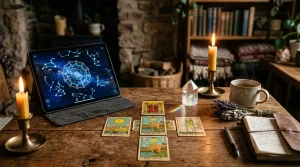
One of the most commonly used spreads is the Three-Card Spread. This simple yet effective layout allows for a streamlined exploration of your question or situation. You can assign meanings to each card; for instance, the first card could represent the past, the second the present, and the third the future. This format helps you see the progression of your circumstances and gain clarity on how your past influences your present decisions.
For more complex inquiries, the Celtic Cross Spread offers a comprehensive view. This ten-card spread covers various aspects, including your current position, challenges, past influences, and potential outcomes. It invites a deeper narrative around your situation, allowing you to explore nuances that may not be apparent with simpler spreads. While it may seem daunting at first, breaking it down card by card can reveal rich insights and connections between your cards.
If you’re looking to gauge internal feelings or emotional states, try the Five-Card Spread. Position the cards in a line and assign meanings such as your current emotional state, desires, obstacles, influences from others, and possible resolutions. This spread not only highlights your feelings but also encourages introspection, making it ideal for personal growth readings.
- Three-Card Spread: Simple and versatile, ideal for quick insights.
- Celtic Cross Spread: Comprehensive, perfect for in-depth analysis.
- Five-Card Spread: Great for exploring emotions and internal dynamics.
Choosing the right spread can significantly enhance your tarot practice. Experiment with different layouts to discover what resonates with your reading style and the questions you pose. Each spread provides a unique lens through which to view your life and circumstances, allowing for both clarity and intuition in your tarot journey. As you grow more comfortable, trust your instincts to explore variations or even create your own personalized spreads. Tarot is a flexible tool, inviting creativity and insight in ways that are just as unique as you are.
Reversed Tarot Cards: What Do They Indicate?
In tarot reading, reversed cards can offer profound insights that often go unnoticed when focusing solely on upright meanings. When a card appears upside down in your spread, it serves as a cue to reflect on aspects of the card’s meaning that may need exploration or adjustment. Reversals can signify blockages, delays, or challenges related to the themes of the card, encouraging you to delve deeper into your situation.
Understanding Reversed Meanings
Each tarot card has a unique set of meanings associated with it, and when reversed, these meanings often flip to reveal the shadow side or an entirely different perspective. For instance, the reversed Two of Cups might suggest tension or imbalance in a relationship, indicating that although there is potential for unity, miscommunication or dishonesty could be at play. On the other hand, the reversed Tower often points to the possibility of inevitable change being avoided or resisted, unlike its upright counterpart, which usually heralds necessary upheaval and transformation.
Some common indicators of reversed cards include:
- Blockages: An upright card’s energy may be stifled or obstructed by external circumstances.
- Reflection: The card may prompt introspection about the internal states that need addressing.
- Delayed Outcomes: Promises or opportunities may be put on hold, requiring additional patience.
- Moment of Realization: It may call attention to denial or avoidance, nudging you to confront unacknowledged truths.
Practical Examples
Consider a reading where the reversed Hanged Man appears. This card’s upright position traditionally signifies pause and perspective shifts, but reversed, it could suggest a failure to see the situation clearly or being stuck in mental patterns that prevent progress. This is an invitation to evaluate your viewpoints and potentially embrace a new direction.
On the contrary, if the reversed Ace of Pentacles comes up, it might indicate missed opportunities regarding financial growth or material stability. It encourages taking actionable steps to avoid slipping backwards, highlighting the need for initiative and effort to realize one’s ambitions.
Final Thoughts
Employing reversed cards in your tarot practice can significantly enrich your interpretations. Embrace them not as negative omens but as guides that point you toward areas in need of healing or adjustment. Over time, as you develop your intuition and understanding, you’ll find that reversed cards can illuminate paths of personal growth, awareness, and transformation, just as effectively as their upright counterparts. Engage with them playfully, and remember, every reading is a conversation with your higher self.
Using Tarot for Personal Growth and Reflection
Incorporating Tarot into your personal growth journey offers a profound avenue for self-discovery and reflection. Each card acts as a mirror, reflecting deep-seated emotions, motivations, and patterns that may affect your life. When you engage with Tarot, you’re not just attempting to predict the future; you’re actively participating in a dialogue with your higher self. This practice can significantly enhance your understanding of overarching themes in your life, providing clarity and guiding your actions.
One of the most effective ways to use Tarot for personal growth is through regular journaling after readings. As you draw cards, take a moment to note not only the card meanings but also how they resonate with your current life situation. For example, if you draw the Seven of Cups, representing choices and illusions, reflect on areas where you feel overwhelmed by options. Write down your thoughts on what may be distracting you from clarity. This process encourages you to confront fears and embrace authenticity, turning your limits into opportunities.
Moreover, exploring the Major Arcana-those 22 powerful cards that depict pivotal life themes-can lead to significant insights. Cards like the Fool symbolize new beginnings and following your instincts, inviting you to take risks, whereas the Hermit suggests introspection and solitude to seek inner wisdom. Contemplate how these themes manifest in your life. Are you in a phase of exploration or in need of introspection? Allow the meanings to guide your decisions, shaping your growth on both a spiritual and practical level.
To enrich your practice, try creating a simple spread focused on personal reflection. A three-card layout could represent your past influences, present circumstances, and future potentials. As you interpret these cards, focus on how they relate to your journey. This structured approach not only organizes your thoughts but also creates a visual narrative of your growth path. Each reading becomes a step toward greater self-awareness and intentional living, reinforcing the belief that Tarot is a tool for empowerment rather than mere divination.
Ultimately, remember that Tarot is accessible to everyone-believers and skeptics alike. Approach it with curiosity and an open heart, allowing its teachings to enhance your understanding of yourself and the world around you. Embrace this journey of awareness with joy, as it paves the way for transformative experiences and deeper connections to your own life story.
Common Misconceptions About Tarot Cards
Many people hold preconceived notions about Tarot cards, often stemming from cultural portrayals in movies and literature. One prevalent misconception is that Tarot is solely a tool for predicting the future, akin to a crystal ball. In truth, Tarot serves as a reflective and introspective medium, guiding users through exploration and understanding of their current life situations rather than foretelling specific events. Each card is a prompt for introspection, allowing you to delve into your thoughts and feelings about a situation.
Another common assumption is that Tarot is inherently connected to the occult or dark magic. This perspective can deter some individuals from engaging with Tarot. However, it’s important to recognize that Tarot is fundamentally a psychological tool. It draws on archetypes and human experiences that resonate across cultures and times. By interpreting cards, you tap into your intuition, using the imagery and meanings to spark insights about your life journey without any mystical implications.
Some skeptics believe that only those with psychic abilities can successfully read Tarot. While intuition can enhance your readings, being skilled at Tarot is largely about practice and personal connection with the cards. Anyone can learn to read Tarot by studying card meanings, understanding spreads, and reflecting on their own life experiences. It’s a journey of development that fosters a deeper connection with oneself and others.
Finally, many assume that the meanings of the cards are fixed and universal. In reality, interpretation can vary based on context and the reader’s personal intuition. A card that signifies conflict in one reading could represent an opportunity for growth in another, depending on the question asked or the situation at hand. Engaging with the cards allows for a dynamic and personalized experience that reflects your unique journey.
As you explore Tarot, remember that it’s a tool for empowerment, providing clarity and understanding in your life. Embrace your curiosity and allow the cards to guide you on a path of self-discovery, free from the weight of misconceptions.
How to Choose the Right Tarot Deck
Choosing a Tarot deck can feel like a daunting task, especially with the rich variety available today. Each deck not only holds unique artwork and symbolism but also resonates differently with individual readers. The right deck is ultimately one that feels intuitively aligned with you. Before you begin your journey into the world of Tarot, explore what matters most to you in a deck.
When selecting a Tarot deck, consider your personal style. Are you drawn to traditional imagery, such as the classic Rider-Waite-Smith deck, or do you prefer something more modern and abstract? Look at the art: it should evoke feelings and resonate with your intuition. Many readers find that they connect more deeply with decks that reflect their personal interests or aesthetics, whether it’s nature, mythology, or vibrant colors. Try visiting a local metaphysical shop to handle some decks in person, or explore online options with plenty of reviews and imagery.
It’s also essential to think about the guidebook. A well-written guidebook can be invaluable, especially for beginners. Some decks come with comprehensive books that provide detailed interpretations of each card, while others are more minimalistic. If you’re just starting, choose a deck with a thorough guide that explains the meanings behind the cards as well as insights on using them in readings. This added support can build your confidence as you learn the meanings and applications of each card.
Lastly, consider the deck’s community and resources. Many Tarot decks have thriving communities online, where you can find support, shared experiences, and additional resources. Joining forums or social media groups can enhance your learning experience, providing insights into how others connect with the same deck. Engaging with these communities can also reveal tips on specific spreads, reading techniques, and card combinations.
Choosing a Tarot deck is a personal and meaningful choice. Embrace the process, and trust your intuition to guide you toward the right one. Remember, there is no ‘perfect’ deck-there’s only the one that feels right for you at this moment in your Tarot journey.
Tarot Card Combinations: Deepening Your Readings
When it comes to Tarot, understanding card combinations can unlock deeper insights and enrich your readings significantly. Each card carries its own meaning, but when paired with others, these meanings can shift, expand, or even contrast, providing a fuller picture of the situation at hand. Think of cards as ingredients in a recipe: alone, they’re delicious, but together, they create a complex flavor profile that reveals the underlying narrative of your life or the question posed.
To effectively interpret card combinations, start with a solid grasp of individual card meanings. For example, if you draw The Lovers alongside The Tower, you might glean themes of sudden change in a relationship, suggesting that a major upheaval could lead to a deeper connection or understanding. Pay attention to how the cards interact-do they reinforce each other or show tension? This relational understanding is key to navigating the narrative they collectively portray.
Practical Steps for Interpreting Combinations
- Identify Core Meanings: Before diving into combinations, ensure you can articulate the basic meanings of each card you’re examining.
- Consider Card Positions: The position of each card (what it represents in the spread) can influence interpretation. For example, a card in the past position may indicate a pattern that currently impacts a situation.
- Look for Themes: See if the cards share common themes or symbols. The more connections you uncover-be it numerology, elemental associations, or imagery-the richer your reading.
- Practice with Examples: Use unfolding scenarios in your life as practical exercises. Draw three cards and discuss their relationships to real challenges or questions you face.
As you become more comfortable with combinations, challenge yourself with more complex spreads. Mastering Tarot card combinations not only deepens your understanding but also enhances your intuitive skills, allowing you to face your readings with confidence and clarity. Trust your instincts and embrace the magic of exploration-every reading is an opportunity to deepen your connection with the cards and yourself.
Tips for Developing Your Intuitive Skills with Tarot
To truly connect with your Tarot cards, tapping into your intuition is essential. Intuition is that inner voice that guides you, often leading to deeper feelings and insights that are not immediately obvious. Developing your intuitive skills can transform your readings from simple interpretations to profound discoveries about yourself and your life’s path.
Start by creating a quiet space for your reading. This doesn’t have to be elaborate; just a comfortable area where you can focus without distractions. As you shuffle your cards, take a moment to breathe deeply and clear your mind. Allow yourself to be open to any thoughts, feelings, or images that may arise. When you draw a card, pay attention not just to its traditional meaning but also to your immediate impressions. What emotions does it evoke? What stories does it suggest to you? Document these intuitive hits in a Tarot journal; over time, you’ll build a personal reference that will deepen your understanding.
Practicing with daily draws can enhance your intuitive abilities tremendously. Choose one card each day and meditate on its imagery and meanings. Ask yourself questions like, “How does this card relate to my day?” or “What message does it have for me?” This exercise not only strengthens your intuition but also builds a habit of reflection that can positively influence your life. The more familiar you become with the cards, the more naturally your intuition will guide you during readings.
To take your practice further, engage in group readings or discussions. Sharing your interpretations and hearing others’ insights can introduce you to new perspectives and connections. This communal experience often sparks intuitive revelations that you might overlook when reading alone. Remember, tarot is just as much about personal exploration as it is about interpreting symbols-be patient and compassionate with yourself as you develop these skills. Every reading is a step on your journey to understanding yourself better and embracing the mysteries of life.
Advanced Tarot Techniques: Beyond the Basics
To expand your Tarot practice beyond the foundational meanings of the cards, consider delving into advanced techniques that enhance interpretation and application. Many seasoned readers find that integrating deeper layers into their readings not only enriches their experience but also offers profound insights. By exploring advanced spreads, card combinations, and intuitive techniques, you can elevate your Tarot practice to new heights.
Exploring Complex Spreads
While traditional spreads like the three-card spread provide valuable insights, experimenting with more complex arrangements can unlock deeper narratives. Consider trying the Celtic Cross spread, which offers a comprehensive view of a situation-covering challenges, influences, and potential outcomes. When interpreting this spread, focus on how the cards interact with one another, rather than viewing each card in isolation. This interconnected reading promotes a richer understanding of your query.
Interpreting Card Combinations
Another advanced technique is analyzing the synergy between card combinations. Each card carries unique meanings, but when placed together, they can create a specific message that is greater than the sum of its parts. For instance, if you draw the Five of Cups alongside the Empress, this may indicate a healing journey from loss (Five of Cups) towards nurturing and abundance (Empress). Create a reference chart to document how various cards interact; this can serve as a personalized guide for future readings.
Emphasizing Intuition and Context
As you become more comfortable with the structure of Tarot, start prioritizing your intuition and the context of each reading. Ask yourself what feelings arise when you draw a particular card. Does it remind you of an experience, person, or scenario in your life? Incorporating these personal reflections can offer invaluable context. For example, if you pull the Tower card, consider not only its traditional implications of upheaval but how it resonates with current events in your life or the lives of those around you.
Mindfulness and Meditation
Incorporating elements of mindfulness and meditation into your Tarot practice can also enhance your readings. Before starting a session, take a moment to ground yourself. Visualize a protective light surrounding you as you shuffle the cards. This practice helps clear any external distractions and allows for a more profound connection with your cards. Set an intention for your reading-perhaps seeking clarity on a specific issue or embracing the mysteries of a new journey.
Using these advanced techniques enriches your Tarot readings and nurtures your intuitive capabilities. Regular practice and reflection will build your confidence and guide you through the intricate tapestry of insights that each card offers. Embrace the journey-Tarot is as much about exploring the mysteries of the self as it is about divination.
Frequently asked questions
Q: What is the significance of the Fool card in Tarot?
A: The Fool card represents new beginnings, spontaneity, and adventure. It encourages you to take risks and embrace the unexpected without fear. In readings, it often suggests that now is the time to step into the unknown and trust your instincts as you embark on a new journey.
Q: How do I interpret the High Priestess card?
A: The High Priestess symbolizes intuition, mystery, and inner knowledge. It urges you to listen to your inner voice and trust your gut feelings. This card often appears when you need to look within for answers rather than relying solely on external influences.
Q: What does the Death card mean in a Tarot reading?
A: The Death card signifies transformation and endings, rather than a literal death. It represents the conclusion of a significant phase in your life, making way for new beginnings. Embracing change is crucial, as it often leads to personal growth and rejuvenation.
Q: How can I use the Tarot to gain insight into my love life?
A: Tarot can provide valuable insights into your love life by highlighting current energies and potential outcomes. Use spreads, like the 3-Card Love Reading, to explore your feelings, your partner’s emotions, and future possibilities. Each card drawn will offer guidance tailored to your romantic situation [3].
Q: What does it mean when a Tarot card is reversed?
A: Reversed Tarot cards often indicate blockages, challenges, or the opposite of the upright meaning. For instance, if the Lovers card appears reversed, it may suggest disharmony in relationships. It’s essential to consider the context of the reading when interpreting reversed cards [6].
Q: How many Tarot cards are there and what do they represent?
A: There are 78 Tarot cards, divided into the Major Arcana (22 cards reflecting significant life themes) and the Minor Arcana (56 cards focusing on everyday challenges). Each card has unique meanings that pertain to various aspects of life, such as emotions, career, and spirituality. For further understanding, see the sections on Major and Minor Arcana [6].
Q: What is the best Tarot spread for beginners?
A: A simple 3-Card Spread is ideal for beginners. It typically explores a past, present, and future perspective on a specific issue, allowing you to gain clear insights without overwhelming complexity. This fundamental spread is a great gateway to understanding card meanings and enhancing your reading skills [1].
Q: Can Tarot cards predict the future?
A: Tarot cards do not predict the future in a definitive way; rather, they provide guidance based on current energies and potential outcomes. The cards encourage reflection and self-awareness, helping you to make informed decisions that align with your path. Always remember that you are the one in control of your choices.
In Conclusion
As we conclude our journey through the meanings of each tarot card, remember that this guide is just the beginning of your exploration into the rich tapestry of tarot. Understanding the symbolism behind each card can empower you to enhance your readings, whether you’re just starting or looking to refine your skills. Don’t miss out on our deeper dives into specific spreads and advanced techniques that can elevate your practice. Check out our Tarot Card Spreads for practical layout guidance, and visit our Getting Started with Tarot section for essential resources to build your confidence.
Now is the perfect time to put your new knowledge to the test! Grab your tarot deck, find a quiet moment, and start practicing. The insights you uncover can be transformative. Your next steps could involve joining our newsletter for tips and updates, or engaging with our community in the comments-your experiences matter! Remember, every reading is a new opportunity to connect with your intuition and the universe. We’re thrilled to have you with us on this mystical path.
Get our latest guides, news, and insights highlighted in your Google Search & AI Overviews.