
The 15th Tarot card, The Devil, often evokes a sense of intrigue and fear, but its meaning goes much deeper than mere temptation or darkness. This card serves as a powerful symbol of our attachments, desires, and what may be holding us back in life. Many experience struggles in breaking free from unhealthy habits or limiting beliefs, making understanding The Devil essential for personal growth. In this exploration, we will uncover how The Devil invites us to examine our shadows, face our fears, and ultimately free ourselves from what binds us. Join me as we delve into the transformative wisdom of The Devil’s energy, guiding you toward liberation and empowerment. Your journey with this card can illuminate paths to greater self-awareness and lead to profound change in your life.
What the Devil Tarot Card Represents
The Devil tarot card, often misunderstood, carries rich symbolism that invites us to explore the deeper aspects of our psyche. At first glance, one might perceive it as solely representing temptation or evil. However, this card is more about the struggles we face with our inner desires and attachments. It represents the duality of human nature-our capacity for both light and darkness-and encourages self-reflection.
When the Devil card appears, it often signifies feelings of restriction or being trapped in a situation dominated by materialism, addiction, or unhealthy relationships. Yet, it also serves as an invitation to confront these shadows. Facing what binds us can lead to freedom and empowerment. Therefore, it prompts us to consider the aspects of our lives that may be holding us back: Are there habits we cling to that no longer serve us? Is there a relationship that restricts our growth?
Ultimately, the Devil is not just a warning; it’s a powerful catalyst for transformation. By acknowledging the issues it brings to light, we can begin to disentangle ourselves from the chains of negative patterns. The key to unlocking the deeper meaning of the Devil card lies in embracing its message of empowerment through awareness, encouraging us to reclaim our autonomy and pursue what aligns with our true selves.
By welcoming this card into our readings, we simplify our understanding of the struggles that arise from human desires. It teaches that liberation comes not through denial, but through an honest confrontation of the temptations and constraints we face daily.
Understanding the Symbolism of the Devil
The presence of the Devil tarot card invites a deep exploration into the nature of our basest desires and the constraints we place upon ourselves. Symbolically, this card represents the concepts of temptation, materialism, and the darker sides of human nature, often compelling individuals to confront those aspects of their life that may be limiting their growth and happiness. It often depicts a figure resembling the traditional view of the devil, complete with horns and a mischievous grin, surrounded by chains that bind two figures-symbolizing bondage and the illusion of choice. These visuals serve to remind us that while we may perceive ourselves as trapped by external forces, the true source of our enslavement lies within our own mindset.
In card, it is essential to recognize that it does not solely signify malevolence. Instead, it is intertwined with liberation, prompting a call to action. The chains binding the figures represent addiction, unhealthy relationships, or self-imposed limitations, yet they are loosely fastened, symbolizing that escape is possible once we acknowledge our situation. The card urges us to reflect: What aspects of our lives are we overly attached to? Are we allowing fear, desire, or societal expectations to dictate our choices? It beckons us to look closely at the duality of our desires and recognize that confronting them head-on can transform our lives.
Furthermore, this card serves as an archetype for the “shadow self,” an aspect of our psyche that houses our repressed thoughts and impulses. Embracing this shadow is crucial for personal growth. Instead of shunning these darker parts of ourselves, the Devil invites us to integrate and accept them, allowing us to navigate our inner landscape with greater wisdom. For example, if someone frequently feels consumed by materialistic desires or unhealthy relationships, recognizing this through the lens of the Devil card can be the first step toward making empowering changes.
Ultimately, the symbolic richness of the Devil card encourages a nuanced understanding of freedom and bondage. By facing our inner demons, we cultivate the awareness needed to break free from cycles of negativity and reclaim our power. The lesson lies not in fear of the darkness represented by the card but in recognizing this darkness as a crucial part of our journey toward wholeness and self-empowerment. This transformative power, balanced with self-awareness and acceptance, can guide us toward a more authentic and liberated existence.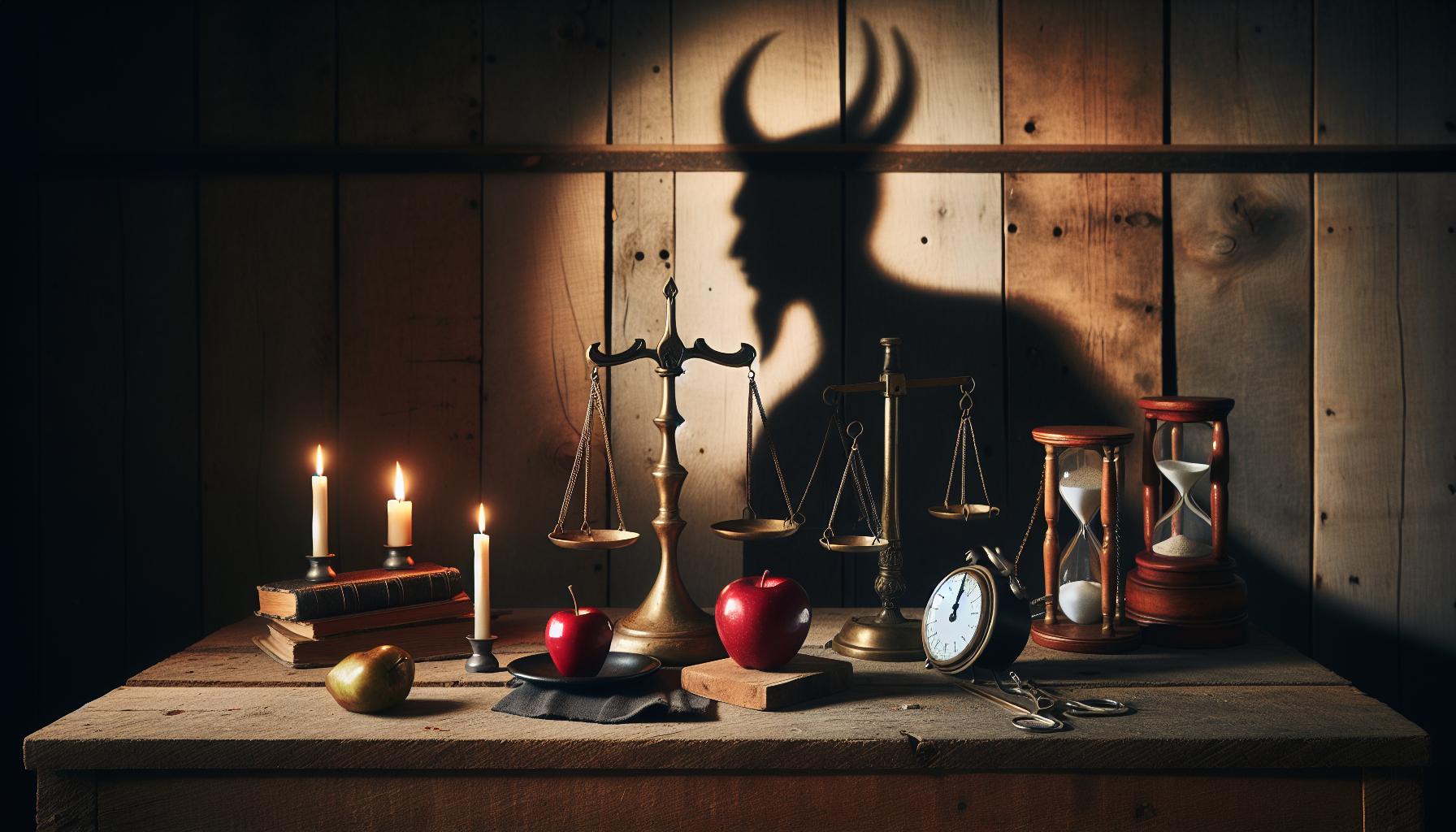
Common Misconceptions About the Devil Card
Many people approach the Devil tarot card with a sense of trepidation, often viewing it solely as a representation of evil or malice. This misconception can lead to the disregard of the rich and complex meanings held within the card. In truth, the Devil embodies far more than mere negativity; it invites a deeper exploration into our inner lives and the constraints we place upon ourselves. Rather than an omen of doom, the Devil encourages self-awareness and the confrontation of personal challenges.
A common misunderstanding is that the Devil card heralds punishment or misfortune. This idea stems from traditional interpretations focusing on fear and judgment. However, when the Devil appears in a reading, it often signifies the presence of urge, desire, or addiction, urging us to examine what keeps us bound. For example, someone grappling with financial stress may interpret the Devil as a sign to confront their spending habits, rather than viewing it as a harbinger of bad luck. This shift in perspective can transform the card from a source of fear into a tool of empowerment.
Another misconception is that the Devil signifies a lack of morality or ethical standards. Instead, this card focuses on the allure of temptation and the often unconscious choices we make in pursuit of pleasure. Just as the card’s imagery depicts figures chained yet seemingly free to remove their shackles, it reminds us that we often have the power to free ourselves from unhealthy patterns. By acknowledging our impulses without judgment, we are empowered to make conscious choices that align with our deeper values.
Lastly, many believe that the Devil card suggests a purely negative journey in love or relationships. While it does highlight themes of obsession and hedonism, it also offers profound insights into human connection. It can point to the need for boundaries in relationships or the exploration of desires that may otherwise go unacknowledged. For instance, someone might find clarity about the dynamics in a toxic relationship when confronted with the Devil, paving the way for healthier interactions.
Embracing the full scope of the Devil card’s meaning allows for transformative potential. By addressing these common misconceptions, readers can unlock a deeper understanding of this influential card and learn to approach its lessons with curiosity and courage.
How to Interpret the Devil in Readings
When interpreting the Devil card in a tarot reading, it’s essential to remember that this card often appears not merely as a representation of darkness, but as an invitation to explore our relationship with our desires and fears. The imagery of the Devil often depicts figures bound but not truly imprisoned, symbolizing the self-imposed limitations and dependencies that may be at play in one’s life. The presence of this card encourages a fearless examination of the chains that bind us, urging us to confront the shadows rather than shy away from them.
In practice, to interpret the Devil in your readings, consider the context of the question or situation at hand. Here’s a simple approach:
- Identify the Issue: What is the primary concern of the querent? Is it about a relationship, career, or personal habits?
- Assess Personal Links: Encourage reflection on their desires and fears. Ask questions like: “What addictions or habits might be influencing your situation?” or “Are there external temptations steering you off your path?”
When drawn in a love reading, the Devil can indicate an intense attraction or a relationship marked by co-dependency. It’s a call to recognize desires’ power and challenges and to evaluate whether these connections empower or imprison. Conversely, in career-related readings, the Devil may reflect fears related to ambition or drive, highlighting patterns of overwork or unhealthy competition.
Real-world example: Imagine a client who has drawn the Devil card while asking about their job situation. You might explore whether they feel trapped by their role or overly reliant on workplace validation. Prompt them to consider; what gives them a sense of fulfillment? Are they pursuing their passions or merely conforming to expectations?
By engaging with the Devil card in this way, you support the querent in recognizing the shadows of their internal landscape and encourage steps toward liberation. Each interpretation becomes a tool for empowerment, emphasizing that understanding and accepting our darker urges is vital to achieving personal freedom. Embrace the complexity of this card, as it can lead to transformative insights and greater self-awareness.
The Devil Card’s Influence in Different Spreads
In different tarot spreads, the presence of the Devil card can significantly impact the interpretation of surrounding cards and the overall reading. This card often serves as a lens through which to examine deeper issues such as addiction, dependency, and the nature of one’s fears and desires. Its influence can vary depending on the position it occupies within the spread and the question being posed.
Influence in Common Spreads
When the Devil appears in a three-card spread, its role can serve different functions depending on its placement. For example, if the card is positioned in the past category, it may indicate a history of unhealthy patterns or toxic relationships that need to be acknowledged for healing to occur. In the present position, it can signify ongoing struggles with temptation, hinting at the importance of self-reflection on what might be currently holding you back. If found in the future spot, this card typically urges caution, suggesting a potential risk of repeating past mistakes unless conscious steps toward change are taken.
Similarly, in a Celtic Cross spread, the Devil card can play a pivotal role in assessing both challenges and external influences. When it appears in the obstacle position, it often highlights fears or compulsions that may be preventing progress. In the advice position, the card encourages embracing your shadow self, advocating for a closer examination of what truly influences your decisions and actions. This dual aspect makes it vital to explore whether you are being empowered or shackled by circumstances that seem beyond your control.
Specific Scenarios
Consider a scenario where a querent draws the Devil card in a relationship reading. If placed in the outcome position, this card may suggest that the relationship risks becoming co-dependent or filled with unhealthy entanglements. It prompts the querent to reflect on whether the connection encourages mutual growth or fosters a cycle of dependency. Conversely, if the Devil card lands in the advice position, it may suggest the need to confront any toxic dynamics actively and to prioritize personal freedom and self-investment.
Ultimately, engaging with the Devil card across various spreads not only illuminates shadows within the self but also reinforces the necessity of understanding and confronting these darker aspects. Embracing the full impact of the Devil can lead to profound personal insights and facilitate transformation, making tarot a powerful tool for personal growth and introspection. By encouraging an open dialogue with this card, readers can unlock pathways to empowerment, reminding us that even the most daunting energies can catalyze significant change in our lives.
Exploring The Shadow Self Through the Devil
The Devil card is often misunderstood, perceived as a harbinger of doom or negativity; however, its true essence lies in the exploration of our shadow self-the unacknowledged parts of our psyche that harbor our fears, temptations, and deeper struggles. By gaining insight from the Devil, we have the potential to recognize these darker aspects not as threats, but as opportunities for growth and enlightenment.
Engaging with the Devil card invites a deep dive into our habits and choices that may be holding us back. It encourages us to confront the motivations behind our actions, especially those that stem from insecurity or fear. For instance, someone who is consistently drawn to toxic relationships may find that the Devil card symbolizes the dependence on external validation, urging them to reflect on their self-worth and the boundaries they set. Recognizing these patterns is the first step toward embracing change.
When interpreting the Devil within a reading, consider it as a prompting to question your attachments and dependencies. Are you holding on to something that no longer serves you, like a job that drains your energy or a friendship that feels one-sided? Elements of the shadow self often involve hidden desires or fears we are reluctant to face, making it crucial to approach these revelations with compassion rather than judgment. By doing so, you empower yourself to break cycles of negativity and reclaim your autonomy.
As you navigate your journey with the Devil card, practical steps can facilitate this exploration. Start a journal where you openly note down feelings or situations that evoke strong emotions-anger, sadness, or temptation. This act of writing can illuminate patterns you might not see day to day. Additionally, consider practicing mindfulness or meditation to help center yourself as you confront challenging emotions; this creates a safe space for introspection without overwhelming yourself.
Ultimately, the Devil card is a powerful ally in understanding and integrating the shadow self. Rather than shying away from the darkness, embracing it fosters acceptance and transformation, turning perceived burdens into insightful guides for personal growth. Through this lens, you can transform fear into empowerment, allowing the energies associated with the Devil to lead you toward healing and authenticity.
The Devil Card in Love and Relationships
In matters of love and relationships, the Devil card presents a captivating complexity that can reveal much about our deepest connections and emotional patterns. Often associated with themes of desire, addiction, and entrapment, this card challenges us to examine our attachments and the influences they impose on our lives. When the Devil appears in a reading focused on romance, it serves as a mirror, reflecting not only the passion and allure of our bonds but also the potential pitfalls that come with them.
One significant aspect to consider is the idea of dependency. The Devil card can indicate a relationship that feels intoxicating, yet may also possess elements of possessiveness or unhealthy attachment. If you find yourself drawn to someone in a manner that feels overwhelming or all-consuming, the presence of the Devil can prompt reflection. Ask yourself: Are you losing your sense of self in this connection? Are your choices being driven more by fear of loss or loneliness than by genuine love and mutual respect? Recognizing these dynamics allows for a more conscious approach to love, enabling you to set healthier boundaries that protect your emotional well-being.
Understanding Attachment Styles
The Devil card encourages us to explore our attachment styles, which influence how we form emotional bonds. Patterns originating from past experiences might manifest in current relationships as fears or desires that lead us to cling to partners who may not serve our higher selves. Here are a few key points to reflect upon:
- Acknowledge Patterns: Observe recurring themes in your past relationships. Do you often end up with partners who are emotionally unavailable or toxic? The Devil can prompt you to confront these patterns.
- Communicate Openly: Honest communication with your partner about your needs and fears is essential. The Devil’s energy can sometimes lead to miscommunication or misunderstanding; establishing clarity can help.
- Seek Balance: Strive for a balance between desire and self-care. Ensure that your relationships enrich your life rather than drain it, fostering growth for both partners.
Transformation Through Awareness
While the Devil card can denote challenges, it also carries transformative power. By confronting the darker aspects of love-be they jealousy, addiction, or codependency-you can pave the way for deeper intimacy and healing. Consider the following ways to work with this energy:
- Journaling: Write about your feelings regarding your relationship. What do you love about it? What concerns you? This practice can unveil hidden truths that you may need to address.
- Mindfulness Practices: Engaging in mindfulness or meditation can help you stay present in your relationship, allowing you to respond rather than react to emotional triggers.
- Counseling or Support Groups: If you find that issues of dependency or addiction are dominating your love life, seeking support can provide invaluable insights and help you navigate these challenges more effectively.
In embracing the lessons of the Devil card, you empower yourself to pursue love that is not merely addictive but enriching and fulfilling. Instead of allowing fear to dictate your choices, you can harness the depths of your desires to forge connections that foster both passion and personal growth.
The Devil Card and Career Insights
The Devil Tarot card often stirs a mix of intrigue and unease, particularly when it appears in career readings. This card signifies the challenges and limitations we may face in our professional lives, often hinting at feelings of being trapped or overly bound by the demands of our work. It encourages us to examine our motivations and whether we have become too entwined with material success or toxic work environments.
Identifying patterns is key when the Devil shows up in your career spread. Are you clinging to a job out of fear, security, or the allure of status? Alternatively, you might be caught in a pattern of overwork, pushing yourself to the brink for the sake of achievement or external validation. Acknowledge this dynamic as a first step toward reclaiming your power. Here are some practical actions to consider:
- Reflect on Your Work Environment: Take stock of the influences around you. Is your workplace fostering growth and creativity, or does it feel stifling and manipulative? Understanding this can guide your next steps.
- Set Boundaries: If work demands are imposing on your personal life, it’s vital to draw clear boundaries. Decide which tasks are essential and learn to say no to those that drain your energy without corresponding benefit.
- Reevaluate Goals: Are your professional goals aligned with your true passions? The Devil can indicate the allure of ambition; take time to ensure your career path is genuinely fulfilling rather than simply lucrative.
The Devil card can also serve as a catalyst for transformation in your career. By facing your fears surrounding work, such as fear of failure or the anxiety of change, you can harness the card’s energy for personal and professional growth. For instance, if you feel stuck in a cycle of dependency on your monthly paycheck, consider taking steps to diversify your skills or explore new job opportunities that excite you.
Ultimately, engaging with the energy of the Devil can lead to profound insights. Seek support, whether from mentors, colleagues, or even peers who understand your struggles. Toolkits such as mindfulness or journaling about your work experiences can help illuminate patterns needing attention. Approaching the challenges posed by this card with curiosity allows you not just to survive but to thrive in your career journey.
Transformative Power of the Devil Card
The Devil card in Tarot is often misunderstood, seen solely as a symbol of negativity or bondage. However, its transformative power is anything but limiting. This card invites you to confront the darker aspects of your psyche and external circumstances, revealing the power of choice and the potential for liberation. By recognizing the chains that bind you-be they fears, addictions, toxic relationships, or limiting beliefs-you can begin to break free and reclaim your personal power.
Engaging with the energy of the Devil card encourages deep personal exploration. It’s about embracing your shadow self-the part of you that houses repressed feelings, desires, and instincts. Instead of shying away from these truths, consider them opportunities for growth. The card asks: What do you truly want, and what are you willing to confront to achieve it? Reflect on the areas where you feel trapped. Are there behaviors or habits that require scrutiny? Acknowledging these patterns can set the stage for profound transformation.
Here are some practical steps to harness the transformative energy of the Devil card:
- Face Your Fears: Write down what you feel is holding you back. This could include fears of failure, judgment, or even success. Acknowledging these thoughts is the first step toward overcoming them.
- Set Intentions: Use the clarity gained from self-reflection to set powerful intentions. What changes do you want to manifest? How can you align your daily actions with these goals?
- Take Action: Choose one small thing you can do today that brings you closer to liberation from whatever is weighing you down. This might be having a tough conversation, seeking help, or simply letting go of something that no longer serves you.
Ultimately, the Devil card is less about punishment and more about empowerment. It challenges you to dig deep, confront your truth, and emerge stronger. Embrace its lessons, and you may find that the obstacles it presents become stepping stones on your path to transformation. The journey isn’t easy, but it offers the chance to discover a more authentic version of yourself, unencumbered by fear or restraint.
Spiritual Lessons from the Devil Tarot Card
Engaging with the Devil card in Tarot unveils profound spiritual lessons that can deepen your self-understanding and personal growth. This card isn’t merely about negative influences; instead, it shines a light on the duality of our existence-the interplay between our desires and our sense of freedom. At its core, the Devil challenges us to look beyond superficial interpretations and instead explore our inner complexities. It invites reflection on the aspects of ourselves that we often keep hidden or suppressed.
One of the primary lessons from the Devil card is about facing our addictions and dependencies. These can manifest in many forms, from substance abuse to unhealthy relationships and self-sabotaging patterns. By acknowledging what chains us, we start the journey toward liberation. It’s essential to ask yourself: What holds you back? Understanding these roots can catalyze healing and transformation. For example, if you recognize a tendency toward procrastination, the card encourages you to examine why you hesitate and what fears uphold that behavior, paving the way for proactive change.
The Devil card also emphasizes the importance of choice and personal empowerment. It reminds us that, while we may feel trapped, we often possess the agency to alter our circumstances. Harnessing this energy means taking accountability for our actions and decisions. When you draw the Devil in a reading, consider how you can reclaim your power. Are there circumstances that you’ve accepted passively? Evaluate your situation through this lens, focusing on concrete steps to regain control.
Lastly, the spiritual lesson of embracing the shadow self cannot be overlooked. The Devil encourages you to explore the parts of yourself that society often labels as undesirable. This exploration isn’t meant to create shame but to cultivate a deeper understanding and acceptance of your entire being. When confronted with these shadow elements, practice self-compassion and curiosity. Engage in journaling or meditative practices focused on self-inquiry to uncover insights about your true desires and motivations.
In summary, the Devil card serves as a potent catalyst for introspection and transformation. By recognizing the lessons it offers-facing dependencies, reclaiming agency, and embracing your shadow-you unlock pathways to personal growth and spiritual fulfillment. With these insights, you can navigate life’s challenges with greater awareness and strength, ultimately emerging more aligned with your authentic self.
Practical Tips for Working with the Devil Card
Working with the Devil tarot card can be a transformative experience, as it invites you to confront your inner demons and uncover hidden potentials. One of the most important steps is to approach the card with curiosity rather than fear. Recognizing that the Devil often symbolizes the aspects of ourselves we desire to ignore allows for profound personal growth. Here are some practical tips to make the most of your journey with the Devil card.
Reflect on Your Triggers
Start by examining what in your life may resonate with the themes of the Devil. Keep a journal where you track situations that stir feelings of entrapment or temptation. Ask yourself, What situations activate these feelings? Write down your thoughts and emotions surrounding these triggers. This practice not only enhances your self-awareness but also illuminates patterns in your behavior.
Identify Dependencies and Addictions
The Devil card often points to dependencies that hold you back, whether they be substances, relationships, or certain habits. Make a list of what you believe could be limiting your life. Then, for each item, consider practical steps to address these dependencies. For example:
- If you listed procrastination: Break tasks into smaller steps and set achievable goals.
- If poor relationships were noted: Establish boundaries or seek support to navigate these connections.
Practice Self-Compassion
Engage in self-reflection with kindness. The Devil urges you to embrace your shadow self-those parts of you that feel less than desirable. This process doesn’t have to be harsh; consider using loving affirmations about your journey. Remind yourself that everyone grapples with their own struggles. An example affirmation might be, “I acknowledge my challenges as pathways to growth.”
Use the Power of Choice
When the Devil card appears, remember it emphasizes agency. Create a personal mantra that reinforces your power over your circumstances. For example, “I choose my path, and I can decide what chains me.” Meditate on this mantra, visualizing yourself breaking free from your limitations. Develop a strategy-whether it’s journaling, meditation, or working with a therapist-that empowers you to reclaim control over your life.
By incorporating these practical approaches, you can navigate the intricate messages of the Devil tarot card with confidence and clarity. Each step taken towards understanding the Devil enhances not only your tarot practice but also your journey toward self-discovery and empowerment.
Case Studies: Real Tarot Readings Featuring the Devil
The presence of the Devil card in a tarot reading often stirs a mix of intrigue and apprehension. To demystify this powerful card, let’s explore a few real-life case studies that showcase its significance and the personal growth that can arise from confronting its themes.
In one session, a client named Sarah drew the Devil in a relationship-focused reading. Initially, she recoiled at the card’s reputation, fearing it signified a toxic relationship. However, as we delved deeper, it became evident that the card urged her to reflect on her patterns of dependency and fear of abandonment. The reading sparked an important conversation about how her past experiences shaped her current relationship. By identifying these patterns, Sarah was empowered to establish healthier boundaries, shifting her relationship dynamics positively.
Another client, Mike, approached his reading seeking guidance on his career path. The Devil card appeared prominently, indicating his struggle with materialism and excessive ambition. It challenged him to consider whether his job truly fulfilled him or if he was merely chasing status. Through reflective questioning and exploration of his motivations, Mike realized he was prioritizing financial gain over job satisfaction. This revelation motivated him to explore a passion project he had sidelined, leading to a transformative shift where he began balancing financial stability with personal fulfillment.
In a different example, Eleanor’s reading focused on personal development; she frequently faced anxiety and felt trapped by negative self-beliefs. Drawing the Devil provided an opportunity to explore her shadow self-the fears and doubts she kept bottled up. This became a catalyst for self-compassion and acceptance, allowing her to turn these inward struggles into a powerful narrative of resilience. Eleanor learned to acknowledge her fears without letting them define her, ultimately fostering a healthier self-image.
Through these case studies, it’s clear that while the Devil card can initially be daunting, it serves as a profound tool for introspection and growth. Engaging with its messages encourages individuals to confront their inner struggles, empowering them to transform limitations into strengths. By lending an open mind and heart to the insights offered by the Devil, clients can navigate their shadows, ultimately fostering a deeper sense of self-awareness and empowerment on their journeys.
Q&A
Q: What does the 15th Tarot card, The Devil, symbolize?
A: The 15th Tarot card, The Devil, symbolizes temptation, addiction, and materialism. It often represents the darker aspects of human nature, inviting reflection on oneself and the chains that bind us, whether they be emotional, physical, or spiritual.
Q: How can I use The Devil card for personal growth?
A: To use The Devil card for personal growth, acknowledge its message about self-imposed limitations. Engage in self-reflection to recognize any toxic patterns or dependencies in your life. This card encourages you to confront fears and release what no longer serves you.
Q: In what situations should The Devil card appear in a Tarot reading?
A: The Devil card typically appears in readings when confronting obstacles related to addictions, unhealthy relationships, or material attachments. It prompts a deeper examination of what holds you back, guiding to a path of freedom and self-empowerment.
Q: How does The Devil card connect with the concept of the shadow self?
A: The Devil card is closely linked to the shadow self, representing the repressed and often denied aspects of our personality. By confronting this card, you can begin to integrate these hidden facets, fostering greater self-awareness and personal transformation.
Q: Can The Devil card have positive meanings in a Tarot reading?
A: Yes, The Devil card can have positive implications, such as illustrating the power of liberation from negative influences. It can signify the awakening of personal strength and the choice to break free from limits, leading to enlightenment and empowerment.
Q: What questions should I ask myself when The Devil appears in my reading?
A: When The Devil card appears, ask yourself: What am I attached to? or Where do I feel powerless? These questions may help to uncover areas needing change and motivate you to confront your fears and challenges.
Q: How can The Devil card impact my love life?
A: In love readings, The Devil card can indicate obsessions or destructive patterns within relationships. It invites you to assess if any unhealthy dynamics are present, encouraging open dialogue and the pursuit of growth and honesty with your partner.
Q: How can I interpret The Devil card in a career context?
A: In a career context, The Devil card highlights manipulation, power struggles, or unhealthy work environments. It encourages you to evaluate if your job aligns with your values and whether you feel trapped in a position that hinders your personal development.
Wrapping Up
As we delve into the intricate meaning of the 15th Tarot card, The Devil, remember that its lessons challenge us to confront inner demons and embrace liberation from self-imposed constraints. Reflect on how the insights gained today can empower your spiritual journey. Don’t hesitate to explore related articles like “Understanding the 16th Tarot Card: The Tower” and “How to Use Tarot for Personal Growth” for a deeper understanding of your Tarot practice.
If you found this exploration of The Devil enlightening, consider subscribing to our newsletter for more Tarot insights delivered right to your inbox. Your journey through the Tarot does not end here; take the next step by checking out our resources on meditation techniques to enhance your readings or consulting with our experts for personalized guidance. Join the conversation in the comments below-share your thoughts or experiences with The Devil card, and connect with fellow seekers. Tarot is a tool for everyone; together, let’s unlock its mysteries!
Get our latest guides, news, and insights highlighted in your Google Search & AI Overviews.