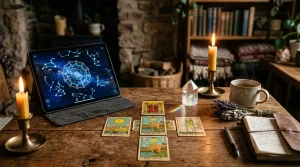
In the world of divination, Tarot and Oracle cards are two popular tools, but they serve distinct purposes. While Tarot offers a structured system of symbolism and archetypes, Oracle cards provide more flexibility with varied themes and messages. This difference is crucial for anyone looking to deepen their connection to intuition and spirituality.
Think of what you seek: guidance on life’s questions or an inspiration to ignite your creativity. Understanding the unique qualities of each can empower you to choose the right tool for your needs. As we explore the intricacies of Tarot and Oracle cards, you’ll discover how these mystical instruments can illuminate your path and enhance your personal journey. Get ready to unlock the secrets of these fascinating resources and see how they can enhance your intuitive practices!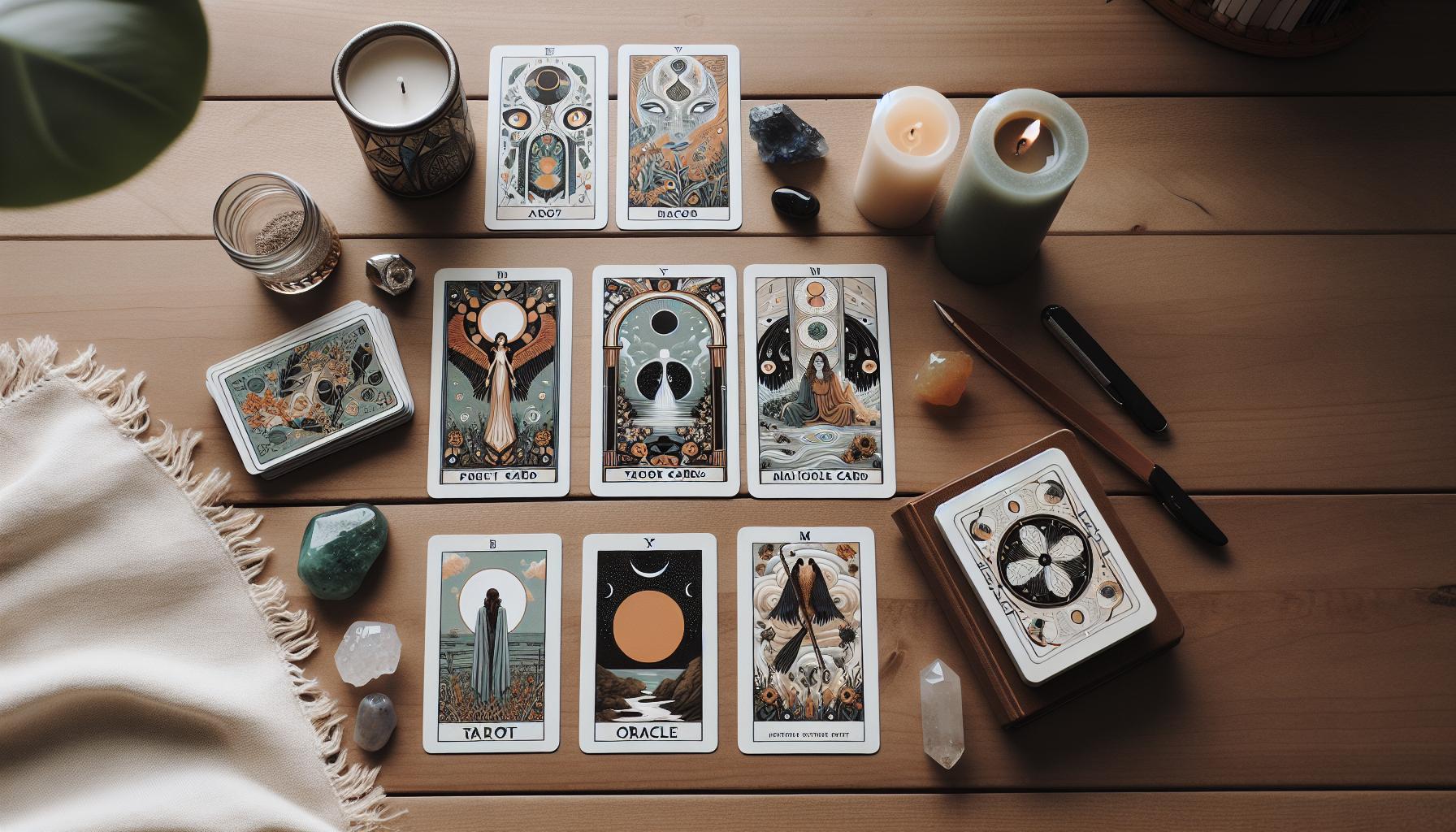
Understanding Tarot Cards: A Beginner’s Guide
To truly appreciate the practice of Tarot, one must first understand what it is. Tarot cards are a powerful tool for introspection and guidance. Traditionally composed of 78 cards, a Tarot deck consists of the Major Arcana, which includes 22 cards symbolizing significant life events and spiritual lessons, and the Minor Arcana, made up of 56 cards that reflect everyday experiences and situations. Each card is imbued with rich symbolism and meaning, allowing them to serve as mirrors reflecting our inner thoughts and feelings.
Engaging with Tarot involves more than simply interpreting the cards; it’s about fostering a connection with your intuition. As a beginner, start by familiarizing yourself with the imagery and meanings of the cards. Use resources like guidebooks or online courses to aid your understanding. A simple way to begin is by drawing one card daily, noting its meaning, and reflecting on how it applies to your life. This practice cultivates your intuitive skills, helps you recognize patterns, and encourages deeper self-awareness.
When it comes to reading Tarot, a common technique is employing spreads-specific layouts that guide the interpretation of multiple cards. For example, a three-card spread can represent the past, present, and future, while a more complex Celtic Cross spread delves into various aspects of a life situation. With each reading, allow the meanings of the cards to unfold naturally. Rather than seeking definitive answers, view the cards as prompts for reflection and inspiration, offering guidance rather than strict predictions.
Understanding Tarot is an empowering journey, one that encourages you to explore your spirituality and intuition. Remember, Tarot is not just for the seasoned mystic; it’s a practice that welcomes everyone-whether you’re a curious skeptic or a devoted practitioner. Embrace the learning process, and over time, you’ll find that the cards can help illuminate the path before you, enhancing your connection to both yourself and the universe.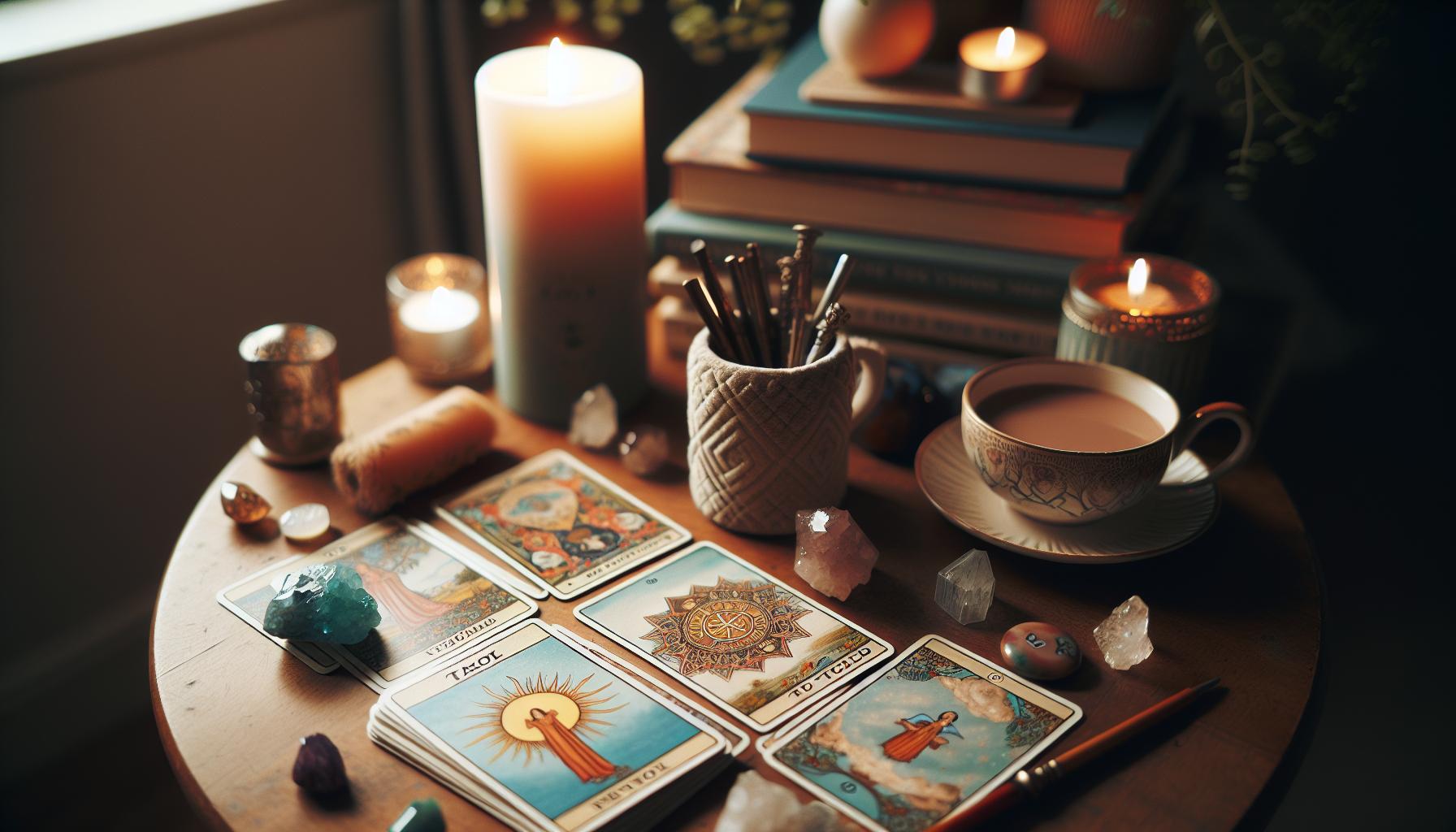
What Are Oracle Cards? Unraveling Their Mystique
Oracle cards are an intriguing alternative to the more commonly known Tarot cards, beckoning both seasoned readers and curious newcomers alike. Typically, an oracle deck consists of a varying number of cards, each adorned with unique artwork and messages tailored to convey specific themes or aspects of the user’s life. Unlike Tarot, which follows a structured system of 78 cards divided into the Major and Minor Arcana, oracle decks can deviate from conventional formats, allowing for greater flexibility in both interpretation and use. This aspect makes oracle cards appealing for those who seek a less rigid approach to card reading.
Each oracle card is inflected with personal insight and intuitive guidance, often designed around a particular theme, be it self-love, guidance from spirit, or life lessons. The messages can be uplifting, comforting, or even challenging, inviting the reader to reflect on their current circumstances. For instance, drawing a card from an oracle deck about self-empowerment might offer affirmations or prompts encouraging one to embrace their inner strength. This unique quality positions oracle cards as a versatile tool for introspection, regardless of one’s prior experience or beliefs.
How to Use Oracle Cards
When it comes to utilizing oracle cards in your spiritual practice, the possibilities are boundless. Here are a few simple steps to get started:
- Choose Your Deck: Select an oracle deck that resonates with you personally. This could be one that aligns with your spiritual beliefs or simply one whose artwork you find appealing.
- Set Your Intention: Before beginning your reading, take a moment to set a clear intention. What guidance do you seek today? This could range from asking for advice on a specific issue to seeking general insight.
- Draw Your Cards: Shuffle the deck while focusing on your intention, then draw one or more cards. It’s often beneficial to meditate briefly on the imagery and messages of the cards before interpreting them.
- Reflect and Integrate: Spend time reflecting on the messages conveyed by the cards. Journaling about your insights can deepen your understanding and help you apply the guidance to your situation.
The beauty of oracle cards lies in their capacity to adapt to the reader’s personal style. You can draw a single card for daily guidance, use several cards for a deeper reading, or even implement spreads to explore relationships or decision-making processes. This adaptability encourages individuals to develop their own intuitive practices, creating a personal connection with each reading that feels both authentic and enlightening.
Whether you are a skeptic or a believer, oracle cards can serve as a nurturing companion on your journey of self-discovery, offering gentle nudges towards growth and clarity while fostering a connection to your inner wisdom and the larger universe around you. Embrace the mystique of oracle cards, and let them illuminate your path in ways that feel uniquely meaningful to you.
Key Differences Between Tarot and Oracle Cards
When exploring the mystical realms of card reading, understanding the distinctions between Tarot and Oracle cards can significantly enhance your practice. At the heart of their differences lies structure versus flexibility. Tarot decks typically consist of 78 cards, categorized into the Major Arcana and Minor Arcana, each card carrying rich symbolism and specific meanings that have been honed over centuries. This structural approach offers a consistent framework for readings and allows for deeper exploration of themes such as life cycles, challenges, and personal growth.
In contrast, oracle cards are free from rigid formats; decks can vary in size (often ranging from 20 to 60 cards or more) and design. The themes of oracle decks can be personalized, encompassing diverse areas such as self-care, angel messages, or even affirmations. This versatility makes oracle cards more approachable for those who may feel intimidated by the complexity of Tarot. Consequently, readers can draw wisdom from oracle cards without needing to memorize established meanings, thereby fostering personal intuition.
The differences extend into interpretation styles as well. Tarot readings often utilize specific spreads, which determine the position of each card and its meaning in context, facilitating detailed storytelling and analysis. For example, a three-card spread might represent the past, present, and future, allowing for nuanced insights into a situation. Oracle cards, however, lend themselves to more spontaneous interpretations; you might draw a single card for daily inspiration or pull several cards intuitively, focusing directly on personal insight without predetermined meanings tied to specific placements.
By embracing both Tarot and oracle cards, you can diversify your readings and deepen your intuitive practices. Experimenting with both may reveal which resonates more with your inner guidance. Whether you lean towards the structured storytelling of Tarot or the open-ended messages of oracle cards, each tool offers unique avenues for reflection and connection to your spiritual self. Embrace the journey, explore your preferences, and trust your intuition as you navigate this fascinating world of card reading.
How to Choose Between Tarot and Oracle Cards
Choosing between Tarot and oracle cards can feel overwhelming, especially for those new to the world of card reading. Each tool offers unique benefits, and understanding your own needs and intentions is key to making the right choice. Here are some helpful guidelines to navigate this decision.
One clear distinction lies in the structure of the decks. If you appreciate a formal framework and enjoy delving into the meanings of various card placements, Tarot might be your best bet. A typical Tarot deck consists of 78 cards, each with specific meanings, strengths, and storylines that evolve through spreads. For example, if you are exploring complex emotional issues or life transitions, a Tarot reading can provide in-depth insights through multiple cards positioned to reflect your past, present, and future.
Conversely, if you prefer a more flexible approach to your readings, oracle cards may suit you better. These decks can vary widely in the number of cards and themes, which often focus on personal empowerment, inspiration, or affirmations. Using oracle cards allows for spontaneous and intuitive readings-drawing a single card for daily guidance can be a gentle and affirming experience.
When choosing, consider your reading style and comfort level. Beginners may find oracle cards less intimidating and more accessible, as they don’t require memorizing complex meanings. On the other hand, if you seek depth and the ability to explore intricate narratives, starting with Tarot can enrich your spiritual practice.
Ultimately, the choice should reflect your personal journey. Experimenting with both Tarot and oracle cards can not only deepen your understanding of card reading but also enhance your connection to your intuition. Trust the process; whether you go with the structured beauty of Tarot or the free spirit of oracle cards, the journey is yours to embrace.
Common Misconceptions About Tarot and Oracle Cards
Many newcomers to the world of card reading carry misconceptions about tarot and oracle cards, often stemming from cultural portrayals that paint these tools as mysterious or even ominous. This often leads to a fear of misinterpretation or a belief that only a gifted few can master these arts. The truth is, both tarot and oracle cards are accessible to anyone willing to explore their meanings and develop their intuition.
One common myth is that tarot cards predict the future with certainty. While tarot can offer insights into potential outcomes based on current circumstances and energies, it is ultimately a guide that reflects the querent’s choices and paths. Each card’s message can shift depending on various factors, including the question asked and the reader’s intuition. It’s essential to approach tarot as a tool for reflection rather than a definitive prophecy.
Similarly, some see oracle cards as less valid or inferior to tarot. This stems from a misunderstanding of their structure and purpose. Oracle decks can be just as profound but operate under different principles. They often promote inspiration and self-reflection, with themes and messages that vary widely. Each oracle deck is unique, designed for flexibility in interpretation and guidance. Many find that oracle cards complement tarot readings well, enhancing the overall experience.
Lastly, there’s a misconception that only those with artistic talents can create or choose a deck. In reality, the connection you feel to a deck matters far more than artistic merit. Each person’s spiritual journey is personal and unique. Whether through vibrant imagery or soothing affirmations, the right deck for you will resonate on a deeper emotional level, allowing you to tap into your intuitive abilities with confidence.
In essence, these tools are for everyone. By dispelling these misconceptions, you open the door to a more enriching and empowering experience with tarot and oracle cards. The journey of exploration, intuition, and self-discovery awaits-trust in your capability to embrace this ancient art.
Exploring Different Tarot Decks and Styles
Exploring the vast array of tarot decks available is like walking through a gallery of personal expression and spiritual insight. Each deck tells a story, not just through its imagery but also through its unique approach to the traditional tarot structure. While the classic Rider-Waite deck is widely recognized and revered, there are countless variations that speak to different personal tastes, cultural backgrounds, and thematic concepts. This diversity can be exciting and perhaps overwhelming for a beginner.
When choosing a tarot deck, consider what resonates with you on a personal level. Artistic style plays a significant role; some may be drawn to lush, fantastical artwork, while others might prefer minimalist designs. Themes are also diverse-decks inspired by mythology, nature, or even pop culture can provide a fresh perspective on the same archetypal meanings found in traditional tarot. For example, the “Wild Unknown Tarot” features striking animal imagery and embodies a more instinctual approach, while the “Thoth Tarot” reflects a deeper exploration of esoteric symbolism.
Another important factor is the interpretation of the cards themselves. Different decks may have unique symbolism or keywords associated with each card, reflecting the creator’s particular slant on the tarot’s meanings. It’s beneficial to connect deeply with the guidebook that accompanies your deck; some provide extensive context and exercises, while others might lean towards a straightforward interpretation. For beginners, decks with clear, approachable guidebooks may ease the learning curve.
As you explore different decks, don’t forget that there are no hard and fast rules-the right deck for you is one that feels right intuitively. Consider experimenting with a few different styles through community groups or online previews. Engaging with others in the tarot community can not only enhance your experience but also provide insight into how different decks are utilized in readings. This journey will ultimately enhance your intuitive abilities, as each deck offers a new lens through which to view the tarot’s rich tapestry of meanings.
Diving Into Oracle Card Variations
Diving into the world of oracle cards reveals a rich tapestry of possibilities and unique expressions. Unlike tarot decks, which are structured with a fixed number of cards and suits, oracle cards can vary widely in number, theme, and artistic style. This flexibility allows creators to explore personal and diverse spiritual themes, making each oracle deck a unique tool for guidance and reflection.
When considering oracle card variations, it’s important to recognize their distinct approaches. While tarot cards are often steeped in symbolism and storytelling drawn from a shared tradition, oracle cards can take on a more intuitive form. For instance, some oracle decks focus on affirmations, offering motivational guidance, while others may delve into animal wisdom, utilizing imagery and messages from nature to inspire connection and understanding. This diversity allows practitioners to choose decks that resonate with their current needs or interests.
Types of Oracle Cards
To better understand oracle cards, here are a few common types you might encounter:
- Affirmation Cards: These decks focus on positive messages that uplift and motivate.
- Animal Spirit Cards: Featuring animals as guides, these cards often provide insights based on animal totems.
- Healing or Chakra Cards: These decks are designed to promote healing energy and balance within the body’s energy centers.
- Message Cards: Typically carrying concise messages or themes, these cards can serve as quick inspirational notes.
Exploring these variations can significantly enhance your reading experience. When selecting an oracle deck, consider what speaks to your intuition and aligns with your spiritual journey. Some may feel drawn to the vibrant imagery of a healing deck, while others might seek the straightforward wisdom of affirmation cards.
Remember, there are no rigid rules governing oracle card readings. You can create your own spreads or simply draw a single card for daily guidance. Trust your instincts and approach the cards with an open mind; you’ll discover that the beauty of oracle cards lies not just in their interpretations, but in the personal connection you forge with them.
When to Use Tarot vs. Oracle Cards
When deciding between tarot and oracle cards, it’s essential to consider the unique qualities and strengths of each tool, as they can serve different purposes and resonate differently with your intuitive journey. Tarot cards are structured and rich in symbolism, offering a profound narrative through their 78 cards divided into major and minor arcana. This structure is beneficial for in-depth readings where you seek to explore complex issues, gain insights into past influences, or map out potential future paths. A classic tarot spread, such as the three-card spread (past, present, future), can reveal intricate details about your situation, providing clarity and direction.
On the other hand, oracle cards shine in their flexibility and brevity. With decks varying significantly in theme and number of cards, they can be highly accessible and easy to interpret, making them ideal for quick guidance or daily affirmation. For instance, you might draw a single oracle card in the morning as a source of inspiration for the day ahead or turn to a healing oracle deck during times of emotional distress for a comforting message that resonates with your current needs. The beauty of oracle cards is that they can adapt to your mood and intentions, allowing for a more personal connection.
Consider the emotional and mental space you are in when choosing between the two. If you feel overwhelmed or are new to card readings, oracle cards might be the gentler introduction you need. Their straightforward messages can provide reassurance and a simple touchpoint without the depth of analysis that tarot cards may require. Conversely, if you are ready for a deeper exploration of your inner landscape and are seeking to uncover hidden truths or patterns, tarot can be a powerful ally.
Ultimately, integrating both tarot and oracle cards into your practice can enrich your spiritual journey. You might use tarot for extensive readings on significant life decisions, while turning to oracle cards for daily insights and affirmation. Embrace the strengths of each system to enhance your understanding of yourself and the world around you, and above all, trust your intuition to guide you in using these tools effectively.
Reading Techniques: Tarot Spreads vs. Oracle Layouts
When it comes to reading techniques, the differences between tarot spreads and oracle layouts can significantly influence your experience and insights. Both methods offer unique pathways for exploration, each presenting a distinct approach to card reading that caters to various needs and preferences.
Tarot spreads are structured, typically designed to seek deeper understanding and insight into complex questions or situations. A commonly used spread is the Three-Card Spread, where each card represents the past, present, and future. This layout allows you to explore how past experiences shape your current situation and what potential outcomes may arise. Other popular spreads include the Celtic Cross, which offers a comprehensive view of your current life challenges and opportunities through multiple cards representing different aspects of your life. As you become more comfortable with tarot, you may create custom spreads tailored to your specific inquiries, allowing for a more personalized reading experience.
In contrast, oracle card layouts are often more flexible and less rigid, which can make them easier to use, especially for beginners. A typical approach might involve drawing a single card for daily guidance or pulling a few cards to form a narrative around a current emotion or situation. Oracle cards often come with their own instructions and themes, which simplify the reading process. For example, if you pull a card from a self-care oracle deck that advises “Nurture Yourself,” you might reflect on areas in your life where you need a bit more love and care. This flexibility supports quick insights and can feel more like a personal conversation rather than a formal reading.
Ultimately, the choice between tarot spreads and oracle layouts depends on your intuitive goals and comfort level. Beginners may find oracle cards inviting due to their straightforward messages and themes, while those seeking deeper dive into their psyche or life circumstances may gravitate toward tarot for its rich symbolism and intricate narratives. It’s beneficial to experiment with both methods, allowing your intuition to guide your focus-whether it’s seeking clarity through the layered meanings of tarot or gaining gentle encouragement from the simplicity of oracle cards. This balance can empower your spiritual practice, enhancing both understanding and connection to your inner self.
Building Intuition: Developing Your Card Reading Skills
Building your intuition when reading tarot and oracle cards is a journey of self-discovery and empowerment. Every card you encounter holds a unique energy and message, and learning how to interpret these intuitively can enhance your readings immensely. Start by creating a serene and focused space where you can immerse yourself in the cards without distractions. This sacred environment allows your intuition to flourish and makes it easier to connect with your inner guidance.
One effective way to develop your intuitive skills is to engage with the cards daily. Using a card-a-day practice can help you familiarize yourself with their meanings and energies. Each morning, draw a single card and take a moment to reflect on its message. What emotions does it evoke? How does it relate to your day? Keeping a journal to record these reflections can deepen your understanding over time and reveal patterns that enhance your intuitive readings.
Practical Techniques to Boost Your Intuition
There are several techniques you can employ to strengthen your card reading skills:
- Mindfulness Meditation: Spend a few minutes each day meditating. This practice helps clear your mind, allowing intuitive insights to surface more easily.
- Symbolism Exploration: Dive deep into the imagery of each card. What do the colors, symbols, and numbers mean to you personally? The associations you make can lead to richer interpretations.
- Practice Readings: Offer readings to friends or family members. This not only builds your confidence but also encourages you to articulate the intuitive messages you receive.
- Use Intuitive Prompts: In your readings, ask open-ended questions that prompt intuition rather than simple yes or no answers. For example, “What should I focus on today?” allows room for deeper insights.
These techniques can help you trust your instincts and enhance your interpretation. Remember, every reader’s journey is unique, and finding what resonates with you is key.
Trusting Your Inner Voice
As you progress, it’s vital to cultivate trust in your intuitive abilities. Doubts may arise, especially when starting, but remember that tarot and oracle cards are tools for connection, not judgment. If you receive a card that seems irrelevant at first glance, allow yourself to explore its message without prejudice. Often, insights gradually unfold, revealing wisdom tied to your present circumstances.
Start with whatever feels right, whether that’s tarot with its structured layers of meaning or oracle cards with their gentle guidance. Embracing both methods can provide a rich tapestry of insight. Allow your intuition to guide your practice, and over time, you will find that building your card reading skills is not just about interpreting symbols; it’s about nurturing a profound relationship with your inner self.
The Spiritual Benefits of Tarot and Oracle Cards
Tarot and oracle cards are far more than just tools for divination; they are pathways to deeper spiritual understanding and personal growth. Engaging with these cards can offer profound insights, sharpen intuition, and facilitate emotional healing. For many, the act of reading cards becomes a sacred practice that fosters a sense of connection to oneself and the universe, creating opportunities for introspection and awareness.
Finding Clarity and Direction
One of the most significant spiritual benefits of tarot and oracle cards is their ability to provide clarity in times of confusion. When faced with difficult decisions or emotional turmoil, drawing a card can serve as a reflective prompt. For example, in a moment of uncertainty about a career path, pulling the Eight of Pentacles might encourage you to focus on honing your skills and dedicating yourself to personal and professional development. This clarity can illuminate next steps, making the path forward seem less daunting.
Enhancing Intuition
Regularly practicing with tarot and oracle cards can bolster your intuitive abilities. As you interact with the imagery and symbolism of the cards, you learn to trust your instincts and inner voice. This can be especially empowering during challenging times when external noise makes it hard to hear your truth. Consider journaling about your interpretations and feelings after each reading-over time, patterns will emerge that deepen your connection to your intuition. Engaging in this reflective process nurtures a dialogue with yourself that is anchored in spiritual growth.
Emotional Release and Healing
The act of reading cards can also be a cathartic experience, allowing you to explore and process emotions that may be buried. For instance, drawing the Three of Swords might prompt a reflection on past heartaches, encouraging you to acknowledge pain and cultivate forgiveness. This process of emotional release can lead to breakthroughs in self-understanding and healing, facilitating a journey toward wholeness and balance. Both tarot and oracle decks can support this journey, offering gentle guidance that encourages you to confront feelings rather than evade them.
Incorporating tarot and oracle cards into your spiritual practice can create a rich tapestry of insight and self-discovery. Whether you approach them with skepticism or reverence, the potential for personal growth through these tools is immense. By fostering a relationship with the cards that balances inquiry and intuition, you cultivate a deeper connection to your spiritual self, enriching your life with each reading.
Finding Community: Joining Tarot and Oracle Groups
Joining a community of fellow tarot and oracle card enthusiasts can significantly enrich your experience, whether you’re a novice or an experienced reader. There’s something magical about connecting with others who share your interests and curiosity. In these communities, you can find support, inspiration, and knowledge that can deepen your understanding of both tarot and oracle cards. Engaging with like-minded individuals allows for shared experiences, discussions about card meanings, and the exploration of different reading styles and techniques.
Where to Find Communities
You can start by exploring online platforms such as social media groups or dedicated forums. Websites like Meetup offer local gatherings where you can meet others interested in tarot and oracle readings, allowing for face-to-face interactions. Local metaphysical shops often host workshops and events, creating excellent environments to connect with experienced readers and receive hands-on guidance. Consider attending tarot fairs or festivals, where you can participate in group readings, workshops, and discussions focused on various topics related to tarot and oracle cards.
Benefits of Community Engagement
- Learning from Others: Whether you’re seeking guidance on specific spreads or interpretations, communities provide a vast pool of knowledge. Members can share experiences that resonate with your own journey, fostering a sense of belonging.
- Practice Opportunities: Engaging with a community provides a platform for practicing your reading skills. You can volunteer for readings within the group, receive constructive feedback, and build confidence in your abilities.
- Access to Diverse Perspectives: Different readers bring unique insights to card interpretations. Learning how others perceive the same cards can expand your understanding and enhance your intuitive guidance.
Support and Encouragement
Most importantly, being part of a community creates a supportive environment where you feel safe to explore your intuitive abilities without judgment. Whether you’re feeling nervous about your skills or excited about a new deck, community members can offer encouragement and remind you that everyone starts somewhere.
As you navigate your path with tarot and oracle cards, remember that the sense of community can be as enriching as the cards themselves, providing warmth and companionship in your spiritual journey.
Frequently Asked Questions
markdown
Q: What are the main purposes of Tarot cards and Oracle cards?
A: Tarot cards are often used for deep insights and guidance on life's complex dilemmas, structured by a specific format with 78 cards. In contrast, Oracle cards offer more flexible interpretations and can vary significantly in theme and number, focusing on encouragement and inspiration. Understanding their unique purposes helps tailor your reading experience.

Q: Can you use Tarot and Oracle cards together in a reading?
A: Yes, combining Tarot and Oracle cards can enhance a reading. Tarot provides structure and depth, while Oracle cards add a personal touch and broader insights. Try using Tarot for the core message and Oracle cards for additional guidance or affirmation during your session.

Q: When should I choose Tarot over Oracle cards?
A: Opt for Tarot cards when you seek detailed, structured guidance or are dealing with complex issues, as they can provide profound insights. Choose Oracle cards for lighter, more uplifting messages, especially when you need encouragement or clarity without the formal framework of Tarot.

Q: Is it necessary to have a specific question when using Tarot cards?
A: While having a specific question enhances clarity and focus, it's not mandatory for Tarot readings. You can draw cards for general guidance. However, a well-defined question can lead to more insightful interpretations and a more fulfilling reading experience.

Q: How do I develop my intuition for reading Tarot and Oracle cards?
A: Developing intuition involves practice and reflection. Begin by journaling your readings and responses to each card. Meditation can also enhance intuition, making it easier to connect with the cards' meanings. Engage with a community for shared insights and encouragement.

Q: Are there different types of Tarot and Oracle decks?
A: Yes, Tarot decks typically follow traditional structures like the Rider-Waite-Smith system but can vary in artwork and themes. Oracle decks are diverse, covering countless themes such as angels, affirmations, or animals, making it easy to find one that resonates with you personally.

Q: What are some common misconceptions about Tarot and Oracle cards?
A: A prevalent misconception is that Tarot cards are solely for fortune-telling, whereas they are more about guidance and self-reflection. Similarly, some think all Oracle cards are less serious; however, they can also provide deep insights depending on the deck's purpose and design.

Q: How can I choose the right Oracle deck for myself?
A: Selecting the right Oracle deck involves personal resonance with the artwork, themes, and messages. Explore various decks in person or online, paying attention to which ones evoke strong feelings or intrigue. This connection will enhance your reading experience and intuition.
Key Takeaways
Now that you understand the fundamental differences between Tarot and Oracle cards, you’re better equipped to choose the right tools for your spiritual journey. Remember, Tarot offers structured insights through its traditional 78 cards, while Oracle cards provide a more flexible, inspirational resource, each with their own unique themes. Don’t let uncertainty hold you back-explore our detailed guides on how to interpret Tarot card meanings and discover how to perform a 3-card career reading to gain insight into your professional path.
Curious to dive deeper? Join our community by signing up for our newsletter to receive regular insights and expert tips that can enhance your readings and intuitive skills! And while you’re here, why not check out our article on effective Tarot reading techniques? The world of spiritual exploration is just a click away-let your journey unfold! Your comments and questions are always welcome; together, let’s demystify these enchanting tools and empower your intuitive abilities.
Get our latest guides, news, and insights highlighted in your Google Search & AI Overviews.