Welcome to “A Land Called Tarot Comic: Story & Artwork Explored,” where we embark on a mystical journey through the vibrant world of tarot. Did you know that tarot cards have been used for centuries as a tool for self-discovery and empowerment? This unique comic weaves together rich storytelling with stunning artwork to illuminate the significance of each card and the lessons they offer. Whether you’re a curious beginner or a seasoned reader, exploring the tales behind the imagery and symbolism can deepen your connection to the cards and enhance your readings. As we delve into this comic, you’ll uncover how the stories of the Tarot can resonate with your own experiences, providing insights and guidance. Join us on this adventure, and let your curiosity guide you as we unlock the wisdom and magic that tarot holds for everyone.
The Evolution of Tarot: A Brief History
Tarot’s journey is as rich and colorful as the very cards themselves, weaving through history to become a powerful tool for insight and reflection. Originating in the 15th century as a simple card game in Europe, tarot began to evolve under the influence of mysticism and spirituality, particularly during the 18th century when scholars and occultists began to attribute deeper meanings to the cards. The notion of tarot as a divination tool gained traction, leading to the creation of iconic decks like the Visconti-Sforza and the Tarot de Marseille, each showcasing unique artistry and symbolism.
As tarot spread across continents, it absorbed cultural influences that shaped its interpretation. In the 20th century, figures like Arthur Edward Waite and Aleister Crowley further popularized tarot as a spiritual guide, incorporating elements of psychology and the esoteric. The Rider-Waite-Smith deck, in particular, became one of the most widely used, its imagery rich with symbolic meaning intended to assist in unlocking intuitive understanding. This evolution not only transformed tarot into a practice of self-discovery but also established it as a vibrant art form, sparking a renaissance in creative depictions of the tarot.
Today, tarot continues to be reinterpreted in diverse ways, blending traditional symbolism with contemporary themes. The rise of tarot comics exemplifies this trend, as graphic storytelling allows for dynamic exploration of tarot’s archetypes and narratives. “A Land Called Tarot” represents one such example, where each card and character enrich the story, reflecting both personal and communal journeys. This intersection of art and spirituality invites readers-whether they’re seasoned practitioners or curious newcomers-to engage with tarot in a way that feels both accessible and deeply personal.
In essence, the history of tarot is not merely a chronological account but a tapestry of cultural exchange and transformation. Its ongoing evolution suggests that tarot serves as more than just a mystical tool; it embodies our collective quest for understanding, connection, and reflection. As “A Land Called Tarot” demonstrates, the stories we tell through tarot are as significant as the cards themselves, fostering a unique bond between past wisdom and present experiences.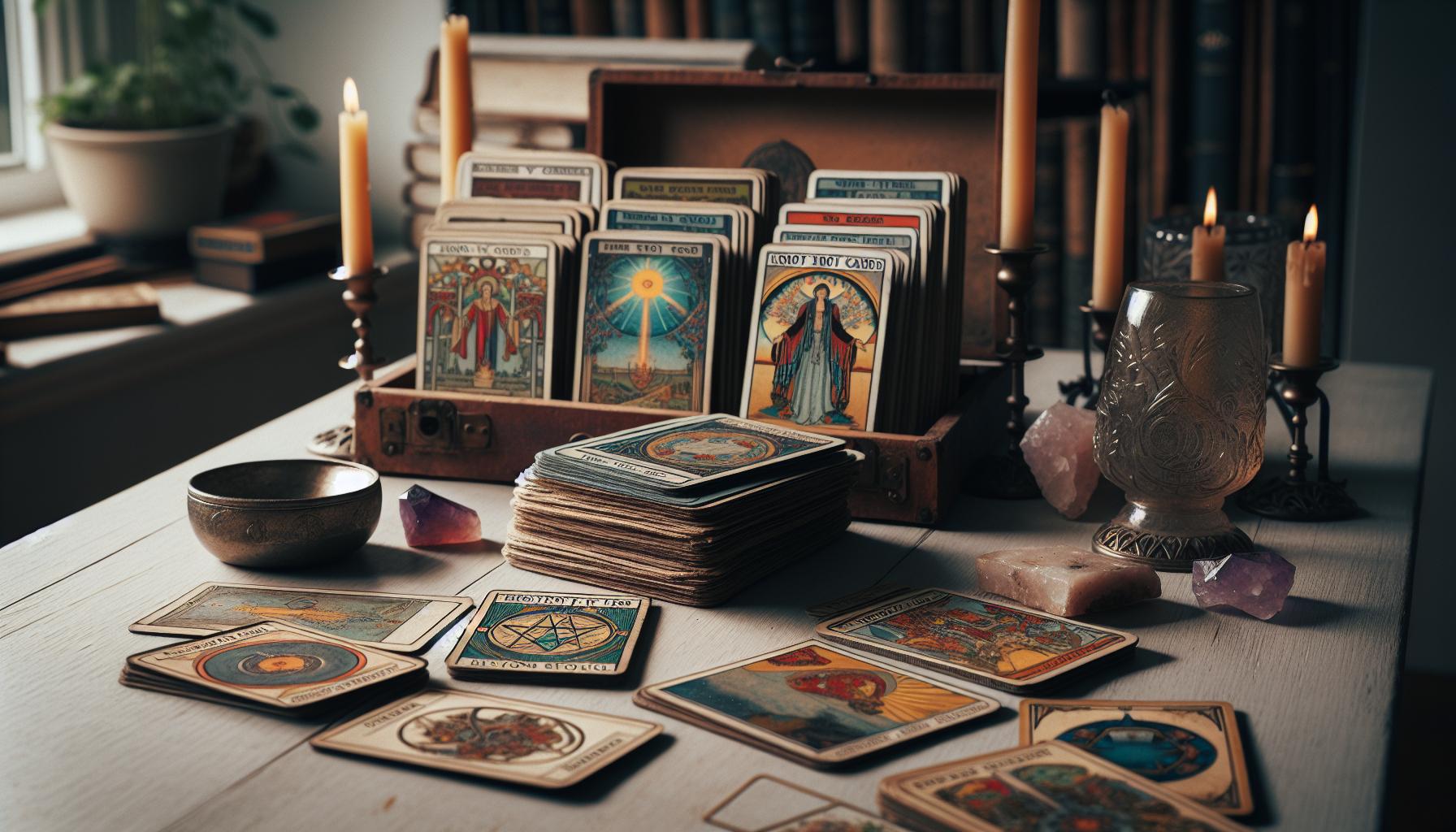
Unpacking the Story Behind A Land Called Tarot
In “A Land Called Tarot,” the narrative intertwines the rich symbolism of tarot with a captivating storyline, encouraging readers to journey through both the cards and the characters that embody them. Each character not only represents a specific tarot card but also engages with themes of self-discovery, choice, and the dynamic nature of fate. Through this storytelling approach, the comic draws parallels between the readers’ experiences and the diverse archetypes depicted in the tarot deck, empowering readers to reflect on their own lives as they traverse this imaginative landscape.
The creators of “A Land Called Tarot” skillfully layered their storytelling with elements that resonate with both seasoned tarot enthusiasts and newcomers alike. By using familiar motifs from the tarot, such as the Fool’s journey or the intricate relationships between the Major Arcana, they create a framework that is not only engaging but also educational. Each turn of the page invites readers to explore the myriad of meanings behind the cards, enriching their understanding of the tarot’s deeper insights while enjoying an engrossing tale. This thoughtful integration makes the comic an accessible entry point for those who may have been intimidated by the mystique surrounding tarot.
The artwork itself enhances the narrative, with vibrant illustrations that breathe life into each character and scene. The creators employed a variety of artistic techniques that reflect the emotional landscapes associated with the tarot, employing colors and shapes that evoke feelings and resonate with the themes of the cards. This attention to detail allows readers to not only enjoy the visual storytelling but also to engage with the symbolic meanings that tarot offers. Each panel serves as an invitation to explore how the larger universe of tarot can manifest in everyday life, encouraging readers to see their own stories within the cards.
Ultimately, “A Land Called Tarot” serves as a bridge between art and spirituality. It demystifies tarot, making it more relatable and comprehensible while still celebrating its profound mysteries. This innovative work reflects a growing trend in contemporary culture-blending storytelling with spiritual exploration-inviting everyone, regardless of their previous knowledge of tarot, to embark on a journey of self-exploration, connection, and creativity. Through this comic, readers can begin to see that tarot is not just a tool for divination but a mirror reflecting their own path and potential.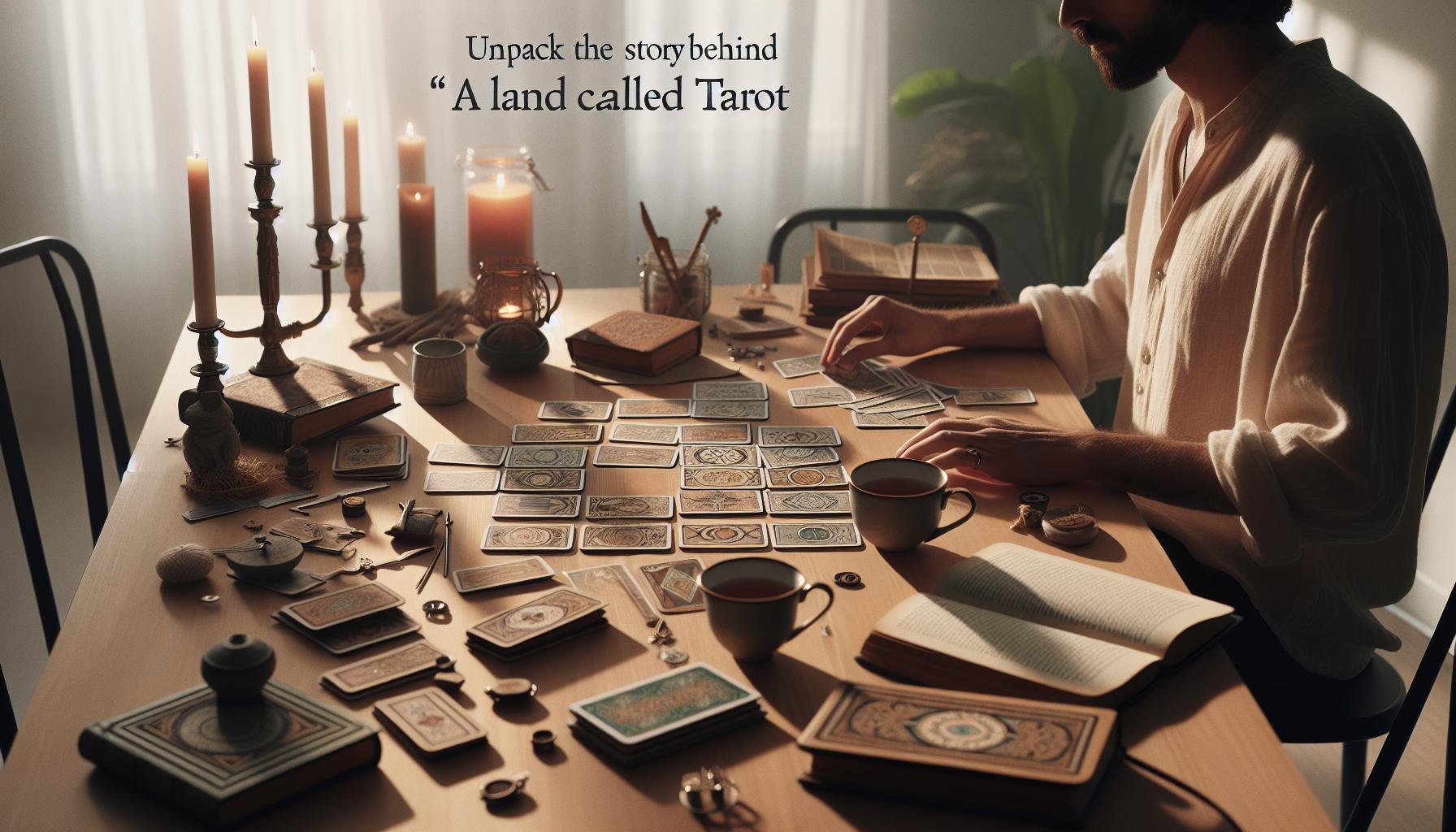
Meet the Creators: Insights from the Artist and Writer
The creative minds behind “A Land Called Tarot” have crafted an extraordinary tapestry that intertwines the mystical world of tarot with compelling storytelling. By threading their personal experiences and insights into the narrative, the artist and writer provide readers a unique lens through which to engage with both the tarot and the characters that inhabit their world.
In conversations about the comic, the creator shared how their personal journeys influenced the character development. Each character is not merely an idolized representation of tarot cards; they embody complex emotions and situations that many can relate to. For instance, the Fool is depicted not just as a naive wanderer but as someone on a path of discovery and growth, reflecting the genuine uncertainties and excitement of new beginnings. This depth invites readers to recognize themselves in the narrative, fostering a connection that transcends the page.
Another crucial insight from the creators is the blend of artistic technique with thematic storytelling. The artwork isn’t just aesthetically pleasing; it thoughtfully mirrors the emotional nuances of the tarot. The use of color, light, and shadow collectively serves as an emotional barometer for the characters’ journeys. For example, brighter colors might accompany scenes of hope and revelation, while subdued tones could illustrate periods of introspection or challenge. By engaging readers’ senses visually and narratively, the comic encourages them to explore not only the characters’ experiences but also their own personal narratives through the lens of tarot.
Ultimately, the creators of “A Land Called Tarot” strive to make tarot accessible and relatable to everyone. They aim to demystify its themes and meanings, showing that it’s not solely for seasoned practitioners but also for newcomers eager to navigate their own paths. This inclusive approach invites skeptics and enthusiasts alike to embark on their personal journey, promoted through the vibrant storytelling and engaging art in the comic. Through these tales, readers are encouraged to reflect on their lives, opening doors to self-exploration that can be both enlightening and empowering.
Understanding the Artwork: Techniques and Inspirations
The artwork in “A Land Called Tarot” serves not just as visual enhancement but as a profound narrative device that illuminates the emotional landscapes of its characters. By adeptly intertwining artistic techniques with the storytelling, the creators invite readers into a multidimensional experience that resonates deeply with both seasoned tarot enthusiasts and newcomers alike. Each panel is carefully crafted to evoke specific feelings, echoing the complex emotions encapsulated in the tarot cards themselves.
The creators utilize a range of illustrative techniques, including dynamic color palettes and intricate line work, to convey the themes and journeys represented in the tarot. For instance, the vibrant hues often signal moments of clarity and hope, while muted tones signal introspection or conflict. This strategic use of color not only beautifies the comic but also serves as a visual language that communicates the characters’ inner thoughts and feelings without the need for words. For example, a scene depicting a pivotal moment in a character’s journey might use bright yellows and blues to represent clarity and inspiration, while darker colors in another scene might suggest confusion or despair.
Another inspiring aspect of the artwork is the symbolism integrated within the illustrations. Each character often embodies specific attributes of their corresponding tarot card, allowing readers to grasp deeper meanings at a glance. The High Priestess, for instance, is often depicted surrounded by symbols of intuition, wisdom, and the moon, visually representing her connection to the subconscious. This layering of meaning encourages readers to engage more thoughtfully with the artwork, urging them to reflect on their own interpretations in relation to their life journeys.
In addition to the colors and symbols, the creators draw inspiration from various artistic movements, including surrealism and expressionism. These influences help create a dreamy, almost otherworldly quality that mirrors the mystical elements of tarot itself. The fluidity of the art style often reflects the fluidity of human experience-ever-changing and filled with uncertainties, much like the nature of reading tarot. This approach not only enriches the experience for the readers but also empowers them to see the potential for personal growth and transformation in their own lives.
Through these carefully considered techniques and inspirations, “A Land Called Tarot” not only tells a story but also serves as a gateway for readers to explore their own narratives and the mystical elements of tarot. It demystifies the art form while celebrating its rich history and vibrant potential, making it accessible and engaging for everyone.
Key Themes Explored in A Land Called Tarot
The journey through “A Land Called Tarot” unveils a mosaic of themes that resonate deeply with the human experience, each enriched by the intricate relationships among the characters and the symbols of the tarot. Central to the narrative is the exploration of self-discovery, as characters navigate their personal paths through challenges and revelations akin to the tarot’s archetypal narratives. Whether you’re uncovering the layers of the Fool‘s leap into the unknown or the wisdom of the Hermit, each moment in the comic reflects the essence of seeking one’s true self, something that both tarot aficionados and curious novices can relate to.
Transformation and Growth
One of the most compelling themes is transformation. Just like in a tarot reading, where each card can signal a shift or a pivotal choice, the characters in the comic are faced with opportunities for growth. Examples abound, such as when a character faces a difficult decision reminiscent of the Two of Swords. This card often symbolizes the need to confront dilemmas and integrate conflicting thoughts. Through their journeys, readers are encouraged to reflect on their own life decisions and the changes that arise from them.
Intuition and Inner Wisdom
Another theme prominently featured is the importance of intuition. Characters often find themselves guided by their instincts, mirroring the intuitive aspects of tarot readings. The narrative encourages an awareness of one’s inner compass, showcasing moments when characters trust their gut feelings to navigate complex emotions and predicaments. This theme not only highlights the power of trusting oneself but also serves as an invitation for readers to tap into their own intuitive capabilities, fostering a greater confidence in their personal judgments.
Interconnectedness and Community
The theme of interconnectedness also plays a vital role in “A Land Called Tarot”. The characters’ individual stories intertwine, much like the interconnected paths of life represented in the Wheel of Fortune. This wheel symbolizes cycles, chance, and the idea that our fates are linked with those of others. The narrative emphasizes the importance of relationships and community, reminding readers that their experiences are often shaped by the people in their lives, reinforcing the notion that we grow together through shared journeys.
In conclusion, the themes explored in “A Land Called Tarot” resonate on multiple levels, providing rich material for reflection and personal growth. By journeying through the intertwining paths of self-discovery, transformation, intuition, and community, readers not only engage with the narrative but are also invited to explore their own lives through the lens of tarot. This approach to storytelling makes the comic not just an artistic endeavor but also a spiritual companion on the journey of life.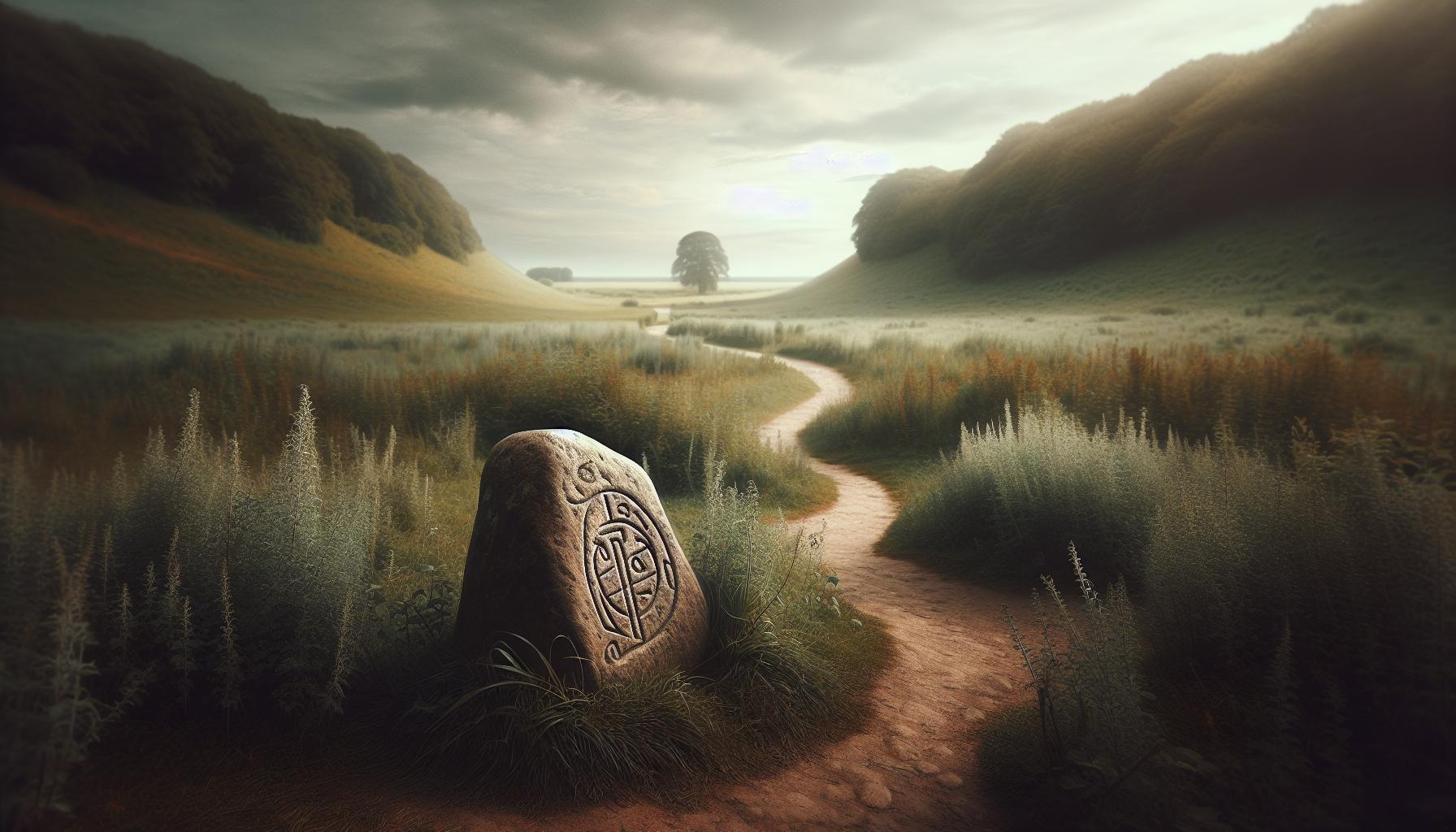
Character Analysis: The Faces of the Tarot Journey
In “A Land Called Tarot,” each character represents not only a unique aspect of the narrative but also embodies the rich symbolism found in the tarot deck. This deliberate choice allows readers to engage deeply with the characters’ journeys, reflecting on their own personal lives while deciphering the archetypal lessons within the tarot. Characters like the ambitious Page of Wands captivate us with their thirst for adventure and exploration. Similarly, the introspective Hermit invites readers to consider the value of solitude and self-reflection, encouraging a deeper understanding of one’s inner world.
The diverse ensemble of characters is essential for illustrating the spectrum of human experience. Each character’s struggle mirrors the spiritual questions people often face, from the quest for identity to the pursuit of love and meaning. For instance, when a character embodies the strength of the Empress, their nurturing and creative energy challenges readers to consider how they cultivate beauty and harmony in their own lives. This kind of analysis enables readers to resonate with the character’s dilemmas and triumphs, creating a more immersive experience.
Bringing Tarot to Life
Readers might wonder how to recognize these archetypes in their own lives. Engaging with the characters as representations of tarot cards can serve as a potent reminder of our potential for growth. Consider a character’s moment of transformation akin to the Hanged Man’s perspective shift. This card symbolizes surrender and openness to new ideas. By observing these traits in characters, readers can draw parallels to their own life situations and find transformative opportunities within.
Equally, the comic’s characters masterfully reflect the energy of various tarot cards, bridging the gap between storytelling and practical wisdom. These portrayals give readers not just a narrative to follow but also an invitation to introspect. As you read, think about your own journey-do you identify with the resilience of the Strength card, or the introspection of the Moon? Such reflections can deepen your understanding of both the narrative and your own life.
The artistic representation of these characters enhances this engagement, infusing each persona with visually striking elements that communicate their essence. Colors, expressions, and actions all highlight their archetypes, making the experiences relatable and profound. Through their stories, readers are empowered to explore and embrace their own tarot journeys, turning the pages of the comic into a mirror reflecting their aspirations and challenges.
How Tarot Influences Storytelling in Comics
Incorporating tarot into comics like “A Land Called Tarot” creates a rich tapestry of storytelling that resonates on multiple levels. This unique blend fosters connections between the characters and readers, allowing individuals to explore their personal journeys while reflecting on the archetypes represented in the tarot. Each card in a tarot deck carries its own story and symbolism, and by aligning characters in the comic with these concepts, the narrative gains depth, making the journey more relatable and engaging.
One of the key ways that tarot influences storytelling in this comic is through the use of archetypes. Each character embodies qualities associated with specific tarot cards, such as the ambitious Page of Wands or the reflective Hermit. Readers find themselves recognizing these traits not only in the characters but also within their own lives. This kind of character representation effectively turns the narrative into a form of personal exploration. For instance, when a character represents the strength of the Empress, it invites readers to reflect on how they nurture creativity and cultivate beauty in their own existence, linking personal experiences to the broader messages of the tarot.
Moreover, the structure of tarot itself-rooted in cycles, journeys, and transformations-parallels the story arcs found in comics. Just as a tarot reading unfolds in layers, revealing new insights with each card, the plot in “A Land Called Tarot” develops through interconnected character journeys that draw upon essential life themes such as love, loss, and self-discovery. The exploration of these themes is enhanced by visual storytelling: colors, expressions, and how characters interact visually narrate their emotional and psychological developments.
To deepen the reader’s experience, the comic effectively utilizes visual symbolism inherent in the tarot. For example, the imagery associated with the Moon card, often linked to intuition and the subconscious, might be illustrated through dreamlike sequences or shadowy landscapes in the comics. This not only reinforces the narrative but provides a visual language that speaks directly to readers’ intuitive understanding. Engaging with these symbols helps demystify tarot while grounding its mystical qualities in everyday experiences, making the connection between storytelling and the reader’s personal life profoundly impactful.
Through the interplay of tarot and comics, creators can invite readers to step into a world of exploration and introspection, fostering a community that appreciates both the stories told and the meanings hidden within the cards. This approach not only enhances the narrative experience but encourages users to embrace their intuition and connect with their own life’s path.
Visual Symbolism: Decoding the Tarot Imagery
The art of tarot is not merely decorative; it is a profound language of symbolism that communicates layers of meaning. In “A Land Called Tarot,” the visual representation of tarot imagery serves as a bridge between the esoteric and the accessible, allowing readers to engage deeply with the narrative. Each card’s visual elements-colors, symbols, and figures-speak not only to the story unfolding on the pages but also to universal experiences and emotions that resonate with readers on a personal level.
Elements such as the vibrant hues of the Sun card symbolize joy and enlightenment, illuminating the path of the characters in their quest for personal growth. Conversely, darker tones associated with the Tower card evoke feelings of upheaval and transformation, reflecting critical turning points in the storyline. These visual choices empower readers to intuitively understand the themes and emotions at play, fostering a connection between their personal lives and the characters’ journeys.
Decoding the Symbolism
To help readers navigate this intricate web of imagery, here are some common tarot symbols and their potential meanings:
- Wands: Often represent action, creativity, and ambition. Characters embodying the qualities of Wands may display passion and vitality, inspiring readers to explore their own creative endeavors.
- Cups: Symbolizing emotions and relationships, Cups remind readers to reflect on their emotional landscapes and interpersonal connections. They signify nurturing and the exploration of love.
- Swords: Linked with intellect and conflict, Swords challenge characters and readers alike to confront inner struggles or difficult truths. They are the catalyst for necessary change.
- Coins: Associated with material aspects and stability, the imagery of Coins encourages a focus on the tangible world-finances, health, and career-urging readers to reassess their foundations.
Integrating these symbols into the comic not only enriches the narrative but also invites readers to interpret and relate personally to the unfolding events. In this way, “A Land Called Tarot” becomes more than just a story; it transforms into a reflective medium where every page turn might reveal something new about oneself.
Readers who take the time to observe and interpret these visual cues can apply the insights gleaned from the comic to their own lives, cultivating a more profound understanding of the complex interplay between story and personal experience. In embracing this potential, the art of tarot serves as a timeless guide, encouraging exploration and growth alongside every twist and turn in the narrative journey.
Engaging with Tarot: Interactive Elements in the Comic
In “A Land Called Tarot,” the interaction between reader and narrative is not just a passive experience; it is a vibrant dialogue that draws the audience into the world of tarot through engaging and interactive elements. This comic does more than tell a story; it invites readers to participate actively in the unfolding drama, encouraging them to reflect on their own lives as they navigate the symbolic landscape crafted by the creators.
One of the standout features of the comic is its integration of interactive tarot spreads within the storyline. As readers progress through the pages, they encounter prompts that suggest pulling their own cards to find deeper personal meaning. For instance, a character may face a pivotal moment where they consult the tarot, and readers are encouraged to draw a card for themselves as a parallel exercise. This approach not only enhances engagement but also fosters a sense of ownership over their interpretation of the narrative. Readers can see their experiences mirrored in the characters, creating a powerful personal connection to the tarot’s teachings.
Moreover, the artwork serves as a visual guide, with panels intricately designed to highlight key cards and their meanings. Each spread is meticulously crafted to resonate with specific themes, allowing readers to pause and reflect on the symbolism presented. For example, when a character draws the Fool, the accompanying imagery may depict the sense of new beginnings and adventure, prompting the reader to consider their own moments of taking risks or embarking on a new journey. The dynamic art not only beautifies the comic but also acts as a catalyst for deeper introspection.
Additionally, the narrative’s structure incorporates reflections and questions alongside the story, turning mere reading into a meditative exercise. After important scenes, readers find thoughtful inquiries that relate the characters’ experiences to their own lives, such as “What risks are you currently facing?” or “How do you balance your emotional needs?” This reflective practice encourages readers to pause and consider their personal journeys, making the comic a tool for self-discovery as much as a source of entertainment.
Through these interactive elements, “A Land Called Tarot” transforms the experience of reading into an enriching exploration of tarot’s wisdom. It invites everyone-whether a seasoned tarot reader or a curious newcomer-into a space where the cards become a personal tool for reflection and growth, bridging the gap between the mystical and the relatable. Embracing this blend of narrative and interaction, readers are not just passive consumers of art; they become participants in a journey that transcends the page, exploring the layers of meaning within both the comic and their own lives.
Community Reactions: Reader Perspectives on Tarot
The vibrant community surrounding “A Land Called Tarot” reveals a tapestry of reader reactions that underscore the comic’s impact on both seasoned tarot enthusiasts and curious newcomers. Many readers have expressed how the interactive elements and reflective prompts embedded in the narrative have transformed their understanding and application of tarot. Engaging directly with the characters’ journeys allows them to distill their personal experiences through the lens of the cards, fostering a deeper emotional connection to the symbols and themes presented.
Some readers have highlighted how the comic’s integration of tarot pulls encourages them to embrace their intuition. For instance, a reader may resonate strongly with a character’s confrontation with fear, prompting them to draw their own card as a form of self-reflection. This act not only aids in personal understanding but also cultivates a practice of mindfulness where they can explore their own dilemmas in a supportive environment. Such an engaging format demystifies the experience of tarot, making it approachable and relevant to daily life.
In the spirit of community, many feedback threads showcase shared experiences and interpretations of specific cards. For example, when discussing the Fool, readers express how the comic’s representation of new beginnings inspired them to take risks in their own lives. This shared dialogue cultivates a sense of belonging and encouragement, reinforcing that readers are not alone in their journeys. They often share tips on how to work with the cards outside the comic, integrating the lessons learned into their everyday practices.
Ultimately, the discussions spark by “A Land Called Tarot” serve as a reminder that tarot is not merely a mystical framework but a tool for connection and growth. The collective enthusiasm among its audience highlights a universal desire to explore life’s mysteries through a narrative that is both accessible and transformative. For those who may still be skeptical, the welcoming atmosphere assures them that the world of tarot is open to all-inviting everyone to discover their intuitive powers and embrace the wisdom that lies within the cards.
From Page to Practice: Applying Tarot in Life
Incorporating tarot into your daily life can be a transformative experience, allowing you to connect with your intuition and gain deeper insights into your personal journey. “A Land Called Tarot” comic inspires readers to explore this mystical realm in approachable ways. By relating the characters’ experiences with the cards, you can find relatable lessons that resonate with your own life.
To begin applying tarot practically, consider starting with simple daily pulls. Each morning, draw a single card to set an intention for the day. Reflect on the card’s meaning and how it might guide your actions or decisions. For instance, if you draw the Empress, you might focus on creativity, nurturing yourself, and embracing abundance throughout your day. Write down your thoughts in a journal to track your evolving understanding and how the day’s events correlate with your card.
Creating a Daily Ritual
Establishing a consistent tarot practice can enhance your connection to the cards. Here are a few steps to create a meaningful ritual:
- Choose a Sacred Space: Find a quiet spot where you can focus without distractions.
- Set Your Intentions: Before you start, take a moment to ground yourself. What do you hope to learn today?
- Engage with Your Cards: Shuffle your deck while thinking about your question or intention, then draw your card with intention.
- Reflect and Record: Spend time journaling your thoughts on the card and how it relates to your life, encouraging an honest dialogue with yourself.
Over time, you may feel inspired to explore deeper readings, such as the Celtic Cross spread, which offers a broader perspective on your current situation. This 10-card layout helps illustrate various aspects like past influences, hopes, and potential outcomes. As you become more comfortable with your tarot practice, explore different spreads that align with your questions or areas of life you want to focus on.
Engaging with the Community
Don’t hesitate to share your experiences with others. Engaging in online forums or local meetups allows you to exchange insights and learn from different interpretations. As you interact with fellow tarot enthusiasts, you’ll discover new perspectives that enrich your understanding of the cards. Join discussions about specific characters or themes from “A Land Called Tarot”-their journeys can deepen your appreciation of how tarot operates as a storytelling device and personal tool.
Ultimately, tarot serves as a bridge between the mystical and the everyday, encouraging you to reflect, grow, and explore your intuition. Trust that your journey into the world of tarot, inspired by relatable narratives and community support, will unlock profound insights that improve not only your personal practices but also your life in general.
The Future of Tarot Comics: Trends and Innovations
As the world of tarot continues to expand, so too does its intersection with the realm of comics. The future of tarot comics promises not only a rich visual storytelling medium but also an innovative approach to tarot as a practice. “A Land Called Tarot” exemplifies this trend by weaving together stories that resonate deeply with readers, allowing them to explore personal journeys through the lens of tarot.
One significant trend is the incorporation of interactive elements within tarot comics. This goes beyond mere storytelling-readers can engage with the artwork and narratives, perhaps by choosing their paths through different storylines that correspond to card interpretations. This method invites readers to experience tarot’s reflective nature actively, making it an integral part of their exploration rather than a passive observation. As technology advances, we could see augmented reality features, where cards reveal additional layers of meaning or prompts when scanned with a mobile device.
Furthermore, the fusion of diverse artistic styles is emerging as a hallmark of tarot comics. Different artists bring unique perspectives and cultural influences to their interpretations of tarot meanings. This diversity not only enriches the visual experience but also broadens the accessibility of tarot concepts to a wider audience. For instance, integrating pop culture references and contemporary themes can help demystify tarot for skeptics and newcomers, showing that these ancient tools can be relevant and adaptable in modern life.
Looking ahead, community involvement in the creation and evolution of tarot comics is vital. Readers are increasingly looking for personalized content that speaks to their experiences and identities. This could lead to collaborative projects where fans contribute ideas or stories based on their interpretations of particular cards, fostering a sense of ownership and connection with the material. Such engagement nurtures a community centered around exploration, learning, and mutual support, inviting both believers and the curious to delve deeper into their tarot practices.
In summary, the future of tarot comics like “A Land Called Tarot” is vibrant and full of potential. Through innovative storytelling techniques, diverse artistry, and community engagement, tarot comics will likely serve as dynamic platforms for personal growth and collective exploration, making tarot an accessible and relatable tool for everyone seeking connection to their intuition and self-discovery.
Frequently asked questions
Q: What is “A Land Called Tarot” comic about?
A: “A Land Called Tarot” explores the intersection of Tarot symbolism and storytelling through a unique narrative. The comic features characters representing different Tarot cards, reflecting their meanings and themes, providing readers with an engaging journey that merges mysticism with relatable human experiences.
Q: Who are the creators behind “A Land Called Tarot”?
A: The creators of “A Land Called Tarot” include a talented writer and artist duo who blend their skills to bring the Tarot universe to life. Their insights and artistry, shared in the article, reveal how they draw inspiration from Tarot to create a visually stunning and narratively rich experience.
Q: How does Tarot influence the story in the comic?
A: Tarot significantly influences the storytelling in “A Land Called Tarot” by integrating card meanings into character arcs and plot developments. Each character embodies specific aspects of their corresponding Tarot card, allowing readers to gain deeper insights into their journeys as they relate to personal growth.
Q: What techniques are used in the artwork of “A Land Called Tarot”?
A: The artwork in “A Land Called Tarot” employs various techniques, including vibrant colors and intricate linework, to evoke the mystical themes of Tarot. The merging of traditional and modern artistic styles enhances the visual storytelling, making it accessible and appealing to a diverse audience.
Q: What are the key themes explored in “A Land Called Tarot”?
A: Key themes in “A Land Called Tarot” include self-discovery, the interplay of fate and free will, and the quest for understanding one’s path. These themes resonate deeply with both Tarot enthusiasts and new readers, inviting exploration and contemplation throughout the narrative.
Q: Can readers engage with Tarot while reading the comic?
A: Yes, “A Land Called Tarot” includes interactive elements encouraging readers to engage with Tarot concepts as they read. This approach enhances the experience, allowing readers to reflect on their own lives in relation to the characters and themes presented in the story.
Q: What community reactions have been noted about “A Land Called Tarot”?
A: Community reactions to “A Land Called Tarot” highlight its innovative blend of storytelling and Tarot education. Many readers appreciate how the comic demystifies Tarot while making it relatable, fostering a deeper connection with both the cards and the narrative journey.
Q: What can new readers learn about Tarot from this comic?
A: New readers can learn about Tarot through the characters and their journeys in “A Land Called Tarot.” The comic serves as both an introduction to the meanings behind Tarot cards and an exploration of how these meanings can apply to everyday life, enhancing personal understanding and growth.
The Conclusion
As we conclude our journey through “A Land Called Tarot Comic: Story & Artwork Explored,” remember that the tarot is not just a mystical tool but a mirror reflecting your inner self. Embrace the insights gained and explore the deeper meanings behind the cards. If you found this exploration enriching, dive deeper into our guides on tarot card interpretations and spread techniques here and here.
Don’t miss out on our newsletter for more insights and updates, sparking your intuitive journey further. Whether you’re a novice or an experienced reader, there’s always more to uncover. Share your thoughts or questions in the comments; your journey is unique, and connecting with others enhances the experience. Keep exploring the magic of tarot and let its wisdom guide you-after all, tarot awaits you in every card, ready to unfold its stories.
Get our latest guides, news, and insights highlighted in your Google Search & AI Overviews.