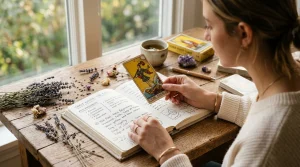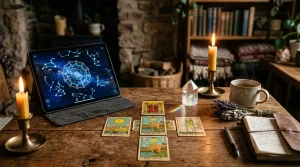
Have you ever been intrigued by the idea that a simple deck of cards could offer profound insights into your life? Tarot cards, rich in symbolism and history, can serve as a powerful tool for self-reflection and guidance. Whether you’re facing a crossroads or simply seeking clarity, tarot invites you to explore your intuition and connect with your inner wisdom.
In this guide, we will demystify tarot, breaking down its complex aspects into easily digestible insights. You’ll learn how to interpret card meanings, discover different spreads, and even dive into practical readings that resonate with your personal journey. Whether you’re a curious skeptic or a hopeful believer, understanding tarot can empower you to navigate life’s uncertainties with confidence. So, let’s embark on this journey together and uncover the magic that resides within each card, allowing you to harness its transformative potential.
What Are Tarot Cards and Their Origins?
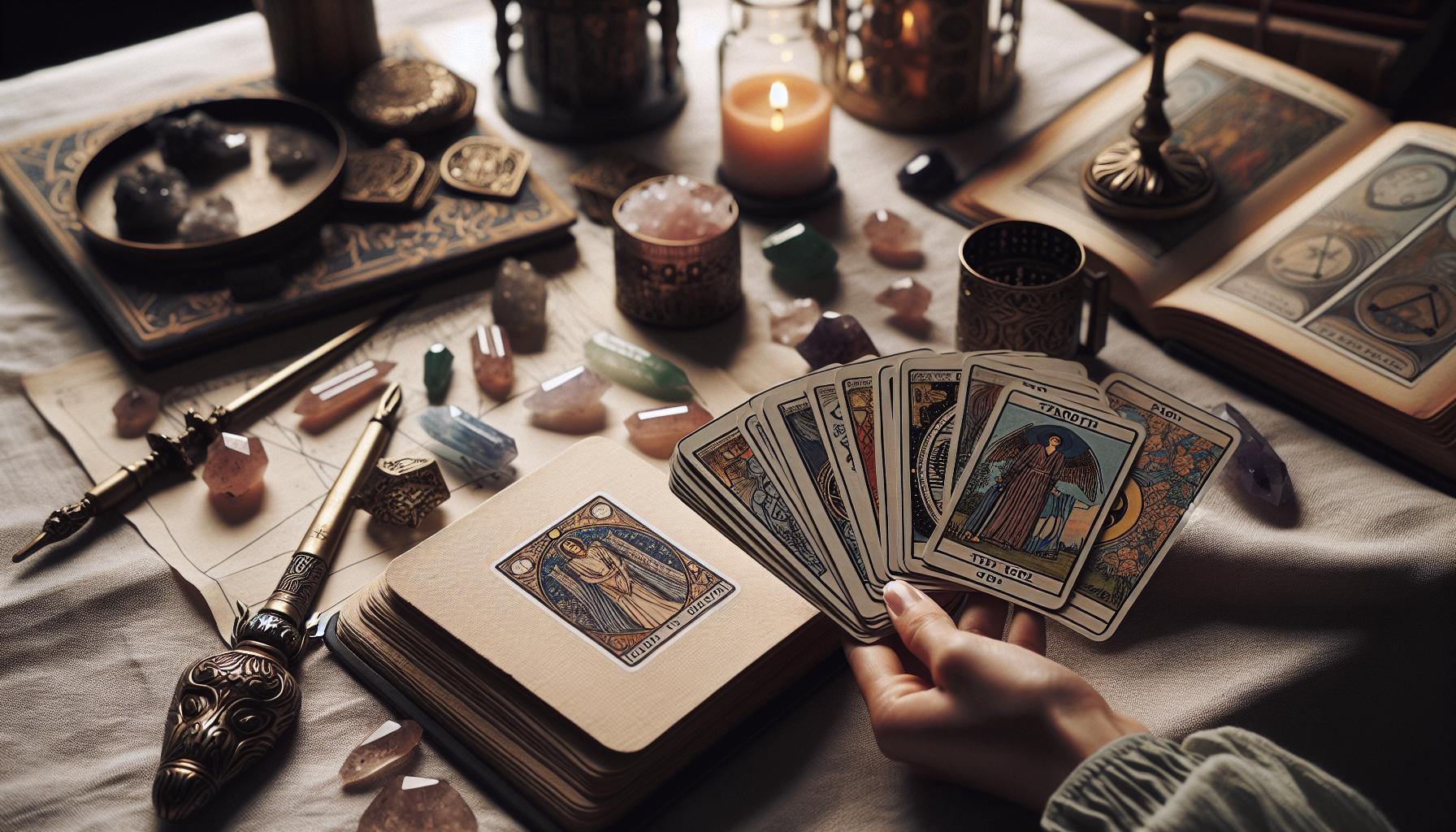
Tarot cards are far more than just a tool for divination; they are a rich tapestry woven from history, art, and psychology. Originating in the mid-15th century in northern Italy, the earliest tarot decks were not intended for fortune-telling but were used for a card game known as tarocchi. Unlike standard playing cards, tarot decks include additional cards, known as the Major Arcana, which infuse the decks with a deeper symbolic meaning. This distinction allowed tarot to evolve into a spiritual tool, with its roots steeped in mythology and mysticism.
The journey of tarot didn’t just begin and end in Italy. Over the centuries, various cultures have influenced its evolution, contributing to its mystique and adaptability. For instance, the introduction of the term “cartomancy” by the French occultist Etteilla in the 18th century marked a significant shift, as he designed tarot decks specifically for divination. This step solidified tarot’s role in the metaphysical community and laid the groundwork for the many interpretations and practices that followed. Today, tarot is embraced by a diverse range of people, from those who see it as a means of spiritual exploration to those who enjoy it simply for its artistic beauty.
Understanding tarot means appreciating its dual nature: both a game and a spiritual guide. The decks consist of 78 cards, divided into two main sections: the Major Arcana and the Minor Arcana. Each card tells a story, evoking archetypes and themes that resonate with various aspects of life. This integral structure not only provides depth to readings but also connects individuals with their own inner wisdom, inviting reflection and insight into personal circumstances.
In exploring tarot’s origins, we discover a vehicle for self-discovery that transcends time and culture. Whether you approach tarot with skepticism or an open heart, its potential to reflect and illuminate your inner truths offers a unique perspective, making it a welcome ally on your journey of personal growth and understanding.
Understanding Tarot Card Decks and Their Structure
Understanding tarot card decks is essential for anyone looking to explore this profound tool for insight and reflection. A standard tarot deck consists of 78 cards, divided into two main categories: the Major Arcana and the Minor Arcana. This structure serves as a framework for readers to navigate the rich symbolism and narratives each card presents.
The Components of a Tarot Deck
The 22 cards of the Major Arcana represent significant life lessons and pivotal moments. Cards like The Fool, The Empress, and The Tower capture the essence of broad archetypal experiences. These cards often highlight profound themes such as growth, challenges, and transformation, making them powerful focal points in readings.
In contrast, the Minor Arcana consists of 56 cards split into four suits: Cups, Pentacles (or Coins), Swords, and Wands. Each suit corresponds to different aspects of human experience:
- Cups: Relating to emotions, relationships, and intuition.
- Pentacles: Addressing material aspects such as work, finances, and the physical world.
- Swords: Representing thoughts, intellect, and challenges.
- Wands: Symbolizing inspiration, action, and spirituality.
Each suit contains numbered cards (or “Pips”) and four Court cards, which personify various qualities or characteristics typical of individuals in those suits.
How Structure Enhances Interpretation
The distinct structure of tarot cards allows for layered readings. For a beginner, interpreting a simple three-card spread might be enough to gain insight into a specific question, perhaps drawing upon the emotional depth of the Cups to guide personal reflections. As your understanding deepens, integrating the complexities of the Major Arcana will offer richer context and more profound revelations.
Whether you are a beginner just starting to explore or an advanced reader honing techniques, comprehending the components of the deck will enhance your readings. Embrace the duality of the tarot: it is both a tool for divinatory practice and a roadmap for personal insight, beckoning you to delve into your own journey of understanding and growth.
The Major Arcana: Key Cards and Their Meanings
The Major Arcana serves as the heart and soul of a tarot deck, encapsulating profound spiritual lessons and experiences that resonate deeply within us. Comprising 22 cards, each numbered from 0 (The Fool) to 21 (The World), these cards guide us through the essential themes of human existence-transformation, discovery, and challenges. Exploring these key cards can provide insightful reflections for both novice and seasoned tarot readers alike.
Key Cards and Their Meanings
The Major Arcana cards are not just symbols; they are powerful archetypes that can reflect our journey through life. Here’s a brief look at a few significant cards and their meanings:
- The Fool (0): Represents new beginnings, spontaneity, and taking risks. It encourages you to embrace the unknown and trust the journey ahead.
- The Magician (I): Symbolizes manifestation and resourcefulness. This card empowers you to take action and harness your skills to create your reality.
- The High Priestess (II): Embodies intuition, mystery, and the subconscious mind. She invites you to listen to your inner voice and seek deeper understanding.
- The Empress (III): Represents fertility, creativity, and abundance. This card encourages nurturing and connection to nature, highlighting the importance of self-care.
- The Tower (XVI): Indicates sudden upheaval and revelation. Though often daunting, it serves as a powerful reminder of the growth that arises from chaos.
- The World (XXI): Symbolizes completion, fulfillment, and the achievement of goals. This card reflects the joy of reaching a significant milestone in your life.
Understanding these cards can enhance your readings significantly. For example, when The Fool appears in a spread, it might suggest that you embrace change and step into the unknown without fear. Using the Major Arcana cards as focal points in your readings can illuminate the path ahead and provide clarity in times of uncertainty.
Embrace the journey of exploring the Major Arcana; each card presents an opportunity to delve into various aspects of life and self-discovery. Whether you’re conducting a single card pull or a full spread, these key cards can guide your reflection and foster greater self-awareness. Allow your intuition to navigate the meanings as you weave your personal narrative through the rich tapestry of tarot.
The Minor Arcana: Exploring the Four Suits
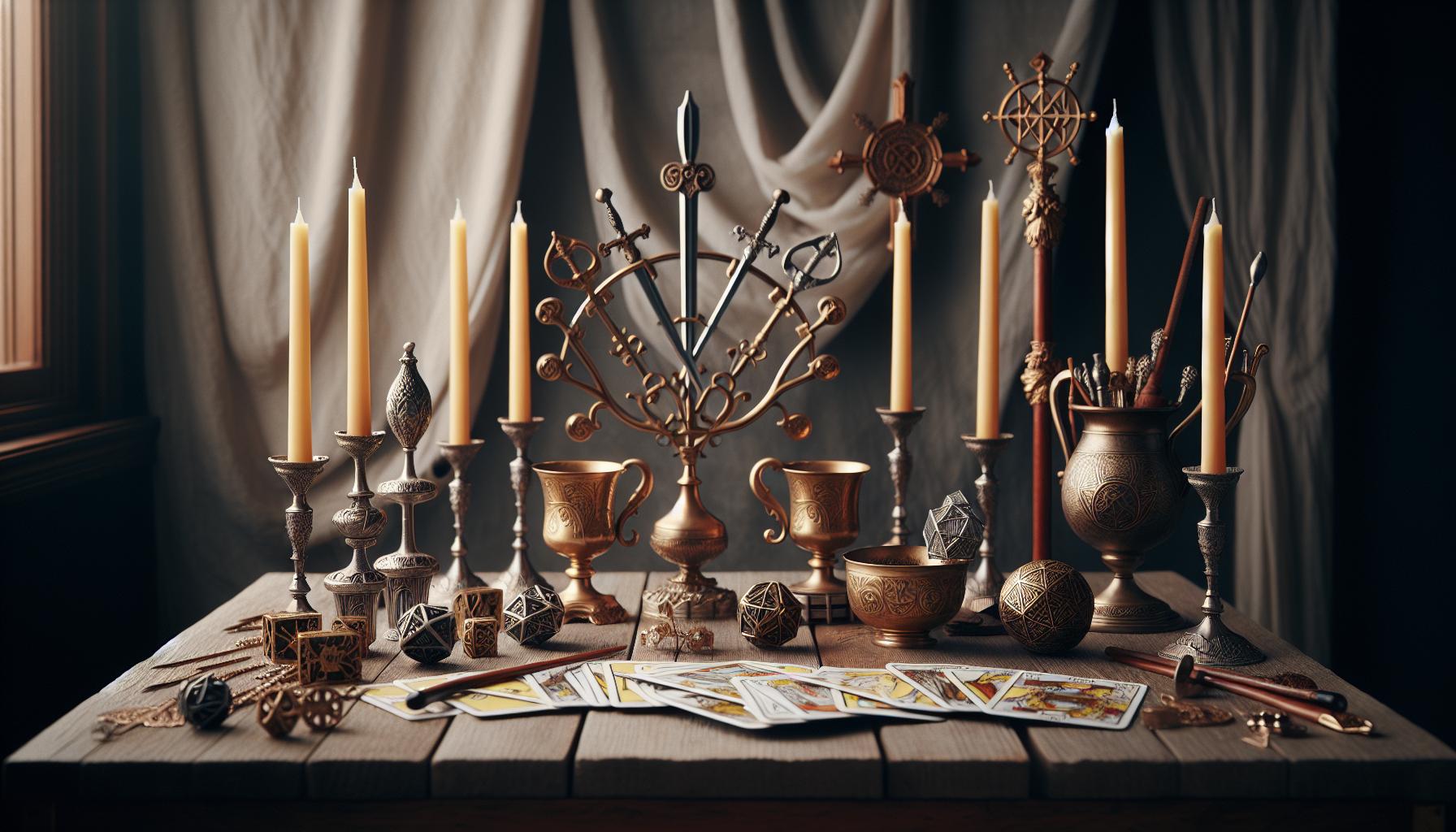
The intricate world of tarot cards isn’t complete without a deep dive into the Minor Arcana, which plays a vital role in everyday readings. The Minor Arcana consists of 56 cards divided into four distinct suits: Cups, Wands, Swords, and Pentacles. Each suit represents different aspects of life, emotions, or experiences, allowing for detailed insights and nuanced interpretations that complement the thematic depth of the Major Arcana.
Cups
The suit of Cups is associated with emotions, relationships, and connections. This suit often addresses themes of love, joy, intuition, and spiritual growth. For example, drawing the Ace of Cups might indicate a new emotional beginning or a fresh romantic opportunity. On the contrary, the Ten of Cups signifies emotional fulfillment and harmonious relationships, representing contentment in personal or family life.
Wands
Wands symbolize action, inspiration, and ambition. They are the cards of creativity, growth, and dynamics associated with pursuing goals. The Two of Wands may suggest planning and decisions about the future, while the Five of Wands often represents conflict or competition. When Wands appear, they encourage you to examine where your passions lie and how to take actionable steps toward your desires.
Swords
The Swords suit deals with thoughts, challenges, and conflicts. This suit often represents the intellectual struggles we face and can reflect criticism, strife, or difficult decisions. A card like the Three of Swords typically symbolizes heartbreak or emotional pain, urging attention to areas requiring healing. Conversely, the Ace of Swords represents clarity, truth, and new ideas, encouraging rational thinking and open communication.
Pentacles
Finally, Pentacles focus on material aspects such as money, career, and the physical world. They encompass themes of stability, success, and practicality. Drawing the Ace of Pentacles often denotes new financial opportunities or a fresh start in career matters, while the Seven of Pentacles invites reflection on progress and long-term goals, highlighting the importance of patience and perseverance.
Understanding these suits allows you to read the Minor Arcana more effectively. When conducting a tarot reading, consider the context and interconnections between the suits to build a comprehensive narrative. This nuanced approach can enhance your readings, helping you connect with others’ journeys and challenges more profoundly. The Minor Arcana guides you through the subtleties of daily life, championing the belief that every detail contributes to the greater tapestry of our human experience.
How to Choose Your First Tarot Deck
Selecting your first tarot deck is an exciting step on your journey into the world of tarot. The perfect deck serves as a personal touchstone, a set of companions that resonates with your spirit and supports your intuitive understandings. With so many beautiful and diverse options available, you might feel a bit overwhelmed, but remember that what truly matters is finding a deck that calls to you, both visually and energetically.
Consider Your Aesthetic
Start by exploring the artwork of different decks. Tarot decks come in a variety of styles, from traditional imagery to modern interpretations. Think about what resonates with you. Do you prefer intricate illustrations, minimalist designs, or vibrant colors? Allow your taste to guide you, as the visual appeal of the cards can enhance your connection with them. Websites like the Ethereal Visions Tarot provide excellent options that cater to both beginners and seasoned readers, focusing on decks that embody elegance and artistic expression [[1]](https://www.etherealvisionstarot.com/blogs/news/how-to-select-a-tarot-deck-as-a-gift?srsltid=AfmBOopXY6px-opC2oKQsThuGS_3d8E0GU1Pk78zxCGz2UBkHy_yBCA5).
Evaluate Diversity and Representation
Consider the representation within the deck. Look for decks that showcase diverse characters and stories to ensure that you can relate personally to the imagery. This aspect can enhance your readings by allowing you to see your experiences and emotions reflected in the cards. As mentioned on Little Red Tarot, it’s crucial to be aware of who is depicted in your tarot deck, as a deeper connection to the symbols can enrich your reading experience [[2]](https://littleredtarot.com/how-to-choose-a-tarot-deck/).
Read the Guidebook
A great feature of many decks is the accompanying guidebook, which can provide insights into the imagery and meanings of the cards. When choosing a deck, review the guidebook to see if its interpretations resonate with your understanding. This can be especially helpful for beginners who may still be getting comfortable with tarot vocabulary and spread techniques [[3]](https://jessicaarden.com/2022/11/13/choosing-a-tarot-deck/).
Trust Your Intuition
Ultimately, the best way to choose your first tarot deck is to trust your intuition. If a deck makes you feel excited or curious, it’s likely the right choice for you. Remember, every reader’s journey is unique-what works for someone else might not be the best fit for you. Don’t hesitate to handle a few decks if you can. See how they feel in your hands and how they speak to you when you look through the cards. This personal connection will serve as a foundation for your readings, providing confidence and insight as you explore the richly layered world of tarot.
Basic Tarot Card Spreads for Beginners
Diving into the world of tarot can be both exciting and intimidating, especially for beginners. One of the most effective ways to ease into this practice is by using simple tarot spreads that help guide your readings and interpretations. The beauty of tarot lies in its versatility; whether you seek guidance for everyday decisions or deeper insights into your life path, the right spread can illuminate your journey.
One-Card Spread
A perfect starting point for beginners, the one-card spread allows you to focus on a single issue or question. This simple approach is excellent for daily reflections or quick insights. To do this, shuffle your deck while thinking about your question. Pull one card and contemplate its meaning in relation to your query. This reduces overwhelm and provides clarity, as you can dive deep into the symbolism of that single card.
Three-Card Spread
The three-card spread offers a bit more complexity while still being manageable. Each card in this spread represents a different aspect of your question: past, present, and future. First, shuffle your cards and lay them out in a row. The first card reveals past influences or events related to your query, the second card signifies your current situation, and the third points to potential outcomes or lessons. This spread not only sheds light on the flow of time but also helps you understand the narrative connecting your past actions to future possibilities.
Celtic Cross Spread
Once you feel comfortable with one and three-card spreads, consider practicing the more comprehensive Celtic Cross. This traditional spread consists of ten cards and provides a detailed overview of your situation. It addresses various factors like your current state, challenges, and external influences. Although this spread requires more practice, it can reveal intricate insights and promote self-discovery. Take your time with each card and consider how they interact-this facilitates a holistic understanding of your queries.
Tips for Using Basic Spreads
No matter which spread you choose, trusting your intuition is key. Here are some tips to enhance your reading experience:
- Pause and Reflect: After pulling cards, take a moment to sit in silence and connect with your intuition before diving into interpretations.
- Use Journaling: Write down your interpretations and how the readings resonate with you. This will help you strengthen your intuitive skills over time.
- Be Open: Allow interpretations to flow naturally. Sometimes the cards may reveal messages you hadn’t anticipated.
Incorporating these basic tarot spreads into your practice not only builds confidence but also enhances your connection with the cards. As you progress, feel free to explore more complex spreads, always remembering that your journey through tarot is uniquely your own.
Interpreting Tarot Cards: Tips for New Readers
When you first encounter the tarot, it may seem like a mystical puzzle, but interpreting tarot cards can be an enriching and illuminating experience. The key lies in developing a personal connection with the cards and allowing your intuition to guide you. Each card carries multiple meanings, influenced by its imagery, symbolism, and your individual insights. As you begin your journey, it’s essential to adopt a curious mindset and approach each reading as a story waiting to unfold.
To start, familiarize yourself with the basic meanings of the tarot cards. While it’s tempting to memorize every detail, focusing on the overarching themes will serve you better. For instance, the Lovers card can represent love, but it might also symbolize choices and relationships. When interpreting a card, consider how its imagery resonates with your question or the overall context of the reading. An effective technique is to ask yourself, “What does this card evoke in me?” This question will help ground your interpretation and connect it to your personal intuition.
Next, consider the placement of the cards within your spread. In a three-card spread, for example, the first card can signify past influences; thus, its meaning will differ from the same card positioned as your potential outcome. Recognizing the nuances based on location in the spread enriches your reading. Additionally, don’t shy away from making notes or journaling about your interpretations. This practice helps reinforce your understanding and builds a personal reference over time.
Lastly, trust your instincts. Even if a card’s traditional meaning seems clear-cut, your personal associations or gut feelings may lead to unique insights. Engaging in a silent moment of reflection after drawing your cards can help this connection blossom. As you cultivate your intuitive voice, you’ll find that every reading becomes a unique journey, unraveling layers of meaning and insight tailored just for you.
Building Intuition: Trusting Your Inner Voice
Building a strong connection with your intuition is the cornerstone of effective tarot reading. When you allow your inner voice to guide you, the tarot becomes more than just a set of cards; it transforms into a powerful tool for self-discovery and insight. Trusting your intuition means embracing the feelings and thoughts that arise when you draw each card. Are you sensing a particular emotion that resonates with the imagery? Does a specific word or theme pop into your mind? These instinctive responses can reveal deeper layers of meaning that traditional card interpretations may not cover.
To enhance this intuitive practice, consider the following steps:
Engage Your Senses
- Visualize: Before starting your reading, take a moment to breathe deeply and visualize yourself surrounded by a warm, protective light. This creates a safe space for your intuition to flourish.
- Feel: As you handle your cards, pay attention to how they feel in your hands. Notice any sensations or emotional shifts that occur as you shuffle and lay out the cards.
Ask the Right Questions
Your query can greatly influence the clarity of your reading. Instead of asking vague questions, try to frame them specifically. For instance, rather than asking, “What will happen in my future?”, ask, “What can I do today to align with my goals for the future?” This focused approach invites more precise insights.
Practice Mindfulness
Incorporate mindfulness techniques into your tarot practice. Spend a few moments in silence after drawing your cards, allowing your thoughts to settle. Focus on your breathing and let any distracting thoughts drift away. This quietude enhances your receptiveness to intuitive messages.
While every card has standard meanings, your interpretations needn’t be confined to those definitions. For instance, when drawing the Empress card, you might normally consider themes of abundance and fertility. However, if the imagery stirs thoughts of family dynamics or personal creativity, those reflections are equally valid. Encourage yourself to explore these connections without judgment.
Remember, intuition is like a muscle: the more you exercise it, the stronger it becomes. As you develop this skill, you’ll notice that each reading will flow more naturally, revealing the unique narrative that lies within your cards. This personal insight is what makes your tarot journey deeply transformative and richly rewarding.
Common Tarot Reading Mistakes to Avoid
Every tarot reader, from novice to seasoned, has likely encountered a few common pitfalls that can cloud their interpretations and hinder their growth. Understanding these mistakes can enhance your confidence and clarity when engaging with the cards. One of the most frequent missteps is reading too often on the same subject. Constantly seeking answers about a single issue can lead to confusion and misinterpretation. Instead, give yourself space to reflect. Allow time for insights to unfold naturally, rather than obsessing over the cards repeatedly for guidance on the same matter.
Another significant error is clinging too strictly to traditional meanings of the cards. While each card does carry its own symbolism, intuitive reading often involves personal associations that can diverge from textbook definitions. For instance, drawing the Four of Cups may convey themes of contemplation, but your intuition might evoke feelings of potential opportunities overlooked. Trusting these gut reactions enriches the reading and creates a more meaningful connection with the cards.
Additionally, many readers neglect to incorporate reversed cards into their readings or, conversely, place excessive importance on them. Reversed cards can represent blocked energies or internal struggles, but it’s vital to balance their interpretations with a holistic view of the spread. Instead of seeing the reversal as purely negative, consider it a prompt to delve deeper into the situation at hand.
Finally, don’t underestimate the power of intention behind your readings. Approaching your practice with a clear, positive mindset can significantly influence the insights you gather. Whether you’re asking about relationships, career paths, or personal growth, ensure your questions are focused and constructive, setting a conducive energy for your reading. This simple shift can transform your experiences with tarot, making them more enriching and illuminating.
By keeping these insightful strategies in mind, you can avoid common traps and nurture your unique relationship with tarot, allowing it to guide you toward clarity and personal discovery.
Advanced Tarot Techniques for Deeper Insights
Diving deeper into the world of tarot offers us the chance to unlock greater layers of insight and understanding. Advanced techniques are about enhancing your intuition and refining your interpretations. Here are some powerful methods to enrich your tarot practice.
1. Use of Intuition Over Fixed Meanings
Once you’ve grasped the basic meanings of the cards, it’s time to let your intuition take the lead. Each card has a standard interpretation, but personal experience and feelings can shift the reading dramatically. For example, if you draw The Tower, the traditional meaning is upheaval or change. However, you might feel it represents the breaking down of an old belief system for something more authentic. Trust these impressions; they will deepen your connection to the cards and reflect your unique perspective.
2. Synchronicity in Readings
Noticing synchronicities during readings can guide you to hidden messages. Pay attention to themes or patterns that emerge. If the Three of Swords appears while you’re contemplating a painful event, consider its relevance in highlighting emotional healing. Look for cross-references between the cards in the spread or even outside the reading context. Keeping a journal of these moments can help you track your progress and connect the dots over time.
3. Incorporating Symbolism Beyond Textbook Definitions
Explore the rich symbolism of the tarot imagery. Each card is layered with meanings beyond the surface level. For instance, The Empress not only signifies abundance but might also evoke feelings related to motherhood and nurturing. Take a moment to analyze the artwork-colors, expressions, and symbols. How do these resonate with your current life situations? This method allows for a more expansive interpretation and enhances your storytelling ability during readings.
4. Advanced Spreads for Specific Focus
Experiment with complex spreads to engage with specific questions or themes. Here are a few suggestions for deeper readings:
- Celtic Cross: Offers a comprehensive overview of a situation, exploring challenges and potential outcomes.
- Relationship Spread: Investigates dynamics between two or more individuals, revealing strengths, weaknesses, and possible developments.
- Three-Card Spread for Past, Present, Future: This simple layout can reveal the trajectory of your concerns by linking your past experiences to present actions and future possibilities.
By adding these advanced techniques into your tarot practice, you will cultivate a richer relationship with the cards, moving beyond the basic interpretations into a realm of personal insight and discovery. Experiment with these methods, and don’t be afraid to adapt them to suit your style. Tarot is a deeply personal journey; let your intuition lead the way!
The Role of Intention in Tarot Readings
Setting a clear intention is one of the most powerful aspects of a tarot reading. When you approach the cards with a specific focus, whether it’s clarity on a decision, insight into a relationship, or guidance on personal growth, the reading becomes a targeted exploration rather than a vague analysis. This purposeful direction can help tap into the intuitive wisdom that tarot offers, enhancing the relevance and impact of the cards drawn.
Before starting a reading, take a moment to ground yourself and articulate your intention. You might do this by writing it down or simply repeating it as a mantra. For example, if you are seeking guidance on advancing your career, you could state, “I intend to gain insight into the next steps I should take.” This intentionality not only sets the stage for your reading but also aligns your energy with the questions you’re asking, inviting deeper, more meaningful responses from the cards.
During the reading itself, keep your intention in mind as you interpret the cards. Each card’s symbolism and message will resonate differently based on what you are aiming to understand. For instance, drawing the Two of Wands in a career-focused reading could suggest the need for planning and foresight in your next steps, while in the context of a relationship, it might highlight the importance of partnership and collaboration. By anchoring your interpretation in your intention, you can uncover insights that are truly pertinent to your current journey.
As you grow more comfortable with the practice, consider refining your approach by exploring different types of intentions, such as those focused on personal development, emotional healing, or spiritual clarity. This evolution in intention setting can deepen your readings further and make your tarot practice feel more dynamic and personalized. Remember, the beauty of tarot lies not just in the cards themselves, but in how you weave your personal narrative with the insights they offer.
Exploring Tarot as a Spiritual Tool for Growth
Discovering tarot as a spiritual tool can be a transformative experience, offering insights that support personal growth and self-awareness. At its core, tarot is a mirror reflecting your internal landscape, prompting you to explore questions about your life, decisions, and emotional states. By engaging with the cards, you are participating in a dialogue with your own intuition, which can lead to profound personal revelations.
Give yourself permission to approach tarot with an open mind. Remember, the cards themselves are just symbols-it’s your interpretation and intuition that breathe life into them. Start with simple practices such as selecting a daily card. Ask yourself a guiding question like, “What lesson do I need to learn today?” Reflect on the imagery and symbolism of the card drawn. This exercise not only fosters a deeper understanding of the deck but also cultivates your intuitive abilities.
As you become more experienced, you can delve into more structured readings. For instance, consider using a three-card spread: one for your past, one for your present, and one for your future. This format helps you to connect the dots between experiences, providing a narrative of your journey. Each card reveals layers of insights, shaping your understanding of your life path. Pay attention to your emotions and thoughts as you interpret the spread; they are essential guides in your exploration.
It’s important to set intentions when working with tarot. A clear intention focused on personal growth-such as “I want to understand my fears about change”-can profoundly influence the reading. This practice aligns your energies and emphasizes the spiritual aspect of your inquiry, reinforcing that tarot is a tool for empowerment rather than mere fortune-telling. In this way, tarot can serve as a nurturing companion, guiding you toward the answers you seek and helping you navigate your life’s complexities with clarity and confidence.
Frequently asked questions
Q: What is the purpose of tarot cards?
A: The purpose of tarot cards is to serve as a tool for self-reflection and guidance. They help individuals tap into their intuition and gain insights into personal challenges, relationships, and future possibilities. For beginners, understanding the symbolism of the cards can deepen their connection to their own inner voice.
Q: How can I prepare for my first tarot reading?
A: To prepare for your first tarot reading, create a quiet and comfortable space. Take a few moments to clear your mind and set intentions for the reading. Consider journaling your questions or themes you wish to explore, which can enhance the clarity of your reading experience.
Q: Can anyone learn to read tarot cards?
A: Yes, anyone can learn to read tarot cards! With practice, patience, and a genuine interest, people can develop their own style of reading. Start by familiarizing yourself with the meanings of the cards and practicing with simple spreads to build confidence in your intuition.
Q: What do the different suits in tarot cards represent?
A: The four suits in tarot represent different aspects of life: Cups (emotions), Pentacles (material aspects), Swords (thoughts and challenges), and Wands (action and inspiration). Understanding these suits helps interpret the cards’ meanings in relation to your readings.
Q: What are common misconceptions about tarot cards?
A: Common misconceptions about tarot cards include the belief that they predict the future definitively or that they are only for spiritual people. In reality, tarot is a tool for self-discovery and reflection, accessible for anyone seeking guidance, regardless of their spiritual beliefs.
Q: How do I choose the right tarot spread for my reading?
A: Choosing the right tarot spread depends on the questions you seek to answer. For beginners, simple spreads like the three-card spread (past, present, future) are effective. As you gain confidence, you can explore more complex spreads tailored to specific issues.
Q: What does it mean to trust my intuition in tarot readings?
A: Trusting your intuition in tarot readings means relying on your inner feelings and insights when interpreting the cards. This involves listening to your instincts about what each card signifies in the context of your question, allowing for a personalized connection to the reading.
Q: How can tarot be used for personal growth?
A: Tarot can be a powerful tool for personal growth by encouraging self-exploration and awareness. Regular readings can highlight patterns and obstacles, helping you to set intentions and make informed decisions that align with your personal journey.
The Conclusion
As you embark on your journey with tarot cards, remember that these mystical tools offer profound insights into your life and choices. By understanding the meanings of different cards and practicing various spreads, you can unlock your intuitive potential. Don’t hesitate-start your exploration today! Discover our guides on “How to Conduct Your First Tarot Reading” and “Interpreting the Cards for Personal Growth” to deepen your knowledge.
Join our community by subscribing to our newsletter for tips, exclusive content, and updates on upcoming events that will enhance your tarot practice. Your questions and experiences matter, so share your thoughts in the comments below-let’s create a supportive space for all tarot enthusiasts, whether you’re just beginning or advancing your skills. Embrace the journey, and remember: tarot is not just for the gifted; it’s for everyone willing to explore their inner wisdom.
Get our latest guides, news, and insights highlighted in your Google Search & AI Overviews.