Did you know that the standard tarot deck contains 78 cards, divided into Major and Minor Arcana? While this structure is common, many customized decks offer unique card counts and interpretations, deepening personal connections and enhancing readings. Whether you’re a seasoned reader or just starting, understanding the differences between standard and custom decks is essential. It can influence not only the accuracy of your readings but also how you resonate with the imagery and meanings of each card. As you explore how many cards different decks hold, you’ll uncover insights that may transform your tarot practice. Dive in as we navigate through the enchanting world of tarot decks, helping you find the perfect fit for your spiritual journey!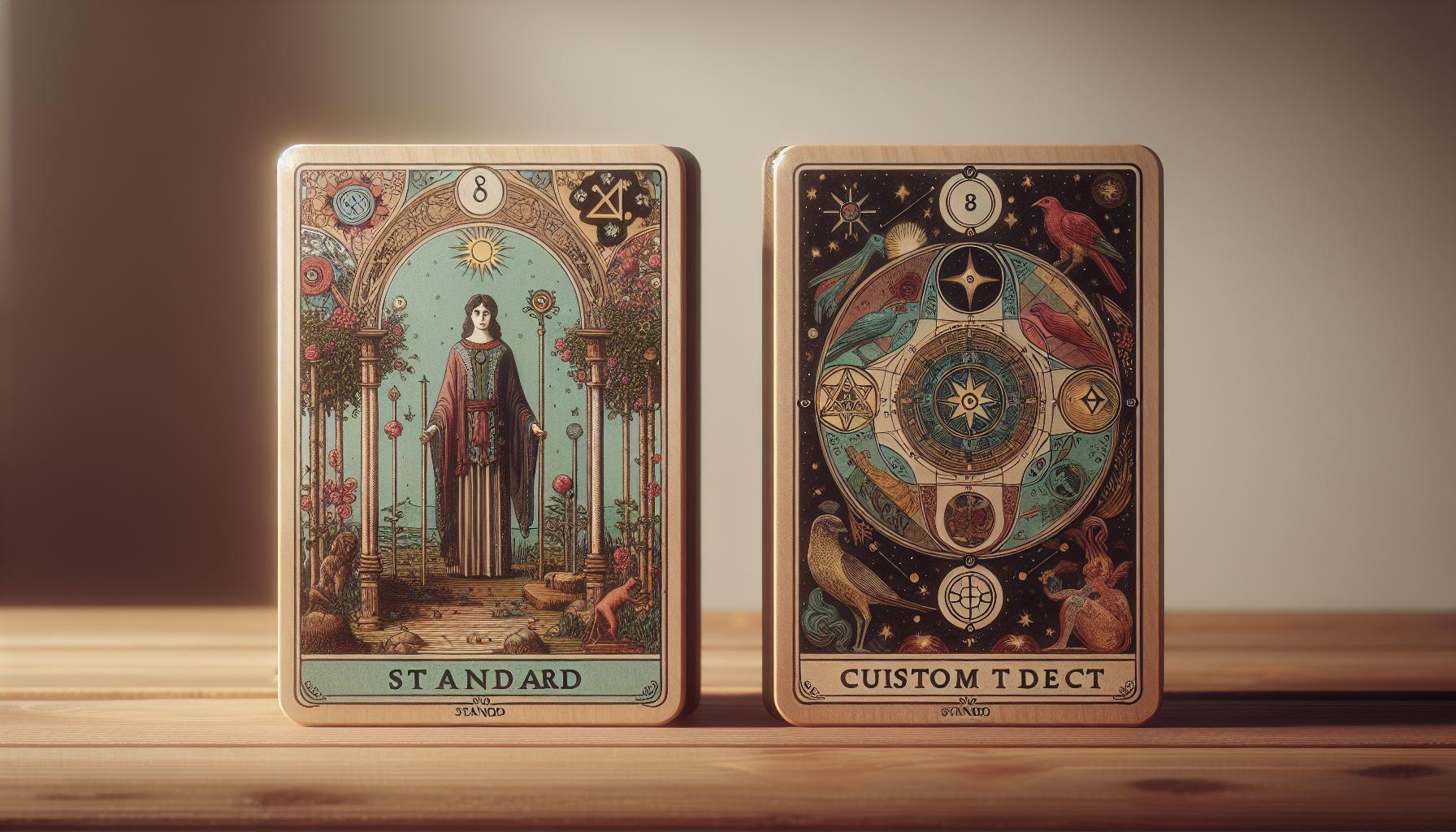
The Essential Anatomy of a Tarot Deck
The tarot deck is a fascinating blend of art, symbolism, and spirituality, forming a powerful tool for self-discovery and insight. At its core, the anatomy of a tarot deck consists of two primary sections: the Major Arcana and the Minor Arcana. The Major Arcana features 22 cards that represent significant life themes and spiritual lessons, illustrating profound archetypes like The Fool, The Magician, and The World. These cards can act as pivotal turning points in a reading, prompting deep reflection and understanding.
In contrast, the Minor Arcana is composed of 56 cards, divided into four suits: Cups, Pentacles, Swords, and Wands. Each suit resonates with different aspects of life-Cups signify emotions and relationships, Pentacles relate to material aspects and finances, Swords are tied to thoughts and conflict, while Wands embody creativity and action. This division equips readers with a comprehensive narrative of experiences, blending the cosmic lessons of the Major Arcana with the practical, everyday influences of the Minor Arcana.
Tarot decks can be standard or custom, affecting not just their appearance but also their interpretative depth. A standard deck typically maintains the classical structure and symbolism established by decks like the Rider-Waite-Smith. However, custom decks, often created by artists and practitioners, can introduce innovative imagery and unique interpretations that resonate with the creator’s vision or personal philosophies. This diversity allows users to select a deck that truly aligns with their intuitive practices, enhancing the reading experience.
When exploring the anatomy of a tarot deck, consider not only the card counts and suits but also how each deck’s unique features might expand your readings. Engaging with a custom deck may foster a more personal connection, perhaps offering fresh perspectives that standard decks might not present. As you delve into different decks, your understanding of the cards will blossom, empowering you to conduct more nuanced and insightful readings.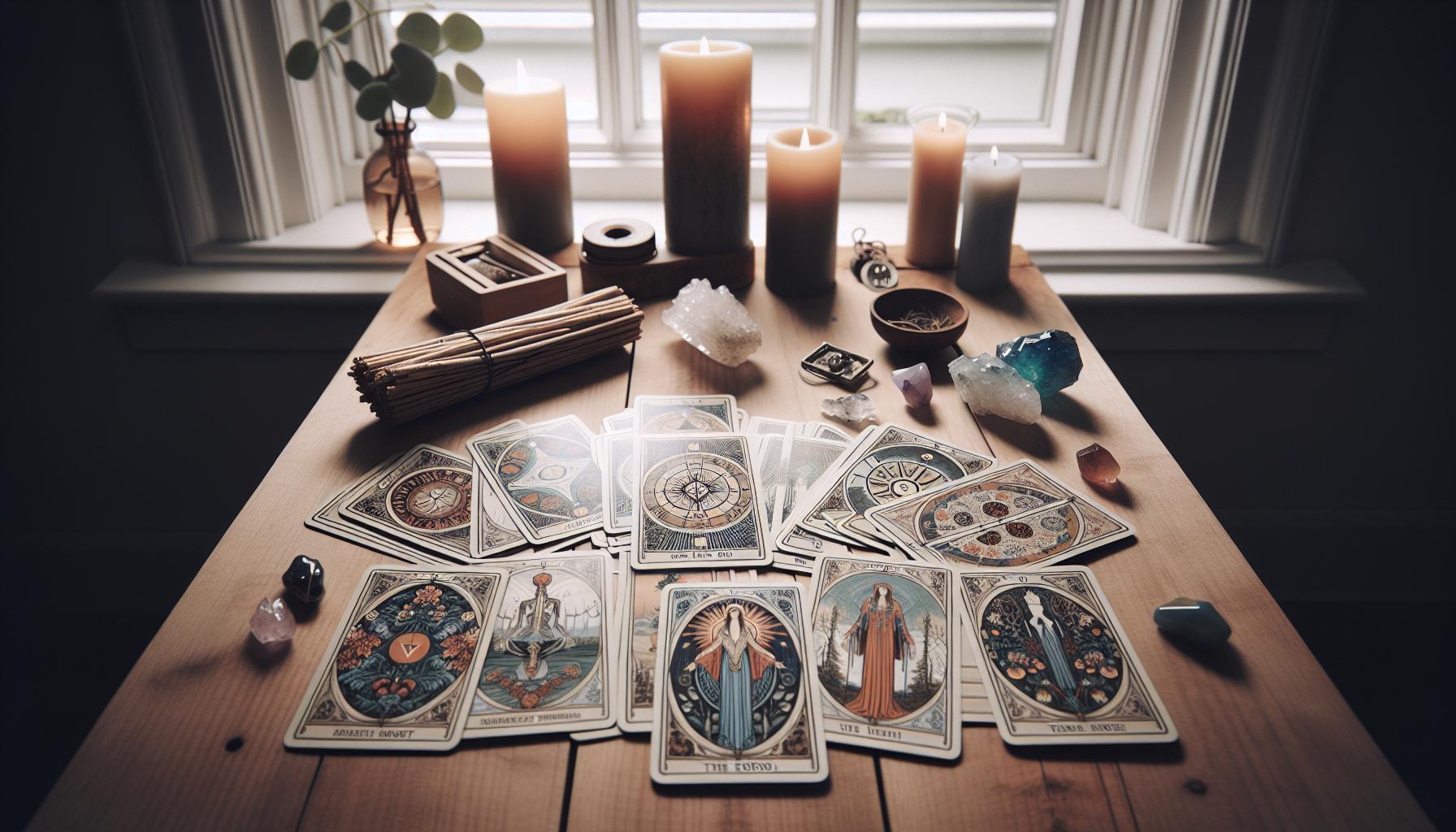
Understanding Standard Tarot Card Counts
The diversity among tarot decks is fascinating, yet many readers often gravitate toward standard card counts, which provide a universally recognized structure. A typical tarot deck includes 78 cards, consisting of 22 Major Arcana cards and 56 Minor Arcana cards. This established count serves as a foundational guideline for readers, offering consistency in how readings are conducted and interpreted.
The Major Arcana represents profound life lessons, featuring significant archetypes such as The Fool or The High Priestess. Each Major Arcana card captures deep existential themes, acting as pivotal markers in your spiritual journey. For example, drawing The Lovers may signal key choices in relationships or a journey towards self-love, while the Tower often reflects sudden change or upheaval. With 22 cards, readers find a powerful toolkit for exploring transformative life events and inner wisdom.
In contrast, the Minor Arcana breaks down into four suits-Cups, Pentacles, Swords, and Wands-which reflect the nuances of daily life. Each suit carries 14 cards, ranging from Ace to Ten, plus four court cards (Page, Knight, Queen, King). For instance, Cups signify emotional and relational aspects; drawing the Two of Cups can highlight harmonious partnerships. Meanwhile, Swords often relate to thought processes and conflicts, illustrated by the Five of Swords, which may denote strife or defeat.
Understanding this standard card count forms the backbone of tarot practice, allowing newcomers to grasp essential meanings while nurturing their intuitive abilities. As readers become familiar with the traditional structure, they may experiment with custom decks, which can deviate from these counts or themes. This flexibility enables even deeper exploration of the tarot’s rich symbolism, adapting readings to personal insight and cultural contexts. Whether sticking to standard structures or venturing into custom variations, both approaches provide valuable pathways for spiritual guidance and self-discovery.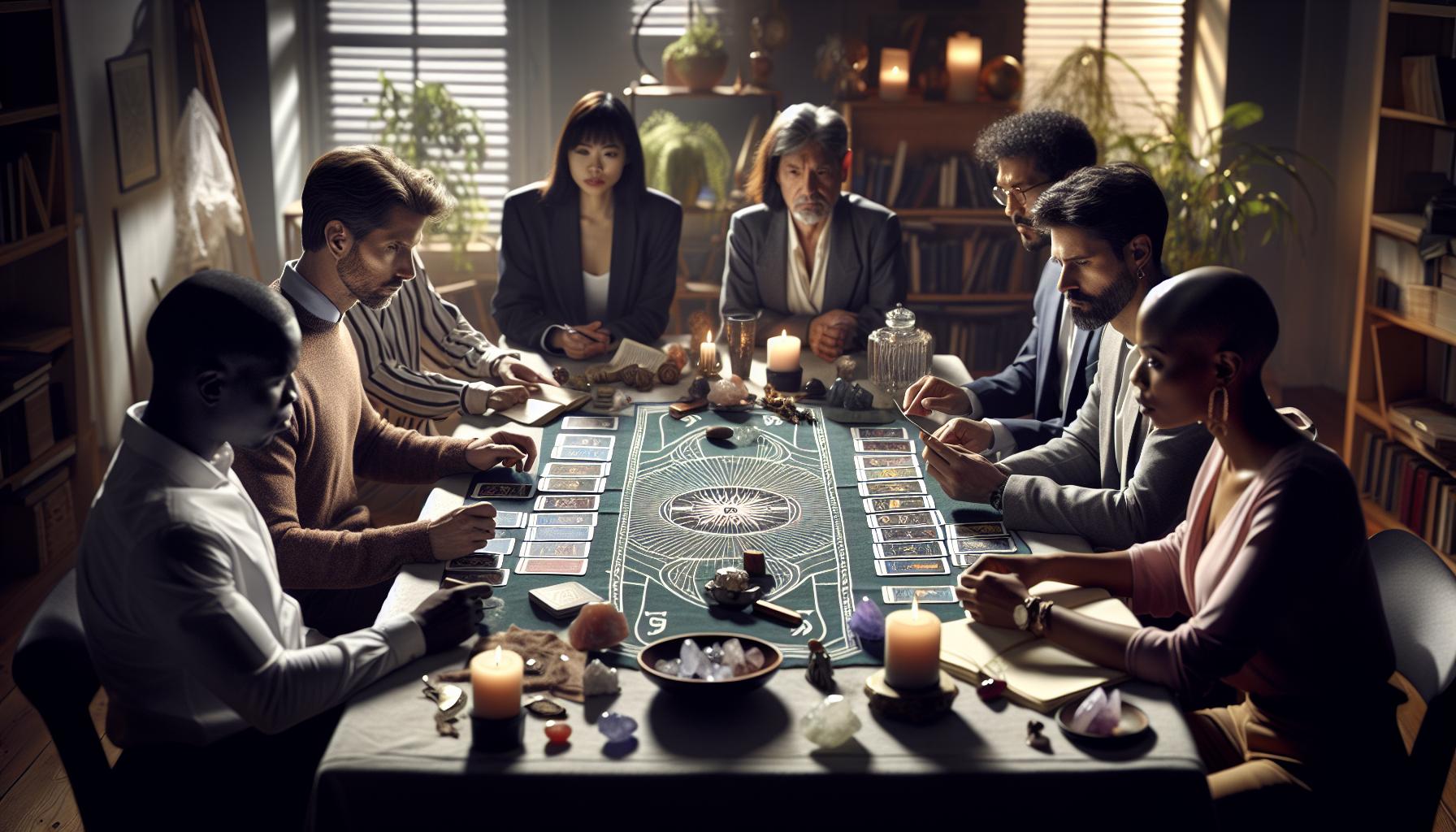
Exploring Custom Tarot Deck Variations
Exploring the realm of custom tarot decks can awaken a deeper connection to the cards and their meanings. Unlike standard decks that adhere to a traditional 78-card format, custom decks provide artists and creators the freedom to innovate. This innovation often leads to designs that resonate more closely with individual aspirations, cultural backgrounds, and personal narratives. For instance, while a standard deck might portray traditional archetypes, a custom deck could reinterpret these figures through modern lenses, such as through illustrations of diverse identities, styles, or themes like nature, mythology, or pop culture.
When approaching a custom tarot deck, consider the artistic elements that resonate with you. Is there a certain aesthetic that feels more vibrant or meaningful? Custom decks might incorporate elements like unique imagery, unconventional suits, or even thematic tools tailored to specific types of readings-be it emotional, spiritual, or practical. This is particularly beneficial for readers who seek to align their tarot practice with personal beliefs or contemporary issues, allowing for more relevant and impactful readings.
Adopting a custom deck can also expand the depth of your readings. For example, if a custom deck features cards that are inspired by specific cultures or spiritual philosophies that you resonate with, the interpretations may yield insights that standard decks cannot provide. You might find your intuitive responses shift as the imagery and concepts presented speak more directly to your experience and questions. Laying out a spread with a deck that you feel connected to can illuminate answers in unexpected ways.
As you explore different custom decks, reflections on their unique features and themes are crucial. Engage with the card meanings through journals or meditation to glean insights directly from the deck’s perspective. This practice not only enhances your reading skills but also cultivates a more intimate relationship with the cards, fostering confidence in intuitive insights and personal interpretation. Ultimately, whether you choose a standard or custom tarot deck, the goal is to establish a connection that empowers you on your spiritual journey.
Key Differences: Standard vs Custom Cards
The world of tarot decks is a vibrant tapestry of tradition and innovation, where the familiar structure of standard decks meets the limitless creativity of custom creations. While traditional tarot decks typically consist of 78 cards-with 22 Major Arcana and 56 Minor Arcana-custom decks often challenge this norm, offering unique interpretations and refreshing artistic expressions. This duality not only serves different readers but also enhances the richness of tarot practice.
When it comes to standard decks, the cards follow a well-established iconography and symbolism, allowing for a cohesive understanding among practitioners. These decks provide a shared language rooted in centuries of tarot tradition, making it easier for newcomers to engage with their meanings. For example, the recognizable imagery of the Rider-Waite-Smith Tarot is a staple in many readings, using universal symbols that resonate across cultures and experiences.
In contrast, custom decks diverge from this conventional path, often crafted to reflect specific themes or narratives. They may incorporate non-traditional imagery, introduce new suits, or even alter card meanings to fit modern contexts. This creative freedom allows artists to infuse their cultural backgrounds, personal stories, and contemporary issues into the cards, making them resonate on a more personal level. For example, a custom deck focused on environmental themes might reinterpret traditional cards like the Empress to reflect eco-centric values, offering fresh insights during readings.
While standard decks offer a sense of familiarity and shared understanding, custom decks invite exploration and personal connection. Readers can find that their intuitive responses to different decks vary significantly, often sparking new interpretations and deeper emotional connections. For those just starting their tarot journey, beginning with a standard deck can lay a solid foundation, while experienced readers might find profound value in the nuanced perspectives offered by custom decks. Each type of deck has its place, and the right choice ultimately depends on the reader’s personal style and the depth of insight they wish to achieve with their readings.
Types of Standard Tarot Decks Explained
The world of standard tarot decks is rich with symbolism and history, making it essential for readers to understand the various types available. From the iconic imagery of the Rider-Waite-Smith Tarot to the more traditional Marseille decks, standard tarot decks generally adhere to a structure of 78 cards: 22 Major Arcana and 56 Minor Arcana. Each type serves a purpose, catering to different styles of reading and interpretations.
Popular Types of Standard Tarot Decks
- Rider-Waite-Smith Tarot: Known for its vivid illustrations, this deck is often recommended for beginners. Each card is laden with symbolism that guides interpretation, making it easier for new readers to connect the imagery with their intuitive insights.
- Marseille Tarot: This traditional deck features a more minimalist design and lacks the detailed illustrations found in the Rider-Waite-Smith Tarot. Its emphasis on numerical symbolism and the classic European suits of Cups, Swords, Coins, and Wands offers a unique perspective that appeals to historical purists.
- Thoth Tarot: Created by Aleister Crowley, this deck is known for its intricate artworks and deep esoteric meanings. It merges astrology and Kabbalistic principles, making it suitable for advanced readers who want to explore complex spiritual concepts.
Understanding these variations helps carry out effective readings. For instance, if you are drawn to imagery and storytelling, the Rider-Waite-Smith deck may resonate more with you. Alternatively, if you appreciate symbolism and historical context, the Marseille may be the ideal choice.
The Impact of Deck Choice on Your Practice
Choosing the right tarot deck can profoundly affect your reading experience. A deck that aligns with your personal aesthetic and spiritual practice enhances your intuitive connection to the cards. Here’s how to assess your needs and refine your selection:
- Align with Your Style: Think about whether you prefer detailed artwork or more abstract representations. The imagery should inspire you and evoke emotional responses during readings.
- Familiarity with Symbols: If you’re just starting, sticking with a widely recognized deck such as Rider-Waite can provide confidence; its meanings and symbols are well-documented, making them easier to learn.
- Cultural Connection: Many readers find that specific decks resonate with their personal or cultural backgrounds. Seeking a deck that reflects your values can create a deeper reading experience.
Investing time in understanding the various types of standard tarot decks enables you to select one that truly speaks to you, ultimately enriching your tarot journey. Whether it’s exploring the familiar symbols of the Rider-Waite or delving into the historical context of the Marseille, each deck offers a unique lens through which to view the universe and your place within it.
How Custom Decks Expand Your Readings
Custom tarot decks offer an exhilarating opportunity to deepen and personalize your readings, expanding the ways you connect with the cards and the messages they convey. Unlike standard decks that adhere to established archetypes and symbolism, custom decks often reflect unique themes, cultures, or personal journeys, adding layers of meaning to your practice. For example, if you’re drawn to nature, a tarot deck featuring elements from the natural world can help you intuitively understand how those themes relate to your life and readings.
The versatility of custom decks enables readers to explore a broader spectrum of interpretations. A well-crafted custom deck may not only include familiar Major and Minor Arcana but can also introduce new card meanings or additional cards that resonate with contemporary or personal experiences. For instance, a deck themed around social justice might add cards that represent concepts like “Advocacy” or “Unity,” fostering deeper discussions during readings. This approach can enrich your understanding, helping you uncover insights that would have been overlooked with traditional decks.
When selecting a custom deck, consider how its artwork and themes align with your intuitive style. Engaging with imagery that resonates personally can evoke stronger emotional responses, making your readings more impactful. If you find yourself particularly drawn to a unique motif or artistic style, allow it to guide you in your readings-trust in your instinctive responses. A custom deck may speak to you in ways that traditional decks do not, giving voice to your inner thoughts and feelings.
Integrating custom decks into your readings provides an avenue for exploration of personal narratives and contemporary issues. It encourages you to think outside traditional interpretations and embrace your intuition. Whether you’re a beginner or an advanced reader, experimenting with custom decks can unveil new facets of your spiritual practice, illuminating paths that lead to profound self-discovery and understanding. Embrace the magic and let your custom tarot journey unfold!
Choosing the Right Deck for Your Needs
Choosing the right tarot deck can be a transformative experience, guiding you deeper into your intuitive journey. With countless options available, understanding your personal preferences and reading goals is essential. Whether you’re drawn to a classic Rider-Waite-Smith deck or an innovative custom creation, the deck you choose can significantly influence your readings and enhance your connection to the cards.
Begin by reflecting on what resonates with you. Consider your intuitive style, interests, and the themes you would like to explore. For example, if you’re passionate about spiritual growth, a deck focused on personal empowerment might be ideal. If nature captivates you, look for decks that incorporate natural elements or symbolism. To help narrow your options, ask yourself the following questions:
- What themes inspire me? Identify whether you’re attracted to traditional symbols, modern interpretations, or specific cultural motifs.
- What reading style do I prefer? Think about whether you enjoy detailed spreads that explore multiple aspects of a situation or concise readings that focus on immediate issues.
- How comfortable am I with traditional tarot meanings? If you’re a novice, starting with a standard deck may help you grasp the foundational meanings before exploring custom interpretations.
As you explore your options, it’s also invaluable to handle the decks physically, if possible. The tactile experience of shuffling and holding the cards can reveal a lot about the deck’s energy. Be attentive to your reactions when you see the artwork; vibrant illustrations might ignite excitement, while darker imagery could provoke deeper contemplation.
Lastly, consider your skill level and the purpose of your readings. New tarot readers may benefit from established decks that come with guidebooks detailing traditional interpretations and card meanings. In contrast, advanced practitioners might seek custom decks that offer unique insights or added depth, prompting innovative interpretations that challenge and expand their understanding. Engaging with a diverse range of decks fosters flexibility in your readings and encourages intuitive growth.
The Influence of Card Count on Readings
The dynamic interplay of card count in a tarot deck significantly shapes the reading experience. Whether you’re working with a traditional 78-card setup or exploring a unique custom deck, the number of cards can influence the richness and complexity of your interpretations. Understanding this relationship can enhance your readings, making them more intuitive and insightful.
In standard tarot decks, you generally have 78 cards divided into the Major and Minor Arcana. The Major Arcana, consisting of 22 cards, represents significant life events and spiritual lessons, while the 56 Minor Arcana cards are divided into four suits (Cups, Wands, Swords, Pentacles) that deal with day-to-day issues. This structure can provide a comprehensive framework for addressing varied aspects of life during a reading. For example, drawing a high number of Major Arcana cards might indicate that the situation being explored is pivotal or transformative, whereas a reading dominated by Minor Arcana cards may focus more on immediate, practical matters.
When delving into custom tarot decks, the card count might not adhere to traditional structures, allowing for creative interpretations. Some custom decks might include additional cards that evoke particular themes or archetypes relevant to the artist’s vision. For instance, a deck focused on nature might incorporate cards depicting environmental concepts or personal growth through nature’s cycles. The absence or addition of cards can lead to unique insights, as they might highlight aspects of the reading that a standard deck wouldn’t address.
As you consider how card count impacts your readings, reflect on the specific questions or intentions guiding your practice. If you aim for in-depth exploration, a larger deck with diverse cards can offer granularity in your readings. Conversely, if you’re seeking clarity or straightforward answers, a more straightforward deck may be beneficial. Pay attention to how the number and types of cards resonate with you; sometimes, a smaller number of thoughtfully designed cards can evoke powerful reflections just as well as a traditional set.
Ultimately, whether using a standard deck or a custom creation, understanding how card count influences your interpretations can deepen not only your readings but also your connection to the cards. Embrace the diversity of decks available, and let the number of cards guide you to the insights you need.
Unpacking Major and Minor Arcana Cards
The magic of a tarot deck truly unfolds when you explore the dynamic interplay between the Major and Minor Arcana. Each section of the deck serves a unique purpose, offering distinct insights into various life situations. The Major Arcana consists of 22 cards, each symbolizing powerful themes, life lessons, and inevitable transformations. Cards like The Fool, The Lovers, and The Tower capture pivotal moments in one’s spiritual journey, often reflecting significant personal milestones or transitions. When drawn, these cards can indicate that the querent is at a crossroads, urging deeper reflection on their choices and path.
In contrast, the 56 Minor Arcana cards are divided into four suits: Cups, Wands, Swords, and Pentacles. These cards deal with everyday experiences, emotions, and challenges. Each suit carries its essence; for instance, Cups symbolize emotions and relationships, while Wands embody creativity and action. This structure allows readers to contextualize their inquiries within more mundane aspects of life. For example, if a reading draws several Swords cards, it might suggest that the querent is grappling with intellectual challenges or conflict, signaling the need for clarity in their thoughts.
Beginner readers can greatly benefit from understanding how to interpret the balance of these cards within their spreads. When you notice an abundance of Major Arcana cards, consider the reading a call to pay attention to the larger forces at play in the querent’s life. Conversely, a spread rich in Minor Arcana indicates a focus on practical daily matters that warrant attention. By recognizing these patterns, you can guide querents more effectively, helping them navigate both their profound existential questions and their everyday challenges.
Whether using a traditional deck or a custom one that plays with this classic structure, the essence of both types remains the same: to facilitate deeper self-discovery and understanding. Custom decks might reinterpret the cards or introduce new themes, allowing the nuances of personal experience to shape the readings further. This fluidity in meaning makes tarot accessible to everyone, regardless of their experience or belief system-reminding us that every card has something to teach us on our journey.
Unique Features of Custom Tarot Decks
The beauty of custom tarot decks lies in their ability to reflect personal experiences, cultural nuances, and artistic interpretations. Unlike traditional decks, which follow the standard structure and themes, custom decks can redefine meanings by introducing elements that resonate more with contemporary issues, personal philosophies, or specific aesthetic preferences. This versatility not only enriches personal readings but also deepens the connection between the reader and the cards, making them feel more relatable and significant.
One of the standout features of custom tarot decks is their capacity for thematic divergence. For instance, while a standard deck might adhere to classic symbolism rooted in the Rider-Waite tradition, a custom deck might focus on themes like animal spirit guides, nature, or modern societal challenges. This can be especially helpful for readers who wish to address specific situations or inquiries that resonate more closely with their lived experiences. A deck featuring vibrant illustrations that depict diverse cultural practices or everyday scenarios can provide fresh insights and a new context for a reading.
In addition to thematic variations, custom decks often allow for modified card meanings and interpretations. They may introduce new cards altogether or alter the traditional titles and attributions of existing ones. Think of a deck that substitutes The Fool with a card symbolizing self-discovery through travel, capturing the spirit of exploration in a unique way. This adaptability encourages readers to trust their intuitive interpretations rather than solely depending on traditional meanings, facilitating a more personal and enriched reading experience.
Moreover, incorporating custom decks into your practice can invigorate your readings. New imagery can prompt different feelings and thoughts, triggering insights that may not surface when using a familiar deck. For example, if a custom deck’s depiction of The Tower features a natural disaster instead of a crumbling tower, the reader might interpret upheaval as an environmental or personal crisis linked to change and resilience. Such differences help break any rigid associations and invite a broader perspective, making readings more dynamic and varied.
Navigating custom tarot decks may initially seem daunting, but they can be approached with curiosity and openness. Start by familiarizing yourself with the deck’s unique symbols and meanings, then practice integrating them into your spreads. Consider journaling your findings and interpretations to uncover patterns and connections that resonate with your personal journey. Remember, whether you choose a standard or custom deck, each provides its unique doorway into self-exploration and growth, inviting you to become your own intuitive guide on this enlightening path.
Tips for Integrating Custom Decks into Practice
Integrating custom tarot decks into your practice can be an exciting and enriching experience. Each custom deck offers unique imagery, themes, and interpretations that can breathe new life into your readings. Here are some practical tips to help you smoothly incorporate these distinctive decks into your tarot practice.
Familiarize Yourself with the Deck
Before you dive into readings, take the time to study the cards in your custom deck. Spend a few moments with each card, noting its imagery, colors, and symbols. Reflect on what each card means to you based on the feelings and thoughts that arise. Consider keeping a tarot journal to document your impressions and record how the cards align with your personal experiences or beliefs. This process will create a strong intuitive connection to the deck, enriching your practice.
Experiment with Different Spreads
Custom decks often lend themselves to unique interpretations, so don’t hesitate to experiment with various spreads. Start with simple spreads, such as a three-card spread for past, present, and future insights. As you become more comfortable, try elaborate layouts that suit the deck’s themes. For instance, if your custom deck focuses on nature, consider using a spread that aligns with natural seasons or cycles. Each spread can spark different perspectives and insights from the imagery in your custom deck.
Combine with Standard Decks
If you’re unsure about fully transitioning to a custom deck, try combining it with a standard tarot deck in your readings. This hybrid approach allows you to benefit from the traditional meanings while also exploring the unique interpretations provided by your custom cards. For example, if you pull a card from a standard deck and feel that a corresponding custom card would shed more light on the situation, draw it as a clarifier. This not only enhances your readings but allows you to compare interpretations and deepen your understanding of both decks.
Trust Your Intuition
Above all, trust your intuitive insights when working with a custom deck. Unlike traditional decks, which often have fixed interpretations, custom decks may challenge you to form your interpretations based on personal context. Listen to your intuition as you analyze the cards; sometimes, a card’s imagery may resonate with a feeling or theme entirely different from its traditional meaning. This unique interpretation can lead to powerful insights and deeper self-exploration, aligning your readings more closely with your personal journey.
By infusing your practice with various approaches, you’ll find that custom tarot decks not only enhance your readings but also create a richer, more personalized tarot experience. Embrace the adventure, and let your intuition guide you as you explore the vibrant world of custom tarot.
How to Create Your Own Tarot Deck
Creating your own tarot deck is a fulfilling and expressive endeavor that allows you to channel your intuition and personal style into a powerful tool for divination. The journey begins with a clear vision of what you want your deck to represent. Whether you’re inspired by personal experiences, specific themes, or artistic styles, your unique approach will infuse the cards with meaning and relevance to your readings.
Start by deciding on the structure of your deck. Most traditional tarot decks consist of 78 cards: 22 Major Arcana and 56 Minor Arcana. You might choose to stick to this format or allow your creativity to lead you elsewhere. Consider how the card count affects your readings-more cards could provide broader insights, while a smaller deck might focus on essential themes.
Once you’ve established your framework, dive into the illustrations and symbolism for each card. Visual elements are key, as they evoke emotional responses and interpretations. For example, the imagery in the Three of Cups traditionally symbolizes celebration and friendship; if you depict this card with imagery from your own life-perhaps a gathering with loved ones-you deepen its personal connection. Use a medium that resonates with you, whether it’s watercolor, digital art, or collage. Remember to maintain consistency in style throughout the deck to create a cohesive experience for the user.
Next, write down meanings and reflections for each card. You can either adapt traditional interpretations or create your own based on intuition or life events. This process will not only enhance your understanding of tarot but also provide a reference for readings. Consider keeping a tarot journal where you detail your thoughts and signs associated with each card. As you create your deck, you may discover new layers of meaning, enriching your overall narrative.
Lastly, test your deck in practice readings. Share it with friends or fellow tarot enthusiasts to receive feedback. Iterate on your designs and interpretations based on these experiences. Creating your own tarot deck not only strengthens your connection to the cards but also establishes a unique practice rooted in your spirit and insights. Enjoy the creative journey, and remember that your intuition is your greatest guide in this enchanting process.
Frequently Asked Questions
Q: How many cards are typically in a standard Tarot deck?
A: A standard Tarot deck consists of 78 cards, which include 22 Major Arcana cards and 56 Minor Arcana cards. This structure provides a comprehensive tool for divination and self-reflection, making it a popular choice among practitioners.
Q: Can a Tarot deck have fewer than 78 cards?
A: Yes, some Tarot decks may have fewer than 78 cards, especially custom or themed decks. These variations often remove certain cards from the Major or Minor Arcana, impacting the reading’s depth. It’s essential to understand how these changes may affect your practice.
Q: What types of cards can be found in custom Tarot decks?
A: Custom Tarot decks may include unique interpretations of traditional cards such as additional imagery, themes, or even entirely new cards. These customizations can enhance personal connection and intuitive readings, allowing for a more personalized Tarot experience.
Q: How do the card counts differ between standard and custom decks?
A: In contrast to the standard 78-card structure, some custom decks may have as few as 40 cards or more, depending on the creator’s vision. Understanding these differences can influence your reading style and the insights gained from a session.
Q: Are there decks with more than 78 cards?
A: Yes, certain Tarot decks expand upon the traditional framework and may exceed 78 cards by introducing extra cards focused on themes, elements, or specific practices. Such additions can deepen your exploration of Tarot and cater to advanced reading techniques.
Q: How do different card counts impact Tarot readings?
A: The card count in a Tarot deck can significantly influence readings. Fewer cards may lead to more straightforward interpretations, while a fuller deck allows for nuanced readings and complex spreads. Choose a deck that aligns with your reading goals for the best experience.
Q: What is the significance of the Major Arcana in a Tarot deck?
A: The Major Arcana consists of 22 cards representing significant life events and spiritual lessons. Their presence in a reading often indicates profound influences, making them essential for understanding deeper themes and life paths during a Tarot session.
Q: How should I choose between a standard and custom Tarot deck?
A: To select between a standard or custom deck, consider your reading style and preferences. If you prefer structure, opt for a standard deck. For a more personalized approach, a custom deck might resonate more deeply with your intuitive practices. Explore different options to find the best fit for your journey.
Feel free to explore more about the unique features of custom Tarot decks and how to integrate them into your practice for a fulfilling Tarot experience!
The Way Forward
As we wrap up our exploration of standard versus custom Tarot decks, remember that your choice ultimately shapes your reading experience. Whether you opt for the traditional 78-card deck or a unique custom set, the power of Tarot lies in connecting with your intuition. Are you ready to deepen your understanding of this mystical tool? Check out our guides on how to interpret Tarot card meanings or explore daily tarot card insights to keep your practice fresh and engaging.
Don’t miss the chance to elevate your spiritual journey! Sign up for our newsletter to receive exclusive tips, readings, and resources tailored to your Tarot practice. Have questions or want to share your experiences with different decks? We’d love to hear from you in the comments below. Dive deeper into the magic of Tarot and discover the perfect deck for your journey-your next insight is just a click away!
Get our latest guides, news, and insights highlighted in your Google Search & AI Overviews.