Have you ever been curious about tarot cards and their captivating ability to unlock insights into your life? Tarot isn’t just a mystical art; it’s a powerful tool for self-discovery and guidance. In “How to Play Tarot? Rules & Strategy Explained,” we’ll demystify the process of reading tarot, breaking it down into easy-to-understand steps that anyone can follow, whether you’re a newcomer or looking to deepen your practice.
By learning the rules and strategies of tarot, you’ll gain confidence in your intuitive abilities, allowing you to interpret the cards and navigate your journey. Understanding tarot can empower you to explore your questions, reflect on your experiences, and uncover the wisdom that lies within. So, if you’re ready to uncover the secrets of the tarot deck and enhance your life with its insights, keep reading to discover how to play tarot effectively and meaningfully.
Understanding the Basics of Tarot Reading
Tarot is a fascinating blend of art, intuition, and ancient wisdom, often perceived as a mystical tool for guidance. At its core, tarot offers profound insights into personal situations through a deck of 78 cards that each carry unique meanings and energies. Understanding the basics is crucial for anyone looking to delve into this enriching practice, making it accessible for both skeptics and believers alike.
One of the first things to grasp is the structure of the tarot deck, which comprises two main sections: the Major Arcana and the Minor Arcana. The Major Arcana consists of 22 cards that represent significant life themes and spiritual lessons, while the 56 Minor Arcana cards reflect daily challenges and experiences. Each suit in the Minor Arcana-Wands, Cups, Swords, and Pentacles-delves into different aspects of life like creativity, emotions, conflict, and material matters. Familiarizing yourself with these core meanings provides a strong foundation.
To engage with tarot, it’s beneficial to approach its reading as a conversation with your intuition and higher self. When drawing cards, consider not just the meanings assigned to them, but how they resonate with your current life circumstances. This interpretative nature is key in tarot reading; for example, if you draw The Lovers card, you might reflect on not only romantic relationships but also choices and unions in broader contexts.
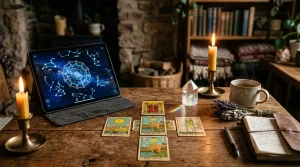
As you begin your tarot journey, creating a welcoming space can enhance your connection to the cards. This could be a quiet corner with candles, crystals, or personal items that inspire you. It’s essential to treat your reading practice with an open mind, allowing yourself to explore insights without judgment. Remember, every reading offers an opportunity for reflection, helping to unveil the layers of your intuition one card at a time.
Essential Tools for Your Tarot Journey
To embark on your journey into the world of tarot, having the right tools can significantly enhance your experience and deepen your understanding. These essential components create a supportive environment for growth, ensuring that you feel comfortable and confident as you explore the insights the cards can provide.
A good quality tarot deck is the most vital tool. When selecting your deck, allow your intuition to guide you. Feel the cards in your hands; do they resonate with you? Each deck has its unique artwork and energy, so take your time to find one that speaks to you. Popular choices for beginners include the Rider-Waite-Smith deck, known for its clear imagery and universal symbolism, making interpretation easier.
Alongside your deck, consider a journal dedicated to your tarot readings. This will not only track your spreads and insights but will also help in recognizing patterns in your readings over time. Recording your thoughts and feelings during your readings fosters a deeper connection with your intuition and aids in building your interpretative skills. Use it to jot down key meanings, personal relationships to the cards, and any revelations experienced during your readings.
To elevate your tarot practice, create a sacred space where you can conduct your readings. This could be a small table adorned with items that inspire you-such as crystals, candles, or meaningful objects that resonate with your spiritual energy. This environment will help you focus and enhance your intuitive connection when working with the cards. Ensure that this space is comfortable, allowing you to approach your readings with peace and clarity.
Don’t forget about additional resources, such as tarot guidebooks or online courses. These can provide valuable insights into card interpretations, spreads, and advanced techniques. Engaging with the tarot community-whether online or in-person-can also be incredibly beneficial. Sharing experiences, tips, and questions can help you feel more connected and less isolated in your practice.
By equipping yourself with these essential tools and creating an inviting atmosphere, you set the stage for meaningful and insightful tarot experiences. Embrace the process, and remember, tarot is a journey that unfolds uniquely for each individual.
Mastering the Tarot Deck: Card Meanings
To truly master tarot, understanding the meanings behind each card is essential. Each card holds its own unique energy, symbolism, and message, serving not only as a reflection of our inner world but also as guidance on our journey. Whether you’re drawing from the Major or Minor Arcana, each card tells a story that can illuminate your path, provide clarity on situations, and deepen your understanding of your own intuition.
Let’s explore the foundational elements of tarot card meanings. The Major Arcana cards, numbering 22, represent significant life themes and spiritual lessons. For example, The Fool symbolizes new beginnings and untapped potential, often encouraging you to take a leap of faith. In contrast, The Tower signifies sudden change and upheaval, urging you to embrace transformations that lead to growth. Understanding these deeper meanings helps you recognize the impact these cards can have on your readings.
On the other hand, the Minor Arcana, which includes 56 cards divided into four suits (Cups, Pentacles, Swords, and Wands), reflects the day-to-day challenges and experiences we face. Each suit corresponds to different aspects of life, such as emotions (Cups), finances (Pentacles), thoughts (Swords), and actions (Wands). For instance, the Three of Cups often signifies joy and collaboration, while the Five of Swords may indicate conflict or a challenging situation where victory comes at a cost.
To deepen your connection with the cards, practice by conducting personal readings. As you lay out the cards, take a moment to reflect on your impressions and intuitions. Visit your tarot journal after the reading and note down your interpretations and any feelings evoked. This regular practice not only enhances your understanding but also builds your confidence in intuitive reading.
As you progress, consider using multidimensional resources such as books, online courses, or engaging with a community of tarot enthusiasts. The diverse interpretations from various sources can enrich your perspective and provide insights you might not have considered before. Remember, mastering tarot is a journey-embrace the process and allow your intuition to guide you deeper into the beautiful symbology and meanings of each card.
Different Tarot Spreads and Their Purposes
Different spreads in tarot provide insight into various life situations, helping to clarify your thoughts and feelings. Each spread is designed to address specific questions, themes, or areas in your life, whether you’re seeking guidance on relationships, work, or personal development. Understanding the purpose of each spread allows you to choose the most suitable layout to enhance your readings.
Popular Tarot Spreads and Their Uses
- Single Card Spread: Ideal for quick insights or daily guidance, this spread involves drawing one card. It can offer a concise answer to a specific question or provide a focal point for reflection throughout your day.
- Three Card Spread: A versatile layout that can represent various themes such as past, present, and future, or mind, body, and spirit. This spread helps in understanding a situation’s development and the progression of energy surrounding it.
- Celtic Cross Spread: Often used for in-depth readings, this ten-card spread provides a comprehensive overview of a question or situation. It examines the present, the immediate challenge, past influences, and potential future outcomes, allowing for a thorough exploration of interconnected factors.
- Relationship Spread: This spread focuses on the dynamics between two individuals. A typical layout might include cards for each person, their feelings, common strengths, and challenges, facilitating a deeper understanding of relational energies.
Choosing the right spread can transform your readings from simple card draws into profound explorations of your spirit and decisions. Each layout serves its unique purpose, inviting clarity and direction based on your current life context. Begin your journey by experimenting with different spreads to discover which resonates most with you.
Tips for Using Spreads Effectively
- Ask Clear Questions: Before you begin your reading, formulate specific and open-ended questions. This clarity helps to focus the energy of the cards and leads to more meaningful insights.
- Contextualize Card Interpretations: When interpreting your cards, consider their positions within the spread. The meaning can shift depending on their placement-what might usually indicate a challenge might represent a strength in a different context.
- Trust Your Intuition: While learning the traditional meanings of the cards is essential, your personal connection and intuition will lead to the most fulfilling insights. Allow your feelings about each card to shape your interpretations.
By familiarizing yourself with different spreads and honing your intuitive understandings, you’ll find that tarot not only offers guidance but also promotes personal empowerment and spiritual growth. With each reading, you cultivate a deeper relationship with the cards and with yourself.
Step-by-Step Guide: How to Do a Reading
To embark on a tarot reading, it’s essential to create a space that promotes focus and serenity. Begin by finding a quiet area where you feel comfortable and free from distractions. This environment sets the tone for your reading, allowing you and the cards to connect more deeply. Once you’re settled, take a moment to ground yourself-breathe deeply, let go of any preoccupations, and clear your mind. This initial step fosters an open mindset, which is crucial for receiving meaningful insights.
Next, formulate a clear question or intention. This clarity acts like a guiding light throughout your reading, ensuring that the cards you draw relate directly to the issue you wish to explore. For instance, instead of asking a vague question like “What will happen in my future?” refine it to something specific, such as “What do I need to know about my career progression in the next six months?” Such direct inquiries help align the energy of the cards with your personal journey.
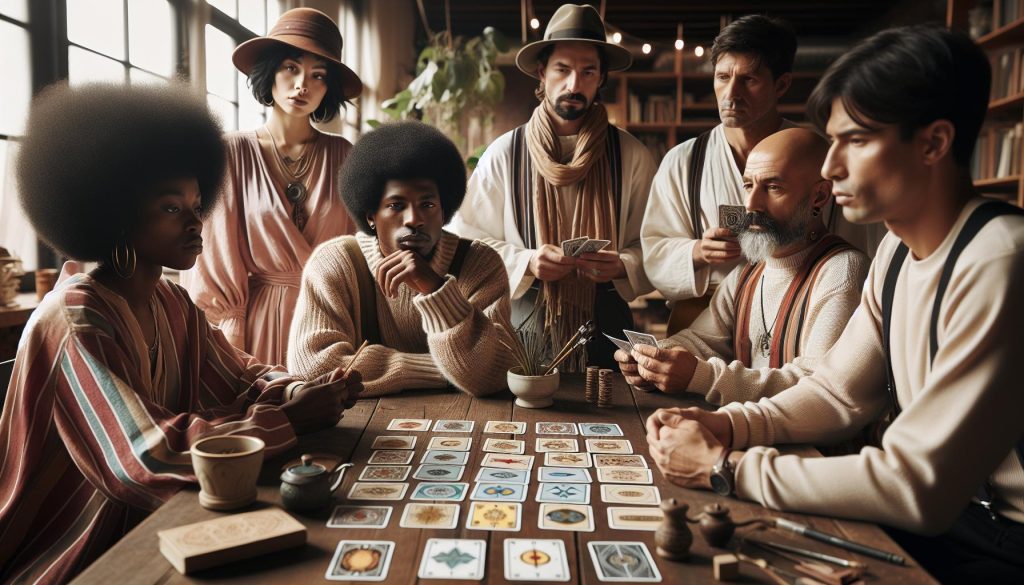
When you’re ready, shuffle the deck while reflecting on your question. This process not only mixes the cards physically but also allows you to infuse them with your energy. Once you feel ready, draw the cards according to the spread you’ve chosen-be it a single card for immediate clarity or a more complex layout like the Three Card Spread or the Celtic Cross for in-depth insight. Each card you draw serves as a piece of your larger puzzle, revealing past influences, present situations, and potential outcomes relevant to your inquiry.
As you lay out your cards, take time to observe their positions and meanings. Each card’s interpretation can shift based on where it falls in the spread, so consider both the individual message of each card and its context within the layout. Trust your intuition; while it’s good to know traditional card meanings, your personal feelings about the cards will guide you to the most profound insights. For example, if a card known for “conflict” lands in a position indicating your current state, but you feel peace from its imagery, honor that feeling. Each reading is a dialogue between you and the cards, enriched by your unique perspective.
Finally, consolidate your findings into a narrative. Reflect on what the cards reveal about your question and how they resonate with your life. Writing these insights down can reinforce your understanding and allow you to track your progress over time. With practice, your readings will deepen, revealing layers of meaning that can guide you towards intentional action and self-discovery on your journey through life. Remember, tarot is not just about predicting the future; it’s a tool for personal empowerment and insight.
Interpreting Tarot Cards: Tips and Techniques
Interpreting tarot cards goes beyond memorizing meanings-it’s about tapping into your intuition and understanding the narrative that unfolds from the cards. Each reading is a unique story, rich with symbolism and insights, requiring both practice and patience to decipher. Here are some essential tips and techniques to help you deepen your interpretation skills and connect more profoundly with the messages the tarot holds.
To start, familiarize yourself with the meanings of the tarot cards. Each card has core interpretations, but their meanings can evolve based on context. Begin with a solid foundation by studying the Major Arcana and Minor Arcana cards, noting their themes and emotional tones. For instance, the Fool often represents new beginnings and spontaneity, while the Tower can signify sudden upheaval or realizations. As you progress, consider keeping a tarot journal where you document your insights and feelings about each card. This practice will enhance your recall and deepen your understanding of how the cards interact with one another.
Context plays a crucial role in interpretation. Pay attention to the card’s position within a spread-their placements can dramatically alter their meanings. For example, if the Empress appears in a past position, it might reflect a time of nurturing and abundance that has shaped the current situation; however, in a future position, it may indicate upcoming growth or creativity. When interpreting spreads, remember to consider the relationships between the cards. Look for patterns and themes as you weave their messages together to create a cohesive narrative.
Another effective technique is to engage with the imagery of the cards. The visuals can evoke personal feelings or memories that might not align with traditional meanings but carry significant weight for your reading. Take a moment to meditate on a card’s imagery-what emotions arise? What stories does it tell? For example, if you draw the Eight of Swords, instead of only viewing it as restriction, you might connect it to a personal experience of feeling trapped but ultimately realizing the power to change your situation lies within you.
Finally, always trust your intuition. Developing your instincts is critical to interpreting tarot effectively. If a card’s traditional meaning doesn’t resonate with you in a specific reading, honor that feeling. Your intuition can provide insights that books may not capture. As with any skill, the more you practice, the more attuned you will become to the subtleties of the cards, leading to richer, more personal interpretations that can guide not just your readings, but also your life journey.
Incorporating these methods will enhance your tarot practice, allowing you to uncover deeper insights and personal connections with each reading. Embrace the process of exploration-tarot is as much about the journey as it is about the destination.
Strategies for Developing Intuition with Tarot
To truly connect with the power of tarot, developing your intuition is essential. This journey goes beyond book learning; it’s about forging a personal relationship with the cards that resonates deeply within you. Start by creating a dedicated space for your readings-a quiet, comfortable area that feels sacred to you. This environment can help you enter a more intuitive state, allowing insights to flow naturally during your sessions.
One effective method for nurturing your intuitive abilities is through daily card draws. Each morning, pull a card and reflect on its symbolism and how it might apply to your day. Ask yourself open-ended questions like, “What message does this card hold for me today?”, and journal your thoughts. Over time, you’ll begin to notice patterns or recurring themes in how certain cards relate to your experiences, strengthening your intuitive ties to the deck.
Additionally, visual cues within the cards can be incredibly revealing. Spend time examining the imagery-colors, symbols, and characters. What emotions do these invoke in you? Engage your senses: what sounds, smells, or memories come to mind when you look at a particular card? For instance, gazing at the Star may evoke feelings of hope and tranquility, reminding you of a calm moment in your life. Allow this subjective experience to guide your interpretations, rather than sticking strictly to traditional meanings.
Finally, trust the whispers of your intuition. It’s common to doubt your insights, but remember that your unique perspective is valuable. If a card’s traditional meaning doesn’t resonate, take a moment to explore alternative interpretations that feel true for you. As you practice, try to notice how your intuition evolves-what once seemed unclear may become vivid and meaningful. With each reading, you’ll cultivate a more profound understanding of yourself and the universe around you, building confidence in your tarot journey.
Common Mistakes in Tarot Reading to Avoid
Mistakes are a natural part of learning, and in the realm of tarot reading, they can often lead to meaningful insights. However, there are specific pitfalls that beginner and even experienced readers may encounter. Recognizing and addressing these common mistakes is crucial for developing both confidence and accuracy in your readings.
One frequent error is approaching tarot with rigid expectations. Tarot is a tool for guidance, not a source of absolute answers. Many readers may look for specifics, such as the exact outcome of a situation. This mindset can lead to frustration when the cards convey more nuanced messages. Instead, focus on the broader themes presented by the cards, and consider how they relate to your question. For instance, if you draw The Tower, rather than fearing upheaval, reflect on the possibility of transformation and new beginnings.
Another common mistake is neglecting to familiarize yourself with the cards. While it’s tempting to rely solely on guidebooks, true understanding comes from personal interpretation and connection. Spend time with each card, noting your emotional responses to the imagery. Keep a journal where you document your feelings and insights about each card’s meaning. This personal touch can make the readings resonate more deeply. For example, if you draw The Lovers, explore what partnerships mean to you personally, beyond the textbook definition.
Misunderstanding card positions in a spread is also a common error. Each card’s placement offers context, influencing its interpretation. For example, drawing the Ten of Swords in a position that represents obstacles might signal the need to let go of past grievances, whereas in a position regarding future possibilities, it could indicate an end to suffering and the promise of rebirth. Always take the time to consider the specific meaning and implications based on the spread you are using.
Lastly, many readers fall into the trap of overcomplicating their readings. While it can be tempting to use elaborate spreads, especially when you’re still finding your footing, simpler is often better. A three-card spread focusing on past, present, and future can yield profound insights without unnecessary complexity. It allows you to concentrate on the individual messages of each card and their story when woven together, fostering greater clarity and understanding.
By being mindful of these common mistakes, you can enrich your tarot practice and enhance your readings, inviting deeper insights and personal growth. Remember, there’s no right or wrong way to read the cards-only your unique journey toward self-discovery and intuition development. Trust yourself, and allow each reading to unfold organically.
Advanced Tarot Techniques: Expanding Your Skills
Embarking on the journey of tarot reading can be both thrilling and transformative. As you grow more comfortable with the cards and their meanings, you might find yourself seeking ways to deepen your practice and enhance your readings. Advanced techniques can help expand your skills, providing fresh perspectives and new layers of insight. These methods allow you to connect more deeply not just with the cards but with your intuition as well.
Exploring Symbolism and Interconnections
One of the most powerful techniques is to dive into the symbolism inherent in each card. Every tarot card is rich with imagery that can unveil deeper meanings. Create a visual map connecting various cards based on their themes, elements, or numerology. For instance, you might connect cards like The Emperor and The Empress through the theme of authority and creation, examining how these energies interplay in your readings. This symbolic mapping can reveal patterns and insights that may not be immediately obvious at first glance.
Using Additional Tools: Crystals and Astrology
Incorporating crystals and astrological influences can significantly enrich your tarot practice. Each card can be associated with specific crystals that resonate with its energy. For example, associating The Lovers with rose quartz can enhance your understanding of relationships. Likewise, tracking the moon phases and their impacts on your readings can provide contextual clarity. When conducting a reading, consider how lunar cycles may resonate with the cards drawn. This can add an enlightening layer to your insights, providing a cosmic backdrop to the personal issues at hand.
Creating Customized Spreads
While traditional spreads offer structured guidance, crafting your own bespoke spreads can allow for more tailored insights. Consider the specific question you have in mind and design a spread around it. For example, if exploring career options, you could create a five-card spread: one for your current situation, one for challenges, one for opportunities, one for advice, and one for the potential outcome. This customization not only makes your readings more relevant but also strengthens your intuitive connection with the cards.
Incorporating Storytelling Techniques
Integrating storytelling into your readings can also elevate your tarot experience. As you lay out the cards, think of them as characters in a narrative. How do they interact with each other? What story emerges when you weave their meanings together? This approach encourages a dynamic interpretation that evolves with each reading. For instance, drawing the Knight of Cups followed by the Two of Wands could suggest a story of passionate pursuit leading to new opportunities. Embrace this narrative style to create a vibrant tapestry from your tarot insights.
In summary, advanced tarot techniques not only refine your skills but also deepen your connection to the cards and your intuition. By exploring symbolism, incorporating complementary tools, crafting custom spreads, and adopting a storytelling approach, you can transform your tarot practice into a powerful tool for insight and understanding. As you continue on this path, remember that the beauty of tarot lies in your unique interpretation and the wisdom you bring to every reading. Embrace the journey, and let each card reveal its magic.
Incorporating Numerology and Astrology in Tarot
Incorporating numerology and astrology into your tarot practice can significantly deepen your readings, providing additional layers of insight and context. Both disciplines have their roots in ancient wisdom and can enhance your understanding of the energies at play in your tarot sessions. For example, by looking at the numerological significance of the cards drawn, you can uncover underlying themes that might not be immediately apparent.
Numerology in Tarot
Each tarot card corresponds to a specific number that carries its own meaning. For instance, the Major Arcana cards are numbered from 0 to 21, with each number signifying a unique life lesson or archetype. You can start by summing the numbers of the cards in a spread. Let’s say you draw The Lovers (6), The Emperor (4), and The Wheel of Fortune (10). The total is 20, which corresponds to Judgment. This connection can prompt reflection on themes of rebirth and awakening in your reading. Recognizing these numerical connections can paint a more complex picture of your situation, allowing for more nuanced interpretations.
- Master the basics: Start familiarizing yourself with the core meanings of numbers in numerology.
- Practice calculations: Regularly practice summing up the numbers of different card combinations and see what emergent themes arise.
- Keep a journal: Document your findings to notice any patterns that emerge over time.
Astrology in Tarot
Astrology also plays a vital role in enhancing tarot interpretations. Each tarot card can be associated with astrological signs, planets, and even elements. For example, The Emperor corresponds to Aries, suggesting themes of leadership, authority, and initiative. When you draw The Emperor, consider the astrological influences: Are there current astrological transits that align with the card’s energy? Integrating this perspective provides a cosmic backdrop, helping you understand how the energies around you might be affecting the situation at hand.
As you weave astrological meanings into your readings, keep these tips in mind:
- Learn the basics of astrology: Familiarize yourself with the zodiac signs and planetary associations relevant to your cards.
- Make connections: Think about how the traits of the astrological signs influence the card’s message.
- Stay informed: Keep an eye on the current astrological influences to see how they coincide with your readings.
Combining numerology and astrology with your tarot practice can transform ordinary readings into profound insights. Whether you’re a beginner or someone with more experience, this approach invites a rich exploration of the energies at play, enabling a deeper connection with both your cards and your own intuitive understanding. Embrace this integration, and watch as your readings become even more vibrant and enlightening!
Cleansing and Caring for Your Tarot Cards
Taking the time to cleanse and care for your tarot cards is essential to ensuring they remain a potent tool for introspection and guidance. Much like any mystical tool, tarot cards can absorb energies from their environment, especially during readings. A consistent cleansing routine not only revitalizes your deck but also enhances your connection with it. It’s a sacred practice that honors the intuition and insights you’re seeking.
To maintain your cards, regular cleansing is key. This can be accomplished through several methods, each with its own unique benefits:
- Smoke Cleansing: Pass your deck through the smoke of sage, palo santo, or incense. This not only clears negative energy but also infuses your cards with protective vibrations.
- Sound Cleansing: Use a singing bowl, bell, or even your voice. Sound waves can disrupt stagnant energies, refreshing your cards’ vibrancy.
- Earth Method: Bury your cards in salt or place them in a bowl of uncooked rice overnight. This absorbs any negativity and aligns them with grounding energies.
- Crystal Infusion: Place your cards on or near cleansing crystals like selenite, clear quartz, or amethyst. Each crystal holds its own healing properties, enhancing your cards’ vibrational energy.
It’s also important to store your cards properly. Keep them in a dedicated pouch or box, away from direct sunlight and areas with chaotic energy. This practice not only protects the cards from physical wear and tear but also creates a sacred space for them, encouraging a strong intuitive connection.
Finally, consider establishing a personal ritual for your cards. For instance, before a reading, you might shuffle the deck while setting an intention. This helps in attuning your energy with that of the cards, creating a more harmonious and insightful reading experience. Remember, the act of caring for your tarot cards is as much about nurturing your intuition as it is about maintaining a physical tool. Embrace this practice with warmth and intention, and watch how your relationship with your deck grows ever deeper.
Navigating Ethical Considerations in Tarot Reading
Navigating the ethical dimensions of tarot reading is crucial for both the reader and the querent. As you embark on your tarot journey, remember that the cards are not just tools for predictions; they are gateways to deeper understanding and growth. Ethical considerations can enhance the experience, fostering trust and respect while avoiding potential pitfalls that can arise in this intimate practice.
First, confidentiality is paramount. Any insights gleaned from a reading should remain private, respecting the querent’s vulnerability. Establishing a safe space allows individuals to explore sensitive subjects without fear of judgment. Communicate clearly about what to expect from the reading, ensuring that boundaries are set and maintained. This creates a trusting environment where querents feel comfortable sharing their thoughts and feelings.
Next, it’s essential to recognize the limits of tarot. While the cards can provide guidance and clarity, they should not replace professional advice, especially in matters of health, legal issues, or serious psychological concerns. Acknowledge that you are offering intuitive insight rather than expert opinions. Providing disclaimers can help delineate the role of tarot in the querent’s life-suggesting that the insights are meant to inspire reflection and action rather than dictate outcomes.
Also, be mindful of the language you use during readings. Words hold power, and phrasing insights with compassion and sensitivity can greatly impact the querent’s emotional state. Avoid absolute statements that could create fear or anxiety. Instead, focus on potential outcomes and the querent’s agency in shaping their path. Encourage them to consider how they can influence their circumstances, which empowers them to take proactive steps in their journey.
Lastly, ethical tarot reading involves continuous self-reflection. Regularly assess your motivations for reading and the energy you bring to your practice. Ensure you’re grounded and coming from a place of care and support. As you grow in your practice, connect with fellow readers to share experiences and insights about ethical dilemmas. This community can provide invaluable perspective as you navigate your ethical journey in the world of tarot.
By embracing these considerations, you not only enhance your practice but also help others on their path of self-discovery. Tarot can be a powerful ally when approached with respect, integrity, and intention.
Frequently asked questions
Q: What are the basic rules for playing Tarot?
A: To play Tarot, first shuffle the deck, then allow the querent to cut the cards. Each reader lays cards based on a chosen spread. Interpret the cards considering their positions and meanings. Focus on intuition and context to derive insights, as there are no strict rules, just guidelines that enhance the experience.
Q: How do I choose a Tarot spread for my reading?
A: Choosing a Tarot spread depends on your question. For general guidance, a three-card spread fits well. If you’re seeking insight into relationships, consider a Celtic Cross spread for deeper clarity. Always align your spread to the specific focus and energy of your inquiry for the best results.
Q: Can I read Tarot for myself, and how?
A: Yes, you can read Tarot for yourself. Create a quiet space, clear your mind, and focus on your question. Shuffle and draw cards based on your preferred spread. Approach the interpretation with openness, trusting your instincts over predefined meanings. Regular practice enhances your self-readings.
Q: What do reversed Tarot cards mean?
A: Reversed Tarot cards often signify blocked energy or opposing forces related to the card’s upright meaning. They can also indicate a need for reflection or challenges that influence the situation. Interpret them in context to the question and surrounding cards for a nuanced understanding.
Q: How can I develop my Tarot reading intuition?
A: To develop your Tarot reading intuition, practice regularly by journaling your readings and reflecting on your interpretations. Engage with the cards, memorizing key meanings, but allow space for your personal insights. Meditation and mindfulness techniques can also enhance your intuitive capabilities.
Q: Why is it important to cleanse my Tarot deck?
A: Cleansing your Tarot deck is vital to clear any stagnant or negative energy that can affect readings. Regular cleansing with methods like moonlight, smoke from sage or incense, or sound vibrations keeps your cards energetically fresh, ensuring clarity and accuracy in your readings.
Q: What should I avoid when reading Tarot cards?
A: When reading Tarot cards, avoid being overly rigid in interpretations or relying solely on textbook meanings. Don’t disregard your intuition, and be cautious of projecting personal biases or emotions onto the reading. It’s also important to maintain a neutral mindset and create a safe space for querents.
Q: How can I incorporate astrology into my Tarot readings?
A: Incorporating astrology into your Tarot readings involves connecting specific cards to zodiac signs and planets. Each Tarot card has astrological associations that can enrich your interpretations. Use this knowledge to add layers of meaning to your readings, enhancing insights for both you and your querent.
Explore more on how to deepen your Tarot practice and skills by visiting the sections on Essential Tools for Your Tarot Journey and Strategies for Developing Intuition with Tarot in our main article.
Insights and Conclusions
As you embark on your tarot journey, remember that each card is a doorway to deeper understanding and intuitive insight. Whether you’re a beginner looking to grasp the basics or an experienced reader refining your strategy, the magic of tarot lies in its ability to illuminate your path and enhance self-awareness. Curious to explore more? Check out our detailed guide on the 3-Card Tarot Reading [[1]](https://www.astrologyanswers.com/tarot/3-card-spread/) for practical spreads that can answer pressing questions, or dive into our instant Yes/No Tarot Reading tool [[2]](https://www.astrologyanswers.com/tarot/yes-no/) for quick guidance on your most urgent inquiries.
Take the next step now-share your experiences and questions in the comments below, and don’t forget to sign up for our newsletter. You’ll receive insights and tips to deepen your practice and connect with a vibrant community of tarot enthusiasts. Remember, every reading is a step toward mastering your intuitive abilities, so trust the process and let the cards guide you. Your journey in the mystical world of tarot awaits!
Get our latest guides, news, and insights highlighted in your Google Search & AI Overviews.