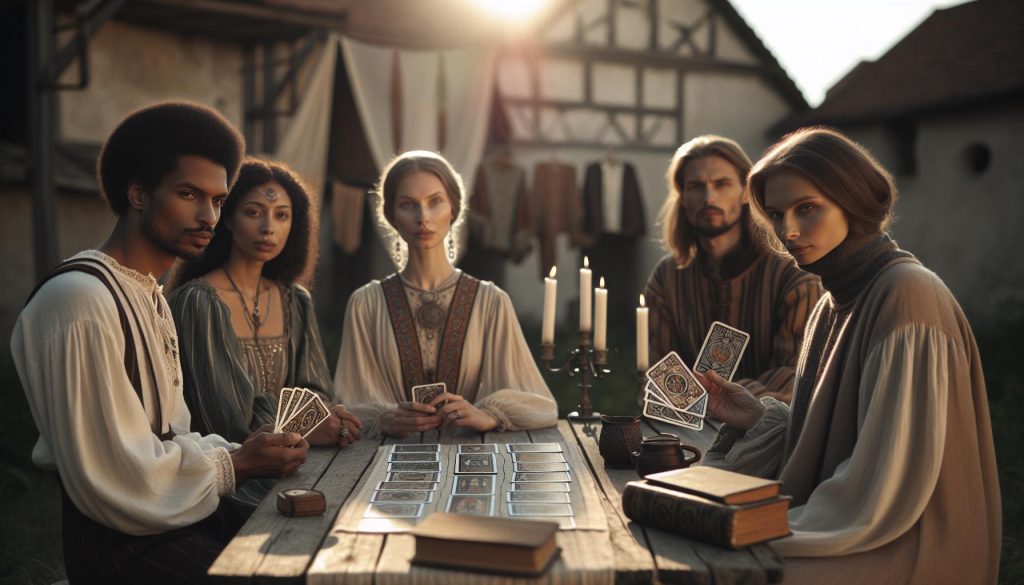
Have you ever pondered the origins of tarot cards and their enchanting journey through time? Understanding where tarot cards originated not only unravels their historical significance but also enriches your reading experience. From mystical medieval Europe to their metaphorical interpretations today, the history of tarot invites us to explore spiritual insights and personal intuition.
As you embark on this captivating exploration, consider how the evolution of tarot reflects our own search for meaning in life. Are these cards merely tools for divination, or do they serve as mirrors that reveal our inner truths? By delving into their past, you can deepen your connection with the cards, enhancing both your understanding and your practice. Whether you’re a seasoned reader or a curious newcomer, the fascinating history of tarot holds valuable lessons that resonate with all of us. So, let’s journey together and uncover the rich tapestry that is the story of tarot.
Exploring the Origins of Tarot Cards
The origins of tarot cards are both intriguing and complex, interwoven with various cultural threads spanning centuries. While the exact beginning remains somewhat shrouded in mystery, most historians agree that tarot cards first appeared in 15th century Europe, specifically in Italy, where they emerged from a game called tarocchi. Initially, these cards were not designed for divination or spiritual guidance; rather, they were part of a trick-taking game popular among the nobility. This period marked the transition of tarot from a mere pastime to a tool that would eventually be revered for its mystical and esoteric properties.
The influence of ancient civilizations is also evident in the formative stages of tarot. Many scholars trace its roots further back to ancient Egypt, suggesting that symbols and ideas from Egyptian mythology and spiritual practice found their way into tarot’s rich iconography. Furthermore, the fusion of various philosophical and spiritual traditions throughout the ages, including Kabbalah and alchemy, contributed to the symbolic depth seen in modern tarot decks. Each card serves not just as a tool for guidance, but as a narrative reflecting both individual experiences and universal archetypes.
Over time, the function of tarot evolved, particularly during the Renaissance when a renewed interest in ancient wisdom and mysticism took hold. Tarot cards began to attract attention beyond their gameplay origins. Artists and mystics infused the decks with deeper meanings, interpreting the cards as reflections of the human experience-love, conflict, growth, and transformation. This period underscored tarot’s potential as a medium for reflection and insight rather than simple entertainment.
In contemporary practice, tarot functions as a bridge between the individual and the cosmos, offering glimpses into personal journeys and collective consciousness. Those seeking to illuminate their paths may find that the cards resonate deeply with their own narratives, making the study and interpretation of tarot an empowering way to engage with both past traditions and present challenges. The evolution of tarot from a card game to a profound spiritual tool exemplifies a broader human desire for connection, understanding, and guidance in navigating life’s complexities.
The Evolution of Tarot Through the Ages
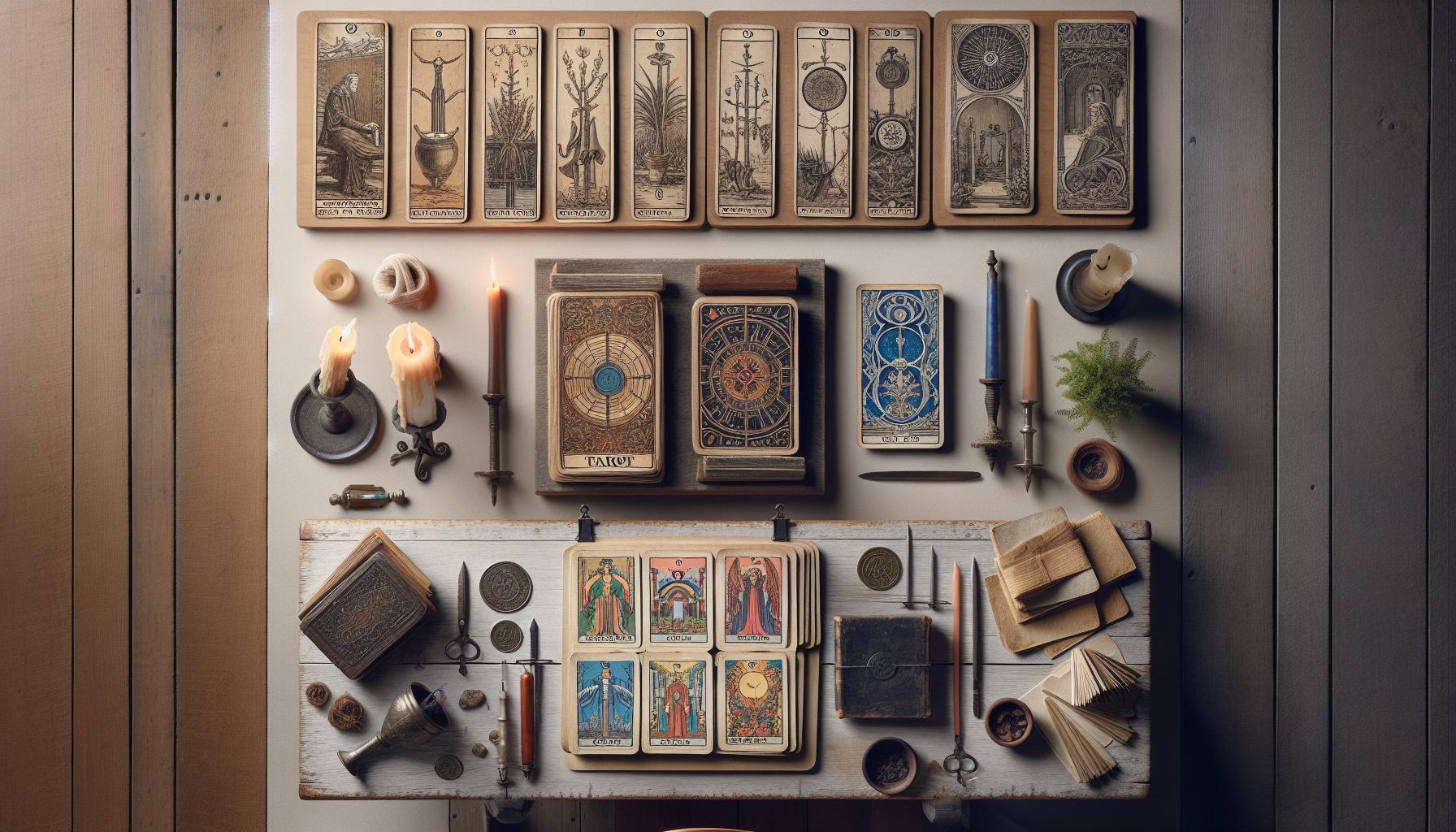
The narrative of tarot’s evolution is as complex and rich as the symbolism embedded in its cards. What began as a simple card game in the courts of 15th century Italy has transformed into a profound tool for introspection and guidance utilized by individuals around the globe. This journey through time reflects cultural exchanges, philosophical insights, and a growing appreciation for the spiritual dimensions of human existence.
Tarot’s initial conception in the game of tarocchi highlights its roots in entertainment, engaging the nobility with elaborate card designs and sophisticated rules. Over centuries, however, the cards began to acquire meanings that extended beyond the gaming table. From the 18th century onward, tarot surfaced in the realms of mysticism and divine insight, as thinkers and artists sought to distill the complexities of life into the narratives portrayed in each deck. This transformation was not an abrupt shift but rather a gradual embrace of the mystical, influenced by other practices such as astrology, alchemy, and Kabbalah. As a result, tarot evolved from a pastime into a medium for exploring personal growth and universal lessons.
During the more recent centuries, especially the 19th and early 20th, tarot gained traction among those seeking spiritual wisdom and self-understanding. This period saw the creation of iconic decks, such as the Rider-Waite-Smith deck, which infused the visuals of tarot with new interpretations that resonated with seekers of truth. These decks often combined art and philosophy, inviting users to engage not only with the cards themselves but also with the deeper archetypes represented within.
Today, tarot is celebrated as a versatile practice, accessible to all, regardless of belief. Many view it as a reflective tool that encourages self-discovery and personal development. Whether you’re drawing cards for a daily affirmation or conducting a deep dive into your past and future, tarot offers insights tailored to your unique journey. Embracing this historical evolution enriches our understanding and invites us to honor the wisdom that countless generations have unearthed through interaction with these fascinating cards.
Cultural Influences on Tarot Development
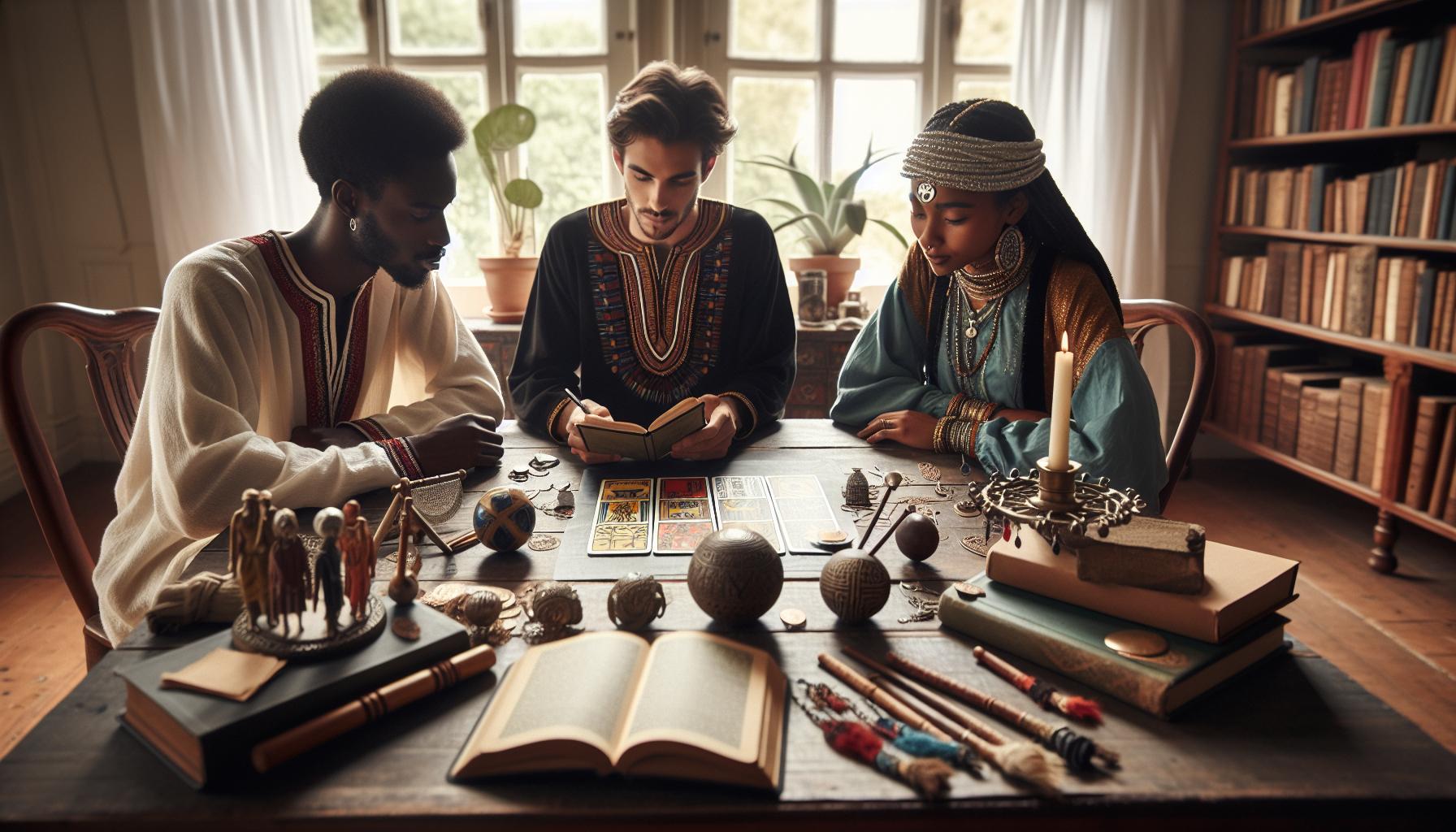
The evolution of tarot cards has been intricately woven into the fabric of various cultures, reflecting not just religious or spiritual beliefs, but also societal norms and artistic expressions of different eras. During its formative years in the 15th century, tarot was primarily a card game enjoyed by the European nobility, particularly in Italy. Yet, as the centuries unfolded, this gaming pastime began to absorb rich influences from the surrounding world, transforming into a tool of divination and personal insight.
One of the primary cultural influences on the development of tarot has been the intertwining of mysticism and philosophical thought. As tarot crossed geographical borders, it encountered diverse spiritual traditions, including Kabbalah from Jewish mysticism, alchemy from ancient science, and even the rich tapestry of folklore and mythology. These interactions infused the cards with deeper meanings, presenting them not merely as entertainment, but as vessels for spiritual exploration. For example, the Major Arcana, with its archetypal symbols, can be seen as reflections of a journey toward self-discovery, mirroring concepts found in classical philosophy and modern psychology.
Furthermore, the Renaissance era, marked by a revival of interest in classical art and humanism, played a crucial role in shaping tarot’s imagery and symbolism. Artists like Pamela Colman Smith, who contributed to the iconic Rider-Waite-Smith tarot deck, drew on the artistic styles and narratives of their time to create visually compelling cards that resonate with the human experience. This cultural amalgamation not only enriched the aesthetics of tarot but also made it more relatable to a wider audience, encouraging individuals from varying backgrounds to engage with the cards in personal and meaningful ways.
As the 19th century approached, the tarot saw another wave of cultural influence through the rise of spiritualism and the occult. Figures like Eliphas Lévi popularized the idea of tarot as a means of divine communication, thus solidifying its place in modern spiritual practice. This fusion of cultural currents transformed tarot into a global phenomenon, inviting people to explore their mystical potential and personal narratives through the lens of its cards.
Today, tarot retains its ability to connect deeply with individuals from all walks of life. It invites everyone, skeptics and believers alike, to explore their intuition and engage in reflective practices. Whether used for guidance, personal growth, or a deeper understanding of one’s life path, tarot continues to be a bridge between diverse cultural influences, making it a universally accessible tool for introspection and enlightenment.
Key Historical Figures in Tarot History
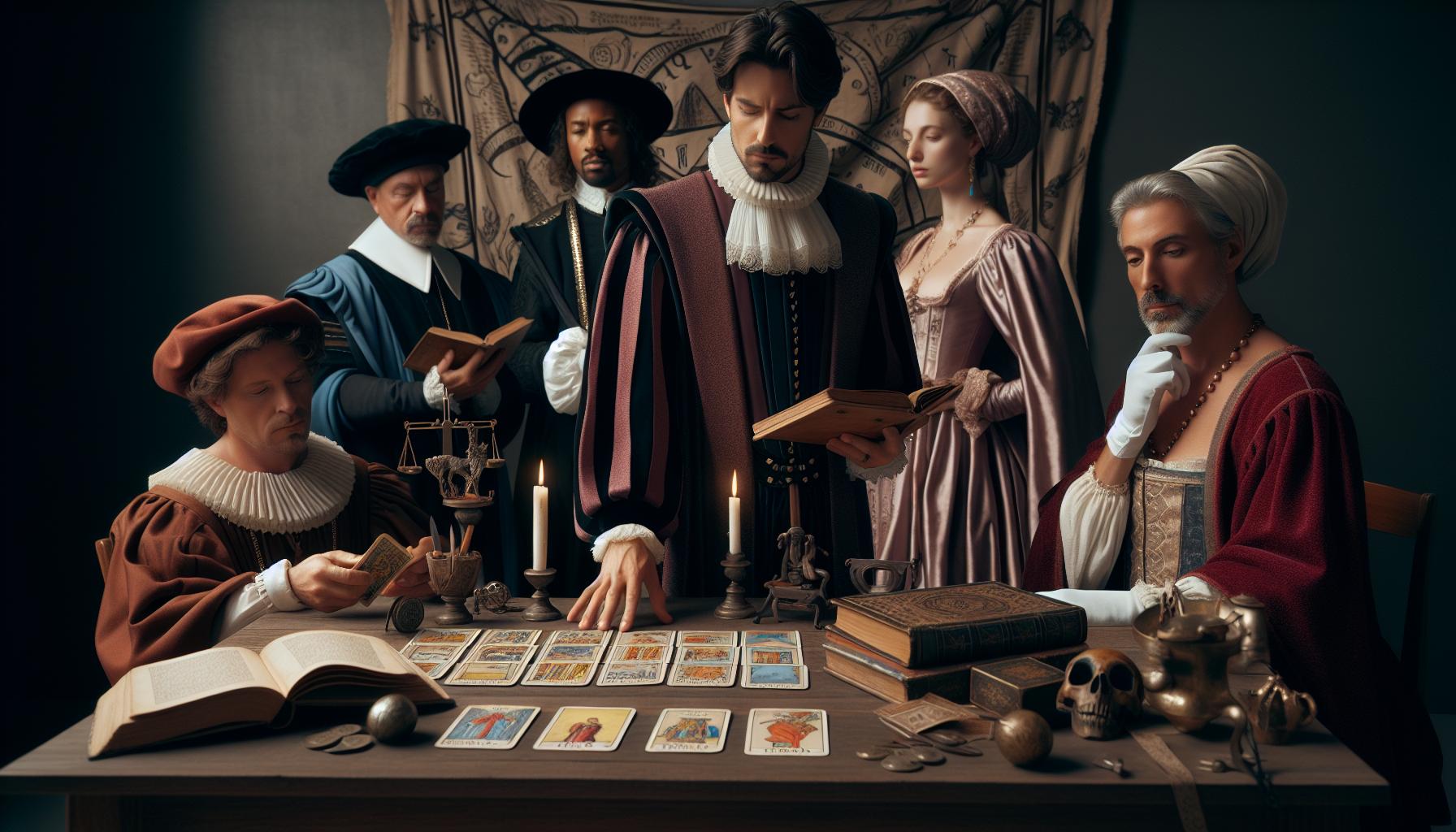
Throughout history, certain individuals have played pivotal roles in shaping the tarot into the powerful tool for introspection it is today. One such figure is Botticelli, an Italian painter whose artwork inspired the visual design of many tarot decks. His intricate depictions of mythology would later influence artists who sought to imbue tarot cards with rich symbolism that resonates with our collective psyche.
Another key figure is Eliphas Lévi, a 19th-century French occultist who was instrumental in redefining tarot as a means of mystical communication. His writings, particularly “Dogme et Rituel de la Haute Magie,” positioned tarot within the wider context of esotericism and spiritualism. Lévi argued that the cards could be used not just for divination but as pathways to understanding the human soul and its connection to the cosmos, thus popularizing tarot among spiritual seekers.
The Rider-Waite Tarot, crafted by Arthur Edward Waite and illustrated by Pamela Colman Smith, represents a significant turning point in tarot history. This deck is unique not just in its imagery but also in its approach; it emphasizes the narrative aspect of each card, making tarot more accessible to beginners. This shift marked the transition from tarot as a mysterious, elite pastime to a more user-friendly practice embraced by the masses.
In contemporary times, figures like Rachel Pollack have further enriched the tarot community. Her books, such as “78 Degrees of Wisdom,” offer profound insights into the meanings of the cards while encouraging readers to engage with their intuition. Pollack’s work exemplifies the ongoing evolution of tarot, blending psychological depth with practical guidance, and ensuring that the art of tarot reading is both a personal journey and a collective exploration.
These historical figures illustrate how tarot has evolved and adapted through various cultural currents. Their contributions have made tarot a vibrant practice, inviting both skeptics and believers to explore their intuitive potential and connect with the mysteries of life. Each card, colored by history and tradition, continues to serve as a bridge between past wisdom and present understanding.
The Transition from Playing Cards to Tarot
The transformation of playing cards into tarot represents a fascinating journey that highlights cultural shifts, spiritual exploration, and the burgeoning interest in the mystical. Originating in the late 14th century with the advent of playing cards in Europe, these simple decks were used primarily for recreation. It wasn’t until the 15th century that the evolution to tarot began, as specific decks, particularly in Italy, began incorporating allegorical illustrations and additional thematic cards.
Early tarot decks, such as the Visconti-Sforza deck, featured not only the traditional four suits found in playing cards but also a series of trump cards adorned with rich imagery and symbolic meaning. This expansion added layers of meaning and narrative to the cards, serving as both a tool for gameplay and a medium for storytelling. The inclusion of these trumps marked a crucial departure from standard playing cards, setting the stage for deeper interpretations of the cards’ symbolism.
As tarot gained popularity, especially among the aristocracy, it became intertwined with mysticism and esoteric practices. This shift transformed tarot from a mere pastime into a tool for divination and introspection. The imagery on the cards became laden with meaning; for example, the High Priestess card symbolizes intuition and the unconscious mind, while the Death card represents transformation and change. Such interpretations elevated tarot reading to a spiritual practice, inviting users to explore their inner landscapes and seek guidance from the cards.
Today, tarot enthusiasts and practitioners celebrate this rich history while embracing modern interpretations. Whether you’re drawn to the historical context, the artistic expression within the cards, or the potential for personal insight, understanding enriches the experience. Tarot is inviting all-skeptics and believers alike-to explore its depths, encouraging intuitive engagement and personal growth through each reading.
Understanding the Symbolism of Tarot Cards
The rich and diverse symbolism found in tarot cards has fascinated practitioners and seekers alike for centuries. Each card acts as a mirror to our inner worlds, capturing complex ideas and emotions through powerful imagery. Understanding this symbolism not only enhances the depth of a tarot reading but also empowers individuals to navigate their personal journeys with greater clarity.
At the heart of each tarot card lies a unique narrative, often steeped in archetypal themes that resonate universally. For instance, the Fool represents new beginnings and spontaneity, symbolizing the journey of life filled with potential and adventure. In contrast, the Tower suggests upheaval and revelation, reminding us how chaos can lead to profound transformation. These images convey messages that transcend time and culture, inviting interpreters to connect deeply with their own experiences.
Practical Steps to Interpret Tarot Symbolism
To effectively interpret the symbolism of tarot cards in your readings, consider the following steps:
- Observe the Imagery: Start by closely examining each card. Note colors, figures, and objects that stand out to you. What emotions do they evoke?
- Connect with Intuition: Allow your intuition to guide your understanding. What personal meanings arrive as you focus on each card?
- Research the Traditional Meanings: Familiarize yourself with the established symbolism associated with each card. Resources like traditional tarot guidebooks or online articles enhance your foundational knowledge.
- Practice with Spreads: Utilize different tarot spreads (like the three-card spread) to contextualize the meanings within a larger narrative. This helps to reveal insights about present situations, obstacles, and guidance.
In addition to these practical steps, consider how cultural influences have shaped the meanings of tarot cards over time. For example, the High Priestess, often associated with intuition and mystery, draws on archetypes from various traditions, embodying wisdom that surpasses individual backgrounds or belief systems. By recognizing these layers of meaning, both novice and seasoned practitioners can appreciate the depth of tarot’s symbolic landscape.
Ultimately, engaging with the symbolism of tarot cards fosters a space for introspection and empowerment. Whether you approach your tarot practice from a skeptical mindset or a place of belief, remember that the cards are tools for exploration. They invite you to delve into your psyche and embrace the myriad possibilities that life holds, encouraging a journey that is as much about learning as it is about discovering.
Tarot Cards in Renaissance Europe
In the Renaissance period, tarot cards took on new depth and meaning, transitioning from mere playing cards to a profound tool for divination and wisdom. This transformation, unfolding in Italy in the 15th century, coincided with a cultural blooming that emphasized art, literature, and philosophical inquiry. Tarot decks began to feature intricate designs that reflected the era’s themes of beauty, morality, and spirituality, bridging the gap between the mundane and the mystical.
Among the notable developments during this time was the introduction of the Tarot of Marseilles, which showcased iconic imagery that has persisted through centuries. The symbolism within these cards was infused with rich allegorical messages, often drawing from mythology, religion, and alchemy. For instance, cards like the Empress and Emperor came to represent not just individuals, but broader concepts of power, fertility, and governance. This added a layer of interpretive richness that appealed to Renaissance thinkers, who were eager to explore human experiences and the divine through symbolic lenses.
As tarot gained popularity, it also attracted interest from scholars and mystics alike. Figures such as Georg Tullius and Francesco Colonna delved into the esoteric dimensions of tarot, connecting it with astrology and Kabbalistic practices. This sparked a wave of writings that sought to decode the tarot’s mysteries, effectively elevating its status beyond a playful pastime to a serious study of human consciousness and fate. By embedding these cards within a framework that included astrology, practitioners began utilizing tarot not only as a divination tool but as a means of understanding the self in relation to the cosmos.
The playful artifice of card games transformed during this period into a significant spiritual practice. Tarot became a means to question fate and explore life’s deeper questions, offering insights that resonated culturally and individually. This evolving narrative demonstrated that tarot was not just a game of chance, but a powerful vessel for introspection and guidance, a perspective that continues to inspire both skeptics and believers in their journey through life.
The Mystical Connections of Tarot and Astrology
The connection between tarot cards and astrology runs deep, enriching the practice of divination with layers of symbolic meaning and cosmic understanding. At their core, both systems seek to interpret the human experience through a lens that transcends the ordinary. Tarot cards, with their rich imagery and archetypal symbols, can be understood as a mirror reflecting the energies and influences of the astrological signs and planets.
One fundamental way that tarot interacts with astrology is through the assignment of astrological correspondences to tarot cards. Each card in the major arcana, for instance, aligns with a specific astrological sign or planetary influence. The Fool, representing new beginnings, corresponds to Uranus, symbolizing spontaneity and adventure. The Empress, embodying abundance and nurturing, is linked to Venus, signifying love and beauty. By recognizing these associations, readers can deepen their insights during tarot readings, interpreting cards with consideration for both individual themes and their astrological significance.
To use this knowledge effectively, consider a simple three-card spread to explore how astrological influences might affect your current situation. For example:
- Card 1: Represents your present self.
- Card 2: Represents challenges or influences, potentially from current planetary positions.
- Card 3: Represents guidance or possible outcomes, illuminated by astrological energies.
When pulling these cards, reflect on their astrological connections. Does the card representing your current self align with your astrological sign? What planetary influences can you identify that might be resonating with your life path at the moment?
Moreover, tarot readers often consult the astrological calendar to choose optimal times for readings or spiritual work. For instance, a reading during a full moon (a time to release and reflect) can yield different insights compared to a new moon (focused on intentions and new beginnings). By timing your tarot practices in accordance with astrological cycles, you align your efforts with the universe’s flow, inviting a greater clarity and connection to the reading.
In this way, the mystical connection between tarot and astrology not only enhances our understanding of each card’s meaning but also empowers us to use the stars as a guide through life’s complexities. With practice, readers can harness both tarot’s intuitive wisdom and astrology’s cosmic perspective, enriching their spiritual journey and fostering a deeper connection to the self and the universe.
Modern Interpretations of Tarot
In today’s world, tarot cards have transformed into a versatile tool that resonates with a broad audience seeking guidance and self-reflection. Far from their origins as mere playing cards, embrace a blend of spirituality, psychology, and art, creating a rich tapestry of meaning that fosters personal growth and insight. Whether you’re just beginning your journey with tarot or looking to deepen your practice, understanding contemporary approaches can empower you to unlock the cards’ potential.
One key aspect of modern tarot is its accessibility. Unlike past traditions that may have kept tarot shrouded in mystery, today’s readers encourage individuals to trust their intuition and personal interpretations. For instance, many contemporary decks feature diverse imagery that reflects a variety of cultures, lifestyles, and life experiences. This inclusivity invites users to find familiar symbols and meanings, making the tarot a more personal experience. When selecting a deck, consider what resonates with you: Do the images evoke emotions? Do the stories within the cards speak to your current life situation? Choosing a deck you connect with is crucial for an engaging reading.
Modern tarot also emphasizes practical application. Many practitioners use tarot not only for divination but as a daily tool for reflection. A simple daily draw can set the tone for your day, offering insights into your emotional state or impending challenges. A straightforward method for beginners could involve drawing one card each morning, then pondering its meaning throughout the day. You might ask yourself:
- What does this card symbolize for me today?
- How can I apply its lessons in my life right now?
Furthermore, the therapeutic potential of tarot is becoming increasingly recognized. Many therapists and life coaches integrate tarot into their practices, using the cards as prompts for deeper discussions and reflection. Clients might explore their feelings, aspirations, and experiences through targeted spreads designed to highlight specific issues. For example, a “Healing Spread” might include positions that address fears, ambitions, and actionable steps-a format that encourages empathetic self-exploration.
Through these modern lenses, tarot invites everyone, skeptics and believers alike, to engage with its wisdom in a respectful and approachable manner. By welcoming your unique perspective and experiences into your practice, you can transform tarot into a catalyst for personal insight and growth, no matter where you’re starting from. Embrace the magic and mystery of your tarot journey, for it is a tool meant for exploration, not exclusion.
How Tarot Became Popular in the 19th Century
In the 19th century, tarot cards emerged from relative obscurity to become a cornerstone of mystical and spiritual exploration. This transformation was fueled by a blend of cultural curiosity, esoteric revival, and artistic expression. As the Romantic movement swept across Europe, a fascination with the mysterious and the arcane blossomed. Tarot was no longer viewed as merely a deck of cards for games; it began to be imbued with deeper meanings and spiritual significance.
The pivotal moment for tarot’s popularity came with the publication of several influential texts, including *The Tarot: A Key to the Wisdom of the Ages* by Paul Foster Case and the extensive writings of A.E. Waite, which framed tarot within the context of Western esotericism. These authors helped to popularize the notion that each card held not only artistic value but also inherent wisdom and spiritual insight. They encouraged individuals to delve into the symbolism of the cards, fostering a perception of tarot as a means of personal reflection and growth rather than mere fortune-telling.
This era also marked the rise of tarot societies and schools where enthusiasts could share their interpretations and experiences. Events such as the inception of the Tarot Society in London in the 1880s created spaces for like-minded individuals to explore tarot’s depths together, contributing to its broad appeal. People from various walks of life began to engage with tarot, drawn to its promise of self-discovery and enlightenment.
Reimagining Tarot for the Modern Age
The 19th century also birthed innovative decks that shifted visual imagery away from traditional Italian designs toward more eclectic artistic interpretations. The tarot deck designed by Waite and illustrated by Pamela Colman Smith, known as the Rider-Waite deck, is perhaps the most famous of these. Its rich imagery and accessible symbolism set a new standard for tarot decks, emphasizing not just divination but also personal empowerment and insight into the human experience.
As tarot’s popularity grew, so too did its association with the burgeoning spiritualism movement. Tarot cards became tools for communication with the spirit world, further enhancing their appeal to those searching for meaning amidst the rapid changes of the industrial age. This amalgamation of spiritual beliefs and psychological exploration solidified tarot’s place as a respected practice among both skeptics and believers, laying the groundwork for its enduring presence in contemporary spiritual practices.
In embracing this history, modern tarot readers are encouraged to reflect on how these foundational changes influence their own practices today. Whether for guidance, reflection, or creative inspiration, tarot remains a versatile tool capable of adapting to the needs and experiences of each individual. As you explore your tarot journey, consider the historical influences that shape your approach and allow this rich tradition to enrich your personal and spiritual growth.
Spiritual Practices: Tarot’s Role in Divination
When we think about tarot as a tool for divination, we often imagine a mystical process steeped in symbolism and the supernatural. Yet, at its core, tarot reading is a deeply personal exploration that invites individuals to tap into their intuition and reflect on their life choices. Historically, tarot cards were originally used for games, but over the centuries, they have transformed into powerful instruments for spiritual and psychological insight.
The practice of using tarot for divination involves interpreting the cards based on their imagery and symbolism, which can evoke deep emotional and intellectual responses. During a reading, each card drawn provides insight into the question at hand, allowing for a narrative to unfold that sheds light on the seeker’s circumstances. Here’s a simple guide to get started with a basic three-card spread, perfect for beginners:
Steps for a Simple Three-Card Reading
- Set Your Intention: Before your reading, take a moment to clarify your question or what you wish to gain insight into. This could be about a specific situation, a relationship, or general guidance.
- Shuffle and Draw: While focusing on your question, shuffle the cards. Once you feel ready, draw three cards. Place them in order, left to right.
- Interpret the Cards:
– Card 1: Represents the past influences related to your question.
– Card 2: Reflects the present situation.
– Card 3: Offers guidance or potential outcomes.
- Reflect: Spend time contemplating how each card’s meaning connects with your life. Don’t rush; allow your intuition to guide your interpretation.
For those who wish to deepen their practice, understanding the symbolism behind each card can enhance the reading’s depth. Each suit-Cups, Wands, Swords, and Pentacles-carries its own themes and meanings. For example, Cups deal with emotions and relationships, whereas Swords often represent conflict and intellect. By familiarizing yourself with the different suits and their meanings, you can start to see patterns and connections emerge during your readings.
Furthermore, tarot’s role in spiritual practices isn’t limited to individual readings. Many practitioners use tarot in meditation or journaling to explore their inner thoughts and feelings. By reflecting on a drawn card, individuals often discover insights that resonate with their current circumstances or aspirations.
Incorporating tarot into your spiritual practice can be a transformative experience, whether you view it through a mystical lens or as a personal development tool. Ultimately, the goal is to encourage self-discovery and intuition. The magic of tarot lies not just in the cards themselves, but in the ways they help illuminate the paths we walk.
Where Tarot Meets Psychology: A Deeper Insight
Understanding the interplay between tarot and psychology opens a fascinating doorway into self-discovery and emotional healing. At its core, tarot can function as a mirror, reflecting not only external circumstances but also our inner landscapes. Each card’s imagery and symbolism can trigger thoughts and feelings that help unveil our subconscious beliefs and patterns, making tarot a useful tool for introspection and growth.
Connecting Tarot and Psychological Insights
When you draw a card during a reading, consider it an invitation to explore what it might reveal about your current state of mind. For instance, if you draw the Three of Swords, which typically signifies heartbreak or sorrow, it can prompt you to address unresolved feelings about a past relationship or a recent disappointment. By allowing yourself to feel these emotions, you can use the reading as a springboard to deeper psychological work. Reflecting on what this card means for you personally can facilitate a greater understanding of your emotional responses and behavioral patterns.
Another powerful aspect of tarot is its capacity to provide a structured way to contemplate complex issues. By articulating your concerns through the lens of specific cards, you can clarify your priorities and even identify areas where you may want to make changes. For beginners, a straightforward practice is to conduct a weekly card draw focused on a particular theme-such as self-care, career ambitions, or relationships. Document your experiences and reflections in a journal to recognize patterns over time.
Practical Application: Intuitive Exploration
Integrating tarot into your psychological practice can also be enriching through guided affirmations or visualization exercises inspired by the cards. For example, if you pull the Sun card, often associated with joy and success, you might visualize a future where you embrace opportunities without fear. This not only encourages a positive mindset but also reinforces behaviors that align with your aspirational self.
Creating a sacred space for your tarot practice is equally vital. Whether you have a designated corner in your home or simply a calming spot in nature, this physical space can enhance your connection to the cards and amplify your introspective work. Embrace the idea that the process itself-selecting cards, interpreting them, and meditating on their messages-can facilitate profound psychological insights, transforming your tarot reading into a meaningful ritual of self-exploration.
Ultimately, the intersection of tarot and psychology is about fostering self-awareness and engaging in a personal dialogue with your own psyche. By acknowledging and addressing your inner questions through the lens of the tarot, you empower yourself to navigate life’s complexities with greater clarity, purpose, and confidence.
Faq
Q: What cultural influences contributed to the development of Tarot cards?
A: The development of Tarot cards was influenced by various cultures, including Italian, Egyptian, and even Asian traditions. These cultures contributed to the symbolism and themes present in Tarot, making it a rich tapestry of metaphysical lore. Exploring these influences helps to understand the historical context of Tarot’s evolution.
Q: When did Tarot cards first appear in Europe?
A: Tarot cards first appeared in Europe during the late 14th century. Initially, they were used for playing games rather than divination. The transition to a tool for spiritual insight happened in the 15th and 16th centuries, marking a significant shift in their purpose.
Q: How did Tarot evolve from playing cards?
A: Tarot evolved from standard playing cards by adding additional cards (Major Arcana), which introduced spiritual and symbolic meanings. This transition reflects a deeper cultural narrative, shifting from mere entertainment to tools of divination and personal insight.
Q: Why were Tarot cards associated with mysticism in the 19th century?
A: The association of Tarot cards with mysticism in the 19th century arose from increased interest in the occult and spiritualism. Influential figures, like Eliphas Levi, emphasized Tarot’s links to Kabbalistic teachings, further enhancing its mystical reputation among esoteric practitioners.
Q: What role did Tarot play in Renaissance art and culture?
A: During the Renaissance, Tarot cards reflected contemporary art and culture, showcasing intricate designs and symbolic imagery. Artists used Tarot to convey deeper meanings and themes, thus intertwining the cards with the cultural narratives of the time.
Q: Where did the symbolism in Tarot cards originate?
A: The symbolism in Tarot cards has origins in various traditions, including patristic, alchemy, and astrology. Each card serves as a conduit for archetypal narratives, with imagery drawn from numerous historical and cultural sources that enhance its interpretive depth.
Q: How did Tarot cards become popular in modern times?
A: Tarot cards gained modern popularity largely during the late 20th century, fueled by a resurgence in spiritual and metaphysical exploration. The accessibility of decks and a heightened interest in self-discovery and spiritual practices promoted Tarot as a valuable tool for introspection and guidance.
Q: What are the key differences between Tarot and regular playing cards?
A: Unlike regular playing cards, Tarot decks consist of 78 cards, including the Major and Minor Arcana. Tarot emphasizes symbolism and archetypes for divination, while standard decks typically focus on gaming, lacking the intricate spiritual and personal insight found in Tarot.
In Conclusion
As we conclude our journey through the captivating history of tarot cards, remember that their origins are deeply intertwined with our collective quest for insight and understanding. Tarot is not just a mystical art; it’s a tool for reflection and empowerment, inviting you to explore your intuition. If you’re curious to deepen your knowledge, check out our guide on how to choose your first deck or learn to read tarot effectively. Don’t forget to subscribe to our newsletter for tips and resources that will enhance your tarot practice!
Whether you’re here out of curiosity or a desire to connect with your spiritual path, tarot holds something for everyone. Explore related topics like the meanings of specific tarot cards or the ethics of reading tarot for others. Engaging with this ancient practice can reveal much about your own life’s journey. Share your thoughts in the comments or connect with fellow tarot enthusiasts. Your adventure with tarot is just beginning-embrace it!
Get our latest guides, news, and insights highlighted in your Google Search & AI Overviews.