Many people are drawn to the mystical world of cards, but often wonder: are oracle cards the same as tarot cards? While both are popular tools for self-reflection and guidance, they are distinct in structure and purpose. Oracle cards offer a flexible, intuitive approach without the strict rules found in tarot. This means they can be particularly accessible for beginners or those seeking a more personal reading experience. Understanding these differences can empower you to choose the right tool for your spiritual journey. Join us as we explore the unique characteristics of each card type and discover which resonates with your inner wisdom. Dive in and unlock the secrets that can enhance your intuitive practice!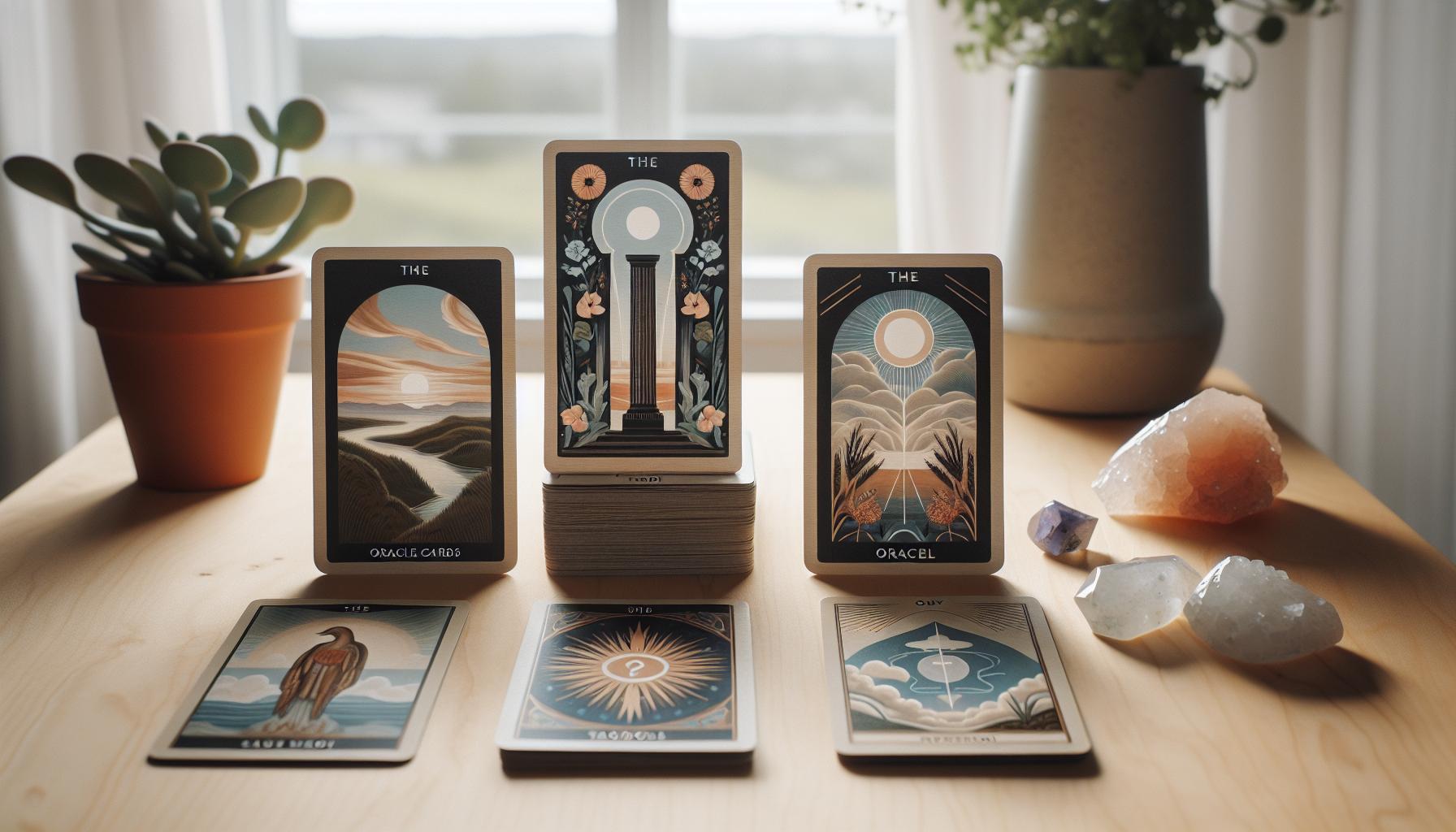
Understanding Oracle Cards: An Introduction
Oracle cards serve as a powerful tool for insight, reflection, and intuition, distinct yet complementary to the more structured Tarot. While many may wonder about their similarities and differences, the world of oracle cards offers a unique flexibility that can appeal to both seasoned practitioners and curious newcomers. Typically, an oracle card deck consists of a variety of themed cards, each with its own imagery, keywords, or messages designed to provoke thought and provide guidance. This open-ended nature invites personal interpretation, allowing users to form connections based on their intuition and life experiences.
What sets oracle cards apart is their wide-ranging themes-from animals and nature to affirmations and spirituality. Unlike Tarot, which usually sticks to a specific number of cards (78) split into the Major and Minor Arcana, oracle decks can vary significantly in size and structure. Some may contain as few as 30 cards, while others have over 100. This freedom allows creators to infuse their personal vision and message into the cards, resulting in decks that resonate with diverse audiences. For beginners, the lack of rigid interpretations found in Tarot can make oracle cards more inviting.
When using oracle cards, it’s beneficial to create a calm environment to ground your energy and intentions. You might begin with a simple three-card spread to guide your reading, considering the past, present, and future or exploring a specific question. Let your intuition guide you to which card to draw; engage with its imagery and message openly. Over time, you may find that oracle cards enhance your understanding of your personal journey and foster a deeper connection to your intuitive self, enriching your spiritual exploration while embracing the unique perspectives oracle cards offer.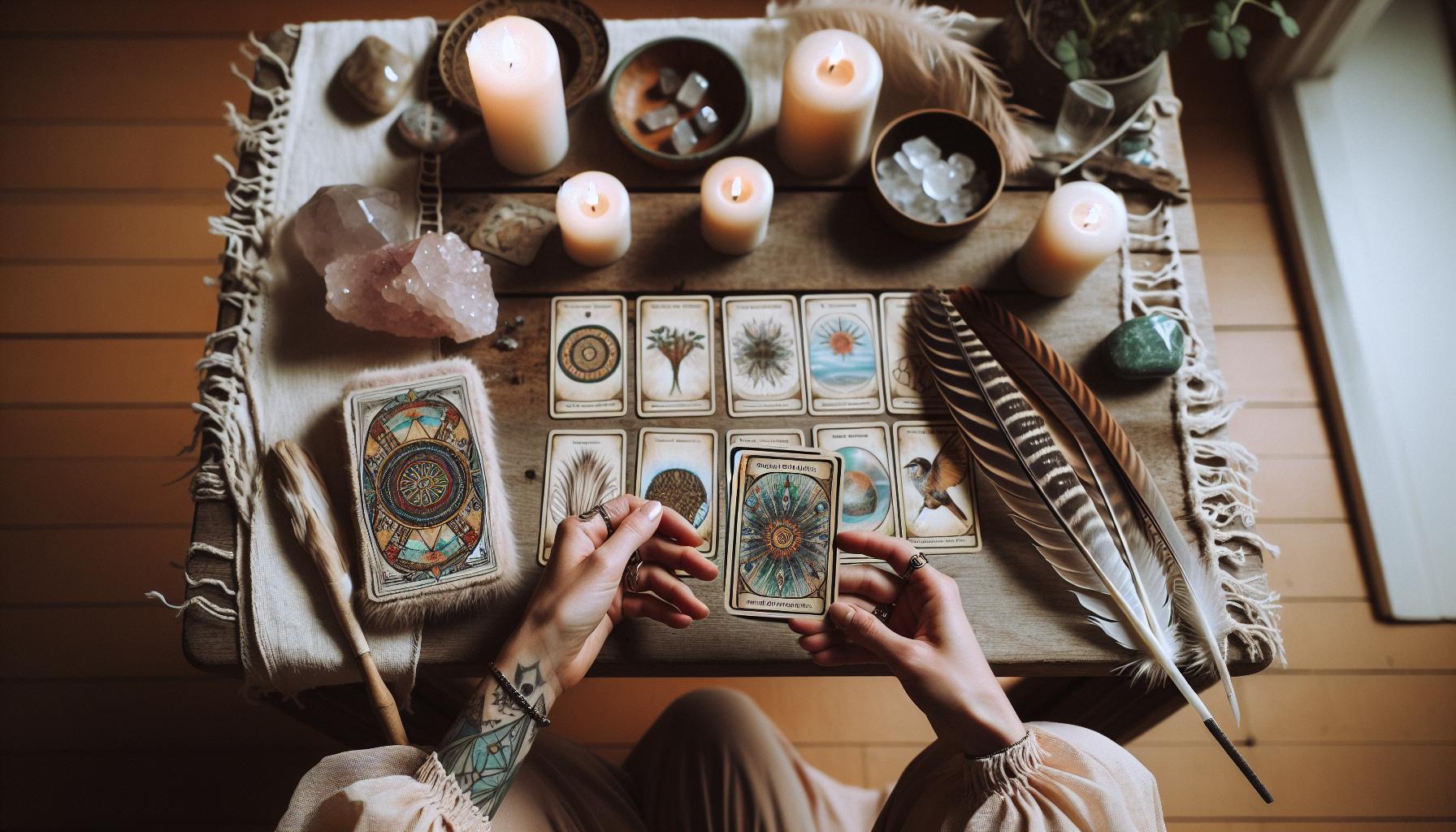
The Historical Roots of Tarot and Oracle Cards
The origins of both Tarot and oracle cards are steeped in history, mysticism, and cultural evolution, inviting intrigue and exploration. Tarot cards date back to the late 14th century in Europe, primarily as playing cards. The earliest decks, like the Visconti-Sforza, were lavishly decorated and used for various games rather than divination. It wasn’t until the 18th century that Tarot began to be associated with mystical interpretations and fortune-telling, largely thanks to the efforts of figures like Antoine Court de Gébelin and later, the Rider-Waite deck, which established the structure we recognize today.
In contrast, oracle cards have a more diverse lineage. Unlike the standardized structure of Tarot, oracle decks can vary widely in themes, styles, and imagery. The concept of using cards for divination and introspection has ancient roots, with practices seen in various cultures, including the I Ching in China and even ancient Greek oracles. Oracle cards often emerged from personal perspectives, with creators crafting decks that resonate with specific intentions or spiritual messages. This flexibility allows for a rich tapestry of options, appealing to a broad audience with varying beliefs and practices.
Both card systems share a common purpose of providing insight and guidance, but their historical paths have shaped their use and perception today. Where Tarot often relies on its established structure of 78 cards divided into the Major and Minor Arcana, oracle decks reflect a more free-form approach, unbounded by fixed meanings. This liberating aspect of oracle cards invites personal interpretation, aligning well with modern spiritual practices that emphasize intuition and individual experience. Through understanding these historical roots, users can appreciate not only the tools at their disposal but also the rich interplay between tradition and personal insight, bridging the gap between ancient wisdom and contemporary spiritual exploration.
Key Differences Between Tarot and Oracle Cards
The intrigue surrounding Tarot and oracle cards often leads to the question: are they the same? While both systems are used for introspection and guidance, they have distinct characteristics that set them apart. Understanding these differences can deepen your practice and enhance the connection you have with your chosen tools.
First, let’s explore structure. Tarot decks typically consist of 78 cards, divided into the Major Arcana and Minor Arcana. The Major Arcana, with 22 cards, represents significant life themes and transformations-think of cards like The Fool, The Empress, and Death. The Minor Arcana, consisting of 56 cards, focuses on everyday events and experiences, divided into four suits (Cups, Pentacles, Swords, and Wands). Each card in the Tarot has established meanings and interpretations, often requiring the reader to understand traditional spreads and layouts.
In contrast, oracle cards boast a far greater variety in design and content. An oracle deck can contain any number of cards, ranging from as few as 10 to upwards of 100, with themes that can be whimsical, spiritual, or deeply personal. This lack of a standardized structure gives creators the freedom to express a particular vision or insight. For example, you might find decks that are inspired by nature, mythology, or personal development, each with its unique illustrations and meanings. This flexibility can make oracle cards feel more accessible to beginners who may be intimidated by the rigorous structure of Tarot.
Another important distinction lies in interpretation. Tarot readings often involve complex card relationships and a deeper understanding of spreads, which can appear daunting. While oracle cards encourage intuition and personal reflection, allowing for a more spontaneous approach to readings. Because oracle cards often do not follow traditional interpretations, readers are invited to connect with the imagery and message personally, offering a straightforward, reflective experience.
Both systems serve a similar purpose: providing insight, clarity, and guidance. However, the difference in their structures and interpretations means that each can resonate differently with practitioners. Whether you’re drawn to the tradition and depth of Tarot or the freedom and flexibility of oracle cards, each has its unique value that can enhance your spiritual journey. Embrace the exploration of both to discover what aligns best with your intuition and needs.
How Tarot Cards Are Structured: The Major and Minor Arcana
The structure of Tarot cards offers a fascinating glimpse into their deeper meanings and uses, and it’s what often sets them apart from oracle cards. A standard Tarot deck consists of 78 cards, which are categorized into two main groups: the Major Arcana and the Minor Arcana. Each of these categories serves unique purposes and holds different types of significance in readings.
Major Arcana
The Major Arcana includes 22 cards that represent significant life events and spiritual lessons. Cards such as The Fool, The Empress, and Death symbolize deeper philosophical themes and personal transformations. When drawn, these cards often indicate powerful changes or important lessons on your path. They prompt you to reflect on significant areas of your life and can signal pivotal moments where growth and insight are particularly pronounced.
Minor Arcana
In contrast, the Minor Arcana consists of 56 cards divided into four suits: Cups, Pentacles, Swords, and Wands. Each suit corresponds to different aspects of life:
- Cups: Emotions and relationships
- Pentacles: Material matters and finances
- Swords: Intellect and conflict
- Wands: Creativity and action
These cards address day-to-day experiences and challenges. For example, pulling the Two of Cups might suggest the start of a new relationship or partnership, while the Eight of Pentacles could indicate a focus on hard work and crafting your skills. The interplay of these cards in a spread can reveal daily influences and choices, offering a more immediate layer of meaning compared to the Major Arcana.
Card Relationships and Readings
Understanding how these groups work together is crucial for a comprehensive reading. The balance of Major and Minor Arcana can illuminate whether a situation is driven by larger life themes or mundane issues. For instance, if many Major Arcana cards appear in a spread, it might indicate that the energies at play are significant and transformative. Conversely, a predominance of Minor Arcana could suggest that your current circumstances hinge on everyday decisions and interactions.
Europhically, engaging with Tarot involves more than just learning the meanings of each card; it is about integrating them into your spiritual practice and understanding their relationships. The structure of the deck invites you to explore not just your immediate concerns, but the larger narrative of your life, making it a profound tool for insight and reflection. By connecting with both the Major and Minor Arcana, you cultivate a richer experience that bridges the routine and the transformative, embracing the unique depth that Tarot offers over its oracle counterparts.
Exploring Oracle Card Decks: Themes and Designs
Oracle card decks come in a vast array of themes and designs, each tailored to resonate with different aspects of life and the spirit. Unlike Tarot decks, which follow a more uniform structure, oracle cards are liberating in their creativity, allowing for a diverse range of interpretations and artistic expressions. This flexibility is one reason many practitioners are drawn to oracle cards; each deck is like a doorway into a unique world of insights.
Selecting an oracle deck often begins with understanding its theme. Some decks center around nature, featuring illustrations of animals, plants, or celestial bodies, while others may delve into mythological or spiritual realms. For instance, a deck based on animal wisdom could serve as a guide to intuition and instincts. In contrast, a deck themed around angelic guidance might focus on fostering a sense of protection and love. This thematic diversity enables users to choose decks that align most closely with their personal pathways or current inquiries.
The artwork itself is also a central component that enhances the experience of reading oracle cards. The visual elements not only provide aesthetic pleasure but also engage your intuitive faculties. Many oracle decks come with richly detailed imagery designed to evoke emotion and contemplation. Consider a deck filled with vibrant artwork depicting cosmic elements-each card can prompt reflection on broader existential themes and personal connections to the universe. Examples of well-crafted oracle decks include those designed by artists that incorporate mythology, folklore, or even personal journeys, all woven into the card designs.
When exploring oracle decks, it’s helpful to approach them without rigid expectations. Each deck can offer different types of wisdom, and the readings can be as varied and personal as the user. Beginners might find it enhancing to pick a deck and simply work with its themes, allowing their intuitive insights to guide their interpretations. For advanced users, experimenting with multiple decks can provide rich layers of meaning, as differing themes speak to various facets of life.
Ultimately, the key to maximizing your experience with oracle cards lies in the connection you establish with your chosen deck. This connection can deepen over time, providing both guidance and reflection as you navigate the complexities of your personal journey. Whether you lean toward animal spirits or vibrant affirmations, oracle cards have the potential to unlock new dimensions of insight, making them an invaluable tool complementing your spiritual practice.
Reading Techniques: How to Use Tarot and Oracle Cards
When diving into the world of Tarot and oracle cards, finding effective reading techniques can transform your experience from mere card drawing to profound personal insights. Both Tarot and oracle cards serve as tools for reflection and guidance, yet they require unique approaches based on their different natures. The more you practice, the more you’ll discover which techniques resonate with you, cultivating a rewarding and intuitive practice.
To begin, it’s essential to set the right atmosphere for your reading. Find a quiet space where you won’t be disturbed, and consider lighting a candle or burning some incense to create a calming ambiance. This helps to center your energy and prepare you for a deeper connection with the cards. When you shuffle the deck, focus on your question or the area of your life where you’re seeking insight. For Tarot, think about the specific spread you want to use-whether it’s a simple three-card spread for quick guidance or a more complex Celtic Cross for detailed analysis. Oracle cards, on the other hand, can be more flexible; you might choose to draw a single card for daily inspiration or select several cards to explore multiple facets of a situation.
Card Interpretation and Intuition
As you draw cards, pay attention to your first impressions. How does each card make you feel? What thoughts or memories arise? It’s important to engage both the structured meanings of the cards and your intuitive responses. For example, if you’re using Tarot and draw The Lovers, it might traditionally represent relationships or choices, but you might also sense a personal connection that relates to harmony in your own life. Similarly, with oracle cards, trust in the imagery and wording-it often speaks to more than just its surface meaning.
Consider keeping a journal of your readings. Documenting your questions, the cards you draw, and your interpretations can help you track patterns over time, enhancing your understanding. As you gain confidence, you might experiment with combining Tarot and oracle cards. For instance, use Tarot to guide the larger themes of your question and oracle cards for specific insights. This method can provide a rich, layered reading experience, increasing the depth of your self-reflection.
Build Your Confidence
Lastly, remember that your journey with these cards is personal. Whether you’re a beginner or an experienced reader, it’s normal to feel uncertain at times. Engage with online communities or local groups to share experiences and techniques. Over time, you’ll find your unique voice and approach, transforming reading from a simple act into a meaningful spiritual practice. Each session can unlock new avenues of understanding, making both Tarot and oracle cards invaluable companions on your path of self-discovery.
Similarities in Purpose: Guidance, Intuition, and Reflection
Whether you’re drawn to the artistic imagery of oracle cards or the structured symbolism of Tarot, both serve as profound tools for navigating life’s complexities. At their core, both card systems provide insights that resonate with our inner selves, guiding us through moments of uncertainty and reflection. They focus on personal growth, intuition, and self-discovery, making them invaluable companions on your spiritual journey.
One of the primary similarities lies in their ability to offer guidance. Regardless of whether you pull a card from your favorite Tarot deck or an oracle deck, you are tapping into a deeper part of yourself. These cards act as mirrors, reflecting your thoughts, feelings, and circumstances. For instance, you might draw the “Four of Swords” in Tarot, prompting contemplation and rest needed in your life, or an oracle card like “Trust Your Path,” leading you to consider your life choices and direction. Both scenarios encourage you to listen to your intuition and recognize the wisdom woven into your experiences.
The intentional practice of either system fosters introspection and reflection. By engaging with the cards, you initiate a dialogue with your inner voice. As you explore the meanings behind the cards, it’s essential to tune into your emotions and thoughts that arise during the reading. For example, you might note how a specific image resonates with a current challenge, providing clarity and prompting actionable insights. The act of journaling your readings can further enhance this reflective process, allowing you to track your growth over time.
Ultimately, the purpose of tarot and oracle cards intertwines in their mission to support our quest for understanding and clarity. They offer not only symbolic references but also encourage personal interpretations that lead to unique insights. With practice and an open mind, both card systems can enhance your intuitive abilities, helping you unlock layers of understanding that contribute to your personal journey. Embrace this exploration, knowing that whether you choose Tarot or oracle cards, you are engaging in a rich and meaningful process of self-discovery.
Learning Curve: Which Card System Is Easier to Master?
Many seekers of spiritual insight find themselves wondering which card system is more approachable: the intuitive oracle cards or the structured tarot deck. Each has its charm and utility, yet their learning curves can significantly impact your journey. For those yearning for straightforward guidance, oracle cards often present a more accessible option.
Oracle cards come in diverse themes and decks, each with unique imagery and messages. This flexibility allows newcomers to connect deeply with the deck that resonates with their personal vibe and intentions. There are no rigid structures or predefined meanings that must be memorized; instead, readers can focus on their intuitive responses to each card. For example, an oracle card titled “Embrace Change” can prompt immediate personal reflections and insights, encouraging a more fluid interpretation based on one’s current life situation.
In contrast, tarot, while rich with narrative and symbolism, often requires a bit more commitment to understand. Tarot cards are generally divided into the Major Arcana, which represents significant life themes, and the Minor Arcana, which deals with daily challenges and situations. This dual structure can be daunting for beginners, as mastering the meanings-along with the intricate interrelationships between the cards and their placements in spreads-demands time and practice. A beginner might pull the “Tower” card and struggle to connect its connotation of upheaval without familiarity with its context in the tarot system.
Ultimately, the choice on what to master first hinges on personal preference and your desired approach to intuitive reading. Many people start with oracle cards due to their straightforward imagery and open-ended interpretations, gradually transitioning to tarot as their confidence grows. Remember, the key is to engage with whichever system feels most natural to you. Trust your instincts, allow your curiosity to lead you, and don’t hesitate to mix both systems as your understanding deepens. Both insights can unlock the door to profound self-discovery and guidance.
Common Misconceptions: Myths About Tarot and Oracle Cards
Many people are fascinated by the world of divination, yet misconceptions often cloud the understanding of tarot and oracle cards. One common myth is that tarot and oracle cards serve the same purpose, leading to confusion about their distinct properties. While both tools are used for guidance and self-reflection, they differ significantly in structure and approach. This difference can be pivotal in selecting which system resonates with you.
One prevalent misconception is that tarot cards are inherently more powerful or serious than oracle cards. This stems from the structured nature of tarot, which encompasses a rich history and complex symbolism found in its Major and Minor Arcana. In truth, both card systems hold unique energies and insights. Oracle cards often provide a more flexible and intuitive approach, with each deck revolving around specific themes or messages. For example, a deck designed to inspire love will focus solely on that aspect, whereas tarot provides a broader range of themes that interconnect across the cards.
Another myth is the belief that using tarot or oracle cards requires a specific set of skills or knowledge. While having a background in symbolism or intuitive practices can enhance readings, both systems are accessible to anybody willing to engage with them. Oracle cards, in particular, are designed to be user-friendly, inviting your intuition to guide you rather than adhering to strict meanings. Beginners can easily draw insights from beautifully illustrated cards without needing extensive knowledge, making it a great starting point for those new to card reading.
Lastly, there’s a fear that tarot or oracle readings predict the future with certainty. This notion oversimplifies their purpose. In reality, both are tools for self-reflection and personal growth rather than definitive prophetic instruments. They offer guidance based on current energies, encouraging you to explore your feelings, thoughts, and potential paths forward. Rather than seeing them as predictions, consider them as mirrors reflecting your inner landscape, helping you navigate life’s complexities with greater clarity.
Understanding these misconceptions can empower you to approach both tarot and oracle cards with a more open mind, allowing you to explore the wisdom they offer in your personal journey. By demystifying these beautiful tools, you can fully embrace their potential for insight and inspiration.
Who Uses Tarot vs. Oracle Cards?
Individuals from all walks of life are drawn to the practice of using tarot and oracle cards, each group having its unique reasons for choosing one system over the other. Tarot cards, with their rich historical roots and intricate symbolism, tend to attract those who enjoy diving deep into the complexities of human experience. Psychologists, counselors, and individuals seeking to understand their inner workings may prefer tarot for its structured approach, which requires interpreters to navigate the interplay of various card meanings. This systematic method often lends itself well to detailed explorations of themes like relationships, personal challenges, and future possibilities.
In contrast, oracle cards tend to appeal to a more diverse audience due to their flexible and intuitive nature. Art therapists, motivational speakers, and everyday seekers find value in the more straightforward guidance that oracle decks offer. These cards operate on a variety of themes-from self-love to spiritual awakening-which allows users to connect with them based on their current emotional or spiritual needs. For instance, someone might turn to oracle cards for reassurance during a period of uncertainty, seeking upliftment rather than a detailed analysis of their circumstances.
Both systems are also embraced by those curious about spirituality and personal development. Many beginners prefer oracle cards because they often feature clear messages or affirmations that resonate instantly without requiring extensive training in symbolism. This user-friendly aspect makes oracle readings appealing for casual self-reflection or group settings, like workshops and community gatherings. Additionally, tarot can be equally accessible for those familiarizing themselves with card readings-starting with basic spreads or focusing on a few cards can demystify the initial complexities.
Ultimately, the choice between tarot and oracle cards is less about which is objectively superior and more about the individual’s preference. Exploring both systems can enhance one’s spiritual journey, as each offers unique tools for introspection and clarity. Engaging with either system encourages users to tap into their intuitive abilities, providing an avenue for personal growth and enhanced self-awareness, no matter their background or experience level.
Choosing the Right Card System for You
Choosing the right card system can be a transformative step on your spiritual journey, and understanding your personal needs is essential. Consider what you seek from the cards. If you’re looking for deep introspection and complex insights into life’s questions, tarot might be your path. Its structured system, with Major and Minor Arcana, provides a rich tapestry of meanings that encourage detailed exploration. For example, a tarot spread might reveal layers of a relationship issue, prompting you to reflect on your emotional ties, communication patterns, and personal growth areas.
On the other hand, if you desire a more flexible, intuitive experience, oracle cards can be wonderfully liberating. These decks often come with affirmations or straightforward themes tailored to specific needs, such as self-care or motivation. For those moments when life feels overwhelming, pulling an oracle card can offer immediate comfort and clarity without the complex analysis typically required by tarot. Imagine reaching for a beautifully illustrated oracle deck to find gentle reassurance during life’s uncertainties-this simplicity can be incredibly empowering.
When deciding, think about your level of experience and comfort. Beginners may gravitate towards oracle cards due to their accessibility and ease of understanding. For instance, a novice might feel empowered by a daily affirmation card, helping to set a positive tone for the day. Meanwhile, those with more experience might relish delving into tarot’s intricacies, refining their skills through various spreads and interpretations. As you navigate these choices, don’t hesitate to explore both systems. They each offer unique perspectives and tools for self-reflection, and using them together can enrich your readings, allowing you to draw from the strengths of both worlds.
Ultimately, your selection should align with your intuition. Trust that whichever path you choose-tarot, oracle cards, or both-you are opening doors to deeper insight and personal growth. Each deck is a companion, ready to guide you through the complexities of life, providing clarity, support, and sometimes even the magic that comes when you least expect it.
Enhancing Your Readings: Combining Tarot and Oracle Cards
Combining tarot and oracle cards can create a rich, layered experience in your readings, tapping into the unique strengths of both systems. Tarot, with its structured archetypes and established symbolism, serves as a profound exploration tool, while oracle cards offer quick, intuitive insights tailored to your current needs. By weaving these two modalities together, you can enhance your readings, allowing for both depth and immediacy.
To seamlessly integrate both card systems, start by setting a clear intention for your reading. This could be related to a specific question or a more general area of your life that requires insight. Next, draw a tarot card as the anchor for your reading. For example, if you’re seeking clarity on a relationship, pulling the Two of Cups may suggest themes of partnership and balance. Use the detailed interpretation of this card as your foundation.
Following your tarot card pull, select one or more oracle cards that resonate with the reading. These could be chosen based on your intuition or by utilizing a specific theme, like self-care or empowerment. If you drew the Two of Cups initially, an oracle card that focuses on “reconnection” or “communication” can provide a supportive message that enriches the tarot’s insights. The oracle card may affirm the messages from the tarot or present a new perspective to consider, giving you a more rounded understanding of the situation.
Practical Tips for Combining Tarot and Oracle Cards
- Choose Your Decks Wisely: When selecting tarot and oracle decks, consider their artistic styles and themes. A beautiful synergy can enhance the reading experience.
- Start Simple: If you’re new to combining the two, begin with one tarot and one oracle card. As you become more comfortable, incorporate additional cards or spreads.
- Reflect and Journal: After your reading, take a moment to jot down your thoughts. What connections did you see between your tarot and oracle cards? How did they feel together?
- Practice Regularly: The more you practice blending these systems, the more natural and intuitive the process will become.
The beauty of this combination lies in its intuitive nature. You might find that certain combos resonate more powerfully for you than others. If an oracle card speaks to you in a way that aligns with or contradicts your tarot reading, take note of those feelings; they often provide crucial insights into your subconscious. Remember, there are no rigid rules-your intuition is your best guide, crafting a personalized reading experience that speaks to your heart and spirit. Embrace the magic that unfolds when you allow these two tools to coexist in your practice.
Q&A
Q: What are the main differences between Oracle cards and Tarot cards?
A: Oracle cards are more flexible in terms of themes and structures, often featuring a variety of imagery and messages. In contrast, Tarot cards consist of a standardized 78-card deck divided into Major and Minor Arcana, providing a specific framework for readings. Exploring these nuances can enhance your understanding of each system.
Q: How do Oracle cards work in readings compared to Tarot cards?
A: Oracle cards offer a broader interpretation as they can encompass various themes and messages. Readers often use them for direct guidance, while Tarot cards delve into deeper psychological insights and karmic lessons, often reflecting past, present, and future aspects in a structured manner.
Q: Can you mix Oracle cards and Tarot cards in a single reading?
A: Yes, combining Oracle cards and Tarot cards can enrich a reading by blending the structured guidance of Tarot with the intuitive messages from Oracle cards. This blend can provide a holistic view, connecting broader themes with detailed insights from the Tarot.
Q: Is there a specific audience for Oracle cards versus Tarot cards?
A: Oracle cards tend to attract those seeking personal guidance or spiritual reflection in a less structured format. In contrast, Tarot cards are often favored by individuals interested in exploring psychological themes and pattern recognition in their lives. Both systems have their unique appeal depending on the reader’s intent.
Q: What should beginners choose: Oracle cards or Tarot cards?
A: Beginners might find Oracle cards easier to start with due to their diverse and flexible structure. However, if someone is interested in a more structured approach with rich symbolism, Tarot cards could be more suitable. Exploring both can help determine personal preference.
Q: How do the card counts differ between Oracle decks and Tarot decks?
A: Tarot decks consistently contain 78 cards, structured into Major and Minor Arcana. In contrast, Oracle decks can vary significantly, often ranging from 20 to over 100 cards, with no fixed structure, allowing for creative freedom in deck creation.
Q: Why are some people skeptical about Oracle cards compared to Tarot cards?
A: Skepticism often arises because Oracle cards lack a traditional structure and historical lineage like Tarot. Some may view them as less serious or authoritative for deep readings. Encouraging open-minded exploration can help bridge these perceptions.
Q: How can I enhance my intuition using Oracle cards versus Tarot cards?
A: Using Oracle cards can bolster intuition by focusing on personal reflections and emotions associated with each card. For Tarot, practicing spreads and exploring the symbolism can develop deeper insights. Regular use of either system fosters intuitive skills over time.
Feel free to explore our Understanding Oracle Cards section for further insights and practical tips on enhancing your readings!
The Way Forward
As we explore the differences between oracle cards and tarot cards, remember that both tools can offer unique insights into your spiritual journey. Oracle cards provide a wide array of messages and interpretations, often tailored to personal intuition, while tarot retains a structured approach with its specific symbolism and spreads. Embrace the card system that resonates with you most.
If you’re eager to dive deeper, check out our guides on how to read oracle cards here and discover how they can complement your tarot practice here. Join our community by signing up for our newsletter for exclusive tips on nurturing your intuition and enhancing your readings.
Don’t let the differences hold you back-explore both oracle and tarot to find the wisdom you seek. Share your thoughts in the comments below or reach out with any questions. Your next reading awaits!
Get our latest guides, news, and insights highlighted in your Google Search & AI Overviews.