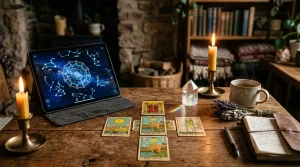
In the world of spirituality and intuition, Tarot cards often stir a mixture of intrigue and apprehension. Are they merely tools for divination, or do they carry potential risks that deserve careful consideration? This discussion aims to explore the safety of Tarot, addressing common fears while highlighting the positive aspects of its practice. Many seekers wonder: can Tarot guide without harm, or could it lead to troubling experiences? By understanding the myths and truths surrounding Tarot, you can navigate your own journey with confidence and assurance. Whether you’re a curious skeptic or a seasoned reader, our exploration will illuminate how to engage with Tarot in a way that feels safe, empowering, and enriching. Join us as we demystify the cards and uncover the wisdom they can offer without the unease.
Understanding Tarot Cards: A Safe Exploration
The world of tarot cards is often shrouded in mystery and intrigue, opening a pathway for self-exploration and insight. While many view tarot as an esoteric tool for divination, at its core, it serves as a mirror reflecting our innermost thoughts, feelings, and possibilities. When approached with an open mind and heart, tarot can be a safe and enlightening experience. Whether you’re a curious skeptic or a seasoned practitioner, understanding the mechanics of tarot can empower you to harness its potential without fear.
To engage with tarot meaningfully, it’s vital to embrace its symbolic language. Each card, imbued with rich imagery and archetypal themes, offers nuanced perspectives that can illuminate various life circumstances. For instance, drawing the “Two of Cups” might inspire reflection on relationships, inviting you to consider connections and emotional exchanges in your life. Utilizing tarot effectively involves interpreting these symbols in the context of your personal experiences. Keeping a journal of your readings can be a helpful practice, allowing you to track your insights and growth over time.
Creating a Safe Environment
Establishing a calming and inviting space for your tarot practice is crucial. To set the stage for a safe exploration, consider these practices:
- Curate Your Space: Choose a quiet, comfortable area where you won’t be disturbed. Decorate it with items that inspire serenity-like candles, crystals, or plants.
- Set Intentions: Before you start, take a moment to reflect on what you hope to achieve. Clear intentions shape the quality of your readings and maintain a positive focus.
- Ground Yourself: Techniques such as deep breathing or meditation can help calm your mind and body, ensuring that you approach each reading with clarity.
Connecting with Your Intuition
One of the most profound aspects of tarot is its ability to foster personal intuition. Each reading is unique and can reveal dimensions of your subconscious that you may not have previously acknowledged. Start by asking open-ended questions during your reading. For example, instead of asking, “Will I find love?” ask, “What can I learn about my approach to love?” This shift in questioning not only nurtures self-reflection but also invites deeper clarity and understanding.
As you immerse yourself in the tarot journey, remember that it’s a tool for empowerment rather than prediction. Embrace the process with curiosity, allowing the cards to guide your self-discovery rather than dictate outcomes. Engaging with tarot is not about invoking fear or chaos but about fostering wisdom and insight on your life path.
Myths and Misconceptions About Tarot
Many people harbor misconceptions about tarot cards, often viewing them through a lens of fear or misunderstanding. The most common myth is that tarot is a tool for predicting the future in a deterministic way, like a crystal ball. In reality, tarot cards serve more as a reflective mirror, revealing insights and guidance that can empower individuals to make informed decisions in their lives. They should not be seen as a definitive roadmap but rather as guidance for personal reflection and growth.
Another prevalent belief is that tarot is inherently linked to negative or dark energies. Some fear that engaging with tarot could invite malevolent forces into their lives. Yet, this perspective overlooks the fundamentally positive and healing potential of tarot when used mindfully. Many practitioners establish a safe, intentional environment for their tarot readings, focusing on self-discovery and personal empowerment, rather than seeking external supernatural validation.
Additionally, skepticism often surrounds the effectiveness of tarot and its relevance to daily life. Detractors may dismiss it as mere fortune-telling or entertainment. However, those who have integrated tarot into their self-care practices often report significant benefits-such as enhanced intuition and clarity surrounding personal issues. For example, a simple spread where you draw three cards about your current challenges can uncover underlying beliefs and behaviors that hinder your growth, encouraging a more introspective approach to problem-solving.
To approach tarot safely and effectively, consider these practical steps:
- Educate Yourself: Familiarize yourself with tarot card meanings and various spreads. Many resources, including books and online courses, can provide guidance.
- Start Small: Begin with simple one-card pulls or three-card spreads to avoid feeling overwhelmed.
- Trust Your Instincts: Engage your intuition when interpreting cards. Remember, your personal experience and feelings matter most.
In breaking down these misconceptions, we can cultivate a balanced understanding of tarot’s role in our lives. When approached with curiosity and respect, tarot can be a powerful tool for enlightenment and personal empowerment, free from the shadows of myth and fear.
Exploring the Psychological Effects of Tarot Readings
Engaging with tarot can unlock a world of introspection and self-discovery, often leading to profound psychological effects that help individuals gain clarity and direction in their lives. Many people find that utilizing tarot as a tool for reflection can illuminate subconscious thoughts and feelings, enabling them to confront challenges with greater insight. Rather than acting as a deterministic forecast of the future, tarot readings can be viewed as prompts for deeper contemplation, allowing users to explore their beliefs and behaviors in a safe and supportive manner.
One of the most significant psychological benefits of tarot is its ability to enhance self-awareness. For instance, doing a three-card spread might reveal patterns in your relationships or career that you hadn’t consciously recognized. By interpreting the cards in a context that feels relevant, you begin to see the connections between your current experiences and internal dialogues. This process can foster a sense of empowerment as you acknowledge areas for growth and healing.
Moreover, an intentional approach to tarot reading can cultivate a space for emotional release and catharsis. Many practitioners create rituals around their readings-such as lighting candles or journaling their thoughts-which can help ground the experience and make it more meaningful. These practices can also serve to alleviate anxiety and create a safe haven for emotional exploration, making the tarot experience enriching rather than daunting.
To ensure that your tarot experience is beneficial, consider these practical tips:
- Set Clear Intentions: Before your reading, take a moment to focus on what you want to explore, whether it’s a specific issue or general guidance.
- Create a Safe Space: Choose an environment where you feel comfortable and protected. This can significantly affect your ease during the reading.
- Reflect Afterwards: Allow time to process the insights gained from the reading. Journaling your thoughts can be an effective way to solidify your learnings.
By embracing tarot with an open mind, you can tap into its potential as a valuable psychological tool. It invites you to harness your intuition, facilitating personal growth and self-discovery while dispelling the myths surrounding its use. Rather than viewing tarot through a lens of fear, approach it as a guide that can offer clarity and confidence in navigating life’s complexities.
Are Tarot Cards Dangerous? A Grounded Discussion
Engaging with tarot can feel like stepping into a world filled with mystery, but concerns about danger often overshadow the potential benefits. Many people wonder if tarot cards are harmful or if they can lead to negative experiences. However, it’s essential to understand that tarot is a tool-much like any other instrument, its effects largely depend on how it is used. When approached mindfully and respectfully, tarot offers insights, support, and a pathway to self-discovery without any inherent risks.
To mitigate misconceptions, it’s crucial to recognize that tarot operates on a psychological and reflective level. The cards serve as prompts for introspection rather than directly influencing external events. For instance, drawing the Tower card in a spread might prompt anxiety about upheaval, yet it can also inspire discussion about necessary changes in one’s life. This turn of thought emphasizes that the perceived ‘danger’ lies not in the cards themselves, but rather in how we interpret and respond to the messages they convey. Practitioners often emphasize setting clear intentions before a reading, which helps to focus the experience on personal growth rather than fear.
Creating a safe environment for your tarot practice cannot be overstated. Choose a comfortable space-perhaps adorned with calming candles or soothing music-to enhance your readings. These rituals promote a sense of safety and grounding, making it easier to navigate any difficult emotions or thoughts that might arise. By treating your tarot sessions as sacred moments of introspection, you cultivate a practice that is nurturing rather than fearsome. In doing so, you open doors to not only personal transformation but also deeper emotional healing.
Hearing accounts from experienced readers can further alleviate concerns. Many find that their readings often lead to breakthroughs and positive transformations. For example, someone might initially approach tarot seeking clarity about a relationship, only to discover underlying issues they hadn’t considered. This realization can empower them to take healthy steps forward. By framing your tarot practice in this empowering light, you can enjoy a fulfilling exploration of self without succumbing to fear or negativity. Embrace the journey; tarot is here to guide you, not to haunt you.
The Spiritual Benefits of Tarot Card Use
Engaging with tarot cards opens a realm of spiritual exploration and insight, inviting individuals to connect with their inner selves. Many people who have delved into tarot report profound personal growth, enhanced intuition, and a greater understanding of their life’s path. This journey isn’t limited to personal guidance; it also fosters a meaningful connection with the spiritual dimensions of existence. By employing tarot thoughtfully, you can uncover layers of your psyche that contribute to heightened self-awareness and a deeper appreciation of the universe’s mysteries.
One of the most significant spiritual benefits of tarot is its ability to facilitate introspection and mindfulness. When you draw cards, you are prompted to reflect on your current life situation, goals, and emotional state. This process encourages a meditative practice, where you can examine your beliefs and experiences without judgment. For example, drawing the Empress may inspire you to focus on nurturing aspects of your life, while also prompting discussions around abundance and creativity. These reflections can lead to a sense of empowerment, helping individuals recognize their strengths and potential.
Moreover, tarot serves as a powerful tool for enhancing intuition. Each reading is unique, and as you become more familiar with the symbolism of the cards, you’ll find yourself developing a deeper intuitive understanding. This isn’t just about predicting the future; it’s about tapping into your inner wisdom. Regular practice can strengthen your ability to interpret situations in your life, enabling you to make choices that align with your true self. Many readers start by simply journaling their responses to card draws, gradually building confidence in their intuitive skills.
The spiritual practice of tarot can also foster connections with community and tradition. Many find solace in joining groups or seeking mentorship from seasoned tarot readers. Sharing experiences, interpretations, and insights not only deepens your understanding but reinforces a sense of belonging. It is a welcoming space for both skeptics and believers to explore their curiosities and fears surrounding spirituality. By treating tarot as a collaborative journey rather than an isolated event, you invite diverse perspectives and enrich your own practice.
In nurturing these spiritual dimensions, it’s important to approach tarot with openness and respect, recognizing the sacredness of the practice. As you explore, remember that the cards are reflections of your own consciousness. By treating each session as a dialogue with your intuitive self, you pave the way for transformative experiences that enlighten your path forward. Embrace this journey with an open heart; the world of tarot is a vibrant landscape of self-exploration, waiting to guide you toward deeper truths.
How to Use Tarot Cards Safely
Engaging with tarot cards can be an enriching experience when approached with care and intention. To ensure a safe and meaningful practice, it’s essential to create an environment that fosters clarity and respect. Start by choosing a dedicated space for your readings-a quiet, comfortable area where you can focus without distractions. This not only helps you center your thoughts but also honors the sacredness of the tarot. Before you begin, take a moment to ground yourself. Consider incorporating a brief meditation or deep breathing exercise to connect with your inner self and set your intentions for the reading.
As you draw cards, it’s imperative to approach the experience with an open mind and heart. Always remind yourself that the tarot serves as a mirror reflecting your subconscious thoughts and feelings, rather than a definitive prediction of the future. When interpreting the cards, maintain a flexible perspective. For instance, if you draw the Tower, instead of fearing upheaval, view it as an opportunity for transformation and growth. By shifting your mindset, you can mitigate anxiety and embrace the insights that the cards offer.
Establish boundaries for your practice to protect your emotional wellbeing. If a reading brings up uncomfortable feelings or questions, it’s perfectly okay to pause and reassess. Allow yourself the space to process the emotions that arise. After a reading, consider journaling your thoughts or discussing them with a trusted friend or fellow tarot enthusiast. This post-reading reflection can provide greater clarity and help you integrate the lessons learned.
Finally, remember that ethics play a significant role in safe tarot practices. If you’re reading for others, ensure that they are aware of your approach and that they give consent for the reading. Encourage an honest dialogue about their needs and boundaries. It’s vital to approach each session with compassion and respect, creating a safe space for exploration. By following these guidelines, you can engage with tarot in a way that is both empowering and respectful, enhancing your journey of self-discovery while alleviating concerns surrounding safety and ethics.
Choosing the Right Tarot Deck for You
Selecting the right tarot deck is a vital step in your tarot journey, as it can significantly influence your connection to the cards and enhance your readings. With countless decks available, from traditional designs to artistic interpretations, choosing one that resonates with you can be an empowering experience. Start by considering what draws you to tarot: Is it the rich symbolism, the artistic style, or perhaps the stories behind the imagery? Each deck carries its vibe and energy, and finding one that reflects your personal aesthetic and spiritual beliefs can make your practice more enjoyable and insightful.
Consider Your Purpose
Before diving into the vast selection of decks, think about how you intend to use your tarot cards. Are you looking for a tool to explore your intuition, seek guidance, or connect with your spiritual path? Different decks cater to different purposes. For instance, if your focus is on self-discovery and personal growth, consider decks that emphasize psychological interpretations, like the Rider-Waite-Smith or the Wild Unknown Tarot. If you’re drawn to specific themes, such as nature or mythology, there are decks that reflect those elements, like the Animal Totem Tarot or the Mythic Tarot. Aligning your choice with your intended use enhances not only your readings but also your engagement with the cards.
Connect with the Artwork
The visual appeal of a tarot deck cannot be overstated; the artwork plays a crucial role in your connection to the cards. Spend time looking at the imagery in various decks-visit local shops, browse online previews, or explore social media platforms dedicated to tarot communities. Trust your instincts: which images speak to you, invoke emotions, or spark curiosity? You might find that a particular artist’s style resonates with your energy, making it easier for you to interpret the cards during readings.
Test the Deck Before You Buy
If possible, lay out a few cards from a deck that catches your interest. You can often find sample cards online or at tarot shops. This hands-on approach encourages a physical connection, allowing you to feel how the cards move and blend with your intuition. Consider pulling a few cards to see how well you can read them. If the messages come easily and resonate with you, that deck may be the right choice.
By taking the time to thoughtfully select your tarot deck, you can enrich your experience and foster a deeper relationship with the cards. Remember, there is no “right” or “wrong” deck-what matters most is that it resonates with you and supports your journey into the world of tarot, enhancing your intuition and understanding as you explore the messages within.
Ethical Considerations in Tarot Readings
Navigating the world of tarot readings involves not just intuition and understanding but also a commitment to ethical practice. As tarot readers, whether you’re a seasoned practitioner or a curious novice, it’s vital to approach readings with responsibility and respect. This helps create a safe environment for exploration and self-discovery, dispelling the notion that tarot is dangerous or negative.
First and foremost, practitioners should prioritize informed consent. Before proceeding with a reading, make sure that the querent understands what tarot entails, including the potential emotional impact of interpretations. Explain how the cards function as a tool for reflection rather than a deterministic prophecy. This transparency fosters trust and empowers individuals to take charge of their journey, encouraging active participation rather than passive reliance on the cards.
Consider the well-being of your querents by adhering to boundaries. If a question arises that pertains to sensitive topics, such as health or legal issues, it’s wise to redirect the conversation. Encourage clients to seek professional advice where necessary. By doing this, you not only protect them but also maintain the integrity of your practice.
Lastly, honor diverse beliefs. Recognize that not everyone approaches tarot from the same perspective. Some may view it as a spiritual tool, while others may see it as a psychological exercise or artistic endeavor. Being open to these varying perspectives not only enriches your readings but also fosters an inclusive environment for all participants. Encourage dialogue about how tarot fits within each person’s belief system, reinforcing that the cards are ultimately a guide for personal reflection and insight, meant to illuminate rather than obscure.
In summary, approaching tarot with ethical sensitivity enhances the experience for both the reader and querent. Focus on informed consent, respect boundaries, and honor diverse beliefs to create a supportive space for growth and exploration. This grounded approach demystifies tarot while embracing its rich potential for insight and connection.
Common Fears About Tarot: Debunking Concerns
Many people find themselves intrigued by tarot, yet a cloud of fear often surrounds this ancient practice. This unease stems from common misconceptions and cultural stereotypes that label tarot as “bad” or “dangerous.” In reality, tarot cards are tools for introspection and empowerment rather than instruments of foreboding or negativity. Understanding these fears and addressing them can pave the way for a more enriched and enlightening experience with tarot.
One prevalent concern is that tarot cards might predict an ominous future. This notion often arises from sensational portrayals in media, which emphasize doom-laden interpretations. However, the truth is quite different. Tarot readings are not about telling your fortune in a deterministic way; instead, they offer insights into your current situation, choices, and emotions. Many readers emphasize that the cards reflect potential paths based on present dynamics rather than fixed outcomes. For instance, drawing the Tower card might cause anxiety, yet, in the right context, it could signify necessary change or the removal of obstacles. This reframing empowers individuals to view tarot readings as opportunities for growth rather than predictions of unavoidable fate.
Another fear relates to spiritual harm or negative energy. It’s a common myth that engaging with tarot can open gateways to malevolent forces or misfortune. In reality, tarot is a practice rooted in self-exploration and personal insight. By approaching the cards with respect and a clear intention, practitioners can foster a positive experience. Additionally, incorporating grounding practices, such as setting intentions or creating a sacred space for readings, can further mitigate these fears. It’s helpful to remember that your perspective and mindset play crucial roles in shaping the outcome of any tarot experience.
Moreover, the fear of being judged or misunderstood during a tarot reading can inhibit individuals from seeking guidance. Much like any other form of self-help or counseling, tarot thrives in a safe and trusting environment. Establishing open dialogue with your reader about any concerns and expectations can help bridge this gap. A supportive reader will prioritize your comfort, ensuring that every session is conducted with empathy and respect for your individuality.
Embracing tarot doesn’t mean rejecting skepticism; instead, it’s an invitation to explore your own beliefs and feelings about the practice. Whether you’re a believer, a curious skeptic, or somewhere in between, approaching tarot with an open heart can demystify many of these common fears. By focusing on the cards’ potential for reflection and personal empowerment, you can transform apprehension into curiosity and insight, enriching your journey through tarot.
Empowering Your Intuition with Tarot
Engaging with tarot cards can be a profound way to enhance your intuition, allowing you to tap into your inner wisdom and navigate life’s complexities with greater clarity. Imagine drawing a card and feeling an immediate connection to your current emotions or situations-this is the essence of tarot as a tool for empowerment. By viewing the cards not just as symbols but as gateways to your own insights, you can foster a deeper relationship with your intuition.
To start strengthening your intuitive abilities, begin with a simple practice. Each morning, pull a single tarot card before your day begins. Spend a few moments reflecting on its imagery and keywords, noting how it resonates with your feelings or thoughts at that moment. For example, if you draw The Empress, you might feel called to focus on nurturing aspects of your day, whether in relationships, work, or self-care. This daily practice helps create a habit of looking within for guidance, enhancing your ability to interpret the messages you receive.
Building Your Intuitive Skills
As you become more comfortable with daily draws, consider expanding your practice through various spreads. Simple three-card spreads can provide clarity on your past, present, and future, revealing patterns that may not be immediately obvious. Here’s a straightforward approach to a three-card spread:
- Card 1: Represents the past influences affecting your current situation.
- Card 2: Reflects your present state and emotions.
- Card 3: Offers guidance or possible outcomes based on your current path.
After laying out the cards, take time to journal your feelings and interpretations. Always ask yourself how each card’s imagery relates to your life, fostering a personal connection that enhances your intuitive skills. For instance, if the Three of Swords appears, it might evoke feelings of heartache, prompting self-reflection about unresolved issues. Embrace these reflections, and over time, you will learn to trust the insights that surface.
Incorporating mindfulness into your tarot practice also deepens your intuitive connection. Before a reading, take a few deep breaths and center yourself. Allow yourself to enter a calm state, free from distractions. This mental clarity opens channels for intuitive messages to flow. Over time, you’ll notice that intuitive insights from the cards become more vivid, helping you navigate your life’s journey with confidence and assurance.
By approaching tarot as a supportive ally rather than a foreboding instrument, you invite a sense of wonder and curiosity into your practice. Harnessing the wisdom of the cards empowers you to embrace your intuition fully, providing a nurturing pathway to understanding your life and choices better. As with any journey, the key is consistency and openness-allowing your intuitive muscles to grow stronger with each card you draw.
Advice for Beginners: Starting Your Tarot Journey
Starting a journey with tarot cards can feel daunting, especially when questioning safety and the potential pitfalls. However, embracing this practice can be a powerful way to enhance your understanding of yourself and your life. First and foremost, approach tarot as a reflective tool rather than a means of divination. This perspective helps mitigate fears surrounding the unknown and empowers you to seek insights that resonate with your personal experience.
One excellent way to begin is by selecting a tarot deck that resonates with you. Choose a deck not just based on aesthetic appeal but one that evokes emotions and speaks to your intuition. Take the time to handle the cards; this physical connection can deepen your understanding. Once you have your deck, familiarize yourself with its imagery and the meanings associated with each card. Consider creating a journal to record your observations and feelings about each card. This practice allows you to construct personal meanings that may differ from traditional interpretations, fostering a deeper relationship with the cards.
When you’re ready to draw your first cards, set a clear intention. Ask a question or state what guidance you seek. For beginners, a simple one-card draw can be enlightening. Reflect on your pull throughout the day to see how it relates to your experiences. For instance, if you draw The Fool, reflect on how you can embrace new beginnings or the notion of taking a leap of faith in your current situation. Regular practice will build your confidence and help develop your intuitive skills.
As you venture further, consider integrating mindfulness techniques into your practice. Create a calming ritual before each reading-light a candle, take deep breaths, or play soft music. This not only grounds your energy but also opens clear channels for intuitive insights to flow. Remember, there’s no right or wrong way to engage with tarot; what matters is developing a practice that feels safe and fulfilling to you. With patience and openness, you’ll find that tarot can be a nurturing ally on your journey of self-discovery.
Advanced Tarot Practices: Deepening Your Understanding
Delving into more advanced tarot practices allows you to deepen your understanding and enhance the intuitive insights gained from each reading. As you gain confidence, consider exploring complex layouts, incorporating personal symbolism, and experimenting with your connection to the cards. These practices not only enrich your experience but also affirm the safety and value inherent in using tarot as a reflective tool.
One effective method to deepen your readings is through multi-card spreads. For instance, a Celtic Cross spread can provide comprehensive insights into current situations, potential obstacles, and future outcomes. This spread consists of ten cards, each with a designated position that reveals different layers of your query. By familiarizing yourself with this layout, you can see how various influences interact, which often leads to profound revelations and greater clarity on complex issues.
Another approach is to incorporate meditation and visualization techniques into your tarot practice. Before a reading, take a few moments to center your thoughts and energies. Visualize a protective bubble surrounding you, ensuring a safe space for insights to flow. As you draw cards, engage your imagination-picture yourself embodying the qualities of each card. For example, if you draw The Empress, envision yourself nurturing creativity and abundance in your life. This immersive technique can enhance your intuitive connection and make the messages of the cards feel more personal and relevant.
Integration of journaling remains a powerful tool through all levels of tarot practice. As you progress, your journal can evolve into a detailed log capturing not only your interpretations but also the emotions and physical sensations experienced during readings. Reflect on any patterns that arise or notable coincidences between your readings and real-life events. This can cultivate a trusting relationship with your intuition, further dismantling any lingering fears about the safety of tarot.
Lastly, consider collaborating with other tarot enthusiasts. Group readings can offer diverse perspectives and enrich your understanding of the cards. Explaining your interpretations to others will solidify your knowledge and allow for shared insights. Remember, the journey with tarot is not about absolute answers but rather a continuous exploration of the self. Embrace this practice as a safe avenue for growth and connection, where every card drawn adds to the tapestry of your unique life story.
Q&A
Q: Can Tarot cards harm you?
A: No, Tarot cards themselves cannot harm you. They are simply tools for self-reflection and insight. However, the interpretation of the cards and the mindset of the reader can influence the reading experience. Approaching Tarot with an open and grounded perspective can enhance its positive effects. For safe practices, see our section on How to Use Tarot Cards Safely.
Q: What if I get a scary Tarot reading?
A: Receiving a difficult Tarot reading doesn’t mean something bad will happen. Scary cards can highlight areas for growth or caution. Use these insights as an opportunity for self-discovery rather than fear. Trust your intuition, and remember to seek clarity through additional questioning.
Q: Are Tarot readings accurate?
A: The accuracy of Tarot readings depends on the reader and the querent’s mindset. A skilled reader who is intuitive can provide insightful interpretations that resonate deeply. However, remember that the cards reflect your current energies and potential paths, not fixed outcomes. For deeper understanding, explore our section on Exploring the Psychological Effects of Tarot Readings.
Q: Do I need to be spiritual to read Tarot?
A: No, you don’t need to identify as spiritual to read Tarot cards. Many people use Tarot for practical decision-making and self-reflection regardless of their spiritual beliefs. Embrace the cards as a psychological tool, as discussed in Understanding Tarot Cards: A Safe Exploration.
Q: How do I protect myself when doing Tarot readings?
A: To protect yourself during Tarot readings, set clear intentions and create a safe, calming environment. Grounding techniques, such as deep breathing or using protective crystals, can enhance your focus. Familiarize yourself with ethical considerations as mentioned in our section on Ethical Considerations in Tarot Readings.
Q: Can I trust online Tarot readings?
A: Trust in online Tarot readings depends on the platform and reader’s credibility. Look for reputable sources with positive reviews. Online readings can still provide valuable insights, but approach them with thoughtful discernment. For help with choosing platforms, check out Choosing the Right Tarot Deck for You.
Q: What if I want to stop using Tarot?
A: It’s perfectly okay to step back from Tarot if it no longer resonates with you. Trust your intuition about your spiritual practices, and know that you can return any time. For guidance on navigating your relationship with Tarot, find insights in Common Fears About Tarot: Debunking Concerns.
Q: What is the best way to start learning Tarot?
A: Begin your Tarot journey by choosing a deck that resonates with you. Read books, use online resources, and practice daily readings on yourself to build confidence. Our section Advice for Beginners: Starting Your Tarot Journey offers a structured approach to get started effectively.
In Summary
As we conclude our discussion on whether tarot cards are bad, it’s essential to reinforce that tarot, when approached with respect and understanding, can be a powerful tool for insight and reflection. While concerns about safety and interpretation are valid, remember that your intuition is your greatest guide. If you’re intrigued by how to handle tarot responsibly, explore our guide on 3-Card Tarot Readings for practical applications in your everyday questions.
Feeling inspired? Take action and dive deeper into the world of tarot with our Instant Yes or No Tarot Reading tool to discover quick insights into your pressing questions. And don’t forget to check out our extensive resources on tarot ethics and safety to further empower your readings.
We invite you to share your thoughts in the comments below or to reach out if you have any lingering questions. Your journey into tarot doesn’t have to end here-sign up for our newsletter to stay updated on new content and workshops that enhance your tarot skills. Remember, tarot is a journey for everyone, and we’re here to support you every step of the way!
Get our latest guides, news, and insights highlighted in your Google Search & AI Overviews.