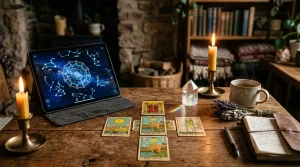
Many people have heard the ominous whispers about Tarot cards being able to curse or harm those who use them. But is there truth in that fear? In this article, we’ll explore the myth surrounding Tarot’s potential for negativity while guiding you toward understanding the true nature of these cards as tools for insight and self-awareness. Whether you’re a seasoned reader or a curious skeptic, unraveling this topic not only empowers you to engage with Tarot more freely but also invites you to reclaim the narrative around its use. By the end, you’ll discover that Tarot is more about guidance and clarity than any curse, unlocking its potential in your spiritual journey. Prepare to shift your perspective and embrace the magic without fear!
Can Tarot Cards Really Curse You?
The idea that tarot cards can curse someone is a common fear that often stems from misconceptions about their nature. The truth is, tarot cards are simply tools for reflection and guidance. They carry no inherent power to harm or manipulate; instead, it is the intention behind their use that truly matters. Just as a mirror reflects back what we place before it, tarot reflects our thoughts, feelings, and situations, allowing us to gain insights into our lives.
Understanding this distinction is crucial. The energy we bring to a reading significantly influences the outcome. Thus, if someone approaches tarot with fear or the belief that it can bring negativity, they may inadvertently attract those very energies. Conversely, by focusing on positivity and clarity, a reading can become a source of empowerment and direction. This is why many professional readers emphasize the importance of having a clear, positive intention before a reading begins. They encourage seekers to approach the cards as allies in self-discovery rather than tools for misfortune.
Moreover, many myths and fears surrounding tarot originate from cultural representations in movies, literature, and popular media, which often sensationalize its use. In reality, tarot has been a form of divination and support for centuries, promoting understanding and personal growth. For those still feeling apprehensive, it may be helpful to start with beginner-friendly spreads or even solo practice to build confidence. Exploring the cards, learning their meanings, and noticing how they resonate with personal experiences can demystify the process and transform fear into familiarity.
In conclusion, while the myth of tarot curses can evoke anxiety, it is important to remember that the real power lies within ourselves. By cultivating a positive mindset and respectful relationship with the cards, we can harness their potential to illuminate our paths and support our journeys in meaningful ways.
Understanding Common Fears About Tarot

Many people hesitate to engage with tarot cards due to a variety of fears and misconceptions, often fueled by cultural narratives that depict tarot as ominous or mystical. It’s important to recognize that these fears are not uncommon; they arise from a mixture of personal trepidation, societal conditioning, and historical narratives that have misrepresented tarot’s true purpose. Instead of being cursed or manipulated by the cards, individuals have the opportunity to use tarot as a powerful tool for self-exploration and insight.
One of the most prevalent concerns is the belief that tarot can predict an unavoidable fate, leading to a sense of powerlessness. In reality, tarot readings are not about predestination but rather about highlighting potential outcomes based on current energies and choices. This misconception can create anxiety, as individuals may fear that negative cards predict doom. To demystify this, it can be helpful to approach readings as a dialogue between the seeker’s intuition and the symbolic language of the cards, allowing for a more personal and empowered interpretation.
There’s also a fear of inviting negative energy or spirits. Many equate tarot with dark magic or the supernatural, but this perception ignores the fundamental nature of tarot as a tool used for reflection and clarity. Tarot works as a mirror reflecting one’s inner thoughts and feelings, and when approached with a clear intention and positive mindset, it cultivates a nurturing and supportive atmosphere. For instance, a beginner might start using a simple three-card spread focusing on past, present, and future, allowing them to see their journey in a structured and digestible way.
To overcome these fears, consider the following practical steps:
- Start with Education: Read books or attend workshops to learn about the cards and their meanings.
- Practice Mindfulness: Approach readings with a calm mindset, setting the intention for a positive experience.
- Use Protective Rituals: Incorporate practices such as cleansing your cards with sage or setting up a safe space where you feel secure and grounded.
- Engage with the Community: Join forums or local groups where you can share experiences and learn from others in a supportive environment.
By confronting these common fears and replacing them with knowledge and community support, anyone can learn to read tarot without the burden of anxiety or superstition. Embracing tarot as a medium for self-discovery transforms it from an object of fear into a valuable ally on your personal journey.
How Tarot Works: The Power of Intention

The relationship between tarot and intention is a key aspect that can demystify common fears surrounding card readings. Many people wonder if the tarot can bring about negative outcomes or even curses, but the foundation of this magical art is built upon the power of intention. When you sit down to engage with the cards, your thoughts and feelings shape the reading. Essentially, tarot acts as a tool for reflection and insight, channeling your intentions into the cards’ interpretations.
When you approach a tarot reading, setting a clear intention is crucial. Whether you’re seeking guidance on a specific issue or aiming for general insight, articulating your intention helps focus the reading’s energy. For example, if you’re feeling uncertain about a job opportunity, your intention can be as simple as, “I seek clarity on my career path.” This focused mindset allows the cards to resonate with and reflect your inner state, leading to more relevant and meaningful insights.
Incorporating intention is also about the mindset you bring to the table. Approach each reading with an open heart and a willingness to engage deeply with the cards. Consider this: if you draw the Tower card, often associated with upheaval, it can be daunting. However, if your intention was to understand current challenges, you may find that this card highlights necessary transformations rather than impending doom. By framing your inquiry positively, you invite messages of empowerment rather than fear.
To enhance the power of your intention during a reading, consider these practices:
- Cleanse Your Space: Before the reading, take a moment to ground yourself. Light a candle, burn incense, or use sage to create a serene environment.
- Write Down Your Intentions: Jotting down your questions or goals for the reading can clarify your focus and strengthen the connection with your cards.
- Reflect After the Reading: Take time to meditate on the insights gained. Journaling about your experience can help solidify the messages and inform your actions moving forward.
As you become more attuned to the power of intention in tarot, you’ll find that it transforms your experience from one of apprehension into a journey of self-discovery and clarity. The cards do not possess the power to curse or foretell a fixed fate; instead, they become mirrors reflecting your thoughts and energies back to you, highlighting pathways aligned with your desires and intentions. Embrace tarot as a supportive ally in your journey, and let your intentions guide the insights you receive.
Distinguishing Between Myths and Facts

Many misconceptions surround tarot cards, one of the most pervasive being that they can curse or bring about negative consequences. Understanding the difference between myth and fact is crucial in dispelling these fears. At its core, tarot is a spiritual tool-an invitation to explore one’s intuition and potential, not a vessel for harm. The notion of curses often stems from a misunderstanding of how tarot works and the nature of its energy.
First, it’s essential to recognize that tarot cards serve as catalysts for reflection rather than instruments of fate. Each card drawn during a reading represents not just a prediction but a reflection of the querent’s current circumstances, thoughts, and intentions. For instance, drawing the Ten of Swords, which might be interpreted as a sign of betrayal or endings, can also illuminate an opportunity for personal growth and recovery. This duality reinforces that it is the interpretation, influenced by the reader’s intention and the querent’s mindset, that shapes the experience, rather than an inherent capability to bring misfortune.
Additionally, a key aspect to consider is the power of belief. Many who fear curses may do so from cultural beliefs or past experiences that amplify their anxiety. It’s important for readers and querents alike to approach tarot with a balanced mindset. Cultivating a positive perspective can transform potential fears into constructive insights. Rather than worrying about negative outcomes, focus on what the reading can help illuminate about your journey, choices, and personal power.
To further demystify tarot, consider these points:
- Intentions Matter: The energy you bring into a reading significantly shapes the outcomes. Focus on positive connections to encourage insightful interpretations.
- Education is Key: Familiarize yourself with the meanings of the cards and spreads to feel more empowered during readings.
- Limit Exposure to Negativity: Avoid readings when feeling unsettled or fearful, as emotions can cloud intuition and lead to misinterpretations.
- Seek to Learn: View your tarot journey as a school of sorts. Each reading provides lessons rather than doom-laden pronouncements.
By grounding your tarot practice in knowledge and intention, you open pathways to growth and understanding, ensuring that you harness its potential rather than succumbing to misconceptions. Ultimately, the magic of tarot lies in its ability to illuminate life’s complexities, offering clarity rather than curses.
The Role of Energy in Tarot Readings
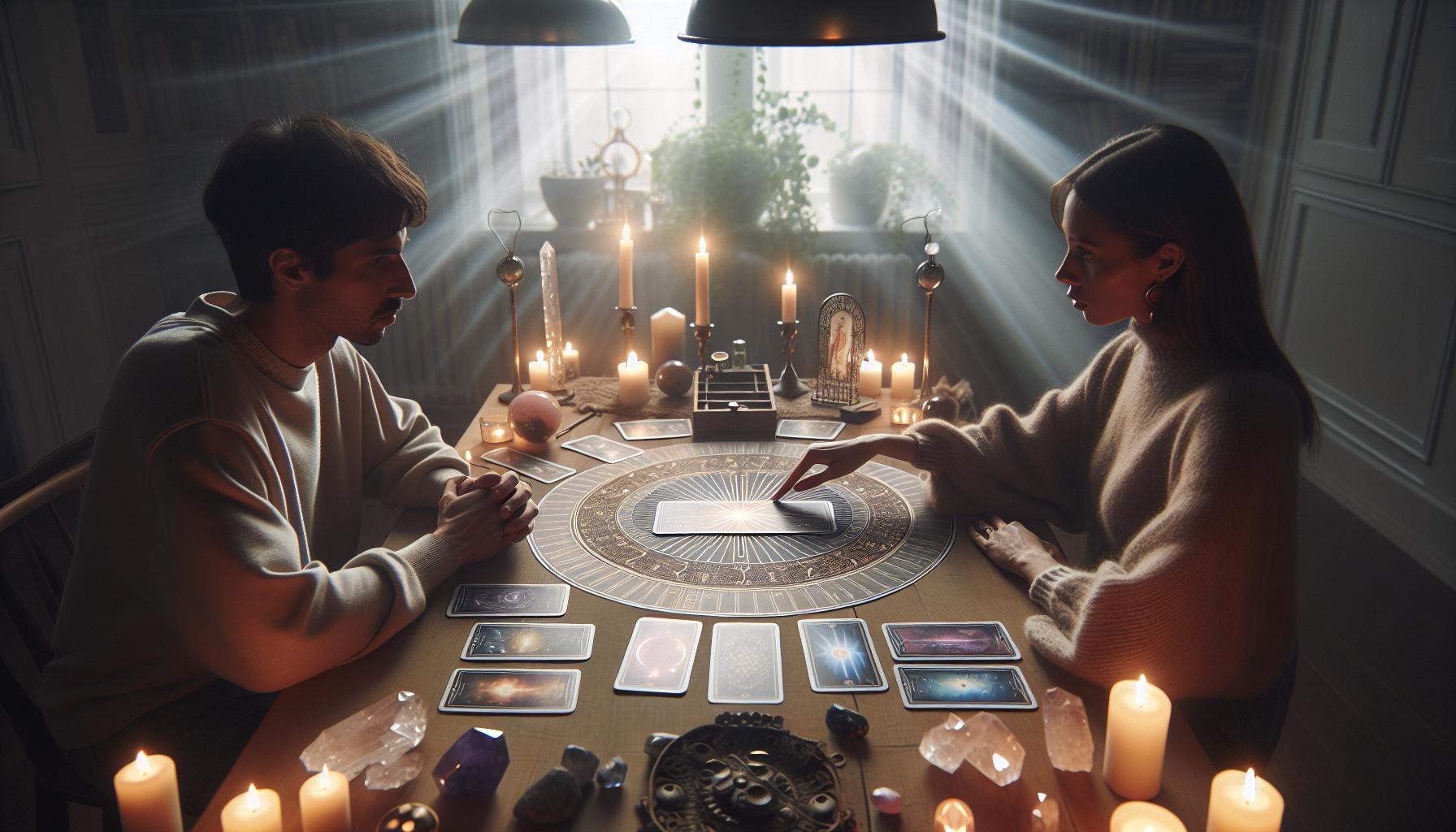
The energy present during a tarot reading plays a pivotal role in shaping the outcomes and experiences of the session. When you approach the cards with a clear intention and an open mind, you’re more likely to receive insightful reflections that can guide you on your journey. The essence of tarot lies not in predicting a fixed future, but in tapping into the rich tapestry of your current thoughts, emotions, and circumstances. This energy transfers not only from the reader but also from the querent, creating a dynamic interaction that influences the reading’s depth and clarity.
To harness this energy effectively, it’s essential to cultivate a positive atmosphere before commencing a reading. This involves setting your intentions clearly, whether you’re seeking guidance on a specific question or an overall insight into your life. For instance, before a reading, you might take a moment to breathe deeply, visualize a light surrounding you, and express gratitude for the wisdom the cards can provide. This practice invites a positive flow of energy that helps diminish fears and heightens your intuitive capabilities.
Mindful Engagement with the Cards
Approaching tarot readings with mindfulness enhances the clarity of the messages you receive. Here are some practical steps to engage with the cards more effectively:
- Ground Yourself: Before you begin, spend a few moments grounding yourself in the present. This can involve simple techniques like deep breathing or meditating on your question.
- Open Your Energy: Acknowledge your current emotional state and gently let go of any negativity. Consider journaling your thoughts before the reading to clear your mind.
- Be Present: Focus on the moment during the reading. Allow yourself to fully engage with each card and its imagery, listening to your intuition as you interpret their meanings.
- Reflect Afterward: Take time after the reading to process what you learned. Journaling can help you articulate insights and track changes over time.
By recognizing and nurturing the role of energy, you can transform your reading experience from one of fear to empowerment, dispelling myths about curses and emphasizing the supportive nature of tarot as a tool for self-discovery and growth. Ultimately, the true magic of tarot is in its ability to illuminate your possibilities, encouraging you to take charge of your path with newfound clarity and confidence. Embrace this journey with an open heart, knowing that the energy you put forth will guide you toward insightful revelations.
Are There Risks Associated with Tarot?
When discussing the potential risks associated with tarot, it’s essential to first acknowledge the wave of misconceptions that often accompanies these mystical cards. Many people harbor fears about curses or negative energy that might spill over from a reading. However, understanding the underlying mechanics of tarot can alleviate these concerns and empower individuals to navigate their experiences with confidence.
While there are no inherent dangers tied to the tarot itself, the perception of risk often stems from the emotional and psychological impact of the insights that may arise during a session. For instance, a reading might reveal uncomfortable truths or highlight aspects of life that require attention. This can feel daunting, particularly if the querent is not prepared for such revelations. It’s important to remember that the cards reflect current energies and potential pathways-they do not foresee a predestined fate. Engaging with tarot is about exploration and self-discovery, rather than inflicting harm or invoking bad luck.
To mitigate any risks, approaching the cards with a thoughtful mindset is crucial. Establish a safe and sacred space for your readings. Consider these practices to create an environment conducive to positive outcomes:
- Intention Setting: Clearly define what you wish to explore. This could be a specific question or general guidance.
- Grounding Techniques: Practice grounding exercises, such as deep breathing or visualization, to ensure you are centered before you start.
- Post-Reading Reflection: Allow time after the reading for processing the information. Reflective journaling can help you articulate what resonated and what doesn’t.
Ultimately, while fears of curses might linger in the background, embracing a positive and mindful approach to tarot can transform any perceived risks into opportunities for growth and clarity. Remember, you possess the power to shape your experience, and with each reading, you invite insights that contribute to your personal journey. By engaging with tarot thoughtfully, you can navigate its wisdom without fear.
Incorporating Positive Energy During Readings
Creating a space infused with positive energy when conducting tarot readings can significantly enhance the experience for both the reader and the querent. By approaching the cards with an open heart and a clear mind, you not only cultivate a supportive environment but also set the stage for transformative insights. Engagement in tarot should feel uplifting, not intimidating. Thus, let’s explore how you can incorporate positive energy during your readings to help dispel fears and foster a sense of empowerment.
Start by establishing a sacred space where you feel completely at ease. This could be a corner of your room adorned with items that resonate with you, such as crystals, candles, or calming images. The intention behind this setup is crucial-think about what you want your space to represent. Perhaps it’s a haven for clarity, compassion, or wisdom. When the environment reflects these intentions, it naturally vibrates with the energy you wish to cultivate.
One effective technique is incorporating rituals into your tarot sessions. These rituals can be simple yet impactful, such as cleansing the cards with sage or sound. You might also light a candle with the invocation of your desired energy, reciting a personal affirmation or prayer to anchor your intentions. For example, before beginning the reading, say something like, “May this reading bring clarity and positivity, guiding us towards our highest good.” Rituals don’t have to be elaborate; even a moment of deep breathing to center yourself can make a difference.
Next, embrace the practice of intention-setting before each reading. This step involves thinking deeply about what you aim to discover or understand from the session. Write down your intentions or hold them in your mind as you shuffle the cards. Having a clear focus helps to steer the reading in a meaningful direction, channeling positive energy toward areas that require insight. You might ask, “What growth can I invite into my life?” instead of framing the question in a negative light.
Lastly, express gratitude after each reading. Whether through journaling your experiences, thanking the cards, or meditating briefly on the insights received, this practice fosters a positive conclusion. It allows you to acknowledge any revelations and solidifies the beneficial energy exchanged during the reading. Remember, tarot doesn’t dictate your fate; it reflects current energies and offers potential paths. By incorporating these practices, you not only infuse your readings with positivity but also create an approachable and transformative experience, turning fears into understanding and empowerment.
How to Protect Yourself with Tarot Practices
To navigate the mystical world of Tarot without fear, it’s essential to incorporate practices that protect your energy and ensure a positive, enriching experience. Engaging with Tarot should be about empowerment and clarity, not anxiety. You can create a shield against negativity and misconceptions surrounding Tarot readings with a few intentional steps.
One potent method is grounding. Before you begin any reading, take a moment to connect with the Earth. Stand or sit comfortably and visualize roots growing from your feet into the ground, anchoring you firmly. This visual helps to center your energy and remove any lingering worries. You might say a grounding affirmation, like, “I am connected to the Earth, and I draw in its strength and support.” This practice builds confidence, making it less likely for any fear or negativity to intrude during your session.
Another essential practice is the use of protective crystals. Crystals such as black tourmaline, amethyst, or clear quartz can enhance your reading space. Place them nearby or hold them while you shuffle your cards. These stones are believed to absorb negative energy and provide a sense of calm. For example, placing a piece of black tourmaline by your Tarot spread can offer a grounding presence, reminding you that you are safe and supported throughout your reading.
Additionally, consider incorporating a protection ritual into your reading practice. This could involve lighting a candle and stating your intention for protection before you begin. You might say something like, “I invite only positive energy and insights as I work with these cards.” This clear declaration sends a message to the Universe, reinforcing your desire for a safe and enlightening experience.
Lastly, always trust your intuition. If a reading or a particular card makes you uncomfortable, take a step back. No reading is set in stone; you have the power to redirect the flow. If a card evokes fear, ask yourself, “What lesson can I learn from this?” You don’t have to accept everything presented by the cards as absolute truth. Approach each reading with curiosity and a sense of exploration, empowering yourself to turn potential negativity into valuable insights.
Incorporating these protective practices can transform your Tarot experience from one of fear to one of empowerment and understanding, aligning your energy with clarity and positivity.
Real-Life Experiences: Curses and Misinterpretations
Many who delve into the tarot experience a surge of curiosity often mingled with apprehension, particularly when it comes to the notion of curses or adverse outcomes linked to card readings. While some individuals share stories about seemingly ominous predictions or unsettling experiences following a tarot session, it’s crucial to explore these narratives within a broader context. Misinterpretations often stem from a lack of understanding about the tarot’s true nature and the meaning behind each card.
One vivid example comes from a novice reader who pulled the Tower card during a love reading. This card, representing upheaval and sudden change, struck fear into the reader’s heart. Feeling overwhelmed, they interpreted this card as an impending disaster in their romantic life. However, upon reflection, it became clear that the Tower often heralds necessary transformations, pushing individuals toward personal growth. Instead of a curse, it served as a beacon for change that could lead to better alignments in future relationships. Here, the card’s true meaning was obscured by fear and misinterpretation.
Another common experience involves the feeling of heaviness or dread after a reading. A person might draw a series of negative cards, like the Five of Cups or the Devil, and take it as a personal curse. Yet, these cards often offer important lessons about emotional processing and inner conflict rather than negative predestinations. By reframing their understanding of such cards, individuals can glean valuable lessons about their struggles and find the impetus needed for growth. The challenge lies in not viewing these cards as a literal prophecy but as invitations for deeper introspection.
To mitigate fears associated with tarot, individuals can take proactive steps. Establishing a clear intention before a reading and framing the session as a quest for insight rather than a forecast of fate can foster a more empowering experience. It’s also helpful to keep a journal of readings, noting initial fears or interpretations versus actual outcomes over time. This practice can illuminate patterns and help demystify the tarot’s role in one’s life, emphasizing its potential as a tool for personal development rather than a source of malevolence.
Ultimately, the power of the tarot lies in its ability to reflect our thoughts, intentions, and energies. By transforming fears surrounding curses and misinterpretations into curiosity and openness, we can harness the tarot’s wisdom to navigate life’s complexities with grace and clarity. Embracing this perspective cultivates a meaningful relationship with the cards-one grounded in empowerment rather than dread.
Empowerment Through Tarot: Turning Fear Into Clarity
Embracing tarot as a tool for empowerment can transform your fears into clarity, enabling you to navigate life’s uncertainties with confidence. Often, the trepidation surrounding tarot stems from misconceptions, leading many to believe they are doomed to face curses revealed through the cards. However, understanding the true purpose of tarot can shift your perspective, allowing you to see it as a mirror reflecting your inner world rather than a bearer of bad tidings.
To begin reframing your relationship with tarot, consider each card as an opportunity for introspection rather than a prophecy of doom. For instance, drawing the Five of Cups, which often represents loss or disappointment, can initially lead to feelings of despair. Instead, see it as a prompt to explore what you might be holding onto that no longer serves you. This card isn’t about what has been lost; it’s about recognizing the potential for healing and growth through acknowledging your emotions. By shifting your focus from fear to understanding, you can unlock profound insights from what each card has to offer.
Establishing clear intentions prior to a reading is another powerful practice. Begin by asking yourself what you hope to uncover-be it clarity regarding a specific issue or guidance for personal growth. By setting a purpose, you engage with the cards in a proactive way, allowing them to guide you rather than intimidate you. For example, when seeking insight into a challenging relationship, you might approach the reading with a question like, “What can I learn about my role in this situation?” This shifts the reading from a potentially fearful analysis of fate to an exploration of self-awareness and empowerment.
Incorporating rituals that promote positive energy can also enhance your tarot experience. Consider creating a sacred space for your readings, filled with items that resonate with you-like crystals, candles, or meaningful symbols. Engaging in grounding exercises, such as deep breathing or meditation, before drawing cards can help center your mind and cultivate a feeling of safety. These practices not only reinforce your intention but also amplify your connection to the cards, helping you approach the reading with curiosity and openness.
Ultimately, the journey of utilizing tarot as a supportive tool is about fostering a relationship grounded in trust and understanding. Each reading is an invitation to explore your innermost thoughts and feelings. As you become more familiar with this process, you’ll likely find that the cards serve more as allies in your personal evolution rather than harbingers of misfortune. Embrace the wisdom they offer, and you may discover that what once seemed ominous can illuminate paths to clarity and empowerment.
Debunking Tarot Myths: Expert Opinions
Many people fear that tarot cards can cause harm or bring about negative outcomes, often equating them with curses or bad omens. This misconception stems from a lack of understanding about how tarot actually functions. Expert opinions unanimously agree that tarot is best viewed as a tool for reflection and personal growth rather than a source of malediction. Tarot cards do not possess inherent power to curse; instead, they serve as mirrors that reflect our thoughts, emotions, and circumstances.
To clarify, the belief that tarot cards can curse stems from myths that have persisted over generations. In reality, the interpretation of a card depends heavily on the reader’s intuition, the context of the question, and the energy present at the time of the reading. Professional tarot readers emphasize that cards like the Tower or the Death card, often feared for their ominous connotations, can signal transformation and renewal rather than doom. For instance, if the Tower appears in a reading, it might indicate a necessary upheaval that leads to greater clarity and ultimately a stronger foundation for the future.
Moreover, experts propose that the energy we bring to a tarot reading directly influences the outcome. By focusing on positive intentions and self-exploration, readers can cultivate a space where empowerment flourishes. Setting the intention for the reading-whether it’s for personal insight, guidance in relationships, or clarity regarding a career path-grounds the process and shifts focus from fear-based interpretations to constructive insights.
For those still apprehensive, consider adopting protective practices that reinforce a positive experience during tarot readings. Create a cozy and safe atmosphere by using crystals or other personal talismans that resonate with you. Additionally, grounding exercises-like meditation or visualization-before a reading can be beneficial. These practices help center your energy, ensuring that any messages received from the cards are viewed through a lens of empowerment rather than fear, allowing you to move forward with clarity and purpose.
Tools for Safe and Responsible Tarot Use
Creating a safe and responsible environment for tarot use is essential to dispelling fears and enhancing the experience. Tarot can be a powerful tool for self-reflection and insight, and employing certain techniques can foster a positive and empowered atmosphere for your readings. These practices not only make the process enjoyable but also help to center your energy and intentions, fully tapping into the transformative potential of the cards.
Grounding Techniques
Before you begin a tarot reading, consider grounding techniques that help center your mind and spirit. Grounding can be as simple as taking a few deep breaths or visualizing roots extending from your feet into the earth. This practice can help you connect with your intuition and approach the cards with clarity and calmness. Another effective method is to meditate for a few minutes, focusing on your breathing and releasing any anxious thoughts. This not only prepares your mental space but also opens you to receiving messages from the cards without fear.
Creating a Sacred Space
Your reading environment plays a significant role in the energies you attract. Establish a sacred space by decluttering and cleaning the area where you read. You might light a candle or burn incense to enhance the ambiance. Incorporate crystals like amethyst or rose quartz, which are known for their protective and healing properties. Arrange the cards in a way that feels comfortable and inviting; this small gesture can help you feel more connected and secure during your reading.
Setting Intention
Intention setting is a powerful tool in any tarot session. Before diving into your reading, take a moment to state your intentions clearly-what you hope to achieve or understand from your session. This could be a simple phrase like, “I seek clarity and guidance,” or more specific questions related to a situation in your life. By setting intention, you’re not just focusing on the cards but inviting positive energy into the reading, steering it towards constructive insights rather than fear-based interpretations.
By embracing these practices, you can transform your tarot readings into a space of empowerment and clarity. Each step you take towards creating a safe and positive environment reinforces the understanding that tarot is a tool for personal growth rather than a source of dread. With these approaches, not only do you alleviate fears, but you also enhance your intuitive abilities, making each reading a meaningful journey towards self-discovery.
Faq
Q: Can Tarot cards bring bad luck?
A: Tarot cards themselves do not bring bad luck; they are merely tools for reflection and insight. Any perceived negative outcomes often stem from the interpretation of the cards or the energy of the reader. Maintaining a positive mindset and using Tarot for empowerment can transform experiences into growth opportunities.
Q: How can I protect myself during a Tarot reading?
A: To protect yourself during a Tarot reading, set a clear intention for positivity and clarity beforehand. Consider using grounding techniques, such as deep breathing, and surround yourself with protective imagery or crystals. Establishing a boundary with the reader about your comfort level can further enhance your protection.
Q: Should I be worried about curses in Tarot?
A: There’s no need to worry about curses in Tarot. Curses are often rooted in myth and misunderstanding. Engage with Tarot positively, and focus on the intended insights rather than fears. Cultivating positive energy and intention can negate any negative assumptions linked to Tarot readings.
Q: Can Tarot readings predict future curses or negative events?
A: Tarot readings do not predict future curses or negative events. Instead, they offer guidance on current situations and emotions, helping you navigate your path. The focus should be on empowerment and clarity rather than fear of future negative outcomes.
Q: What should I do if I feel uneasy after a Tarot reading?
A: If you feel uneasy after a Tarot reading, take time to reflect on your feelings. Engage in grounding activities like meditation or spending time in nature. Consider cleansing your energy with practices such as smudging or visualization to restore peace and balance.
Q: How can I turn my fears about Tarot into positive experiences?
A: To turn fears into positive experiences, educate yourself about Tarot’s purpose and processes, focusing on its potential for personal growth. Approach readings with an open mind, and communicate openly with the reader about your concerns, enhancing the trust and connection needed for a fulfilling experience.
Q: Is it safe to use Tarot for decision-making?
A: Yes, it is safe to use Tarot for decision-making. Tarot serves as a reflective tool, helping to clarify your thoughts and feelings about a given situation. Ensure your questions are clear, and approach the reading with an open heart, allowing the insights to guide you authentically.
To Wrap It Up
As we conclude our exploration of the myth that Tarot cards can curse you, remember: the power of the Tarot lies in your interpretation and intention. By understanding that these cards are tools for reflection and insight rather than sources of negativity, you can embrace their true potential in your life. If you’re eager to deepen your connection with Tarot, consider trying a personalized reading or exploring how different card spreads can offer you clarity.
For further guidance, check out our insights on 3-Card Tarot Career Readings to navigate your professional path, or delve into your Virgo Daily Horoscope for tailored advice on current energies. Don’t hesitate to leave a comment sharing your experiences or fears-join our community today!
By fostering your intuitive abilities, you create a safe space for exploration. Begin your journey now, and discover how embracing Tarot can reveal the wisdom you’ve always had within you!
Get our latest guides, news, and insights highlighted in your Google Search & AI Overviews.