The question “Are Tarot cards satanic?” often arises in conversations about spirituality and divination, reflecting a deep-seated fear surrounding the unknown. This inquiry is not just about Tarot; it’s about our relationship with intuition, self-discovery, and the spiritual tools that guide us. Tarot cards have been used for centuries as a means to gain insight and clarity, and understanding their purpose is essential for anyone curious about their potential.
Exploring the truth behind these fears can lead to a more profound connection with your inner self and the universe. Many people may hesitate to engage with Tarot due to misconceptions, yet these cards can serve as a powerful conduit for intuition and personal growth. By demystifying the imagery and meanings behind the cards, we can shift perceptions and uncover how Tarot can be a tool for empowerment rather than fear. Let’s delve into the origins, meanings, and true purpose of Tarot cards, helping you navigate any apprehensions while opening the door to new possibilities.
Are Tarot Cards from the Dark Side? Understanding Common Misconceptions
The world of Tarot often invokes an array of misconceptions, particularly the idea that these cards are tools of the “dark side” or are somehow inherently evil. This notion can stem from a blend of cultural narratives and personal fears. In reality, Tarot is a versatile tool for insight and reflection, not a conduit for malevolent forces. Understanding this distinction is essential for those curious about Tarot but wary of its associations.
Historically, Tarot cards originated in the 15th century as playing cards in Europe, with their use evolving into a form of divination in the 18th century. Numerous traditions have embraced Tarot, interpreting its symbols within diverse spiritual contexts. Rather than representing darkness or negativity, Tarot embodies the dualities of life, encompassing both challenges and growth opportunities. Each card, from the Tower to the Star, conveys messages relevant to the human experience, reflecting our inner journeys and external situations.
When approaching Tarot, it’s important to recognize its primary purpose: self-discovery and empowerment. Readers can draw from the wisdom of the cards to foster personal growth and clarity. Engaging with Tarot doesn’t require a belief in the supernatural; it’s about intuition and reflection. Through structured layouts and open-ended questions, individuals can unlock insights into their lives, leading to transformative revelations. Therefore, rather than viewing Tarot as a dark art, frame it as a mirror to your subconscious, helping illuminate paths toward understanding and decision-making.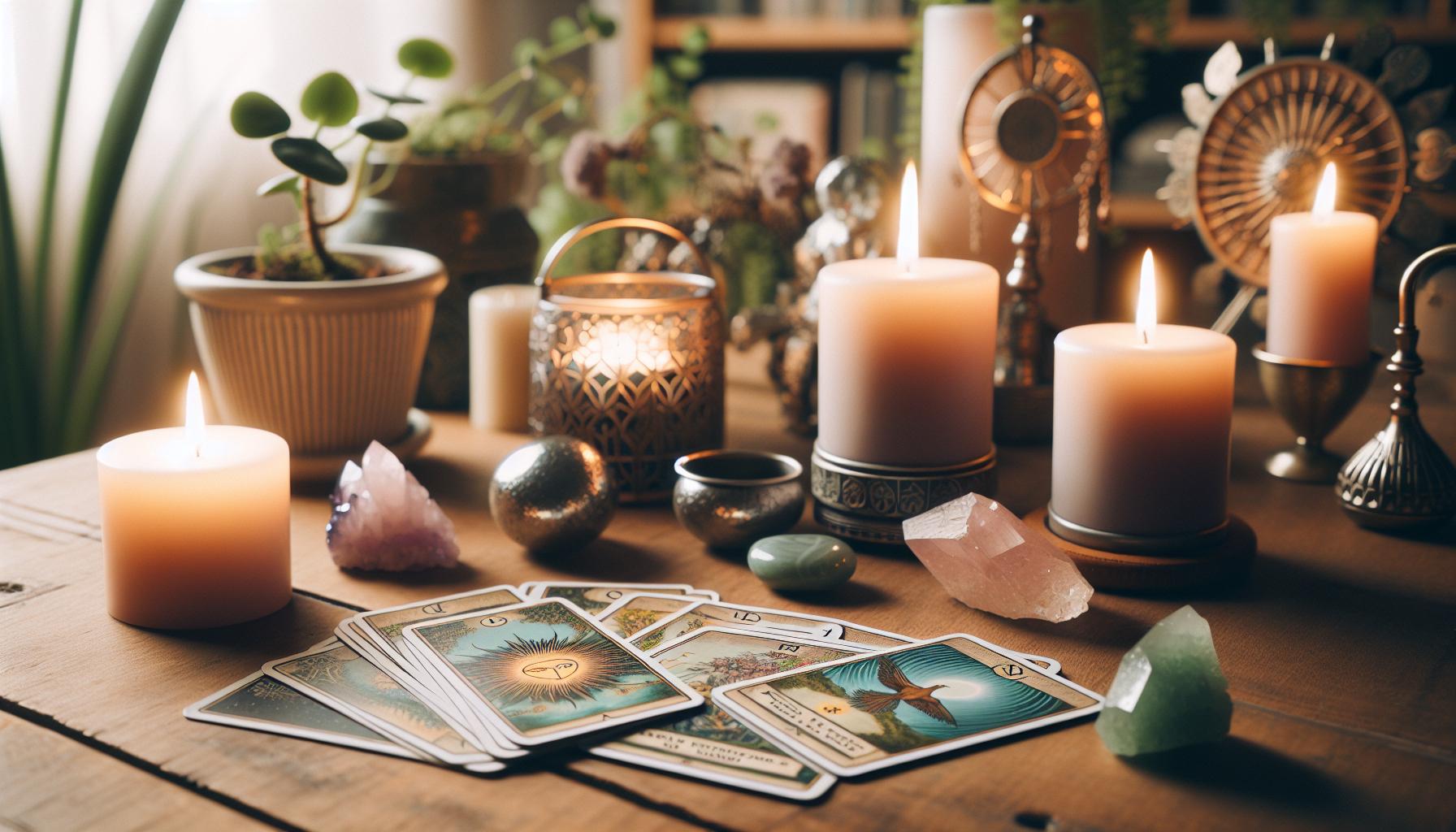
The Origins of Tarot: History and Cultural Context
The narrative surrounding the origins of Tarot cards reveals a rich tapestry woven from historical, cultural, and social threads, far removed from the sinister portrayals often ascribed to them. Initially, Tarot cards emerged in the 15th century as a form of playing cards in Italy, where they were used primarily for entertainment. Over time, particularly by the 18th century, Tarot began to be embraced for its divinatory potential, marking a significant shift in how these cards were perceived and utilized.
Despite the widespread belief that Tarot is linked to the occult or satanic practices, this perspective overlooks its historical context. Tarot evolved alongside various cultural and spiritual movements, including Kabbalah and alchemy, which influenced interpretations of the cards’ symbolism. Each card, depicting rich imagery and archetypal themes, serves as a gateway to introspection and self-discovery rather than a conduit for dark forces.
The cultural significance of Tarot continued to evolve through the centuries. During the Enlightenment, as spiritual exploration expanded, Tarot became associated with various mystical traditions, including those seeking to decode the mysteries of the self and the universe. This aspect of Tarot encourages personal empowerment, enabling users to reflect on their life paths and make informed decisions. Rather than being an instrument of fear, Tarot invites exploration into the inner workings of the mind and spirit, fostering a deeper understanding of one’s own journey.
In summary, the origins of Tarot are deeply rooted in human culture and exploration. Far from being a tool of darkness, Tarot serves as an invitation to connect with our deeper selves. It encourages us to confront fears, embrace the dualities of life, and harness our intuitive abilities. Understanding this multifaceted history can illuminate the true purpose of Tarot-self-discovery and growth-providing a counter-narrative to the fears that surround it. As we engage with Tarot, we find a bridge to our inner wisdom, transcending misconceptions and unlocking the potential for meaningful insights.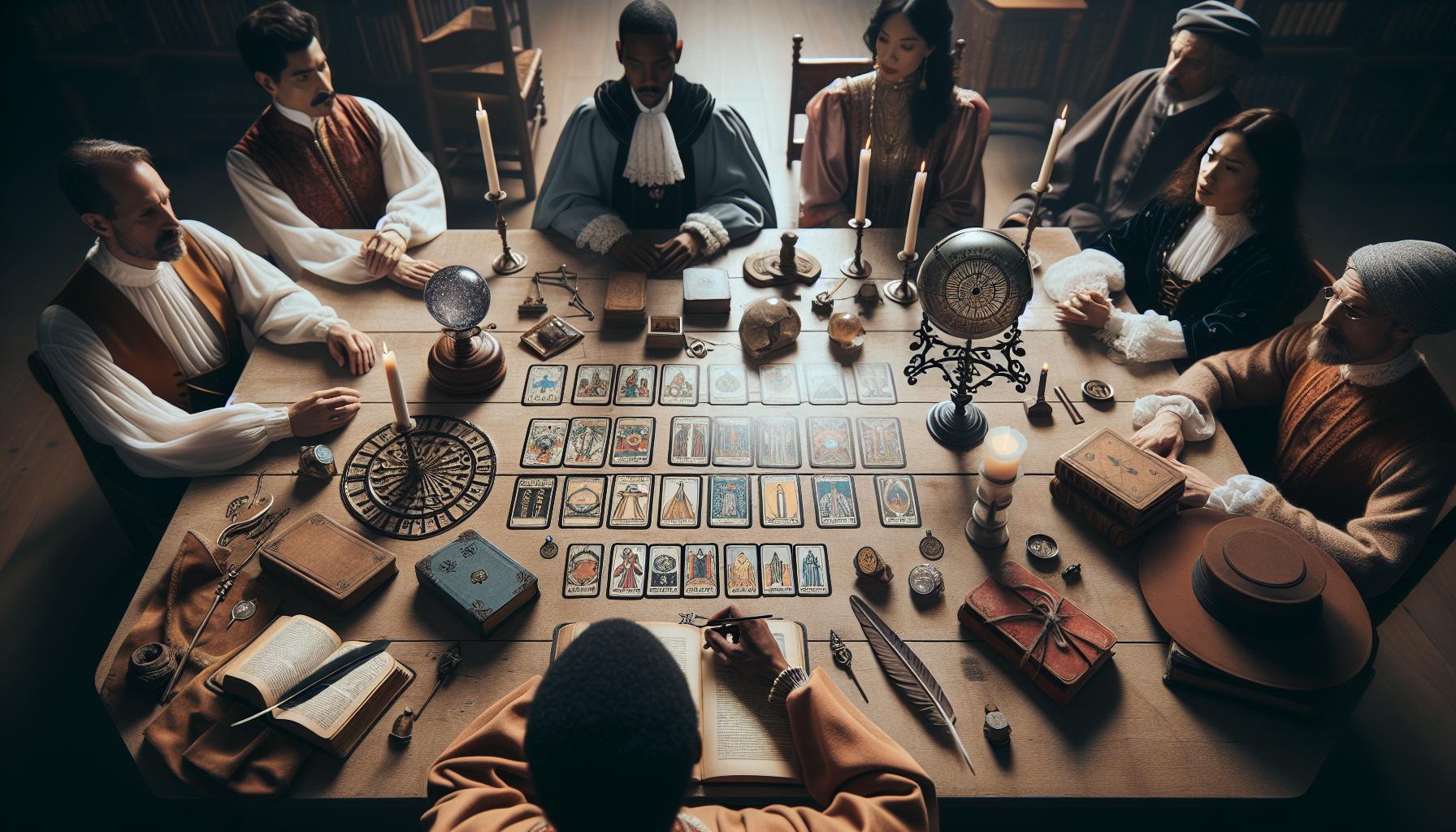
How Tarot Cards Speak: The Language of Symbols
Each Tarot card is a rich tapestry of symbols, crafted to guide seekers on their journey of self-discovery and reflection. When you draw a card, you’re not just encountering a static image; you’re opening a dialogue with your intuition, engaging with the universal language of archetypes. This symbolic language transcends the superficial fears associated with Tarot and instead introduces a profound tool for understanding the self and the world around you.
Understanding Symbolism in Tarot
Tarot cards are imbued with symbols that speak to the subconscious mind. For instance, a card like the Tower, often viewed with dread, represents sudden change and the breaking down of old structures. Upon closer examination, it invites the reader to consider what needs to be dismantled in their life to make way for new growth. Thus, even cards that seem ominous possess essential messages about transformation and renewal.
- Colors: Colors in Tarot serve as emotional cues. For instance, reds can signify energy and passion, while blues often suggest calm and introspection.
- Imagery: The figures depicted in the cards represent archetypes-like the Fool’s journey through life, showcasing innocence and adventure. These images resonate deeply with human experiences.
- Numerology: The numbers associated with each card add another layer. For example, the number 3 often symbolizes creativity and collaboration, reflecting its significance within the context of the cards.
How to Interpret Symbols
Interpreting these symbols involves a personal connection and openness to introspection. Here’s a simple approach for beginners:
- Draw a Card: Choose a card from your deck, focusing on your question or intention.
- Examine the Imagery: Take a moment to breathe and observe the details-the colors, shapes, and figures. What emotions arise?
- Connect to Your Life: Reflect on how the card’s symbols relate to your current situation. Do they mirror thoughts, feelings, or challenges you’re facing?
- Journal Your Thoughts: Writing down your interpretations can deepen your insight and help clarify your intuitive messages.
In practice, let’s say you draw the Two of Cups. This card often symbolizes partnership and harmony. Notice how the figures in the card lean toward each other, signifying connection. Reflect on your relationships-are there partnerships needing attention or new connections waiting to be formed?
By engaging with the symbols of each card, you not only demystify the Tarot but also empower yourself to see it as a tool for positive guidance rather than a fear-inducing practice. This language of symbols fosters a productive dialogue with your higher self, encouraging growth and healing. The insights gained through Tarot can illuminate your path, allowing you to navigate life with more clarity and confidence.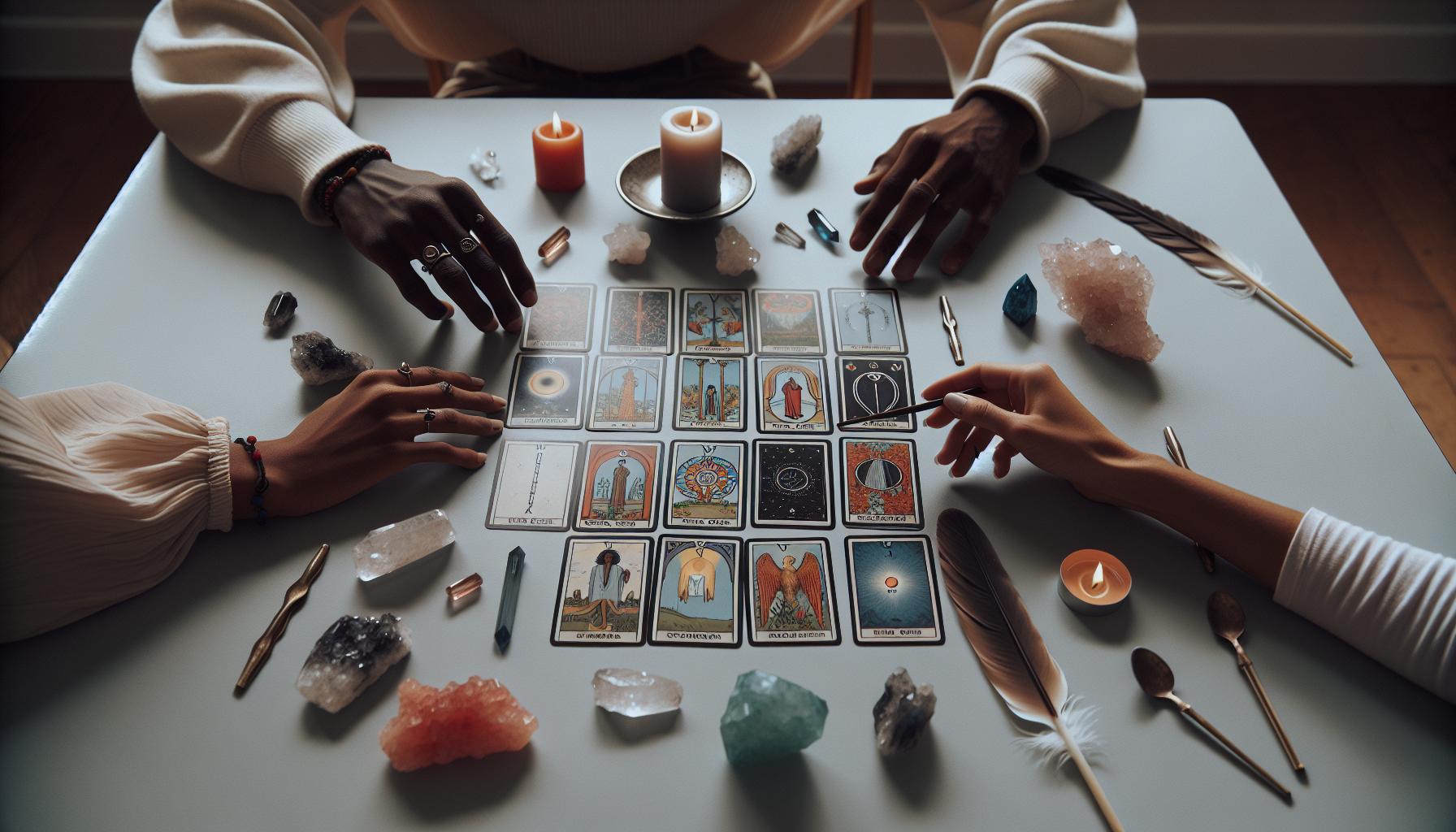
Satanic Panic and Tarot: A Historical Overview
During the late 20th century, especially in the 1980s, tarot cards became unwittingly entangled in a wave of societal fear known as the Satanic Panic. This period was marked by widespread paranoia about occult practices infiltrating communities, particularly among children and adolescents. Tarot, often misrepresented as a tool of divination linked to witchcraft or satanic rituals, found itself at the center of this frenzy. Many believed that the use of tarot cards was not just harmless entertainment, but a direct connection to dark forces, leading to severe misconceptions about their purpose and nature.
This anxiety about tarot and other mystical practices stemmed from several cultural factors, including sensational media coverage, high-profile criminal cases, and the rise of fundamentalist groups denouncing such practices as threats to societal values. In many instances, tarot was painted as synonymous with evil, contributing to a climate where people were encouraged to view their fellow citizens with suspicion. The sweeping accusations often failed to acknowledge the rich history of tarot as a tool for self-reflection and personal growth, distorting its essence into something fearsome.
Despite the stigmatization, tarot has historically been utilized as a means for self-discovery, offering insights and fostering personal development. It allows individuals to confront their fears, desires, and life paths in a grounded manner, far removed from the sensationalist narratives of danger. As a result, many who engage with tarot today prioritize its role in promoting mindfulness and emotional welfare, seeing it not as a conduit for dark forces but as a pathway to greater self-awareness.
To reclaim tarot from the shadows of misconception, it’s essential to engage with it openly and educate others about its true nature. By sharing personal experiences with tarot readings and focusing on the positive transformations that can arise, we can help dissolve lingering stigma. This promotes a more balanced view, positioning tarot as a valuable tool for insight and empowerment, rather than a source of fear. Engaging in community discussions about the positive aspects of tarot can also bridge gaps between skeptics and believers, fostering an inclusive environment where diverse spiritual practices are respected and understood.
Common Fears About Tarot and Their Roots
The journey into tarot often begins clouded by common fears, many of which are rooted in misinformation and cultural biases. Some perceive tarot as a channel to dark forces, believing that engaging with the cards could invoke malevolent energies or lead one astray. This perspective is largely driven by a historical narrative that paints tarot as part of a broader occult practice, particularly during times of societal upheaval, such as the Satanic Panic of the 1980s. It’s crucial to understand these fears not merely as superstitions but as reflections of a deeper discomfort with the unknown.
At the heart of these concerns lies a fundamental misunderstanding of tarot’s purpose and practice. Many fear that tarot cards might breach boundaries better left unexamined or that they could lead individuals to make reckless decisions based solely on mystical interpretations. However, tarot is fundamentally a tool for exploration and reflection. Experienced readers often emphasize that the power of tarot resides in its ability to prompt self-awareness, acting as a mirror to the subconscious. Instead of seeing the cards as a means to predict the future ominously, they can be approached as guides that help users articulate their intentions and aspirations.
To alleviate these fears, it’s helpful to highlight the positive aspects of tarot and its ethical considerations. When used mindfully, tarot can offer profound insights and encourage a deeper understanding of one’s self. Engaging with tarot doesn’t necessitate a belief in supernatural forces; rather, it can be approached as a psychological tool. Consider the process of drawing cards; each card represents not just fate but the facets of our psyche-our desires, anxieties, and universal archetypes. By focusing on interpretation rather than fortune-telling, we transform our fear into curiosity and empowerment.
Ultimately, fostering an open dialogue about tarot can bridge the gap between skepticism and belief. Sharing experiences, discussing the educational aspects of tarot reading, and inviting conversations around personal journeys and insights allows individuals to see tarot as a respectful and valuable practice. By demystifying the cards and framing them within the context of personal development, we can help dismantle misconceptions and encourage a more accepting view, making tarot accessible to everyone seeking guidance on their path.
Tarot as a Tool for Self-Discovery and Growth
Engaging with tarot cards can be a transformative experience, one that opens the door to self-discovery and personal growth. Rather than a mere mystical or superstitious practice, tarot serves as a mirror reflecting our inner landscapes-our fears, desires, and potential paths. For many, this perspective allows tarot to transcend its historical associations with the occult, positioning it instead as a valuable tool for introspection and clarity.
One of the primary ways tarot aids in self-discovery is through the symbolism embedded in its cards. Each card reflects a universal human experience, providing insights relevant to anyone, regardless of their belief systems. For beginners, starting with a simple three-card spread can be enlightening-it typically represents the past, present, and future. As you draw cards, take a moment to reflect on how the imagery and meanings resonate with your current life circumstances. For instance, drawing the Two of Swords may suggest inner conflict, prompting you to consider unresolved issues in your life. This not only cultivates awareness but encourages proactive thinking about how to address these challenges.
Among experienced readers, there is a common practice of journaling their tarot insights. This process involves recording your readings, thoughts, and the feelings that arise during each session. Over time, patterns often emerge that can lead to deeper insights about your emotional and psychological state. This method effectively turns tarot into a reflective practice, transforming initial readings into ongoing dialogues with oneself. For example, if you notice recurring themes, such as the Eight of Cups (symbolizing emotional abandonment or a search for deeper meaning), it may indicate a need for change or a call to evaluate your emotional investments. Recognizing these themes can foster growth and encourage individuals to take actionable steps on their personal journeys.
Ultimately, incorporating tarot into your life should feel accessible and empowering. Whether you are a skeptic or a seasoned reader, the process encourages dialogue-first with oneself, and then with the broader universe. By approaching tarot not just as an avenue for prediction but as a source of insight and personal development, anyone can utilize these cards to navigate life’s complexities with greater confidence and clarity. Engage with the cards openly, allowing them to guide you toward a more profound understanding of your inner self and the world around you.
The Role of Intuition in Tarot Reading
When engaging with tarot, the power of intuition plays a pivotal role. Each reader brings a unique perspective, colored by personal experiences, emotions, and instincts. This innate sense often guides interpretations, transforming card meanings from mere symbols into profound insights that resonate deeply with the seeker’s situation. Trusting your intuition can make the tarot experience not just about what the cards depict, but about how those images and messages speak to your inner truths.
It’s important to recognize that developing intuition is less about inherent ability and more about practice and openness. For beginners, starting with the imagery on each card can be a great way to cultivate intuition. Instead of solely relying on traditional meanings, allow yourself to ask questions like: What feelings arise when I see this card? What memories or thoughts does it evoke? This personal connection can enhance your ability to interpret the cards in a way that feels relevant and meaningful.
To put this into practice, try a simple spread. Draw three cards and observe your reactions to each:
- Card One – Past Influences: Reflect on how this card connects to your history. Does it represent a lesson learned or a situation that shaped you?
- Card Two – Present Situation: Consider what this card reveals about your current state. Do you feel a resonance with its imagery or emotions?
- Card Three – Future Guidance: What instincts arise about where you might be heading? Allow this card to inspire a sense of possibility or caution.
Each card tells a story that is as much about you as it is about their traditional meanings.
As you progress, journaling can amplify your intuitive skills. Document your feelings, thoughts, and predictions after each reading. Review these reflections over time to spot patterns and learn which intuitive nudges have proven accurate. This practice not only solidifies your connection with the cards but also fosters trust in your intuitive abilities, creating a valuable resource for personal growth.
Remember, tarot is a collaborative dance between the cards and your intuition. Embrace the uncertainty, the mystery, and be open to the messages that unfold. With patience and practice, your intuition can become a powerful ally, guiding you through the complexities of life, and dispelling fears around the perceived darkness of tarot. Instead, you’ll find it filled with light-an empowering tool for self-discovery and clarity.
Comparing Tarot to Other Divination Practices
When considering the vast landscape of divination practices, tarot stands out as a unique and multifaceted tool. While some may associate it with dark energies or esoteric rituals, it’s essential to recognize that tarot is just one part of a broader spectrum of divination methods, each offering distinct approaches to gaining insight and guidance.
Understanding Varied Divination Practices
Many practitioners explore divination through diverse avenues, including astrology, runes, pendulum readings, and scrying. Each method carries its symbolism and interpretation techniques. For instance, astrology delves into the influence of celestial bodies on human affairs, providing insights based on one’s birth chart. In contrast, runes are often seen as ancient symbols that are cast to reveal messages from the universe. Scrying involves gazing into a reflective surface, such as a crystal ball or water, to unlock intuitive visions. While these practices may differ in their processes, they share a fundamental goal: to connect with deeper wisdom and facilitate self-discovery.
Tarot Versus Other Methods
What sets tarot apart is its emphasis on narrative and personal interpretation. Each tarot card carries rich imagery and diverse meanings, encouraging readers to weave their interpretations based on their intuition and personal experiences. In a reading, the cards serve as a storytelling device, helping individuals explore their current situations and possible futures through a blend of archetypal themes and personal insights. This contrasts with other divination practices that might deliver more straightforward or fixed messages.
Embracing the Spectrum of Divination
It’s important to understand that divination is not inherently negative or malevolent. The notion that tarot practices are linked to the “dark side” is often rooted in misconceptions and societal fears. Engaging with tarot or any form of divination can be a profoundly positive experience, serving as a vehicle for empowerment, clarity, and personal growth.
When exploring different methods of divination, practitioners can choose the one that resonates most with their intuitive capabilities. If someone feels drawn to the imagery and storytelling aspect of tarot, they can use it as a primary tool for insight. Alternatively, those who resonate more with astrological patterns or the ancient symbols of runes can pursue those methods. Ultimately, the goal of divination is to foster a deeper understanding of oneself and one’s path in life, proving that each practice, including tarot, can contribute positively to spiritual exploration and growth.
Can Tarot Cards Offer Positive Guidance?
Many people approach tarot with a mixture of curiosity and skepticism, often wondering if these cards can truly provide beneficial insights rather than serving as a gateway to darker influences. The reality is that tarot offers a profound source of guidance, encouraging self-reflection and personal growth. By engaging with tarot, individuals tap into their intuition and confront their innermost thoughts, leading to meaningful revelations that can transform their lives.
When using tarot cards for positive guidance, it’s essential to embrace the storytelling aspect of the practice. Each card in the tarot deck contains rich symbolism and imagery that speaks to universal human experiences. For example, drawing the Three of Cups can evoke themes of celebration and community, suggesting that joyous connections with others can uplift our spirits. In this way, tarot serves as a mirror, reflecting both current situations and potential outcomes, allowing individuals to better understand their choices and the paths available to them.
To effectively harness tarot’s positive potential, consider starting with simple, focused spreads. A beginner might opt for a three-card spread: one for the past, one for the present, and one for the future. This simple layout can help clarify how past experiences influence current feelings and choices, proposing actionable steps toward a desired outcome. For instance, if the present card reveals the Eight of Swords, it might indicate feelings of restriction or fear. Recognizing this can empower the reader to address those fears and contemplate a change, reinforcing the idea that tarot promotes awareness and active participation in one’s life journey.
Moreover, incorporating a daily card pull can provide continuous guidance. By selecting one card each day, individuals can focus their thoughts and intentions around its themes, effectively setting a tone for their day. This practice nurtures mindfulness and encourages proactive behavior rather than reactionary living. For example, encountering the Strength card might inspire patience and courage in facing daily challenges, highlighting that tarot’s wisdom is accessible and applicable in everyday contexts.
In conclusion, when approached with an open mind and the right intentions, tarot can indeed offer positive guidance. It acts as a supportive mentor, fostering personal empowerment and self-discovery. Ultimately, engaging with tarot invites individuals to explore their thoughts, feelings, and potential with clarity and confidence, proving that this ancient practice can serve as a valuable tool for anyone seeking insight and direction in their lives.
Addressing Skepticism: Is Tarot Truly Harmful?
Many people hesitate to engage with tarot due to the misconception that it invites negative energies or aligns with malevolent forces. However, this fear often stems from misunderstandings about the nature of tarot itself. In truth, tarot is a tool-much like a mirror reflecting your inner self. It can reveal insights, foster self-awareness, and facilitate personal growth without any inherent darkness.
The essence of tarot lies in its symbolism and the reader’s intention. When you draw cards, you’re not invoking supernatural entities but rather tapping into your own intuition and subconscious. For example, if you draw the Death card, it’s not a sign of doom; instead, it signifies transformation and new beginnings. This perspective shift can dissipate fears about harmful influences, allowing individuals to see tarot as a source of guidance rather than a gateway to negativity.
Furthermore, the ethical practice of tarot reading emphasizes the reader’s responsibility to provide constructive insights. A good tarot reader approaches each session with care and a clear intent to support the querent. This includes framing readings in a positive light and encouraging proactive choices. If someone feels apprehensive about a card, it can be helpful to discuss its potential meanings openly. Engaging in this dialogue often transforms skepticism into understanding.
Empowerment and personal responsibility are at the core of tarot practice. To approach tarot positively, consider using daily draws to enhance self-reflection. When selecting a card each morning, treat it as a prompt for introspection rather than a prediction of doom. Over time, this practice reinforces the idea that your choices shape your path, steering clear of the notion that tarot can dictate fate in a harmful manner.
Ultimately, tarot is not an ominous force but a versatile spiritual guide. By cultivating a respectful and curious approach to tarot, skeptics can uncover a rich resource for insight, enabling them to navigate life’s journey with confidence and clarity.
Exploring Ethical Considerations in Tarot Reading
Engaging with tarot can be a powerful experience, but with that power comes a responsibility that every tarot reader must embrace. Ethical considerations in tarot reading are essential not just for protecting the querent but also for ensuring that the practice remains a safe and positive tool for self-reflection and guidance. At the core of ethical tarot reading is the principle of respect-respect for the querent’s feelings, boundaries, and the symbolism of the cards themselves.
When conducting a tarot reading, it is crucial to maintain a clear and open line of communication. This means not only presenting the cards and their meanings but also actively listening to the querent’s concerns and questions. Encourage dialogue; if a querent feels uneasy about a particular card, take the time to explore its meanings together. For instance, the Tower card can evoke fear of sudden upheaval, but it also represents liberation and breaking free from stagnant circumstances. A responsible reader will guide the querent to see the potential for positive change without dismissing their fears outright.
Moreover, ethical tarot reading involves setting boundaries. Readers should make it clear what questions or topics they are comfortable addressing. For instance, certain areas like health matters may require caution, as tarot should never replace professional advice. Clearly defining these boundaries not only protects the reader but also gives querents a sense of safety, allowing them to engage openly with the process.
Finally, confidentiality is paramount. A professional tarot reader respects the privacy of each querent’s information and experiences. Building an environment of trust fosters deeper insights and encourages authenticity in the reading process. By prioritizing ethical practices, tarot readers can illuminate the path to personal empowerment rather than perpetuating fear or misunderstanding. Ultimately, when tarot is approached with intention, respect, and care, it serves as a transformative tool, helping individuals navigate their lives with clarity and confidence.
How to Use Tarot for Personal Empowerment
Engaging with tarot can be a remarkable journey toward personal empowerment, transforming how you perceive challenges and opportunities in your life. Tarot cards, often misunderstood and surrounded by misconceptions, are not tools of dark magic; rather, they serve as mirrors reflecting your inner thoughts, fears, and aspirations. The process of interpreting the imagery and symbols within the cards allows you to access your intuition, fostering self-discovery and confidence.
To harness tarot for personal empowerment, begin with a clear intention. Whether you’re seeking clarity on a specific issue or a general insight into your life’s path, articulate your question as you shuffle the deck. This sets the stage for a meaningful reading. As you draw cards, take time to observe not only their traditional meanings but also your personal reactions to them. For example, pulling the Empress card might evoke feelings of creativity and abundance, while the Moon card could reflect inner fears or confusion. Allow yourself to explore these feelings and what they may reveal about your current situation.
Creating a Safe Space
Before you begin a reading, establish a comfortable environment. This can be a quiet corner at home, surrounded by candlelight or soft music, where you feel safe to introspect. Journaling your thoughts before and after your reading can be extremely beneficial. Document what questions you have, the cards drawn, and any insights that arise. Over time, you’ll likely notice patterns that can help inform your decisions.
Embracing Your Intuition
Each tarot card comes with layers of meanings that can resonate differently based on your unique circumstances. While the guides are helpful, trust your instincts as a primary source of interpretation. Engage with the symbols: What do they evoke for you? This practice can demystify the process, making it less about external judgment and more about personal engagement. As you become comfortable interpreting the cards, you’ll build your confidence in navigating not just tarot readings but also the complexities of life.
For beginners, start with simple spreads, like a one-card daily draw to reflect on your day or a three-card spread to explore the past, present, and future regarding a particular theme. If you feel uncertain, to alleviate the fear of misinterpretation, consider reaching out to communities of tarot readers, online forums, or local groups where support and shared experiences can enhance your journey.
Ultimately, using tarot for empowerment is about cultivating a trusting relationship with yourself. When approached with respect and an open heart, tarot can illuminate your path, guiding you through life’s uncertainties and helping you reclaim your power in a world filled with doubt. So, embrace the journey; the cards are here to support you.
Faq
Q: Are Tarot cards a form of witchcraft?
A: No, Tarot cards are not inherently a form of witchcraft. They are tools for self-reflection and gaining insights into personal situations. Many people use Tarot for guidance without any associations with witchcraft or the occult. Explore the Origins of Tarot for a deeper understanding.
Q: What do religious beliefs say about Tarot cards?
A: Religious views on Tarot vary significantly. Some consider Tarot cards to be incompatible with their beliefs, while others see them as a valid tool for introspection and understanding. It’s essential to respect differing perspectives and learn how Common Fears About Tarot stem from these beliefs.
Q: Can Tarot cards be used for good?
A: Absolutely, Tarot cards can be used for positive purposes, such as personal empowerment, self-discovery, and providing guidance during challenging times. Many users report enhanced intuitive understanding and clarity when conducting Tarot readings.
Q: Is Tarot reading safe for everyone?
A: Yes, Tarot reading is generally safe for anyone interested. However, it’s important to approach the practice with an open mind and a healthy skepticism. Understanding Ethical Considerations can enhance your experience and ensure responsible use.
Q: Why do some people fear Tarot cards?
A: Fear of Tarot cards often arises from misunderstandings, stereotypes, and negative portrayals in media. Most fears are unfounded, as Tarot is primarily a tool for self-exploration rather than a portal to malevolent forces. Learn about the Historical Overview of Satanic Panic for context.
Q: How can beginner readers approach Tarot?
A: Beginners can approach Tarot by starting with simple spreads and focusing on the meanings of individual cards. Reading guides and practicing with self-reflection questions can enhance understanding. Explore the How to Use Tarot for Personal Empowerment section for tips.
Q: Are there specific Tarot cards to avoid if I’m concerned about negativity?
A: There aren’t specific cards to avoid, but understanding the meanings behind the cards can alleviate fears. Familiarize yourself with the Language of Symbols in Tarot to view each card as a potential lesson rather than a curse.
Q: What is the difference between Tarot and other divination methods?
A: Tarot is distinct in its structured imagery and narrative style, focusing on personal growth and foresight. Other methods, like astrology or runes, operate differently, often emphasizing cosmic influences. Compare these techniques in the Comparing Tarot to Other Divination Practices section for insights.
To Conclude
As we explore the nuanced world of Tarot, it’s clear that these cards are tools for introspection and guidance rather than instruments of darkness. Understanding Tarot can empower you, illuminating paths in your spiritual journey. If you’re curious to deepen your practice, consider checking out our insights on how specific Tarot cards signify good fortune and transformation. Discover the power they hold in revealing your true potential by exploring our articles on Tarot interpretations and daily readings.
Feeling inspired? Don’t hesitate to engage with our community-share your thoughts or questions in the comments. By signing up for our newsletter, you’ll stay updated on the latest insights and techniques to harness the magic of Tarot. Remember, this sacred art is accessible to everyone, inviting both skeptics and believers to embrace its wisdom. Your journey with Tarot is just beginning-let us guide you as you unveil the mysteries that lie within yourself.
Theological and Historical Truth: Are Tarot Cards Demonic or Harmless Cardboard?
Among spiritual seekers and traditional religious observers, the concern frequently surfaces: are tarot cards demonic? When analyzed through both rigorous theological scholarship and cultural history, the answer is unequivocally clear: tarot cards possess no demonic essence, malevolent consciousness, or supernatural threat.
The belief that cards harbor demonic forces is a relatively modern misconception driven by cultural anxiety. In medieval Europe, playing cards and early Italian tarocchi decks were decorated with classical Christian and Greco-Roman imagery, including cardinal virtues and angelology. No historical theologian of the Renaissance categorized the physical card deck as demonic.
In contemporary usage, the cards function strictly as an introspective mirror. They reflect the user’s subconscious mind, psychological archetypes, and emotional states. A card depicting shadow aspects—such as The Devil or The Tower—does not invite evil spirits; rather, it prompts healthy reflection on unhealthy attachments, toxic habits, or sudden life upheavals. Recognizing that tarot cards are printed cardboard removes unwarranted fear and restores healthy psychological autonomy.
Get our latest guides, news, and insights highlighted in your Google Search & AI Overviews.