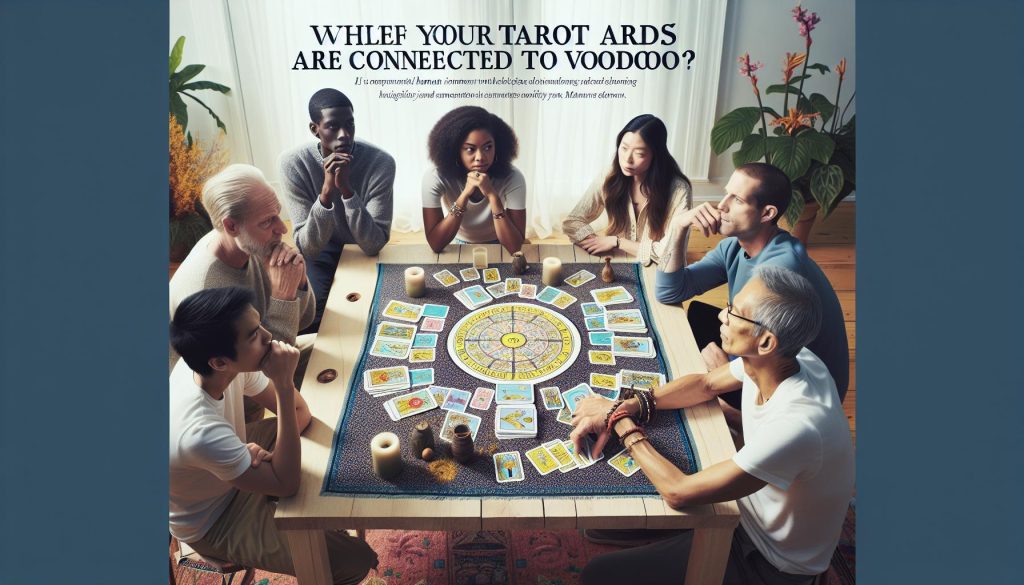
Many people are curious about the mystical world of tarot cards, yet some misconceptions can cloud their understanding. One common question arises: Are tarot cards connected to voodoo? This exploration is essential for anyone looking to deepen their relationship with tarot, whether you’re a seasoned reader or just beginning your journey. Understanding these distinctions can enhance your readings and help you embrace the tarot’s potential for guidance and insight.
In a world where spiritual practices often overlap, it’s natural to seek clarity on these themes, especially if you value both cultural traditions and personal growth. As we delve into this topic, we’ll uncover the roots of tarot, its purpose, and how it differs from other spiritual or religious practices like voodoo. By demystifying these connections, you’ll gain a fresh perspective and confidence in exploring the rich tapestry of tarot as a tool for self-discovery and empowerment. So, let’s embark on this insightful journey together, clearing up confusion and unlocking the magic within the cards!
Understanding Tarot and Its Origins
To truly appreciate the nuances of tarot, it’s essential to understand its rich history and the varied cultural contexts from which it emerged. Tarot cards originated in the mid-15th century in Europe, primarily as a card game known as tarocchi. The earliest decks, such as the Visconti-Sforza, were adorned with intricate artwork, but they held no mystical significance-they were purely for leisure. It wasn’t until the 18th century that tarot began to be associated with divination and mysticism, largely due to the influence of groups like the Hermetic Order of the Golden Dawn.
As tarot evolved, so did its imagery and meanings. Each card is infused with symbolism, often drawing from various spiritual, psychological, and astrological traditions. The major arcana, for instance, consists of 22 cards that represent significant life themes and archetypes. Conversely, the minor arcana consists of 56 cards, divided into suits that reflect daily experiences and challenges. This dual structure provides both broad and detailed insights when consulting the cards.
Many people mistakenly equate tarot with other spiritual practices such as voodoo. However, while both can offer profound insights, they arise from distinctly different cultural backgrounds and purposes. Tarot is primarily a tool for self-reflection and empowerment, helping individuals tap into their intuition, while voodoo encompasses a rich tapestry of beliefs, rituals, and spiritual practices deeply rooted in the African diaspora. Understanding these differences is crucial for anyone exploring either practice with an open mind.
In your journey with tarot, remember that it’s a guide rather than a definitive predictor of the future. Whether you’re flipping cards for daily guidance, personal reflection, or deeper spiritual exploration, the origins of tarot remind us of its transformative potential. Engaging with tarot invites you to cultivate a relationship with your intuition, navigate your life’s choices, and embrace the wisdom contained within yourself.
What Are Tarot Cards and Their Purpose?
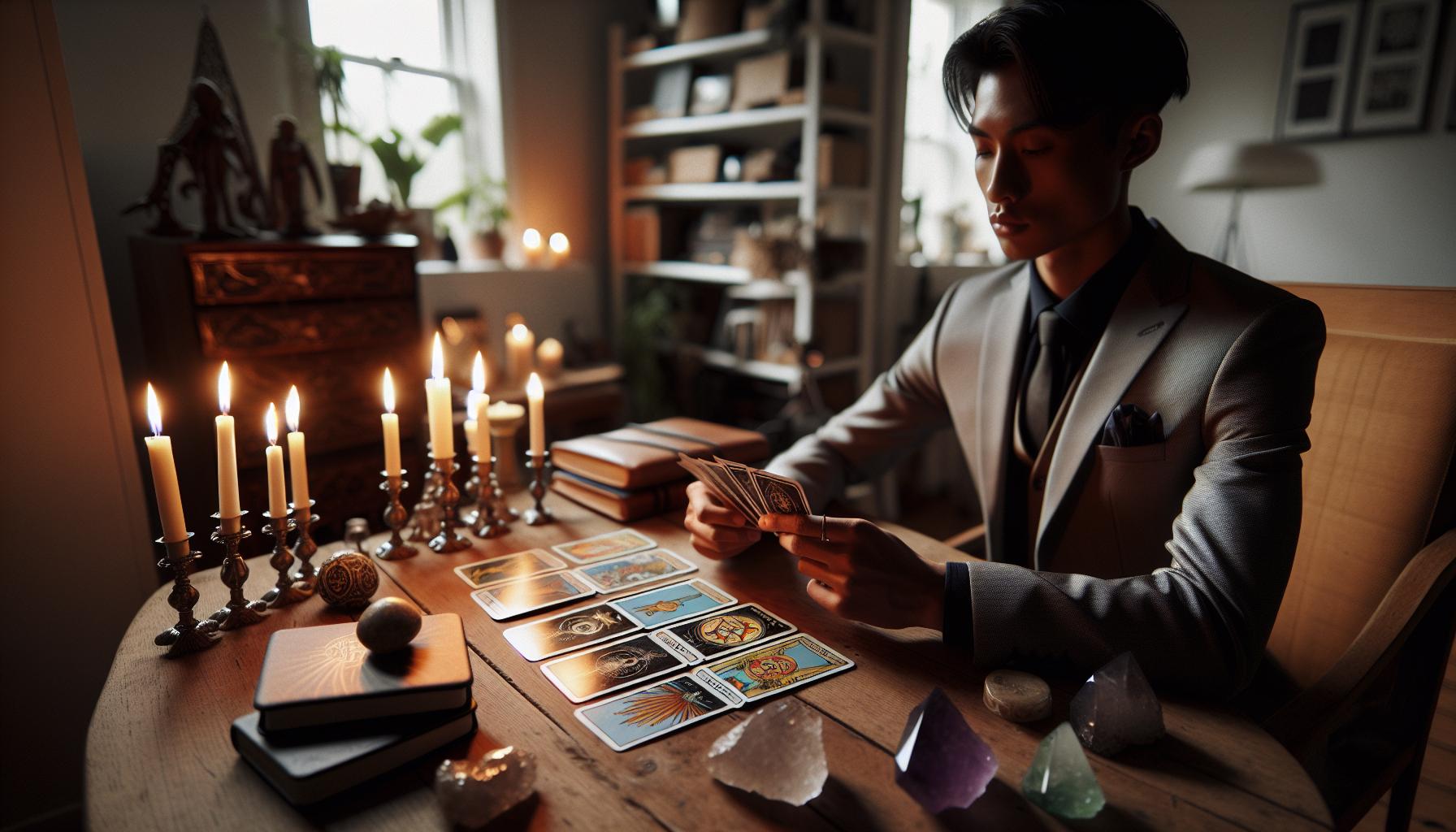
Tarot cards are much more than colorful illustrations on cardstock; they serve as powerful tools for introspection, insight, and personal empowerment. At their core, tarot decks typically include 78 cards, divided into two main categories: the Major Arcana and the Minor Arcana. The Major Arcana consists of 22 cards, which represent significant life events, spiritual lessons, and major archetypes. The 56 cards in the Minor Arcana cover everyday situations and challenges, categorized into four suits. This structure helps readers delve into both the profound and the mundane aspects of life, offering a holistic overview of one’s current situation or decision-making process.
Using tarot can take many forms, from casual single-card pulls for daily guidance to elaborate spreads for in-depth readings. Each card has its own unique symbolism and meaning; for example, drawing The Fool might suggest new beginnings and adventures, while The Lovers could highlight important relationships or choices that need to be made. Many find a reading can illuminate thoughts and feelings they weren’t consciously aware of, thus deepening their understanding of situations at hand.
Importantly, tarot is distinct from practices like voodoo, which is rooted in its own rich spiritual and cultural traditions. While both can offer insights into personal and spiritual matters, tarot is primarily focused on individual reflection and empowerment rather than spiritual intervention or rituals. This beginner-friendly approach makes tarot accessible to everyone, whether one comes with skepticism or openness. The flexibility of tarot as a practice invites users to engage with it according to their unique beliefs and experiences.
To get started with tarot, consider these simple steps:
- Choose a Deck: Find a tarot deck that resonates with you visually and conceptually.
- Clear Your Space: Create a quiet environment for your readings to enhance focus.
- Formulate a Question: Think of what you’d like guidance on-this can be as focused or as broad as you wish.
- Draw Cards: Depending on your preferred spread, select your cards and reflect on each one’s meaning in relation to your question.
Embrace your intuitive side. Tarot encourages exploration-each session can contribute to personal growth and understanding. Whether you’re looking for affirmation, clarity, or direction, tarot offers a reflective space for all seekers, empowering you to navigate your life’s journey with confidence.
Debunking Myths: Tarot vs. Voodoo
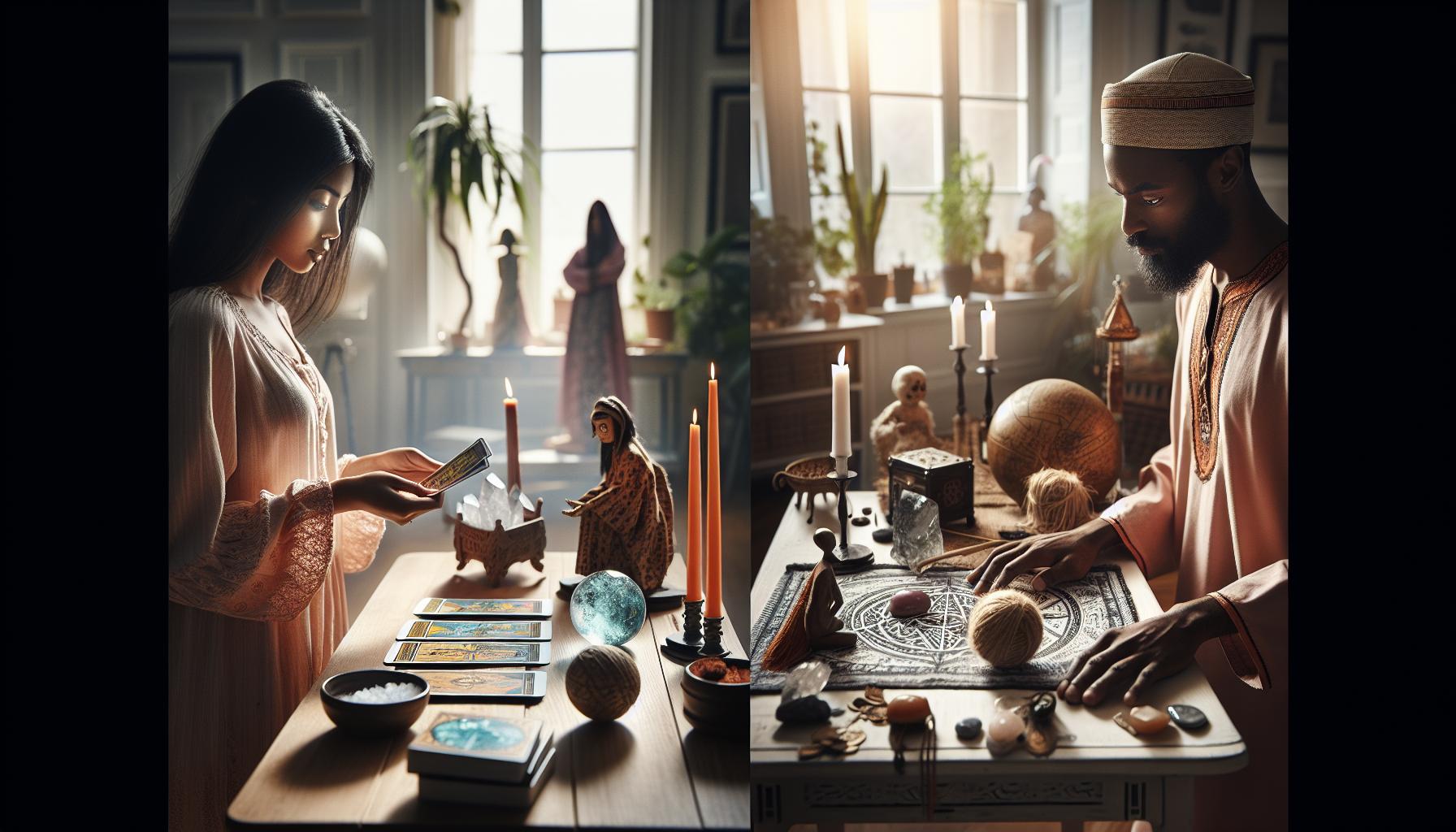
Tarot and voodoo often conjure images of mysticism and the supernatural, leading to confusion about their purposes and practices. However, understanding the fundamental differences can clear up common misconceptions. While both tarot and voodoo draw from rich traditions, their origins and methodologies diverge significantly. Tarot primarily serves as a means of introspection and insight, allowing individuals to explore their thoughts and emotions through symbolic imagery. In contrast, voodoo is a complex spiritual system with roots in African traditions, incorporating rituals, ancestral worship, and community practices to connect with spiritual energies and deities.
One prevalent myth is that tarot is synonymous with voodoo or aligns with its spiritual workings. This is simply not the case. Tarot cards, such as The Lovers or The Tower, are tools for reflection on personal situations without intrinsic ties to any ritualistic practices found in voodoo. For instance, a tarot reading might provide guidance on personal relationships by examining one’s feelings, choices, and potential outcomes, whereas voodoo often involves specific rituals aimed at invoking spiritual forces or influencing events. Thus, tarot emphasizes self-discovery and personal empowerment, inviting users to harness their intuition and insights.
Additionally, many people fear that engaging with tarot could open them up to negative influences or dark energies, similar to some notions surrounding voodoo. In reality, the tarot is an accessible practice that invites both skeptics and believers to explore their own narratives in a safe and constructive way. To begin a tarot practice, approach it with an open mind and establish clear intentions. Start with simple readings, such as a one-card draw to gain daily insight or clarity on a specific issue. Over time, you can deepen your practice with multi-card spreads that unveil more complex narratives.
To further dispel these myths, it’s important to highlight the welcoming nature of tarot reading. The emphasis is on gaining clarity, understanding, and perspective, making it a supportive tool for personal growth. Whether you are curious or skeptical, engaging with tarot encourages a gentle exploration of your inner landscape, fostering a unique journey tailored to your individual needs.
The Connection Between Tarot and Spirituality
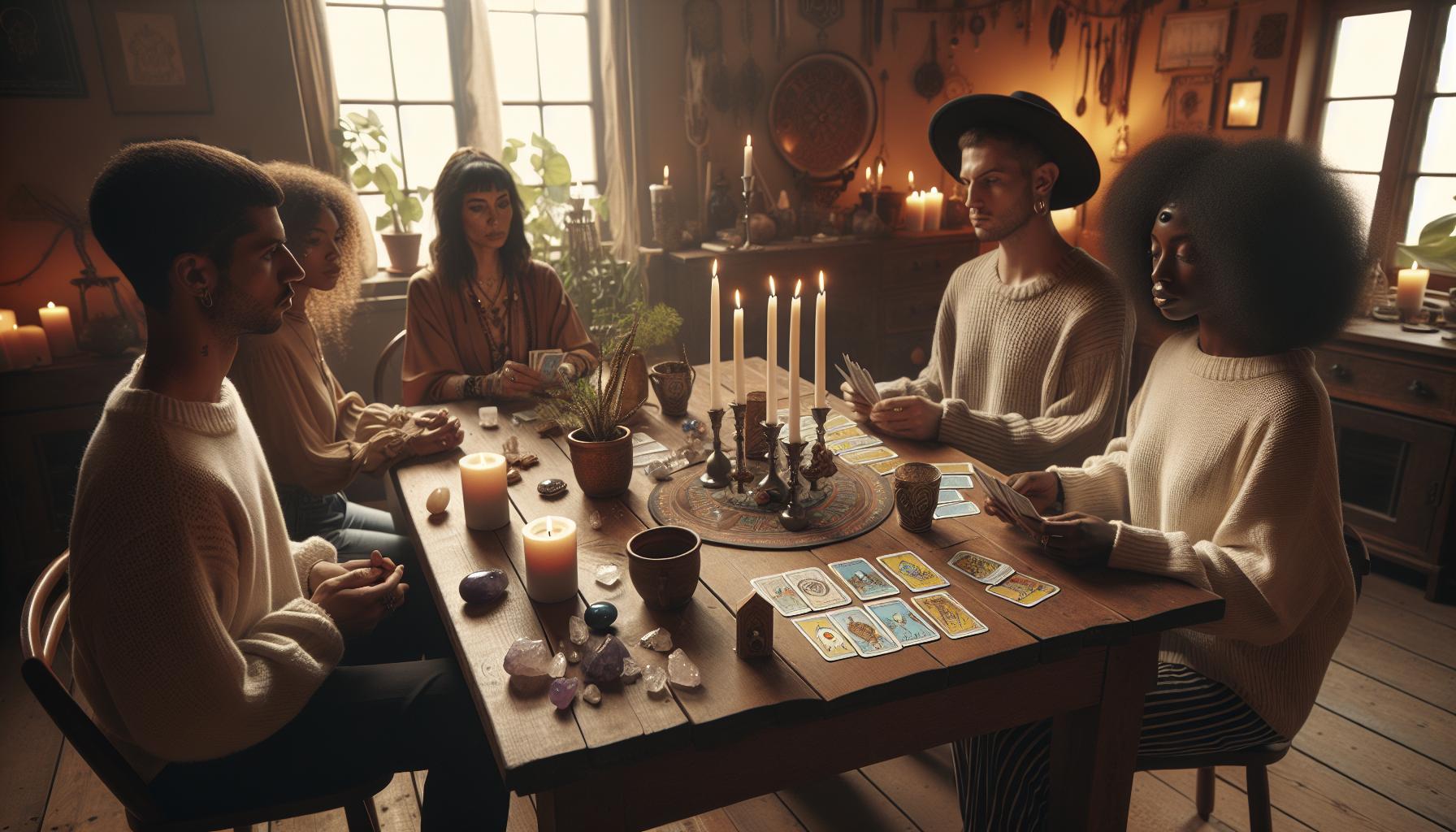
Engaging with tarot can be a profoundly spiritual experience, one that connects us to our inner selves and the greater universe. At its core, tarot serves as a tool for deep introspection, helping us to explore our emotions, thoughts, and the intricate narrative of our lives. Each card carries rich symbolism and layered meanings that can resonate at both a personal and collective level, inviting reflection and insight. When you draw a card, you’re not just selecting a random piece of imagery; you’re tapping into a deeper consciousness that can reveal truths about your journey and the path ahead.
The Nature of Spiritual Connection in Tarot
Tarot encourages a deep spiritual connection that transcends mere card reading. It fosters intuition and invites a dialogue between the reader and their higher self. As you interact with the cards, you develop a personal lexicon filled with meanings derived from your own experiences, emotions, and intuition. This transformation can feel like a dance between the material and spiritual realms, where each card becomes a guide illuminating your inner landscape.
To illustrate this, consider a simple example: if you draw The High Priestess, she might symbolize intuition, inner wisdom, and the subconscious mind for you. This prompts a period of reflection-are you listening to your inner voice? Are there aspects of your intuition that you’ve been neglecting? Such questions can deepen your spiritual awareness and engage you in a personal journey of discovery.
Practical Steps to Explore Your Spirituality Through Tarot
If you’re new to tarot or curious about integrating it into your spiritual practice, here are practical steps to enhance your connection:
- Set Your Intentions: Before starting a reading, take a few moments to ground yourself. Focus on what you hope to gain from the session-clarity, guidance, or understanding.
- Use a Daily Card Draw: Draw one card each day to explore its meaning and how it applies to your current circumstances or feelings. This can create a daily spiritual ritual and enhance your intuitive abilities.
- Reflect and Journal: Keep a tarot journal to document your readings, insights, and thoughts about each card’s spiritual significance. Over time, this can reveal patterns and deepen your understanding.
- Engage with Others: Join a tarot community, whether in person or online, to share experiences, ask questions, and learn from diverse viewpoints.
Welcoming All Perspectives
Whether you’re a skeptic or a believer, tarot offers a welcoming space for exploration. It encourages you to engage freely with your thoughts and feelings, fostering a deep, personal connection to the spiritual realm without the fear of judgment or misunderstanding. Remember, the tarot is not about divination or predicting the future, but rather a catalyst for personal growth and self-discovery. Embrace the journey-it’s yours to explore.
How Tarot Readings Work: Techniques Explained

In the world of tarot, readings are a unique blend of intuition, knowledge, and personal symbolism. Each reading begins with the setup, where the reader often incorporates a question or focus area, which guides the session. By shuffling the deck and drawing cards, the reader taps into energies and insights that can illuminate the querent’s path. Unlike the connotations some may have with tools of divination like voodoo, tarot operates primarily on a foundation of personal growth and reflection.
Common Techniques in Tarot Readings
To create an effective tarot reading, several techniques can be employed:
- Card Spreads: Different layouts, or spreads, help structure the reading. A simple three-card spread can represent the past, present, and future, while more complex arrangements like the Celtic Cross provide deeper insights into various life aspects.
- Intuitive Interpretation: Each card drawn carries its own meaning, but the context significantly impacts interpretation. For instance, drawing The Tower may indicate sudden change; it’s essential to consider what that might mean for the individual asking. Readers should trust their instincts and the personal resonance each card evokes.
- Reversals: Some readers choose to interpret reversed cards differently, adding layers of complexity to the meanings. For example, when The Lovers appears upside down, it might suggest conflicts in personal relationships or a decision that needs careful consideration.
Real-World Reading Example
Consider a querent who asks about a challenging relationship. A three-card spread might reveal:
- Card One (Past): The Hanged Man – suggesting past sacrifices and a feeling of being stuck.
- Card Two (Present): Two of Swords – indicating current indecision and the need to confront feelings directly.
- Card Three (Future): The Sun – a promise of clarity, positivity, and joy if the querent is brave enough to face the truth.
Each of these cards, within the context of the reading, encourages introspection and could guide the querent through their emotional maze.
Building Your Reading Practice
As you delve into tarot readings, it’s helpful to practice and refine your skills continuously. Here are a few tips to enhance your technique:
- Regular Practice: Consistently read for yourself or friends to develop your intuitive skills.
- Study Each Card: Familiarize yourself with the meanings and symbolism behind each card. Keeping a tarot journal can help catalog insights.
- Participate in Communities: Engage with other tarot enthusiasts to share readings and perspectives, reinforcing your learning.
Through these methods, tarot readings can evolve from a basic interpretation of cards into a profound journey of self-discovery and spiritual growth, far removed from any misunderstandings associated with practices like voodoo. Whether you’re a beginner or an experienced reader, there’s always more to explore in the mystical world of tarot.
Exploring Voodoo: Misconceptions and Realities
Voodoo is often misunderstood, shrouded in misconceptions that can cloud its rich cultural significance. Many people conflate voodoo with dark magic or witchcraft, leading to a fear that oversimplifies what is a complex spiritual tradition practiced by millions. Contrary to these beliefs, voodoo is a religion with deep roots in West African traditions, developed in the Americas, particularly in Louisiana. At its core, voodoo emphasizes community, healing, and connection to the spirit world, much like the intentions behind tarot readings.
In exploring voodoo, it’s essential to acknowledge that while both voodoo and tarot involve spiritual practices, they differ significantly in their origins, purposes, and methodologies. Tarot is primarily a tool for personal reflection and guidance, focusing on self-discovery and intuition. The goal of a tarot reading is usually to empower the individual, providing clarity through symbol interpretation and intuitive insights. In contrast, voodoo serves as a communal faith that includes rituals, offerings, and the invocation of ancestors and spirits to seek support and guidance.
For those curious about the relationship between these two practices, it’s important to recognize that while tarot can serve as a form of divination, it does not involve the same spiritual entities or rituals that are central to voodoo. Misconceptions often stem from media portrayals that sensationalize voodoo as a tool for curses or dark magic. In reality, many practitioners view voodoo as a pathway to community healing and connection with one’s ancestry, much like how a tarot reading can foster insights into personal challenges.
To appreciate these practices, approach them with an open mind. If you’re drawn to tarot, consider it a complementary tool rather than an exclusive mode of divination. Many spiritual seekers find value in exploring different traditions, including voodoo, whether through reading, respectful participation in community rituals, or engaging in dialogues with practitioners. By fostering understanding and respect for diverse spiritualities, we enrich our own journeys and dispel the myths that divide us.
Cultural Significance: Tarot in Different Traditions
The cultural significance of tarot extends far beyond mere fortune-telling. As a tool for introspection and personal growth, tarot has been embraced by various traditions and communities around the world, each adding its unique flair to the practice. This richness is mirrored in contexts ranging from European occultism to contemporary spirituality, where tarot serves as a bridge to deeper understanding within oneself and one’s relationship with the universe.
In different cultures, tarot cards have been interpreted through various lenses. For instance, in the Romani culture, tarot is often regarded as a form of wisdom, connected deeply with storytelling and ancient spiritual practices. Here, tarot is less about predictions and more about connecting with one’s intuition, drawing upon ancestral knowledge to foster personal insight. In contrast, the Western esoteric tradition often emphasizes the deck as a tool for divination, linking each card to astrological signs, Qabalah, and alchemical processes. The symbolic imagery of the Major Arcana not only tells stories about individual journeys but also reflects collective human experiences.
Moreover, in modern spiritual movements, tarot has become synonymous with mindfulness and self-care. Practitioners often use tarot as a meditative practice, encouraging users to reflect on their emotions and thoughts. For example, a common practice involves drawing a daily card to set intentions or reflect on feelings, promoting emotional well-being. This practice can resonate with skeptics and believers alike, as it provides a structured yet flexible method for self-exploration and clarity.
While tarot is distinct from voodoo-which is ritualistic and communal-both practices share a foundation in spirituality and a desire for connection. Those seeking to understand tarot’s role across cultures can appreciate its adaptability and relevance. Whether through a historical lens or a contemporary spiritual viewpoint, tarot invites individuals to delve into personal narratives, connecting them to a broader cultural tapestry that fosters understanding, growth, and healing. As you engage with tarot, remember it’s not just about divining an answer, but about opening a dialogue with your own intuition and insights.
Comparing Tarot and Voodoo Practices
The world of spiritual practices is diverse and rich, and it’s easy for confusion to arise between distinct traditions. Tarot and voodoo, while often considered intertwined in popular culture, serve very different purposes and embody unique philosophies. Understanding these differences can empower individuals to navigate their spiritual journeys with clarity.
Tarot cards, which have roots in European card games and later evolved into a tool for divination and introspection, are often used for personal reflection and guidance. Each card carries specific symbolism and potential meanings, encouraging users to explore their intuitive responses. For example, drawing the “Two of Cups” might evoke themes of partnership and emotional balance, prompting the reader to consider their relationships. Tarot readings can be solitary experiences or shared in a community context, emphasizing personal growth rather than communal rituals.
In contrast, voodoo is a religion that encompasses a rich tapestry of beliefs, rituals, and cultural practices. Originating in West African spiritual traditions and evolving through the influences of the Caribbean, voodoo practices aim to connect practitioners with a range of spirits and deities known as Loa. Rituals in voodoo often involve offerings, music, and dance, creating a communal experience focused on healing and ancestral connection. The use of dolls or charms, which may be mistakenly conflated with the concept of “voodoo dolls” in popular media, is just one aspect of a complex system of beliefs designed to enhance one’s spiritual connection and seek blessings.
While both tarot and voodoo invite personal exploration and a connection to the spiritual realm, they differ fundamentally in practice and intention. Tarot invites introspection and self-discovery, while voodoo emphasizes community, heritage, and relationship with the divine. By appreciating these distinctions, individuals can approach each practice with the respect it deserves, and choose paths that resonate more deeply with their spiritual needs.
In summary, embracing the wisdom of both tarot and voodoo can enrich your spiritual practice. Whether you’re drawn to the reflective nature of tarot readings or the vibrant, community-centered rituals of voodoo, each offers a unique lens through which to explore your inner self and your connection to the larger universe.
Beginner’s Guide to Ethical Tarot Reading
Embarking on your tarot journey can be both exciting and daunting, but understanding the ethical considerations is crucial in creating a safe and supportive experience for yourself and others. Ethics in tarot reading is about respect, honesty, and integrity, ensuring that both the reader and querent feel empowered and informed during the process. This ensures the tarot experience remains a source of personal insight rather than potential confusion or harm.
Firstly, it’s essential to establish clear boundaries. Before the reading begins, have an open discussion about what the querent hopes to gain from the session. Set expectations for what tarot can and cannot offer; it is a tool for guidance and reflection, rather than a definitive prediction of the future. For example, if someone asks about a significant decision, such as a job change, the tarot can provide insights into their motivations, fears, and potential outcomes, but it shouldn’t be seen as a conclusive answer. Encourage them to take charge of their choices, reminding them the cards reflect potential paths based on current energies and thoughts.
Creating a Safe and Respectful Environment
Another important ethical principle is to create a comfortable and safe space for readings. This includes being non-judgmental and listening actively. If a querent shares sensitive or personal information, it’s vital to respect their privacy and confidentiality. Reassure them that what is discussed during the session will remain confidential. Demonstrating empathy creates a supportive environment where they feel heard and validated.
Additionally, it’s essential to recognize the limits of your knowledge and expertise. If a querent presents a question regarding mental health or serious life situations, it’s advisable to refer them to appropriate professionals. Tarot can provide insight and support, but it is not a substitute for professional medical, legal, or psychological advice. Directing them to qualified practitioners when necessary reflects ethical responsibility and care.
Fostering Intuition and Self-Empowerment
Encouraging querents to engage with their intuition is also a key part of ethical tarot reading. After drawing the cards, invite them to share what they see or feel about the imagery and symbolism. For instance, if the “Queen of Cups” appears, you might ask them how they connect to the themes of emotional depth and nurturing. This collaboration not only fosters their intuitive abilities but also reinforces that the querent is a co-creator of their narrative.
In your readings, consistency is crucial. Approach every session with sincerity and the same level of care, regardless of the context-private sessions, parties, or online readings. A consistent approach builds trust and reliability, which are essential in sustaining a positive relationship with your clients.
By grounding your tarot practice in these ethical frameworks-clear communication, respect for boundaries, active listening, and empowerment-you create a beautiful space for personal exploration. This not only enriches your readings but also honors the transformative journey that both you and the querent embark on together.
Advanced Tarot Techniques for Deeper Insights
In exploring the depths of tarot, advanced techniques can unlock profound insights beyond basic interpretations. While many view tarot as a simple tool for fortune-telling, its true potential lies in its ability to deepen the reader’s understanding of situations and emotions, fostering transformative conversations. Mastering these advanced techniques can enhance your readings and provide both you and your querents with clarity and empowerment.
- Card Combinations: Understanding how two or more cards interact can deepen the narrative. Each card carries its own meaning, but together they can paint a relational picture. For example, the combination of The Lovers and The Tower might suggest a tumultuous but ultimately necessary decision in a relationship. Explore different combinations and aim to find your unique interpretations.
- Timing Techniques: Some readers utilize astrology in their tarot practice. By correlating cards with astrological signs or transits, you can provide context for timings that align with the querent’s circumstances. For instance, if The Wheel of Fortune appears during a significant astrological event, it may indicate a period of change is approaching.
- Incorporating Intuitive Exercises: To develop your intuitive abilities, practice exercises like free association with card imagery. Pull a card and jot down the first thoughts and feelings that arise. This not only helps in understanding your personal interpretations but can also lead to deeper connections with querents during readings.
- Shadow Work with Tarot: Delve into the more challenging aspects of yourself or your querent’s experiences through shadow work. Using cards like The Devil or The Moon can shine light on hidden fears and patterns. Ask the querent to reflect on how these cards resonate with their current challenges, turning the reading into a journey of self-discovery.
These advanced techniques not only enhance the richness of tarot readings but also encourage a deeper exploration of the self and one’s circumstances. Engaging with the cards in this layered way invites a more collaborative and meaningful experience, inviting both the reader and the querent into a space of growth and insight. Whether you’re a skeptic or a believer, these methods can resonate across different spiritual perspectives, fostering a sense of connection and understanding.
Navigating Your Tarot Journey: Tips and Resources
Understanding the journey of tarot can feel both exciting and overwhelming, especially when navigating the misconceptions that often surround this ancient practice. Unlike voodoo, which is rooted in specific cultural and spiritual traditions, tarot serves as a versatile tool for introspection, guidance, and personal empowerment. To help you embark on your tarot journey with confidence, consider these approaches and resources that cater to both new and experienced readers.
Start with a Strong Foundation
Begin by familiarizing yourself with the structure and meanings of the tarot deck. Most decks contain 78 cards, divided into the Major and Minor Arcana. The Major Arcana cards, such as The Fool and The Empress, often represent significant life lessons, while the Minor Arcana, which includes suits like Cups and Swords, speaks to daily experiences. Invest time in learning the symbolism and keywords associated with each card; this will create a solid foundation for your readings.
Here are some effective methods to deepen your understanding:
- Daily Card Pull: Draw one card each day to reflect on its message and how it might relate to your experiences. Journaling about this can enhance your intuitive grasp of the cards.
- Study Resources: Utilize books and online courses focused on tarot. Look for resources authored by reputable tarotists to gain diverse insights into card interpretations and spreads.
- Join a Community: Connecting with other tarot enthusiasts through online forums or local meetups can provide support and inspiration. Sharing experiences helps demystify the practice and opens doors to new methods.
Practice with Intention
Engage actively with the cards through various spreads that suit your current needs. Common spreads include the three-card spread (past, present, future) and the Celtic cross for more complex inquiries. Approach your readings with an open heart and mind, and focus on fostering a dialogue between yourself and the cards. Remember, the goal is insight and clarity, not absolute predictions.
Consider these practical tips for reading:
- Create a Sacred Space: Set the mood by choosing a quiet space where you feel comfortable. Surround yourself with items that bring you peace, such as candles or crystals.
- Set Your Intention: Before a reading, clearly state what you seek guidance on. This helps align your energy with the cards and invites clarity into your inquiry.
- Reflect on the Reading: After each session, take time to contemplate the messages conveyed. Consider how the cards resonate with your current situation or feelings.
As you cultivate your tarot practice, remain open and curious about what you can learn. The journey is as much about self-discovery as it is about interpreting cards, allowing both skeptics and believers to find value in their experiences. By grounding your practice in these fundamental techniques and embracing your intuition, you can explore tarot’s enriching world while recognizing its unique differences from practices like voodoo. Whether you are beginning or deepening your practice, the tarot can serve as a valuable companion on your personal and spiritual journey.
Embracing Your Intuition: Engaging with Tarot
Engaging with tarot can be a profoundly personal journey that allows you to tap into your intuition and connect with deeper aspects of yourself. Unlike some misconceptions that paint tarot as a mystical, opaque practice meant only for the initiated, it’s a tool anyone can use to gain insights and clarity in life. By embracing your intuition, you can transform each tarot reading into a meaningful dialogue with your inner self, allowing the cards to reflect your thoughts, feelings, and circumstances.
One effective way to engage with tarot is through the practice of daily card pulls. This method invites you to draw a single card each day, setting aside time to reflect on its imagery and message in relation to your life. For instance, if you pull The Empress, which traditionally symbolizes abundance and nurturing, you might reflect on areas in your life where you can express creativity or care more deeply for yourself and others. Keep a journal of your daily draws, noting the card, its significance, and how it relates to your experiences. Over time, this practice will not only deepen your understanding of the cards but also enhance your intuitive skills.
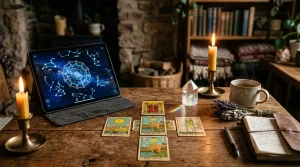
Creating a Ritual around your tarot readings can also help you connect more profoundly with your intuition. Consider setting aside a specific time each week for a more extended reading or reflection. Create a sacred space that feels inviting and peaceful-maybe adding candles, crystals, or calming music. When you approach your readings with intention, you signal to your intuition that you are ready to receive guidance. Before each session, you might want to state your question or intention clearly, allowing the cards to guide you in a way that resonates with your current circumstances.
Trusting Your Gut
As you engage with tarot, remember that interpretation is highly personal. While there are traditional meanings associated with each card, your unique experience and insights should take precedence. For example, if you draw the Tower card, which can symbolize sudden change or upheaval, trust your intuition on how this applies to your life at this moment. Ask yourself: What in my life feels unstable? What sudden shifts have I noticed? Let these reflections guide your understanding, rather than relying solely on standard interpretations.
By approaching tarot with a focus on intuition and personal connection, you not only demystify the experience but also empower yourself. The cards can serve as a mirror, shedding light on your innermost thoughts and feelings. This engaging practice helps bridge the gap between the mystical world of tarot and the practicalities of everyday life, making it accessible and relatable, whether you are a skeptic or a believer. Embrace the journey with an open heart, and let your intuition lead the way.
Frequently asked questions
Q: Are Tarot cards used in Voodoo practices?
A: No, Tarot cards are not inherently part of Voodoo practices. Tarot originates from European traditions, primarily for divination and guidance, while Voodoo incorporates its own unique spiritual elements. Both systems may utilize divination but serve different cultural and spiritual purposes.
Q: How do Tarot readings differ from Voodoo readings?
A: Tarot readings focus on interpreting card spreads for insight, while Voodoo readings often involve spiritual elements, rituals, or the use of specific items like charms. Understanding these differences can enhance your appreciation for each practice.
Q: Can I incorporate Voodoo practices into my Tarot readings?
A: Yes, you can blend practices if you feel drawn to both traditions. However, it’s essential to respect their origins. Consider integrating Voodoo elements ethically by studying their cultural significance and meanings alongside your Tarot practices.
Q: What tools are commonly used in Voodoo rituals?
A: Voodoo rituals often utilize tools like candles, dolls, oils, and specific symbols. Unlike Tarot cards, these items serve distinct purposes within the spiritual ceremony. For a deeper understanding, explore Voodoo’s cultural practices in your learning journey.
Q: Are there any similarities between Tarot and Voodoo?
A: Yes, both involve divination and seek to gain insight into life situations. However, their symbols, tools, and cultural contexts differ significantly. Exploring these similarities and differences can deepen your knowledge of spiritual traditions.
Q: Is Tarot reading considered a form of magic?
A: Tarot reading is often viewed as a tool for personal reflection and insight rather than magic. While some practitioners incorporate elements of intention and intuition, it primarily serves as a means to understand one’s thoughts and emotions.
Q: How can I learn more about the cultural significance of Tarot?
A: To deepen your understanding of Tarot’s cultural significance, read books, join workshops, and engage with diverse communities that explore Tarot’s history and its role in modern spirituality. This exploration can provide valuable insights into its origins and applications.
Q: Is it disrespectful to use Tarot and Voodoo together?
A: Combining Tarot and Voodoo can be done respectfully if one truly understands both traditions and honors their origins. It’s important to approach such practices with sensitivity and cultural awareness to avoid misrepresentation or appropriation.
The Way Forward
As we wrap up our exploration of whether Tarot cards are connected to voodoo, it’s crucial to remember that Tarot is a tool for self-reflection and personal empowerment, not a form of magic or manipulation. By understanding the roots and purpose of Tarot, you can approach it with confidence and curiosity. If you want to delve deeper into the meanings behind the cards, check out our comprehensive guide on the Four Tarot Suits and how they relate to your life ([2]).
Feeling intrigued? Learn about reversed Tarot cards and how they can illuminate different perspectives in your readings ([3]). Don’t hesitate to join our community by signing up for our newsletter, where you can access additional resources and exclusive insights. Each reading you embark on offers a glimpse into your journey; embrace it with an open heart. Share your thoughts in the comments below-your voice matters in this mystical conversation!
Theological Distinctions: Does Vodo Have Anything to Do with Tarot Cards?
Due to decades of sensationalized Hollywood horror movies, seekers frequently wonder: does vodo have anything to do with tarot cards in authentic spiritual history? The factual answer is an emphatic no—they represent two completely distinct cultural, geographical, and theological traditions.
Understanding the clear divide between both practices fosters cultural literacy:
- Separate Geographic Lineages: Tarot originated in Christian Renaissance Italy during the 15th century as a card game (*Tarocchi*) filled with Catholic and Roman allegories. Vodou (frequently misspelled *vodo* or *voodoo*) developed in 18th-century Saint-Domingue (Haiti) from deep West African spiritual traditions.
- Distinct Theological Centers: Vodou is a living ancestral religion centered around divine spirits known as the *Lwa* (such as Papa Legba, Erzulie Freda, and Baron Samedi), community drumming, and sacred possession ceremonies. Tarot is a symbolic tool of visual archetypes used for personal contemplation.
- Modern Syncretic Art Decks: In the 1990s, some modern authors created artistic novelty decks (such as the *New Orleans Voodoo Tarot*) that mapped African diaspora deities onto the 78-card structure. However, this is an artistic crossover, not historical doctrine.
Get our latest guides, news, and insights highlighted in your Google Search & AI Overviews.