Every day, countless individuals turn to tarot readings seeking guidance, clarity, and insight into their lives. Whether you’re a skeptic or a seasoned believer, the question remains: Are these readings truly accurate? This article dives into the fascinating intersection of science and spirituality, exploring how tarot can resonate with your personal experiences and intuition. Many people find themselves at a crossroads, yearning for answers in challenging times or simply seeking to understand their paths better. As we unpack the nuances of tarot accuracy, we’ll uncover not just its historical roots and psychological foundations, but also how it can serve as a powerful tool for self-reflection and growth. Join us in this exploration, as we demystify tarot, fostering a sense of wonder and personal empowerment along the way. Your journey into the heart of tarot’s truth may just open new doors to understanding yourself and the universe around you.
Are Tarot Readings Accurate? Understanding the Basics of Tarot
When exploring the fascinating world of Tarot, many wonder about the accuracy of readings and what they can really offer. Tarot is not merely about the cards but also about the connection between the reader and the seeker. Each card holds a symbolic meaning, reflecting various aspects of human experience, emotions, and situations. Engaging with Tarot invites individuals to tap into their intuition and provoke deep personal insights.
Understanding the accuracy of Tarot readings often hinges on personal perception and openness. Readings can resonate deeply, offering guidance that feels profoundly relevant to the seeker’s life at the moment. However, skepticism is natural. Many people question the validity of what a deck of cards can reveal. It’s important to recognize that Tarot serves as a tool for reflection; its power lies in the user’s ability to relate the cards to their own narrative and life situations.
Connecting Intuition and Interpretation
The accuracy of a Tarot reading often depends on the intuition of the reader and the context in which cards are interpreted. Each spread-a specific layout of cards-provides a structure for the reading. For instance, a three-card spread might address the past, present, and future, helping the seeker understand how their history influences their current circumstances and future possibilities. This connection encourages the exploration of feelings, thoughts, and underlying motivations, leading to a more comprehensive understanding of one’s path.
Real-life examples illustrate this connection vividly. A seeker might draw the Tower card, which typically symbolizes sudden upheaval. This may evoke feelings of fear or uncertainty. Yet, if the reader helps the seeker view this change as an opportunity for growth or a necessary shift in perspective, the reading transforms from a foreboding prediction into a hopeful narrative of resilience and self-discovery.
Understanding these dynamics can empower seekers to approach Tarot with an open mind, inviting personal growth through self-reflection and insight. Tarot is a versatile tool that can resonate differently for everyone, emphasizing the unique experience each individual brings to their reading. Embracing this journey encourages a richer connection with the cards and oneself.
The Science Behind Tarot: Skepticism and Research

Skepticism surrounding Tarot readings often arises from a desire for empirical evidence and concrete results. Many people wonder how a set of cards can offer insights into their lives or predict future events. While scientific research typically emphasizes objective proof and replicability, the subjective nature of Tarot reading complicates this perspective. A growing body of anecdotal accounts, however, suggests that thousands find profound personal meaning through this mystical practice, challenging us to bridge the gap between spirituality and science.
One common area of skepticism is the idea that Tarot cards can be interpreted in multiple ways, which leads some to dismiss them as mere tools of fortune-telling. However, psychological studies indicate that the interpretations derived from Tarot can evoke deep personal reflection. This cognitive phenomenon, known as the “Barnum effect,” describes how individuals tend to resonate with vague statements about themselves-an effect that can significantly enhance the perceived accuracy of a Tarot reading. When a Tarot reader connects specific cards to universal themes of human experience, such as love, loss, or transformation, the seeker may feel an uncanny alignment with the reading’s narrative.
Moreover, the intuitive element of Tarot cannot be overlooked. Many practitioners assert that Tarot serves as a mirror for self-exploration. Through the lens of archetypal symbols represented in the cards, seekers can access their inner world, often uncovering insights that feel eerily accurate. Whether the interpretation stems from the card’s traditional meanings or the reader’s intuitive grasp of the situation, the value lies in the connection made during the reading. The collaborative nature of this process invites both seekers and readers to engage openly, fostering an environment where powerful realizations can emerge.
Ultimately, while the scientific scrutiny of Tarot may reveal limitations in measuring accuracy or efficacy, the transformative experiences reported by users indicate significant psychological and emotional benefits. For those who approach Tarot with curiosity rather than judgment, it can serve not only as a source of guidance but also as a catalyst for personal growth and self-discovery. Engaging with Tarot invites individuals to explore their thoughts and feelings, enriching their understanding of themselves and their life paths.
Exploring Spiritual Truths: The Meaning of Tarot Readings

When delving into the layers of Tarot readings, one finds that its meaning extends beyond mere cards laid before us; it’s a profound dance of intuition, symbolism, and the human experience. Each card in the Tarot deck is imbued with rich archetypal imagery that resonates with different aspects of life-love, loss, ambition, and transformation. This profound symbolism offers seekers a way to reflect on their innermost thoughts and feelings, often revealing truths they may not have consciously acknowledged. The appeal of Tarot lies in its ability to act as a mirror, reflecting our own narratives back to us, facilitating deeper self-understanding.
To appreciate how Tarot readings can convey spiritual truths, we must first recognize that the interpretations of cards are not set in stone. A card drawn during a reading may evoke various meanings depending on the question posed and the specific context of the seeker’s life. For example, the Death card, often feared, symbolizes transformation and the end of one chapter, making way for new beginnings. When seeker and reader engage with the card’s imagery, what emerges is not a grim prediction but a profound insight about change and renewal. This interpretation can resonate powerfully, prompting seekers to explore their own experiences of change and growth.
Another key aspect to consider is the role of intuition in Tarot readings. The art of interpreting Tarot is as much about the reader’s insights as it is about the cards themselves. Experienced readers often describe a sense of flow during sessions, where they become conduits for messages that transcend the literal meanings of the cards. This intuitive connection fosters a safe space for seekers to voice their fears, hopes, and dreams. By tuning into the emotional resonance of the cards, readers can guide seekers to recognize patterns in their lives that may be obscured by daily distractions, encouraging them to embrace their personal truths.
Ultimately, engaging with Tarot can empower individuals on their journey of self-discovery. It invites them to approach their challenges with openness and curiosity rather than fear. Whether you’re a steadfast believer or a curious skeptic, embracing the exploration of spiritual truths within Tarot can pave the way for personal growth, understanding, and a deeper connection with oneself. By cultivating a welcoming and non-judgmental attitude toward this practice, individuals can demystify the cards and unlock the potential for profound insights, helping them navigate their unique life paths with clarity and confidence.
How Tarot Readings Work: Intuitive Insights Explained
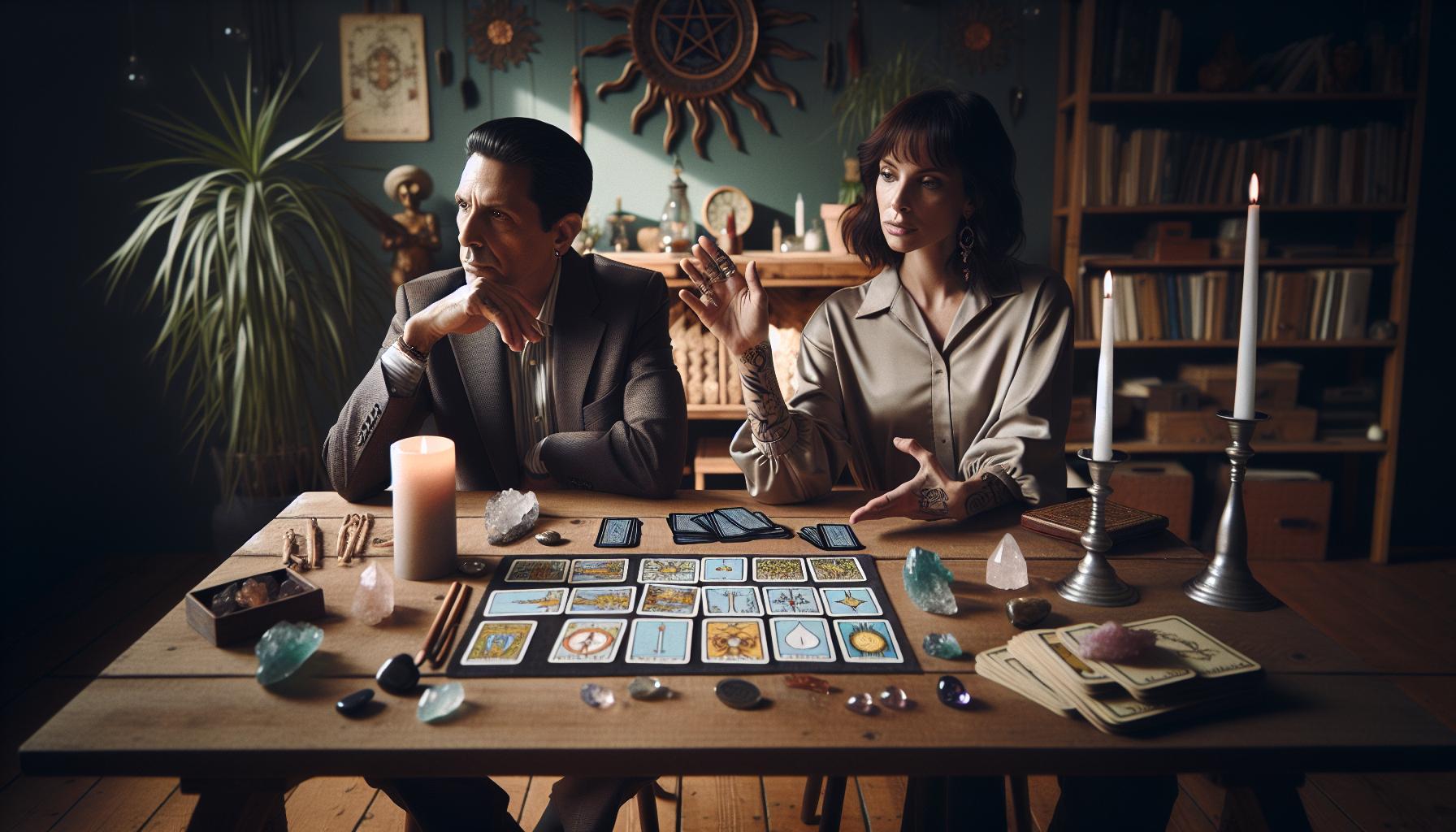
In the realm of Tarot, the true magic lies in the intuitive insights that emerge during a reading. Contrary to popular belief, Tarot is not merely about predicting the future; it serves as a powerful tool for self-reflection, helping individuals navigate their current life situations and emotional landscapes. When cards are drawn, they open a dialogue between the reader’s intuition and the seeker’s personal narrative, creating a space where deeper truths can surface.
One of the foundational aspects of Tarot readings is the use of symbolism. Each card in the deck carries a wealth of meanings, often having different interpretations based on the context of the question asked or the life circumstances of the seeker. For example, the Two of Cups, which typically represents partnerships and connection, can signal various themes depending on whether the inquiry is about a romantic relationship, a business partnership, or even the seeker’s inner balance. By encouraging seekers to engage with these images, readers help them uncover insights that resonate deeply with their current experiences.
How Does Intuition Play a Role?
The intuitive aspect of Tarot readings cannot be overstated. Many experienced readers describe being in a state of flow, where they feel as if they are merely channeling messages from a broader source of knowledge rather than interpreting the cards in a rigidly defined manner. This state allows for a unique synergy between the reader and the seeker, fostering an environment where openness and honesty can flourish. As the reader interprets the drawn cards, they often pick up on subtle emotions or themes that may not be immediately apparent, guiding the seeker to a more profound understanding of their situation.
To make the most of a Tarot reading, consider the following steps:
- Clear Your Mind: Before a reading, take a moment to ground yourself. Reflect on your intentions and questions with an open heart.
- Engage with the Cards: As the reader lays out the cards, pay attention not only to their meanings but also to your immediate feelings and thoughts about them.
- Discuss Your Insights: Share any feelings or intuitions that arise during the reading. This collaboration can deepen the exploration.
- Reflect on the Messages: After the reading, take time to integrate the insights. Journaling your thoughts can help cement the experience in your awareness.
Ultimately, a Tarot reading is not just about the cards-it is about the connection and the insights that unfold. Whether you are a believer in the magical aspects of Tarot or a curious skeptic, the intuitive dialogue that takes place can offer valuable perspectives and empower your journey. By remaining open and engaged, you may find that the answers you seek have been within you all along, waiting to be revealed through the art of Tarot.
Common Misconceptions About Tarot and Accuracy
Many people approach Tarot readings with a mix of curiosity and skepticism, often fueled by common misconceptions about their accuracy. One prevalent belief is that Tarot can unerringly predict the future. However, this view oversimplifies the purpose and practice of Tarot. Rather than serving as a crystal ball, Tarot is more akin to a reflective tool that encourages self-exploration. It highlights potential outcomes based on current circumstances and choices, allowing individuals to gain clarity on their path rather than dictating a fixed fate.
Another misconception is that Tarot readings are entirely mystical and not grounded in reality. Critics often dismiss Tarot as mere fortune-telling, failing to recognize the psychological and emotional insights it can offer. Numerous studies suggest that engaging with Tarot can facilitate introspection and decision-making. When someone draws cards, they engage in a dialogue with their subconscious, uncovering thoughts and feelings that may remain unexamined. This process can provide profound personal revelations and empower individuals to make informed choices.
Furthermore, some believe that the accuracy of a Tarot reading solely hinges on the reader’s skills. While the reader’s intuition and understanding of the cards play a significant role, the seeker’s openness and willingness to engage in the process are equally crucial. A reading is most fruitful when both parties are connected and mutually invested in the experience. For instance, during a reading, a seeker might resonate with a particular card in a way that reveals their own truth, thus enhancing the overall accuracy of the insights provided.
Lastly, it’s important to address the fear that Tarot readings might strongly influence life decisions through misplaced authority. Tarot should not dictate choices but rather serve as a catalyst for self-reflection. By approaching a reading with an open heart and mind, individuals can explore vulnerabilities, gain perspective on their life situations, and ultimately foster their growth. Embracing Tarot as a reflective practice allows for a more balanced view of its accuracy-one that sees it as a guide rather than a definitive answer.
Types of Tarot Spreads: Choosing the Right One for Insight
Choosing the right Tarot spread can significantly enhance the accuracy and relevance of the insights you receive in a reading. With various spreads tailored to different questions and situations, selecting the appropriate layout is your first step toward unlocking the depth of wisdom that Tarot has to offer. Imagine the spread as a map that guides the interpretation of the cards; the clearer the map, the easier it is to navigate your journey of self-discovery.
H3: Common Types of Tarot Spreads
Here are some popular Tarot spreads, each serving a unique purpose:
- One-Card Spread: Ideal for quick guidance or daily reflections, a single card can illuminate immediate concerns or decisions.
- Three-Card Spread: Often used to represent past, present, and future, this spread can offer a timeline of influences and outcomes based on current choices.
- Celtic Cross Spread: A more complex spread that provides a comprehensive view of various aspects of a situation, including external influences and hopes, making it suitable for deeper inquiries.
- Relationship Spread: Designed to explore dynamics between two people, revealing strengths, challenges, and potential growth areas in a connection.
H3: Selecting the Right Spread for Your Needs
When choosing a spread, consider the specific question or area of your life you want to explore. For beginners, starting with simpler spreads, such as the one-card or three-card spreads, can help build confidence and intuition without overwhelming complexity. As you become more comfortable, you can delve into intricate layouts like the Celtic Cross, which can address multifaceted concerns that require deeper analysis.
Real-Life Example: Imagine someone seeking clarity on a job opportunity. They might opt for a three-card spread to represent their feelings about the job (Card 1), the challenges they might face (Card 2), and the potential outcome (Card 3). This focused approach can yield insights that illuminate their path and inform their decisions, demonstrating how choosing the right spread enhances the accuracy of the reading.
Embrace the opportunity to explore these different spreads to find what resonates with you. Each layout not only serves as a structural guide but also encourages you to engage deeply with the cards and your own intuition, paving the way for meaningful insights. As you learn and experiment, you’ll discover that the beauty of Tarot lies not just in its mystical elements but also in its ability to facilitate profound personal growth through reflective practice.
Real-life Examples: Accuracy in Tarot Readings
Individuals often seek tarot readings for insights into their lives, but one compelling aspect to consider is the accuracy of these readings. Real-life examples frequently illustrate how tarot can resonate with clients, bringing both clarity and validation to their experiences. For instance, Sarah, a 32-year-old artist, approached a reading seeking guidance on her looming decision to house her work in a local gallery. Through a three-card spread, the cards she drew-The Fool, The Tower, and The Six of Wands-spoke volumes. The Fool represented a new beginning, encouraging her to take the leap, while The Tower indicated the potential upheaval of her current routine. Finally, The Six of Wands hinted at eventual success, suggesting that her effort would be recognized. This reading not only provided Sarah with confidence but also clarified her internal doubts, affirming her instincts about the opportunity.
Consider another case with Mark, who faced challenges in his relationship. During a love-focused reading using a relationship spread, the cards revealed the strengths in their bond-the Lovers and Two of Cups suggested strong emotional connections. However, the Five of Pentacles indicated feelings of struggle and abandonment. This duality was crucial for Mark, highlighting not just the sweetness of their relationship but also the need to address underlying issues. The insights gained helped spur a conversation between him and his partner, deepening their understanding of each other.
These examples emphasize that while science may question tarot’s validity, the lived experiences of individuals resonate powerfully, showcasing a unique blend of intuition and reflection. Tarot can serve as a mirror, reflecting our inner truths and guiding us toward personal growth. When approached with an open mind, the accuracy of tarot readings shines through in how they empower individuals to navigate complex situations with newfound clarity and confidence.
In your own journey with tarot, it’s valuable to track how readings align with your experiences over time. Keeping a journal of your readings and their outcomes can enhance your understanding of how tarot works in your life, solidifying your intuition and facilitating personal insights. Whether you are a skeptic or a believer, these practical steps can foster a deeper connection with the cards and reinforce their relevance.
The Role of Intuition in Tarot Interpretation
In the world of tarot, intuition serves as a vital guide, weaving together the intricate threads of meaning that emerge from each reading. Whether you’re a seasoned practitioner or a curious newcomer, honing your intuitive skills can enhance your experience and deepen your understanding of the cards. Intuition isn’t just about mystical insight; it is a skill that can be developed with practice and openness. Many tarot readers find that trusting their gut feelings about card placements, imagery, or themes can lead to powerful, insightful interpretations during readings.
When conducting a tarot reading, take a moment to ground yourself and establish a connection with the cards. This can be as simple as taking a few deep breaths or setting a clear intention for your session. As you draw cards and interpret their meanings, pay close attention to any intuitive nudges you might feel. Ask yourself questions like: “What emotions does this imagery evoke in me?” or “How does this card relate to my current situation?” Remember, your personal experiences and feelings are valuable resources in this process.
Real-life examples further illustrate the role of intuition in tarot. Consider a reading where a person draws the Three of Swords, often associated with heartbreak or sorrow. A skilled reader might not only lean on the card’s traditional meanings but also tap into their own feelings and experiences related to heartbreak. This personal connection can lead to a more nuanced reading, allowing the querent to feel both seen and understood.
As you cultivate your intuitive abilities, practice is key. Set aside time to engage in solo readings or journaling about your feelings regarding specific cards and their meanings. You might also explore different spreads-like the Celtic Cross or a simple three-card spread-to see how various layouts affect your intuitive flow. The more you engage with the cards, the more fluent you’ll become in interpreting the language of intuition in your tarot practice, making each reading not only a tool for guidance but also a journey of self-discovery.
Bridging Science and Spirituality: Finding Balance
The interplay between science and spirituality often sparks curiosity, especially in fields like tarot, where intuition meets psychological insight. While skeptics might dismiss tarot as mere coincidence or psychological projection, many believe it offers profound insights into one’s psyche and life situations. To navigate this discussion, it’s crucial to recognize that tarot can serve both spiritual and psychological functions, creating a unique bridge between the two realms.
Scientific research has shown that human beings thrive on meaning, often seeking connections between experiences that may not be overtly evident. In tarot, the symbols and archetypes present in the cards can act as prompts for introspection, facilitating personal growth and self-discovery. For example, drawing the Four of Cups might lead one to reflect on feelings of discontent or apathy, nudging them to explore underlying emotional states. Here, the intuitive reading delves beyond the surface, encouraged by the card’s imagery to investigate personal feelings and experiences. This kind of introspection mirrors therapeutic practices, where drawing on personal narratives leads to deeper understanding and healing.
Building a sense of balance between scientific reasoning and spiritual exploration can enhance your tarot practice. It’s helpful to approach tarot readings with an open mind, recognizing that while intuition plays a significant role, it also coexists with logical inquiry. For instance, after performing a reading, you may find it beneficial to journal about the insights gained and analyze them through a more critical lens, assessing how they apply to your life. This dual approach not only fosters growth but also respects the validity of one’s intuitive feelings, creating a harmonious relationship between the spiritual and the scientific.
Ultimately, bridging these worlds doesn’t just make tarot more accessible; it invites everyone-whether skeptic or believer-to partake in its wisdom. By respecting diverse perspectives and encouraging curiosity, tarot becomes not just a tool for divination but an integral part of an individual’s journey towards self-awareness and understanding. This inclusivity nurtures a space where both intuition and rationality can coexist, making tarot a rich practice for personal development and insight.
Can Tarot Be a Tool for Personal Growth?
Exploring the depths of tarot can unveil not just predictions but also pathways to personal growth. Each card is rich with symbolism and insight, inviting us to examine our lives more closely. This journey of self-discovery makes tarot a valuable tool, whether you’re a seasoned reader or a curious beginner. Understanding the meaning behind the cards can spark introspection, helping to clarify your thoughts, feelings, and the decisions you face.
The Path of Self-Discovery
When you engage with tarot, you’re encouraged to reflect on your life with a fresh perspective. Each card can represent not only external influences but also aspects of your inner world. For instance, drawing the Two of Swords may prompt you to explore the choices you’re avoiding or the conflicts simmering beneath the surface. It’s an opportunity to recognize where you might be stuck in indecision or fear, pushing you to confront what you truly want. Through this reflective process, tarot fosters self-awareness that can lead to personal transformation.
Practical Steps for Using Tarot in Personal Growth
To harness the power of tarot for personal growth, consider these simple yet effective practices:
- Set an Intention: Before a reading, pause to think about what you wish to gain insight on. This could be a specific situation or a general aim for growth.
- Journaling: After your reading, jot down your thoughts and feelings about the cards. Documenting your insights will allow you to track your progress over time.
- Monthly Check-Ins: Create a habit of drawing a single card at the beginning of each month. Reflect on its meaning and observe how the themes manifest in your life.
- Explore Different Spreads: Use various tarot spreads to gain deeper insights. For beginners, a three-card spread can help you explore the past, present, and future of a situation.
By establishing a routine, you can turn tarot readings into a consistent practice of reflection and growth, adapting your approach as your understanding of the cards deepens.
Embracing the Journey
Remember that the journey with tarot is unique to each individual. Whether you’re seeking clarity on emotional issues or guidance on career decisions, tarot can serve as a mirror reflecting your inner truth. By embracing both the spiritual and psychological aspects of your readings, you create a holistic space for growth. Authentic engagement encourages intuition, allowing you to develop confidence in your ability to interpret the cards for yourself. Allowing tarot to support your personal growth doesn’t just enhance your readings; it enriches your life. Engage with curiosity and compassion, and let the cards guide you on your beautiful journey of self-discovery.
How to Approach Tarot Readings with an Open Mind
When approaching tarot readings, an open mind is your greatest asset. Each card drawn can reveal unexpected insights, but preconceived notions about tarot can limit your experience. Instead of rigidly adhering to your expectations, embrace the opportunity for exploration. Think of tarot not just as a tool for fortune-telling, but as a bridge connecting you to your deeper self and the universe’s wisdom.
To cultivate openness, start by shedding any skepticism that might hinder your experience. This doesn’t mean you have to abandon critical thinking; rather, set aside doubts temporarily when engaging with the tarot. You might ask yourself, “What if this card can help me see a situation from a different angle?” For example, drawing the Tower card, often seen as ominous, can also signify necessary change and transformation. By framing it positively, you open up pathways to understanding and personal growth.
Practical Tips for a Memorable Reading
Here are some practical approaches to facilitate your open-mindedness during tarot readings:
- Start with Self-Reflection: Before your reading, take a moment to reflect on what you hope to gain. Write down your questions or emotional states without judgment. This prepares your mind to absorb the answers that come through the cards.
- Trust Your Intuition: When interpreting the cards, pay attention to your initial feelings and thoughts. Intuition can lead you to insights that rational analysis might overlook. For instance, if a card reminds you of a cherished memory, explore how that might relate to your question.
- Explore Various Spreads: Different tarot spreads serve unique purposes. Beginners often find value in the three-card spread to gain perspective on past, present, and future influences surrounding a situation. More advanced readers might use complex layouts to delve deeper. The way the cards interact can enrich your understanding, encouraging you to consider new dimensions.
- Document Your Experiences: After your reading, take notes on how you felt about the insights and how events unfold in the days that follow. This practice helps you track the accuracy and relevance of your readings, reinforcing an open-minded approach.
By taking these steps, you not only embrace the tarot’s potential but also engage in a continuous dialogue with your inner self and the universe. Remember, tarot is meant to empower you, revealing paths you may not have considered and inviting transformation. Keep the process light and inquisitive, and you’ll find that the cards have much to share when you approach them with a spirit of openness and curiosity.
Building Confidence in Your Tarot Skills: Tips for Beginners
Building your confidence as a beginner in tarot can transform your readings from simple interpretations into profound insights about yourself and your life. Awareness of your personal journey and intuitive abilities is essential. Remember, tarot is not just about predicting the future; it’s about understanding your present and enhancing your connection to your inner self.
Start by familiarizing yourself with the meanings of the cards. Each card is a symbolic representation filled with potential interpretations that can vary based on context. A useful starting point is to study a card a day. Take time to absorb its imagery, explore various meanings, and reflect on its attributes. For instance, the Two of Cups generally symbolizes partnership and harmony. As you study, think about how this concept manifests in your relationships, fostering personal connections during your learning process.
Practical Steps to Build Your Confidence
Implement these strategies to enhance your tarot skills:
- Keep a Tarot Journal: Documenting your readings, thoughts, and feelings about each card not only reinforces your memory but also helps you track your intuitive growth over time. Note down significant insights and how they manifested in your life.
- Practice Regularly: The more you engage with the cards, the more comfortable you will become. Consider doing daily pulls or practice readings with friends. A simple three-card spread focusing on your feelings about the day can be illuminating.
- Join a Community: Connect with fellow tarot enthusiasts. Whether through online forums, social media groups, or local meet-ups, sharing your experiences and learning from others can bolster your confidence and enhance your understanding.
- Trust Your Intuition: When interpreting the cards, pay attention to your gut feelings and spontaneous thoughts. Intuition often leads to the most profound insights. For example, if a card reminds you of a particular life event, don’t hesitate to explore that connection. Your personal associations are significant.
Engaging with tarot is an evolving journey. Each reading brings new lessons and opportunities for self-discovery. Embrace the process with an open heart and mind. Remember, even seasoned readers were once beginners who navigated uncertainty. Celebrate your progress, trust your insights, and enjoy the rich, rewarding experience of connecting with the tarot.
FAQ
Q: What are the factors that affect the accuracy of tarot readings?
A: The accuracy of tarot readings can be influenced by several factors, including the reader’s intuition, the clarity of the question asked, and the emotional state of both the reader and the querent. Engaging with tarot from a focused mindset improves the reading’s depth and relevance.
Q: How do skeptics view tarot readings compared to believers?
A: Skeptics often view tarot readings as mere entertainment or psychological insight rather than genuine spiritual tools. In contrast, believers see tarot as a means to tap into intuition and divine guidance, allowing it to aid in self-discovery and personal growth.
Q: Can tarot readings predict the future accurately?
A: While tarot readings can provide insights into potential outcomes based on current circumstances, they are not precise predictors of the future. The focus is more on guidance and the querent’s choices rather than definitive answers.
Q: What is the role of intuition in tarot readings?
A: Intuition plays a crucial role in tarot readings, as it helps both the reader and querent connect with the underlying meanings of the cards. Readers often rely on their intuitive feelings to interpret how the cards relate to the querent’s situation.
Q: How can I prepare for an accurate tarot reading?
A: To prepare for an accurate tarot reading, formulate clear questions about specific areas in your life. Create a relaxed environment and enter the session with an open mind. This clarity and openness enhance the accuracy of the insights gained.
Q: Are there any scientific studies supporting tarot reading accuracy?
A: Scientific studies on tarot reading accuracy are limited and often explore psychological aspects rather than proving definitive truth. Research typically focuses on phenomena like confirmation bias and the placebo effect, which can affect the perception of accuracy in readings.
Q: How can tarot be used as a tool for personal growth?
A: Tarot can foster personal growth by prompting reflection and self-examination. By exploring the meanings of the cards, individuals can gain insights into their motivations, fears, and desires, leading to increased self-awareness and informed decision-making.
Q: Is it possible to find scientific explanations for tarot reading experiences?
A: Yes, some psychological theories offer explanations for tarot reading experiences, suggesting that they can be tools for projection and personal insight. Cognitive processes, like interpretation and meaning-making, help individuals make sense of their experiences during readings.
Key Takeaways
As we wrap up our exploration of the accuracy of Tarot readings and the interplay between science and spiritual truth, remember that Tarot is not just about predictions; it’s a powerful tool for introspection and clarity. Whether you’re a curious skeptic or a seasoned believer, embracing Tarot in your journey can unlock profound insights into your life’s path.
If you’ve enjoyed this discussion, consider diving deeper into related topics like our daily Tarot reading for personalized guidance or explore the significance of the Tarot suits to enrich your understanding of this intriguing practice. And don’t forget to sign up for our newsletter to stay updated on the latest insights and resources available to you.
Your journey in uncovering the mysteries of Tarot doesn’t have to end here-let it empower you to trust your intuition and explore your spiritual potential. Share your thoughts in the comments below, and keep the conversation going as you navigate your own Tarot experiences.
Get our latest guides, news, and insights highlighted in your Google Search & AI Overviews.