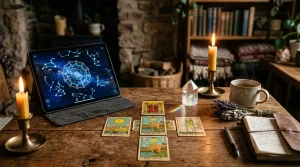
Did you know that Tarot reading isn’t reserved for the magically inclined? Anyone can learn this ancient art, tapping into their intuition and wisdom. Understanding Tarot can provide guidance, clarity, and insight into your life’s journey. Whether you’re feeling lost, seeking answers, or simply curious about the cards, learning to read Tarot opens a door to self-discovery and personal growth. This guide will demystify the process, showing you how accessible and enriching Tarot can be, regardless of your background or beliefs. Embrace your curiosity and let’s explore how you can unlock your potential as a Tarot reader!
Can Anyone Read Tarot Cards? Understanding the Basics
Have you ever felt a pull towards the mystical world of tarot, wondering if it could speak to you? The beauty of tarot reading lies in its accessibility-anyone can learn to read tarot cards and tap into their intuitive abilities. Whether you are a skeptic or a believer, the key to reading tarot is curiosity and an open heart. While some might view it as a mystical art reserved for the few, in truth, it is a tool for everyone, designed to guide us through life’s complexities.
At its core, tarot consists of a deck of 78 cards, each symbolizing different life experiences, archetypes, and emotions. The two main parts of the deck are the Major Arcana, which represents significant life lessons and themes, and the Minor Arcana, which delves into the everyday events and challenges we face. Understanding these cards opens a pathway to deeper self-reflection and insight. Beginners are encouraged to start with a simple three-card spread, which can provide clarity on past, present, and future influences in any situation.
Incorporating tarot into your life isn’t about fortune-telling; it’s a reflective practice that invites personal interpretation and intuition. Begin by setting a clear intention or question before every reading. This focus allows the cards to resonate more deeply with your current experiences. For instance, if you draw the Lovers card while inquiring about a relationship, it may highlight choices or values you hold at that moment. As you engage with the cards, your understanding will grow, reinforcing your confidence in your intuitive insights.
Lastly, remember that reading tarot is a personal journey. Explore the cards in a way that resonates with you-through journaling, meditating on each card, or sharing insights with others. No two readers will interpret a card in the same way, and that diversity enriches the experience. With practice and patience, anyone can unlock the wisdom of tarot, using it as a mirror to reflect your inner world and to navigate the outer one.
The History and Origins of Tarot Reading
The origins of tarot reading are as fascinating as the cards themselves, steeped in history, culture, and mystique. Tarot cards, believed to date back to the 15th century, likely emerged from Italian playing cards known as “tarocchi.” Initially, these decks were not used for divination but for gaming and recreation among the nobility. It wasn’t until the 18th century that tarot began to be associated with mystical and occult practices, largely due to scholars and mystics who attributed deeper spiritual meanings to the cards. This transformation turned tarot from a mere pastime into a tool for introspection and guidance.
At its core, a tarot deck consists of 78 cards divided into the Major and Minor Arcana. The Major Arcana, comprising 22 cards, signifies profound life themes and lessons, while the Minor Arcana, consisting of 56 cards, deals with everyday events and challenges. For those new to tarot, understanding this structure is crucial. The journey of learning tarot mirrors humanity’s quest for insight into life’s mysteries-each card becomes a symbol of experiences we all face, inviting reflection.
As you explore the rich tapestry of tarot’s history, consider how the practice has been influenced by various cultures over centuries. From its roots in Italy to the incorporation of Egyptian and Kabbalistic symbols, the evolution of tarot reflects a blend of traditions that enrich its interpretations today. This layered history demonstrates that tarot is a universal language of archetypes and emotions, accessible to anyone willing to engage.
Engaging with tarot means connecting with its past while creating your own narrative. As a beginner, simply pulling a card and researching its meaning can reveal insights that resonate with your current life path. For instance, drawing the Fool card may symbolize new beginnings and the embrace of adventure. Remember, every reader will find their unique perspective; there is no single correct interpretation. Dive into the world of tarot, exploring its historical significance and personal relevance, and discover how this ancient tool can illuminate your journey today.
Unpacking the Tarot Deck: Cards and Their Meanings
Understanding the intricacies of a tarot deck opens the door to deeper personal insights and intuitive development. Each of the 78 cards carries its distinct meaning and message, creating a language of symbols that resonates with our experiences. This is not merely about memorizing definitions; it’s about engaging with each card and allowing its imagery and symbolism to unfold guidance relevant to your life.
The Structure of the Tarot Deck
A standard tarot deck is divided into two main components: the Major Arcana and the Minor Arcana.
- Major Arcana (22 cards): These cards represent significant life events or universal themes. Each card, like the Fool or the Death card, carries deep archetypal meanings that often provoke personal reflection and growth. For instance, the Fool signifies new beginnings and spontaneity, encouraging you to embrace curiosity and adventure.
- Minor Arcana (56 cards): This section reflects everyday experiences and challenges. It is further divided into four suits: Cups (emotions), Pentacles (material aspects), Swords (intellect), and Wands (action). Each suit focuses on specific life areas; for example, the Ace of Cups might suggest emotional new beginnings, while the Three of Swords often points to heartbreak or sorrow.
Connecting with Card Meanings
Each card in the tarot draws from a rich tapestry of symbolism and cultural history. They can serve as mirrors, reflecting our subconscious thoughts, feelings, and dilemmas. Rather than seeing a tarot card reading as strictly predictive, consider it a tool for reflective exploration. When you draw a card, take a moment to meditate on its imagery and meaning, asking yourself what it reveals about your current situation.
For example, drawing the Eight of Pentacles, which embodies diligence and craftsmanship, can remind you to focus on your skills and dedication to your work. This card encourages you to embrace hard work to achieve mastery in your pursuits.
As you learn, trust your instincts-each reading will provide insights that are uniquely significant to you. The meanings can shift depending on context, the question at hand, or even your personal experiences. This fluidity reinforces that anyone can read tarot cards effectively, as long as they are open to interpretation and personal connection.
In building your familiarity with the deck, you might find it useful to maintain a tarot journal, documenting your thoughts, card interpretations, and how they relate to your life’s events. In doing so, you not only solidify your understanding but also cultivate a personal relationship with each card, enhancing your readings’ depth and accuracy. By embracing your intuitive abilities, you will discover that tarot is not a mysterious, arcane practice reserved for a select few; rather, it is an accessible path for anyone seeking clarity and insight.
Common Misconceptions About Tarot Reading
Many people hesitate to explore tarot reading due to common misconceptions that portray it as an enigmatic practice reserved only for psychics or spiritual gurus. These beliefs can create barriers, making the intuitive art of tarot feel inaccessible to those who are curious. In reality, the essence of tarot is not about predicting the future with absolute certainty but about guiding oneself through reflection and insight into personal situations.
One prevalent myth is that tarot cards can predict your fate with unwavering accuracy. While many experienced readers may offer interpretations that resonate deeply, the truth is that tarot serves more as a mirror to your inner thoughts and feelings. The cards reflect the energies surrounding your life currently, allowing for deeper self-exploration. For instance, if you draw the Two of Swords, it may symbolize a need to make a tough decision. Rather than seeing this as a fixed outcome, consider it an invitation to explore your options and trust your judgment.
Another misconception is that only certain individuals possess the innate ability to read tarot. This notion contradicts the very foundation of tarot as a tool for everyone. Just as anyone can learn to read a book or play a musical instrument, anyone can learn to interpret tarot cards. It requires practice, patience, and an open mind. Beginners can start by focusing on one card at a time, contemplating its imagery and meanings. Keeping a tarot journal can greatly enhance this learning process, allowing you to document your thoughts and gradually build confidence in your interpretations.
Lastly, some may view tarot reading as a frivolous activity without real significance. In truth, many find that tarot provides valuable perspectives during difficult times. It encourages mindfulness and reflection, helping individuals process emotions or clarify thoughts. While it may not provide definitive answers, it fosters a deeper understanding of oneself and the situations one faces. By dissolving these misconceptions, anyone can embrace tarot as an enriching practice that fosters personal growth and intuitive development-because indeed, everyone can read tarot.
Essential Tarot Card Spreads for Beginners
Choosing the right tarot spread can transform your reading experience, especially as a beginner. A tarot spread acts like a roadmap, guiding you through the interpretation of the cards in a structured way. Each spread serves a unique purpose and helps you focus on specific questions or life areas, making it easier to receive insights and reflections. Here are a few essential spreads that every novice reader should explore.
Three-Card Spread
This straightforward spread is perfect for beginners. It typically represents the past, present, and future, allowing for a clear narrative to emerge. To perform this spread:
- Shuffle your deck and focus on your question.
- Draw three cards from the shuffled deck.
- Lay them out from left to right.
As you interpret the cards, reflect on how the past influences the present and what it hints about your future. This simple structure encourages you to connect the dots between the cards, fostering deeper insights.
Five-Card Spread
For those ready to delve a little deeper, the five-card spread adds complexity while remaining manageable. This layout can signify various aspects, such as:
- 1: The current situation
- 2: Challenges
- 3: Advice
- 4: External influences
- 5: Outcome
This spread provides a more rounded view of a situation, enabling you to see challenges and advice from different angles. It’s an excellent way to practice interpreting multiple cards and relating their meanings to one another.
One-Card Pull
If you’re seeking immediate insight or guidance, consider a one-card pull. This method is especially helpful for daily reflections or when faced with a decision. Simply:
- Ask a clear question or set an intention.
- Draw a single card and observe its imagery and meaning.
You can journal about your thoughts and feelings regarding the card, allowing you to build a personal connection with your deck over time.
Using these beginner-friendly spreads will enhance your understanding of tarot while boosting your confidence. Remember, the key to successful readings lies in your curiosity and openness to explore. Each pull and spread is an opportunity for growth and self-reflection. As you practice, you’ll find your intuition strengthening, inviting you to deepen your relationship with the cards. Embrace the journey, and enjoy discovering the insights tarot can offer you!
Step-by-Step Guide to Your First Tarot Reading
Embarking on your first tarot reading can feel like stepping into a world of mystery and intuition. Yet, at its core, reading tarot is an accessible and empowering practice that anyone can learn. To ease you into this journey, we will walk through a step-by-step guide to help you feel confident in your reading.
Start by creating a comfortable and quiet space where you won’t be disturbed. This environment sets the tone for your reading, allowing your intuition to flourish. Once settled, gather your tarot deck and give it a good shuffle, focusing on your question or the area of your life you would like insight into. As you shuffle, allow your thoughts to flow, visualizing your question clearly.
Next, choose a tarot spread. A simple Three-Card Spread works beautifully for beginners. Each card will represent different time frames or aspects: the first card often embodies the past, the second your present situation, and the third points to potential outcomes. Once you’ve drawn your cards, lay them out in front of you from left to right.
Interpreting the Cards
Begin interpreting the cards one by one. Take your time and consider the imagery, colors, and symbols on each card. Reflect on how each card relates to your question. For example:
- First Card (Past): This card may reveal influences that have shaped your current situation.
- Second Card (Present): This card reflects your current circumstances or challenges.
- Third Card (Future): This card offers insights into potential outcomes or lessons to be learned.
Make notes in a journal about what each card invokes in you-whether feelings, memories, or insights. This reflexive practice fosters a deeper understanding of the cards and builds your intuition over time.
As you finish your reading, take a moment to reflect on the messages you received. How do these insights resonate with your situation? Remember, there’s no right or wrong way to interpret your readings; trust your feelings and instincts. With each subsequent reading, you will grow more comfortable and attuned to your deck. Embrace this journey of exploration and remember that tarot is a tool for self-discovery and reflection at its heart.
How to Trust Your Intuition in Tarot
Trusting your intuition while reading tarot is a deeply personal and empowering journey. Each reader brings their own experiences, emotions, and insights into the practice, which can significantly enhance the interpretation of the cards. *One of the most important aspects of developing intuition in tarot reading is learning to listen to your inner voice and feelings.* When you draw a card, your immediate impressions-such as colors, symbols, or even the emotions they evoke-can offer valuable insights. For example, if you draw The Tower, while the traditional interpretation may signal sudden change or upheaval, your intuition might prompt you to consider personal transformations or realizations in your life.
Creating a ritual that encourages intuitive engagement can also be beneficial. Start your reading by centering yourself. Take a few deep breaths and visualize the energy you wish to channel. You might say a simple affirmation like, *”I am open to the messages from the cards.”* This practice invites clarity and connection, making it easier to discern what your intuition is telling you.
Listening to Your Gut Feelings
When interpreting a card, pay close attention to any *gut feelings* you have. These visceral reactions can often point to the most relevant interpretations. For instance, if you draw the Two of Cups and feel a surge of warmth, think about connections and relationships in your life-are they harmonious, or is there an aspect needing attention? Write down these feelings in your tarot journal, as documenting them can help you recognize patterns over time.
Moreover, intuition often flourishes in a relaxed mind. Engage in practices like mindfulness or meditation regularly. Before a reading, spend a few moments visualizing a peaceful scene, allowing your thoughts to settle. This calmness can help clear distractions and make way for intuitive insights to surface.
Trusting the Process
Finally, it’s essential to embrace the *learning curve* of trusting your intuition. Each reading will evolve your understanding and confidence. Start with simple questions and gradually allow your interpretations to deepen. Remember, tarot reading is not solely about predicting the future; it’s about exploring possibilities and fostering self-reflection. As you cultivate trust in your intuitive abilities, you’ll find that tarot becomes a mirror reflecting your inner wisdom, guiding you on your path.
Deepening Your Skills: Advanced Reading Techniques
The journey of mastering tarot is intriguing and rich, inviting readers to delve deeper into their practice. As you progress from basic readings, it’s essential to explore advanced techniques that can elevate your understanding and enhance your intuitive skills. Whether you are familiar with different spreads or still getting comfortable with the meanings of the cards, the following strategies will help cultivate a more profound connection with tarot.
Embrace Complex Spreads
Start by experimenting with more intricate spreads than the traditional three-card layout. Adding more cards allows for a nuanced exploration of situations. For example, the Celtic Cross spread provides insights into a situation’s past, present, future, and influences, creating a comprehensive picture. As you lay each card, take a moment to reflect on how they interact based on their placements. Specific positions carry particular meanings, so dive deep into how the context of each card alters its interpretation.
Practice Elemental Associations
Each suit of the tarot corresponds to elements-Cups with Water, Wands with Fire, Swords with Air, and Pentacles with Earth. Recognizing these connections can inform your readings. For instance, if multiple Fire cards appear, you might refer to themes of creativity and passion in the situation at hand. To practice, try drawing a single card from each suit, then reflect on how these elemental energies interplay and influence a current issue you’re facing.
Journaling and Reflection
Documenting your readings is a powerful way to recognize patterns over time. Create a tarot journal where you note the cards drawn, your interpretations, and the outcomes over weeks or months. This practice not only sharpens your skills but also deepens your trust in your innate abilities. Try noting your emotional response to cards and how those feelings influence your interpretations. You might find that certain cards start to carry personal meanings based on your experiences.
Incorporate Storytelling Techniques
Storytelling enhances the narrative aspect of tarot. As you draw cards, think of how they fit together to tell a story. This approach encourages you to look beyond traditional interpretations, allowing you to weave a unique tale that reflects the querent’s situation. For instance, if drawing the Ace of Swords followed by the Tower, you might frame a narrative around the emergence of clarity amidst chaos. Engaging with tarot this way fosters creativity and deepens understanding.
As you venture into advanced tarot techniques, remember that every reader’s journey is unique. Maintain an open mind and heart, allowing your intuition to guide you. With practice, you’ll find that tarot isn’t just about cards and meanings but about weaving together insights that speak to the soul’s deeper truths.
Incorporating Meditation and Mindfulness with Tarot
Incorporating meditation and mindfulness into your tarot practice can significantly enhance your intuitive abilities and deepen your connection to the cards. Meditation helps quiet the mind, allowing insights to flow more freely, while mindfulness fosters a compassionate awareness of both your thoughts and the energies present in your readings. By combining these practices, you create a deeper, more receptive space for tarot interpretations.
Begin by establishing a calm environment. Find a quiet space where you feel comfortable; dim the lights and perhaps light a candle or burn some incense to create a soothing atmosphere. Close your eyes and take a few deep breaths, focusing on the rhythm of your breathing. As you relax, visualize a ball of light at your heart center, expanding with each inhale and comforting you with warmth.
Once you feel centered, hold your tarot deck close. With intention, think about a question or situation you want to explore. This could be something personal that you’re grappling with or a broader theme, such as your career or relationships. Let the question settle within you, allowing your mind to explore it gently, without judgment.
After this meditative period, shuffle the cards while remaining immersed in the energy of your question. This practice not only grounds your inquiry but also infuses the deck with your focused intention. When you feel ready, draw your cards, and take a moment to observe the imagery and symbols. How do they resonate with your meditative insights?
Integrating mindfulness into your reading process means staying present with the cards and releasing any anxieties about ‘correct’ interpretations. Allow yourself to flow with your intuitive thoughts and sensations, leading you to personal meanings that may not fit traditional narratives. For example, if you draw The Moon, instead of immediately referencing its association with illusion or fear, sit with the imagery and your sensations. You might feel a sense of mystery or illumination about your situation-that’s your intuition speaking.
By taking the time to meditate and be mindful during your tarot practice, you promote a nurturing relationship with the cards and your inner self, illuminating paths previously shrouded in uncertainty. This approach invites both beginners and seasoned readers to develop their unique voice in tarot, making the practice truly personal and transformative. Remember, each card holds layers of meaning and connection, and your unique insights are where the true magic lies.
Troubleshooting Common Reading Challenges
Navigating the world of tarot can be both exhilarating and intimidating, especially when faced with common reading challenges. It’s essential to remember that every tarot reader, whether a novice or an experienced practitioner, encounters hurdles along the way. Understanding these challenges and learning how to tackle them can significantly enhance your reading experience and boost your confidence.
One prevalent challenge is the feeling of being overwhelmed by the multitude of card meanings and interpretations. With 78 cards in a standard tarot deck, it’s easy to get lost in details. To manage this, start by familiarizing yourself with just a few key cards that resonate with you. Focus on broad themes and core meanings instead of memorizing everything. Creating a personal journal where you record your insights and associations with each card can be invaluable. Over time, this practice will cultivate your intuitive connection and help you gain clarity on complex readings.
Another common hurdle is uncertainty about how to interpret the cards in relation to a specific question or situation. When faced with a confusing spread, take a moment to step back. Pause and reflect on the images and symbols before jumping to conclusions. Ask yourself open-ended questions such as, “What emotions or thoughts do these cards evoke in me?” or “How do they relate to my current situation?” This intuitive approach allows for a more organic interpretation, often revealing insights that structured meanings might obscure. Remember, tarot is as much about personal interpretation as it is about established symbolism.
Additionally, many readers struggle with a fear of making mistakes or giving incorrect readings. It’s crucial to adopt a mindset that views tarot as a journey rather than a destination. Embrace the idea that mistakes are part of the learning process. If you feel anxious, consider practicing with friends or family members who understand your learning curve. This supportive environment allows for exploration without pressure. You can also practice reading for yourself, as this can help you build confidence and familiarity with your own intuitive responses.
Finally, if you encounter a stubborn block in your readings, try incorporating various techniques to shift your energy. Engage in grounding activities like meditation, journaling, or even a walk outside to clear your mind. Upon returning to your cards with a fresh perspective, you may uncover new meanings and connections that were previously hidden. Keeping an open heart and mind is essential in allowing the natural flow of insights to emerge from your practice.
By acknowledging these common reading challenges and implementing practical strategies to address them, you’ll find yourself developing a more profound and enjoyable relationship with tarot. Remember, the journey is as important as the destination, and with each reading, you expand not just your skills, but also your self-awareness and intuition.
Exploring Tarot as a Tool for Personal Growth
Using Tarot as a means of personal growth can be a transformative experience, opening doors to self-discovery and deeper understanding of your life’s path. When you engage with your tarot deck, it’s not just about predicting the future or seeking answers; it’s about connecting with your inner self and gaining clarity on your thoughts, feelings, and motivations. Whether you’re a seasoned reader or just starting, tarot can serve as a valuable tool to aid in your personal development journey.
One effective way to harness the power of tarot for self-growth is through regular introspective readings. Set aside time for a focused self-reflection session where you draw cards in response to specific questions or themes in your life. For example, you might ask, “What do I need to learn about my current relationship?” or “What are my strengths in this challenging situation?” As you interpret the cards, pay attention to your emotional responses and insights. This practice not only helps in identifying patterns in your life but also encourages you to confront issues you may be avoiding.
To enhance the effectiveness of your readings, consider using journaling as a companion tool. After each reading, take a moment to write down your thoughts, interpretations, and any revelations that came to you. This ongoing dialogue with yourself can reveal recurring themes and shifts in your mindset over time. You might find it helpful to categorize your insights, tracking areas such as emotional growth, relationship dynamics, or personal challenges. Over weeks or months, you’ll start to see a narrative forming that can guide your decisions and actions moving forward.
Another impactful way to blend tarot with personal growth is through the integration of mindfulness practices. Before a reading, take a moment to ground yourself with meditation or conscious breathing. This helps clear your mind and allows for a more intuitive connection with the cards. You can also incorporate affirmations related to your questions or intentions, reinforcing a positive mindset. For instance, after drawing the Four of Cups, which often symbolizes contemplation or apathy, you might affirm: “I am open to new possibilities and gratitude for what I have.”
By utilizing these strategies, you can transform your tarot practice into a soulful exploration of your inner world. Remember, it’s not about having all the right answers; it’s about engaging in a meaningful dialogue with yourself that fosters growth and understanding. Embrace your journey with tarot as a personal toolkit for unlocking your potential, and watch how it enriches both your understanding of the cards and your relationship with yourself.
Resources for Continued Learning in Tarot Reading
Engaging with tarot can be an enriching journey, and there are countless resources available to help you deepen your understanding and hone your skills. Whether you’re just starting out or looking to advance your practice, there are plenty of multimedia options to explore that cater to different learning styles.
Books and Guides
A solid foundation in tarot starts with reading. Consider classic books like *The Ultimate Guide to Tarot* by Liz Dean, which covers the meanings of each card and various spreads. Another excellent resource is *78 Degrees of Wisdom* by Rachel Pollack, often hailed as a comprehensive guide to tarot philosophy. These books not only provide card interpretations but also touch on the history and mystical aspects of tarot, enhancing your understanding of how to weave intuition with learning.
Online Courses and Communities
If you prefer interactive learning, online courses can be incredibly beneficial. Websites like Udemy and The Tarot School offer structured courses ranging from beginner to advanced levels. Join webinars or live workshops where experienced readers guide you through practical exercises in real-time. Additionally, participating in online communities, such as those found on Facebook or Reddit, can provide a supportive environment for sharing insights, asking questions, and connecting with other tarot enthusiasts.
Practical Tools: Tarot Apps
Technology can also enhance your tarot journey. Consider downloading tarot apps like *Labyrinthos* or *Mystic Mondays*, which offer card meanings, daily readings, and even guided meditations. These apps allow you to practice anytime, anywhere, making it easier to integrate tarot into your daily routine.
Journaling and Reflection
Finally, don’t underestimate the power of journaling. Keeping a tarot journal where you record your readings, interpretations, and personal insights can greatly enhance your learning. Reflecting on past readings allows you to track patterns and growth over time, giving you deeper insights into your practice.
By utilizing these resources, you can continually grow your tarot skills while fostering a personal connection to the practice. Remember, the journey of learning tarot is unique to each individual, and blending different methods will help you find your own intuitive style. Whether it’s through books, courses, apps, or journal reflections, embrace every opportunity to deepen your understanding and enjoy the process!
Frequently Asked Questions
Q: Can beginners learn to read Tarot cards effectively?
A: Yes, beginners can absolutely learn to read Tarot cards effectively. Start with a basic understanding of the deck and meanings of the cards. Use simple spreads like the three-card spread for initial readings and trust your intuition as you gain experience. Explore resources like our Step-by-Step Guide to Your First Tarot Reading to boost your skills.
Q: What materials do I need to start reading Tarot?
A: To start reading Tarot, all you need is a Tarot deck and a journal to record your readings. Consider having reference materials, such as books or online guides, to help you interpret the cards. Creating a quiet space for reflection can also enhance your reading experience.
Q: How do I choose my first Tarot deck?
A: Choosing your first Tarot deck is personal and intuitive. Look for a deck that resonates with you artistically and thematically. Popular beginner decks include the Rider-Waite-Smith and the Tarot de Marseille. Visiting a metaphysical shop to handle the decks can also help you decide.
Q: Is it necessary to learn Tarot card meanings by heart?
A: No, it’s not necessary to memorize all Tarot card meanings. Many readers use reference materials while learning. Over time, patterns and personal interpretations will develop, enhancing your connection to the cards. Focus more on what the cards mean to you during your readings.
Q: How can I build my intuition for Tarot readings?
A: Building your intuition for Tarot readings involves practice and mindfulness. Engage in meditation, journaling, and regular readings to foster your intuitive skills. Listen to your inner voice and reflect on your feelings about the cards during readings to strengthen your connection.
Q: Can Tarot cards be used for decision-making?
A: Yes, Tarot cards are a valuable tool for decision-making. They can provide insights and prompt deeper self-reflection. When posed with a decision, use a spread designed for guidance, such as the decision-making spread, to help clarify your thoughts and feelings surrounding the choices.
Q: How often should I practice reading Tarot cards?
A: Practicing reading Tarot cards regularly is beneficial, ideally daily or weekly. Frequent practice helps reinforce your understanding of the cards and improves your intuition. Consider setting aside time each week to draw cards and reflect on their meanings to enhance your skills.
Q: What should I do if I feel stuck during a reading?
A: Feeling stuck during a reading is common and can be resolved. Take a moment to breathe and center yourself. If needed, rephrase your question or pull additional cards for clarification. Reflect on your intuition and trust that it’s okay to seek guidance from others or reference materials.
In Conclusion
You now hold the keys to unlocking the wisdom of Tarot! Remember, anyone can read Tarot cards, and with practice, you’ll discover how deeply intuitive and insightful your readings can be. Don’t let uncertainty hold you back-dive into the enchanting world of Tarot today! To enhance your journey, explore our detailed guides, like the 3-Card Tarot Reading for instant insights, or the 3-Card Tarot Career Reading to navigate your professional path.
Feeling inspired? Share your thoughts in the comments or connect with our community of Tarot enthusiasts. Plus, if you’re eager for personalized guidance, don’t forget to sign up for our newsletter for exclusive tips and resources. Your Tarot adventure awaits-embrace it and watch your intuitive skills flourish!
Get our latest guides, news, and insights highlighted in your Google Search & AI Overviews.