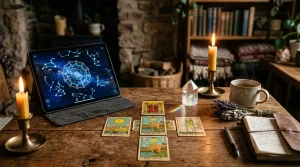
Many people wonder if tarot readings can coexist with their Christian faith. In a world where spiritual exploration is becoming increasingly popular, the intersection of tarot and Christianity raises important questions. Can these two seemingly disparate paths provide guidance and insight? Whether you’re skeptical or curious, understanding how tarot can serve as a tool for reflection and personal growth can deepen your spiritual journey.
This article will explore the principles behind tarot readings and how they may align with, or even enhance, your faith. We’ll break down common misconceptions, providing a welcoming space for believers and seekers alike to consider the potential of tarot as a supportive resource for intuition and self-discovery. As you read on, you may find that embracing this mystical practice doesn’t diminish your faith; instead, it can complement and enrich it, offering new dimensions of understanding and empowerment.
Understanding the Basics of Tarot and Christianity
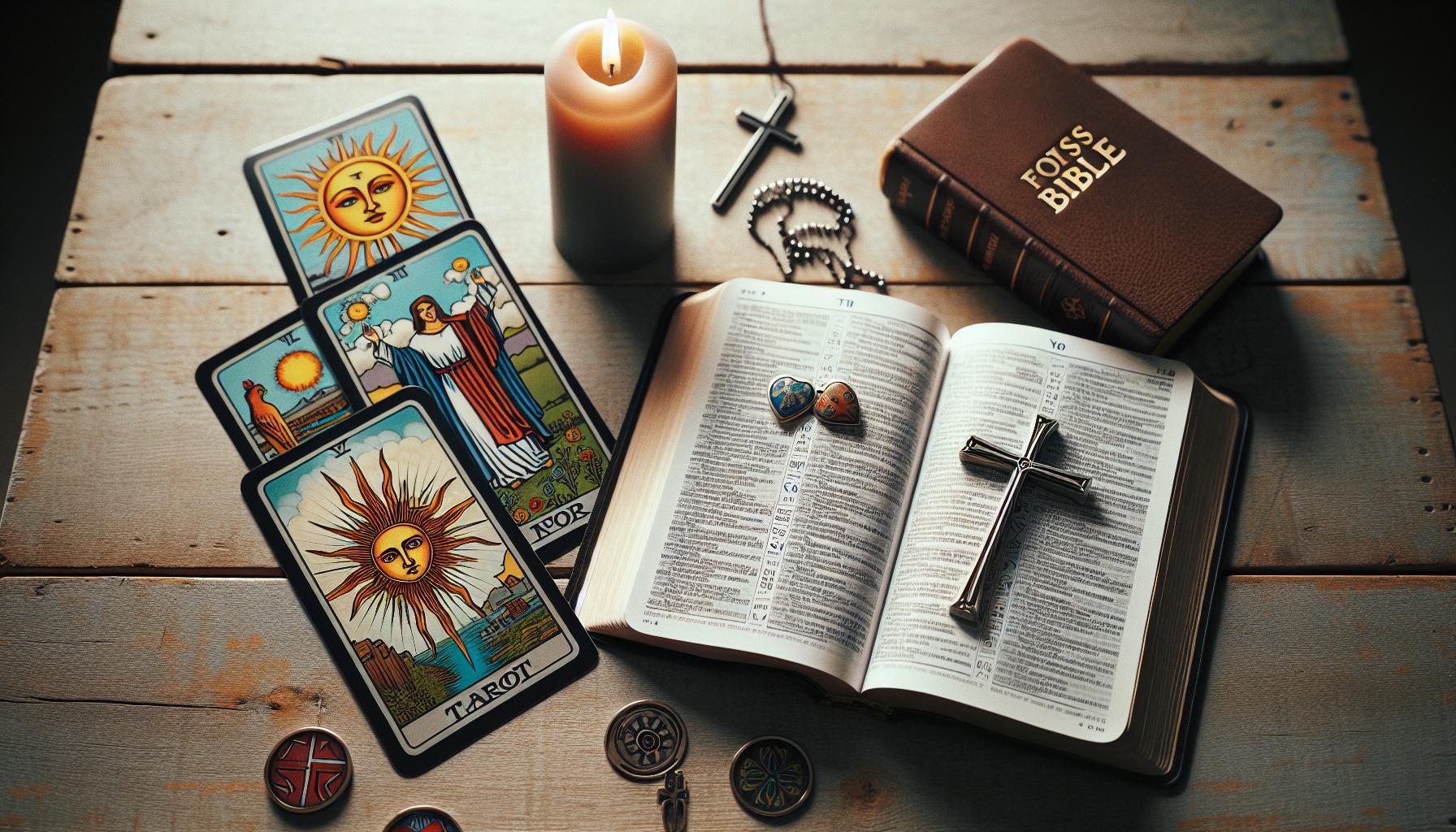
Understanding the nuances of tarot within a Christian framework can be both intriguing and challenging. For many, tarot represents a bridge between the known and the unknown, a tool for introspection and personal growth. While the use of tarot in spiritual practices may seem at odds with traditional Christian beliefs, there are ways to explore this practice that respect both faith and curiosity.
One of the key aspects of tarot is its focus on inner reflection and understanding. Each card in a tarot deck carries specific meanings and insights that can prompt deeper self-examination and personal revelation. For Christians, engaging with tarot can be seen as an opportunity to explore one’s inner landscape and divine guidance, rather than a channel of divination that seeks to predict the future. This introspective approach allows for a respectful dialogue between the two practices, permitting individuals to draw insights that align with their spiritual values.
When navigating the intersection of tarot and Christianity, it is important to be mindful of how these practices can coexist. Many Christians may feel apprehensive about tarot due to its associations with mysticism and the occult. However, approaching tarot as a meditative practice-one that emphasizes love, guidance, and self-discovery-can create a harmonious relationship with one’s faith. Integrating Christian symbols within tarot readings, such as invoking prayer or reflecting on biblical passages relevant to the questions posed, can further enhance this integration, providing a sense of familiarity and comfort.
Ultimately, the goal is to foster a positive connection with both tarot and one’s faith. This journey of understanding encourages personal growth and opens pathways for spiritual expression, allowing individuals to embrace their intuitive abilities while remaining grounded in their Christian beliefs. By reframing tarot as a tool for reflection rather than a purely predictive practice, believers can expand their spiritual toolkit and nurture a deeper relationship with the divine.
The Historical Relationship Between Tarot and Faith
The origins of tarot are steeped in a complex interplay of history, mysticism, and faith. Initially, tarot cards arose in the 15th century as playing cards in Europe, particularly Italy. They were not originally intended for divination but rather as a means for entertainment among the elite. However, as the cards evolved, so too did their meanings. By the late 18th century, tarot gained popularity in occult circles, where readers began to attribute spiritual and mystical significance to the symbols and imagery of the cards. This transformation set the stage for a burgeoning connection between tarot and various spiritual practices, including Christianity.
As tarot gained prominence in the realm of the mystical, its reception varied significantly within Christian communities. Many early Christian theologians viewed divination practices with suspicion, often aligning them with paganism and rejecting them outright. However, some practitioners found ways to reconcile their interest in tarot with their faith, seeing the cards as tools for personal reflection rather than as instruments of divination meant to predict the future. This perspective offers a unique historical lens through which to view the relationship between tarot and Christianity – one that emphasizes introspection and self-understanding over superstition.
Key Examples of Intersection
- Mystical Use in the Renaissance: During the Renaissance, thinkers like Marsilio Ficino and Giovanni Pico della Mirandola integrated Christian themes into their studies of divination and astrology, suggesting that engaging with the mystical could lead to greater intimacy with God.
- The Hermetic Order of the Golden Dawn: This 19th-century organization combined elements of Kabbalah, alchemy, and Christian mysticism in its tarot practices, demonstrating an early synthesis of faith and tarot that some contemporary Christians might draw inspiration from.
Navigating this intricate history requires an understanding that tarot can serve as a reflection of one’s spiritual journey rather than opposing it. Many Christians today are beginning to embrace the notion that tarot cards can facilitate personal revelation, allowing individuals to connect deeper with their spirituality. For those interested in exploring tarot within a Christian framework, the historical relationship suggests a pathway towards reconciling these two worlds. By focusing on inner reflection and understanding, practitioners can approach tarot as a constructive tool that promotes personal growth and encourages spiritual insights aligned with their faith.
Common Misconceptions About Tarot Reading

Many people are surprised to discover that tarot cards are often shrouded in misunderstanding and mystery, which can deter individuals from exploring them, especially within a Christian context. One predominant misconception is that tarot is solely about fortune-telling and predicting the future. In reality, tarot serves as a tool for self-reflection and personal growth. When approached with an open mind, the cards can provide insights into one’s inner thoughts, emotions, and life circumstances, promoting deeper self-awareness rather than acting as instruments of prophecy.
Another misconception is that tarot is inherently evil or associated with paganism. While some traditional religious teachings may warn against certain divination practices, tarot’s interpretation can vary widely. Many who incorporate tarot into their spiritual practices do so without invoking any malevolent energies, viewing the cards instead as a means to connect with one’s intuition and spirituality. It’s crucial to recognize that tarot reading can be framed as an introspective exercise, allowing practitioners to explore their beliefs and feelings in a safe and guided way.
Additionally, individuals may assume that tarot readings require a special gift or supernatural ability. However, anyone can learn to read the cards with intention and an open heart. By familiarizing oneself with the meanings of the cards and practicing reading techniques, even beginners can engage with tarot meaningfully. A simple starting point could involve drawing a single card daily and reflecting on its relevance to one’s day or situation, encouraging a routine of self-discovery.
In light of these misconceptions, it’s essential for those considering tarot to approach it with curiosity and an open mind. Whether one is a skeptic or a believer, tarot can serve as a bridge to understanding personal experiences and exploring spiritual truths, harmonizing beautifully with one’s faith journey, rather than contradicting it. For Christians, this relationship might open pathways to integrate their beliefs with a more profound self-exploration that inspires and guides them on their spiritual path.
Biblical Perspectives on Divination Practices

In the Bible, divination practices are often approached with caution, leading to mixed feelings among Christians regarding tarot reading. It’s essential to discern what biblical texts say about divination and how these perspectives can shape your understanding of tarot as a tool for personal insight rather than a means to foresee the future. While some entries in Scripture, such as Deuteronomy 18:10-12, clearly convey a prohibition against specific forms of divination like soothsaying or necromancy, it’s worth noting the broader context of these teachings. The warning was given to guide believers away from practices perceived as leading away from faith in God.
Yet, it’s intriguing to observe that the biblical tradition itself is rich with mystical elements, including dreams, visions, and prophetic insights. For instance, figures like Daniel and Joseph received divine interpretations that provided guidance and understanding in their lives. This suggests a nuanced relationship between the divine and the use of symbols, dreams, and insights, paralleling how tarot can be used as a reflective tool. Instead of predicting the future, tarot might serve to illuminate your current path, offering profound personal revelations.
A common question asked by those exploring tarot within a Christian framework is whether engaging in this practice contradicts faith. The key lies in intention and the methodology of the reading. If approached as a meditation on personal issues or spiritual questions, tarot can be a method of enhancing one’s understanding of self, which is supported by biblical principles of self-examination and reflection (Philippians 4:8). This empowers practitioners to utilize the symbolic language of tarot in a way that aligns with their faith, using it not for divination but as a tool for introspection and spiritual growth.
Additionally, as believers consider integrating tarot readings into their spiritual practices, it is essential to encourage open dialogue about the interpretations of each card. This fosters an environment where readings are seen as artistic expressions and reflections of personal and spiritual journeys rather than superstitious exercises. By framing tarot within a context of self-discovery and spiritual exploration, individuals may find a meaningful and enriching way to connect with both their faith and intuition, transforming potential conflict into harmony.
How to Approach Tarot as a Christian
Approaching tarot as a Christian can be a deeply rewarding experience when rooted in intentionality and personal reflection. Tarot is often seen through a mystical lens, but at its core, it serves as a powerful tool for self-exploration and personal insight. A welcoming way to begin is by understanding that the art of tarot reading need not conflict with one’s faith; instead, it can enhance one’s spiritual journey. By setting a positive intention, you can use tarot not as a means of divination but as a meditative practice that aligns with the principles of self-examination found in scripture.
Intention is Key
Begin by approaching tarot with a clear intention. Before you draw cards, take a moment to reflect on the questions or themes you want to explore. This could range from seeking clarity on life decisions to gaining deeper understanding of your emotions. For example, you might ask, “What can I learn from my current situation?” or “How can I better live out my faith?” This frames your reading in a context of personal growth and insight rather than predicting the future.
Understanding the Cards
Familiarize yourself with the symbolism of the tarot cards. Each card holds unique meanings, and understanding these will enrich your readings. A beginner might start with a few key cards:
- The Fool: Represents new beginnings and potential.
- The High Priestess: Symbolizes intuition and the subconscious mind.
- The Star: Signifies hope and spiritual inspiration.
As you grow more comfortable, explore deeper meanings and how they resonate with your personal journey. Engaging with the cards in this way can turn your readings into a source of inspiration rather than a rigid forecast.
Integrating Faith
Consider integrating Christian symbols or themes into your readings. For instance, when interpreting cards that suggest courage or journey, reflect on biblical figures who exemplified those traits, such as David or Ruth. This connection can create a bridge between your credentials and your faith, making the practice feel more cohesive.
Creating a Safe Space
Establish a sacred space for your readings, free from distractions. This might include setting up a quiet corner in your home with calming elements, like candles or soft music, creating an atmosphere conducive to introspection and spiritual connection. Before beginning, you can say a prayer, asking for guidance or clarity in your reading, reinforcing the intention that this is a holistic integration of your spirituality.
By approaching tarot as a reflective journey rather than a strict divination tool, you can enjoy a meaningful exploration of your inner self, leading to insight that complements your faith. This perspective allows tarot to be an enriching aspect of your spiritual practice, fostering personal growth and greater understanding of your life path.
Integrating Christian Symbols in Tarot Readings
Integrating Christian symbols into tarot readings can create a profound connection for those seeking both spiritual insight and alignment with their faith. This practice allows individuals to draw from the rich tapestry of Christian teachings while exploring the messages offered by the tarot. By viewing the cards as not just mystical objects, but as tools for introspection that resonate with biblical principles, you can cultivate a reading experience that nurtures both your spiritual and tarot journey.
Start by identifying key Christian symbols and themes that resonate with you. For instance, you might consider the concepts of hope, faith, and love as central themes in your readings. This could involve drawing parallels between the cards and biblical stories or values. For example, when pulling The Chariot, which represents determination and control, think about how it relates to the perseverance of figures such as Job or the leadership of Moses. Reflecting on these connections can transform the reading from merely a personal insight into a holistic exploration of your faith journey.
When interpreting the cards, you could choose to actively incorporate prayer. For example, before a reading, take a moment to pray for clarity and guidance. As you draw cards, you might find it valuable to pause and ask questions that align with your faith, such as, “How can I serve others as Jesus taught?” This can imbue your readings with a sense of purpose and spiritual grounding, fostering an enriching dialogue between the tarot and your beliefs.
Additionally, consider the aesthetic elements of your reading space. Decorate your tarot area with significant Christian imagery, such as crosses, scripture verses, or religious art that inspires you. This not only creates a sacred atmosphere but also reinforces the integration of your faith into your tarot practice. Every element of your space can serve as a reminder of the love and guidance you seek, making the act of reading both a meditative and spiritually uplifting experience.
Embracing the fusion of tarot and Christian symbols invites a unique perspective on personal development and spiritual growth. By seeing tarot not just as a tool for divination but as a reflective exercise deeply rooted in faith, you can create a powerful pathway to understanding your life and connection to the divine.
Practical Steps for Conducting Tarot Readings
To embark on a tarot reading adventure that respects both your spiritual path and inquisitive nature, consider implementing some practical steps that can enhance your experience while harmonizing with your beliefs. Tarot is not merely about predicting the future; it serves as a profound tool for introspection and spiritual growth. Here are some guiding actions to help you conduct meaningful readings.
Begin by setting the stage. Create a comfortable and inviting space where you can connect with the cards and your inner self. This may involve tidying up your reading area, lighting a candle, or even playing soft instrumental music. The environment should feel safe and sacred, allowing you to immerse yourself without distractions. You might consider adding elements that hold spiritual significance for you, such as a Bible, crosses, or inspirational quotes.
Next, approach the reading with intention. Prior to shuffling your cards, take a moment to center yourself. This can involve deep breathing, a short prayer, or setting a clear intention for your reading. What questions do you hope to explore? Perhaps you want to seek guidance on a personal dilemma or reflect on how to embody your faith more fully in everyday life. Being mindful of your purpose will help you draw insights that resonate deeply with your spiritual journey.
When conducting the reading, it’s helpful to explore various card combinations and spreads. For beginners, the three-card spread is a fantastic starting point, offering insights into the past, present, and future. As you lay out the cards, take time to reflect on each one individually. Ask yourself how their meanings connect to your current experiences, and seek to identify themes that arise. For instance, if you draw The Empress, consider how themes of nurturing and creativity might play into your life’s circumstances at that moment.
Finally, incorporate reflection and integration into your reading process. After interpreting the cards, spend time journaling about your insights and any feelings that arose during the reading. How do these revelations align with biblical teachings or your spiritual practices? Documentation enables you to glean ongoing insights beyond the reading itself, establishing a dialogue with your intuition.
By following these steps, you not only respect the art of tarot reading but also honor your faith and personal beliefs. Create a space for learning and growth, understanding that tarot is a journey of self-discovery that can beautifully coexist with your spiritual practice.
Respecting Boundaries: Tarot and Personal Beliefs
In the world of tarot, the intersection of personal beliefs and the practice of divination can be both enlightening and challenging. For those who identify as Christians and feel drawn to tarot reading, understanding where to draw boundaries is essential for a wholesome experience. This practice can serve as a tool for self-reflection, but it’s crucial to approach it with a deep respect for one’s faith and individual convictions.
To navigate this journey, begin by clearly defining what tarot means to you within the context of your beliefs. Reflect on your intention before each reading. Ask yourself questions such as: “Am I using tarot to explore my inner self?” or “Can this practice enhance my relationship with God?” This process can serve as a spiritual grounding point. It’s important to remember that tarot is often viewed as a mirror that reflects our thoughts, fears, and desires rather than a crystal ball with objective answers. By viewing tarot through this lens, you can maintain a personal boundary that aligns with your faith while still engaging with the cards.
When conducting a tarot reading, ensure your space feels sacred and respectful. You might choose to incorporate Christian symbols, such as scripture passages or prayer, to create a balanced atmosphere. This can inspire a sense of safety and connection to your faith. It’s perfectly acceptable to set limits-perhaps reserving tarot for personal exploration or specific questions rather than everyday guidance. This way, you foster a relationship with the tarot that honors both your spiritual journey and any apprehensions about integrating it with your faith.
As you grow more comfortable with tarot, consider sharing your journey with like-minded individuals who also navigate these dualities. Joining or forming groups where experiences and perspectives can be exchanged respectfully can provide unique insights and reinforce your confidence. Remember, everyone’s spiritual voyage is personal and varies widely; maintaining an open dialogue with both skeptics and believers allows for greater understanding and support.
Ultimately, respecting boundaries in tarot reading means honoring your beliefs while exploring your intuition. By approaching each reading with a heart aligned with your beliefs, you can embrace the lessons tarot has to offer without compromising your faith. Each card drawn can become a step towards greater self-awareness, illuminating your path without leading you astray from your core values.
Real-Life Experiences: Christians Who Read Tarot
Many Christians who are drawn to tarot often find themselves navigating a complex interplay between their faith and fascination with this ancient practice. One compelling story is that of Emily, a lifelong church-goer who discovered tarot while seeking deeper insights into her personal challenges. Initially apprehensive, she approached the cards tentatively, viewing them not as a means to predict the future but as powerful tools for self-reflection. Emily learned to incorporate her Christian beliefs by praying before her readings and framing each session as a dialogue with God, using the cards to explore her feelings and intentions rather than as divination.
Another inspiring experience is shared by James, who uses tarot in his pastoral counseling sessions. He emphasizes the importance of guidance over prediction, often using cards to facilitate discussions about personal struggles and spiritual growth. For him, tarot serves as a bridge between sacred teachings and individual exploration. He finds that integrating scripture alongside his readings creates a harmonious space where his clients can connect their spiritual beliefs with their introspective journeys. James believes that the archetypal symbols in tarot resonate deeply with biblical narratives, enhancing understanding of oneself through the wisdom of both faith and cards.
It’s essential for those in the Christian community exploring tarot to establish a personal practice that aligns with their beliefs. Establishing boundaries is key-many find it helpful to set specific intentions for their readings. Here are a few practical steps:
- Define Your Intention: Before a reading, contemplate what aspects of your life you want to explore.
- Create a Sacred Space: Use elements like candles, prayers, or scripture passages to invite a spiritual atmosphere.
- Reflect on the Cards: View each card as a symbolic message reflecting your inner thoughts and feelings, rather than foretelling a predetermined outcome.
These approaches encourage Christians to embrace tarot as an enriching component of their spiritual practices. By prioritizing transparency about their intentions and maintaining faith-centric mindsets, individuals like Emily and James exemplify how tarot can coexist within a Christian framework, illuminating personal paths while honoring their foundational beliefs. This harmonious blend allows readers to access their intuition with confidence, signifying that tarot, with thoughtful integration, can indeed complement a vibrant faith practice.
Navigating Ethical Considerations in Tarot Practices
Navigating the ethical landscape of tarot reading is essential for anyone, especially for those who identify with the Christian faith. At its core, tarot is a tool for introspection and self-discovery, not a means of predicting the future in a deterministic way. This understanding is crucial when establishing ethical guidelines for readings.
First and foremost, it’s essential to approach tarot with a mindset of integrity and respect. As a reader, consider the impact of your interpretations on others. Be clear about your intentions and assure clients that your insights are designed to encourage personal growth and spiritual reflection rather than to dictate their choices or futures. This transparency builds trust and creates a safe space for exploration. Always remember that the cards reflect back what is already present in the querent’s life, providing a mirror for their thoughts and feelings.
When conducting readings, it’s wise to establish clear boundaries. This includes acknowledging the querent’s emotional state and knowing when a situation might exceed the comfort or capacity of tarot to provide meaningful insights. Create a guiding principle for each session, focusing on positivity and empowerment. For instance, encourage clients to frame questions that invite exploration rather than those seeking absolute answers. Questions like “What can I learn from this situation?” or “How can I cultivate peace in my life?” open doors to a deeper understanding and catalyze personal growth.
Ethical considerations also extend to the use of symbolism. Integrating Christian symbols can enrich the reading experience, allowing for a more relatable connection. For example, invoking biblical themes or even scripture can create a nurturing environment. This practice not only honors one’s faith but also creates resonance with the spiritual aspects of tarot.
Lastly, remain open to the feedback and experiences of others. Engaging in conversations about the ethical dimensions of tarot, within both Christian circles and the broader spiritual community, can enhance understanding and enrich your practice. By adhering to these ethical guidelines, Christians drawn to tarot can navigate their readings with confidence and compassion, allowing the practice to become a harmonious part of their spiritual journey.
Finding a Balance: Faith, Spirituality, and Tarot
Navigating the interplay between faith, spirituality, and tarot can be both rewarding and complex for Christians interested in exploring tarot readings. Many may wonder if these two paths can coexist harmoniously, given the historical and theological tensions. The truth is that tarot can serve as a rich tool for reflection, self-exploration, and spiritual growth-elements that resonate deeply with Christian teachings about introspection and understanding oneself in the light of divine guidance.
Understanding tarot as a language of symbols can help bridge the gap between spirituality and faith. Just as parables in the Bible convey deeper truths through metaphor, tarot cards can illuminate personal insights through their imagery and meanings. For example, the High Priestess represents intuition and inner wisdom, inviting querents to listen to their inner voice-something very much in line with the Christian practice of prayer and seeking God‘s will. This symbolic connection allows tarot to become a complementary practice rather than a conflicting one, providing Christians a framework to engage with tarot without compromising their faith.
When approaching tarot within a Christian context, it’s vital to set clear intentions and maintain an open heart. Practitioners might consider integrating personal prayers or scripture references to ground their readings in faith. For instance, before a reading, take a moment to pray for guidance, asking for clarity and understanding in the process. This practice not only honors one’s Christian beliefs but aligns the reading with a higher purpose, fostering a sense of sacredness in the act.
Creating a balanced approach also involves understanding the role of fear and skepticism-common feelings when discussing tarot in Christian circles. It’s important to engage these emotions with compassion and curiosity. Consider sharing experiences with others who navigate similar paths. Forming a community of practice, whether through study groups or online forums, can offer support and insight, enhancing the understanding that tarot is a tool for personal and spiritual development rather than a means to contradict one’s faith.
Lastly, remember that both religion and spirituality can deepen through this exploration. The wisdom gleaned from tarot readings can inspire Christians to reflect more deeply on their faith, seeing it as an evolving journey rather than a fixed doctrine. By finding common ground between the two, you’ll not only enrich your understanding of tarot but also nurture a more profound connection to your faith. Embracing this journey with an open mind and heart allows both tarot and Christianity to coexist, providing a pathway for self-discovery, empowerment, and spiritual growth.
Faq
Q: What do Christians believe about the morality of tarot readings?
A: Many Christians view tarot readings as conflicting with their beliefs because they often associate them with divination and spiritual practices not grounded in Christianity. However, some see tarot as a tool for personal reflection and spiritual growth. It’s important for individuals to assess their personal convictions and faith when considering tarot.
Q: How can Christians use tarot readings responsibly?
A: Christians can use tarot readings responsibly by ensuring their intention aligns with their faith. This includes focusing on self-reflection and personal insights rather than relying on cards to predict the future. Incorporating prayer and Christian symbols during readings can help maintain spiritual integrity.
Q: Are there specific tarot spreads that resonate with Christian beliefs?
A: Yes, specific tarot spreads can resonate more with Christian beliefs. For example, a “Faith and Guidance” spread can include questions about one’s spiritual journey and purpose, allowing for reflection on how faith interacts with personal challenges. Integrating biblical themes can enhance this alignment.
Q: Can tarot be a tool for spiritual growth in Christianity?
A: Yes, tarot can be a tool for spiritual growth by prompting self-examination and offering new perspectives on life situations. Christians who read tarot may find that it helps clarify their thoughts and intentions as long as they approach it thoughtfully, integrating their faith throughout the process.
Q: How do Christians reconcile tarot readings with biblical teachings?
A: Christians may reconcile tarot readings with biblical teachings by viewing them as a form of introspection rather than divination. They might focus on the moral and ethical implications of their interpretations rather than seeking predictions, emphasizing that God’s guidance and wisdom remain paramount.
Q: What are the dangers of tarot for Christians?
A: The dangers include potential conflicts with faith-based beliefs, leading to spiritual confusion. Tarot may also open individuals to influences they may not fully understand, which can be concerning within a Christian context. It’s vital for Christians to remain grounded in their faith and seek discernment.
Q: How can one prepare for a tarot reading while being a Christian?
A: To prepare for a tarot reading, Christians can set a clear intention and pray for guidance. They may also choose to use cards that incorporate Christian symbolism, helping to align the reading with their beliefs. Reflecting on their faith beforehand can help create a respectful environment.
Q: What should Christians avoid while reading tarot?
A: Christians should avoid approaching tarot with the expectation of predicting the future or seeking answers that could lead them away from their faith. It’s essential to avoid unverified interpretations and to stay rooted in spiritual practices that honor their beliefs.
To Conclude
As we explore the intriguing intersection of Christianity and tarot readings, remember that your journey into the mystical doesn’t need to be daunting. Understand that tarot offers a powerful tool for reflection and insight without compromising your faith. If you’re curious about how to get started, consider our guide on beginner tarot spreads or dive deeper with our article on interpreting tarot cards for spiritual growth to enrich your practice.
Feeling uncertain? That’s natural! Engage with our community in the comments below, where you can share your experiences or ask questions. Don’t forget to subscribe to our newsletter for more insights into spiritual practices and to stay updated on our offerings. Your path to confidence in intuitive reading starts here-embrace the mystery with an open heart and mind. The convergence of faith and divination awaits you, and together we can navigate this journey.
Get our latest guides, news, and insights highlighted in your Google Search & AI Overviews.