Many people wonder if divine guidance can manifest in unexpected ways, including through tarot cards. For centuries, tarot has been a tool for insight and reflection, inviting both skeptics and believers to explore their intuition. This spiritual practice encourages personal growth and understanding, offering a unique lens through which one can interpret life’s challenges. Whether you’re facing a crossroads or seeking clarity, the cards can provide a pathway to deeper awareness. In this article, we will explore how the universe-or even God-might communicate through tarot, revealing messages of love, guidance, and empowerment. Join us on this journey to discover how you can tap into your intuitive abilities and engage with this mystical tool in a respectful and meaningful way. Are you ready to uncover the wisdom hidden within the cards? Let’s dive in.
The Connection Between God and Tarot
Connecting spirituality with Tarot can be a profound experience, prompting deep reflections on how divine messages might be conveyed through this ancient practice. Many believers consider Tarot not merely as a tool for prediction but as a vehicle for higher guidance. The imagery and symbolism in Tarot cards can resonate with spiritual truths that one might interpret as messages from God, the universe, or a higher consciousness.
When engaging with Tarot, it’s essential to approach the cards with an open heart and mind. Each card serves as a mirror, reflecting the querent’s inner thoughts and feelings that may lead them toward spiritual insight. For instance, drawing the High Priestess can indicate a call to turn inward, inviting one to trust their intuition-often seen as a connection to the divine.
Moreover, Tarot is rich with archetypes that some may interpret as representing divine aspects. Many people find that their interpretations of cards can evoke a sense of relationship with God, as they navigate through difficult decisions or seek clarity in their lives. This process can be likened to prayer or meditation, where individuals seek a dialogue with the divine, finding the Tarot serves as a bridge – a sacred conversation where symbols can reveal divine will or wisdom.
In practice, every reading becomes a unique dialogue with spirit. To deepen this connection, practitioners can create sacred space by inviting contemplation and reflection before drawing cards. This can enhance not just the reading’s clarity but also bolster the sense that guidance is indeed flowing from a higher source. Trusting this process-whether you’re a seasoned reader or just starting-can transform how you view challenges and opportunities in your life. By seeing Tarot as a divine communication tool, you open yourself to the possibility of receiving profound insights that resonate on multiple levels of existence.
Different Tarot Card Spreads Explained
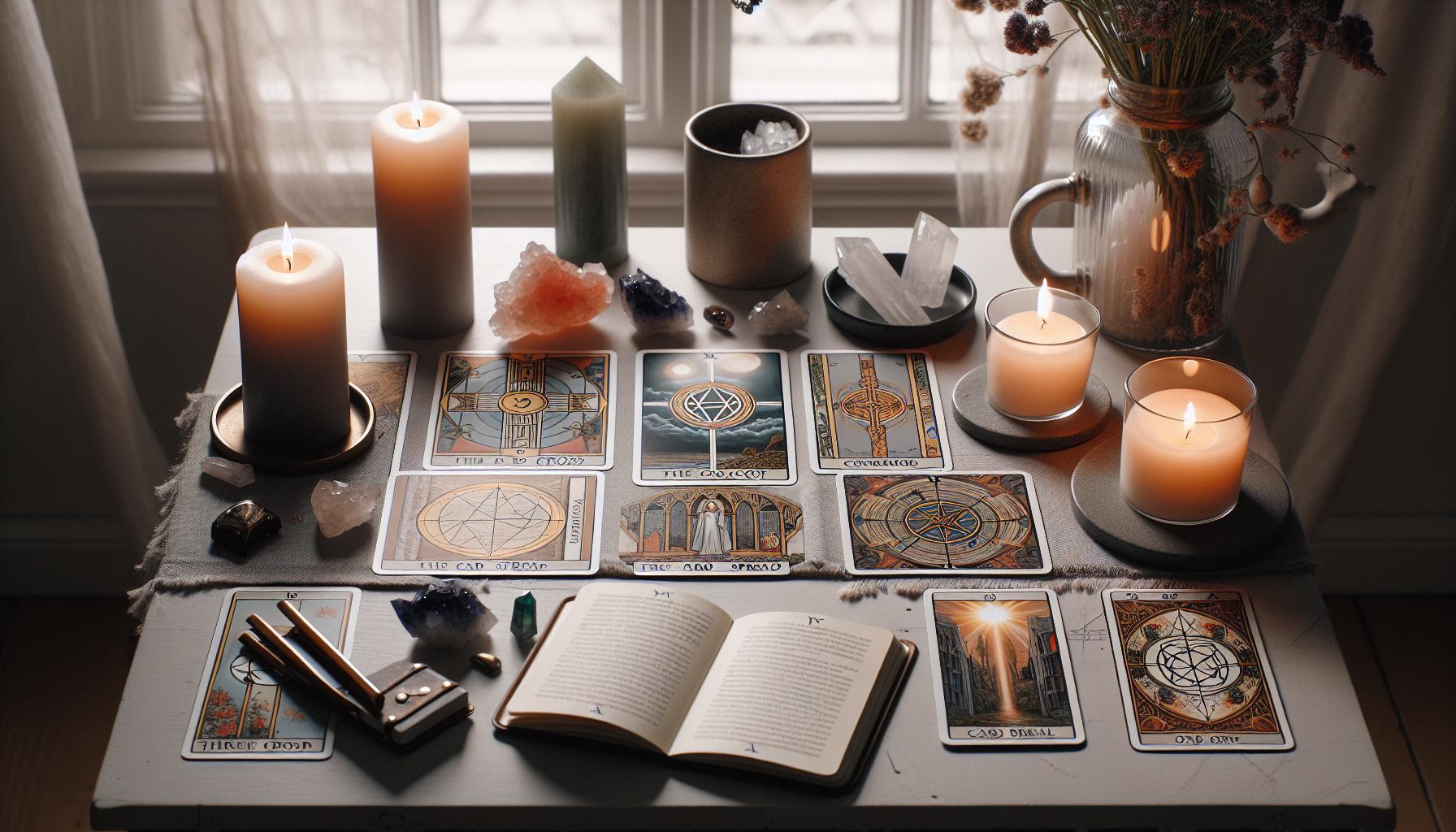
Exploring different Tarot card spreads can significantly enhance your understanding of the messages being conveyed during a reading. Spreads act as frameworks, guiding the cards’ placement and the narrative that unfolds from them. Each spread serves a unique purpose and caters to various questions and situations, helping both beginners and seasoned readers connect more profoundly with their intuitive insights and the divine guidance they seek.
One of the most popular spreads for beginners is the Three-Card Spread. This versatile layout can represent the past, present, and future concerning a specific question or situation. For instance, you might ask, “What do I need to know about my career?” as you draw the first card to reveal foundational issues (past), the second to explore your current path (present), and the third to illuminate potential outcomes (future). The clarity offered by this spread helps you identify patterns and shifts in energy that may point to divine guidance.
Complex Spreads for Deeper Insight
As you advance in your Tarot journey, consider the Celtic Cross Spread, renowned for its depth and intricacy. This ten-card layout provides a comprehensive view of a situation, illustrating not just the querent’s mindset but also external influences and possible outcomes. Each position in this spread tells a different part of the story. For example, the “Obstacle” position will help you understand the challenges you face. This complexity allows for rich interpretations, revealing the tapestry of divine messages woven into your life experiences.
Specialized Spreads for Specific Questions
For more focused inquiries, specialized spreads like the Relationship Spread can be particularly enlightening. Typically consisting of six cards, this layout can clarify dynamics between partners. By examining aspects such as emotional connection, challenges, and potential growth, readers can access divine insights into their relationships. When engaging with the cards in this context, remember to invite energy and intention into your reading space, fostering an atmosphere where divine communication feels more tangible.
In every reading, the key lies not only in the cards drawn but also in how you interpret their meanings based on intuition. By using different spreads, you create opportunities for a dialogue with the divine that can lead to transformative insights. This journey of exploration transcends mere card reading; it invites you to listen closely to the whispers of spirit and understand how they resonate within your life.
How Tarot Cards Can Enhance Intuition

For those exploring the realms of spirituality, Tarot cards serve as a powerful tool not only for divination but also for enhancing one’s intuition. Each card possesses layers of meaning that can resonate with an individual’s inner voice, fostering a deeper connection with oneself and the divine. Engaging with Tarot encourages you to tap into your feelings and insights, allowing you to interpret the cards through the lens of your unique life experiences.
One effective way to enhance intuition through Tarot is to approach the cards with an open heart and mind. When you draw a card, take a moment to breathe deeply and focus on your question or intent. Observe the imagery, colors, and symbols on the card. Instead of rushing to look up traditional meanings, ask yourself what feelings arise. What thoughts or memories does this card evoke? This personal connection to the cards creates a dialogue between your intuition and the spiritual insights represented by the Tarot.
Developing Your Intuitive Skills
Incorporating daily Tarot practices can significantly sharpen your intuitive abilities. Start with a simple one-card daily draw. As you reveal a card each morning, reflect on its relevance to your day ahead. Pay attention to how the card’s energy manifests in your life-challenges you encounter, conversations you have, or feelings you experience. Jotting down your reflections in a Tarot journal not only tracks your progress but also deepens your understanding of how your intuition communicates through the imagery of the cards.
For those ready to advance their practice, engaging in group readings or discussions can be incredibly beneficial. Sharing your perspectives with others opens up new interpretations and helps you see beyond your initial insights. Each participant’s unique understanding of the cards can introduce you to different facets of their meanings, ultimately enriching your intuitive experience.
By embracing Tarot as a means of spiritual exploration, you empower yourself to receive guidance from within. Allowing your intuition to flourish through this sacred practice not only enhances your understanding of the cards but also deepens your connection to the divine, making room for transformative insights that guide you on your journey.
Interpreting Tarot Cards as Divine Messages
Many practitioners believe that Tarot cards can serve as a conduit for divine guidance, allowing messages from a higher power to manifest during a reading. This perspective invites individuals to consider the possibility that God-or the universe, spirit, or whatever higher intelligence they resonate with-can communicate through the symbols and narratives present in Tarot. Each card can be visualized as a piece of a larger puzzle, offering insights that align with one’s spiritual path, personal challenges, or even divine timing.
To interpret Tarot cards as divine messages, it’s essential to create an environment that facilitates openness and receptivity. Start by centering yourself; perhaps light a candle or set an intention for your reading. When drawing cards, consider not just their traditional meanings but also the emotions and thoughts they provoke in you personally. For example, if you draw The Star, which traditionally symbolizes hope and inspiration, reflect on how that connects to your current life situation. Ask yourself questions like, “How does this message resonate with my spiritual journey?” or “What guidance am I receiving about the obstacles I face?” Engaging with the imagery and metaphors can create a dialogue between your intuition and divine insight.
Techniques for Receiving Divine Messages
Here are some techniques to deepen your practice of interpreting Tarot as messages from the divine:
- Set Intentions: Before your reading, articulate a clear question or intention. This could concern a particular situation in your life, or a more general inquiry about your path.
- Surrender Control: Approach the reading without attachment to a specific outcome. This allows space for genuine insights to emerge.
- Journal Your Thoughts: Write down your interpretations immediately after your reading. This helps solidify the connection and allows you to revisit the insights later.
- Seek Patterns: Over time, notice recurring themes in your readings. Do certain cards come up frequently? This repetition can indicate areas where divine guidance is particularly strong.
Real-life scenarios often illustrate how readings can provide clarity. For instance, a person may draw the Two of Cups while questioning a relationship. This card, representing partnership and mutual respect, might suggest that the divine is encouraging them to nurture their connection with love and compassion. Conversely, a card like the Tower could signal a necessary upheaval, prompting the individual to embrace change as part of their spiritual evolution.
Ultimately, invites you to trust in your innate intuition and the broader cosmic forces at work in your life. As you engage with this practice, remember that both believers and skeptics can find value in considering the deeper meanings behind the cards. By remaining open to divine communication, you may uncover profound insights that resonate with your unique spiritual path and enhance your connection to the universe.
Real-Life Examples of Tarot Readings
It’s fascinating how Tarot readings can unfold stories that resonate deeply with our lives, often revealing divine guidance in unexpected ways. For instance, consider a scenario where someone is grappling with job uncertainty. During a reading, they draw the Ten of Pentacles, a card symbolizing wealth, legacy, and long-term success. This card suggests not merely financial stability but also hints at the importance of community and family ties in securing their future. The message could be interpreted as a reminder to lean on trusted loved ones for support or to explore opportunities that align with their values. This connection underscores the idea that divine messages can come through in practical terms, offering both reassurance and actionable guidance.
Another compelling example can emerge when questioning personal relationships. Imagine a seeker who draws the Lovers card during a reading about their romantic connection. Traditionally representing union and choices, this card invites deeper reflection on the balance between individuality and partnership. The seeker might interpret this as a call to cultivate a relationship grounded in mutual respect and understanding. If they’ve been feeling distant or uncertain, this message could be viewed as divine encouragement to engage in meaningful dialogue, helping to nurture the relationship dynamically.
In cases where the drawn cards seem more ominous, like the Death card, which symbolizes transformation and endings, there’s a profound opportunity for divine communication as well. Though typically viewed with trepidation, this card often signifies the end of a phase or the clearing away of what no longer serves us, heralding new beginnings. For a reader facing a significant life change, this card can provide comfort by framing the transition as a necessary step towards spiritual evolution rather than just an ending. This perspective cultivates acceptance, paving the way for new growth and possibilities.
It’s essential to encourage imaginations in these examples. By inviting readers to reflect on their unique circumstances and how the messages may resonate with their hearts, we open up the potential for personal revelation. Each reading holds the promise of divine insight, waiting to be discovered-whether it’s about career, love, or transformation-offering clarity and connection to something greater.
Common Misconceptions About Tarot Use
Many people are intrigued by tarot yet hesitant to explore its depths due to common misconceptions that shroud its practice. One of the most pervasive myths is the belief that tarot cards are tools of fortune-telling, solely designed to predict the future. In reality, tarot functions more as a mirror that reflects the querent’s current situation and emotional state, offering insights that can help in making informed decisions. This shifts the focus from fate to empowerment, showcasing how tarot can be a spiritual guide rather than a deterministic answer sheet.
Another misunderstanding revolves around the perception of tarot as a mystical practice reserved for the “gifted” or the “spiritual elite.” This notion can be intimidating, leading many to shy away from using tarot as a tool for personal exploration and growth. However, the beauty of tarot lies in its accessibility-it’s a resource that anyone can use. Each card carries rich symbolism and meaning that can be interpreted in various contexts, inviting users to tap into their innate intuitive abilities. As you delve into tarot, consider it a practice where personal insight and spiritual connection can grow with experience rather than innate skill.
People often believe that drawing a negative card, such as the Tower or the Death card, signifies doom or bad luck. Yet, these cards can symbolize profound transformation and necessary endings, serving as gateways to new beginnings. For instance, the Tower represents upheaval but can indicate a breaking down of outdated beliefs, allowing space for new perspectives and growth. Embracing the deeper meanings of these cards encourages a more nuanced understanding and appreciation of the messages conveyed during a reading.
Lastly, some view tarot readings as divinely dictated commands, expecting clear answers that must be followed. While tarot can offer guidance, it is ultimately a tool for reflection, where interpretation is essential. Readers are encouraged to engage with the imagery and symbols, fostering a dialogue between the self and the cards. This encourages a personal relationship with the divine aspects of the cards, making the experience not only a reading but also a collaborative exploration of one’s path.
In conclusion, debunking these misconceptions invites broader participation in tarot. By recognizing its potential as a spiritual aid, individuals can approach tarot with an open heart and mind, discovering its rich tapestry of wisdom that aligns with their spiritual journey. Emphasizing this personal connection keeps the practice grounded, allowing for stories and insights that resonate deeply with users from all walks of life.
Ethical Considerations in Tarot Readings
In the world of tarot, where intuition meets symbolism, ethical considerations are paramount. A responsible tarot practitioner recognizes that their role is to provide guidance and insight while maintaining respect and integrity, both for themselves and those they read for. These readings can touch on deeply personal and potentially life-altering matters; thus, understanding the impact of one’s words and interpretations is essential.
One key ethical principle is the importance of informed consent. Before conducting a reading, practitioners should ensure that querents fully understand what to expect. This includes discussing the nature of tarot as a tool for reflection rather than definitive predictions. Emphasizing that the cards offer insights into one’s current path rather than concrete outcomes helps establish healthy expectations.
Respecting Boundaries
It’s also crucial to respect personal boundaries. A responsible reader avoids delving into areas that the querent may not wish to explore, such as deeply personal trauma or sensitive topics. If a querent explicitly asks to avoid certain subjects, practitioners should honor this request. Open communication not only fosters trust but also creates a safe space for exploration.
Furthermore, it’s vital to avoid manipulative practices. Readers should never use their insights to foster dependency or encourage querents to return for readings more often than necessary. Instead, consider guiding individuals toward their own empowerment. For instance, a reading that helps identify strengths and resources encourages the querent to trust their intuition and decision-making abilities after the session.
Maintaining Confidentiality
Confidentiality also plays a significant role in ethical tarot practice. What is shared in a reading should remain between the reader and the querent, allowing for a safe, non-judgmental atmosphere. This confidentiality promotes honesty and openness, which is foundational for meaningful dialogue.
As a reader, staying humble and open-minded is essential. Each reading is an opportunity to learn and grow-not just for the querent but also for the practitioner. Recognizing that one’s interpretation may not resonate with everyone encourages a collaborative spirit. Every card has multiple interpretations, and inviting the querent to share their insights can foster a richer understanding of the reading.
In summary, approaching tarot with a strong ethical framework enhances the experience for both the reader and the querent. By ensuring informed consent, respecting boundaries, avoiding manipulative practices, and maintaining confidentiality, practitioners cultivate an environment where both intuition and insight can flourish. This ethical commitment not only aligns with divine guidance but also nurtures a healing, empowering space for personal growth.
Integrating Tarot with Spiritual Practices
Incorporating tarot into your spiritual practices can be a transformative experience, providing a unique lens through which to understand divine messages and personal insights. Many practitioners find that using tarot facilitates a deeper connection to their spirituality, encouraging both self-reflection and guidance from higher powers. Whether you are a seasoned reader or a curious beginner, here are practical ways to integrate tarot into your spiritual journey.
One powerful method is to pair daily tarot draws with your spiritual rituals. Start each day by drawing a card and reflecting on its meaning. Ask yourself how the card relates to your intentions for the day. For example, if you draw the Two of Cups, reflect on themes of partnerships and connections, inviting harmony into your interactions. This practice not only sets a mindful tone for your day but also opens a dialogue with your intuition and any divine insights you may receive.
Meditation is another effective tool for integrating tarot with your spirituality. Choose a card that resonates with you, focusing on its imagery and symbolism during your meditation. Visualize the energies of the card enveloping you, and ask for guidance related to a specific question or area of your life. This practice can enhance your spiritual connection, enabling you to receive messages more clearly. You might find that insights come through in unexpected ways, bridging the gap between the material and metaphysical realms.
Consider also using tarot as a journaling prompt for deeper exploration. Pull a card and write down your initial thoughts, feelings, and any connections to your spiritual beliefs or experiences. This reflective process can help clarify your understanding of spiritual concepts and foster personal growth. Over time, you may notice patterns and themes, providing a clearer picture of your evolving spiritual path.
Lastly, creating tarot spreads specifically designed for spiritual insight can deepen your practice. For instance, a simple three-card spread might focus on your current spiritual state, what you need to release, and what you can embrace moving forward. This structured approach helps articulate your spiritual questions, encouraging clearer understanding and engagement with your cards.
In summary, integrating tarot with your spiritual practices opens up numerous avenues for insight and connection. By utilizing daily draws, meditation, journaling, and thoughtfully designed spreads, you can enhance your spiritual journey with the wisdom that tarot offers, fostering a deeper relationship with both your intuition and the divine.
How to Begin Your Tarot Journey
Starting your journey with tarot can feel both exciting and daunting, especially when considering its profound connection to spirituality and the potential for divine communication. Many people wonder if this ancient tool can indeed serve as a channel for God’s messages, and the answer often depends on your intention and perspective. Embracing tarot doesn’t require you to abandon your beliefs; rather, it invites you to explore a multifaceted interaction with the divine.
To begin, select a deck that resonates with you. There are numerous styles, from traditional Rider-Waite to more contemporary artistic interpretations. Pay attention to how the imagery, symbolism, and themes align with your feelings and beliefs. Once you’ve chosen your deck, establish a sacred space for your practice-a quiet corner where you can reflect and connect. This dedicated environment will help you foster a respectful relationship with the cards and enhance your intuitive abilities.
Daily Card Draws
One of the simplest ways to get started is through daily card draws. Pull a single card each morning and take a moment to reflect on its meaning. You can ask questions like, “What message do I need today?” or “How can I align my actions with my spiritual beliefs?” Document your thoughts in a journal to track patterns over time. For instance, if you draw the Emperor, it may symbolize structure and authority-prompting you to consider how you approach leadership in your life and your spiritual practice.
Basic Spreads
As you become comfortable with individual cards, try exploring basic spreads-arrangements of multiple cards that provide deeper insights. A simple three-card spread can represent your past, present, and future regarding a particular question. For example:
- Card 1: Your past influences
- Card 2: Your current situation
- Card 3: Guidance for the future
This structured approach helps clarify your questions and allows you to see how different aspects of your life interact. Remember, each card’s position gives it unique significance in the context of your query.
Reflection and Integration
After your readings, take time to reflect. Consider journaling about what insights emerged and how they connect to your spiritual beliefs. This process not only deepens your understanding but also builds confidence in your intuitive abilities. Keep in mind that tarot is a personal journey; there is no right or wrong way to interpret what you receive. Invite God into your readings by setting intentions for clarity and understanding, and remain open to any messages that arise during your sessions.
Engaging with tarot is a pathway to exploring your spirituality, encouraging self-discovery and divine connection. By practicing regularly and reflecting on your experiences, you will find that tarot can indeed serve as a bridge to understanding deeper spiritual truths. Approach your tarot journey with an open heart and mind, and allow the cards to guide you.
Advanced Techniques for Spiritual Insight
Exploring the depths of tarot can reveal profound insights that resonate on both a personal and spiritual level. As you advance in your journey, tapping into these deeper dimensions of awareness becomes essential. One of the most powerful techniques for enhancing spiritual insight is engaging with the tarot through meditation and visualization, allowing you to deepen your connection with the cards and the messages they convey.
Begin your advanced practice by selecting a card that draws your attention, perhaps one that you find particularly intriguing or relevant to your current path. Set aside time to sit quietly in a comfortable space. Close your eyes and take several deep breaths, focusing on grounding yourself. Once centered, visualize the card in your mind’s eye, immersing yourself in its imagery and symbols. Ask yourself open-ended questions such as, “What do I need to learn from this card?” or “How does this card reflect my spiritual journey?” Allow the card’s energy to flow into your being, observing any feelings, thoughts, or sensations that arise without judgment.
Incorporating Journaling
To deepen this experience, keep a dedicated tarot journal. Document your findings from each meditation session. Write down the insights that emerge and how they may relate to your life or spiritual beliefs. Over time, you may notice patterns or recurring themes that indicate areas of growth or lessons you are meant to explore. For instance, if you regularly draw the High Priestess, consider what aspects of intuition and inner wisdom you may need to cultivate in your day-to-day life.
Working with Intention
Another advanced technique involves intentionally charging your readings. Before you start a session, quietly state your intention. This could be as specific as seeking guidance on a particular situation or as broad as understanding a life lesson you’re currently processing. Intention-setting helps align your energy and focus, ensuring that your readings are meaningful and aligned with your spiritual path.
Additionally, try experimenting with different types of spreads tailored for insight. For example, a *Celtic Cross* spread offers a comprehensive look at various influences in your life, while a *Seven-Card Insight Spread* can explore spiritual lessons in depth. Here’s a brief example of how you might lay out your cards in a seven-card spread:
- Card 1: Current spiritual lesson
- Card 2: What blocks your insight
- Card 3: Encouragement from the divine
- Card 4: Your past experiences influencing the present
- Card 5: Your strengths in spiritual work
- Card 6: Guidance moving forward
- Card 7: Potential outcome of your spiritual journey
This spread not only illuminates multiple layers of your spiritual inquiry but also fosters a deeper understanding of the divine messages available to you.
As you continue to explore and engage with tarot in these advanced ways, remember that your unique insights are invaluable. Tarot is a tool meant for illumination and self-discovery, so honor your intuition and the messages that arise. Embrace this journey with an open heart and a willingness to learn, and let your intuitive insights guide you toward greater spiritual fulfillment.
Embracing Skepticism in Tarot Exploration
Exploring the world of tarot can feel like a mystical journey, yet it’s important to approach it with a balanced mindset-especially if you’re skeptical. This skepticism can often lead to deeper understanding and more meaningful experiences. By questioning and analyzing the nature of tarot, you open yourself up to discovering how it can be a spiritual tool that resonates with both believers and non-believers alike.
One helpful practice is to maintain an open dialogue about your feelings surrounding tarot. Ask yourself questions such as, “What do I hope to find in my readings?” and “What beliefs do I hold about divination?” Reflecting on these can enhance your readings by aligning them closer to your truth. Moreover, engaging in discussions with others-be they skeptics or seasoned practitioners-can broaden your perspective and encourage growth. You might find that sharing experiences allows you to see tarot from various angles, enriching your own spiritual journey.
When you approach tarot with skepticism, consider using it not as a definitive guide but as a reflective tool. For example, if you draw The Tower, instead of viewing it solely as a sign of upheaval, think about how it represents transformation and change. This shift in perspective can help you find personal relevance without attachment to dogma. Emphasizing personal intuition, track the insights that resonate most with you in a tarot journal. Document your reflections alongside the cards you draw, noting how they relate to your daily life. Over time, this can reveal patterns and meanings that may surprise you.
Embrace the idea that tarot can exist in a space where skepticism and belief coexist. By doing so, you become a more informed and confident reader. Use your skeptical nature as a tool for discernment, sifting through messages that truly resonate with you while allowing room for spiritual exploration. Ultimately, this harmonious balance enhances your practice, transforming tarot into a valuable resource for self-discovery and insight, proving that it is accessible for everyone, whether you view it as divine communication or a reflective art.
Q&A
Q: Can Tarot cards be considered a communication tool from God?
A: Yes, many believe that Tarot cards can serve as a medium through which divine guidance is received. By interpreting the cards intuitively, practitioners often feel a connection to spiritual insights that reflect God’s messages or support in their life journeys. Explore Interpreting Tarot Cards as Divine Messages for deeper understanding.
Q: How can I use Tarot to enhance my spiritual practice?
A: You can integrate Tarot into your spiritual practice by using it for meditation or reflection. Choose a card daily to focus on its meaning, helping to connect with your higher self and divine guidance. This approach deepens your spiritual awareness and personal insight, as discussed in Integrating Tarot with Spiritual Practices.
Q: Is it possible to misinterpret a message from Tarot cards?
A: Yes, misinterpretation can occur if the reader is distracted or lacks intuitive clarity. It’s essential to approach each reading with an open mind and heart, and to consider the context of your questions. Practicing regularly will improve your accuracy. Refer to Common Misconceptions About Tarot Use for more insights.
Q: Can any question be asked to Tarot cards for divine guidance?
A: While you can ask many questions, focusing on those that reflect personal growth or understanding often yields deeper insights. Avoid overly trivial questions to honor the spiritual connection. See How Tarot Cards Can Enhance Intuition for guidance on formulating meaningful queries.
Q: Do Tarot cards have religious significance?
A: Tarot cards are not inherently religious but can be viewed within a spiritual context that aligns with various beliefs, including those of the divine. Many use them to foster a personal connection with the sacred, regardless of specific religious affiliations. Explore The Connection Between God and Tarot for expanded perspectives.
Q: Why do some people consider Tarot readings to be contradictory to their faith?
A: Some view Tarot as incompatible with their faith due to beliefs about divination being against spiritual teachings. It’s important to acknowledge that interpretations vary widely; others see Tarot as a tool for spiritual growth under divine influence. For a balanced view, check Embracing Skepticism in Tarot Exploration.
Q: How can I tell if I’m receiving divine messages during a Tarot reading?
A: You might feel a strong resonance or insight that feels beyond your ordinary understanding. Signs can include emotional reactions, clarity on life situations, or intuitive flashes. As you practice, trust your instincts and document your readings to track patterns in insights. Refer to Real-Life Examples of Tarot Readings for further illustration.
Q: What should I do if I feel unsure about a Tarot message?
A: If unsure, take time to reflect on the card’s meaning and how it may relate to your question. Consider seeking a second opinion from another reader or revisiting the cards after a break. Trust your intuition and remember that clarity often comes with time. Explore How to Begin Your Tarot Journey for foundational practices.
Concluding Remarks
As we wrap up our exploration of whether God can truly speak through tarot cards, remember that this journey is about personal connection and interpretation. Each card holds unique insights, inviting you to deepen your intuition and discover your spiritual truth. If you’ve found value in this discussion, don’t hesitate-take the next step! Consider diving into our related articles on understanding tarot card symbolism and beginner reading techniques to enhance your skills and confidence.
Feel urged to share your thoughts or experiences in the comments below; your voice adds to our vibrant community. Plus, sign up for our newsletter to stay updated on upcoming topics that will further illuminate your spiritual path. Embrace the magic of tarot as a tool for guidance, always knowing that every card drawn can lead to deeper understanding and connection. Explore, engage, and let the cards guide you toward enlightenment and empowerment.
Get our latest guides, news, and insights highlighted in your Google Search & AI Overviews.