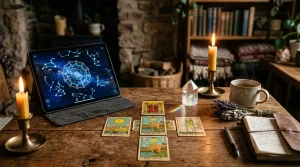
Did you know that more people than ever are turning to tarot not just for insight into their futures but as a valuable tool for self-reflection? If you’ve ever wondered whether you can read the cards for yourself, you’re not alone. Many are curious about how to tap into the wisdom of tarot to gain clarity on personal challenges, make decisions, or explore emotional landscapes. Fortunately, self-reading can be a powerful practice that deepens your intuition and connects you with your inner voice.
In this guide, we’ll explore effective tips and techniques for successful self-tarot readings, helping you to build confidence and trust in your intuitive abilities. Whether you’re a complete beginner or looking to refine your skills, you’ll find practical advice that respects your unique journey. So, grab your tarot deck and let’s unlock the potential of self-discovery together!
Understanding the Basics of Tarot for Self-Reading

Tarot cards have fascinated people for centuries, not just as divinatory tools but also as a means of self-reflection and personal insight. Whether you’re a complete beginner or have dabbled in readings before, understanding the essence of tarot can unlock profound self-awareness and guidance. At its core, tarot is a mirror-reflecting your thoughts, feelings, and life circumstances, allowing you to explore your inner world.
To start your journey into self-reading, it’s vital to familiarize yourself with the structure of a tarot deck. A standard deck consists of 78 cards, divided into the Major Arcana, which represents significant life events and spiritual lessons, and the Minor Arcana, which provides insight into everyday situations. Each card has its own imagery, keywords, and meanings, inviting you to connect personally with the archetypes they represent. For instance, drawing The Fool may symbolize new beginnings and taking risks, while The Tower could indicate upheaval or change. These interpretations serve as starting points for your readings, but trust your intuition; it often reveals the underlying messages you need to hear.
Building a comfortable and open mindset is crucial for effective self-reading. Before diving into your deck, consider setting an intention for your reading. What question or situation are you focusing on? This clarity helps pull insights from the cards more effectively. Take a moment to center yourself-inhale deeply, let go of distractions, and embrace a calm state of mind. This practice not only enhances your connection to the cards but also prepares you to receive the messages they hold.
As you lay out your cards, try using spreads that resonate with your inquiry. A simple three-card spread can provide insights into your past, present, and future regarding a particular question. If you’re feeling adventurous, explore more elaborate spreads as you grow comfortable with the process. Remember, the goal is to engage with the cards intuitively, allowing their meanings to unfold organically in relation to your life experiences. With practice, you’ll develop a personal language with your tarot deck, transforming your readings into a powerful tool for self-discovery and growth.
Choosing the Right Tarot Deck for You
Choosing the right tarot deck can feel like a daunting task, especially with the vast selection available today. Yet, it’s one of the most important steps in your tarot journey. Your deck should resonate with you personally, acting as a medium through which you interpret your thoughts and feelings. A well-chosen deck not only enhances your readings but can also serve as a cherished tool for self-discovery.
When selecting your deck, consider the artwork. Each tarot deck features different illustrations, and the imagery can evoke a range of emotions and intuitions. Some people are drawn to the traditional imagery of the Rider-Waite-Smith, known for its clear symbolism, while others might prefer the whimsical designs of the Wild Unknown or the darker themes of the Crow Tarot. Spend time browsing through potential decks online or in stores; feel free to look at examples or reviews. How does each deck make you feel? Pick one that sparks your curiosity and aligns with your personal aesthetic and spiritual journey.
Next, think about the deck’s theme or purpose. Some decks focus on specific aspects of life, such as self-care, healing, or love, whereas others might explore more esoteric or cultural themes. For instance, the Light Seer’s Tarot might appeal to those seeking empowerment and positivity, while the Thoth Tarot delves into complex symbolism and psychological insights. Understanding what you hope to achieve with your readings can guide you in choosing a deck that speaks to your goals.
Lastly, don’t overlook the importance of size and texture. A deck that feels comfortable in your hands will enhance your connection during readings. If you have smaller hands, a deck with larger cards might be cumbersome. Also, consider whether you prefer a glossy finish or a matte one, as this can impact how the cards feel and shuffle. Many readers recommend the act of shuffling as a form of meditation, so finding a deck that feels good in your hands can deepen that practice.
As you explore options, remember that there’s no right or wrong choice. The ideal deck for you will ultimately be the one that reflects your personality, inspires your intuition, and encourages your growth on this unique journey of self-exploration through tarot. Embrace the excitement of finding a deck that resonates with you; it’s the first step toward unlocking the transformative power of tarot in your life.
Setting the Stage: Creating a Sacred Reading Space

Creating the perfect environment for your tarot readings sets the stage for meaningful insights and deep connections with your intuition. A sacred space allows you to immerse yourself fully in the reading, helping you to open up and receive messages from the cards without distractions. Consider this your personal sanctuary where spiritual practice meets personal reflection.
Start by choosing a location that feels comfortable and inviting. This could be a quiet corner of your home, a cozy nook by a window, or even an outdoor space where you feel connected to nature. Lighting plays a crucial role in ambiance-soft, warm light can enhance your sense of calm and focus. If it’s too bright or harsh, consider using candles or fairy lights to create a more magical atmosphere.
In addition to lighting, think about the physical setup of your space. A clean, organized area makes it easier to concentrate and can help to clear your mind. Lay out a soft cloth or tarot mat where you can place your cards, and include any meaningful objects that amplify your connection, such as crystals, stones, or images that inspire you. You might also want to incorporate scents that resonate with you; essential oils or incense can evoke a peaceful mindset and signal your brain that it’s time for reflection.
Here are some elements you can include to enrich your sacred reading space:
- Candles: Light a candle to promote a serene atmosphere and symbolize the illumination of intuition.
- Crystals: Use stones like amethyst for tranquility or clear quartz for clarity.
- Essential Oils: Diffuse calming scents like lavender or sandalwood to help center your energy.
- Personal Touches: Add items that hold personal significance, whether it’s a favorite book, a small statue, or artwork that inspires you.
Finally, set an intention for your reading each time you sit down. This could be as simple as asking for clarity on a specific question or a general request for guidance. By dedicating your space to this purpose, you establish a routine that honors your intuitive journey, making your readings more impactful over time. Each session becomes a blend of ritual and personal exploration, paving the way for profound self-discovery through the rich symbols and meanings of the tarot.
Developing a Grounding Ritual for Self-Reading
Establishing a grounding ritual before diving into a tarot reading is essential for creating a focused state of mind and enhancing the connection with your intuition. Grounding helps you clear distractions, center your energy, and elevate your intentions, making your self-readings more impactful. Consider this ritual both a preparation and a moment of reverence for the symbols and insights the tarot has to offer.
Begin by finding a comfortable position, whether seated or standing, and take a few deep breaths. Inhale deeply through your nose, filling your lungs fully, and then exhale through your mouth, letting go of any tension. As you breathe, visualize your thoughts settling down like leaves gently floating to the ground. This imagery reinforces the connection to the Earth, allowing you to feel anchored and present.
Incorporating tactile elements can enhance your grounding ritual. You might hold a small crystal, such as clear quartz for clarity or black tourmaline for protection, while focusing on your breathing. Alternatively, consider placing your hands on a surface, like your tarot mat, as a way to connect physically with your space. This elemental connection can help you focus your intention on drawing wisdom from the cards, grounding your energy and receptivity.
To further solidify your grounding practice, set a specific intention for your reading before you begin. This could be a question about your current situation or a broader request for guidance in an area of your life. Speaking this intention aloud or writing it down can amplify its presence. For instance, you might say, “I seek clarity and insight regarding my personal growth journey.” This intention serves as a beacon, guiding the energies you attract during the reading.
Wrap up your grounding ritual by expressing gratitude. A simple thank-you to the universe or a nod to your higher self represents an acknowledgment of the divine support available to you. This attitude of appreciation not only enriches your practice but also opens pathways for deeper connections with the messages that emerge from the tarot.
By integrating these grounding steps into your tarot routine, you cultivate a sacred space for self-exploration, allowing the cards to unfold their stories with greater clarity and resonance. This practice invites a deeper engagement with your intuitive abilities and cultivates a supportive, enriching experience every time you read for yourself.
Essential Tarot Spreads for Personal Insights
Crafting a tarot spread that resonates with your unique needs can significantly enhance your self-reading experience. Each spread serves as a roadmap, guiding your inquiry into specific aspects of your life, offering clarity, and supporting personal growth. Whether you’re a beginner or more experienced with tarot, selecting the right spread can help you unlock valuable insights.
Simple One-Card Spread
The one-card spread is perfect for quick insights or daily guidance. Just shuffle your deck while focusing on a question or area of your life you want clarity on. Draw a single card and contemplate its meaning in the context of your situation. For example, drawing The Fool might suggest embracing new beginnings or stepping into the unknown. This spread not only sharpens your intuition but is also an excellent way to develop your connection with the cards.
Three-Card Spread for Past, Present, Future
This classic spread provides a snapshot of your life’s journey. Each card represents a different time frame: the first card reflects the past influences that shape your life, the second card reveals the current situation, and the third card offers potential outcomes or future directions. As an example, if your past card is Six of Cups (indicating nostalgia), your present card is The Magician (showing empowerment), and your future card is the Ten of Cups (symbolizing fulfillment), you can see a clear narrative of moving from reflection to manifesting dreams.
Five-Card Crossroad Spread
For deeper exploration, particularly when facing a significant decision, the five-card crossroad spread can illuminate options. Position the cards to represent each aspect of the decision: the first card signifies the current situation, the second shows your options, the third card reflects challenges, the fourth presents advice, and the fifth indicates the potential outcome if you follow that advice. By laying out your options clearly, you can weigh the pros and cons more effectively.
Self-Care & Reflection Spread
In times of stress or overwhelm, a self-care spread can remind you to focus on nurturing yourself. Layout three cards to explore these areas: what to release, what to embrace, and what to practice for self-care. For instance, if you draw the Nine of Swords for what to release (indicating anxiety), The Empress for what to embrace (representing nurturing), and the Four of Swords for what to practice (showing the need for rest), you receive a holistic view that guides your path toward personal well-being.
Engaging with these spreads encourages you to reflect, embrace your intuitive gifts, and build a meaningful dialogue with your tarot deck. Over time, as you become more comfortable with the cards, you can experiment with more complex spreads and customize them according to your needs, enhancing both your readings and your personal growth journey.
Interpreting Tarot Cards: A Step-by-Step Approach
To truly connect with your tarot cards, understanding how to interpret them is crucial. Each card is not just a symbol; it’s a gateway to your intuition and insights. As you embark on your self-reading journey, remember that interpreting tarot is both an art and a practice that grows with experience. Here’s a step-by-step guide to aid you in deciphering the messages from your cards.
Start by establishing a clear question or intention for your reading. This could be as specific as “What should I focus on this week?” or more general like “What do I need to know about my current relationship?” Having a centered focus will help you connect the cards’ meanings to your personal situation.
Next, draw your cards based on the spread you’ve chosen. Once laid out, take a moment to observe their positions and surroundings in the spread. Allow your intuition to ignite. Each card’s imagery, color, and symbolism can stir up thoughts and feelings relevant to your inquiry. Here’s how you can decode their meanings:
- Identify Key Meanings: Start with the basic traditional meanings of the cards. For example, The Lovers might represent relationships or choices, while The Tower could symbolize upheaval or sudden change.
- Context Matters: Consider how each card interacts with others in the spread. If The Tower appears alongside The Star, it might suggest that after chaos comes healing.
- Personal Associations: Reflect on what personal experiences or feelings the card invokes. This could vary widely between readers, creating unique narratives.
- Combine Intuition and Knowledge: Use your learned meanings and your intuitive impressions together. For instance, if you pull the Eight of Cups, and you feel a sense of wanderlust, it may indicate a need to walk away and explore new horizons.
After interpreting the cards in context, it’s helpful to journal your findings. Write down not only the interpretations but also any emotions, insights, or questions that arise. This practice deepens your understanding and creates a reference point for future readings.
As you develop your skills, engaging with a variety of spreads can enhance your interpretations. For beginners, sticking to simple spreads such as a one-card draw or a three-card spread can help build confidence. Advanced readers might explore elaborate layouts that delve deeper into complex inquiries. Always remember: tarot is about exploration and reflection, not just answers. Trusting your gut feelings will guide you as you unlock the wisdom of the cards, allowing for a richer and more empowering self-reading experience.
Common Mistakes in Self-Reading and How to Avoid Them
When embarking on the journey of self-reading with tarot, it’s common to stumble into a few pitfalls that can hinder your experience and understanding. Recognizing these mistakes is the first step towards achieving more insightful and accurate readings. One major error is reading too broadly or asking vague questions. Instead of simply wondering, “What does my future hold?” try honing in on specific aspects of your life, such as, “What can I do to improve my career this month?” A focused intention not only clarifies your reading but also helps you connect more deeply with the cards.
Another prevalent mistake is over-relying on the guidebook interpretations of the tarot cards without incorporating your intuition. While traditional meanings offer a helpful foundation, every reader has a personal touch that can enrich the reading experience. For instance, if you pull the Ace of Cups and immediately think about a recent act of kindness someone showed you, trust that connection. Your personal insights may provide a layer of depth that standard interpretations cannot capture. To nurture this intuition, practice journaling your thoughts and feelings about each reading, noting how they resonate with your current life.
Disappointment can also arise when readers expect definitive answers or predictions. Tarot is not about foretelling the future in concrete terms; rather, it serves as a tool for reflection and inspiration. Maintain an open mind and embrace the ambiguity. Consider each reading as an exploration of possibilities rather than fixed outcomes. For example, if you draw The Wheel of Fortune, instead of limiting your interpretation to “change is coming,” think about how cycles of change influence your current situation and what actions you can take to align with those changes.
Lastly, many enthusiasts fail to create a suitable environment for their readings. Distractions can disrupt your focus and intuition, so take time to set the stage. Find a quiet space, light a candle, or use crystals that resonate with you. This intentional space helps signal to your mind that it’s time to connect with the cards. Remember, your approach to tarot should feel special and sacred, making it easier for you to receive the messages intended for you.
By being mindful of these common mistakes, you’ll enhance your self-reading practice and foster a deeper, more fulfilling relationship with your tarot cards, leading to insights that empower and enlighten you.
Deepening Your Intuition: Trusting Your Inner Voice
Listening to your inner voice is essential when delving into the world of tarot. Each card not only holds traditional meanings but also resonates with personal significance for the reader. This connection is your intuition speaking, guiding you toward insights that are uniquely relevant to your life. The key lies in developing a relationship with your instincts, allowing the cards to spark your intuition rather than relying solely on established interpretations.
To tap into your intuitive abilities, begin with a simple practice. After drawing your cards, take a moment to observe your immediate feelings and thoughts about them. What images stand out to you? What personal experiences do they evoke? For instance, if you draw The Empress, you might think of nurturing moments in your life-this personal connection can lead to profound insights about your current situation, whether it’s about self-care or creative expression. Trusting these gut feelings is crucial; they are not just fleeting thoughts but echoes of your deeper understanding.
Creating a conducive environment for your readings can significantly enhance your intuitive experience. Set the stage by minimizing distractions and introducing elements that foster peace, such as calming music or soothing essential oils. This sacred space encourages a mindset where your intuition can flourish. As you begin your reading, consider employing meditation or breathing exercises to quiet the mind and open your heart. This grounding approach can help you distinguish between the noise of everyday life and the subtle messages of your intuition.
Finally, keep a tarot journal. Record your readings and reflect on them over time. Note not only the card meanings but also your initial intuitive responses. This process will help you recognize patterns in your intuition and increase your confidence in trusting it. Over time, you will likely observe how your intuitive insights align with your life’s unfolding narrative, forming a deeper bond with your tarot practice and enriching your self-discovery journey. By embracing and nurturing your intuition, you transform tarot from a mere tool for divination into a powerful guide for personal growth.
Reflecting on Your Readings: Journaling Techniques
Keeping a tarot journal is one of the most rewarding aspects of practicing self-reading, serving as a bridge between your intuitive insights and future reflections. This technique not only enhances your understanding of the cards but also helps document your personal growth and evolving relationship with tarot. Each entry becomes a snapshot of your emotional landscape during a particular moment, allowing you to track how your interpretations shift over time.
Begin your journaling journey by noting the details of each reading. Include the date, your reasoning for the reading, and a brief description of your mindset and situation at the time. This context is crucial; it shapes how you interpret the cards. For example, if you pull The Tower during a particularly tumultuous period, your understanding of that card’s chaotic energy may differ significantly from a more stable timeframe.
After documenting the reading, delve deeper by reflecting on each card’s symbolism. What images or words resonate with you? Write about any personal connections you find. Perhaps the Three of Cups comes up, and you recall a recent gathering with friends. This could underscore themes of community and support, leading to insights about your current social life. It’s important to trust these associations, as they often reveal your subconscious thoughts and feelings.
Tips for Effective Journaling
- Be Consistent: Dedicate a specific time each week to reflect on your readings. Consistency develops habit and improves your intuitive skills.
- Use Prompts: If you’re unsure where to start, use guiding questions. For example, “What do I fear about this situation?” or “How can I better harness the energy of this card?”
- Revisit Past Readings: Occasionally look back through your entries to spot patterns. Over time, you may notice recurring themes or life cycles that can inform your current readings.
Embracing journaling as part of your tarot practice can greatly enhance your self-discovery journey. It encourages introspection and nurtures your intuitive capacities, creating a layered understanding of not only the tarot but also of yourself. Remember, this practice is not just about recording; it’s about engaging in a dialogue with your inner self, allowing tarot to illuminate paths towards personal insight and growth.
Exploring Advanced Spreads and Techniques
Unlocking the secrets of tarot reading often involves venturing into advanced spreads and techniques that allow for deeper insights and richer narratives. These methods can enhance your self-reading experience, providing clarity and a more nuanced understanding of your current life situations. One popular approach is the Celtic Cross spread, which gives a comprehensive overview by incorporating ten cards-each representing different aspects such as challenges, past influences, and potential outcomes. It’s a favorite among seasoned readers because it covers a wide array of influences entering your life.
Another intriguing technique is the Three Card Spread, which is ideal for those new to self-reading but still offers profound insights. This simple spread answers three questions: what to embrace, what to release, and what’s on the horizon. It fosters a direct conversation with your intuition, allowing for a more surface-level exploration that can often yield surprising revelations.
For those desiring to dive even deeper, consider utilizing the Birth Card technique. By calculating your ‘Birth Card’ based on your birth date, you establish a personal connection with specific cards that influence your life’s journey. This can add layers of understanding to your readings, as these cards can guide your interpretations during self-reflection.
Advanced Techniques to Enhance Your Readings
- Integrating Elemental Associations: Pay attention to the elements (fire, water, earth, air) represented in your readings. Each element brings a distinct energy that can influence the interpretation. For instance, pulling cards from the Suit of Cups (water) might reflect emotional currents at play.
- Timing Techniques: Use tarot for predictive purposes by adapting your readings to focus on timing. Incorporate lunar cycles or astrological transits into your spreads to align your insights with natural rhythms.
- Symbol Retrieval: When you pull a card, take a moment to engage in mindfulness about its symbols. Draft symbols on notecards and periodically draw them to create personal meanings that relate to your life uniquely.
As you explore these advanced techniques, remember that every reader’s journey is unique. Trust your intuition and allow it to guide your understanding as you engage with the cards. This practice is less about strict interpretations and more about nurturing a relationship with your inner wisdom through the lens of tarot. Embrace the adventure, and let the cards lead you to insights that resonate with your personal journey.
Sharing Your Readings: Building Community Connections
Connecting with a community can transform your tarot practice from a solitary journey into a rich tapestry of shared experiences and insights. When you begin to share your readings, both successes and challenges, you not only deepen your understanding of the cards but also foster a space where collective wisdom flourishes. Engaging with others allows you to see new perspectives, enhance your intuitive interpretations, and develop a support network that encourages growth and learning, regardless of experience level.
Begin by joining online forums or social media groups focused on tarot. Here, you can find like-minded individuals who share your passion, whether they are seasoned readers or beginners navigating the cards. Platforms like Facebook, Reddit, and specialized tarot websites often have groups dedicated to sharing readings, offering feedback, and discussing various interpretations. This collaborative atmosphere can help alleviate the feelings of isolation that some might experience when reading for themselves.
Creating Opportunities for Sharing
Consider initiating your own ‘tarot study group’ either online or in your local community. Schedule regular meet-ups where members can bring their spreads, exchange interpretations, and share personal anecdotes that relate to specific card meanings. This interactive environment encourages open dialogue, enabling everyone to gain insights from different viewpoints. Here are a few ideas to get started:
- Host Virtual Reading Sessions: Use platforms like Zoom to gather your friends or fellow tarot enthusiasts. Have each participant share a recent reading and their interpretations. Be open to discussing differing viewpoints, which can unveil layers of meaning you may have missed.
- Social Media Tarot Challenges: Participate in or create monthly tarot challenges that encourage users to pull cards related to specific themes (like love, career, or personal growth). Sharing these insights online can spark dialogues and invite feedback from a larger community.
- Writing and Blogging: Consider starting a blog or contributing to existing forums. Documenting your readings and lessons learned provides a platform for reflection, giving others a window into your tarot life while inviting comments and discussions.
Navigating Constructive Feedback
When you share your readings, be open to receiving constructive feedback from your peers. This feedback is invaluable, helping you to refine your interpretations and deepen your understanding of the cards. Approach sharing as an opportunity for growth, embracing the various insights and critiques that may enhance your comfort and confidence in reading.
In the end, sharing your tarot journey is about more than just the cards; it’s about building connections that enrich your practice and spiritual exploration. Tarot inherently connects us to profound questions and universal themes, and sharing this journey with others can illuminate even deeper truths. Let your journey resonate within a community-a nurturing blend of learning, support, and collective energy can help you flourish as both a reader and a seeker.
Resources for Continuous Learning in Tarot
To truly flourish in your tarot journey, exploring diverse resources is essential. The world of tarot is both vast and rich, offering a plethora of books, online courses, and communities that cater to all levels, from beginners to advanced practitioners. By immersing yourself in various resources, you can deepen your understanding of the cards, enhance your intuitive skills, and refine your reading techniques.
Books and Guides
One of the best ways to enhance your tarot knowledge is through literature. Start with foundational texts like The Ultimate Guide to Tarot and The Tarot Bible, which cover essential card meanings and various spreads. For a more advanced perspective, consider Seventy-Eight Degrees of Wisdom by Rachel Pollack, which delves into the psychological aspects of tarot. These books not only provide insight into card interpretations but also inspire you to develop your unique reading style.
Online Courses and Workshops
In our digital age, countless online platforms offer interactive courses designed specifically for tarot enthusiasts. Websites like Skillshare or Udemy feature classes on topics ranging from beginner tarot reading to advanced interpretation techniques. Additionally, look for webinars hosted by experienced tarot readers who provide live instruction and Q&A sessions, allowing you to gain real-time guidance and support.
Communities and Forums
Engaging with fellow tarot practitioners can be incredibly rewarding. Join online forums such as Aeclectic Tarot or Facebook groups dedicated to tarot discussions. Here, you can share your experiences, ask questions, and gain feedback on your readings. These platforms not only foster a sense of community but also expose you to different perspectives and interpretations that can significantly enrich your practice.
Journaling and Self-Reflection
Another valuable resource is maintaining a tarot journal. Documenting your readings, thoughts, and personal insights helps reinforce your learning and encourages deeper reflection. Consider including sections in your journal for card of the day reflections, insights gained from readings, and any intuitive hits you experienced. This practice not only tracks your growth but also cultivates a deeper connection to the cards.
Utilizing these resources helps demystify tarot, empowering you to trust your intuitive abilities and read with confidence. Remember, tarot is a deeply personal journey, and the more you explore, the more you will uncover about yourself and the cards. Embrace the adventure of learning; each new insight brings you closer to mastering the art of tarot reading.
Frequently Asked Questions
Q: Can I learn tarot reading by myself?
A: Yes, you can absolutely learn tarot reading on your own! Start by studying the meanings of the cards, practicing different spreads, and journaling your readings. Resources like books, online courses, and communities can provide additional support as you develop your skills.
Q: What should I do if I feel confused during a self-reading?
A: If you feel confused during a self-reading, take a moment to pause and breathe deeply. Reflect on the cards’ imagery and trust your intuition. Consider pulling a clarifying card or revisiting your intention for the reading to gain more insight.
Q: How often should I do tarot readings for myself?
A: The frequency of your tarot readings depends on your personal preference. Many find it helpful to read once a week to reflect on their journey, while others may read daily for guidance. Listen to your intuition to find a rhythm that feels right for you.
Q: What is the best way to interpret tarot cards during a self-reading?
A: To interpret tarot cards effectively during a self-reading, start by examining each card’s traditional meanings and symbolism. Connect them to your question or situation, and pay attention to your instincts-trust your initial reactions as valuable insights.
Q: How can I enhance my intuition for tarot self-readings?
A: Enhancing your intuition involves regular practice and mindfulness. Engage in activities like meditation, which helps you connect with your inner voice. Additionally, try free-writing after readings to explore your thoughts, helping you recognize intuitive insights over time.
Q: Are there specific tarot spreads recommended for beginners?
A: Yes! Beginners often benefit from simple spreads like the Three-Card Spread for past, present, and future insights or the Celtic Cross for comprehensive evaluations. These spreads help build your confidence and deepen your understanding of card relationships.
Q: How can I create a meaningful intention for my tarot readings?
A: To create a meaningful intention for your readings, focus on a specific question or area of your life you want clarity on. Phrase your intention positively and allow yourself to connect emotionally with it. This sets a powerful foundation for your reading.
Q: Why is journaling important after tarot readings?
A: Journaling after tarot readings is crucial as it helps you document your insights, emotions, and patterns over time. This practice not only reinforces your understanding of the cards but also tracks your intuitive growth. Review your journal regularly to discern trends and deepen your practice.
In Summary
As you embark on your journey of self-reading with Tarot, remember that each card holds a unique story waiting to be uncovered. By trusting your intuition and applying the tips we’ve discussed, you can unlock deeper insights into your life and decisions. Don’t hesitate to start practicing today-every reading brings you closer to mastering this art!
For more guidance, check out our articles on interpreting specific card meanings and advanced Tarot spreads. These resources will enhance your skills and enrich your readings. If you found this guide helpful, consider signing up for our newsletter to receive more tips and exclusive content tailored for aspiring Tarot readers like you. Share your thoughts or experiences in the comments below; we’d love to hear how your self-readings unfold!
Embrace the magic of Tarot-each session is a stepping stone to greater self-awareness. Your cards are ready to share their wisdom; are you prepared to listen? Keep exploring, and let your intuition guide you.
Get our latest guides, news, and insights highlighted in your Google Search & AI Overviews.