Tarot readings can be a source of guidance, insight, and reflection, rising in popularity as people seek clarity in an uncertain world. But a common question lingers: can you truly trust these mystical cards? Understanding when to believe the results of your tarot readings is essential for harnessing their potential without falling prey to doubts or misconceptions. Whether you’re a curious skeptic or a devoted seeker, this exploration aims to demystify the tarot, revealing how to approach readings with a balanced mindset. We’ll address your concerns about accuracy, connection, and intuition, helping you cultivate confidence in your personal journey with the cards. Dive in with an open heart and mind, as we unravel the layers of tarot’s wisdom together.
Can Tarot Readings Really Be Trusted?
Can tarot readings serve as a trustworthy guide in our lives? While some may view tarot as mere entertainment, many individuals find profound insights that resonate deeply with their personal journeys. The key lies in the reader’s intuition and the relationship you cultivate with the cards. When approached with an open mind, tarot can offer clarity and perspective, helping you navigate life’s complexities.
A reading’s trustworthiness often hinges on your interpretation and connection with the imagery and symbolism of the cards. Each card has its unique meanings, but how these meanings apply to your particular situation can vary widely. For instance, pulling The Tower might seem alarming, but it can signify much-needed change rather than catastrophe, depending on the context of the reading. This illustrates how the interpretive nature of tarot allows for personal relevance; your intuition plays a crucial role in translating the cards’ messages into actionable insights.
To maximize the potential of your tarot experience, consider the intentions behind your inquiry. A clear, focused question invites clearer guidance. Trust can also stem from experiencing consistent accuracy in readings over time, reinforcing your belief in the process. As you engage with tarot, pay attention to how the messages resonate with your lived experiences and emotional truths. Use it as a mirror reflecting your inner thoughts and doubts, not merely a prediction tool but a companion on your journey of self-discovery.
Always remember, skepticism is a natural part of the exploration. Approach your readings with curiosity and a willingness to learn. This balanced mindset fosters a healthy relationship with tarot, allowing you to discern when its insights truly resonate. In the end, the trust you place in tarot should empower you, fostering confidence in your intuition and understanding of your life’s path.
When to Approach Tarot Readings with Skepticism

A sense of skepticism can be a healthy approach when delving into tarot readings, especially for those new to this mystical practice. It’s important to remember that tarot isn’t infallible; it thrives on interpretation and context, which can vary widely. Approaching readings with a critical eye can help you discern between genuine insights and vague explanations that may not resonate with your situation.
When considering a tarot reading, be aware of your emotional state and expectations. If you approach a session feeling desperate for answers or confirmation, you might skew your interpretation of the cards. For instance, if you pull The Lovers, you may be inclined to see it solely as a signal of a romantic relationship’s success, ignoring other possible meanings, such as choices or duality. By maintaining a skeptical mindset, you can challenge your own assumptions and remain open to the broader messages the cards may convey.
It’s also wise to scrutinize the reader’s credibility. Seek out practitioners who foster a transparent and respectful atmosphere. If a reader makes absolute declarations about your future without consideration for your input or circumstances, that should raise a red flag. Authentic tarot experiences should feel collaborative, allowing for questions and discussion. A skilled reader will not only interpret cards but will also encourage you to reflect on how their meanings resonate with your life.
Finally, recognize that tarot is a tool for introspection rather than a definitive answer to life’s uncertainties. While it can illuminate paths and areas for growth, it should not replace personal agency or critical thinking. By balancing your enthusiasm for the cards with healthy skepticism, you create a dynamic where the readings become a source of guidance and empowerment rather than blind faith. Embrace the mysteries of tarot, but always keep your discernment at the forefront of your spiritual journey.
Understanding Tarot: A Beginner’s Guide

Understanding tarot can feel daunting, especially for newcomers exploring its depths. The good news? Tarot is more accessible than it appears. At its core, tarot serves as a tool for reflection and insight, helping you to navigate your thoughts, feelings, and life situations. Each card carries its own set of meanings and associations, but it’s the interplay of these cards in a spread that begins to unveil personalized interpretations. This makes tarot a unique blend of art, psychology, and intuition.
To embark on your tarot journey, start by familiarizing yourself with the structure of a tarot deck. A standard deck consists of 78 cards divided into two main parts: the Major Arcana and the Minor Arcana. The Major Arcana contains 22 cards that represent significant life themes and spiritual lessons, while the Minor Arcana consists of 56 cards divided into four suits (Cups, Wands, Swords, and Pentacles) that reflect everyday experiences and challenges. Understanding these basic categories can help you interpret the cards more deeply.
While it’s helpful to study the meanings of individual cards, real insight often comes from how you intuitively connect these meanings to your own life situations. A common beginner practice is to perform a simple three-card spread: one for the past, one for the present, and one for the future. As you lay out the cards, take a moment to center yourself and focus on your question or intention. Reflect on the imagery and symbols within each card, noting how they resonate with your current circumstances.
Reading tarot is about more than just memorizing card meanings; it’s about developing a conversation with your intuition. Trust your instincts as you interpret the meanings. For instance, if you draw The Empress in a spread, while traditionally associated with fertility and abundance, consider what her energy might signify in your personal context-perhaps a reminder to nurture yourself or pursue creative passions. Embrace this intuitive dialogue, as it can empower you to find clarity and direction in your life’s path.
Lastly, remember that trusting tarot readings is a process. While they can offer guidance and perspective, they are not definitive answers. Approach your readings with an open mind and heart, but also with discernment. Engaging with tarot is about building a relationship-one that invites curiosity, introspection, and a deeper understanding of yourself and the world around you.
How Tarot Works: Unveiling the Symbols
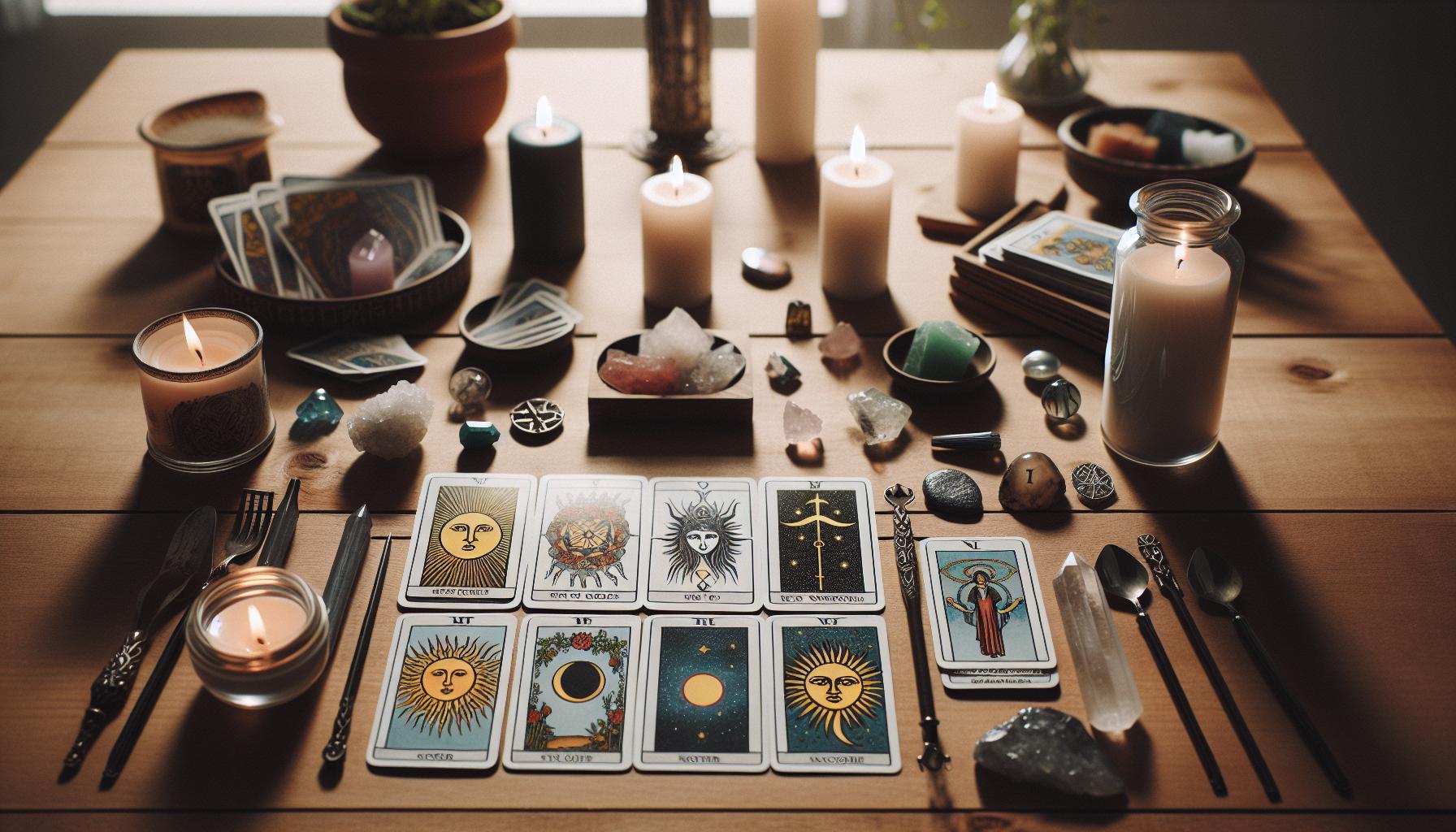
Every card in a tarot deck is steeped in rich symbolism, acting as a bridge to your subconscious and facilitating connections to your situation. Understanding how these symbols function will not only enhance your readings but also deepen your trust in the insights they provide. The visual narrative of each card can evoke emotions, provoke thoughts, and reveal patterns in your life, making tarot not just a tool for prediction, but a means for profound personal reflection.
- The Major Arcana: This subset of 22 cards represents pivotal life experiences and transformative moments. Cards like The Fool embody new beginnings and potential, while The Tower indicates upheaval and insight gained from chaos. These cards encourage you to consider the larger themes at play in your life.
- The Minor Arcana: Comprising 56 cards, this section explores day-to-day experiences through four suits: Cups (emotions), Wands (creativity and action), Swords (thoughts and conflict), and Pentacles (material aspects). Each suit presents its own symbols that resonate with the practicalities of daily living.
Interpreting the Symbols
As you engage with a card, pay attention to the imagery and colors. Each element can convey specific meanings; for instance, water in the Cups often symbolizes emotional depth, while flames in the Wands evoke passion and energy. The position of the card also plays a critical role-are you drawing a card for past, present, or future influence? Understanding the context can transform a simple interpretation into a relevant insight.
Real-world examples enrich this understanding-imagine drawing the Two of Swords while facing a difficult decision. The symbol of a figure blindfolded with crossed swords suggests a blockage in clarity and communication. Reflecting on this imagery may empower you to address these blocks directly, enhancing the relevance of the reading to your current situation.
Building a Personal Connection
The true magic of tarot lies in how you relate these symbols to your own life. Trust your instincts; if a particular image strikes a chord or evokes memories, allow that connection to guide your interpretation. Every reading is not just about understanding card meanings, but about fostering a conversation between the symbols and your inner self. Over time, this dialogue can enhance your intuitive abilities, making your readings both personal and profound.
As you explore the symbolism of each card, remember that the aim is not just to predict the future but to provide you with insights and tools for your journey. Each reading invites you to dig deeper, fostering growth and clarity, thus nurturing a richer relationship with yourself and the universe.
The Role of Intuition in Tarot Readings

Intuition is a vital part of the tarot-reading experience, often acting as the bridge between the seemingly abstract symbols on the cards and the practical realities of our lives. When you sit down for a reading, it’s not just about deciphering card meanings but about tuning into your inner voice and allowing it to guide you. Each tarot card can resonate differently based on your personal experiences, emotions, and questions, making your intuition an essential tool in interpreting their messages. For example, if you draw the Two of Cups, which typically signifies partnership and emotional connections, your intuition might lead you to think of a particular relationship in your life that needs attention, or perhaps it points to a new bond forming.
Trusting your intuition during a tarot reading can make the experience transformative. Begin by creating a calm, open space. As you shuffle the cards, pause and focus on your question or the situation at hand. Listen to that inner dialogue, be it feelings, images, or a sudden insight. This attentiveness helps you not only in identifying the significance of the cards but also in applying their meanings to your life concretely. If a specific image stands out-like the moon in the High Priestess card-consider what it symbolizes for you; perhaps it evokes feelings of intuition and the subconscious needing exploration.
Engaging with intuition doesn’t require any special skills; it’s accessible for everyone. Start small: during a personal reading, after drawing the cards, observe your first thoughts or emotions about each card before consulting traditional meanings. This practice nurtures your intuitive capabilities, leading you deeper into your tarot journey. Over time, the relationship between the symbols and your insights will flourish, enriching your readings and making them more relevant and impactful.
In summary, the magic of tarot lies in how it engages both the intellect and the intuitive mind. By trusting what you feel when drawn to certain symbols or insights, you empower yourself to unlock deeper meanings and personal reflections, making the tarot a profound companion on your path of self-discovery. Remember, each reading is an opportunity to explore not just what the cards say, but how their messages resonate with your own journey.
Recognizing Authentic Tarot Readers
In the evolving world of tarot readings, distinguishing between genuine and inauthentic readers is crucial for those seeking insightful guidance. The authenticity of a tarot reader can dramatically influence the experience and accuracy of the reading. Authentic readers approach their craft with respect, offering insight that resonates on a personal level, while ensuring that their interpretations empower rather than disempower clients.
To begin with, an authentic tarot reader openly discusses their process and beliefs, creating a comfortable space for inquiry. They encourage questions and foster a dialogue about the cards’ meanings, illustrating a genuine commitment to the client’s understanding. Here are some traits to look for:
- Active Listening: An authentic reader pays close attention to your questions and emotions, tailoring their insights accordingly.
- Ethical Standards: They respect confidentiality, ensure that their advice is constructive, and do not exploit vulnerability.
- Clear Communication: Good readers articulate their interpretations clearly, helping you understand how the cards relate to your circumstances.
- Intuitive Connection: Genuine readers trust their intuition, recognizing that their insights may go beyond traditional card meanings.
Another telling sign of authenticity is a reader’s openness about their experience with tarot. They should share their journey, including how they developed their skills and the types of readings they specialize in. A personal touch, such as sharing anecdotes from previous readings (without breaching confidentiality), can also illustrate their expertise and sensitivity to various situations.
It’s also beneficial to seek feedback about the reader from past clients. Online reviews or testimonials can provide a glimpse into their effectiveness. Reputable readers may even have their own platforms where they share knowledge and resources, indicating a passion for their craft beyond the monetary aspect.
Remember, trust your intuition when choosing a reader. If something feels off or if a reader exhibits overly commercial behavior, such as pressuring you into multiple sessions or upselling services, it may be a sign to look elsewhere. Ultimately, an authentic tarot reading should feel like a collaborative exploration, guiding you toward self-discovery and clarity. Your relationship with the reader should empower you to trust your own intuition and insights as you work together to untangle the questions on your mind.
Common Misconceptions About Tarot
Many people hold certain misconceptions about tarot readings that can skew their understanding and experiences. One prevalent belief is that tarot predictions are set in stone. In reality, tarot serves as a tool for guidance rather than a definitive prediction of the future. The cards reflect the energies and possibilities surrounding a situation at a given moment, allowing individuals to gain insights and make empowered choices. By recognizing that the future is fluid and influenced by personal decisions, you can approach tarot readings with a more open and constructive mindset.
Another common misconception is that tarot readers have a mystical power to foresee the future with absolute certainty. This viewpoint can lead to disappointment if a reading does not align with expected outcomes. In truth, authentic tarot readings depend on the reader’s intuition, experience, and the personal interactions shared during the session. The process is not about fortune-telling but about exploring one’s subconscious and gaining perspective on challenges and opportunities. An effective reader acts as a mirror, reflecting the querent’s feelings, thoughts, and potential paths.
People often think that tarot is only for those who are deeply spiritual or connected to the occult. However, tarot is a versatile tool accessible to everyone, regardless of their spiritual beliefs. Many individuals use tarot cards to explore personal growth, decision-making, or emotional clarity. Whether you view tarot as an art, a psychological tool, or a spiritual practice, it can offer valuable insights into your life, helping you navigate through complexities with wisdom and compassion.
Lastly, there’s a notion that tarot readings should always provide positive outcomes. This expectation can create resistance when difficult truths or challenging insights emerge. It’s essential to remember that tarot is about honesty and clarity, even when the messages are tough to hear. Embracing the complete spectrum of insights that tarot provides enables you to confront challenges head-on, fostering resilience and growth. Ultimately, the true strength of tarot lies in its ability to empower you, offering guidance that aligns with your journey and personal development.
Science and Skepticism: Tarot Under the Microscope
It’s a common scenario: you pull a card and feel an immediate connection, or perhaps skepticism washes over you. In the world of tarot, the balance between belief and doubt is a fascinating dance-one that often leads to rich personal insights. Scientific scrutiny of tarot poses questions about its validity as a tool for guidance. Many skeptics argue that such practices are merely psychological tricks, while believers find profound meaning and comfort in the cards’ messages.
To navigate the often murky waters of skepticism and faith in tarot, consider how biases can shape our interpretations. For instance, cognitive biases, such as confirmation bias, can lead individuals to privilege information that aligns with their existing beliefs while dismissing what contradicts them. This means that during a reading, it’s crucial to approach the experience with an open mind, ready to explore what emerges rather than seeking only fortuitous answers. Engaging with tarot as a reflective tool can stimulate deeper understanding of one’s inner thoughts and feelings, creating a bridge between the mystical and the analytical.
Moreover, the role of intuition is significant in how one interprets tarot’s messages. Each card holds a multitude of meanings that can shift depending on the reader’s interpretation and the context of the question asked. While scientific studies have not definitively proven the effectiveness of tarot, many users report transformative experiences. This can be likened to methodology in psychology where readings reveal subconscious thoughts and feelings. When someone finds clarity after a session, it highlights how tarot can act as a catalyst for personal discovery regardless of its empirical grounding.
Remember that navigating your relationship with tarot is also about self-exploration. Embrace both your skepticism and belief as valid experiences. Tarot doesn’t necessarily require faith in the supernatural; it can instead be viewed as an intricate exploration of human intuition and insight. As you learn to differentiate between feelings of doubt and moments of enlightenment in your readings, you equip yourself with a more nuanced understanding of what tarot can offer: a unique lens through which to explore your life’s questions, empowering you to take steps toward your desired path.
Empowering Your Intuition Through Tarot
To truly harness the power of tarot, it’s essential to tap into your intuition. Intuition is like an inner compass, guiding you through the layers of meaning each card presents. When you sit down to read the cards, start by quieting your mind and setting a clear intention. This will create a space where your intuitive insights can flourish.
One effective way to cultivate intuition is through practice. Begin with simple spreads, like a one-card draw or a three-card spread. Ask yourself a question, shuffle the deck, and pull your cards. Before diving into traditional interpretations, take a moment to reflect on your initial feelings about each card. What images or emotions arise? This reflection often reveals deeper insights that traditional meanings alone may not provide.
- Trust your instincts: When a card’s image resonates with you, pay attention to that feeling. It may hold the key to your understanding.
- Keep a Tarot journal: Document your readings, thoughts, and any intuitive hits you experience. Over time, you’ll notice patterns that deepen your connection with the cards.
- Engage with the cards: Spend time looking at each card outside of readings. Meditate on them, explore their meanings, and allow your intuition to expand.
As you practice, remember that tarot is not about predicting the future, but rather illuminating your current path. When you empower your intuition alongside the wisdom of the cards, you create a powerful synergy that leads to more accurate and personal readings. Trust that this journey allows for both skepticism and belief to coexist, enriching your understanding of the mysterious and the mundane. With patience and openness, you’ll find that listening to your intuition can provide clarity and confidence, enabling tarot to become a trusted guide in your life.
Navigating Doubts: When to Take Tarot Seriously
Understanding when to take tarot seriously can be a transformative journey, helping you navigate through uncertainties with more clarity. One of the most compelling aspects of tarot is its ability to provide insights that resonate with your current situation. However, to truly trust your readings, it’s essential to discern moments of genuine connection from mere coincidences.
Start by tuning into your emotions during a reading. A strong emotional response to a card’s imagery or message can indicate that it’s relevant to your life. For example, if you pull the Two of Cups and feel a rush of warmth and connection, pay attention. It may signify an important relationship or partnership in your life. Create a reflective space to process how the energies of the cards align with your thoughts and circumstances. Keeping a journal of your readings can help you identify patterns and themes that emerge over time, reinforcing your intuition.
Trust Your Instincts
Your intuition plays a significant role in how effective a tarot reading can be. If a particular reading feels right or you find yourself returning to specific cards in your mind, it’s worth exploring further. During one reading, a client spoke of pulling the Knight of Swords and immediately felt a surge of determination-a reflection of an upcoming challenge at work. This card, often symbolizing action and rapid movement, encouraged them to adopt a proactive stance, leading to beneficial outcomes. Their experience highlights that treating tarot not just as a predictive tool but as a mirror to your inner landscape allows you to harness its full potential.
When Skepticism Is Healthy
Approaching tarot with a healthy dose of skepticism is also important. If a reading feels off or conflicts with your intuition, it’s perfectly valid to question its meaning. Consider the context: are you in a heightened emotional state? Are external factors influencing your perception? Taking a step back can provide clarity. It’s normal to have doubts about the insights you receive. This reflective process can ground you, allowing you to differentiate between what’s genuinely resonant and what’s merely noise. Ultimately, tarot serves as a guide, and your inner voice remains the final arbiter.
Real-Life Stories: Tarot Readings That Changed Lives
Many individuals have found their lives transformed through meaningful tarot readings, often experiencing profound shifts in perspective, direction, and understanding. These real-life stories illustrate how tarot serves not only as a tool for divination but also as a catalyst for personal growth and healing.
One striking example comes from a young woman named Sarah, who was at a crossroads in her career. Feeling unfulfilled in her job, she sought a tarot reading to gain clarity. The cards revealed the Three of Wands, symbolizing exploration and expansion. This insight prompted Sarah to pursue a long-held passion for travel and photography. Encouraged by the reading, she applied for a position that combined her skills with her love for adventure. A few months later, she was not only employed in a fulfilling role but also documenting her journeys, something she had always dreamed of. This reading not only illuminated her path but also empowered her to take actionable steps towards a happier life.
Another transformative story involves Mark, who faced a significant relationship challenge. During a reading, he drew the Tower card, which typically signals upheaval and change. Initially alarmed, Mark reflected on the message, realizing that it was a prompt to address unresolved issues in his relationship. He chose to communicate openly with his partner, leading to a heartfelt discussion that ultimately strengthened their bond. The reading, initially perceived as daunting, became a pivotal moment that encouraged honesty and vulnerability, illustrating how tarot can reveal deeper truths about our connections with others.
These experiences highlight a key principle: the value of tarot lies not just in predicting the future but in fostering self-awareness and guiding personal choices. Tarot readings can act as mirrors, reflecting our innermost thoughts and feelings, urging us to confront challenges and embrace change. Whether you approach tarot as a skeptic or a believer, the stories of those who have found wisdom and guidance through their readings serve as a testament to its potential to effect change in one’s life. By being open to the messages of the cards and trusting your intuition, you may discover new paths and insights that resonate deeply with your journey.
Enhancing Your Tarot Experience: Tips for Success
To truly enhance your tarot experience and gain meaningful insights from your readings, it’s important to approach the cards with intention and openness. The way you prepare for your reading can profoundly affect the clarity of the messages you receive. Start by setting a specific question or area of focus-this not only centers your energy but also sharpens your intuition. For instance, if you’re contemplating a career change, phrase your query around guidance for your path, such as, “What can help me make a fulfilling career choice?”
In addition to preparation, the environment in which you read can significantly impact your experience. Create a calming space where you feel safe and relaxed. This could involve dimming the lights, lighting candles, or playing soft music that inspires you. Consider using a dedicated tarot cloth to create a sacred space for your cards, allowing you to connect with them on a deeper level. As you shuffle and draw cards, take deep breaths, and allow your intuition to flow.
Practice Regularly
Regular practice can build your confidence and deepen your understanding of the cards. Start with simple spreads like the three-card spread for past, present, and future insights. As you become more comfortable, explore more complex spreads like the Celtic Cross. Document your readings in a journal, noting your thoughts, interpretations, and any significant events that occur after the reading. This reflective practice not only enhances your learning but can also reveal patterns over time, making the tarot feel increasingly relevant to your life.
Additionally, don’t shy away from tapping into collective wisdom. Consider joining a tarot community or an online forum where you can share your experiences and gain new perspectives. Engaging with others can help demystify the process and offer validation during difficult readings. Ultimately, trusting tarot and enhancing your experience comes down to being open, reflective, and willing to interact with the cards as a form of dialogue between your subconscious and conscious mind.
Q&A
Q: What should I consider before trusting a Tarot reading?
A: Before trusting a Tarot reading, consider the reader’s experience, your own state of mind, and the specific context of the reading. Assess if the reader demonstrates a genuine connection and whether you’re approaching the session with an open yet critical mindset. For tips on recognizing authentic readers, explore the section on Recognizing Authentic Tarot Readers.
Q: How can I tell if a Tarot reading is genuine?
A: A genuine Tarot reading typically involves personalized insights, a clear connection to your questions, and a respectful approach to your situation. Look for readers who encourage your intuition and provide insights that resonate with you personally. For more on this, check the Recognizing Authentic Tarot Readers section.
Q: Can Tarot readings really predict the future?
A: While some believe Tarot can predict the future, its true power lies in offering guidance and clarity on current situations. It’s about understanding your choices and the potential outcomes of your actions. If you’re curious about the practical use of Tarot, visit Can Tarot Readings Really Be Trusted?.
Q: What if I don’t resonate with a Tarot reading?
A: It’s perfectly normal to not resonate with every Tarot reading. Factors like your mindset, the reader’s style, or even the specific question can impact the outcome. Reflect on what elements didn’t connect, and don’t hesitate to seek another reading if necessary. For insights on Navigating Doubts, refer to the related article.
Q: How often should I have a Tarot reading?
A: The frequency of Tarot readings depends on personal needs; some prefer monthly sessions while others may choose quarterly or as needed. It’s essential to listen to your intuition and seek readings when you’re at a crossroads or require guidance. Explore more on this in Enhancing Your Tarot Experience.
Q: Are there specific signs that indicate a Tarot reading was accurate?
A: Signs of an accurate Tarot reading include feelings of clarity, unexpected insights aligning with your thoughts, and a sense of empowerment afterwards. Validations may occur over time as circumstances evolve based on your choices. For anecdotes on impactful readings, read Real-Life Stories: Tarot Readings That Changed Lives.
Q: Should I share my questions before a Tarot reading?
A: Sharing your questions can enhance the reading experience, as it allows the reader to focus on your concerns. However, you should also feel comfortable keeping some aspects private to see how the reading unfolds independently. For more tips, check the Empowering Your Intuition Through Tarot section.
Q: What role does intuition play in Tarot readings?
A: Intuition is crucial in Tarot readings, both for the reader and the querent. It helps interpret cards beyond their traditional meanings and connects deeply with personal situations. Developing your intuition can lead to more meaningful readings. Dive deeper into this in the The Role of Intuition in Tarot Readings section.
Future Outlook
As we conclude our exploration of trusting tarot readings, remember that the insights gained from your cards are not definitive answers but rather guiding principles. Embrace the idea of tarot as a tool for self-reflection and empower yourself by interpreting the messages in a way that resonates with your unique journey. If you’re still unsure or wish to delve deeper, consider trying a free Yes/No tarot reading to gain immediate clarity on pressing questions. These readings can help illuminate the path ahead, providing a moment of introspection and guidance when needed most.
For further insights, check out our resources on Love Tarot Readings and enhance your understanding of this mystical practice. Ready to uncover more about your spiritual journey? Sign up for our newsletter today and join a community of fellow seekers exploring the art of tarot and beyond. Your next revelation could be just a card away!
Shall I Believe in Tarot Reading When I Feel Something Good Will Happen?
A frequent and deeply personal question that seekers ask is: shall i believe in tarot reading i feel it is happening and something good will happen? When a spread predicts a positive outcome and your internal intuition immediately resonates with a sensation of hope, excitement, or certainty, navigating that feeling requires a grounded balance between intuitive trust and conscious action.
Psychologically, feeling that a favorable prediction is already unfolding reflects a state of cognitive alignment. When cards depict expansion—such as the Three of Wands, The Star, or The Sun—they act as a catalyst. Your subconscious mind recognizes opportunities, resources, and emotional openings that you may have previously overlooked. In analytical psychology, this synchronicity serves as an internal green light, validating that your current trajectory has positive momentum.
However, believing that something good will happen should never translate into passive waiting. The fatal flaw of divination is expecting the universe to deliver results while you sit idle. If a tarot reading highlights a breakthrough in your career or relationships, view that message as an invitation to co-create that reality. Keep submitting applications, expressing vulnerability, or investing in your craft. Trusting the reading means trusting the potential within yourself to bring that positive outcome into physical reality.
Get our latest guides, news, and insights highlighted in your Google Search & AI Overviews.