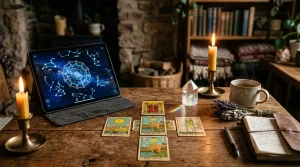
Many Tarot enthusiasts experience the profound insights and spiritual guidance that these cards can offer. However, a lesser-known concern is whether engaging with Tarot readings can lead to psychic exhaustion or drain your energy. This topic is particularly important for both seasoned practitioners and curious newcomers alike, as understanding energy dynamics can enhance your Tarot practices and overall well-being.
As you delve into the mysteries of the Tarot, it’s vital to recognize how sensitive and intuitive readings can impact your emotional and spiritual state. Many readers report feeling depleted after a session, leaving them questioning their energetic connection. Are you one of those who occasionally feels overwhelmed or fatigued? By exploring the relationship between Tarot and personal energy, this article will empower you to navigate your readings with confidence, ensuring you protect your intuitive gifts while enjoying the magic of Tarot. Stay with us as we unravel the intricacies of energy management in your Tarot journey.
Understanding Psychic Exhaustion from Tarot Cards
Engaging with tarot cards can be a deeply insightful experience, allowing for exploration of personal and spiritual realms. However, this engagement often shifts energy, leading some practitioners to encounter psychic exhaustion. This phenomenon isn’t merely a myth; it can arise from the intense focus and emotional investment required during readings, both for yourself and those you read for.
When you draw cards, you tap into a reservoir of collective energy that not only reveals insights but also demands energy in return. Each card you interpret carries its own vibrational frequency, demanding both mental and emotional engagement. This is particularly acute when working with clients who may bring their own heavy emotional burdens. Over time, this interaction can lead to what feels like burnout, especially if adequate self-care and energy management practices are not in place.
To mitigate psychic exhaustion, it’s essential to understand your own boundaries and the signs of energy depletion. Common symptoms include feeling unusually tired after a reading, difficulty concentrating, or a lingering sense of emotional heaviness. Recognizing these signs early allows you to take proactive steps, such as implementing grounding techniques or building a strong self-care ritual. A simple practice could include taking a few deep breaths, visualizing a cleansing light surrounding you, or engaging in physical grounding activities like walking outdoors.
Remember, your energy is precious. Honoring it through intentional practices enables you to offer clearer, more powerful readings while nurturing your own well-being. Tarot can indeed be a transformative tool, but approaching it with mindfulness and respect for your own energy levels is crucial.
How Tarot Reading Can Influence Energy Levels
Engaging with tarot is more than just a tool for divination; it’s a profound energetic exchange that can significantly influence your vitality. When you read tarot cards, you don’t just interpret symbols; you connect with layers of energy from the universe and the individuals involved in the reading. This multidimensional interaction can either uplift your spirit or, if not managed properly, drain your energy.
Each card holds its own resonance and elicits emotional responses, not only from you but also from your querent. For instance, drawing the Five of Cups, which often depicts loss and sorrow, might provoke a deep emotional reaction that needs to be processed. This can lead to an energy shift where you find yourself feeling weighed down by those emotions, leading to psychic exhaustion, particularly in longer sessions or when repeatedly confronting heavy themes. The energy flowing between you and the cards can amplify feelings-both positive and negative-and if you’re not careful, you may leave a session feeling depleted rather than invigorated.
It’s crucial to recognize the impact different reading practices have on your energy levels. Consider these elements that can influence this dynamic:
- Type of Spread: Complex spreads that involve numerous cards can increase the emotional load. Simpler spreads may help maintain your energy balance.
- Duration of Reading: Longer readings can lead to more significant energy exchange; setting a time limit can help manage this.
- Environment: The space in which you read also plays a role. A calming, sacred environment can help retain your energy, while chaotic settings may drain it.
Adopting rituals and practices to protect and recharge your energy before and after readings is essential. This not only enhances your readings but also ensures you remain a clear channel without absorbing the emotions around you. All these aspects together create a harmonious approach to tarot reading, making it a fulfilling experience rather than an exhausting one. By respecting and managing your energy, you empower yourself to serve others more effectively and with greater insight.
Signs of Energy Drain During Readings
Experiencing energy drain during a tarot reading can be both subtle and overt, manifesting in various physical and emotional cues. Many readers report feeling an unexpected fatigue, a sensation akin to having run a marathon, even after just a short session. This sense of weariness often arises when the emotional intensity of the reading surpasses what you are accustomed to handling. Recognizing these signals can help you manage your energy during readings and protect your well-being.
Pay attention to your body’s signals, which may include an unanticipated heaviness in your limbs or a sudden cloudiness in your thoughts. For instance, if you find yourself yawning excessively or feeling unusually thirsty, this might indicate that your energy levels are being depleted. Additionally, emotional indicators such as irritability, anxiety, or a lingering sense of sadness after a reading can signify that you’ve absorbed more energy from the session than is healthy. Reflect on the themes of the cards drawn-if you’re immersed in heavy emotions like those present in the Tower or Three of Swords, be particularly cautious, as these cards can elicit significant emotional responses from both you and your querent.
In the aftermath of a reading, check in with yourself. If you feel overwrought or disinterested in your usual activities, it may be a signal that you’ve overextented yourself. To alleviate this, establish a renewed focus on breathwork or grounding techniques, which can help rebalance your energy. Grounding might involve imagining roots extending into the earth, drawing up a sense of stability and clarity. Remember, tarot reading can be a beautiful exploration, but your energy should always remain harmonious and fortified. By developing awareness of these signs of energy drain, you can enhance not only your readings but also your overall spiritual practice.
The Connection Between Tarot and Emotional Fatigue
Experiencing emotional fatigue during tarot readings is a common occurrence, particularly for those who deeply invest themselves in the practice. When you draw cards that resonate strongly with your or your querent’s personal struggles, it can lead to an intuitive connection that, while profound, often leaves you feeling drained. This emotional exchange is a natural part of the reading process, reflecting the highs and lows of human experience captured within the imagery of the cards.
Understanding this connection between tarot and emotional fatigue begins with recognizing that tarot readings can actively engage your empathic abilities. As a reader, you absorb not only the energy from the cards but also the emotions of the individual seeking guidance. For example, encountering cards like the Five of Cups can evoke feelings of loss and regret. If you are attuned to these emotions, they can linger long after the session ends, causing fatigue and sometimes even a sense of heaviness. Such exchanges can be rich and rewarding, yet they require skillful management of your emotional boundaries.
To mitigate emotional fatigue, consider implementing a few practices before and after readings. Setting clear intentions before a session can help create a protective boundary, allowing you to engage with the querent’s energy without overly absorbing it. You might also experiment with visualization techniques, such as imagining a shield of light surrounding you, to create a buffer against any overwhelming emotions.
Additionally, post-reading rituals are essential for maintaining your energetic balance. After a session, take a moment to ground yourself-this could involve a few deep breaths, a brief meditation, or even a cup of herbal tea to reconnect with your body and soothe your mind. Reflecting on the reading, journaling your thoughts, or engaging in a routine that brings you joy can also help dissipate any residual emotional charge and bring clarity back to your energy. Remember, nurturing your emotional well-being enhances not only your readings but also your journey as a reader, allowing you to continue guiding others with confidence and compassion.
Balancing Tarot Use with Self-Care Practices
Engaging with tarot cards can be an exciting and meaningful practice, but it can also lead to psychic exhaustion if not approached mindfully. To maintain a healthy balance, incorporating self-care practices into your routine is essential. By prioritizing your energetic well-being, you can enhance your readings while minimizing emotional fatigue.
One effective way to align your tarot practice with self-care is to establish a pre-reading ritual. Before diving into a session, take a few moments to center yourself. This could involve deep breathing, a short meditation, or even tuning into calming music. As you prepare, set a clear intention for the reading, which can help create a protective boundary between your energy and that of the querent. Visualizing a light or protective shield around you is a great technique to prevent energy absorption. These simple practices not only ground you but also enhance your intuitive connection without feeling overwhelmed.
Post-reading, it’s equally important to engage in restorative activities. You might find journaling about your experiences helps to unload any residual energy or emotions from the session. Engaging with nature, whether through a walk outside or spending time in your garden, can provide a refreshing reset. Additionally, nurturing your body with herbal teas or nutritious snacks can recharge both your physical and mental states. Consider including activities that bring you joy, such as painting, dancing, or anything else that helps you reconnect with your spirit and passion.
Regular reflections on your emotional state are also vital. Take note of how different readings affect you emotionally and energetically. A particularly challenging session might require more extensive self-care, while lighter readings could feel invigorating. This awareness can guide your future practices and help you adjust your boundaries as needed. Remember, the art of tarot is about balance; by honoring your own energy, you enhance your ability to serve others through your readings with clarity and compassion. Your well-being is essential-not just for yourself but for those you guide on their journeys.
Protective Rituals for Your Energy Before Readings
To ensure a successful tarot reading and to protect your energy, it’s vital to implement protective rituals. These practices not only ground you but also create a resilient barrier against potential energy drains during your sessions. Approaching your readings with intention can transform your experience, allowing you to connect deeply with the messages of the cards while maintaining your own energetic integrity.
One popular method is to create a sacred space before each reading. This can be as simple as dedicating a specific area in your home where you feel calm and focused. Begin by clearing the space physically-remove any clutter and arrange your tarot cards and tools neatly. To enhance the atmosphere, consider lighting a candle or burning incense. The flickering flame and aromatic smoke serve as powerful symbols of purification, helping to dispel any negativity lingering in the air.
Additionally, employing visualization techniques can be incredibly effective. Close your eyes and take several deep breaths. As you inhale, imagine a warm light filling your body. As you exhale, visualize any tension or anxiety flowing out of you, leaving a calm and focused mind. Next, picture a protective bubble surrounding you, one that shields you from outside energies while amplifying your own. This light acts as a filter, allowing only supportive energy to flow in and helping to maintain your clarity and focus throughout the reading.
Another valuable practice is to set a clear intention for your reading. Before starting, state what you hope to achieve or understand through the session. This intention acts as a guiding principle, anchoring you and keeping distractions at bay. It can be verbal or written in a journal, reinforcing your commitment to the reading and your own emotional well-being.
Engaging in these protective rituals not only prepares you for the session ahead but also fosters a respectful relationship with the tarot. As you cultivate this connection, you enable yourself to explore the cards deeply, allowing their wisdom to unfold without overwhelming emotional fatigue. By prioritizing your energy and setting boundaries, you’ll find that your readings become more insightful and fulfilling, benefiting both you and those seeking your guidance.
The Importance of Grounding After a Tarot Session
After diving deep into the world of tarot, the experience can leave you feeling both enlightened and energetically unanchored. This phenomenon, often referred to as “psychic exhaustion,” underscores the necessity of grounding oneself after a reading. Just as a physical workout requires a cool-down period, engaging with the insights and energies of tarot can leave your spirit feeling scattered and in need of reconnection to the earth and your own center.
Grounding serves as a powerful tool to help you regain that balance and clarity. It involves practices that anchor your energy and restore your sense of self after you have opened up to the vibrations of the tarot cards. Here are some effective methods for grounding yourself post-reading:
Practical Grounding Techniques
- Nature Walks: One of the simplest yet most effective ways to ground is to go outside. A brief walk in a park or standing barefoot on grass can help you reconnect with the earth’s energy.
- Mindful Breathing: Take a moment to breathe deeply. Inhale through your nose, feeling your belly expand, and exhale slowly through your mouth. Visualize excess energy flowing out of you with every exhale.
- Physical Movement: Engage in light stretching or yoga. Movements that focus on balance, like tree pose, can help stabilize your energy and reinforce your connection to the present moment.
- Visualization: Picture roots extending from your feet deep into the earth. Envision these roots absorbing grounding energy and stabilizing your aura.
As a deeper practice, consider incorporating grounding crystals such as black tourmaline or hematite into your routine. Holding a stone or placing it on your body can help pull you back into your physical presence, providing a comforting sensation of stability.
Post-Reading Reflection
After each tarot session, it can be beneficial to reflect on what you learned and felt. Journaling about your experience-what cards came up, insights gained, and emotional reactions-can not only consolidate the reading’s messages but also serve to declutter your mind. This process helps you consciously close the reading session and release any lingering energies.
By consistently practicing grounding techniques after tarot sessions, you nurture a protective barrier against energy drains, allowing for clearer, more insightful future readings. This grounding practice empowers you to navigate the spiritual and emotional discoveries that tarot can unveil while remaining firmly tethered to your own energy and well-being.
Misconceptions About Tarot and Energy Exchange
Many people have misconceptions about the relationship between tarot reading and energy exchange, often viewing tarot as a mystical practice that automatically drains energy from the reader. However, it is essential to discern that the tarot itself does not possess the power to zap energy from you; rather, it is your emotional and mental engagement with the cards that can lead to feelings of exhaustion. Think of tarot as a mirror reflecting your inner landscape, highlighting both insights and unresolved emotions. Engaging deeply with your feelings can sometimes feel draining, but recognizing this as part of the process rather than an inherent flaw of the tarot is crucial.
A common belief is that tarot cards absorb negative energy, which can lead to a sense of depletion after readings. In fact, the emotional fatigue often experienced comes from the sensitivity of the reader to the energies present during the session. When you connect with others’ stories and struggles, or confront your own, it’s natural to feel a shift in energy. To mitigate this, setting clear intentions before a reading is vital. Establish whether you’re sharing energy or offering guidance, and remind yourself to maintain boundaries to protect your well-being. For instance, after a reading, you might say, “I release all energies that are not mine,” to help reclaim your space.
Another misunderstanding lies in the belief that you need to be a professional or highly intuitive to effectively handle energy in tarot readings. This is untrue, as everyone can learn to recognize their energy levels and manage them appropriately. Beginners can start with a simple grounding exercise after each reading, such as sipping water mindfully or visualizing a protective light surrounding them. Taking time to process and integrate the reading can enhance your experience and help maintain a balanced energy flow.
In essence, understanding that tarot is a tool for reflection and communication rather than a source of energy drain can empower your practice. Embrace the ritual of self-care before and after readings to cultivate a nurturing environment for both you and your querent. By doing so, you can transform potential psychic exhaustion into a more enlightening experience that fosters growth and understanding for everyone involved.
How to Recharge Your Energy After Tarot Readings
After a tarot reading, whether for yourself or someone else, it’s crucial to take steps to recharge your energy. Engaging deeply with the cards can stir emotions and insights that leave you feeling drained. However, by adopting some practical techniques, you can restore your energy and embrace the wisdom gained during the session.
One effective way to recharge is through mindfulness and hydration. After a reading, take a moment to breathe deeply and reflect on the insights you’ve uncovered. Sipping water can be a grounding practice; as you drink, visualize the water cleansing any residual energy from the reading. This simple ritual not only rehydrates your body but also serves as a symbolic act of purification.
Grounding Techniques
Incorporating grounding exercises into your routine can further enhance your capacity to bounce back after sessions. Here are a few techniques to consider:
- Nature Walks: Spend time in nature, if possible. Walking barefoot on grass or soil can help you reconnect with the earth and restore your energy.
- Breath Work: Practice deep breathing. Inhale through your nose for a count of four, hold for four, and exhale through your mouth for six. Repeat several times to center your energy.
- Visualization: Picture a white light surrounding you, absorbing any negativity you might have encountered. Imagine it filling you with renewed energy and clarity.
Another powerful approach is to engage in creative outlets post-reading. Whether it’s drawing, writing, or even playing music, these activities can facilitate emotional release and serve as a vibrant channel for processing what you’ve experienced. Creating something new can shift your focus from fatigue to inspiration, helping you to assimilate the readings positively.
Finally, consider setting aside time for reflection. Journaling about the reading’s outcomes not only consolidates your insights but also gives you space to process any emotions that arose. Write about what resonated, what felt challenging, and how you can apply the insights gained in your life moving forward. This practice fosters a deeper understanding of yourself and empowers you to navigate future readings with increased clarity and energy.
By embracing these techniques, you can effectively recharge your energy after tarot sessions. This ensures that you remain vibrant and connected to your intuition, regardless of the emotional weight that may arise during a reading. Remember, recharging is as much a part of the tarot journey as the readings themselves, enabling you to continue providing guidance and reflecting on your own path with renewed vigor.
Choosing the Right Tarot Deck for Your Energy
Choosing the right tarot deck can significantly enhance your reading experience and help manage your energy levels. Each deck carries its own unique energy, symbolism, and aesthetics, which can resonate differently with various readers. When selecting a deck, consider what you feel drawn to intuitively. This initial connection can pave the way for deeper insights and more balanced readings, which are essential to prevent psychic exhaustion during or after your sessions.
Start by exploring decks that reflect your personal aesthetic and emotional landscape. If you are an artist at heart, a wildly imaginative deck might inspire your interpretations. Conversely, if you prefer straightforwardness, a traditional deck like the Rider-Waite-Smith can provide clarity and familiarity. Take time to shuffle and handle different decks in a calming environment. Pay attention to how they make you feel. Do they provoke excitement, calmness, or a sense of connection? Choosing a deck that resonates with your energy can establish a harmonious flow during readings.
When working with tarot decks, it’s beneficial to align their energies with your intentions. Here are a few strategies to guide your choice:
- Intentional Selection: Think about what you hope to achieve with your tarot practice. Are you seeking insight into personal challenges, or are you looking to help others? Select a deck that mirrors your purpose.
- Elemental Resonance: Consider the elements each deck emphasizes. Earthy decks can ground your energy, while more ethereal ones may elevate your spiritual vibrations. Balance is key.
- Size and Usability: Pick a deck that feels comfortable in your hands. A larger deck may feel cumbersome, particularly if you have small hands or prefer session mobility. Ease of shuffling is also important.
Ultimately, the most effective deck is one that you feel an innate connection with. As you work with it, pay attention to how your energy shifts with each reading. If a deck feels heavy or draining over time, it may be worth considering a different option or taking breaks to reassess your emotional state. Your energy should uplift you, not deplete you, thus fostering a more enriching and insightful tarot experience.
The Impact of Different Tarot Spreads on Emotions
Different tarot spreads can significantly influence the emotional landscape of a reading, affecting both the reader’s and the querent’s energy. The choice of spread shapes the experience, guiding emotions and insights that can either uplift or drain psychic energy. For example, a simple three-card spread-often used for quick insights-can provide clarity without overwhelming the energy flow. In contrast, a complex, multi-card spread like the Celtic Cross may lead to deeper exploration of various aspects of a situation, which could feel mentally taxing if not managed well.
When using a larger spread, it’s essential to be aware of how the process impacts emotions. The sheer volume of cards can create a flood of insights, leading to feelings of confusion or anxiety if you’re not grounded. A practical tip is to break down the reading into smaller sections. For instance, focus on interpreting one card at a time before moving on to the next. This step-by-step approach not only enhances understanding but also helps in managing emotional responses, allowing for a more mindful engagement with the tarot.
Moreover, different spreads serve distinct purposes, and knowing these can help you choose the right one for your current emotional state. If you are feeling particularly drained or sensitive, a spread focused on self-care or current emotional burdens-like a single-card draw to reflect your inner state-might be more appropriate. This way, you keep the reading’s energy light and supportive, nourishing your spirit rather than depleting it.
Be mindful also of your own emotional energy as you read for others. If you find a specific spread consistently leaves you feeling drained, consider alternating it with lighter spreads or integrating grounding practices-such as deep breathing or brief meditations-between readings. This not only protects your energy but also gradually builds your resilience, allowing you to navigate different emotional terrains with greater ease. Ultimately, the key is to remain attuned to how various spreads affect your energy and adaptability, reinforcing the intention behind your tarot practice as a source of insight and empowerment.
Guiding Others: Navigating Energy Flow in Readings
When you guide others through Tarot readings, the energy dynamics at play can profoundly influence both you and the querent. Each card drawn represents not just symbols and meanings, but an emotional energy that flows during the session. To navigate this energy effectively, it is essential to understand how to manage and balance it to prevent psychic exhaustion.
One effective approach is to establish clear intentions before starting a reading. Setting an intention helps create a focused environment where both the reader and querent can feel safe and open. For instance, consider expressing your intention out loud or through a brief meditative moment before shuffling the cards. This shared purpose can help align energies and maintain a supportive atmosphere, reducing potential emotional drain.
Another strategy is to practice active listening while conducting the reading. This involves not just hearing the querent’s questions but also tuning into the emotional undertones of their words. By validating their feelings and offering empathetic responses, you create a nurturing space that can help both you and the querent feel more connected and less overwhelmed by the process. Remember, emotional reciprocity in readings can energize rather than deplete, fostering a richer experience for both parties.
It’s also beneficial to incorporate breaks during longer sessions. If you notice signs of fatigue-such as diminished focus or emotional heaviness-pause to take a few deep breaths or engage in a short grounding exercise. Something as simple as stretching or visualizing roots extending from your feet into the earth can refresh your energy and enhance your connection to the reading. Encourage the querent to do the same; these moments can serve as natural transitions that allow both of you to reset before diving deeper into the cards.
Lastly, always be open to feedback from the querent during the session. Asking them how they’re feeling about the reading can help gauge the energy flow and adjust accordingly. If they seem overwhelmed, you might switch to a lighter spread or even suggest a reflective pause. This fluidity not only fosters a better reading experience but also helps protect your energy, allowing you to maintain clarity and insight throughout the session.
By mastering these practices, you can artfully navigate the energy flow during readings, ensuring a rewarding experience that respects the emotional landscape of both yourself and your querent. This not only prevents psychic exhaustion but can also enhance the overall effectiveness of your Tarot practice, turning each session into a source of empowerment and healing.
FAQ
Q: Can using Tarot cards lead to psychic exhaustion?
A: Yes, using Tarot cards can potentially lead to psychic exhaustion, especially if one is highly intuitive or sensitive. Consistent energy exchange during readings may deplete your personal energy, particularly if you don’t practice grounding and self-care afterward. Explore our section on balancing Tarot use with self-care to maintain your energy.
Q: How can I tell if Tarot reading is draining my energy?
A: Signs of energy drain during Tarot readings include feeling unusually tired, irritable, or emotionally overwhelmed after a session. If you notice these symptoms, it may indicate a misalignment in energy flow. Refer to our segment on signs of energy drain for further insights.
Q: What rituals help protect my energy before Tarot readings?
A: Protective rituals such as setting intentions, using crystals, or burning sage can help shield your energy before readings. These practices create a safe space, allowing you to focus without absorbing negative energies. Visit our section on protective rituals for detailed techniques.
Q: Why do some Tarot spreads cause more emotional fatigue than others?
A: Different Tarot spreads can evoke varying levels of emotional intensity. Complex spreads, especially those addressing deep personal issues, may require more emotional energy, leading to fatigue. Explore how different spreads impact emotions in our article on the impact of different Tarot spreads.
Q: What are the best ways to recharge after a Tarot session?
A: To recharge after a Tarot session, engage in activities like meditation, grounding exercises, or connecting with nature. Drinking water and doing light stretching can also help restore your energy. Learn more about these methods in our section on how to recharge your energy.
Q: How often should I do Tarot readings to avoid energy drain?
A: Frequency of Tarot readings varies by individual, but limiting sessions to once a week can help prevent energy drain. Make sure to incorporate self-care practices after each reading to sustain your energy levels. Check our guidance on balancing Tarot use for more tips.
Q: Can the type of Tarot deck affect my energy during readings?
A: Yes, different Tarot decks resonate with varying energies. A deck that feels aligned with your intuition can enhance your experience, while a mismatched deck may lead to discomfort or fatigue. Refer to our section on choosing the right Tarot deck for personalized advice.
Q: Is it possible to shield my energy from clients during Tarot readings?
A: Yes, it’s possible to shield your energy from clients. Techniques such as visualizing a protective light or setting clear boundaries help maintain your energy during sessions. Discover more methods in our article on protective rituals for your energy.
To Wrap It Up
As we wrap up our exploration of whether tarot cards can drain your energy, remember that your psychic well-being should always come first. It’s essential to stay aware of your emotional state during readings. If you feel any fatigue, consider taking a pause for self-care or grounding techniques.
For deeper insights into your personal energies, why not try a Daily Tarot Reading? This can provide clarity on your current state and help you maintain your balance. Additionally, explore our 3-Card Tarot Reading for quick guidance on pressing questions, or dive into a specialized 3-Card Love Reading to enrich your understanding of relationships.
Don’t hesitate to leave your thoughts in the comments below! We’re eager to hear your experiences and questions. For ongoing insights, subscribe to our newsletter and tap into the transformative power of tarot today. Let’s continue this mystical journey together!
Psychological Fatigue vs Superstition: Does Using Tarrot Cards Drain Your Sanity?
After an exhausting series of intense readings, anxious beginners sometimes experience headaches or emotional heaviness and ask: does using tarrot cards drain your sanity or siphon away your vital life force? Viewing this phenomenon through cognitive psychology demystifies the experience.
The truth behind post-reading fatigue is physiological and cognitive, not supernatural:
- Intense Cognitive Load: A complex multi-card spread forces your brain to cross-reference dozens of visual symbols, mythic narratives, and psychological archetypes simultaneously. This high-focus synthesis produces genuine mental exhaustion.
- Empathic Overwhelm: When reading for friends or clients going through grief, divorce, or financial panic, readers naturally absorb their emotional stress. Without strong emotional boundaries, this secondary trauma feels like mental fog.
- Obsessive Repeat Questioning: When people use cards obsessively to ease chronic relationship anxiety, asking the exact same question ten times an hour, the resulting spiral causes anxiety burnout.
To stay sharp and centered, limit your reading sessions, drink plenty of water, and remember that cards are reflective tools meant to bring clarity—not drain your peace of mind.
Get our latest guides, news, and insights highlighted in your Google Search & AI Overviews.