Many people wonder if tarot cards can attract negative energies or even evil spirits. This curiosity often stems from fears about the unknown and a desire to protect one’s spiritual well-being. In reality, tarot cards are simply tools for insight and self-reflection, but misconceptions surrounding them can raise valid concerns. Whether you’re a seasoned reader or just beginning your journey, understanding the relationship between tarot and energy can enhance your experience and demystify common fears. Do tarot cards invite negativity, or is that just superstition? Join us as we explore these intriguing questions, helping you navigate your tarot practice with confidence and clarity. Your journey into tarot, whether for guidance or self-exploration, deserves to be both safe and enriching. Let’s uncover the truth together!
The History of Tarot Cards and Their Spiritual Associations
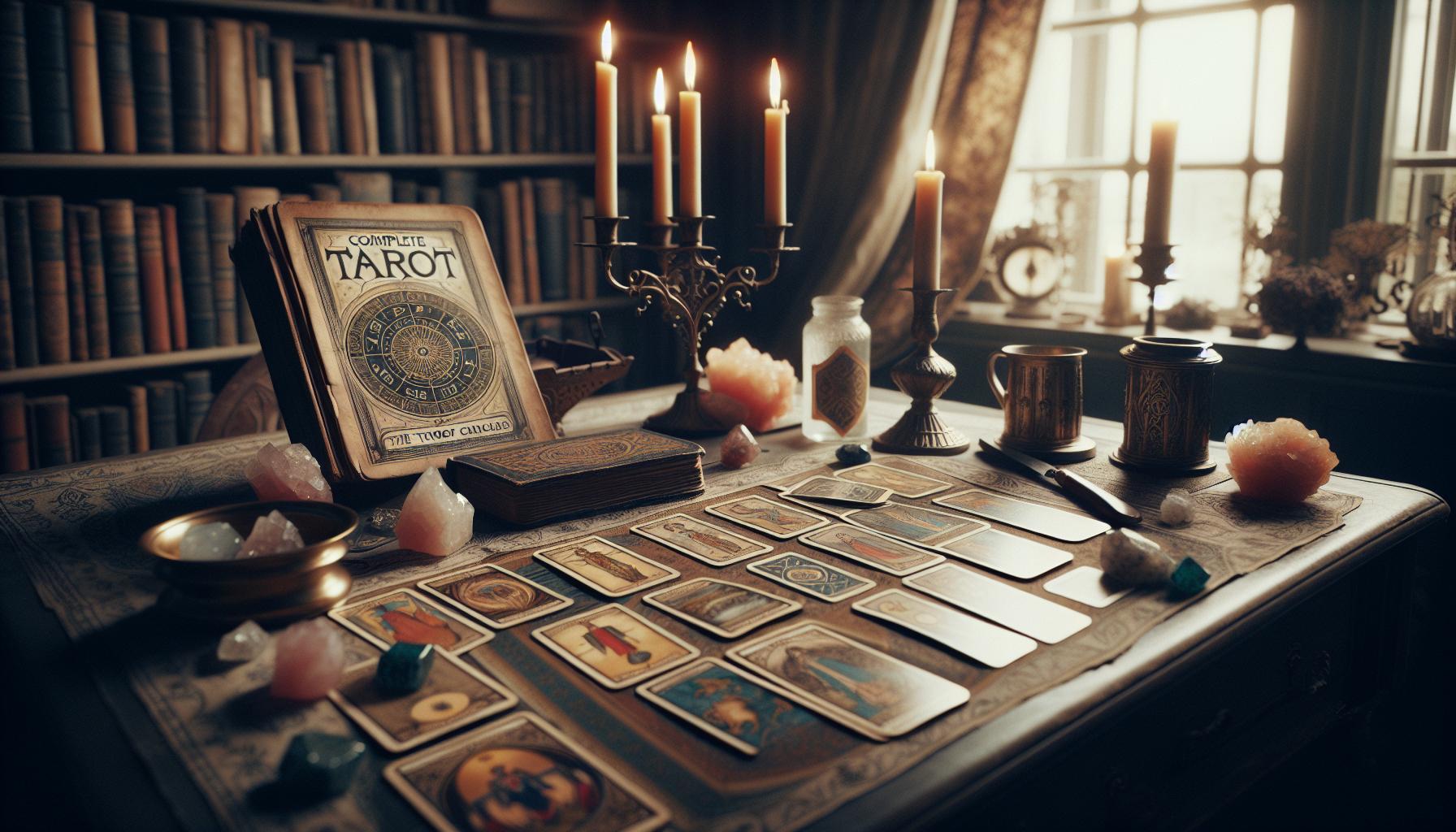
The Tarot’s storied past is deeply woven into the fabric of spirituality and psychology, reflecting humanity’s ongoing quest for self-understanding and connection to the mystical. Originating in the 15th century, Tarot cards were initially created as playing cards in Europe before evolving into a tool for divination and introspection by the 18th century. This transformation marked the beginning of the Tarot’s association with spiritual exploration, where practitioners began to use the imagery and symbols of the cards to tap into their intuition and connect with broader spiritual truths.
As Tarot emerged as a spiritual practice, each card became infused with symbolic meanings that speak to various aspects of life, spirituality, and personal growth. For instance, The Fool represents new beginnings and spontaneity, while The Death card often symbolizes transformation rather than an end. This rich tapestry of symbolism provides insights into one’s life path, encouraging deep reflection and self-discovery. The cards are not merely tools for predicting the future; they serve as mirrors reflecting our inner thoughts and feelings, guiding us toward greater self-awareness and spiritual elevation.
Spiritual Associations and Interpretations
The spiritual associations of Tarot cards are not just about their use as a psychic tool; they also engage with archetypal energies and universal themes that resonate with many spiritual practices. Each card can be seen as a message from the universe or a reflection of our higher self. Many believers interpret the act of drawing cards as a way to communicate with the spiritual realm, allowing the cards to reveal insights that are often hidden from everyday consciousness.
Moreover, the act of reading Tarot invites a dialogue between the reader and the cards, where participants can explore themes of light and shadow, hope and fear. This duality fosters a safe space for examining our anxieties about the unseen or the unknown, addressing misconceptions that Tarot invites negative energies. In reality, when approached with respect and intention, Tarot can be a profound source of healing and enlightenment, illuminating paths toward positivity and growth.
In harnessing these energies, practitioners often incorporate rituals that enhance their spiritual reading sessions, emphasizing intention and protection against perceived negative influences. By consciously creating a sacred space and grounding oneself prior to a reading, individuals can cultivate a safe environment for exploration, making it possible to delve into the depths of their psyche without fear of negative repercussions. As Tarot practices evolve, they remain a bridge linking the mundane and the divine, providing timeless wisdom for those seeking clarity and understanding in their lives.
Understanding the Beliefs Around Bad Spirits and Tarot
The belief that Tarot cards can attract bad spirits or negative energies is a common misconception that often stems from fear and misunderstanding. To shed light on this topic, it’s essential to recognize that Tarot cards themselves are simply tools-pieces of art depicting various symbols and imagery. They do not possess any inherent power to summon spirits or influence the spiritual realm. Instead, it is the intention of the reader that shapes the experience. When approached with a mindful and respectful attitude, Tarot practices can serve as a safe space for introspection and personal growth.
Many practitioners believe that rather than attracting negative entities, Tarot can illuminate one’s own inner fears and unresolved issues. For instance, drawing a card that represents conflict may feel unsettling, but it’s important to understand that this reflection is an invitation to address those themes in your life. The card’s imagery can evoke feelings that lead to clarity and understanding, ultimately fostering healing and transformation. It’s crucial to create a welcoming environment and set a clear intention for your reading, as this helps to create a protective bubble against any perceived negativity.
Engaging in protective rituals can also enhance the safety of your Tarot practice. Simple steps like grounding exercises, lighting a candle, or utilizing crystals can empower your readings. For example, before a session, you might take a few moments to breathe deeply, visualize a protective light surrounding you, or chant an affirmation that resonates with your purpose. Such practices can help dispel fears about unwanted energies and create a positive atmosphere conducive to spiritual exploration.
Ultimately, the dialogue between reader and cards should be one of curiosity and exploration rather than fear. Rather than inviting bad spirits, thoughtful Tarot readings become a mirror reflecting personal experiences. Whether a beginner or an experienced reader, understanding these principles can help demystify the Tarot, allowing you to engage with it confidently and safely. Trust your intuition, and remember that the power of Tarot lies not in ominous interpretations but in the insights and empowerment it can provide.
Do Tarot Cards Invite Negative Energy?
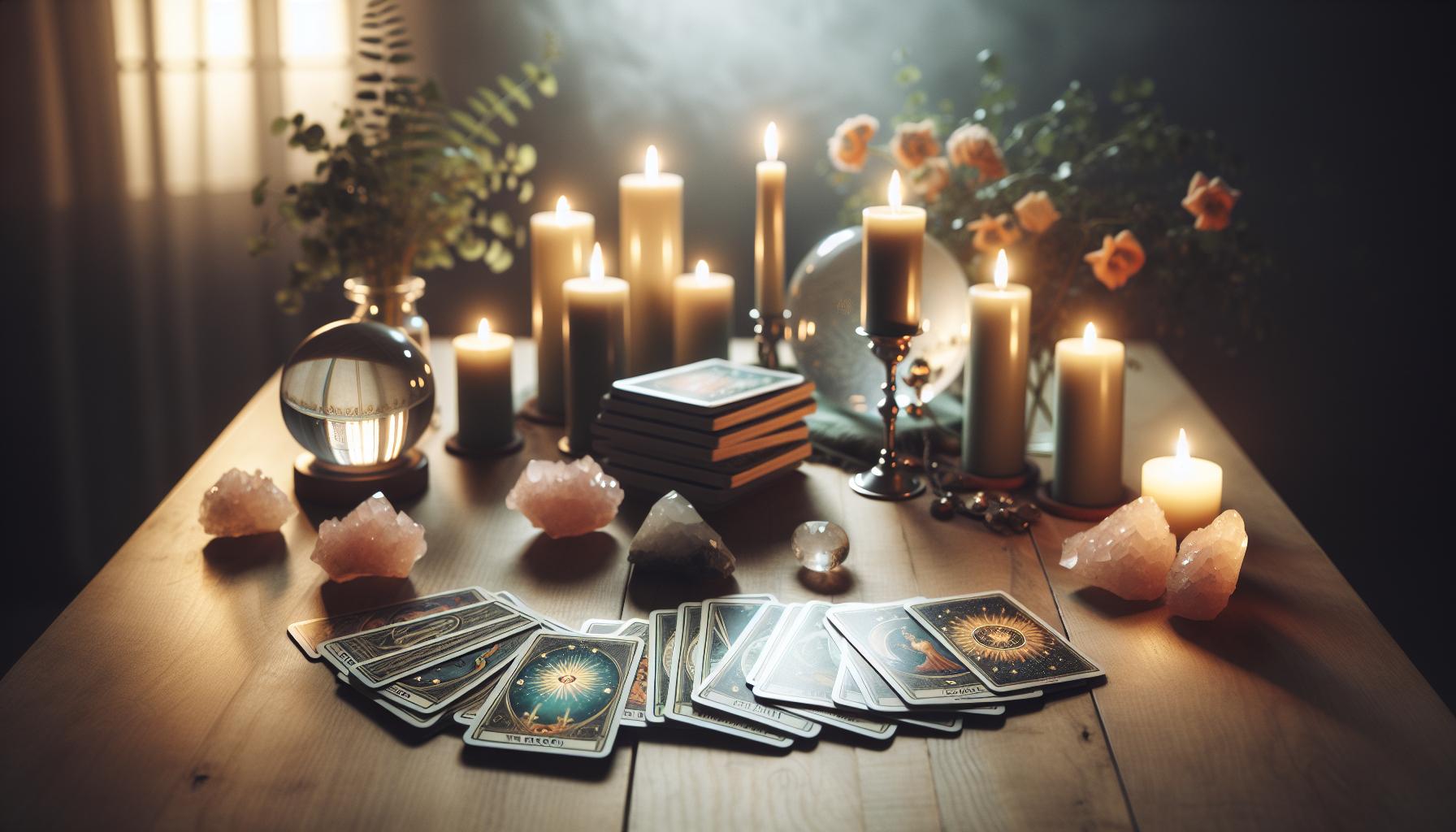
The notion that Tarot cards might invite negative energy is largely rooted in misconceptions born of fear. Many individuals approach Tarot with caution, worried that these cards could somehow attract malevolent spirits or energies. However, it is vital to understand that Tarot cards are just tools; they possess no inherent power to summon spirits or negative forces. Rather, it is the intention and mindset of the reader that shapes the experience of a Tarot reading.
When you draw a card, it may represent challenging themes, such as conflict or fear. Rather than viewing these cards as harbingers of negativity, see them as opportunities for growth and introspection. For example, pulling the Tower card, often associated with upheaval, can initially feel daunting. Yet, this card invites you to confront areas of your life that may require attention or change. Instead of attracting bad energy, Tarot holds up a mirror-reflecting your inner landscape and prompting you to engage with your thoughts and feelings in a constructive manner.
Creating a supportive environment for your readings can further mitigate concerns about negative energy. Consider setting up a dedicated space for your practice, where you feel comfortable and secure. This could involve lighting candles, burning sage, or using crystals known for their protective properties, such as black tourmaline or clear quartz. Engaging in grounding exercises before a reading, like deep breathing or visualization, can also cultivate a sense of safety and focus. By establishing positive rituals, you can enhance your readings and shift your focus from fear to empowerment.
Ultimately, the energy you bring into your Tarot practice plays a significant role in shaping the experience. Approach your readings with curiosity and openness, allowing the cards to guide you toward greater self-awareness and insight. Whether you are a novice or an experienced reader, embracing Tarot can transform your understanding of yourself and your aspirations, fostering personal growth rather than inviting negativity.
How Tarot Practices Influence Spiritual Experiences
Exploring opens up a world of insight and self-discovery. When approached with intention, Tarot can become a powerful tool for personal transformation. The act of engaging with the cards offers not just a reflection of external circumstances but also a deeper connection to one’s internal world. This connection encourages practitioners to engage with their intuition, providing clarity and direction on their spiritual journey.
Utilizing Tarot as a spiritual practice often helps individuals tap into their subconscious mind. The imagery and symbolism in the cards can evoke profound emotional responses, enabling a deeper understanding of feelings that may have been previously buried. For example, someone pulling the Three of Swords might initially feel disheartened, as the card often symbolizes heartbreak. However, a closer look can reveal insights about resilience and the potential for healing. This duality in interpretation invites readers to embrace not just the light, but also the shadow aspects of their experiences, fostering a more holistic spiritual growth.
To enhance your spiritual experiences with Tarot, consider creating a ritualistic environment for your readings. Rituals can ground the reading in intentionality and focus. Some effective practices include:
- Setting an Intention: Before starting, take a moment to breathe deeply and clarify what you seek from the reading. This intention anchors your session.
- Choosing Your Deck Mindfully: Spend time with different decks and choose one that resonates with you for each reading. The connection to the imagery can enhance your intuitive insights.
- Incorporating Meditation: A short meditation can open your mind and heart, paving the way for clearer messages from the cards.
- Reflecting on the Experience: After your reading, write down your thoughts and insights. Journaling can further deepen your understanding and integrate the experiences.
As you practice, remember that every reading is a collaborative process between yourself and the cards. The potential for challenge exists in any spread, but so does the opportunity for profound insights and healing. Embrace the journey with an open heart, and you’ll find that Tarot not only enriches your spiritual experiences but also invites transformative growth along the way.
Debunking Myths: The Truth About Tarot and Spirits
It’s a common belief that tarot cards might invite negative spirits or energies, but this notion is often more myth than reality. Many people enter the world of tarot carrying fears about negative influences, often fueled by cultural narratives and misconceptions. It’s important to understand that the energy of a tarot reading largely comes from the intention and mindset of the reader. When approached with respect and clarity, tarot can be a powerful tool for insight and self-discovery rather than a means to invoke negativity.
First, it’s essential to dispel the myth that tarot readings are inherently linked to dark forces. Tarot, at its core, is a collection of symbols and archetypes that reflect different facets of the human experience. Reading tarot does not require psychic abilities; understanding and interpreting the cards relies on creativity, intuition, and the individual’s personal connection to the symbols. Just as pulling a tarot card like the Sun often signifies joy and positivity, engaging with the deck can foster a space for light and healing rather than fear.
Creating a safe and sacred space for your readings is another effective way to ensure a positive experience. Several practices can enhance the protective environment:
- Setting Clear Intentions: Before your reading, take a moment to meditate or affirm what you wish to achieve. This clarity creates a focused atmosphere.
- Grounding Techniques: Techniques such as deep breathing or visualization can help center your energy and create a protective bubble around your reading.
- Clearing Your Deck: Regularly cleanse your tarot cards by using methods like smoke from sage, sound cleansing with a bell, or simply placing them under moonlight. This practice helps dispose of any residual energies.
Moreover, if you’re new to tarot and feel apprehensive about negative energies, start with simple spreads that focus on self-reflection and growth rather than complex predictive layouts. For example, a basic three-card spread can help clarify your past, present, and future feelings around a particular issue. Each card drawn invites further introspection rather than external influence.
Remember, the interpretation of the cards is fluid and highly personal. A reading can reveal fears and challenges, but it also highlights potential paths forward and growth opportunities. Many practitioners report profound healing and transformation through their tarot engagement, emphasizing that the spirit of a reading is as much about empowerment as it is about insight. With that understanding, you can confidently navigate your relationship with tarot, dispelling the fears of inviting negativity while embracing the wealth of wisdom it has to offer.
Protective Rituals for Tarot Reading Sessions
Creating a sacred and secure space for your tarot reading is essential for many practitioners. This not only enhances the clarity of your readings but also addresses any apprehensions about inviting negative energies. By incorporating protective rituals, you can create an atmosphere filled with positivity and intention, turning your tarot sessions into healing experiences.
Setting the Intention
Before you begin, it’s vital to set a clear intention for your session. Take a quiet moment to reflect on what you hope to achieve. This could be as simple as seeking clarity on a personal issue or exploring your emotional landscape. By articulating your intention, you create a focused and inviting atmosphere that enhances your readings. Many readers find it helpful to write down their intentions or say them aloud, reinforcing their commitment to a positive experience.
Grounding Yourself
Using grounding techniques can further protect your energy. One effective method is deep breathing: inhale deeply through your nose, hold for a moment, and exhale slowly through your mouth. Imagine your breath flowing into the earth, anchoring you and establishing a protective barrier around your space. Visualization can also be powerful; envision a warm, golden light enveloping you, creating a bubble that shields you from negativity and distractions.
Creating a Protective Space
When preparing your reading area, consider casting a circle of light using visualization techniques. Envision a glowing white light rising from the ground, encircling your reading space to provide protection. For those who enjoy tangible rituals, using a few simple items can enhance the protective atmosphere. Strikingly potent elements include:
- Sacred Crystals: Crystals like black tourmaline or clear quartz can absorb negative energies. Place them on your reading table or carry them with you.
- Herbal Cleansing: Burning sage or using incense can help clear the space. As the smoke rises, visualize it wafting away any unwanted energies.
- Sound Vibration: Sound cleansing with a bell, singing bowl, or chimes can reset the energy in your space. The soothing vibrations promote a peaceful environment.
Regularly Cleansing Your Tarot Deck
Finally, ensure your tarot deck itself is cleansed regularly. This can be done by smudging the cards with sage or placing them under moonlight to recharge. Every time you engage with your deck, take a moment to set an intention for its use. This ritual keeps your connection with the cards strong and aids in preventing any residual energies from clouding your readings.
By implementing these protective rituals, you create not just a protective bubble but a nurturing environment for your intuitive practices. This seamless blend of intention, grounding, and space-clearing can transform your tarot experience into one that promotes healing, insight, and personal growth. Remember, the goal is to foster a connection that feels safe and empowering, allowing the wisdom of the cards to flow freely.
Interpreting Tarot Cards: Positive vs. Negative Messages
When it comes to tarot readings, many people wonder about the nature of the messages conveyed through the cards. While some cards seem to radiate positive energy, others may appear darker or foreboding. Understanding the spectrum of interpretations is crucial, as tarot does not inherently bring bad spirits; rather, it reflects the energies present in our inquiries and the intentions we set.
Interpreting tarot cards involves recognizing that each card holds layers of meaning. For example, the Tower is often viewed with trepidation because it symbolizes chaos and upheaval. However, this disruption can lead to necessary change and personal growth. On the other hand, cards like the Sun are viewed positively, representing joy, success, and vibrancy. To navigate these contrasts, it helps to view each reading as a conversation with your intuition rather than a fixed outcome.
When interpreting cards, it’s essential to consider context and position within a spread. A card that might seem negative in one position can gain a more uplifting meaning when surrounded by supportive cards. For beginners, a three-card spread can be an effective method to see the flow of energy: past, present, and future. This way, the reader can observe how perceived negative energies might transition into positive opportunities over time.
To improve your understanding, embrace a practice of journaling your readings. Write down the cards you draw alongside your interpretations. Reflect on how the messages align or shift based on your life experiences. This not only builds confidence but also reaffirms that even the most challenging insights have a role in your development. Remember, tarot is a tool for empowerment. Whether the cards appear positive or negative, they are ultimately meant to guide you toward insight and healing.
Can Tarot Cards Be Used for Healing and Insight?
Exploring the potential of tarot cards as tools for healing and insight opens up a pathway to understanding ourselves on a deeper level. Many practitioners and enthusiasts attest that tarot does more than predict the future; it provides valuable messages about our emotional, mental, and spiritual states. Each card serves as a mirror, reflecting our inner landscapes and uncovering hidden truths that can guide us toward healing.
Tarot readings can help clarify feelings and thoughts that may be tangled or difficult to express. For example, drawing the Chariot card might symbolize determination and control, urging you to take charge of a situation that has been overwhelming. Alternatively, the Three of Swords could indicate heartbreak or emotional pain, prompting the individual to face unresolved grief. Interpreting these cards in relation to current life circumstances can empower you by identifying areas that need attention or healing.
To maximize the healing potential of your tarot practice, consider these steps:
- Set a Clear Intention: Before your reading, take a moment to center yourself and focus on what you wish to understand or heal. This intention will guide the session.
- Choose the Right Spread: Different tarot spreads can yield varied insights. A past-present-future spread can highlight how past experiences influence your current state and future possibilities.
- Reflect on the Messages: After pulling your cards, spend time reflecting on their meanings. Journaling your thoughts can help solidify the insights gained and track your healing journey.
- Take Action: Healing isn’t just about knowledge; it’s about taking steps toward change as inspired by your readings.
By viewing tarot as a collaborative tool for personal growth, you can reshape your experience into one of empowerment rather than fear. Embrace the journey, trust in your intuition, and remember that the cards offer guidance-a compass for navigating the complexities of life. Engaging with tarot in this way not only diminishes fears around negative energies but also fosters a nurturing relationship with yourself.
Tips for Beginners: Safely Reading Tarot Cards
Starting your journey with tarot can be an exciting yet daunting experience. Many newcomers worry about the potential for negative energies or bad spirits, but understanding a few foundational practices can ease these concerns and enhance your readings. Here are some thoughtful tips to help you navigate your initial forays into tarot with confidence and safety.
Setting a sacred space is one of the first steps to ensuring a positive reading environment. A clean, quiet area free from distractions is ideal. You might want to incorporate comforting elements like candles, crystals, or calming music to create a more inviting ambiance. Establishing a personal ritual-such as lighting a candle or performing a short meditation-can signify to yourself that you are entering a space of clarity and positivity.
Choosing Your Cards and Intention
As a beginner, it’s essential to choose a tarot deck that resonates with you. Familiarize yourself with the imagery; the connection you feel with the cards can greatly influence your readings. When preparing to read, take a moment to set a clear intention. Articulating what you hope to gain from the session contours the energies around your reading. For instance, you might say, “I seek guidance on my current challenges” or “I ask for clarity regarding my path forward.”
Grounding and Protection Techniques
Grounding yourself before a reading can help mitigate feelings of anxiety and ensure that you remain centered. Visual techniques, such as imagining roots extending from your feet into the earth, can help you feel stable and present. Additionally, consider employing protective mantras or visualizing a protective shield around you as you read. For example, repeating, “I am safe and protected in light and love,” can create a sense of security and openness [[1]].
Lastly, always approach your reading with an attitude of curiosity rather than fear. Cards may present challenging themes, but each is an opportunity for growth and reflection. If you encounter a card that invokes discomfort, such as the Three of Swords, remember that it is a prompt to process emotions rather than a threat. The connection you foster with your cards can illuminate paths toward healing and insight, dispelling myths surrounding negative energies and spirits.
By cultivating a nurturing relationship with tarot, you empower yourself to explore this practice in a balanced and positive manner, allowing your intuition to flourish without fear. Embrace the process and trust that tarot can guide you towards deeper understanding, connection, and growth.
Navigating Your Fears: Tarot and Spiritual Growth
Diving into the world of tarot can feel overwhelming, especially for those new to its depths. Many people wrestle with the idea that tarot cards could somehow attract negative energies or bad spirits, leading to hesitation in exploring this powerful tool for self-discovery. However, understanding tarot’s true essence can help dispel these fears and transform the experience into one of profound spiritual growth.
One effective way to navigate your concerns is to establish a clear understanding of your intention before each reading. Setting your intentions acts like a compass, guiding your session toward clarity and positivity. Begin by taking a deep breath and reflecting on what you seek from the cards. For example, you might say aloud, “I welcome insights on my personal journey,” which helps anchor your focus and creates a buffer against any uncertainties. Intention-setting not only wards off fear but also aligns the energies around your reading.
Another valuable approach is grounding. Practicing grounding techniques helps you remain connected to the earth’s energy, instilling a sense of safety and stability. You might visualize roots extending from your feet into the ground, anchoring you firmly as you engage with the cards. This simple yet powerful visualization allows you to release anxiety and invite a calm, centered presence. As you read, continually remind yourself that any challenging cards you encounter are tools for insight and reflection, not omens of negativity.
Engaging with tarot in this supported manner highlights its potential for spiritual growth rather than fear. Consider your last reading where you pulled the Tower card-a signal of upheaval or change. Instead of perceiving it purely as a negative omen, view it as a prompt for transformation. It gently nudges you to examine the structures in your life and what needs to shift for you to flourish. By reframing your perspective around tarot, you can cultivate a nurturing and growth-oriented dialogue with the cards, ultimately allowing them to serve your higher purpose without inviting fear into the process. Embrace this mystical journey as a means to explore your inner landscape and grow beyond your perceived limitations.
What to Do After a Tarot Reading: A Guide to Aftercare
After a tarot reading, the journey doesn’t end; it’s just as vital to reflect on the experience and take intentional steps for grounding and integration. Regardless of whether your reading felt empowering or unsettling, nurturing your spirit post-session can help you process insights and release any lingering anxieties about attracting negative energies. Respecting the revelations received can affirm the messages of the cards while ensuring that your space remains infused with positivity.
Begin with a moment of gratitude. Acknowledging the guidance you received-whether from the cards or your intuition-can significantly shift your energy. You might say aloud, “I thank the universe for these insights,” allowing this affirmation to resonate in your heart. This simple act helps cultivate a deeper appreciation for the experience, reinforcing your connection to the spiritual web as you transition from the reading into your daily life.
Next, consider journaling your thoughts and feelings about the reading. Spend a few quiet moments writing down specific cards that stood out to you, their meanings, and any emotions they evoked. This practice not only clarifies your understanding but also creates a reference for future introspection. For instance, if the Ten of Swords appeared and you initially felt a wave of despair, explore what this card might symbolize for you. Is it an ending, or an emergence from a difficult phase? By unpacking your thoughts, you demystify fears about negative energies and embrace a more empowering narrative.
Furthermore, you might find it beneficial to perform a simple closing ritual to seal in positive vibrations. This could involve lighting a candle, burning incense, or even anointing your cards with a cleansing or protective oil-such as lavender or frankincense. As you perform this ritual, visualize a protective light encasing your tarot deck, which serves to protect it-and you-from any unwanted influences. Remember, setting intentions for clarity and protection during your reading session has a powerful effect that extends beyond that moment.
Finally, take time to ground yourself after the reading. Simple grounding exercises, like walking barefoot on grass or meditating with your hands on your heart, can restore your equilibrium. Focus on your breath and allow yourself to feel connected to the earth, reinforcing that you are safe and secure. Embrace this act of self-care seriously; it reinforces your intuitive powers and opens the door to further personal and spiritual growth. With each reading, you deepen your understanding not only of the cards but also of your inner self, creating a sacred practice that honors both insights and the energy you create.
Real Stories: Experiences with Tarot and Spirits
While some may harbor fears about tarot cards attracting bad spirits, countless individuals share stories that illustrate a more nuanced relationship with these tools. Many have found that their tarot readings are not so much about evoking spirits as they are about tapping into one’s intuition and personal wisdom. One such experience comes from a beginner who was initially hesitant to try tarot due to worries about negative energies. After a series of readings focused on self-reflection and personal growth, that individual described feeling a profound connection to their inner voice and a release of long-held fears. This suggests that the power of tarot often lies in self-discovery rather than supernatural influences.
Another compelling story involves a seasoned tarot practitioner who usually read for others. During a particularly intense reading, the cards revealed challenging truths that stirred emotional insights. Instead of inviting negativity, the experience catalyzed healing conversations and closure with clients about their lingering issues. This demonstrates that while the cards can bring forth difficult messages, they often facilitate resolution and understanding rather than attract harmful spirits.
Moreover, among various spiritual communities, there’s a shared practice of grounding and cleansing after readings to dispel any negativity that may arise. For instance, one tarot reader incorporates sage smudging and positive affirmations to reassure themselves and their clients that only supportive energies are welcomed during sessions. Such rituals not only enhance the reading experience but also reinforce the idea that the space can be fortified against any unwanted influences.
Ultimately, these real-life accounts highlight a vital truth: tarot is a personal journey enriched by the reader’s intent and openness. By approaching readings with positive intentions, practitioners can foster an environment of growth and understanding, dispelling myths about tarot as a conduit for negative spirits.
Frequently Asked Questions
Q: Can tarot cards attract negative spirits?
A: Tarot cards themselves do not attract negative spirits. However, entering a meditative state or using rituals may open pathways for unwanted energies. It’s essential to maintain a positive mindset and perform protective practices before readings to ensure a safe experience. For more on this, see our section on protective rituals.
Q: What precautions should I take when using tarot cards?
A: To safeguard your tarot practice, consider performing a cleansing ritual on your cards, setting a clear intention, and using protective crystals or symbols during your readings. This helps to create a positive environment and wards off negative influences. Refer to our tips for beginners for practical advice.
Q: How do I know if a spirit is present during a reading?
A: Signs of a spirit’s presence may include unexplained chills, unusual card interpretations, or feelings of heaviness. Trust your intuition; if something feels off, consider closing the session. You can read more about recognizing spiritual influences in our guide to navigating fears in tarot.
Q: Can my negative energy affect a tarot reading?
A: Yes, negative energy can influence your tarot readings, leading to unclear interpretations. It’s crucial to arrive at your reading with a clear mind and heart. Engage in grounding practices to align your energy, as detailed in our section on spiritual growth.
Q: Are there any specific tarot decks to avoid due to spirit connections?
A: There isn’t a universal rule on which tarot decks to avoid, as each person’s experiences may differ. However, choose decks that resonate positively with you and ensure you feel comfortable during readings. For more guidance on deck selection, see our tips for beginners.
Q: How can I protect myself from bad spirits while reading tarot?
A: To protect yourself, incorporate cleansing rituals, use protective symbols, and state your intention clearly before beginning. Surround yourself with positive energy through crystals or sacred items. Detailed protective practices can be found in our article on protective rituals.
Q: What should I do if I feel negative energy after a reading?
A: If you feel negative energy post-reading, consider performing a cleansing ritual, such as smudging with sage or using crystals. Ground yourself to release any lingering feelings. For more aftercare tips, refer to our guide on what to do after a tarot reading.
Q: Can beginners safely use tarot cards without inviting bad spirits?
A: Absolutely! Beginners can use tarot safely by focusing on clear intentions, maintaining a positive mindset, and performing simple protective measures before readings. Start with well-defined questions and build your intuition gradually. For more tips, visit our beginner’s guide to safely reading tarot cards.
Future Outlook
As we delve into the mystical world of tarot, it’s clear that fear of bad spirits can often overshadow the true purpose of these cards: self-discovery and guidance. We’ve revealed that tarot cards themselves do not bring negativity; rather, they act as mirrors reflecting our own energies. If you’re eager to learn more, check out our article on how to interpret the Death card, which symbolizes transformation rather than finality, and explore ways tarot can enhance your spiritual journey.
Don’t let lingering doubts hold you back-embrace the insights tarot can offer you today! Sign up for our newsletter for more enlightening content, and consider diving into our Tarot Basics guide to strengthen your understanding right from the core. Remember, tarot is a tool for everyone, and your journey is just beginning. Share your experiences below, and let’s keep the conversation going as you unlock your intuitive potential!
Get our latest guides, news, and insights highlighted in your Google Search & AI Overviews.