Have you ever wondered if tarot cards can truly predict the future? For centuries, people have turned to tarot as a tool for insight and guidance, yet the question of its validity often sparks debate. This exploration dives into the science behind tarot readings, unpacking the psychological and symbolic elements that can inform our understanding of the cards. Whether you’re a skeptic or a seasoned enthusiast, you’ll discover how tarot can reflect your inner thoughts and emotions, empowering you to navigate life’s uncertainties. Join us as we demystify the practice of tarot, uncovering its potential to connect you with your intuition and support personal growth. Embrace your curiosity and let’s explore the intriguing intersection of tarot and science together!
Understanding Tarot Cards: More than Just Fortune Telling
Tarot cards have captivated the imagination of many for centuries, often seen merely as tools for predicting the future. However, this view overlooks the rich tapestry of meaning and insight these cards can offer. At their core, tarot cards serve as a mirror, reflecting our inner thoughts, fears, and hopes. They provide a unique framework for introspection and self-discovery, engaging not just the intuition of the reader but also the emotional resonance and personal experience of the querent.
When we shuffle a deck and draw cards, we enter a dialogue with ourselves. Each card-whether it depicts the fool’s leap into the unknown or the calm reflection of the hermit-encapsulates themes that resonate with universal human experiences. Drawing connections between these images and our current situations can spark revelations about our choices, relationships, and life paths. In this way, tarot becomes a tool for mindfulness, promoting a deeper understanding of ourselves and the world around us.
Moreover, the imagery and symbolism inherent in tarot are rich sources of psychological insight. The archetypes represented in the cards-such as the nurturing Empress or the transformative Death-can help individuals articulate their feelings and circumstances in a way that is often difficult to express. This process can be empowering, offering clarity and perspective that may lead to meaningful change. The act of reading tarot encourages reflection and can prompt us to confront our challenges in a supportive, non-judgmental setting.
While many may view tarot with skepticism, its value lies not in its supposed predictive powers but in its ability to foster personal growth and understanding. Rather than predicting an unchangeable future, tarot invites users to explore potential paths and outcomes, emphasizing that the power to shape one’s life ultimately lies within. This perspective makes tarot a timeless practice, accessible and beneficial to anyone willing to explore its depths, whether as a form of guidance during tough times or a vehicle for creative expression.
The Psychological Basis of Tarot Readings
The power of tarot readings extends far beyond mere predictions of the future; it is deeply rooted in psychology and personal exploration. At its core, tarot serves as a tool for self-reflection, enabling individuals to tap into their subconscious thoughts and feelings. This psychological foundation is essential for understanding how tarot can influence our perceptions and foster emotional healing.
When you engage with tarot cards, you invite a dialogue with your inner self. Each card drawn can act like a psychological prompt, encouraging you to explore your motivations, fears, and aspirations. For example, if you draw the Seven of Cups, which often symbolizes choices and dreams, it can lead you to consider what illusions may be clouding your judgment or what genuine aspirations are waiting to be acknowledged. This method resonates with Carl Jung’s concept of active imagination, wherein individuals confront their subconscious mind to bring forth deeper insights and clarity.
Understanding the psychological basis of tarot also involves recognizing the archetypal symbols present in the cards. Just as storytellers utilize archetypes to evoke shared human experiences, tarot taps into these universal themes to facilitate personal growth. The archetypes-like the nurturing Empress or the transformative Death-encourage individuals to articulate their life experiences in a tangible way. This enables readers to connect their personal narrative with broader life lessons, facilitating a sense of empowerment and understanding.
Moreover, cultivating an intuitive practice through tarot can enhance one’s emotional intelligence. By routinely reflecting on the messages conveyed by the cards, you can develop a more nuanced understanding of your own emotions and those of others. Keeping a tarot journal to document your readings and thoughts can be an invaluable tool in this process. Over time, this practice can reveal patterns and insights that promote growth, resilience, and a more profound connection to your intuitive self.
Engaging with tarot from a psychological perspective is not just about predicting potential futures; it’s about harnessing the present moment to foster insight and self-awareness. Tarot can indeed serve as a powerful catalyst for change, inviting users to explore their inner landscapes and unlock the transformative potential that lies within.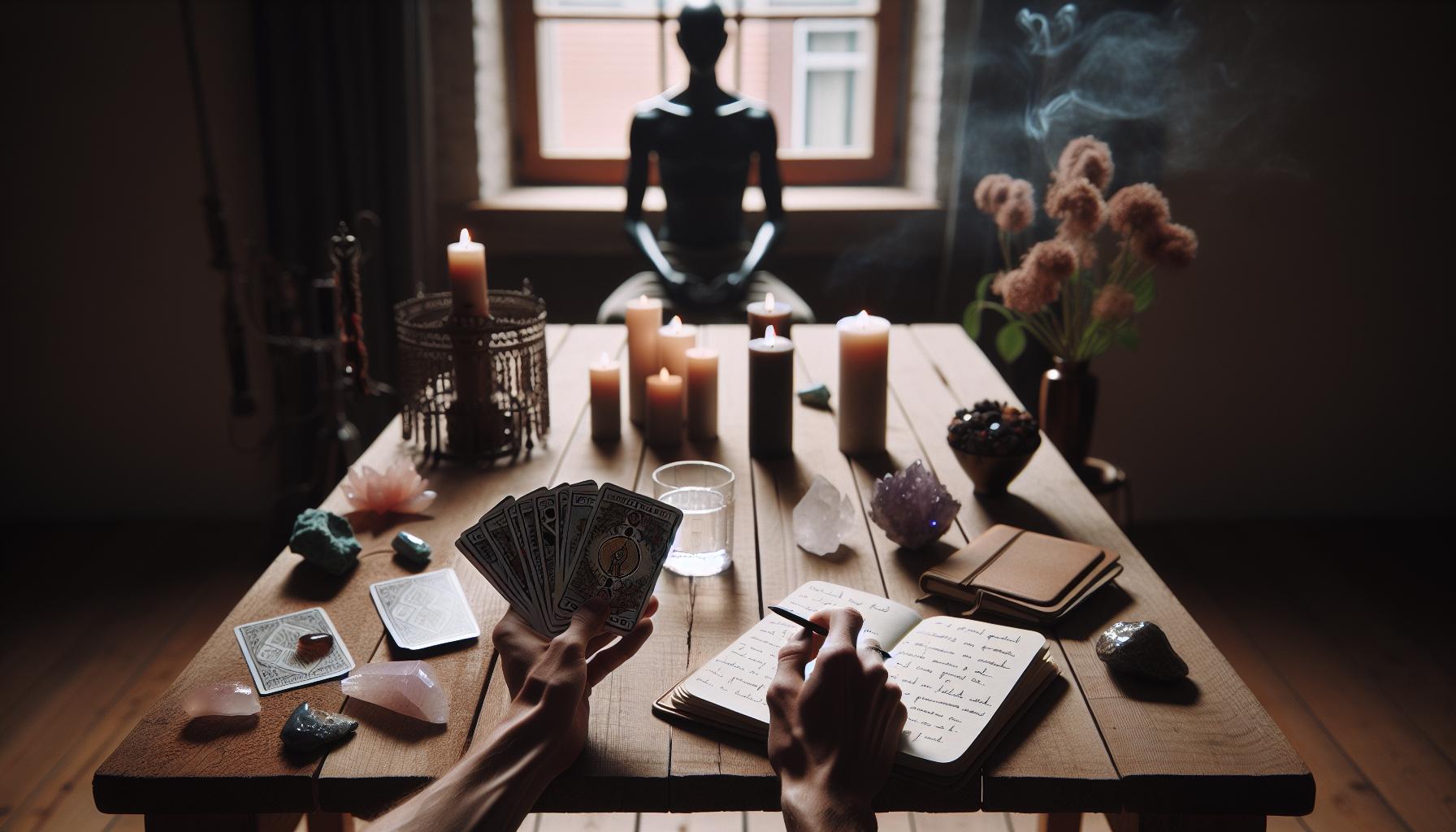
How Tarot Cards Work: The Reader’s Perspective
Drawing upon a deck of tarot cards can often feel like opening a door to a world rich with insight, emotion, and guidance. For many readers, the experience is less about fortune-telling and more about engaging in a profound conversation with the subconscious. Each card is a mirror reflecting your inner landscape, thoughts, and feelings, inviting you to explore deeper truths about yourself and your situation. This unique interplay between the cards and the reader’s intuition forms the crux of how tarot works from the reader’s perspective.
The Process of Interpretation
When a reader lays out the cards, they don’t merely recite standard meanings but rather weave together a narrative that feels personal and significant. For example, if you draw the Ace of Cups in a reading about new relationships, the imagery of overflowing emotions and new beginnings might prompt a reader to share insights about self-love and emotional openness as foundational elements for any blossoming connection. This process requires a keen sense of observation and interpretation, as readers must balance traditional card meanings with the unique context of the querent’s life and questions.
Engaging With Symbolism
Tarot cards are not just tools for prediction; they are rich symbols packed with meaning. Each card contains nuances that reflect universal human experiences, from triumph and joy to fear and uncertainty. A reader’s job is to tap into this symbolism and translate it into relatable terms for the querent. For instance, if the Tower appears in a reading, symbolizing upheaval or sudden change, a skilled reader might delve into how embracing impermanence can lead to necessary transformation and growth rather than just foretelling disaster.
Furthermore, engaging with the cards can also enhance the reader’s intuition. As they become more familiar with the archetypes and narratives within the deck, their ability to weave connections between the cards and the querent’s life improves. This intuition fosters a deeper sense of empathy and understanding, enabling the reader to create a safe space for exploration and reflection.
Ultimately, the reader’s perspective on tarot transcends simple future predictions; it becomes a collaborative journey of self-discovery. Whether you’re a curious skeptic or a devoted believer, understanding this approach to tarot can provide a framework for harnessing the cards as a tool for reflection, personal insight, and transformation.
Exploring the Symbolism of Tarot Imagery
Exploring the rich symbolism of tarot imagery opens up a world of profound insights and connections. Each card serves as a canvas, adorned with symbols and archetypes that resonate not only with the reader but also with the querent’s subconscious. This interplay between imagery and interpretation transcends mere predictions, inviting individuals into a journey of reflection and understanding. For instance, the imagery of The Fool-often represented by a carefree figure on the edge of a cliff-encompasses themes of new beginnings, spontaneity, and the courage to take the leap into the unknown.
Symbols and Their Meanings
Understanding the symbolism embedded within the tarot requires a blend of intuition and knowledge. Common symbols, such as the sword, represent intellect and challenges, while cups are tied to emotions and relationships. A reader can enhance their interpretations by considering these archetypal meanings. When faced with a card like the Three of Swords, which often depicts a heart pierced by three swords, a reader might discuss themes of heartbreak and sorrow, but also the potential for healing and growth through pain. Recognizing these dualities allows for a deeper, more nuanced reading.
Creating Personal Connections
Encouraging querents to connect their personal experiences with the symbols in the cards can lead to transformative insights. During a reading, ask questions like, “What does this imagery evoke for you?” or “How do the themes of this card relate to your current life situation?” This approach not only empowers the querent but also deepens their engagement with the reading. For instance, should the Death card appear-often misunderstood as purely negative-a skilled reader might highlight its symbolic nature of transition and rebirth, prompting a discussion about transformation in the querent’s life.
By focusing on the visual cues and their psychological implications, readers can demystify the process and enhance their intuitive abilities. This dual approach, marrying structured knowledge with personal insight, ensures every reading becomes a co-creative exploration, opening new avenues for self-discovery and growth. Ultimately, this exploration of symbolism in tarot fosters a deeper understanding of the cards, making them valuable tools for those navigating the uncertainties of life, regardless of their beliefs about prediction.
Do Tarot Cards Predict the Future? Debunking Myths
Many people approach tarot cards with the belief that they can predict the future. This idea, while popular, is one of the most significant misconceptions about this ancient practice. In reality, tarot serves as a tool for reflection, guidance, and personal insight rather than a crystal ball that dispenses definitive forecasts. Understanding this distinction is key for anyone interested in exploring the world of tarot.
At its core, tarot reading embraces the notion that individuals shape their own destinies through choices and actions. When a reader interprets the cards, they serve not as fixed predictions but as mirrors reflecting current circumstances, underlying influences, and potential outcomes. This perspective invites querents to consider their situations from different angles and recognize patterns that they may not have previously seen. For example, drawing the Tower card, often associated with upheaval, leads to discussions about necessary changes and the potential for renewal rather than a doomed fate.
Myth Busting Common Misconceptions
- Tarot can predict the future: This is a widespread myth. Tarot is not about foretelling a predetermined future; rather, it’s about exploring possibilities and gaining clarity on the present.
- You must be psychic to read tarot: Many believe tarot reading requires supernatural abilities. In truth, anyone can learn to read tarot with practice and a willingness to connect with their intuition.
- Tarot readings are always negative: Another misconception is that tarot only brings bad news. While some cards may indicate challenges, they also offer insights into growth and resilience.
It’s essential to engage with the cards in an open-minded way. Instead of asking, “What will happen to me?” consider questions that invite exploration, like “What can I learn from my current situation?” or “How can I approach this challenge?” This shift in questioning encourages a dialog with the cards that is richer and more fulfilling.
In summary, tarot cards do not predict the future in a linear or definite manner. They are a valuable tool for self-exploration, offering guidance through life’s uncertainties. By approaching tarot with curiosity and an open heart, readers and querents alike can embark on a journey of personal discovery and empowerment.
The Role of Intuition in Tarot Practice
Engaging with tarot cards goes beyond simply drawing cards and interpreting their surface meanings; it fundamentally involves tapping into your intuition. Intuition acts as the bridge between the visible and the unseen, guiding the reader in what is often a nebulous realm of possibilities. Each card is imbued not just with symbolic significance, but with emotional and experiential layers that resonate differently for every reader. When you allow your intuition to interpret these layers, you unlock deeper insights that go beyond standard interpretations, aligning with personal experiences and specific questions at hand.
To harness your intuition effectively, create a calm environment. This can be as simple as setting aside a quiet space where distractions are minimized. Begin each reading by centering yourself, perhaps through a few deep breaths or a brief meditation. As you shuffle the deck, focus on your question or situation. This practice not only grounds you but also opens pathways for intuitive flashes to arise as you draw cards. Pay attention to immediate feelings or thoughts that emerge when you look at each card; these spontaneous reactions can be incredibly revealing. For instance, if you draw the Empress and feel a sudden urge to nurture or create, trust that impulse – it may highlight the guidance you need.
Your intuition can also be cultivated through practice and observation. Start with simple spreads, like the two-card or three-card spread, focusing on past, present, and future. As you practice, take notes on your interpretations and correlate them with the outcomes or your feelings about those situations later on. Over time, you’ll notice patterns and become more attuned to the messages that your intuition wishes to convey, confirming that tarot is less about rigid predictions and more about guiding you based on current energies and potential futures.
Ultimately, incorporating intuition into tarot practice enriches your readings, transforming them into a dynamic dialogue rather than a one-sided decree. Remember, every reader possesses an innate intuition that can be honed. The magic of tarot lies not just in the cards themselves but in the reader’s ability to blend intuitive insight with traditional interpretations. This holistic approach not only demystifies the practice but also empowers individuals to discover their unique voice in the tarot journey. Embrace the uncertainty and beauty of your intuition – it is a valuable tool in navigating your personal path through the mysteries of life.
Scientific Studies on Tarot and Prediction
The relationship between tarot cards and the idea of predicting the future has intrigued both believers and skeptics alike. While many view tarot as a mystical art that offers insights into one’s life and potential outcomes, scientific investigations have sought to understand this practice through a psychological and empirical lens. A key finding in this realm suggests that tarot can be viewed as a nuanced cultural practice that incorporates elements of creativity, cognition, and psychological healing, rather than strictly a tool for predicting future events [[3]](https://research.library.fordham.edu/dissertations/AAI10838562/).
Research indicates that the effectiveness of tarot readings often lies not in precognitive abilities but in the interpretative process that engages the reader’s intuition and psychological insights. This means that the reader’s interpretation can sway the perceived accuracy of the reading. In essence, tarot acts as a reflective tool; it stimulates a dialogue between the reader and the querent, allowing for deeper exploration of personal questions and situations. This approach is less about establishing concrete predictions and more about framing possibilities and encouraging self-reflection, making tarot valuable regardless of one’s belief in its predictive powers [[2]](https://www.sciencedirect.com/science/article/abs/pii/S092180091930031X).
Moreover, studies suggest that engaging with tarot can promote cognitive benefits such as enhanced critical thinking and creativity. Drawing cards and interpreting their meanings facilitates a mental process where individuals connect symbols to their personal experiences, potentially leading to new insights and perspectives. This is particularly evident in therapeutic settings, where tarot can support healing by prompting discussions around emotions and decision-making [[3]](https://research.library.fordham.edu/dissertations/AAI10838562/).
Ultimately, while the mystical allure of predicting the future through tarot captivates many, the science surrounding it reveals a more intricate relationship that emphasizes psychological engagement and personal insight over strict divination. Embracing this perspective can enhance the tarot experience, transforming readings into powerful tools for reflection and personal growth.
Comparison of Tarot with Other Divination Methods
There’s a rich tapestry of divination practices available beyond the familiar tarot cards, each offering unique insights and methodologies for exploring the self and the future. While tarot is often celebrated for its intricate imagery and deep symbolism, other methods like astrology, runes, and even numerology carry their own distinct advantages and frameworks for understanding life’s complexities. For many, the choice between tarot and other forms of divination can depend on personal preference or the specific insights they seek.
Comparative Overview of Divination Methods
- Astrology: This method examines celestial bodies and their positions to glean insights into personality and potential life paths. Unlike tarot, which focuses on symbolic interpretations of drawn cards, astrology bases its readings on complex mathematical calculations of planetary positions at the time of a person’s birth. Many find astrology to be an empowering way to understand their traits and challenges, while tarot provides a more immediate reflection of current circumstances.
- Runes: Originating from ancient Germanic cultures, runes are carved stones that represent different concepts or energies. Unlike tarot, which involves a more collaborative interpretative approach between card and reader, runes often require the practitioner to possess a deep understanding of their meanings and how they interrelate. Each rune can symbolize various life aspects and is typically drawn in a single or spread layout, offering concise messages.
- Numerology: This practice assigns vibrational meanings to numbers based on the belief that everything in the universe vibrates at a specific frequency. Numerology can help individuals discover personal life paths or understand relationships, focusing primarily on birthdates and names. It’s different from tarot’s imagery and larger archetypes but offers insight grounded in numerical relationships and patterns.
A fascinating perspective shared among practitioners is the idea that tarot can be a more emotionally engaging form of divination. Because tarot cards connect with the user’s subconscious mind, readings become highly personalized. In contrast, other divination forms may rely more heavily on predetermined frameworks. For example, a reading from tarot might facilitate a dialogue that explores interpersonal relationships or self-reflection, whereas an astrology chart might point to broader life cycles and personality traits.
The Intersection of Tarot and Other Practices
The beauty of exploring different divination methods lies in their potential to complement one another. Many find that integrating insights from tarot with astrological readings enhances their understanding of personal challenges and opportunities. For instance, a Tarot spread focusing on immediate concerns can be enriched by contextualizing those challenges within the timing of astrological transits.
Ultimately, the most effective divination practice is the one that resonates with you personally. Whether you lean toward the imagery-rich narratives of tarot, the celestial insights of astrology, the ancient wisdom of runes, or the numerical significance found in numerology, each tool can provide a unique lens through which to view life’s unfolding mysteries. Embracing this variety encourages a richer, more nuanced approach to personal exploration and growth, ensuring that your quest for understanding is as fulfilling as it is enlightening.
Common Misconceptions About Tarot Readings
Many people approaching tarot for the first time harbor specific misconceptions that can cloud their understanding of this profound tool. A common belief is that tarot cards simply predict the future, functioning as a mystical crystal ball. In reality, tarot offers more of a reflective mirror to one’s current life circumstances and decisions. Each card embodies a range of meanings and interpretations, often rooted in the user’s intuition and the context of the question asked. This dynamic interaction between the cards, the reader, and the querent makes tarot a deeply personal experience rather than a fixed prophecy.
Another prevalent myth is that beginners must wait for someone to gift them their first tarot deck. This notion stems from the idea that personal connection is essential; however, the reality is quite different. Many practitioners encourage newcomers to choose their decks, fostering personal resonance with the imagery and symbols. This act of selection can amplify the intuitive connection necessary for effective readings, as each individual may find certain decks resonate more powerfully with their energy and understanding.
Furthermore, there is a fear that using tarot cards can invite negativity or evil into one’s life. This fear can deter many from exploring tarot as a practice. It’s vital to understand that tarot is not inherently good or bad. Like any other tool, its impact largely depends on the intention behind its use. A reading done with a sincere desire for insight and reflection can be a powerful force for positivity and personal growth.
Being aware of these misconceptions can pave the way for a richer tarot experience. Instead of viewing tarot as a deterministic tool, embrace it as a guide for introspection and growth. This reframing not only fosters a more holistic understanding but allows users to approach their readings with an open heart and mind, ready to explore the depths of their intuition and life path.
How to Get Started with Tarot: A Beginner’s Guide
To embark on your tarot journey, consider that this ancient practice serves as more than just a means to glimpse the future; it’s a structured approach to introspection and personal growth. Whether you’re curious, skeptical, or simply intrigued, the world of tarot welcomes everyone. The key to getting started lies in building a personal connection with the cards, understanding their meanings, and cultivating your intuition.
Begin by selecting a tarot deck that resonates with you. There are numerous styles to choose from, each with unique artwork and interpretations. Rider-Waite is a popular choice for beginners due to its straightforward symbols and rich imagery. Take your time browsing different decks-this choice is often a deeply personal one. As you hold the cards, notice how they feel; some might evoke a sense of comfort, while others inspire curiosity or awe.
Understanding Card Meanings
Once you have your deck, familiarize yourself with the tarot’s structure. The deck comprises 78 cards divided into the Major and Minor Arcana. The Major Arcana represents significant life events and spiritual lessons, while the Minor Arcana deals with day-to-day experiences. Start your learning with the Major Arcana cards, as they often carry the most profound insights.
To make sense of each card, consider the following methods:
- Study One Card a Day: Dedicate a day to reflecting on a single card. Observe its symbolism, emotions it evokes, and journal your thoughts.
- Use a Guidebook: Many decks come with guidebooks that provide interpretations and contexts for each card. Reference these as you build your understanding.
- Create Mind Maps: Visualize connections and themes between cards using diagrams or charts; it helps reinforce your learning.
Practicing Simple Spreads
Once you feel comfortable with the meanings, it’s time to practice reading. Start with simple spreads, which are the layouts of cards that provide context to your queries. Here’s a basic three-card spread to get you started:
- Card 1: Past influences
- Card 2: Present situation
- Card 3: Future potential
When laying out the cards, focus on your question or intention. This could be anything from “What do I need to know today?” to “How can I approach this challenge?”
Reading the cards isn’t just about memorizing meanings; it’s about connecting with your intuition. Allow your first impressions and feelings about each card to guide your interpretation. For instance, if you draw the Empress, think about themes of nurturing, creativity, or abundance that surface for you personally.
Finally, remember that tarot is a skill honed over time. Embrace any uncertainty as part of your growth. As you gain confidence, try more advanced spreads and explore different reading styles. Most importantly, enjoy the journey-tarot is about discovery, not just prediction.
Advanced Tarot Techniques: Deepening Your Practice
Engaging deeply with the art of tarot reading can elevate your practice beyond simple predictions, pushing into realms of personal insight and transformation. Advanced techniques in tarot are not just about complex spreads or esoteric knowledge; they integrate intuition, psychology, and a cohesive understanding of the narrative the cards create. When exploring if tarot can truly tell the future, it’s important to recognize how these techniques help readers interpret events and navigate possibilities in a meaningful way.
One powerful method to deepen your practice is by incorporating intuitive readings alongside traditional interpretations. This involves using your emotional and sensory responses to each card rather than relying solely on textbook definitions. For example, when drawing the Two of Swords, beyond considering its meanings of indecision or stalemate, pay attention to how the imagery resonates with you personally. You might feel a sense of tension or stillness-feelings that could reflect your current life situations. Journaling these impressions can build a bridge between your intuition and the structured meanings of the cards.
Exploring Complex Spreads
Advanced tarot readers often utilize complex spreads to uncover layers of meaning. One such spread is the Celtic Cross, which examines not just the external situation but also internal feelings, hopes, and fears. Here’s a basic layout of the spread for reference:
- Card 1: Present situation
- Card 2: Challenging obstacles
- Card 3: Past influences
- Card 4: Future influences
- Card 5: Conscious thoughts
- Card 6: Subconscious influences
- Card 7: How you see yourself
- Card 8: How others see you
- Card 9: Hopes and fears
- Card 10: Outcome
As you interpret each position, consider both the traditional meanings and the personal insights that arise. This layered approach fosters a deeper connection, revealing not only possible futures but the psychological nuances behind decisions and circumstances.
Integrating Symbolism and Archetype Work
The symbolism within tarot cards is rich and can be further explored through archetype analysis. Each card embodies different facets of the human experience and tapping into these can enhance your readings. For example, The Tower is not merely about chaos or upheaval; it also represents the liberating aspect of transformation, suggesting a necessary breakdown for an authentic rebuild. Reflecting on how these archetypes manifest in your life-or in the lives of those for whom you read-can lead to profound revelations.
Lastly, remember the science behind tarot readings. Skeptics often point out that the cards cannot predict the future with certainty, but a well-executed tarot reading is much like a psychological tool that promotes reflection and decision-making. It encourages clients to consider different possibilities and perspectives instead of presenting a fixed future. By embracing this understanding, you can serve as a guide who illuminates paths rather than a predictor who confines the future.
Incorporating these advanced techniques can help demystify the tarot while enriching your practice, allowing for profound personal and communal exploration that resonates beyond mere fortune-telling. Each reading becomes a story, a conversation that invites introspection and growth.
Success Stories: Real Experiences with Tarot Readings
Many individuals have experienced transformative moments through tarot readings, often finding unexpected clarity in their lives. For example, a participant in a workshop shared how a reading that focused on her career path brought up the Eight of Pentacles prominently. This card represents skill development and mastery through dedication. While initially focused on wanting to know about her upcoming job prospects, she found profound insights about her need to cultivate new skills and passions before jumping into new opportunities. This tarot reading did not predict a specific job but suggested a personal development path that ultimately led her to discover a fulfilling new career.
Another compelling example comes from a skeptic who decided to try a tarot reading out of curiosity. During the session, the reader drew the Five of Cups, a card often signifying loss and focusing on what is missing rather than what remains. Initially resistant to the interpretation, the individual reflected on their current emotional state-a recent breakup and overwhelming feelings of regret and sadness. The reading encouraged them to shift their perspective and acknowledge the support systems still available to them. This pivotal moment sparked a journey of self-discovery and healing, illustrating how tarot can open pathways to profound personal insight rather than only serving to forecast future events.
Real-World Perspectives on Tarot
Many clients report feeling a mixture of discovery and validation during their readings. For instance, someone dealing with anxiety approached a tarot reader uncertain about their future. The reader, using the Two of Swords, explored feelings of indecision and the need for clarity. This led the client to confront their fears directly. Instead of offering a definitive prediction, the reading guided them to see that by facing decisions head-on, they could reclaim their power and agency. They left with actionable steps to tackle their anxiety rather than feeling overwhelmed by uncertainty.
These stories emphasize that while tarot is often seen through the lens of future prediction, many find it functions effectively as a mirror reflecting their current emotional landscapes and suggesting avenues for personal growth. The success stories shared by practitioners and clients alike illustrate how tarot readings can be practical and therapeutic, helping individuals navigate their lives with renewed purpose and understanding. The emphasis on personal agency, reflection, and understanding reinforces the idea that tarot serves as a guide rather than a crystal ball.
FAQ
Q: Can tarot cards foresee specific events in the future?
A: No, tarot cards cannot predict specific events with certainty. They provide insights into potential outcomes based on current circumstances and energies. Readers interpret the symbols and messages to guide decisions rather than confirm specific future happenings. Exploring this concept further can enhance your understanding of tarot readings.
Q: How do tarot readings reflect personal situations?
A: Tarot readings reflect personal situations by tapping into the querent’s subconscious mind. The cards serve as a mirror, revealing insights, feelings, and emotional states that the individual may not be consciously aware of. This psychological aspect is explored in greater depth in our section about the psychological basis of tarot readings.
Q: What role does intuition play in tarot readings?
A: Intuition plays a critical role in tarot readings, as the reader’s intuitive abilities help interpret the cards’ meanings. Each card can evoke different feelings or thoughts that guide the reader’s interpretation, offering unique insights into the querent’s situation. Delve deeper into the role of intuition in our dedicated section.
Q: Are there studies supporting the effectiveness of tarot readings?
A: While scientific studies on tarot readings are limited, anecdotal evidence suggests that many individuals find value and clarity through readings. The effectiveness often lies in the psychological insights gained rather than strict predictions. For more, check out our analysis of scientific studies on tarot and prediction.
Q: How do tarot cards differ from other divination tools?
A: Tarot cards differ from other divination tools primarily in their structure and interpretation. Unlike runes or pendulums, tarot has a well-defined system of symbols and meanings that can vary between decks. This uniqueness offers a broader scope for interpretation, as discussed in our comparison section.
Q: Can anyone learn to read tarot cards?
A: Yes, anyone can learn to read tarot cards with practice and dedication. Developing a personal connection with the cards and understanding their symbolism is key. Beginners can start with simple spreads and gradually explore advanced techniques. Our beginner’s guide provides a useful foundation for starting this journey.
Q: Why do some people believe tarot cards tell the future?
A: Many believe tarot cards tell the future due to their historical use in fortune-telling and the dramatic narratives often associated with readings. This perception can overshadow the psychological and introspective functions of tarot. Our article debunks myths surrounding this belief for further clarification.
Q: What are common misconceptions about tarot readings?
A: Common misconceptions include the idea that tarot is purely about predicting the future or that the cards hold magical powers. In reality, tarot serves as a tool for exploration and reflection rather than a definitive source of prophecy. We address these misconceptions in detail in our dedicated section.
The Conclusion
As we’ve explored, tarot cards offer rich insights, but they don’t predict the future with certainty. They serve as tools for reflection, helping you understand your present and guiding your decision-making. Whether you’re a skeptic or a believer, the true magic lies in how you interpret your readings and apply these insights to your life.
Feeling inspired? Dive deeper into the mystical world of tarot with our guide on the Best Digital Marketing Strategies for Tarot Card Reading, perfect for building your own tarot practice and connecting with others on this journey. Don’t forget to explore our insights on Engaging Your Audience with Tarot Content, which can help you share your passion with a broader community.
If you’re ready to unlock your intuitive abilities, consider signing up for our newsletter for exclusive tips and resources straight to your inbox! Share your thoughts in the comments below-how have tarot readings impacted your life? Let’s keep the conversation going! Remember, tarot is not just about divination; it’s a pathway to self-discovery and empowerment.
Get our latest guides, news, and insights highlighted in your Google Search & AI Overviews.