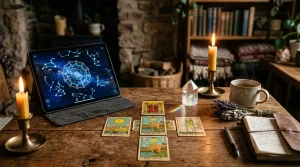
As you delve into the world of Tarot, one of the most debated topics you’ll encounter is the use of card reversals. Many readers wonder: Do reversals add depth to a reading, or are they simply unnecessary complexity? Understanding the pros and cons of reading reversals can significantly impact your intuitive practice. Embracing or shunning reversals influences not just the way you interpret your cards, but also how you connect with your intuition and the messages they convey. This exploration is essential for both beginners seeking clarity and seasoned readers refining their craft. Join us as we uncover the value, challenges, and ultimate significance of reading Tarot reversals, helping you to decide what resonates best with your unique approach to this mystical art.
Do You Need to Read Reversals in Tarot?
Deciding whether to read reversals in tarot can spark passionate debate among practitioners. While some believe that every card has a dual nature, enhancing the depth of readings, others may feel that interpreting reversals complicates the process, making it less intuitive. The important thing to remember is that tarot is a personal journey, and how you choose to engage with the cards should resonate with your own style and beliefs.
Reading reversed cards often allows for a more nuanced understanding of the messages the tarot conveys. For instance, while the upright Lovers card typically symbolizes union and harmony, its reversed position may denote disharmony or difficult choices. This duality can be particularly beneficial during a reading, as it invites a broader discussion about the challenges present in a situation. However, if you feel overwhelmed by the complications reversals bring, it’s perfectly acceptable to focus solely on the upright meanings. Many readers find success with intuitive approaches that exclude reversals, relying on gut feelings to guide their interpretations.
Embracing reversals can further enhance your readings by adding layers of meaning. They may reveal hidden factors or internal struggles that wouldn’t surface in an upright position alone. For example, a reversed Tower card might signal an inner turmoil rather than an external catastrophe. This shift in interpretation encourages exploration of subconscious fears or past traumas, offering valuable insights. Nevertheless, it’s essential to acknowledge that diving into reversals can deepen not only your readings but your connection with the cards as well.
Ultimately, the decision rests with you. If you find joy and value in reading reversals, rejoice in that practice! If not, embrace an upright-only approach and make it your own. Trusting your intuition and comfort level is key. Tarot is a personal evolution, one that invites exploration while respecting your unique journey.
Understanding Tarot Reversals: An Overview
Understanding Tarot reversals can open up a deeper layer of insight into your readings, allowing for a more nuanced interpretation of the cards. Traditionally, Tarot cards are viewed either upright or reversed, with reversals believed to convey different meanings, often contrasting the upright position. For many, reversals signify a cautionary tale, an awareness of obstacles, or internal conflicts that require attention. This view posits that every card embodies both light and shadow, giving you the opportunity to explore aspects that may be less obvious in upright cards.
The value of reversals lies in their ability to complicate otherwise straightforward interpretations. For instance, the upright Fool card may symbolize new beginnings and adventure, while its reversed counterpart could indicate recklessness or missed opportunities. This duality not only broadens the dialogue within your reading but also encourages you to delve into the emotional and psychological aspects behind the situation at hand. By acknowledging these reversed meanings, readers can uncover hidden fears or barriers that might otherwise remain unexamined.
However, it’s essential to recognize that reading reversals is not a strict requirement; it’s one of the many tools at your disposal. Some readers thrive by focusing on the upright positions, where they can draw upon their intuition and personal interpretations to guide their understanding. This can simplify the process, making it more approachable for those who might feel daunted by the intricacies of reversals. Regardless of your choice, the key is to find what resonates with your personal style of reading.
Ultimately, whether you choose to embrace reversals or not, the journey of Tarot reading is about discovery. Trust in your unique intuitive capabilities, and let your experiences shape how you interpret the cards. Embrace the magic of Tarot-it’s your personal journey, and there’s no right or wrong way to connect with the cards.
The Benefits of Reading Reversed Cards
When exploring the depths of Tarot, embracing reversed cards can significantly enrich your readings. Reversals introduce an intriguing duality to each card, illuminating hidden dimensions that often remain obscured when interpreting upright positions. This additional layer of insight can enhance your understanding of challenges, internal conflicts, and potential pitfalls in various aspects of life, from relationships to career paths.
One of the primary benefits of reading reversed cards is the opportunity to address and reflect on the obstacles that may hinder progress. For instance, the upright Chariot embodies victory and forward momentum, while the reversed version may indicate a lack of direction or the presence of external forces shutting down your drive. By acknowledging these nuances, you can better navigate life’s complexities and make more informed decisions. This approach is especially helpful during difficult phases, allowing you to explore root causes rather than just symptoms.
Additionally, reversed cards can stimulate self-awareness and encourage introspection. They serve as mirrors reflecting our fears or limiting beliefs back to us. For example, the reversed Strength card might highlight a fear of vulnerability or the need to confront personal demons. Recognizing such elements prompts meaningful conversations within your reading, facilitating personal growth and emotional healing.
Furthermore, integrating reversed cards into your practice allows you to balance the light and shadow in every situation. Tarot is not solely about positive affirmations; it’s also about honing your intuition and dissecting the intricate balances of life. Each reversal can act as a reminder of our inherent complexity and the value of embracing the full spectrum of our experiences.
In summary, reading reversed cards invites a more holistic view of your Tarot practice. It provides a deeper conversation about potential challenges and personal growth, encouraging you to foster a greater understanding of the self and the circumstances surrounding you. By tapping into this resource, you’re equipped to approach your readings-whether personally or for others-with enhanced insight and depth.
Common Misconceptions About Reversed Cards
Despite the myriad interpretations and discussions surrounding Tarot, certain misconceptions about reversed cards persist, which can deter both newcomers and seasoned practitioners from fully engaging with this aspect of their Tarot readings. One prevalent belief is that reversed cards inherently symbolize negative or bad outcomes. This is far from the truth; reversals can represent introspection and the need to address underlying issues rather than merely serving as harbingers of misfortune. For instance, a reversed Tower card can indicate a necessary upheaval or revelation, suggesting a path to much-needed change rather than disaster.
Another common misunderstanding is that reading reversals complicates interpretations unnecessarily. In reality, reversals add a nuanced layer of depth that can greatly enrich readings, providing insights into both the positive and challenging aspects of a situation. They allow readers to explore contradictions and complexities inherent in life, promoting a more balanced view. For example, if you pull the upright Lovers card, it typically signifies harmony and partnership; however, its reversed counterpart may prompt questions about choices, miscommunication, or imbalances that need to be addressed.
Some practitioners might feel that they are obligated to read reversals to be considered serious or skilled in Tarot. However, Tarot is deeply personal and intuitive. While reversals offer valuable perspectives, they are not mandatory for effective readings. Each Tarot reader should trust their instincts and determine what resonates most with them-be it reading reversals or sticking solely to upright meanings. This reflects a core principle of Tarot: it’s not just about finding the “correct” interpretation but about fostering personal growth and insight.
Finally, skeptics may argue that reversed cards can lead to confusion or misinterpretation. To counter this concern, it’s beneficial to approach each card with a clear mindset and an understanding of your personal relationship with the cards. Keeping a journal of your readings can help you track how you interpret reversals over time, allowing you to see their impact on your insights and refining your approach. By breaking down these misconceptions, you’ll not only gain confidence in integrating reversals but also enhance your overall Tarot practice.
When Reversals Add Depth to Readings
When you incorporate reversed cards into your Tarot practice, you open the door to a richer, more nuanced reading experience. Rather than simply flipping a card to reveal its upright meaning, consider how a reversal can provide deeper insights into the challenges and complexities at play in your life or the life of the querent. For instance, pulling a reversed Queen of Cups might signal emotional blockages or the need for self-care, contrasting with its upright position that embodies compassion and empathy. This shift in perspective invites a deeper exploration of what the querent might be avoiding or struggling with emotionally.
Moreover, reversed cards can highlight contradictions or unresolved issues that might not be as apparent with upright cards alone. For example, if your reading includes both the upright Chariot and the reversed counterpart, it may illustrate a struggle between forward momentum and internal conflicts. This dynamic can prompt important discussions about the querent’s desire to push forward while feeling held back by fear or doubt. By acknowledging the inverted position, you create space for self-reflection and deeper clarity, which can lead to powerful breakthroughs in understanding.
Ul>
For those who hesitate to read reversals due to concerns about confusion, starting with a clear intent can be immensely helpful. Consider keeping a dedicated Tarot journal where you record your interpretations of reversed cards alongside the questions posed. Over time, this practice will not only demystify the readings but also provide a wealth of examples to reference in the future. This approach reinforces the idea that Tarot, while mystical, is also about cultivating personal insight and growth-making each reversed card a unique opportunity for exploration rather than a source of anxiety.
Practical Techniques for Reading Reversals
When diving into the world of Tarot, embracing the practice of reading reversed cards can significantly enhance your readings. Each reversal presents an opportunity to explore layers of meaning and insight that might not be evident with upright interpretations alone. Here are some practical techniques for integrating reversals into your practice.
One effective approach is to begin with a clear intention for your reading. Before drawing cards, set a specific question or theme in mind. This focus helps ground the reading, allowing the reversed cards to illuminate aspects of the situation that require attention. For example, if your inquiry revolves around a relationship and you pull the reversed Two of Cups, it might suggest misunderstandings or imbalance, prompting a deeper dialogue about communication issues.
Using a Tarot journal can also greatly aid in understanding reversed cards. Document your interpretations alongside the specific question asked at the time of the reading. Over time, this practice will build a personal lexicon of meanings and associations, enhancing your intuition. For instance, you might note that the reversed Five of Pentacles frequently highlights feelings of isolation, allowing this insight to inform future readings.
Additionally, consider employing different spreads that account for reversals. One straightforward spread is the three-card spread, where each position represents the past, present, and future. In this setup, the reversed cards can indicate obstacles from the past that impact the present or unresolved issues that may influence future outcomes. This format encourages a narrative flow, making the reversal a pivotal part of the overall reading.
Lastly, don’t shy away from trusting your intuition. If a reversed card evokes a particular feeling or thought, honor that response. Tarot is as much about personal connection as it is about the card meanings. Engaging with the reversed position through these techniques not only enriches your readings but also fosters a deeper relationship with your Tarot practice, allowing both skeptics and believers to find value and clarity within every card drawn.
Integrating Reversals in Different Tarot Spreads
Integrating reversed cards into various Tarot spreads can unlock rich layers of meaning that enhance your readings significantly. While some readers may shy away from reversals, embracing them can provide key insights into challenges or hidden influences at play. Understanding how to effectively incorporate reversed cards into your spreads can make a profound difference in the depth of your interpretations.
One commonly used spread that is particularly effective for reading reversals is the Celtic Cross. In this spread, the position of each card is laden with specific meanings, allowing reversed cards to highlight blocks or issues that may be affecting the situation at hand. For example, if you pull a reversed card in the position representing obstacles, it may suggest self-sabotage or an internal struggle that needs to be addressed for growth to occur. Not only does this provide clarity on the present circumstances, but it also helps to frame a potential path forward.
Another practical option is the Three-Card Spread, which allows for a straightforward analysis of past, present, and future. Here, reversed cards can indicate setbacks or unresolved issues in the past that continue to influence the present moment. For instance, if the reversed Six of Swords appears, it could signal lingering difficulties in moving away from past troubles, urging a closer inspection of what still binds you to those experiences. This format facilitates a narrative flow, making it easier to identify how current challenges may be rooted in previous events.
For those who enjoy more structure, the Five-Card Spread can offer a broader view, as it allows for specific placements such as “what to embrace,” “what to release,” and potential outcomes. Integrating reversed cards here can provide clarity on what aspects of the situation may need changing or letting go of to move forward positively. If you identify a reversed card in a position calling for release, it might indicate a need to confront fears or habits that are holding you back.
Ultimately, trusting your intuition while reading reversals is essential. Each card carries its own energy, and when positioned upside down, this energy can reveal nuanced behaviors or dynamics. By playing with these different spreads, you cultivate a deeper connection with your cards and foster your intuitive abilities, whether you’re a seasoned reader or just beginning your Tarot journey. Embrace the magic and insights that come from understanding reversed cards; they may be just what your readings need to shine even brighter.
Alternatives to Reading Reversed Cards
While many tarot readers embrace reversals for their depth, there are plenty of creative that can provide rich insights without flipping your deck. One popular technique is to focus solely on the upright meanings, allowing you to simplify your readings and minimize confusion. Instead of interpreting a card as reversed, simply consider it as having a more challenging twist. For example, if you draw the upright Five of Cups, which traditionally indicates loss or regret, you might interpret it as emphasizing feelings of grief more intensely rather than reading it as a sign of hopelessness.
Additionally, you can employ the use of contextual interpretation. Analyze the position of the card within the spread and the surrounding cards to gauge its significance. By looking at nearby cards, you can determine what challenges or themes may need to be highlighted without directly using a reversed meaning. For instance, if the Two of Swords appears alongside the Tower, you might focus on the tension indicated by both cards, suggesting a difficult decision is needed due to looming upheaval.
Incorporating symbolic imagery and intuitive insights can also enrich your tarot practice. Each card is rich with symbolism-consider an upright Hanged Man not just as patience, but as necessity to view situations from a new angle or as a call to surrender. This allows for a more fluid interpretation of its energy, catering to your intuitive insights rather than confining it to a rigid definition.
Lastly, try experimenting with custom spreads that are designed to specifically address questions or themes you’re curious about. For instance, a spread tailored to uncover emotional undercurrents or past influences could focus strictly on the upright meanings, while engaging in a dialogue with the cards about how they influence your situation. This approach encourages a dynamic conversation rather than a static reading, leading to deeper personal revelations.
By exploring these alternatives, you can maintain a rich, engaging tarot practice that aligns with your unique style and comfort level, drawing on intuition and context instead of rigid interpretations. Each reading becomes an opportunity to connect more intimately with the cards and your own journey.
Exploring Intuition: Trusting Your Gut
In the realm of tarot, intuition plays a pivotal role, especially when considering whether to incorporate reversed cards into your readings. Those subtle flickers of insight-your gut feelings-can illuminate a path much richer than any book definition. Learning to trust your instincts can transform your tarot practice from a mere system of symbols into a dynamic dialogue with the universe.
When faced with a reversed card, take a moment to pause and listen to your intuition. Instead of immediately turning to traditional interpretations, ask yourself what feelings arise within you. Maybe the Two of Cups flipped upside down evokes a sense of estrangement or tension in a relationship. Your initial reaction might signal a deeper message beyond the card’s standard meaning. Harnessing this instinct can lead to profound insights, as your gut reaction often taps into your subconscious knowledge of the querent’s situation.
- Contextual Understanding: When drawing cards, don’t just focus on their meanings in isolation. Examine how the reversed cards interact with the upright ones too. This interplay can spark intuitive revelations. For instance, if the reversed Fool appears beside the upright Empress, trust that your intuition might be nudging you towards recognizing an imbalance between risk-taking and nurturing.
- Immediate Interpretation: Often, your first impressions are the most authentic. If a reversed Ten of Swords strikes you as a wake-up call rather than a total defeat, lean into that feeling. It can signify rebirth or recovery rather than the end.
Learning to engage these intuitive nudges can deepen your readings, offering a sense of connection not just to the cards but to the energies surrounding them. Each reading becomes a living process, a co-creation between your insights and the cards, allowing for greater emotional resonance and understanding in the messages delivered. So, whether you choose to read reversals or not, acknowledge that your intuition is a powerful tool awaiting your exploration.
How Reversals Affect Card Meanings
When a tarot card appears reversed, its meaning can shift dramatically, often offering insights that differ significantly from its upright interpretation. Reversed cards create a dynamic interplay of energies, providing a nuanced perspective that can deepen your understanding of the situation at hand. For example, the upright representation of the Three of Cups usually symbolizes celebration and friendship, while the reversed card might speak to feelings of isolation or discord within social circles. Recognizing these shifts can be crucial in interpreting the messages presented in a reading.
Understanding involves embracing the idea that they often represent internal struggles or challenges that require resolution. Take the Devil card, which upright can symbolize bondage and materialism. In reverse, it might indicate liberation from these constraints, suggesting a path toward empowerment and self-awareness. This perspective not only allows you to convey the full spectrum of potential outcomes but also encourages seekers to confront their issues head-on.
As you integrate reversed meanings into your readings, consider the broader context of the cards in play. For instance, if the reversed Justice appears with the upright Chariot, it could suggest that while external forces are favoring movement and progress, there may be unresolved ethical dilemmas or injustices that need addressing first. This interrelation invites you to reflect on how the energies of each card interact and build upon each other, enriching the narrative you share with the querent.
To fully harness the potential of reversed cards, trust your intuition during readings. The first emotion or thought that arises when observing a reversed card can often guide you toward the underlying message. By allowing these initial instincts to inform your interpretation, you transform the reading into a more personalized and impactful experience. This approach not only deepens your connection with the cards but also fosters a more authentic and informed dialogue with those seeking guidance.
Community Perspectives: Diverse Opinions on Reversals
Many tarot readers have differing opinions on whether to incorporate reversals into their practice, leading to a rich tapestry of perspectives from the tarot community. Some practitioners view reversals as essential for deepening the reading, while others prefer a more simplified approach with only upright meanings. This diversity reflects individual styles, philosophies, and levels of comfort with the cards.
One compelling viewpoint is that reversed cards often symbolize inner conflicts or lessons that are not immediately evident. For example, when the reversed Four of Swords appears, it may indicate a need for rest that has been resisted, suggesting the querent is struggling to find peace. This nuanced interpretation can point to deeper emotional or mental challenges, adding valuable context to a reading. Many readers find that these insights can be transformative, prompting clients to engage with their personal growth in meaningful ways.
Conversely, some readers argue that reading reversals can complicate the interpretation process unnecessarily. They may favor a system where cards always maintain positive or negative meanings based on their imagery and positioning within the spread. This approach can lead to clarity, especially for those new to tarot, who might feel overwhelmed by the additional meanings that reversals introduce. A practical compromise might be to explore reversals in certain contexts-like when dealing with particularly complex questions-while keeping upright meanings for straightforward inquiries.
Ultimately, the decision to use reversals should align with your intuition and comfort level. Many readers emphasize the importance of experimenting with both methods to discover what resonates best for you. Group discussions or workshops can provide insights from seasoned practitioners, fostering a supportive environment for exploring these diverse approaches. As you develop your unique style, remember that tarot is a personal journey-what feels right for one reader may be different for another. Trust your instincts, and don’t hesitate to tailor your practice to fit your spiritual path.
Frequently asked questions
Q: Do I need to read reversals in Tarot to get accurate readings?
A: No, reading reversals in Tarot is not mandatory. Many readers achieve insightful results by focusing solely on upright meanings. The choice depends on your comfort level and what resonates with your intuitive style. If you choose not to read reversals, ensure you explore the nuances of upright cards for depth.
Q: What are the common misconceptions about Tarot reversals?
A: One major misconception is that reversed cards only signify negative meanings. In reality, they can offer deeper insights and highlight internal struggles or unexpected shifts. Embracing reversals can enrich your readings rather than detract from them, allowing for a fuller perspective on the situation at hand.
Q: How do reversals influence the outcome of a Tarot reading?
A: Reversals can introduce complexity and depth, influencing the overall interpretation. They often indicate challenges, hidden aspects, or the need for introspection. Integrating reversals allows for a more holistic reading, providing multiple layers of meaning and context regarding your question.
Q: When should I choose not to read reversals in my Tarot practice?
A: You may opt out of reading reversals if you’re a beginner and find them overwhelming, or if you feel your intuition works better with upright meanings. Building a strong foundation with upright interpretations before integrating reversals can enhance your confidence and understanding of the cards.
Q: Can I use reversed cards in specific Tarot spreads?
A: Yes, reversed cards can effectively enhance various spreads, such as the Celtic Cross or Three-Card Spread. They can represent internal dynamics or clarifications, adding unique insights depending on the spread’s purpose. Tailor your approach based on the intent of the reading and your comfort with reversals.
Q: Are there alternative methods to interpret Tarot cards without using reversals?
A: Absolutely! You can focus on card positions, surrounding cards, or themes that emerge during the reading. Additionally, using numerical or elemental associations can offer insights without the need to read reversals. Experiment with different interpretations to find what feels right for you.
Q: How can reading intuitively help with Tarot reversals?
A: Trusting your intuition can clarify ambiguous meanings of reversed cards. Intuitive insights often lead to personal interpretations, allowing for more personalized readings. Regular practice of intuitive Tarot can build confidence in distinguishing when a reversal might signal a deeper emotional context or a fundamental shift.
Closing Remarks
While the decision to read reversals in Tarot ultimately rests with you, it’s crucial to weigh the pros and cons we’ve discussed. Embracing this aspect can deepen your readings and enhance your intuitive connection, but it might also bring up uncertainties. Curious about how reversals could impact your spreads? Explore our detailed guides on 3-Card Love Readings and insights into balancing your intuition with practical methods to maximize your readings.
Don’t hesitate-dive into the world of Tarot with confidence! Whether you choose to incorporate reversals or not, knowing your options empowers your practice. For ongoing support and fresh perspectives, consider signing up for our newsletter or exploring our vast resource archive. Tarot is a journey of self-discovery, and every step counts. Share your experiences in the comments below, and let’s continue this magical exploration together!
Get our latest guides, news, and insights highlighted in your Google Search & AI Overviews.