Many people react with unease upon seeing the Death card in Tarot, often assuming it signifies a literal end. However, the truth is far more nuanced and profound. The Death card primarily symbolizes transformation, endings, and new beginnings, acting as a powerful catalyst for personal growth. By exploring its deeper meanings, you can gain insights into significant life changes or the necessity of letting go to welcome something new. Understanding this card is essential not just for Tarot enthusiasts but for anyone seeking clarity in periods of transition. Join us as we delve into the real significance of the Death card, demystifying its interpretation and empowering you to embrace the cycles of life with confidence and grace.
Does the Death Card Really Mean Death?
The Death card in tarot often provokes an instinctive sense of fear or discomfort. Many people wonder, “” It’s essential to clarify that the card, far from being a literal omen of physical demise, symbolizes transformation and profound change. The imagery often associated with the card-such as the skeleton, the reaper, or the imagery of endings-can mislead those unfamiliar with its true essence. Instead of anticipating an end, the Death card invites reflection on the cycles of life.
Understanding this card requires recognizing its role in the broader narrative of the tarot deck. The Death card, typically represented as the thirteenth card in the Major Arcana, challenges us to let go of the old to make way for the new. It signifies endings that may feel heavy, but are ultimately necessary for growth and renewal. Think of it as a caterpillar transforming into a butterfly; the process may seem daunting, but the results are incredibly liberating.
In practical terms, when the Death card appears in a reading, it’s an opportunity to evaluate aspects of your life that may be holding you back. Are there relationships, habits, or beliefs that you need to release? This card can serve as a catalyst for personal growth by encouraging you to embrace change rather than resist it. So, while the Death card may conjure fears of endings, it fundamentally represents a powerful call to transformation and renewal, reminding us that every ending is indeed a new beginning.
Understanding the Symbolism of the Death Card
The Death card in tarot, often intimidating in its representation, serves as a profound symbol of change and transformation rather than a literal indication of death. Many are surprised to learn that the imagery associated with this card, such as the skeleton and the scythe, evokes not endings, but rather the powerful potential for renewal and rebirth. This card resonates deeply with the cycle of life; like the natural seasons, there are times of ending that pave the way for new beginnings.
Understanding the symbolism within the Death card allows us to appreciate its role in our personal journeys. The imagery typically highlights the need to shed what is no longer serving us, signaling that it’s time to release old habits, beliefs, or even relationships that may be hindering our growth. By embracing the transformative energy of this card, we open ourselves up to the possibilities that lie beyond our comfort zones. Just as a snake sheds its skin, the Death card encourages us to let go of our past selves to reveal what is waiting to emerge.
To delve deeper into its symbolism, consider the archetypal themes associated with the Death card. It represents not just an ending, but also the necessary process of letting go. This card speaks to the importance of transitions in our lives, reminding us that while change may be daunting, it often brings about necessary growth. Embracing the discomfort of this transformation can lead to incredible liberation and newfound opportunities.
When interpreting the Death card in a reading, it’s essential to approach it with a mindset open to change and renewal. Instead of viewing it solely as a conclusion, think of it as an invitation to start anew. This perspective shift can reveal paths previously obscured by fear, facilitating personal empowerment at the deepest levels. The Death card, therefore, stands not as a harbinger of doom but as a guide encouraging us to dance with the inevitable changes of life, helping us to appreciate that through every ending, there is the seed of a new beginning awaiting us.
The Death Card in Tarot: A Common Misconception
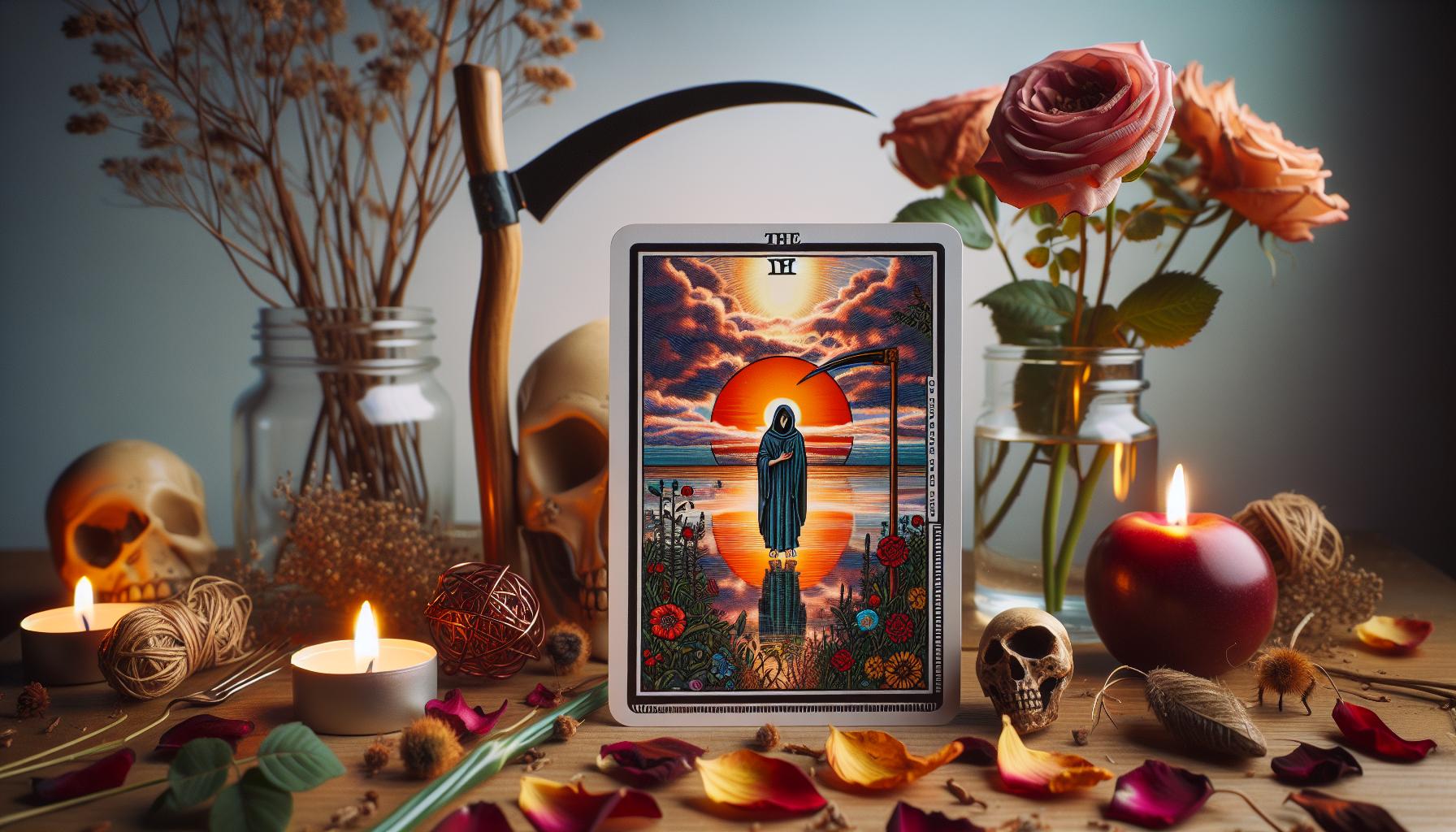
The imagery of the Death card in tarot, often dominated by a skeletal figure and a scythe, can trigger a visceral response, leading many to conclude that it forebodes an actual death. However, this common misconception oversimplifies the card’s rich symbolism and profound meaning. In reality, the Death card is not about physical demise; rather, it represents profound transformation and the cyclical nature of life. It encourages us to let go of what no longer serves us, paving the way for new beginnings and growth.
This card is inherently linked to the process of endings and transitions. Just as the seasons change, the Death card reminds us that life is filled with phases that require us to release the past. For example, a reading might reveal that someone is struggling with a stagnant relationship. The appearance of the Death card could signify that it’s time to move on, creating space for healthier dynamics or even new relationships to flourish. This connection to letting go is about emotional and mental freedom rather than impending doom.
When approaching the Death card, it’s vital to consider its implications for personal empowerment. By reframing our perspective, we can see this card as an invitation to explore new opportunities and embrace change. Instead of fearing death in its literal sense, one can interpret this card as a call to action, urging us to confront our fears and step into the unknown. This interpretation fosters resilience and encourages us to view challenges as essential components of our spiritual journey.
In a tarot reading, the Death card may embody various aspects of life, such as career changes, personal development, or shifts in relationships. Understanding its true meaning can transform fear into hope, allowing readers to harness its energy positively. Embracing the lessons of the Death card helps us appreciate that from every ending, there is a chance for rebirth, transformation, and renewed purpose in our lives.
What the Death Card Actually Represents

The Death card in tarot, often met with trepidation due to its imagery, serves as a powerful symbol of transformation rather than a harbinger of physical demise. At its core, this card exemplifies the necessity of endings to pave the way for new beginnings. By representing not just the end of something, but also the potential for renewal, the Death card invites introspection about our lives and the cycles we navigate. It’s a reminder that just as seasons change and flowers blossom, we too must allow aspects of our lives to dissolve, making room for growth and new possibilities.
When this card appears in a reading, it signals a time for significant change. For instance, if someone is grappling with a job that no longer fulfills them, the Death card suggests that it may be time to consider a career shift. It embodies the idea of release-like shedding old skin-encouraging individuals to move on from stagnation. This can extend to relationships, projects, or personal habits that no longer align with one’s true self. Embracing this change can be daunting, but seeing the Death card as a necessary step in the journey allows for an empowering perspective.
Another essential aspect of the Death card is its role in facilitating personal empowerment. Instead of interpreting it as a warning of loss, view it as an opportunity for growth. The transformations it brings can lead to deeper self-awareness and renewed vigor. For example, a personal development journey may involve letting go of outdated beliefs or fears. Accepting that change, while sometimes uncomfortable, is essential for evolution can transform apprehension into action, prompting one to embrace the unknown with openness.
Ultimately, understanding the Death card is about unlocking its transformative potential. It encourages us to recognize that every ending is simply a precursor to a new beginning. This perspective allows us to engage more fully in our lives, welcoming change as a natural and beneficial part of our personal evolution. As a reader or seeker, knowing how to interpret this card can enhance your tarot practice and deepen your connection to your own life’s narratives, making the journey a rich and fulfilling one.
Historical Context of the Death Card in Tarot
The Death card in Tarot has a nuanced historical context that enriches its meaning beyond mere mortality. Historically, Tarot evolved in Europe during the late 14th century as a deck of playing cards, eventually developing into a tool for divination by the 18th century. The imagery of the Death card, often depicted with a skeletal figure, signifies the universal concept of mortality but also embodies transformation-a theme present in various mystical and philosophical traditions.
The representation of death as change can be traced back to ancient beliefs. Cultures often viewed death not as an end but as a necessary passage into a new phase of existence. For example, in alchemical traditions, death signifies the process of dissolution that leads to rebirth and enlightenment. This idea resonates through the ages, reflected in the Death card’s role within the Tarot’s Major Arcana, where it stands as the 13th card, symbolizing transition and renewal.
The interpretations of the card have evolved significantly. In the early decks, such as the Visconti-Sforza Tarot, death was depicted more literally but was still accompanied by symbols of change and transition. By the time the Rider-Waite-Smith Tarot was published in 1909, the imagery and accompanying meanings had shifted towards emphasizing transformation. Today, the Death card is widely understood as a powerful metaphor for letting go, endings that lead to new beginnings, and the importance of embracing life’s cycles.
When reading the Death card, it’s helpful to acknowledge this rich historical tapestry. Understanding its roots can deepen your interpretation and help you convey its transformative potential during a reading. Readers can encourage clients to reflect on their own cycles of change-whether in relationships, jobs, or personal growth-by recognizing that the presence of this card often heralds the opportunity for profound renewal rather than annihilation. Engaging with this historical perspective not only demystifies the card but also instills a sense of empowerment, turning fear into understanding.
Interpreting the Death Card in Different Spreads
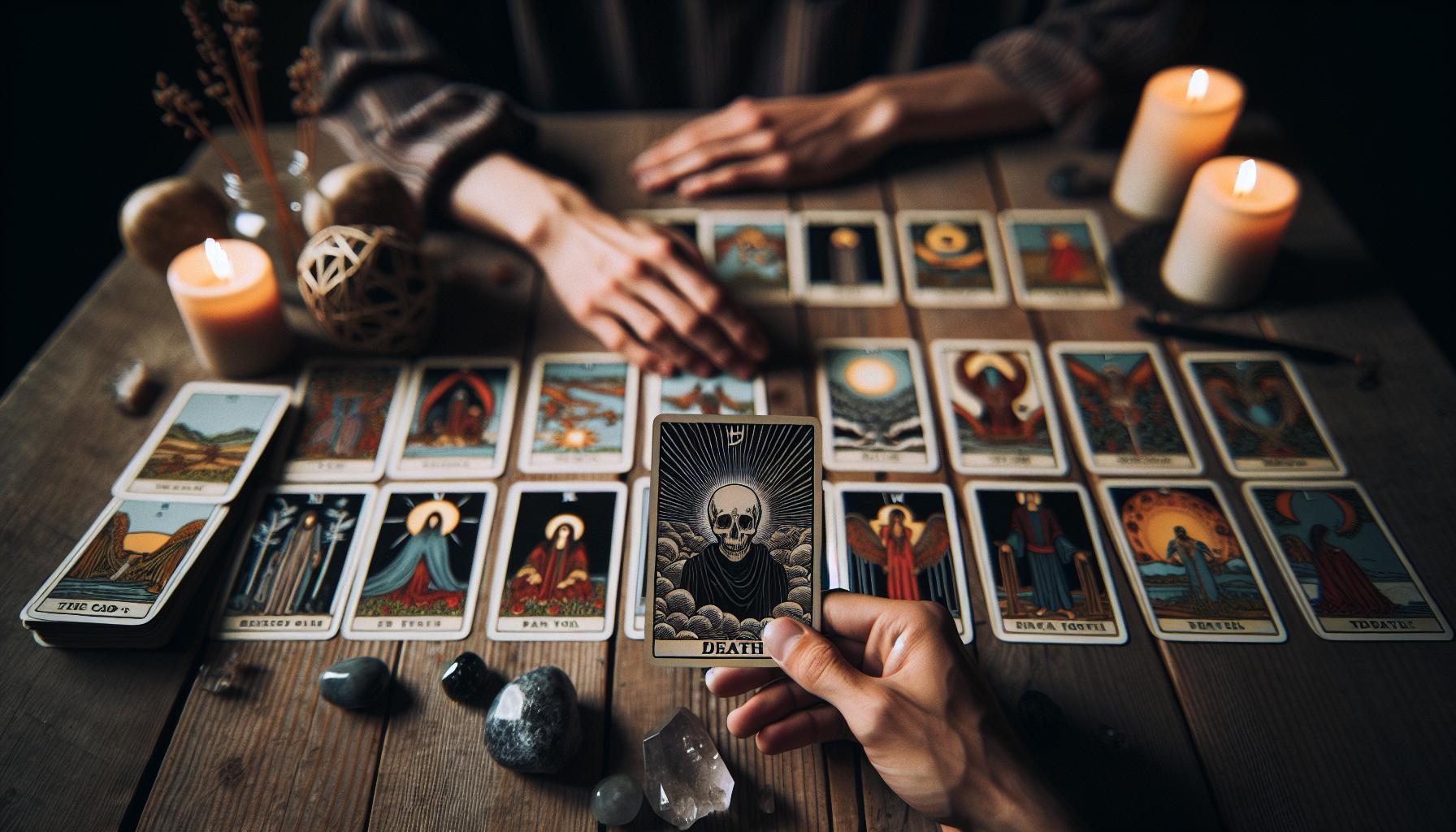
Interpreting the Death card can be a revealing experience, as it often signifies profound transformation rather than physical death. The way this card is understood can vary significantly depending on the spread used in a reading. For instance, whether you’re working with a simple three-card spread or a more complex Celtic Cross, the position of the Death card can dramatically shift its interpretation and contextual significance.
In a three-card spread, where the first card represents the past, the second the present, and the third the future, the Death card can illuminate a journey of transformation. If it appears in the past position, it might suggest that previous experiences, like letting go of old patterns or relationships, have set the stage for current opportunities. Placed in the present position, it could indicate that change is imminent and encourages the querent to embrace this transition. Lastly, in the future position, the Death card signifies the potential for significant new beginnings as a result of the changes currently underway.
When using a more detailed spread like the Celtic Cross, each position offers different insights. For example, if the Death card appears as the challenge, this might indicate resistance to needed change, urging the querent to reflect on what is hindering their growth. Conversely, if it occupies the position of external influences, it’s a reminder that transformation may be occurring beyond one’s control-encouraging openness to unexpected shifts. Understanding these nuances can help both the reader and the querent to prepare mentally and emotionally for the transformations on the horizon.
Another valuable approach when interpreting the Death card is to consider the question at hand. For instance, in a reading focused on personal relationships, the card may symbolize the end of a chapter or a need to release unhealthy connections, paving the way for healthier interactions. In terms of career, it might reflect a necessary transition from one job to another, promoting professional growth. By grounding the interpretation of the Death card in the specifics of the spread and the querent’s life context, the reading becomes more relatable and empowering.
In summary, the Death card’s placement and the context of the spread play crucial roles in defining its meaning. By approaching this card with openness and understanding, readers can provide enlightening perspectives that celebrate change and foster personal growth. Encouraging querents to engage with the card’s transformative energy helps turn fear into empowerment, transforming their understanding of life’s cycles.
Death Card Meaning in Love and Relationships
In matters of love and relationships, the Death card often emerges as a profound symbol of transformation rather than literal endings. When this card surfaces in a reading, it can signify the conclusion of a significant phase or the need to let go of old patterns that no longer serve the relationship. Many fear the Death card, thinking it predicts the end of love, yet it often heralds a much-needed change that paves the way for new beginnings and deeper connections.
For those currently in a relationship, the Death card might suggest that it’s time to shed unhealthy dynamics or communicate openly about needs and boundaries. This could mean ending repetitive arguments or behaviors that bring distress to the partnership. Embracing this card’s energy can empower both partners to make necessary changes, leading to a more authentic and fulfilling bond. It could be the catalyst for a heart-to-heart conversation that brings clarity and resolution, allowing the relationship to evolve into something healthier.
In the realm of singles, the Death card encourages letting go of past traumas or unproductive dating patterns. It’s a call to release fears or beliefs that hinder new romantic possibilities. For example, if someone has been holding onto the pain of a previous breakup, this card invites them to process that grief and prepare to open their heart to new potential partners. By confronting and transforming these emotional hurdles, individuals can step into a brighter, more hopeful future for their love lives.
To integrate the insights of the Death card into your love life, consider these practical steps:
- Reflection: Take time to reflect on past relationships and identify patterns that you’d like to change.
- Communication: Engage in open dialogues with your partner about what’s working and what isn’t.
- Embrace Change: Be open to new possibilities and experiences, understanding that endings can lead to beautiful new beginnings.
- Self-Care: Focus on personal growth and healing, ensuring you are ready for healthy relationships in the future.
Embracing the transformative aspects of the Death card not only alleviates fear but also inspires growth and renewal in love. Understanding this card’s deeper meaning can empower you to navigate the complexities of relationships with grace, courage, and an open heart.
Emotional Transformations Represented by the Death Card
Experiencing profound emotional transformations is one of the most empowering aspects symbolized by the Death card in tarot. Instead of a harbinger of doom, this card represents the inevitable cycles of life, prompting us to confront what no longer serves us and encouraging a journey toward renewal. Each ending creates space for a new beginning, inviting you to explore and embrace the shifts in your emotional landscape, which can be deeply healing and liberating.
When the Death card appears in a reading, it’s an invitation to reflect on various aspects of your emotional life. Perhaps you are holding onto a grudge or a relationship that has run its course. This card urges you to engage in *self-reflection* and acknowledge where you might be stuck. By identifying areas of emotional stagnation, you can begin the process of release. This may look like letting go of the past, whether it’s grieving over a lost relationship or peeling away layers of self-doubt that have inhibited your growth.
The transformative energy of the Death card often leads to significant emotional breakthroughs. For instance, consider someone who has struggled with feelings of inadequacy in their friendships or romantic relationships. The Death card might signal a powerful realization-perhaps the need to establish healthier boundaries or to prioritize self-love. By embracing these shifts, individuals can cultivate healthier connections and release toxic patterns.
To integrate the lessons of the Death card into your life, consider these practical steps:
- Journal about your feelings: Write down emotions or situations you find difficult to let go of. Acknowledge and process these feelings to create an understanding of their impact on your life.
- Practice mindfulness: Engage in meditation or mindfulness exercises that focus on acceptance and release. This helps create emotional space for new experiences.
- Seek support: Talking to a trusted friend or a therapist can provide clarity and support as you navigate emotional transformations.
- Embrace new experiences: Try new activities or hobbies that resonate with your evolving self. Embracing change can foster emotional growth.
By welcoming the transformative journey represented by the Death card, you not only gain insight into your current emotional state but also empower yourself to move forward with confidence and clarity. The Death card is a reminder that although change can be difficult, it ultimately leads to personal growth and the possibility of creating the emotional life you truly desire.
The Death Card and Personal Growth: Embracing Change
The Death card in tarot is a powerful emblem of transformation and the opportunity for personal growth, often arising when change is necessary but perhaps daunting. Embracing this card means acknowledging that every ending is a gateway to new beginnings. Imagine standing at the threshold of a door that, when opened, leads to unexplored possibilities-this is the essence of the Death card. It invites you to let go of what no longer serves you, making room for renewal and evolution.
To navigate this transformative energy effectively, begin with self-reflection. Ask yourself what aspects of your life are stagnating. Is there a job that’s no longer fulfilling? A relationship that’s outlived its purpose? Identifying these areas is the first step to embracing change. For instance, someone might discover that they have been clinging to unhealthy patterns in relationships, such as fear of abandonment. Recognizing this can provide the impetus for profound personal growth, allowing them to set healthier boundaries and cultivate self-love.
Practical Steps for Embracing Change
Integrating the lessons of the Death card can dramatically enhance your emotional and spiritual well-being. Here are some practical steps to consider:
- Embrace the discomfort: Change can feel unsettling, but leaning into that discomfort often leads to significant breakthroughs. Acknowledge your feelings without judgment.
- Visualize your transformation: Spend time imagining where you want to be after the changes take shape. Visualization can fuel motivation and clarify your goals.
- Engage in rituals of release: Create a symbolic gesture to let go of what you’re leaving behind. This could be as simple as writing down what you want to release and safely burning the paper.
- Seek out supportive communities: Surround yourself with people who uplift and encourage you through your transformation. Sharing your journey can foster connection and support.
By welcoming the profound shifts the Death card brings, you not only initiate personal growth but also cultivate resilience. Each ending leads to a chance to redefine yourself and your path forward. As you venture through these transformative experiences, remember that the Death card isn’t a signal of doom, but rather a call to fully engage with the cycles of life, embracing each metamorphosis as an opportunity for empowerment and renewed purpose.
Practical Tips for Reading the Death Card
Reading the Death card can stir up a mix of emotions, but embracing its deeper meanings can lead to profound insights and personal revelations. This card is a sign of transition, urging you to consider what aspects of your life are ready to be transformed. Whether you are a beginner or have some experience with tarot, here are practical tips to help you interpret the Death card effectively during your readings.
Start by grounding yourself before delving into the reading. An open mind and a calm heart are essential for interpreting the energies at play. As you shuffle your cards, think about your intentions for the reading. What areas of your life are prompting you to seek guidance? This mindset sets the stage for a more intuitive connection with the cards. When you draw the Death card, take a moment to breathe deeply and center your thoughts on its transformative power.
Key Interpretations to Consider
When interpreting the Death card, remember that its symbolism revolves around endings and new beginnings. Here’s how to navigate its meanings in different contexts:
- Change: Reflect on what changes might be necessary in your life. This could relate to relationships, jobs, or personal habits.
- Release: Consider what emotional baggage or toxic patterns you need to let go of. This card often encourages releasing what no longer serves you.
- Transformation: Think about how you can evolve from your current experiences. What new opportunities could arise if you fully embrace change?
Use real-life examples for clarity. For instance, if you or someone you’re reading for is facing career transitions, the Death card could indicate the end of a job that’s unfulfilling, making way for a more rewarding opportunity. Encourage open discussion about these interpretations as it often helps to clarify insights.
Integrating the Card into Spreads
Incorporating the Death card into different spreads can enhance your readings. Consider the following tips:
- Past, Present, Future Spread: Place the Death card in the present position to highlight current transformations.
- Situation, Action, Outcome Spread: Situate the Death card in the action spot, suggesting that embracing change is critical to your path forward.
By applying these strategic placements, you can gain a clearer understanding of the transitions your querent (the person you are reading for) may be experiencing.
Embrace the Death card with an open heart and mind, viewing it not as a harbinger of doom but as a catalyst for growth. An essential part of its energy is about encouraging you and those you read for to step out of comfort zones and welcome the new. As you gain experience with the Death card, trust your intuition to guide your interpretations, allowing the journey of self-discovery and transformation to unfold beautifully.
Common Questions About the Death Card in Tarot
Many people approach the Death card with trepidation, fearing it signifies literal death. However, this perception couldn’t be further from the truth. Instead of foretelling the end of life, the Death card symbolizes profound transformation, endings that create space for new beginnings, and the cyclical nature of existence. Understanding this card’s meaning can empower you to embrace change rather than fear it.
One common question is, “What does the Death card in a reading usually indicate?” While it can signify the end of a chapter in life-be it a relationship, career, or personal phase-it primarily urges a release of what no longer serves you. This card encourages you to let go of old habits and embrace the new, aligning yourself with a path of growth and renewal. For instance, if the Death card appears in a relationship reading, it may indicate that a significant change is needed, perhaps letting go of a toxic partnership to welcome healthier connections.
Another frequent query is regarding how to interpret the Death card when it appears in various spreads. It’s essential to consider contextual elements. For beginners, using the Death card in a spread focused on personal development can be enlightening. In this case, it may represent the need to shed outdated beliefs to step into your true self. More advanced readers can use the Death card strategically in spreads like “What needs to change?” or “What internal transformations are underway?” This perspective allows for a deeper exploration of personal growth.
Lastly, many wonder about the emotional implications of the Death card. It often confronts us with feelings of fear and sadness because it asks us to face change head-on, but it can also usher in liberation. By recognizing that every ending is a precursor to a new beginning, you can frame the card as a catalyst for healing and empowerment. Embracing its message can lead to profound personal transformations and a renewed sense of purpose in life.
How to Use the Death Card for Empowerment
Embracing the transformative power of the Death card can lead to deep personal empowerment. Instead of viewing it as a sign of fear or loss, think of it as an invitation to release outdated aspects of your life and welcome new beginnings. This card serves as a reminder that every ending paves the way for fresh opportunities. By approaching it from this perspective, you can harness its energy to catalyze significant growth.
To effectively use the Death card for empowerment, consider these steps:
- Reflect on What Needs to End: Take time to contemplate areas in your life that require change. This might include relationships, habits, or mindsets that no longer serve you. Journaling your thoughts can create clarity and set intentions for transformation.
- Visualize New Beginnings: Following the release, focus on what you want to bring into your life. Visualize your desired outcomes; this can range from improved relationships to new career paths. By creating a mental picture of your aspirations, you empower yourself to pursue them actively.
- Practice Letting Go Rituals: Engage in symbolic acts of release-a burning ritual with written notes of what you wish to let go, or creating a vision board for your new intentions. This physical manifestation of change reinforces your commitment to personal growth.
- Seek Support and Guidance: Discuss your feelings and goals with trusted friends, mentors, or a tarot community. Sharing your journey helps solidify your intentions and provides encouragement as you navigate through transformative shifts.
It’s also beneficial to integrate the Death card into your tarot readings. For instance, in a spread focused on challenge, its presence could indicate preparation for significant life changes. When it appears, ask yourself, “What transitions are currently unfolding, and how can I adapt?” This can guide you toward embracing change rather than resisting it.
Through the lens of empowerment, the Death card is not a harbinger of doom, but a potent symbol of possibility. By harnessing its energy, you can carve a path toward a more fulfilling life, welcoming the cyclical nature of existence as an exciting opportunity for renewal. Embrace this process, and you’ll find that each transformation can lead to an enriched self, brimming with potential.
Faq
Q: What does the Death Card in Tarot truly symbolize?
A: The Death Card symbolizes transformation and change, rather than physical death. It often indicates the end of one phase and the beginning of another, emphasizing personal growth and renewal. Understanding this can help you embrace changes in your life with positivity.
Q: How can I interpret the Death Card in a Tarot spread?
A: When interpreting the Death Card in a spread, consider its position and surrounding cards. It may suggest significant changes in areas like relationships or career. Always contextualize the meaning to the specific spread and the question asked for clear insights.
Q: Why do people fear the Death Card in Tarot readings?
A: Many people fear the Death Card due to its name and imagery. However, it primarily represents transformation and the letting go of what no longer serves you. By reframing your perspective, you can see it as an opportunity for rejuvenation and growth.
Q: Can the Death Card indicate positive outcomes?
A: Yes, the Death Card can lead to positive outcomes, often heralding the end of negative situations or cycles. This card encourages letting go of the past, making way for new opportunities and growth. Embrace its energy to foster positive change in your life.
Q: What are common misconceptions about the Death Card?
A: Common misconceptions include that it only signifies death or doom. In reality, the Death Card often represents endings, transformation, and new beginnings. It is essential to recognize its positive potential within personal development and spiritual journeys.
Q: How does the Death Card relate to emotional transformations?
A: The Death Card is closely associated with emotional transformations, encouraging you to release outdated feelings and embrace healing. By acknowledging and processing these changes, you can achieve profound personal growth and emotional clarity.
Q: In what ways can I use the Death Card for empowerment?
A: You can use the Death Card for empowerment by viewing it as a symbol of strength and renewal. Reflect on areas needing change in your life, and consider what you can let go of to grow. It serves as a reminder that transformation is a natural part of life.
Q: How do I approach a Tarot reading featuring the Death Card?
A: Approach a reading with the Death Card by maintaining an open mind. Focus on the potential for change and growth it represents. Ask specific questions about areas in your life where you seek transformation, and interpret the reading with a sense of curiosity and hope.
Wrapping Up
Understanding the Death card in Tarot opens the door to profound transformation, not just an end. It encourages us to embrace change and the cycles of life. If you’re intrigued by how this card influences your readings or want to explore its role in personal growth, dive deeper into our guides on Tarot Basics and major arcana meanings.
We invite you to share your experiences with the Death card in the comments below. Your insights contribute to our wonderful community! If you’re looking for more personalized guidance, consider a Tarot consultation. Don’t forget to check out our quick Yes or No Tarot tool for instant insights on your pressing questions-your next step toward clarity awaits!
Explore more about Tarot’s hidden meanings and enhance your intuitive abilities. Remember, every card holds a story that resonates uniquely with you-embrace the journey!
Get our latest guides, news, and insights highlighted in your Google Search & AI Overviews.