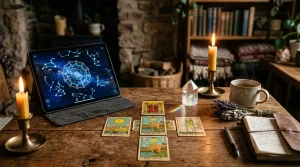
Tarot readings have captivated people for centuries, sparking curiosity about their accuracy and significance. Many wonder, “How reliable are these insights into my life?” Understanding the nuances of general tarot readings can empower you to approach them with clarity and intention. Whether you’re a skeptic or a long-time enthusiast, these readings can offer perspectives that resonate deeply with your personal journey.
In this exploration, we’ll address common concerns about tarot’s reliability, break down what to expect during a session, and uncover how the cards can illuminate your path. Engaging with tarot is not just about divination; it’s an opportunity for introspection and guidance that can lead to profound insights. As we embark on this journey together, you’ll discover how to harness the wisdom of the cards, aiding you in navigating life’s uncertainties with confidence and intuition. Join me as we demystify the power of tarot and unlock its potential in your life.
How Tarot Readings Work: A Beginner’s Overview
The world of tarot reading invites both curiosity and caution, often captivating the imagination of those new to its practice. At its core, tarot reading combines intuition and symbolism. Each deck contains 78 cards, divided into the Major and Minor Arcana, each card rich in imagery and meaning. When seeking a reading, whether for personal reflection or decision-making, you’re embarking on a journey through these symbols, guided by a reader’s insights and your own instincts.
The process typically begins with the querent (the person receiving the reading) focusing on a specific question or situation. This intent helps to anchor the reading and gives the cards a clear purpose. The reader then shuffles the deck, which can be a ritualistic aspect that helps to center energy. Cards are drawn and laid out in a spread-specific arrangements that interpret different aspects of the query. Common spreads include the Celtic Cross, which explores the situation’s current state, influences, and potential outcomes, or simpler three-card spreads that can offer insight into past, present, and future dynamics.
Once laid out, each card is interpreted not only by its defined meaning but also through its position in the spread and the context of the querent’s question. This interplay creates a rich tapestry of guidance. For those new to tarot, it’s helpful to realize that interpretations can vary widely; intuition plays a key role, making each reading unique. While some may view the answers as prescriptive, many see tarot as a mirror, reflecting the querent’s thoughts and feelings, opening up pathways for personal insight and growth.
As you engage with tarot, remember that the experience can be profoundly personal. Each reading has the potential to shed light on your circumstances, but it’s essential to approach the process with an open mind-this fosters a more intuitive connection to the cards. Ultimately, the effectiveness of tarot lies in its ability to create a dialogue with oneself, revealing insights that might not surface otherwise. Whether you’re a skeptic or a believer, giving space to the symbols and your own intuitive reactions can lead to meaningful revelations.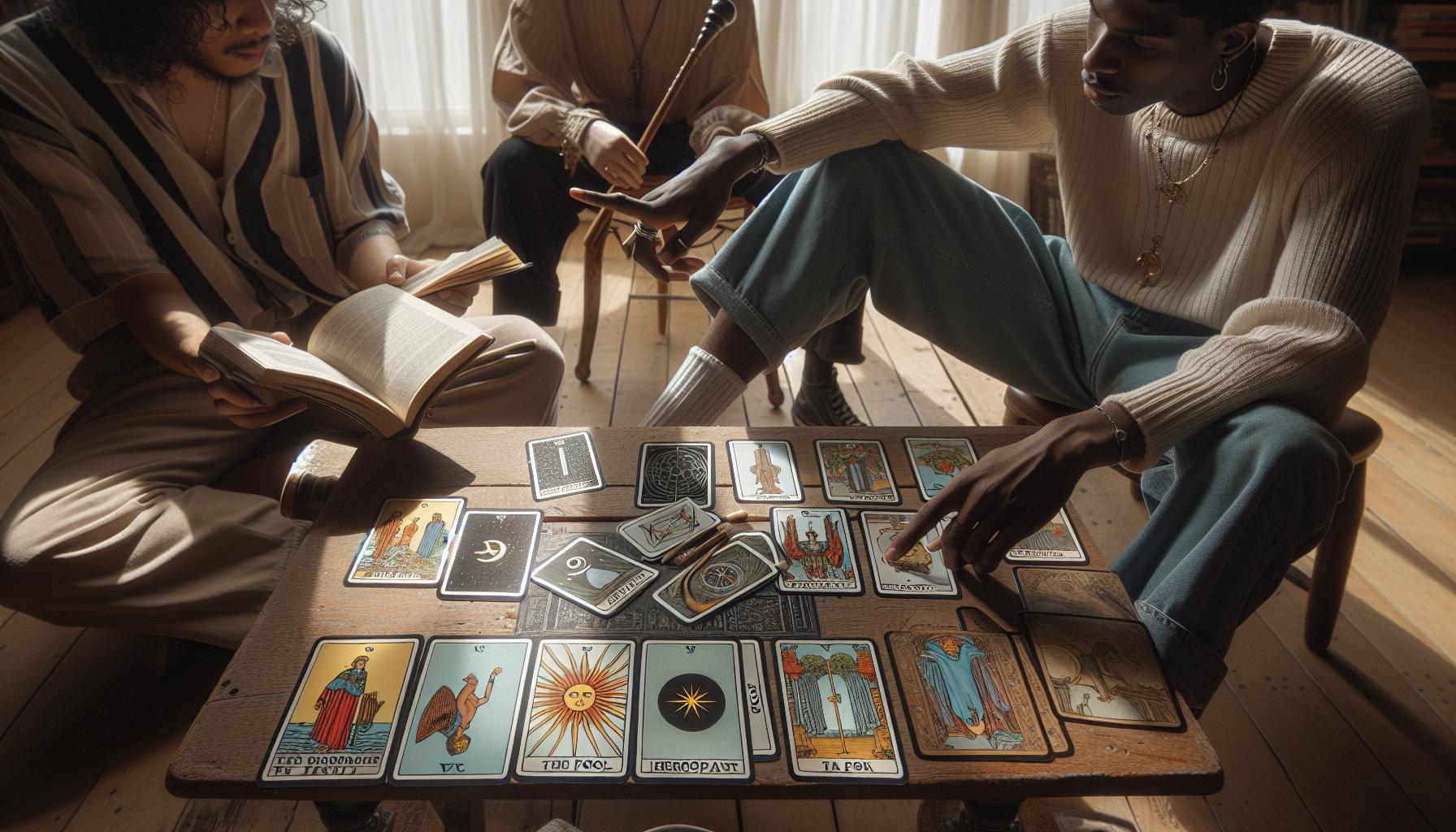
Understanding Tarot Card Meanings and Interpretations
Understanding the intricacies of tarot card meanings and interpretations is essential for anyone interested in tarot readings, whether you’re a novice or simply curious about the process. Each of the 78 cards within a tarot deck carries its own unique symbolism, narratives, and emotional interpretations. By connecting with these meanings, you can gain deeper insights into your own life and questions.
The tarot is generally divided into two sections: the Major Arcana and the Minor Arcana. The Major Arcana consists of 22 cards that represent significant life themes and spiritual lessons. For example, The Fool symbolizes new beginnings and adventure, while The Tower signifies sudden upheaval or revelation. The Minor Arcana includes 56 cards divided into four suits-Wands, Cups, Swords, and Pentacles-which reflect daily experiences and interactions. Each suit has numbered cards (Ace through Ten) and court cards (Page, Knight, Queen, King), each providing nuanced aspects to your interpretations.
When interpreting tarot cards, context is key. It’s not just about the card’s individual meaning but how it interacts with the other cards in your spread. For instance, if you draw the Two of Cups, which traditionally signifies partnership or mutual attraction, its meaning might deepen or shift based on neighboring cards. Pulling the Three of Swords alongside it may suggest that while a relationship has potential, there are underlying hurt or challenges to address. This interplay cultivates a narrative through which you can explore your question, enhancing the reading’s depth.
As you begin working with tarot, use these approaches to build confidence in your interpretations:
- Start simple: Utilize a three-card spread that examines past, present, and future aspects of a question.
- Document your readings: Keep a tarot journal to track the cards drawn, their meanings, and how they relate to your life situations.
- Trust your intuition: Allow your feelings and immediate thoughts about the cards to guide your interpretations, as personal insights can lead to powerful revelations.
By embracing the meanings and engaging with the symbols, you’ll discover that tarot is less about fortune-telling and more about self-reflection and guidance. The beauty of tarot lies in its capacity for interpretation; every card can resonate differently based on who is reading and the context of the question, making each reading a uniquely personal experience.
What to Expect from a General Tarot Reading
In a general tarot reading, you can expect a rich tapestry of insights tailored to your questions and current life situations. The experience typically begins with the reader inviting you to focus on a specific inquiry or area of your life you’d like clarity on. This focus is crucial, as it shapes the direction of the reading and helps the reader connect with your energies and intentions.
During the reading, cards are drawn from the deck and laid out in a spread, each with unique meanings depending on their position and relation to other cards. A common spread used is the three-card layout, representing past, present, and future influences related to your question. For instance, drawing the Ace of Wands in the present position may indicate a burst of creative energy, suggesting you seize new opportunities, while the Two of Swords in the past may hint at a previous indecision that influenced your current path.
As the reading unfolds, the reader will interpret the cards, analyzing not only their meanings but also how they interconnect and reflect your life narrative. It’s important to remain open-minded during this process, as the insights might not always align with your initial expectations. For example, if you’re seeking reassurance about a relationship and draw the Five of Cups, the interpretation might highlight emotional loss or disappointment, prompting you to address unresolved feelings.
Ultimately, the goal is to provide guidance and perspective, helping you to see your situation from new angles. Remember, tarot is not about predicting a fixed future; rather, it offers a way to explore possibilities and empower you to make informed choices. Engage with the reading beyond the cards-listen to your intuition and the emotions that arise, as these insights often hold the most profound truths.
Common Misconceptions About Tarot Accuracy
Many people approach tarot readings with preconceived notions about their accuracy, often influenced by movies, television shows, or dramatic anecdotes. One major misconception is that tarot readings can predict the future with absolute certainty. In truth, tarot is more of a reflective tool rather than a crystal ball. It can offer insights into potential outcomes based on current energies and choices, but it cannot dictate a fixed destiny. This distinction is crucial: the future is fluid and constantly shaped by the choices we make.
Another common fallacy is that tarot readings require a special “gift” or divine connection from the reader. While intuition plays an important role, anyone can learn to read and interpret tarot cards. The key is practice and developing a personal connection with the cards. It’s perfectly normal for beginners to feel uncertain or skeptical, but just like any other skill, interpreting tarot improves over time with experience and reflection.
People also tend to believe that only specific types of questions yield accurate readings. In reality, questions about any area of life-be it relationships, career, or personal growth-can be explored through tarot. However, the way a question is framed can significantly affect the reading’s usefulness. Open-ended questions often provide richer insights than yes/no questions, encouraging a more expansive exploration of the underlying issues.
Practical Insights for Effective Readings
Readers should remain open to the messages the cards convey, even if they differ from expectations. For instance, if someone asks about an upcoming job interview and draws the Tower card, this may not necessarily mean failure; rather, it could indicate a need to embrace change and be open to unexpected developments, which may lead to growth or new opportunities.
Lastly, it’s essential for both readers and querents to remember that personal interpretation plays a significant role in how accuracy is perceived. Engaging with the reading-reflecting on personal feelings and circumstances-enhances the process. So when evaluating the accuracy of tarot readings, consider the insights, feelings, and perspectives gained rather than just the alignment with anticipated outcomes. This holistic approach fosters a deeper understanding of your journey, empowering you to navigate life’s twists and turns with confidence.
Factors Affecting Tarot Reading Precision
The effectiveness of tarot readings can vary significantly, influenced by several key factors that shape the reading experience. Understanding these factors can enhance your overall connection to the tarot and improve the accuracy of insights gleaned from your sessions.
One primary element is the intention behind the reading. When both the querent and the reader approach the cards with clear, open intentions, the reading tends to yield more relevant and aligned insights. Questions framed with positive openness rather than fear or desperation often result in richer responses. For example, instead of asking, “Will I get this job?”, consider reframing it to “What can I learn from my job search experience?” This shift in questioning can lead to deeper guidance and personal growth.
Another critical factor is the reader’s experience and intuition. Just like any skill, tarot reading improves with practice. A reader who has spent time studying the cards and refining their interpretation skills is more likely to provide nuanced insights. For instance, drawing the Ace of Cups could indicate new beginnings in love for a seasoned reader, while a novice might see it merely as an emotion-related card. Regular practice helps cultivate a personal interpretive style that resonates with their unique energy and experiences.
The environment during the reading also plays a crucial role. A serene and distraction-free setting fosters a more profound connection to the cards. Consider creating a sacred space with calming elements-such as candles, crystals, or soothing music-to enhance the reading’s energy. This mindful atmosphere allows both the reader and the querent to be more present, which can elevate the intuitive flow of information.
Lastly, personal circumstances and emotional states of the querent can heavily influence how a reading is perceived. A person who is feeling particularly anxious or closed off may interpret a card like the Three of Swords as purely negative, while another in a more open mindset might see it as an opportunity for healing. Acknowledging and addressing these feelings can deepen the understanding of the messages delivered by the cards.
As you engage with tarot, remember that its true power lies in its ability to reflect your current state and guide you toward possible paths forward rather than providing definitive answers. Embrace the journey of exploration and intuition, allowing the cards to illuminate your unique story.
Differences Between General and Personal Tarot Readings
The distinctions between general and personal tarot readings are essential to understand, especially if you’re exploring the potential accuracy and insights of tarot cards. General readings, often found in books, online resources, or community monthly predictions, provide broader themes relevant to a wide audience. They attempt to address collective energies or trends that might resonate with many, but they lack the specificity that personal circumstances bring.
In contrast, personal tarot readings delve into your unique situation, emotions, and challenges. When a reader engages with you directly, they can tailor the interpretation of each card to your life’s context. For example, if you pull the Tower card in a general reading, it might indicate upheaval or change on a national level. However, in a personal reading, that same Tower card could highlight an impending life event you’ve been avoiding or a transformational moment specific to your work life. This personal connection adds layers of meaning and relevance that general readings simply cannot provide.
Examples to Illustrate the Differences
Consider a scenario where two individuals ask about their careers. A general tarot reading might suggest that a major shift is coming in the job market-that could mean a recession, industry changes, or new opportunities arising for various sectors. But let’s say one of them is feeling stuck in a position that no longer inspires them. A personal reading for this person could utilize specific cards to uncover reasons for their dissatisfaction and suggest actionable steps toward finding fulfillment, such as exploring a new career path or enhancing their skills.
Additionally, the emotional engagement during a personal tarot reading amplifies clarity. The reader and querent interact, allowing for questions and particular insights. This participatory aspect can unearth deeper layers of understanding and lead to more impactful guidance, unlike the generalized insights from broader readings that might feel distant or not entirely applicable.
Trusting Your Experience
Ultimately, both types of readings have their place and purpose. General readings can be a fun and enlightening way to gauge collective themes, while personal readings offer a sanctuary for introspection and specific insight. As you explore tarot, consider what resonates more with you-broad strokes of guidance or a customized exploration of your life’s narratives. By combining the strengths of both approaches, you can cultivate a richer understanding of your journey.
Real-Life Examples of Tarot Readings in Action
In the realm of tarot, the power of storytelling often brings real-life experiences to light, offering a tangible perspective on how readings manifest in everyday situations. These examples demonstrate both the potential alignment of general tarot readings with individual experiences, as well as the insights gleaned from personal engagements. For many, engaging with tarot can evoke transformative moments, where the symbolism resonates deeply within their personal narrative.
Take, for instance, a general reading predicting a period of introspection for the collective. During such a timeframe, someone might pull the Hermit card. While the general interpretation suggests a collective need to withdraw and reflect, an individual experiencing significant life transitions might find this card resonates more profoundly. This person’s journey inward could lead them to reassess long-held beliefs or relationships, guiding them to transformative realizations that catalyze impactful change in their life.
Another example involves a general reading that hints at potential financial instability across industries, represented perhaps by the Five of Pentacles. A person who finds themselves unexpectedly out of work might interpret this reading as a warning but simultaneously see it as a springboard for growth. Instead of feeling demotivated, they might use the insight to pivot towards a new career path, inspired by the potential for opportunity in adversity. This illustrates how general themes can catalyze unique personal action, allowing individuals to harness the energy of the reading in a constructive manner.
When individuals share their experiences with tarot, they often highlight moments where general insights perfectly aligned with their internal struggles. A woman who felt stagnant in her relationship pulled the Lovers card during a general reading, which prompted her to reconsider the dynamic with her partner. This shift allowed her to explore open communication and facilitate change in a way that better suited her needs. Such instances exemplify the emotional and psychological resonance that general readings can evoke, revealing their capability to support personal introspection and growth.
Ultimately, by considering real-life stories alongside their readings, individuals can cultivate a more enriching understanding of how tarot serves not only as a reflective tool but also as a navigational guide through life’s complexities. The alignment of general tarot predictions with personal experiences highlights tarot’s worth; it encourages embracing uncertainty while exploring personal growth paths. Remember, these readings are an invitation to tap into your intuition and weave the broader themes into the unique tapestry of your life.
How to Prepare for an Effective Tarot Reading
To get the most out of a tarot reading, preparation is key. Creating the right environment and mindset allows the cards to offer their wisdom effectively. Whether you’re seeking clarity on a specific issue or simply exploring what the tarot has to say, a few thoughtful steps can significantly enhance your experience.
Start by finding a quiet, comfortable space where you won’t be disturbed. This setting promotes a connection with your intuition and allows for deeper reflection. Consider dimming the lights, lighting a candle, or burning some incense to create an inviting atmosphere. Surrounding yourself with items that inspire you-like crystals or meaningful objects-can also help center your energy and focus your intention.
Next, take some time to clarify your questions. Instead of vague inquiries like “What does my future hold?” try to frame your questions more specifically. For example, “What can I do to improve my relationship?” or “What should I focus on for my personal growth?” written down can help direct the reading. Keeping a journal dedicated to your tarot practice can be beneficial; reflecting on your questions and the insights you gain from each session can deepen your understanding over time.
Allowing yourself to relax and open your mind is critical. Spend a few moments in meditation or deep breathing before you begin. This practice helps to clear any mental clutter and primes You to receive the messages from the cards without bias. As you shuffle and draw, stay present and trust in the deck’s ability to speak to your unique situation.
Finally, approach the reading with an open heart and mind. Remember, tarot is not just a tool for fortune-telling; it’s a means to tap into your subconscious and uncover insights. Even if the messages feel challenging, they often pave the way for growth and transformation. Embrace the journey, recognizing that the accuracy of your reading can depend on how well you prepare to engage with the cards.
By setting the stage thoughtfully and grounding your intuition, you’ll be well-equipped to receive the guidance the tarot offers, making your reading a valuable experience.
Tips for Interpreting Your Own Tarot Readings
Understanding how to interpret the cards is essential for anyone looking to tap into the wisdom that tarot offers. While it may seem complex at first, interpreting your own tarot readings can be both enlightening and enjoyable. To start, it’s important to approach your reading with an open mind and a willingness to explore what the cards reveal.
Begin by identifying your initial intuition about the cards. When you draw a card, take a moment to reflect on your immediate thoughts and feelings. What emotions arise? Do you associate the imagery with any specific experiences from your life? This instinctual response is often your subconscious communicating vital insights that transcend traditional meanings.
Of course, knowledge of card meanings is still crucial. Each card has its own symbolism and keywords that can provide context for your reading. For example, if you draw The Tower, a card known for upheaval and change, think about where in your life you might be experiencing or resisting transformation. Create a list of key meanings for each card in your deck, perhaps in a small journal dedicated to your tarot practice. This serves as a quick reference and a way to track how your interpretations evolve over time.
When interpreting a spread, consider the position of each card. The layout will often suggest how the cards interact with one another. For instance, if you’re using a three-card spread to explore the past, present, and future, pay attention to how each card’s meaning shifts based on its position. A card representing conflict in the past may frame a card signifying resolution in the present more positively.
Lastly, context is key, especially for personal readings. Reflect on how the themes from the cards relate to your current life situation. For example, if you pull the Eight of Cups, symbolizing a need to move on from something that no longer serves you, consider which aspects of your life might require that kind of introspection. Documenting these thoughts can deepen your understanding and build a strong foundation for future readings.
With practice, interpreting your own tarot readings will become more intuitive. Trust yourself; the cards are a tool for connecting with your inner wisdom. Embrace each reading as a collaborative dialogue between you and the deck. It’s a journey that can foster greater self-awareness and clarity in your personal path.
Exploring Tarot Spreads and Their Purposes
Exploration of various tarot spreads can significantly enhance both your understanding and the effectiveness of your readings. Each spread serves a unique purpose, providing a framework to guide your inquiry and delve deeper into your questions or concerns. Whether you’re a beginner or more advanced practitioner, familiarizing yourself with these layouts will enable you to harness the power of tarot more effectively.
A popular choice among tarot enthusiasts is the three-card spread. Ideal for beginners, this layout is versatile and can address various topics such as past, present, and future, or explore a situation, challenge, and outcome. This simplicity allows you to focus on instant insights without overwhelming detail. For example, if you’re contemplating a career change, drawing three cards might reveal your past experiences, your current feelings about the change, and a potential outcome or path forward. The dynamic between these cards often illuminates connections that may not be immediately obvious.
As you grow more comfortable, you may want to experiment with more complex spreads, like the Celtic Cross. This traditional layout consists of ten cards and offers a comprehensive view of your situation from multiple angles, including influences, immediate challenges, and guidance. Each card in this spread symbolizes different aspects of your query, weaving a narrative that can provide profound clarity. For instance, if seeking guidance on a personal relationship, the Celtic Cross can reveal not only the dynamics of the relationship but also external influences, hopes, fears, and the potential outcome.
Another interesting aspect is the daily draw spread, where you pull a single card each day. This practice encourages mindfulness and connection with your intuition. Each morning, ask yourself what lesson or insight the card might bring to your day. Over time, you’ll develop a deeper relationship with your deck, and patterns may emerge that complement your broader readings.
To maximize the effectiveness of any spread, it’s important to infuse your readings with intention. Reflect on your question before starting, and remain open to the messages from the cards. Embrace the narratives they weave and consider how they relate to your current life experiences. With practice, the act of laying out the cards becomes not just a mechanical process but a spiritual dialogue that can deepen your self-awareness and intuitive insight.
Building Your Intuition: Enhancing Accuracy in Tarot
Building your intuitive skills can dramatically enhance your accuracy when reading tarot cards, transforming the process from a mere shuffle of the deck into a profound exploration of your inner self and the energies surrounding you. Your intuition acts as a bridge between the mystical symbols on the cards and the insights they can offer about your life or specific situations. By honing this intuitive sense, you not only amplify the messages from the tarot but also cultivate a deeper connection to your own feelings and experiences.
To begin strengthening your intuition, practice mindfulness techniques. Meditation can be particularly beneficial as it helps in quieting the mind and tuning into your inner voice. As you meditate, visualize yourself surrounded by the energy of the tarot. Picture each card as a representation of a feeling, an event, or a person in your life. Over time, this practice can help you resonate with the energy of the cards rather than simply relying on traditional meanings. For instance, while drawing the Two of Cups, instead of just interpreting it as a union or partnership, allow your intuition to reveal personal connections or challenges you face in your relationships.
Incorporating a daily card draw can further nurture your intuitive abilities. Each morning, draw a card and reflect on its imagery and symbolism throughout the day. Ask yourself how it relates to your life or current experiences. This simple ritual not only familiarizes you with the cards but also encourages your intuition to guide you in interpreting their meanings based on your personal context. For example, if you draw the Tower, consider what sudden changes or revelations you might be experiencing and how that card’s energy plays out in your daily life. Keeping a journal of your daily draws and insights can also be a powerful way to track your progress and recognize patterns over time.
Lastly, don’t shy away from trusting your gut feelings during readings. While learning card meanings is essential, the real magic happens when you can sense how those meanings apply to you or someone else in the moment. When you pull a card, take a moment to jot down what emotions or thoughts arise. Often, these initial impressions can lead to powerful insights when you look back at them later. By embracing both the traditional interpretations and your unique intuitive responses, you can create readings that are not only accurate but also deeply personal and transformative.
Navigating Skepticism: Trusting Your Tarot Experience
While many are captivated by the mystique of tarot, skepticism often arises-especially regarding accuracy and relevance. It’s perfectly natural to question how a deck of cards can illuminate your life or provide genuine insights into your future. Embracing this critical perspective can actually deepen your understanding of tarot and enhance your experience.
One effective approach to navigating skepticism is to recognize that tarot readings function as a mirror reflecting your thoughts, feelings, and subconscious desires. When you engage with the cards, you’re not merely receiving fortuitous predictions; you’re tapping into your own psyche. A reading’s accuracy can often hinge on your state of mind and openness. For instance, consider a situation where the Two of Swords appears. This card typically represents indecision or stalemate. A skeptic might dismiss it as vague; however, reflecting on personal dilemmas can reveal profound insights about choices you are wrestling with.
Trusting the Process
Building trust in the tarot process requires a commitment to staying present. Here’s how you can enhance your experience:
- Set an Intention: Clearly define what you seek from the reading. Is it clarity on a relationship, career direction, or personal growth? Your intention guides the energy.
- Stay Open-Minded: Enter with curiosity rather than rigid expectations. Like any form of introspection, the more you’re willing to explore uncomfortable topics, the more clarity you may gain.
- Reflect on Context: After a reading, take time to contemplate how the card meanings align with your life circumstances. Keeping a journal can help you track patterns and revelations.
- Engage with the Cards: Instead of solely relying on interpretations, discuss what you see and feel with the imagery. This interactive approach can deepen your connection and unveil unique meanings.
By framing your skepticism as a tool for inquiry rather than an obstacle, you transform your tarot experience into a meaningful dialogue with your inner self. Remember, even the most seasoned tarot readers have moments of doubt; it’s about using those moments to reflect and grow. You may discover that the true accuracy of a reading lies not in the predictions themselves but in the transformative insights sparked by your engagement with the cards.
Q&A
Q: How can I improve the accuracy of my tarot readings?
A: To enhance the accuracy of your tarot readings, develop your intuition by practicing regularly and reflecting on past readings. Setting a focused intention and creating a calming environment can also help. Additionally, familiarize yourself with card meanings and practice with different spreads, as explained in the section on Building Your Intuition.
Q: Are tarot readings reliable for making important life decisions?
A: Tarot readings can provide insight and clarity, but they should complement your own judgment rather than dictate decisions. Use readings as a tool for reflection on your feelings and choices. Trust your intuition when interpreting the cards in relation to your life circumstances, as discussed in What to Expect from a General Tarot Reading.
Q: What should I avoid during a tarot reading?
A: Avoid asking overly vague questions or seeking definitive yes/no answers. Focus on open-ended questions instead. Additionally, steer clear of distractions or negative energies that could cloud your reading, as emphasized in the section about How to Prepare for an Effective Tarot Reading.
Q: How does the experience level of the reader affect accuracy?
A: The reader’s experience level can significantly impact the accuracy of the reading. More seasoned readers typically have a deeper understanding of card meanings and better intuition. Regardless of experience, continual practice and personal growth are crucial for improving accuracy, which is highlighted in Building Your Intuition.
Q: What type of questions work best in tarot readings?
A: The best questions are open-ended and focused on personal experiences or feelings. For example, ask “What can I learn from my current situation?” instead of “Is this job right for me?” This approach allows for a more meaningful analysis of the cards, as discussed in Common Misconceptions About Tarot Accuracy.
Q: How can I interpret the cards if I’m a beginner?
A: Beginners can interpret cards by referring to guidebooks or online resources for meanings, but trusting your instincts is vital. Start by focusing on the imagery and feelings each card evokes. Engage with the Understanding Tarot Card Meanings and Interpretations section for foundational guidance.
Q: Can tarot readings predict the future?
A: Tarot readings are not strictly predictive. They provide insight into potential outcomes based on current energies and choices. Use readings as a guide for what might happen rather than definitive predictions. This concept is further elaborated in Differences Between General and Personal Tarot Readings.
Q: How often should I get a tarot reading?
A: The frequency of tarot readings depends on personal preference and needs. Some may benefit from regular readings for ongoing situations, while others might find quarterly or monthly readings sufficient. Reflect on what feels right for you, as mentioned in the How to Prepare for an Effective Tarot Reading section.
Insights and Conclusions
As we explore the reliability of general tarot readings, remember that these insights can vary widely based on the reader’s intuition and your openness to the messages conveyed. If you’re curious about your own tarot journey, consider diving into a personalized reading to experience firsthand how these cards can shine light on your unique path. For a quick decision or to test the waters, our Instant Yes or No Tarot Reading offers immediate guidance-perfect for those wanting to delve deeper without commitment [[2]].
Still have questions about love or relationships? Our 3-Card Tarot Love Reading is designed to reveal opportunities for connection and growth [[3]]. Don’t hesitate to explore the myriad of tarot resources available at Astrology Answers; they can enhance your understanding and engagement with the mystical world of tarot. Start your adventure today and unlock the power of tarot-it’s time to trust your intuition!
Get our latest guides, news, and insights highlighted in your Google Search & AI Overviews.