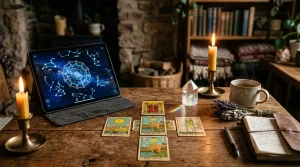
Have you ever felt a pull toward tarot cards, yet hesitated to dive in due to uncertainty? You’re not alone. Many beginners find tarot’s mystique both fascinating and daunting. This guide-“How Do Beginners Use Tarot Cards? Simple Starter Guide”-will illuminate the path for you. We’ll break down the essential steps to understand tarot, empowering you to explore its transformative potential and tap into your intuition with confidence. Whether you’re searching for clarity in your daily life or seeking deeper self-awareness, this introduction will act as your friendly compass. You’ll discover how to interpret cards, select your first deck, and perform simple spreads. Let’s embark on this enlightening journey together and uncover the magic of tarot, one card at a time. Your intuition is ready to awaken-let’s get started!
Understanding the Basics of Tarot Cards
The world of tarot is rich and layered, offering a unique pathway to self-discovery and insight. At its core, tarot is a deck of 78 cards, each carrying its own symbolism and meaning. Generally divided into two main categories-the Major Arcana and the Minor Arcana-the cards provide a narrative that explores the human experience. The Major Arcana consists of 22 cards that delve into significant life events and spiritual lessons, while the Minor Arcana, with its 56 cards, focuses on daily influences and challenges. Understanding these structures is the first step in your tarot journey.
When beginning to explore tarot, it’s essential to recognize that each card acts as a mirror to your inner self, reflecting both personal journeys and universal themes. For example, drawing the Fool can signify new beginnings and adventures, encouraging you to take a leap of faith. In contrast, the Death card often symbolizes transformation and endings, prompting reflection on what needs to change in your life. Familiarizing yourself with the imagery and keywords associated with each card can enhance your readings and deepen your comprehension.
As you embark on this journey, remember that tarot is not just about predicting the future; it’s also a tool for introspection. Many practitioners find their intuitive abilities strengthen with regular use of the cards. Start by flipping a single card each day to connect with its energy. Write down your thoughts and feelings about the card’s meaning; this practice will help you develop a personal understanding over time. Engaging with tarot allows you to explore your thoughts and emotions, facilitating a deeper connection to your intuition and guiding you toward personal growth.
Ultimately, your approach to tarot should be a reflection of your unique experiences and insights. The beauty of tarot lies in its flexibility; whether you seek clarity during challenging times or aim for deeper self-awareness, the cards can serve as your guide. Embrace the mystery of the tarot with an open heart, and you may find that it leads you on a profound journey of self-discovery.
Choosing Your First Tarot Deck
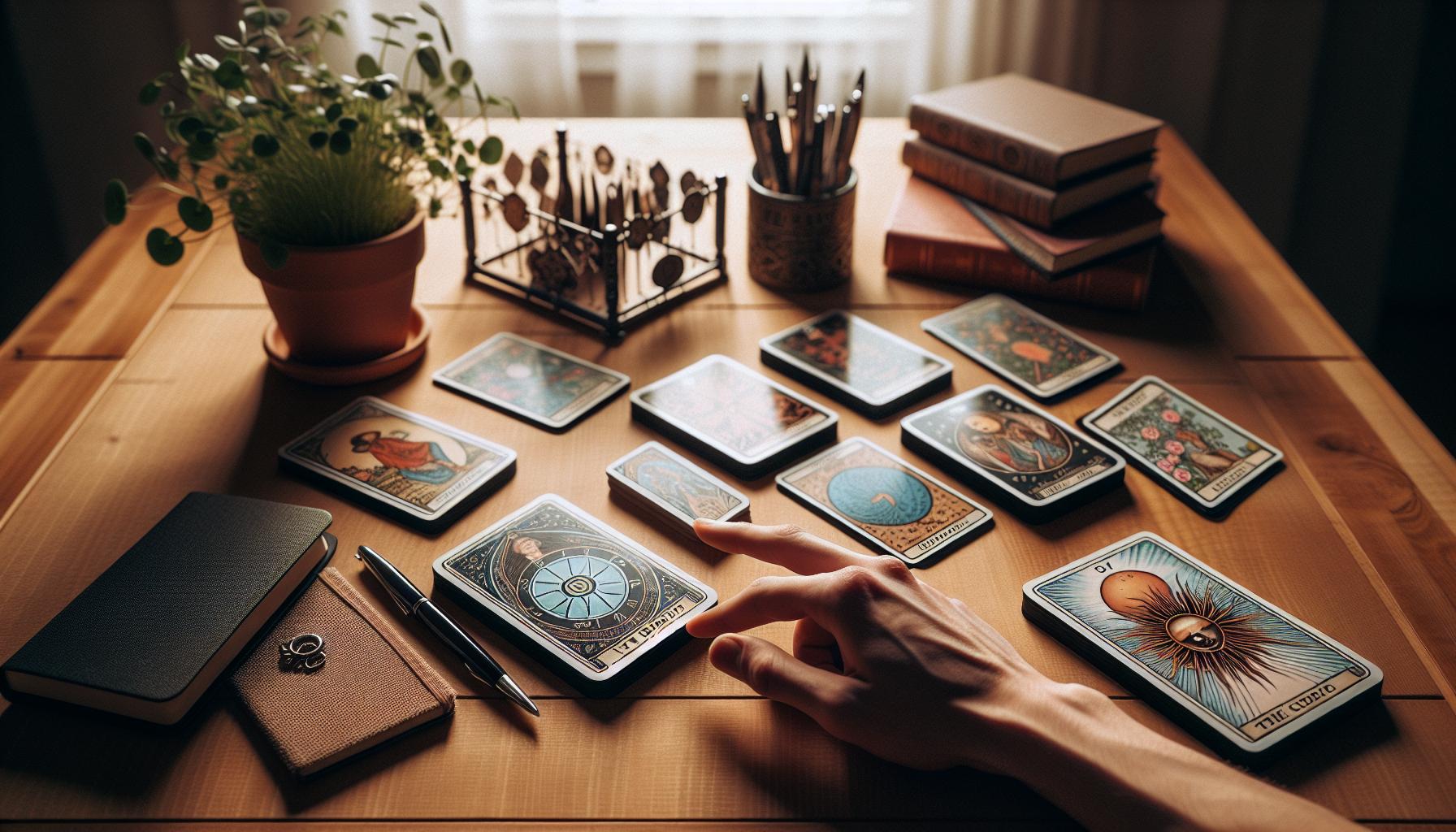
can be a delightful yet daunting experience, filled with endless possibilities that resonate with your spirit. A tarot deck isn’t just a tool for divination; it’s a companion that will guide you on your journey of self-discovery and insight. When selecting your deck, consider the artwork and theme that speaks to you personally, as this connection will enhance your readings. Whether you’re drawn to the whimsical illustrations of the Osho Zen Tarot or the archetypal imagery of the Rider-Waite-Smith deck, the visual representation of the cards is pivotal in fostering a deeper understanding.
Understanding Card Structure
Before you make a selection, familiarize yourself with the structure of tarot decks. Most decks contain 78 cards, divided into the Major Arcana and Minor Arcana. The Major Arcana consists of 22 cards that represent significant life events and spiritual lessons, while the Minor Arcana comprises 56 cards reflecting day-to-day experiences. It can be helpful to choose a deck that provides clear imagery and explanations for these cards, especially as you start your journey.
Consider Your Intuition
When browsing different decks, trust your intuition. Hold the deck if possible; assess how it feels in your hands. This tactile relationship is crucial. You may prefer a deck with more abstract art or one that uses traditional symbolism. Each deck has its own energy, and the right one will feel like a natural extension of yourself. Many beginners find it beneficial to start with a deck that comes with a guidebook, offering insights into card meanings and potential spreads.
- Rider-Waite-Smith: A classic choice that features rich symbolism and clear images.
- Thoth Tarot: Known for its complex imagery and esoteric applications.
- Modern Witch Tarot: A contemporary twist that embraces diverse representations.
Practical Tips for Selection
As you choose, consider the following practical tips:
- Read Reviews: Look for opinions from others about the decks. Online forums can be particularly enlightening.
- Seek Inspiration: Visit a local metaphysical store or browse online for visual samples.
- Decide Your Focus: Think about whether you prefer oracle cards, tarot with a specific theme (like nature or mythology), or traditional decks.
Your first tarot deck is a personal choice that reflects your journey. Embrace this moment with curiosity and excitement, and remember, there’s no wrong choice. The right deck will resonate with you, supporting your readings and intuitive development. As you explore the art and wisdom within, you’ll discover how tarot can enrich your understanding of yourself and the world around you.
How to Set Up Your Tarot Reading Space

Creating a welcoming and personal space for your tarot readings can profoundly affect how you connect with the cards and your intuition. A well-prepared environment encourages focus and clarity, fostering a sense of sacredness that invites meaningful insights. To set up your reading space, begin by selecting a quiet area where you feel at ease. This could be a cozy corner of your home, a sunny spot by the window, or a serene outdoor space. Ensure that this location is free from distractions, so you can immerse yourself fully in the experience.
Next, consider the ambiance of your space. Lighting plays a crucial role; soft, natural light or dimmed lamps can create a calm atmosphere. You might also want to incorporate elements that appeal to your senses. This can include candles for warmth and gentleness, incense or essential oils for grounding aromas, or calming music to enhance your tranquility. Each of these elements can help uplift your spirit and signal to your subconscious that it’s time to engage in a deeper reflection.
To ensure the environment promotes clarity and insight, keep your tarot cards and any other divination tools organized. A dedicated table or cloth where you lay out your cards can work wonders in creating an intentional space. You can use a beautiful scarf or cloth that resonates with you as a backdrop, helping to focus your energy and intention. Additionally, treating your cards with care-as if they are sacred tools-can influence how they work for you. Consider placing crystals, such as amethyst or clear quartz, nearby to enhance the energy in your reading space.
Finally, make this space uniquely yours. Personal touches, such as pictures, meaningful objects, or inspiring quotes, can add depth and significance to your readings. The more you nurture and personalize this experience, the more your tarot practice will evolve, becoming a powerful instrument for self-discovery and understanding. As you settle into your reading, take a moment to breathe deeply, ground yourself, and invite clarity into your heart and mind; this simple ritual can set the stage for profound revelations.
Learning Tarot Card Meanings Made Simple
Understanding Tarot card meanings is crucial for beginners looking to uncover the wisdom each card holds. Rather than memorizing definitions, approach the process as a journey of exploration. Tarot cards are visual storytelling tools, with each image inviting you to reflect on personal experiences and intuition. As you balance facts with feelings, you’ll discover that the meanings can flow fluidly, adapting to each reading’s context.
Start with the basics: the Major and Minor Arcana. The Major Arcana cards (22 in total) offer significant life lessons and themes, while the Minor Arcana (56 cards) explores daily experiences and situations through four suits: Cups, Wands, Swords, and Pentacles. Each suit corresponds to different aspects of life. For instance, Cups relate to emotions and relationships, Wands symbolize creativity and action, Swords address thoughts and struggles, and Pentacles connect to the material world and finances.
To simplify your learning, consider these effective steps:
- Focus on key themes: Each card has archetypal meanings. For instance, the High Priestess is linked with intuition and the subconscious, while the Three of Swords often indicates heartbreak or sorrow.
- Use imagery: Spend time with each card, noting colors, symbols, and emotions. This visual connection will enhance your recall and intuition.
- Create a personal journal: Document your interpretations and experiences with each card. Over time, you will build a library of insights that resonate uniquely with you.
When you encounter a card during your reading, take a moment to reflect on its traditional meaning and how it interacts with your question or situation. For example, if you draw the Two of Cups while pondering a relationship, consider both its representation of partnership and your current feelings. Connecting the card to your intuition and personal circumstances will make meanings more relevant and applicable.
Lastly, embrace that learning Tarot is a continuous process. Engage with your cards regularly, and allow the meanings to evolve as you gain experience and confidence. This practice not only cultivates familiarity with each card but deepens your understanding of yourself and your unique journey with Tarot.
Step-by-Step Guide to Tarot Spreads
When starting your journey with Tarot, learning how to use spreads is essential. A Tarot spread is simply the arrangement of cards on the table during a reading, and each placement holds significant meaning that influences the interpretation of the cards. Think of spreads as maps guiding you through the landscape of your question or situation. They help organize your thoughts and the insights offered by the cards, making it easier to understand the nuances of your reading.
To begin, let’s explore a few popular Tarot spreads that are beginner-friendly:
One-Card Spread
This is the simplest form of a Tarot spread, making it perfect for newcomers. Simply shuffle the deck, focus on your question, and draw one card. This card will provide a straightforward answer or a focal point for your reflection. For example, if you ask, “What should I focus on today?” drawing the Sun indicates positivity and success, emphasizing that you should embrace joy in your day.
Three-Card Spread
The three-card spread allows for more depth and insight. Each position in this spread represents a different aspect related to your question. For instance, they could signify the past, present, and future, or aspects like mind, body, and spirit. Shuffle your deck with your question in mind, draw three cards, and place them from left to right. If, for instance, you draw the Fool (past), Two of Swords (present), and Page of Cups (future), you could interpret this as a journey that began with spontaneity, leading to a current state of indecision, and suggesting future emotional exploration.
Five-Card Spread
As you grow more comfortable, try the five-card spread. This spread provides a richer tapestry of insights, with each card representing different elements, such as obstacles, strengths, and outcomes. A simple structure might look like this:
– Card 1: Current situation
– Card 2: Challenge
– Card 3: Past influences
– Card 4: Advice
– Card 5: Potential outcome
When interpreting, consider how the cards interact. If you draw the Queen of Wands for your strengths, it might suggest you have charisma and energy that can overcome any challenge indicated by the Five of Pentacles in the challenge position.
Choosing the Right Spread
When selecting a spread, consider the complexity of your question. For daily insights or a quick check-in, use the one-card spread. If you’re looking for guidance on a significant life decision, a three or five-card spread might serve you better. Trust your intuition; the right spread will resonate with you and align with your current needs.
Remember, whichever spreads you choose, take your time while interpreting the cards. Reflect not only on their meanings but also how they relate to your question and life experiences. Familiarity with these layouts will help build your confidence and enhance your intuitive abilities over time, making Tarot a truly personal and insightful practice.
Developing Your Intuition with Tarot
To truly harness the power of Tarot, developing your intuition is key. This means tuning into your inner voice and allowing your gut feelings to guide your readings. Intuition is not just a mystical concept; it’s a skill that can be cultivated through practice and openness. A great starting point is to create a personal connection with your cards. Spend time with each one, observing the imagery and reflecting on what feelings or thoughts arise. For instance, if you pull the Two of Cups, notice how it might evoke feelings of partnership or balance in your life. This initial emotional reaction is your intuition beginning to establish a dialogue with the Tarot.
Practical Exercises to Enhance Intuition
Here are some simple exercises to strengthen your intuitive abilities with Tarot:
- Daily Draw: Each day, draw a card without looking at its meaning. Reflect on your day, noting how the card might relate to the experiences you encounter. This practice will sharpen your instinctual interpretations over time.
- Journaling: Keep a Tarot journal where you can write about your readings and intuitive insights. Documenting your thoughts can reveal patterns and deepen your understanding of the cards.
- Intuitive Readings: When doing a reading, instead of strictly adhering to traditional meanings, allow your personal feelings about the cards to take precedence. For example, if you pull the Empress, let your thoughts on nourishment and creativity guide your interpretation rather than solely focusing on textbook definitions.
Real-World Application
Let’s say you’re conducting a reading for guidance on a new career path. You draw The Tower, a card often associated with disruption and change. Instead of panicking at the card’s traditional meaning, tap into your intuition. Ask yourself, “What does this card feel like in relation to my situation?” You might sense it heralds an unexpected opportunity or suggests a necessary shake-up in your approach. This personalized insight can often lead to more resonant and transformative readings.
Building your intuitive connection with Tarot is a journey that embraces your innate wisdom. Remember, both skeptics and believers can find value in this practice, as it serves to enhance self-awareness and clarity. As you grow more comfortable with following your intuition, you’ll find that Tarot can become an insightful companion, guiding you through life’s complexities with warmth and understanding. Allow yourself to explore this path at your own pace; intuition, like any skill, flourishes with patience and nurture.
Common Mistakes Beginners Make
Starting your journey with Tarot can be both exhilarating and overwhelming. It’s easy for beginners to stumble into a few common pitfalls that can hinder their readings and connection with the cards. Recognizing these mistakes is the first step toward building confidence in your practice.
One of the most prevalent mistakes is relying too heavily on traditional meanings without allowing for personal interpretation. While studying the meanings of the cards is essential, each card can resonate with you in unique ways. For instance, if you draw the Three of Swords, which traditionally symbolizes heartbreak, consider how this card reflects your current life situation. Instead of fixating solely on its textbook definition, think about what personal experiences or emotions it evokes for you. This shift can deepen your connection and make readings more meaningful.
Another common error is neglecting to establish a comfortable reading environment. A chaotic space can impact your focus and intuition. Set aside a quiet area dedicated to your Tarot practice, free from distractions. Light a candle, play soft music, or clear the space with sage to create a peaceful atmosphere. This mindfulness prepares you to engage fully with your cards, enhancing your ability to receive intuitive insights.
Many beginners also forget to ask clear, open-ended questions during their readings. Questions that are vague or leading can result in muddy interpretations. Instead of asking, “Will I get the job?” try reframing it to “What do I need to know about my career path right now?” This encourages a richer dialogue with the cards and allows for more nuanced responses. Remember, Tarot doesn’t just predict the future; it provides guidance and insight on your current journey.
Lastly, some newcomers approach Tarot with a sense of pressure, expecting immediate clarity or profound insights from every reading. It’s essential to embrace the process as a journey rather than a destination. Allow yourself to feel curious and playful. Over time, the subtle messages of the Tarot will become clearer, and your confidence will grow. Enjoy each step of your exploration!
Tips for Asking Effective Questions
Asking the right questions is crucial when you’re working with Tarot cards. A well-crafted question can open the door to deeper insights, guiding you toward clarity and understanding. Instead of seeking a simple “yes” or “no,” aim for inquiries that encourage exploration. Consider this: instead of asking, “Should I take this job?” frame it as “What should I consider about this job opportunity?” This subtle shift invites your cards to offer more expansive, nuanced guidance.
Types of Effective Questions
To enhance your Tarot practice, try categorizing your questions into various types:
- Exploratory Questions: These invite broader perspectives. For example, “What energies are surrounding my love life right now?”
- Reflective Questions: Encourage introspection. For instance, “What do I need to learn from my past relationships?”
- Action-Oriented Questions: Focus on steps you can take. An example might be, “What actions can I take to improve my financial situation?”
- Situational Questions: Address specific issues. Such as, “What is blocking my communication in my current project?”
Embrace Open-Endedness
Open-ended questions create a space for the Tarot to communicate more deeply. Avoid questions that lead to binary answers, as they limit the dialogue. Instead of asking “Will I be happy?” consider asking, “What can help me cultivate happiness in my life right now?” This approach encourages a richer exchange with your cards, allowing them to guide you toward insights that may be transformative.
As you progress, take note of how different types of questions yield varying insights. You might find that some resonate more than others, which will help you refine your technique over time. Keeping a journal can be invaluable here; document your questions alongside the cards drawn and the interpretations you glean. This record not only tracks your progress but also uncovers patterns in your questioning and how they correlate with the insights you receive.
Remember, cultivating your relationship with Tarot is a journey. So, allow yourself the space to ask questions rooted in curiosity and openness. Over time, this practice will deepen your intuition, transforming your readings into profound conversations with the cards that illuminate the path ahead.
Interpreting the Cards: Connecting Symbols
Interpreting Tarot cards goes beyond mere memorization; it’s about connecting with the rich tapestry of symbols that each card represents. Each card in the Tarot deck tells its own story, infused with historical and cultural meanings that resonate with universal experiences. As a beginner, embracing this symbolism can deepen your connection to the cards, making your readings much more insightful and personal.
Understanding the symbols on a card can reveal layers of meaning. For instance, in the Two of Cups, the image of two figures exchanging cups symbolizes partnership and balanced emotions. This invites you to reflect on your relationships and the energies flowing between you and others. To interpret a card effectively, consider these factors:
- Imagery: Focus on the visuals. What stands out to you? Colors, figures, and objects can evoke emotions and prompt intuition.
- Position in Spread: Context matters. A card’s meaning can shift based on where it appears in your spread. For example, the Tower in a future position may suggest unexpected upheaval, while in a past position, it could indicate past trauma.
- Numerology and Elemental Associations: Each card has a number and an element (like Water for Cups, Fire for Wands) that adds depth. Understanding these can enhance your interpretations – for example, the Eight of Wands conveys swift action and change.
When approaching a reading, develop a personal connection with the symbols. A good practice is to keep a Tarot journal. Write down your impressions of each card, noting any personal insights or feelings that arise. This method not only aids memory but also cultivates your intuition over time.
As you grow more confident, you’ll find that interpretations can shift based on your life circumstances. Trust your instincts – sometimes, a single symbol can resonate powerfully with a question or situation you’re facing. By nurturing this connection, you’ll transform your Tarot readings into conversations with your inner wisdom, reflecting your journey with clarity and compassion.
Creating a Daily Tarot Practice
can be a transformative experience, opening the door to deeper self-awareness and intuition. Engaging with the cards every day encourages a conversation with your inner self, allowing you to reflect on your feelings, decisions, and the energies surrounding you. Imagine starting each morning by drawing a card or two-this simple ritual can set the tone for your day, offering insights and guidance tailored to your current journey.
Begin by establishing a consistent routine. Choose a specific time each day when you can sit quietly with your cards, free from distractions. It could be first thing in the morning as you sip your coffee or in the evening as you unwind. Settle into your chosen space, perhaps lighting a candle or burning incense, to create an inviting atmosphere that fosters mindfulness. This intentional environment can deepen your connection with the cards.
As you prepare for your daily reading, consider a focused question or a theme for the day. It could be as simple as, “What should I pay attention to today?” or “What energy do I want to cultivate?” After shuffling your cards, draw one or two, and take a moment to really observe them. What symbols catch your eye? What emotions arise? Write down your thoughts in a Tarot journal, along with any insights that come to you. This practice not only sharpens your understanding of the cards but also helps track your personal growth over time.
Finally, reflect on your card(s) throughout the day. How do they resonate with your experiences? By connecting the meanings of the cards to your daily life, they become more than just images on paper-they turn into valuable tools for self-discovery and guidance. Embrace the fluidity of this practice-there’s no right or wrong way to connect with Tarot. Over time, your intuition will grow stronger, and your daily readings will become an enjoyable ritual that supports and inspires you.
Exploring Tarot Resources for Continued Learning
Exploring Tarot resources can spark your journey of self-discovery and intuitive growth. In today’s digital age, a wealth of information and supportive communities are available for beginners eager to deepen their understanding of Tarot. Whether you prefer reading, watching videos, or joining online forums, there’s a multitude of options to cater to your preferred learning style.
Books for Beginners
Start with accessible guides that break down the fundamentals. Look for titles like *”The Ultimate Guide to Tarot Card Meanings”* or *”The Tarot Bible”*, which offer clear interpretations and insights into each card. A classic choice, *”Seventy-Eight Degrees of Wisdom”* by Rachel Pollack, provides a deep dive into the symbolism and philosophy behind the cards, making it a must-read for those looking to enhance their understanding.
Online Courses and Webinars
Investing time in online courses can accelerate your learning. Websites like Udemy or The Tarot School offer structured courses ranging from beginner to advanced levels. These platforms often include video lessons, interactive assignments, and community forums, allowing you to ask questions and share experiences with fellow learners.
Interactive Tarot Apps
Technology has also made Tarot more accessible. Consider downloading apps like *”Labyrinthos”* or *”Golden Thread Tarot”*, which provide card meanings, spread guides, and even gamified experiences to help you learn intuitively. These resources can serve as handy companions for daily practice or on-the-go readings.
Join a Community
Connecting with other Tarot enthusiasts can enhance your learning experience. Platforms like Reddit have dedicated Tarot communities where you can ask questions, share readings, and gain insights from seasoned practitioners. Local meetups or workshops can also provide hands-on experience and personal interactions that are invaluable for growth.
Utilizing these resources not only enriches your knowledge but also builds confidence in your intuitive abilities. Embrace this exciting journey of exploration, and remember that every reader’s path is unique. The more you delve into these resources, the more you’ll uncover the magic that Tarot can bring to your life.
Embracing Your Unique Tarot Journey
Navigating the world of Tarot is as much about personal exploration as it is about interpreting cards. Each reading can unlock layers of insight that speak to your unique experiences and questions. Remember, there’s no one right way to engage with your Tarot practice; what matters most is finding a style that resonates with you. Embrace the process with an open heart and mind, allowing yourself to connect deeply with the cards and their messages.
As you dive into your Tarot journey, begin by creating a personal ritual that gives significance to your readings. This could be as simple as lighting a candle, playing soft music, or journaling your thoughts before you lay out your cards. Establishing this sacred space can help you feel grounded and enhance your intuitive connection. Use this time to reflect on your intentions and the questions you wish to explore.
Here are some tips to personalize your practice:
- Journal Your Journey: Dedicate a notebook to your Tarot experiences. Write down your interpretations, feelings, and any insights gained from each reading. This will help you track your growth and patterns over time.
- Experiment with Decks: Don’t hesitate to try different Tarot decks. Each deck has its energy and artwork that may resonate better at different stages of your journey. Find one that speaks to you visually and emotionally.
- Trust Your Intuition: While learning card meanings is vital, trusting your intuition can lead to the most profound insights. Let your gut feelings guide your interpretations, even if they deviate from traditional meanings.
- Encourage Reflection: After a reading, take time to reflect on the messages and how they apply to your life. Ask yourself questions like “What stood out the most?” or “How can I use this insight moving forward?”
It’s essential to remember that Tarot isn’t just a tool for predicting the future; it’s a mirror reflecting your inner landscape. The more you engage with the cards, the deeper your understanding will become. Allow each reading to be a conversation with your intuition. Over time, you will develop your interpretation style, making your Tarot practice truly unique and personal. Enjoy every moment of this beautiful journey, knowing that it is your path to explore in your own way.
FAQ
Q: How do I start learning Tarot as a beginner?
A: To start learning Tarot, familiarize yourself with the deck’s structure, including the Major and Minor Arcana. Choose a beginner-friendly deck, study card meanings, and practice simple spreads. Use resources like books or online guides for comprehensive learning, and engage in daily readings to strengthen your intuition.
Q: What are the best Tarot decks for beginners?
A: The best Tarot decks for beginners are those with clear imagery and straightforward symbolism. Popular options include the Rider-Waite-Smith Tarot and the Modern Witch Tarot. These decks often come with guidebooks that ease the learning process, making them ideal for newcomers.
Q: How can I improve my Tarot reading skills?
A: To improve your Tarot reading skills, practice regularly and keep a journal of your readings and insights. Study card combinations, deepen your understanding of spreads, and develop your intuition by reflecting on your experiences. Participating in Tarot groups can also provide valuable feedback.
Q: What should I avoid when starting to read Tarot?
A: When starting to read Tarot, avoid overwhelming yourself with complex spreads or extensive memorization of meanings. Focus instead on one card at a time and gradually build up your skills. Don’t skip proper cleansing of your cards or doubt your intuitive feelings during readings.
Q: How do I create a meaningful connection with my Tarot cards?
A: To create a meaningful connection with your Tarot cards, spend time handling and meditating on them. Consider establishing a ritual for your readings, such as setting intentions or grounding yourself beforehand. Personalizing your interpretations will deepen your bond with the cards.
Q: When is the best time to do a Tarot reading?
A: The best time to do a Tarot reading is when you feel calm and focused. Consider timing your readings during the moon phases, such as new moons for new beginnings or full moons for completion and reflection. Regularly scheduled readings can help you form a habit.
Q: How do I interpret reversed Tarot cards as a beginner?
A: Interpreting reversed Tarot cards can signify a blockage or a different perspective on the card’s meaning. Start by familiarizing yourself with the upright meaning, then consider how the reversal alters its message. This approach helps to provide a deeper narrative in your readings.
Q: Can I use Tarot for daily guidance?
A: Yes, using Tarot for daily guidance is a great way to practice and grow your understanding. Simply draw one card each morning and reflect on its significance throughout your day. This practice can reveal insights and help develop a stronger connection to your intuition.
For more insights into using Tarot cards, explore our article sections on Understanding the Basics of Tarot Cards and Learning Tarot Card Meanings Made Simple.
In Retrospect
As you embark on your tarot journey, remember that understanding your cards is a path to personal growth and deeper intuition. Now that you have the basics, don’t hesitate to explore more about tarot spreads, card meanings, and daily readings to enhance your practice. Check out our guides on Tarot Card Definitions and our 3-Card Tarot Reading to broaden your insights.
Feeling inspired? Take a moment to practice a simple spread or even consider booking a personalized reading for deeper clarity. Your intuitive voice matters, and each card drawn is a step towards self-discovery. We invite you to comment below with your experiences and questions, and don’t forget to subscribe to our newsletter for more tips and resources on your tarot journey. Remember, tarot is not just a tool-it’s a gateway to your inner wisdom. Stay curious and keep exploring!
Get our latest guides, news, and insights highlighted in your Google Search & AI Overviews.