Tarot cards have captivated seekers of wisdom for centuries, often seen as mere divination tools. However, psychics use them as powerful gateways to deeper intuition and insight. Understanding how psychics interpret Tarot not only demystifies the process, but also empowers you to explore your own questions about life, love, and career. Whether you’re a curious skeptic or a seasoned believer, tapping into the secrets of Tarot can enhance your understanding of personal challenges and opportunities. By revealing patterns and energies at play in your life, Tarot readings can illuminate the path forward, guiding you toward greater clarity and purpose. Let’s unlock the mysteries together and discover how these ancient cards can serve as a bridge to your inner wisdom.
How Tarot Cards Work: A Beginner’s Guide
The allure of tarot cards lies in their rich symbolism and the insights they offer into our lives. At their core, tarot cards are a tool for self-reflection, guidance, and clarity. A deck typically consists of 78 cards, divided into the Major and Minor Arcana. The Major Arcana cards represent significant life themes, while the Minor Arcana dive into the day-to-day aspects of life, encompassing emotions, relationships, and challenges.
To get started with tarot, it’s helpful to understand how readings are conducted. A reader typically focuses on a question or intention, shuffles the deck, and lays out a selected number of cards-this formation is known as a spread. Each card’s position in the spread informs its interpretation, with specific placements often tied to aspects of a person’s query or situation. There are many types of spreads, each designed to provide insight from different angles. For beginners, a simple three-card spread can help clarify past influences, present circumstances, and future possibilities.
When interpreting the cards, one should consider the imagery and symbolism present. For instance, the imagery on The Fool card may signify new beginnings and adventures, while The Tower can indicate upheaval or unexpected change. As you start reading, remember that your intuition plays a crucial role; don’t hesitate to trust your gut feelings about what the cards mean for you. Engaging with the cards can enhance your understanding and connection to their meanings, transforming each reading into a valuable exploration of your inner self.
Ultimately, the effectiveness of tarot lies in its ability to serve as a mirror to your thoughts and emotions. As you learn to trust the process, you’ll find that tarot is not just about predicting the future but understanding your present, allowing you to make more informed choices.
Understanding Psychic Abilities: The Role of Intuition
Intuition is often described as a deep inner knowing, a whisper from the subconscious that guides us in moments of uncertainty. In the realm of tarot reading, intuition serves as a compass, helping both the reader and the querent (the person asking the question) navigate the often complex emotional and spiritual landscapes illuminated by the cards. The more one tunes into their intuitive senses, the clearer and more vibrant the messages from the tarot become.
When you engage with tarot cards, it’s crucial to create a space where your intuition can flourish. Begin by quieting your mind through meditation or grounding techniques such as deep breathing. This helps to clear away distractions and makes it easier to hear your inner voice. Once you draw your cards, don’t rush to interpret them based solely on textbook meanings. Instead, allow yourself to feel the energy of the cards. Pay attention to any immediate impressions, emotions, or memories that arise; these insights are valuable components of your intuition at work.
Let’s consider a practical example. Imagine you pull the Seven of Cups while inquiring about your life direction. While traditionally this card signifies choices and illusions, your intuition might steer you in a different direction. You might feel drawn to a vision of clarity amidst confusion or sense that a particular choice resonates more with your identity. Trusting these personal insights allows for a richer interpretation and a more meaningful reading.
It’s important to practice regularly to strengthen your intuitive abilities. Start with simple questions, then gradually move to more complex readings. After each session, reflect on how your intuition guided your understanding of the cards. Over time, you’ll develop a confident, unique tarot voice that blends traditional meanings with your personal insights-making your readings not only illuminating but also profoundly personal.
By fostering your intuition, you’ll find that tarot becomes less about fortune-telling and more about a responsive conversation between you and your inner self. Embracing this connection can empower you to use tarot as a transformative tool, guiding your decisions and enriching your understanding of your life’s journey.
Different Tarot Decks: Choosing the Right One for You
Choosing the right tarot deck is a personal and exciting journey that can deeply enhance your practice. Each deck is imbued with unique energy and symbolism, resonating differently with each reader. Therefore, it’s important to explore your options and find a deck that speaks to your intuition and personal style.
Start by considering your connection to the artwork and themes of various decks. Traditional decks, like the Rider-Waite-Smith, feature classic imagery that is rich in symbolism. Other decks, such as the Thoth Tarot or the Marseille, offer different artistic expressions and interpretations. You may find that a deck aligns more with your aesthetic preferences or emotional resonance. Visiting local metaphysical shops or browsing online can expose you to a wide range of decks. Don’t hesitate to pick them up, shuffle them, and notice how they feel in your hands.
Tips for Choosing Your Tarot Deck
- Reflect on Your Intuition: Pay attention to which decks draw you in visually or emotionally. Your initial response can be a strong indicator of what will work for you.
- Consider Your Purpose: Are you reading for yourself, friends, or clients? Some decks are better suited for daily guidance, while others might excel in more formal reading contexts.
- Explore Different Themes: From animal spirits to mythological figures, there are decks based on countless themes that may align with your interests and spiritual path.
- Check the Guidebook: A good guidebook can provide invaluable insights, especially if you’re starting out. Look for decks that include explanations of card meanings and suggested spreads.
Many readers also find it helpful to engage in a practice known as “deck cleansing” before using a new deck. This can include burning sage, using crystals, or simply setting your intentions for the deck while focusing on what you hope to gain from the readings. For instance, after selecting a Rider-Waite deck, you might meditate on the energy you wish to invite during your readings-perhaps clarity, insight, or empowerment.
Ultimately, remember that the best tarot deck for you is one that feels right in your hands and heart. Don’t rush; explore different options until you feel at home with a particular deck. This connection will be an essential part of your tarot journey, empowering your readings and enhancing your intuition as you navigate the magical world of tarot.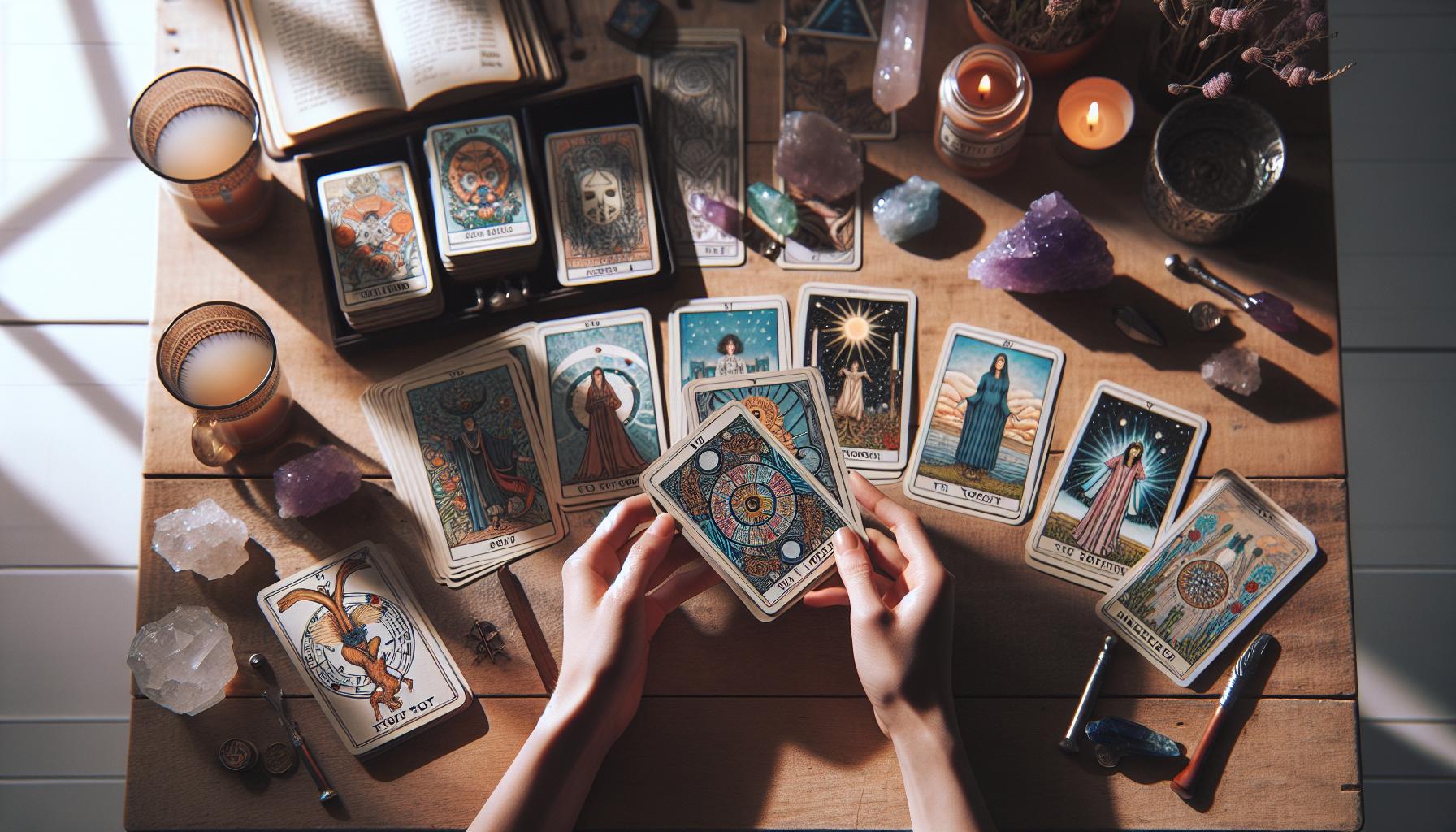
Common Tarot Spreads and Their Meanings
When diving into the world of tarot, understanding common spreads can profoundly enhance your readings. A tarot spread is a predetermined layout of cards that provides a structured way to explore your questions or concerns. Each spread serves a different purpose, and selecting the right one can offer clearer insights and a deeper connection to the intuitive wisdom of the cards.
One of the most popular spreads is the Three-Card Spread. This simple yet powerful layout allows you to explore three aspects of a situation: the past, present, and future. By placing one card for each position, you can gain insight into how past influences affect your current state and what potential outcomes might arise.
For those looking for a more detailed reading, the Celtic Cross Spread offers a comprehensive exploration of any situation. This ten-card spread includes various aspects such as your current situation, challenges, past influences, and future possibilities. It can feel a bit overwhelming at first, but it provides rich layers of understanding and can help reveal hidden insights. Each card in the spread has a specific position with its unique meaning, allowing for a nuanced narrative to unfold.
If you seek quick answers or insight into a specific question, the Single-Card Pull is an excellent technique. This method is straightforward: ask a question, draw a single card, and interpret its meaning. This technique encourages immediate reflection and can be particularly useful when time is limited or when you require a focused answer.
To illustrate the benefits of these spreads, consider a real-life example. Imagine you’re facing a decision about a new job opportunity. Using the Celtic Cross Spread, you might find that your current feelings (the first card) indicate hesitance (perhaps the Two of Swords), while your future possibilities (the tenth card) suggest a successful outcome if you take the leap (possibly the Six of Wands). This type of reading not only clarifies your feelings but also empowers you to make informed choices based on the energies highlighted in the cards.
In summary, familiarizing yourself with various tarot spreads can significantly enrich your practice. Whether you’re reading for yourself or others, these layouts help structure insights and unveil the wisdom hidden in the tarot deck. Embrace the magic of tarot, and let the cards guide your intuition!
Interpreting Tarot Card Symbols and Imagery
The imagery and symbols within tarot cards are not just decoration; they serve as powerful tools that communicate messages and insights on multiple levels. Each card is steeped in rich symbolism, drawing from various cultural and historical influences, which helps provide deeper layers of meaning during readings. Understanding these elements allows you to tap into the intuitive wisdom that tarot offers and empowers your readings significantly.
Key Symbols and Their Meanings
To start interpreting card symbols effectively, it’s essential to familiarize yourself with common motifs found in tarot. Here are some prevalent symbols and their general interpretations:
- Cups: These typically represent emotions, relationships, and connections. Water flowing from cups often symbolizes the flow of feelings.
- Swords: Representing conflict, thoughts, and challenges, swords can indicate mental struggles or necessary decisions.
- Pentacles: These signify material aspects, including finances and stability. They often point to issues related to work and physical well-being.
- Wands: Symbolizing creativity, inspiration, and action, wands often relate to passions and the pursuit of goals.
Additionally, pay attention to the figures within the cards. For instance, a person sitting peacefully may suggest contemplation or a need for inner reflection, while someone in motion can indicate a shift or transition in life. By recognizing these symbols and their meanings, you can provide more nuanced interpretations that resonate with the querent (the person receiving the reading).
Using Intuition with Imagery
Trust your instincts when interpreting the cards. Often, the imagery can evoke personal thoughts or feelings that go beyond standard meanings. For example, if a specific color or figure stands out to you during a reading, it may indicate something relevant to the querent’s situation. Engage with the visuals actively; ask yourself:
- What emotions do these images stir within me?
- How might these symbols apply to the question being asked?
- What story do the images collectively tell?
By combining traditional interpretations with your intuitive insights, you can create a reading that is both deeply personal and richly informed.
Real-Life Example of Interpreting Symbols
Imagine pulling the Moon card during a reading. This card is rife with symbolism-depicting illusions, dreams, and the subconscious. It could indicate that the querent is navigating uncertainty or misunderstanding in their life. By exploring the imagery, you might notice the presence of water and animals, which could symbolize instincts and emotions. You can encourage the querent to trust their intuition as they navigate through their current challenges.
In essence, while learning the meanings of tarot symbols is crucial for effective tarot reading, allowing your intuition to guide your interpretations can lead to powerful insights. Embrace the journey of discovery and remember that both symbolic knowledge and intuitive understanding are essential in mastering the art of tarot.
Psychic Techniques: Enhancing Readings with Tarot
When looking to enhance tarot readings, integrating psychic techniques can deepen the insights you offer. Many readers leverage their intuitive abilities alongside traditional tarot interpretations, creating a more holistic reading experience. These techniques often help readers connect with their inner voices, tapping into the energy of the querent and the cards.
One effective approach is meditation before readings. Taking a few moments to clear your mind and center your energy allows you to tune into the subtle vibrations around you. Consider visualizing the querent’s question as you shuffle and lay out the cards. This aligns your intuition with the reading, making it easier to pick up on nuanced messages. You might find that certain cards resonate more strongly or evoke specific feelings, guiding your interpretation in real-time.
Another technique is to use crystals in conjunction with your tarot practice. Placing specific crystals-like amethyst for intuition or clear quartz for clarity-near your tarot space can amplify your psychic abilities. As you pull cards, focus on the energy of the crystals and how they relate to the cards drawn. This can enhance your openness to insights and allow for a richer dialogue during readings.
It’s also beneficial to engage in practice readings with friends or fellow enthusiasts. This not only helps you refine your skills but also encourages you to rely on your intuitive hits instead of solely on textbook meanings. During these sessions, pay attention to any initial impressions or emotions that arise as the cards are revealed. For example, if you pull the Three of Swords and immediately feel a sense of heartbreak, note that personal intuition-this could guide your messaging about the querent’s experiences.
Documenting your readings in a tarot journal is another valuable practice. After each session, jot down your interpretations, feelings, and the outcomes discussed. Over time, this can reveal patterns in your psychic readings, allowing you to trust your intuition more and utilize it effectively in future readings. The more you integrate these psychic techniques, the more powerful and insightful your tarot practice will become. Embrace the journey and allow your spirituality and psychic insights to flourish together.
Building Your Connection: Trusting Your Intuition
Building a strong connection with your intuitive self is essential for anyone looking to deepen their tarot practice. Trusting your intuition can transform a tarot reading from a mere card interpretation into a profound dialogue with the universe. When you learn to attune your inner voice to the energies present during a reading, you open the door to insights that go beyond traditional meanings, allowing for a more authentic and personalized experience.
One effective way to strengthen this connection is through mindfulness practices, such as meditation or grounding exercises. Before you start a reading, take a few moments to center yourself. Close your eyes, take several deep breaths, and focus on releasing any distractions. Visualizing a warm light surrounding you can help create a protective space, enhancing your sensitivity to the cards. Regular meditation not only calms the mind but also sharpens your intuitive skills, making it easier to perceive the subtle nuances of the reading.
Another method to cultivate your intuition is engaging with the cards on a personal level. Rather than relying solely on guidebooks, spend time with each card in your deck. Pull a card daily, and reflect on its imagery and symbolism. What feelings or thoughts does it evoke? Record your impressions in a tarot journal, noting any intuitive hits or insights that arise. Over time, this practice will build your confidence in interpreting the cards based on your unique perspective, rather than just established meanings.
Additionally, as you grow in your practice, don’t hesitate to lean into your emotions during readings. Often, the feelings that arise when specific cards are drawn hold significant clues. For example, if you pull the Ten of Cups and feel a rush of joy or comfort, this emotional response can guide your interpretation, connecting it with the querent’s situation. Embrace these moments and trust that your feelings are valid insights into the reading.
In conclusion, trusting your intuition is a journey that unfolds with each reading. By cultivating mindfulness, engaging thoughtfully with your cards, and honoring your emotional responses, you enhance your ability to read tarot not merely as symbols on a page, but as a living dialogue with the energies around you. This connection enriches not only your readings but also your overall spiritual journey.
The Ethics of Tarot Readings: A Psychic’s Perspective
Respecting the ethical dimensions of tarot readings is essential for anyone wishing to practice this art with integrity. Each reading is not just about interpreting cards; it’s a sacred interaction that can deeply impact the querent’s life. Practitioners must maintain a clear boundary between offering guidance and imposing their own opinions or judgments. This balance ensures that the reading is a service to the querent, helping them explore their own feelings and decisions rather than simply dictating what they “should” do.
Clarity and Honesty in Readings
A critical aspect of ethical tarot practice is delivering clear and honest interpretations. Keeping communication transparent resonates with both the reader and the querent and can prevent misconceptions or dependency. When a reader encounters challenging cards, they should approach these messages with compassion and sensitivity. For example, if the Tower appears in a spread, it’s not merely about predicting upheaval; it also opens dialogues about potential transformation and resilience. Practitioners should encourage querents to view such shifts as opportunities for growth, fostering a sense of empowerment rather than fear.
Confidentiality and Respect
Just as in any professional setting, confidentiality is paramount in tarot readings. Querents may share personal and sensitive information that requires discretion. It’s essential to create a safe space where individuals feel secure in sharing their concerns. A respectful tarot reader acknowledges the trust placed in them and honors it by not disclosing details of the reading outside that private environment. This principle not only builds rapport but also fosters a sustainable relationship based on trust.
Non-Judgmental Approach
A welcoming, non-judgmental attitude is crucial in tarot practice. Readers should embrace a diverse array of beliefs and situations without passing judgment. Everyone has a unique path, and tarot serves as a tool for exploration and reflection. For instance, if a querent seeks advice about a relationship decision that may seem risky to the reader, it’s vital to discuss their feelings and motivations without judgment. Encouraging self-exploration and validating the querent’s lived experiences can lead to more meaningful insights and personal revelations.
Ultimately, practicing tarot ethically involves a blend of compassion, transparency, and respect. By fostering an environment of trust and understanding, tarot readers not only enrich their practice but also support the personal growth journeys of those seeking guidance.
Combining Astrology and Tarot: A Deeper Insight
Integrating astrology with tarot enhances the depth and richness of readings, offering seekers a multidimensional insight into their lives. Each tarot card carries its own energy and symbolism, which can be further illuminated when viewed through the astrological lens. For instance, the card of The Emperor resonates with the astrological energy of Aries, embodying authority, structure, and leadership. By recognizing these connections, readers can provide guidance that is not only insightful but also aligned with cosmic influences.
When combining these two tools, it’s essential to understand how planetary movements and astrological signs influence the interpretations of the cards. For example, pulling The Moon card may conjure different meanings depending on whether it appears during a full moon or a new moon. Each lunar phase has distinct energies that can affect emotional states and decision-making processes. Keeping track of such astrological conditions during a reading can offer the querent profound clarity, as these are often reflective of their current challenges or triumphs.
In practical terms, readers can adopt a systematic approach to blend astrology and tarot by, for example, using tarot spreads designed around astrological houses. Each house corresponds to different life areas, such as relationships, career, and personal growth. A simple one-card draw for each house can reveal how astrological energies are manifesting in those aspects of a querent’s life. Additionally, aligning specific tarot cards with the sun, moon, and rising signs of the querent can personalize readings even further, creating a comprehensive guide that honors both their emotional landscape and cosmic timing.
Ultimately, combining these modalities encourages a rich dialogue with the querent, empowering them to explore how their inner world interacts with the universe around them. This synergy not only fosters deeper understanding but also inspires querents to navigate their paths with renewed confidence and clarity.
Real-Life Examples: Tarot Readings Unveiled
Tarot readings are often shrouded in mystique, yet they can be incredibly practical tools for insight and self-discovery. Many psychics use Tarot cards not just for fortune-telling, but as a means to engage clients deeply in understanding their personal situations. Let’s explore a few real-life examples that highlight how Tarot readings can unveil profound truths.
One common scenario involves a client facing a significant life decision, such as whether to change jobs. A psychic might employ a three-card spread, where each card represents the client’s present situation, the challenges ahead, and the potential outcome. For instance, drawing The Tower, The Lovers, and The Sun could signal a necessary disruption (The Tower) in the client’s current job, a choice to be made (The Lovers), and ultimately, a successful and joyful transition (The Sun). This spread not only provides clarity but also encourages the querent to embrace change as a positive force in their life.
Furthermore, Tarot can illuminate personal relationships. A psychic might focus on a relationship question using a Celtic Cross spread. If a client pulls cards like The Empress in the present position and The Devil in the future position, this may indicate a nurturing phase currently experienced in the relationship, but also a warning about potential codependency or unhealthy patterns to address. This conversation helps the client navigate their relationship dynamics, fostering a deeper understanding of both their feelings and the underlying issues.
Another impact of Tarot readings can be seen in personal growth. For someone feeling stuck in their career path, a psychic might suggest a card draw focused on personal development. Drawing cards like The Hanged Man could signify the need for new perspectives or patience, while The Star offers hope and inspiration for the future. By unpacking these cards’ meanings, the reader guides the querent toward actionable steps, like seeking new education or mentorship.
The beauty of Tarot lies in its versatility. Each reading can be tailored to the individual’s unique circumstances, providing not just predictions but also empowerment. Whether the client is a skeptic or a long-time believer, Tarot serves as a bridge for exploration, helping them connect more profoundly with their inner wisdom and the energies surrounding them. By demonstrating how these cards resonate with everyday experiences, readers can enhance their clients’ journey toward self-awareness and fulfillment.
Demystifying Common Misconceptions About Tarot
Many people harbor misconceptions about Tarot, often viewing it through a lens of superstition or fear. However, at its core, Tarot is a tool for introspection and exploration, rather than a mystical art reserved only for the profoundly spiritual. One common myth is that Tarot readings predict fixed futures. In truth, Tarot serves as a mirror, reflecting energies and possibilities that encourage the seeker to engage with their own intuition and decision-making. The cards offer insights into current situations, potential challenges, and options available, allowing individuals to feel empowered in their choices rather than resigned to fate.
Another widespread misunderstanding is that Tarot cards can only be read by those with special powers or psychic abilities. In reality, anyone can learn to interpret Tarot cards effectively. This process involves understanding card meanings, the symbolism in the imagery, and the context of the question being asked. Beginners can start with basic spreads, like the three-card spread, which provides insights into the past, present, and future regarding a specific issue. With practice and patience, anyone can develop a strong connection to the cards and their intuitive messages.
Additionally, skeptics often believe that Tarot is purely entertainment or ‘just for fun.’ While it can certainly serve that purpose, many readers and seekers find profound personal insights through their sessions. For example, a client seeking clarity about a relationship can draw cards that highlight their emotional state, underlying issues, and potential paths forward, resulting in a valuable conversation about their feelings and choices. This self-reflective process turns Tarot into a means of personal empowerment and growth rather than mere fortune-telling.
Understanding Card Symbolism
To build a solid foundation in Tarot reading, understanding the symbolism of each card is essential. Each card carries unique meanings that can shift based on its position in the spread and the surrounding cards. For instance, The Fool often symbolizes new beginnings and taking risks, while The Death card signifies transformation rather than an end. By familiarizing oneself with these symbols and their interpretations, readers can unlock deeper layers of meaning within their readings, making the experience both enlightening and insightful.
Ultimately, demystifying Tarot involves recognizing it as a practice accessible to everyone-a transformative tool that encourages reflection, self-discovery, and personal growth. By cultivating an open mind and a willingness to explore its potential, seekers can find that Tarot is not only a means of divination but a gateway to understanding themselves and their place in the world.
Enhancing Your Practice: Tips for Aspiring Psychics
To truly harness the transformative power of Tarot, aspiring psychics should view their practice as a journey of exploration and development. Building a strong foundation can significantly enhance your readings, whether you’re just beginning or looking to deepen your skills. Here are some impactful tips to nurture your practice and cultivate confidence in your intuitive abilities.
First and foremost, establishing a personal connection with your Tarot deck is essential. Spend time daily with your cards-shuffle them, lay them out, and familiarize yourself with their imagery and meanings. Keeping a Tarot journal can help you document your thoughts and insights, creating a personal reference that captures how each card resonates with you over time. This connection not only enhances your intuitive reading but also empowers you to interpret situations uniquely and authentically.
Practice Different Spreads
Begin with basic spreads like the three-card layout, which can offer insight into the past, present, and future regarding a specific issue. Gradually experiment with more complex spreads, like the Celtic Cross, which provides a more detailed analysis. Each spread is a unique lens through which to explore questions or issues, allowing for a richer understanding. Practice consistently, and don’t hesitate to modify spreads to suit your style. Your intuition is your greatest asset; trust it!
Engage with Your Community
Connecting with fellow Tarot enthusiasts can provide valuable support and insights. Joining groups-online or in-person-can expose you to diverse interpretations and reading styles. Share your experiences, ask for feedback, and perhaps even offer to read for others. This collaborative approach can solidify your skills and encourage you to step outside your comfort zone.
Finally, remember the importance of mindfulness in your practice. Each reading is an opportunity to connect not just with the cards, but also with the energy of the person you are reading for. Approach each session with an open mind and heart. Take a moment to ground yourself before diving into the cards-this practice can significantly enhance the clarity of your intuitive insights. By balancing your skills with a deep appreciation for the connection you’re fostering through Tarot, you can elevate your readings and create meaningful experiences for yourself and others.
Faq
Q: How can Tarot cards help in decision making?
A: Tarot cards provide insights and clarity by presenting different possibilities and outcomes, helping individuals make informed decisions. When psychics use Tarot, they interpret the cards to guide you through choices, revealing underlying influences and potential obstacles. Consider exploring your card spreads in the section on Common Tarot Spreads for specific decision-making layouts.
Q: What types of questions can I ask during a Tarot reading?
A: You can ask Tarot about relationships, career, and personal growth. It’s best to frame your questions as open-ended inquiries, such as “What should I focus on in my career?” This approach allows consultative guidance rather than simple yes/no responses. Review the Understanding Psychic Abilities section for more insights on effective questioning during readings.
Q: How do psychics interpret Tarot cards?
A: Psychics interpret Tarot cards by considering not only the card meanings but also their positions and relationships to one another in a spread. They rely on intuition, symbols, and personal feelings to provide deeper insights. To understand card symbolism further, check out the Interpreting Tarot Card Symbols and Imagery section for a comprehensive guide.
Q: Can anyone learn to read Tarot cards effectively?
A: Yes, anyone can learn to read Tarot cards with practice and dedication. It involves understanding the meanings, developing intuitive skills, and practicing regularly. For beginners, starting with simple spreads can enhance confidence-explore the Tips for Aspiring Psychics section to find helpful strategies for your journey.
Q: What is the significance of different Tarot spreads?
A: Different Tarot spreads offer unique insights into a question or situation. For example, a 3-card spread may address past, present, and future, while a Celtic Cross provides a more detailed analysis. Each spread serves a specific purpose, guiding the reader in uncovering various dimensions of the inquiry. Learn more about spread purposes in the Common Tarot Spreads and Their Meanings section.
Q: How can I improve my intuitive connection when using Tarot?
A: Improving your intuitive connection involves practicing mindfulness and engaging regularly with your Tarot deck. Set intentions before readings and allow your feelings to guide interpretations. Journaling your experiences can also enhance your ability to connect with your intuition-see the Building Your Connection section for more personalized techniques.
Q: How do psychics ensure ethical practices in Tarot readings?
A: Psychics maintain ethical practices by respecting client confidentiality, providing honest insights, and avoiding dependency. They set clear boundaries and encourage clients to use their readings as tools for empowerment rather than definitive outcomes. For a deeper understanding of ethical considerations, visit the The Ethics of Tarot Readings section.
Q: What common misconceptions exist about Tarot readings?
A: Many believe Tarot readings predict the future with absolute certainty, but this is a misconception. Tarot offers insights into potential paths rather than fixed outcomes. Understanding this distinction allows for more meaningful use of Tarot for self-reflection. The section on Demystifying Common Misconceptions About Tarot clarifies these points further.
Concluding Remarks
As we delve into the enchanting world of Tarot and its significance in psychic practices, remember that understanding the cards is just the beginning. Each reading holds potential, revealing insights that can transform your life. Ready to explore further? Discover how you can interpret your own daily tarot spread in our guide to the four Tarot suits or gain clarity in your love life with a 3-card Tarot love reading.
Don’t miss out on the wisdom the Universe has to offer! Engage with us by sharing your Tarot experiences in the comments below or subscribe to our newsletter for more mystical insights. Whether you’re a curious newcomer or an experienced reader, the journey with Tarot is limitless. Embrace your intuition, keep practicing, and let these sacred cards guide you toward deeper understanding and connection. Your Tarot adventure awaits!
Get our latest guides, news, and insights highlighted in your Google Search & AI Overviews.