Have you ever wondered how tarot cards can shed light on your future? Many people turn to this ancient practice seeking guidance and clarity in their lives. By tapping into the symbolism of each card, tarot helps us explore our subconscious, unveiling insights that may otherwise remain hidden. This journey into the world of tarot not only offers predictions but also cultivates a deeper understanding of ourselves and our choices. As you learn about the mechanics behind how tarot works, you’ll discover how each spread, card, and interpretation can resonate with your unique experiences. Whether you’re a skeptical seeker or a seasoned enthusiast, this exploration will empower you to connect with your intuition and unlock the mysteries that the cards reveal. Dive in, and let’s demystify the fascinating process of tarot reading together!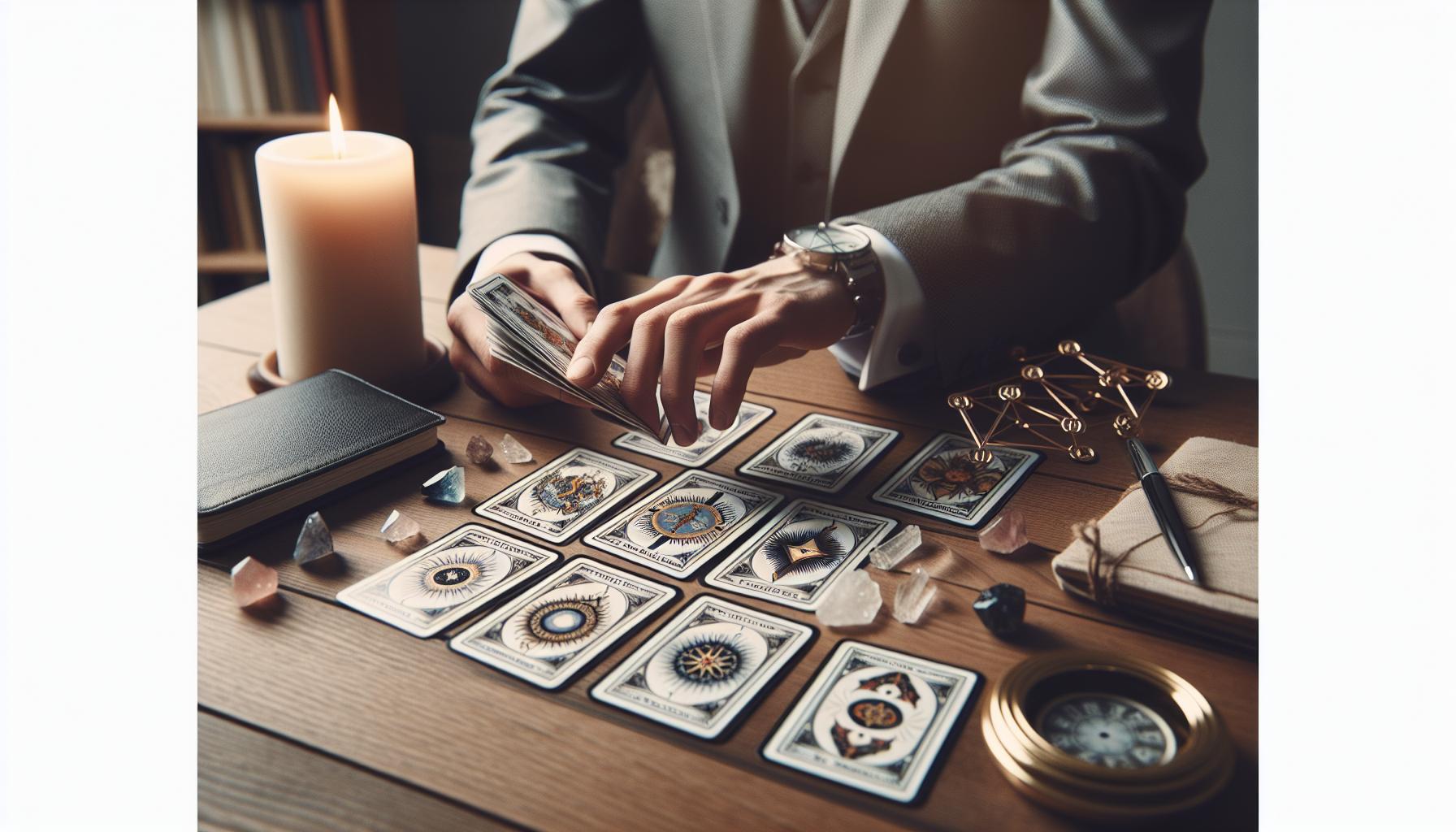
Understanding Tarot Cards: History and Basics
The history of tarot cards is as rich and complex as the symbolism they embody. Originating in the 15th century in Europe, tarot cards were initially created for playing games rather than for divination. The earliest decks, known as tarocchi, were utilized in Italy and were crafted with intricate designs, often reflecting the art and culture of the time. It wasn’t until the late 18th century that tarot began to be associated with mysticism and fortune-telling, largely thanks to the works of occultists like Antoine Court de Gébelin and others, who linked tarot to ancient Egyptian mysteries and Kabbalistic traditions.
At its core, tarot consists of 78 cards-22 Major Arcana and 56 Minor Arcana. The Major Arcana cards, such as The Fool, The Lovers, and Death, represent significant life themes and lessons. In contrast, the Minor Arcana cards are divided into four suits (often Cups, Pentacles, Swords, and Wands), detailing everyday experiences and challenges. Each card is infused with symbols that convey deeper meanings, allowing readers to interpret the messages based on the context of the question posed.
Understanding the basics of how tarot cards work can greatly enhance your experience with them. When a reader shuffles the deck and lays out the cards, they are tapping into a unique blend of intuition, observation, and symbolism. This card layout, known as a spread, reveals the energies surrounding a situation and offers guidance on potential outcomes. By interpreting the images and feelings evoked by the cards, a reader can provide insights that resonate with the querent’s life, helping them navigate decisions and uncertainties.
Moreover, building a connection with your tarot deck is essential. Consider spending time with it; hold the cards, shuffle them regularly, and ponder their meanings. Establishing a bond not only deepens your understanding but also enhances your intuitive abilities during readings. Many tarot enthusiasts recommend journaling your thoughts and insights as you explore the cards, creating a personal reference that strengthens your relationship with this powerful tool for self-discovery and reflection.
How Tarot Cards Work: The Mechanics Explained
When you delve into a tarot reading, you’re engaging with a system filled with layers of symbolism, intuition, and personal insight. At its heart, tarot functions as a mirror-reflecting not only the situations you face but also your inner thoughts and feelings about them. This dynamic interplay is what allows tarot cards to “predict” future outcomes, emphasizing the potential paths based on your current trajectory rather than fixed destinies.
The process begins when the reader shuffles the deck, a ritual that not only mixes the cards but also embodies the querent’s energy and intention. This moment is crucial, as tarot is inherently linked to the reader’s intuition. When cards are drawn and laid out in a spread, each position represents a specific aspect of the question or situation at hand. For instance, in a simple three-card spread, the first card may indicate the past influences, the second the present circumstances, and the third potential future outcomes.
Interpretation through Symbols
Each card is laden with symbolism that speaks to universal experiences, emotions, and themes. For example, drawing the Two of Cups could signify a deepening relationship or partnership, while the Tower might indicate upheaval or sudden change. Understanding these meanings is essential for any reader. Beginners are encouraged to keep a tarot journal, noting down what each card elicits in them during different readings. This practice builds a personal connection and hones interpretation skills over time.
In addition to card meaning, the placement of cards in the spread reveals significant insights. Experienced readers rely on their intuition to weave together the meanings of the individual cards with the context of the querent’s inquiry. This is where tarot transcends mere fortune-telling; it invites a dialogue about potential futures shaped by the choices made in the present moment.
In observing how different spreads are used-like the Celtic Cross for thorough exploration or the 3-Card for a quick snapshot-tarot users can appreciate its versatility. Each layout serves a purpose, guiding both the reader and the querent to focus on specific aspects of their journey. Ultimately, the key lies in the interaction: the cards act as prompts that help illuminate the issues at hand, offering a rich tapestry of insights that can guide future actions and decisions.
Through this balanced approach, tarot becomes a tool for empowerment. It encourages you to reflect not just on what the cards reveal, but how your thoughts and emotions shape your reality. With practice, you’ll not only learn to interpret the cards but also develop a keen sense of your intuitive guidance, allowing you to embrace the full potential of the tarot experience.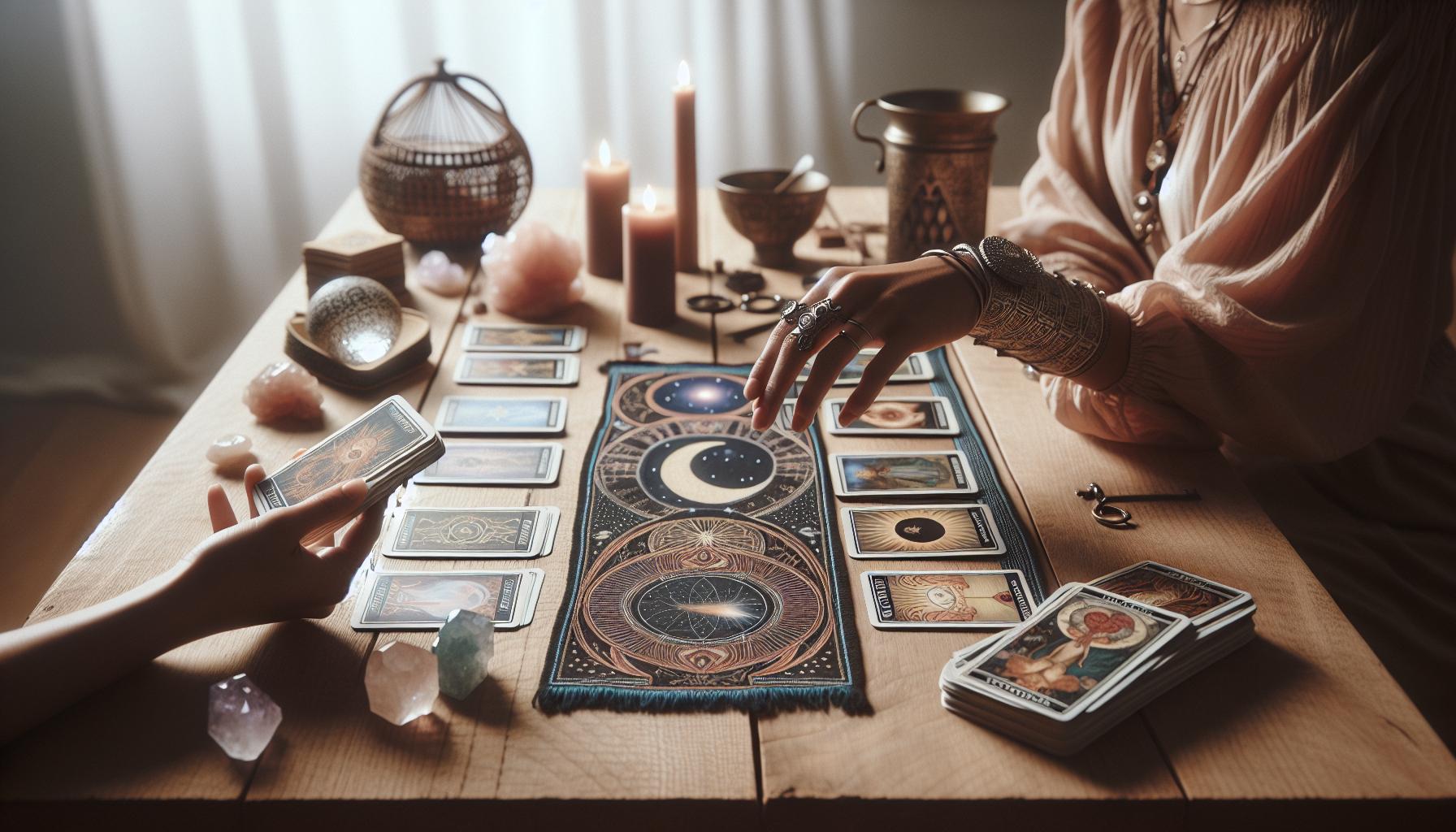
The Role of Intuition in Tarot Readings
Intuition plays a pivotal role in the practice of tarot reading, acting as a bridge between the cards’ meanings and the reader’s insights. When engaging with a tarot deck, you are not merely relying on the written interpretations of each card; instead, you’re tapping into a deeper, often subconscious understanding that resonates with your unique experiences and emotional state. This intuitive connection allows readers to personalize their insights and tailor their readings to the specific circumstances and energies of the moment.
Every time you shuffle the cards, you create a potent space for intuition to flourish. The act of mixing the deck does more than simply randomize the cards; it integrates your energy and intentions. As you lay out the cards, trust your instincts: pay attention to your first thoughts, feelings, and any images or sensations that arise. For example, if you draw the Three of Swords, you may initially recall personal heartache, but deeper contemplation might reveal more nuanced insights about resilience and growth. This initial impression is often a key to unlocking the broader story the reading reveals.
To enhance your intuitive capabilities, consider practicing simple exercises such as daily card pulls. Draw one card each morning and note the impressions it brings before referencing the traditional meaning. Over time, you’ll find that your interpretations become richer and more nuanced, packed with personal significance. Sharing these interpretations with others can further refine your intuitive voice, as discussing different perspectives on the same card can spark new ideas and revelations.
Developing Your Intuition
As you grow more comfortable with your intuitive responses, explore various techniques that can help strengthen this connection:
- Meditation: Spend time in quiet reflection to clear your mind and open your intuition.
- Visualizations: Imagine the energy of the cards surrounding you, fostering a deeper understanding.
- Journaling: Keep a record of your readings along with your intuitive feelings. Review this journal to spot patterns and themes.
- Group Readings: Engage in readings with friends, focusing on shared insights that emerge from the collective intuition.
By consciously focusing on these practices, you will not only enhance your intuitive abilities but also deepen your relationship with the tarot. Embrace this personal journey; remember that every reader’s path is unique, and the remarkable interplay of intuition and tarot can transform your insights into profound tools for guidance and empowerment.
Different Tarot Spreads and Their Purposes
When it comes to tarot reading, the layout of the cards-known as spreads-plays a crucial role in guiding the interpretation and providing context for the inquiry at hand. Different tarot spreads cater to varied questions, levels of complexity, and areas of focus, making it essential for readers to explore and select the spreads that resonate best with their intentions.
One of the simplest and most popular spreads is the Three-Card Spread. Ideal for beginners, this layout allows for a straightforward exploration of past, present, and future influences related to a specific question. By drawing three cards sequentially, the reader can gain insights into how past experiences impact the current situation and what future possibilities lie ahead. For instance, if you pull the Two of Cups for your past, the Ace of Wands for the present, and the Three of Pentacles for the future, it suggests a narrative of nurturing relationships leading to creative collaboration.
For those looking to delve deeper, the Celtic Cross Spread is a classic choice renowned for its breadth and depth. This ten-card layout addresses specific issues by examining the challenge in the center and surrounding influences. Each position in this spread has a designated meaning, such as hopes and fears, past influences, or immediate future influences, providing a comprehensive overview of the querent’s situation. The Celtic Cross is particularly useful when someone is faced with a significant decision or transition, as it brings clarity to complex dynamics.
Another valuable option is the Relationship Spread, which pairs cards to explore the dynamics between partners or potential partners. It can offer insights into each person’s feelings, strengths, and challenges within the relationship, effectively illuminating areas that require attention or reinforcing what is already working. This spread is not only limited to romantic relationships but can also be applied to friendships and familial connections, fostering understanding and harmony.
Experimenting with spreads allows readers to connect more deeply with their intuitive skills while also fine-tuning their readings to answer specific queries. Whether utilizing simpler or more complex spreads, the key lies in focusing on the question and maintaining an open mindset. As you try different layouts, record your interpretations and results, which can enhance your understanding of how each spread functions and provide valuable learning moments in your tarot journey. Embrace this process, and trust that the right spread is waiting to illuminate your path forward.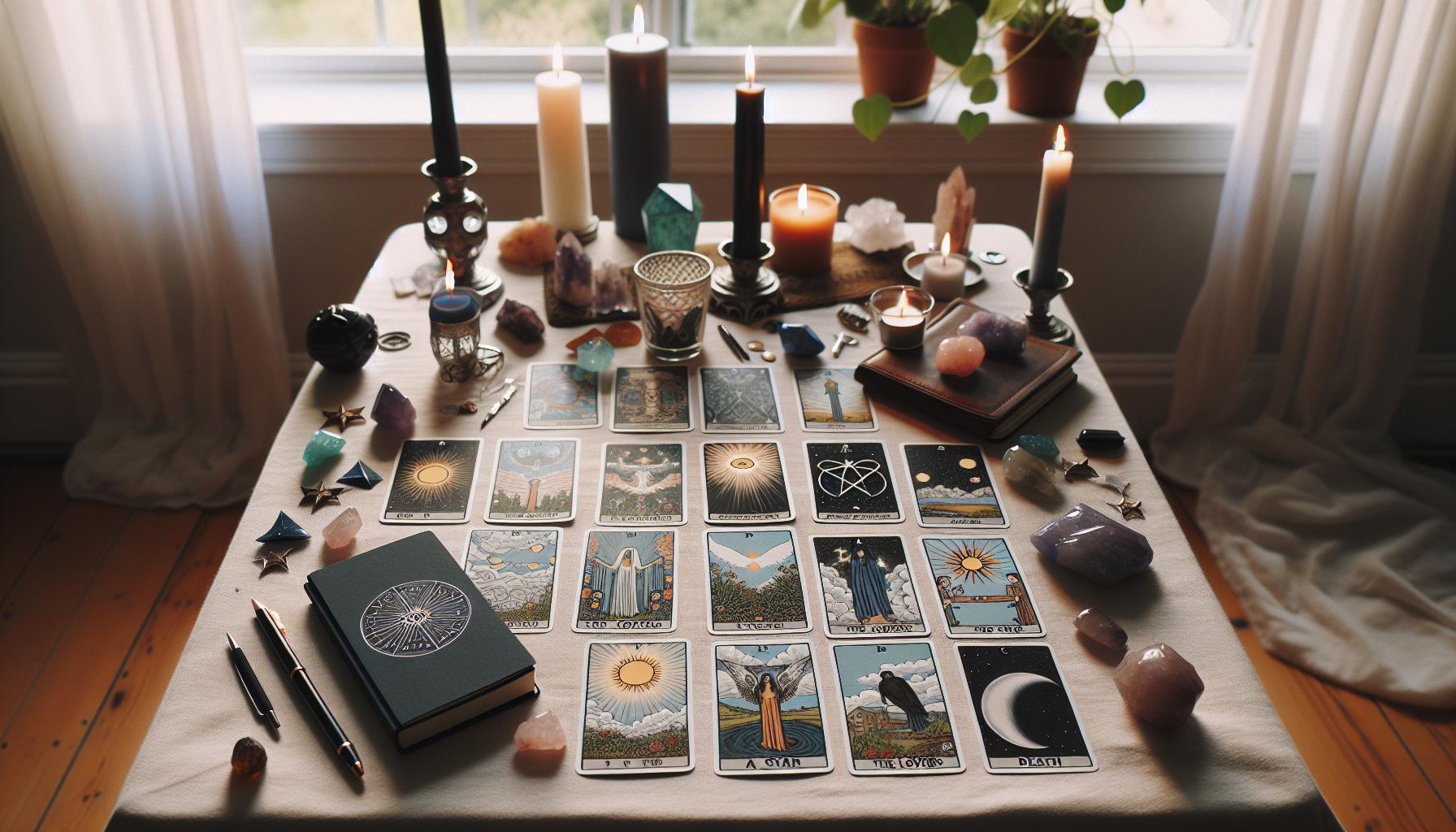
Common Myths About Tarot Predictions
Many people approach tarot with a mix of curiosity and skepticism, leading to a range of myths about its predictive capabilities. One of the most common misconceptions is that tarot cards offer definitive answers about the future. In reality, tarot serves as a tool for reflection and insight rather than a crystal ball. The cards can illuminate possible outcomes and paths based on current decisions, but they do not determine what will happen. Each reading unfolds possibilities rather than certainties, allowing the querent to understand their choices more deeply.
Another prevalent myth is that tarot readings are only useful for predicting doom and gloom or fate. While cards can certainly highlight challenges, they are equally powerful for positive insights and guidance. For instance, drawing the Sun card can signify joy and success, suggesting that positive outcomes are within reach if one takes proactive steps. Instead of fearing bad news, approach readings with an open mind, as they can provide empowerment and clarity about how to navigate life’s complexities.
Some believe that only gifted psychics can read tarot cards accurately, which can intimidate newcomers. However, anyone can learn to read tarot with practice and patience. Building your intuition and connection with the cards is key. Start by familiarizing yourself with their meanings and practicing simple spreads like the Three-Card Spread to develop confidence. Over time, your unique interpretative style will emerge, shaping your readings into powerful personal tools.
Finally, many perceive tarot as a fixed system, where specific cards always mean the same thing. In contrast, interpretations can shift based on the context of the question and the querent’s situation. For example, while the Death card typically symbolizes transformation rather than literal demise, its significance might change if the reading concerns career shifts or personal growth. Embrace flexibility in your readings, as the blend of intuition and context truly brings the cards to life.
By dispelling these myths, you can approach tarot with a clearer understanding and appreciation for its role as a guide rather than an infallible predictor. Engage with the cards openly to unveil their wisdom, empowering yourself to craft a future aligned with your highest self.
How to Interpret Tarot Card Meanings
Understanding the meanings of tarot cards is key to unlocking their profound insights. Each card in a tarot deck carries rich symbolism and stories, inviting you to explore the complexities of your life. Take, for instance, the Fool card, which often signifies new beginnings and opportunities. When interpreting this card, consider its position in the spread and how it relates to the querent’s question. This interplay breathes life into the cards, making each reading a unique narrative.
Key Elements of Tarot Interpretation
To interpret tarot cards effectively, focus on these essential elements:
- Symbolism: Each card is infused with imagery that reveals its meaning. Look at the colors, figures, and symbols in the card. A card like the Tower, which depicts chaos and upheaval, suggests that transformation often comes through disruption.
- Intuition: Allow your instincts to guide you. While traditional meanings provide a foundation, your personal insights are invaluable. For example, seeing the King of Cups may make you reflect on emotional maturity and stability in a reading about relationships.
- Context: Consider the question being asked and the surrounding cards. The same card may yield different meanings depending on the inquiry. For instance, the Empress can signal abundance-financial or emotional-when paired with the Ace of Pentacles, emphasizing new prosperity.
- Positions in Spreads: The placement of a card in a spread provides additional insights. In a three-card spread depicting the past, present, and future, the Death card in the present position emphasizes transformation and a necessary ending, whereas in the future position, it indicates upcoming change.
Practical Steps for Interpretation
- Learn the Basic Meanings: Familiarize yourself with the traditional interpretations of the cards. This knowledge serves as the backbone for your readings.
- Practice Regularly: The more you practice, the more confidence you will build. Start with simple spreads and gradually move to more complex layouts.
- Journal Your Readings: Document your interpretations and the feelings they evoke. Reflecting on past readings helps you track how your understanding of the cards evolves over time.
- Seek Feedback: If possible, practice with friends or join a tarot community. Sharing insights can deepen your comprehension and offer varied perspectives on interpretations.
By embracing these approaches, you can transform card meanings into insightful messages that resonate with the querent’s journey. Remember, every reading holds potential for clarity and growth, guiding you and others towards deeper self-awareness and empowered choices.
Building a Connection with Your Tarot Deck
Creating a meaningful connection with your tarot deck is essential for enhancing your readings and intuition. Each deck carries its own unique energy and story, reflecting the artistry and symbolism of its creator. When you establish a bond with your cards, they become more than just tools; they transform into trusted companions that guide you through your spiritual journey and provide insights into your life’s path.
To begin nurturing this relationship, take time to familiarize yourself with your deck. Hold the cards, shuffle them, and let their energy resonate with you. Spend time contemplating the imagery and symbolism of each card. You might consider journaling your initial impressions of what each card means to you personally, as these meanings may differ from traditional definitions. This process not only helps you learn the cards but also lays the groundwork for your own intuitive understanding.
Engaging in rituals can also deepen your connection. Consider dedicating a specific space for your tarot practice-this could be a simple altar with your deck, crystals, or other sacred items. Lighting a candle or burning incense while you read can create an inviting atmosphere that enhances your focus. Furthermore, consider performing a dedicated “bonding” spread, where you draw cards that represent your relationship with the deck. This insight can reveal areas of strength and where you may need to grow together.
Regular practice is crucial. The more you use your deck, the more familiar you become with its energy and nuances. Try doing daily draws, pulling one card each morning to reflect on throughout the day. As you grow in your understanding, you’ll find that your readings become increasingly insightful and intuitive. Remember that building a connection is an ongoing journey-be patient and open to the unfolding experience, allowing your cards to reveal their wisdom and guidance at their own pace.
By investing time and intention into your relationship with your tarot deck, you create a profound tool for reflection, insight, and guidance that can enrich all aspects of your life. Each reading becomes a dialogue, allowing you to tap into a deeper well of intuition and understanding that empowers you on your path.
Techniques for Accurate Tarot Readings
To achieve accurate and meaningful tarot readings, it’s essential to blend technique with intuition. Start by preparing your environment. A calm and sacred space can significantly influence the energy of your readings. Dim the lights, light a candle or some incense, and eliminate distractions. This setup creates a focused atmosphere conducive to connecting with your cards.
Next, establish a clear intention for your reading. Whether you’re seeking insights into your future, exploring a specific question, or simply wanting to gain clarity on a situation, articulating your intention helps guide the energies you’ll be working with. Write down your question or affirmation on paper to solidify your focus before shuffling and drawing the cards.
When it comes to the mechanics of the reading itself, the choice of tarot spread is crucial. For general insights, a three-card spread representing the past, present, and future can enlighten your reading process. For deeper inquiries, consider the Celtic Cross spread, which offers a comprehensive view of the situation, including challenges and potential outcomes. Be sure to interpret each card based on both its position in the spread and its traditional meaning.
Engaging Your Intuition
Intuition plays a pivotal role in reading tarot cards. While the established meanings of the cards provide a framework, your personal interpretations are equally important. Pay attention to your immediate feelings and thoughts as you draw each card. Note what resonates with you intuitively-colors, symbols, or themes that stand out.
As an example, if you pull the Queen of Cups in a love reading, you might consider her qualities of emotional depth and sensitivity. Reflect on how this might apply to your situation. Is it a reminder to trust your feelings, or perhaps a nudge to nurturing your emotional health? Journaling these immediate insights can strengthen your intuitive connection over time.
Practicing Regularly
Regular practice is key to refining your accuracy with tarot. Try daily draws where you select one card each morning. Reflect on its meaning throughout your day. Over time, you’ll notice patterns and deepen your understanding of how the cards interact with your life.
You might also explore different decks. Each deck carries its own energy and symbolism, providing unique perspectives on your readings. Trust yourself to choose a deck that resonates with you and aligns with your intuitive style.
By melding preparation, intention, and intuition, you’ll cultivate a deeper connection with your tarot practice, allowing for more accurate and insightful readings. Each session can become a meaningful dialogue with your cards, leading to personal growth and clarity on your journey.
Real-Life Examples of Tarot and Predictions
When diving into the world of tarot, many wonder about its predictive power. Real-life experiences often illustrate how tarot readings can foretell events while simultaneously guiding the querent toward positive change. One notable example involves a client named Sarah, who sought clarity on her career path. During her reading, pulling the Eight of Pentacles suggested a need for hard work and skill development; however, it also pointed to future recognition and rewards. Less than a year later, Sarah’s diligence paid off when she received a promotion, affirming the card’s message while highlighting how her efforts shaped the outcome.
Another fascinating case comes from James, who was grappling with a tumultuous relationship. The Two of Cups appeared prominently in his spread, signifying partnership and emotional connection, but the associated challenge of the Seven of Swords warned him against deception and miscommunication. By integrating this insight, he facilitated an open conversation with his partner, ultimately transforming their dynamic. This scenario illustrates how tarot doesn’t just reveal what might happen but empowers individuals to influence their future actively.
The Mechanics of Predictions
Tarot cards serve as a mirror reflecting both the internal and external aspects of one’s life. Through a structured method, the interpretation of card positions within specific spreads provides a nuanced perspective on the complexities of human experience. For instance, using a three-card spread can yield insights into past influences, present situations, and future possibilities. This enables the reader to weave a narrative that is both insightful and actionable.
To enhance predictive capability, consider the cyclical nature of tarot. Regular readings allow individuals to track recurring themes and messages, revealing patterns that might indicate areas needing attention. Furthermore, by embracing intuition alongside traditional interpretations, readers can tailor insights to fit personal circumstances, enhancing the overall relevance of the reading.
Incorporating these real-life examples and mechanics showcases how tarot cards can effectively predict future events. They provide clarity while emphasizing personal agency, reminding us that what unfolds often reflects our choices and attitudes. Embrace this tool with an open heart, and you may find it guides you toward a more empowered trajectory in life.
Tips for Beginners: Getting Started with Tarot
Getting started with tarot can be an exciting and transformative journey, one that opens doors to deeper self-understanding and insight. For beginners, the key is to approach tarot with an open mind and a sense of curiosity. Tarot is not just about predictions; it’s a tool for self-reflection, offering a chance to explore your thoughts and feelings. Here are some essential tips to help you embark on this mystical path.
Start by choosing a tarot deck that resonates with you. While traditional decks like the Rider-Waite are popular, many beautiful options are out there. Explore different styles-some decks have modern artwork, while others embrace ancient symbols. Selecting a deck that you feel connected to makes readings more personal and engaging. Once you have your deck, take the time to familiarize yourself with the cards. Spend a few moments each day looking at the imagery, reflecting on the emotions they evoke, and considering what each card means to you.
It’s crucial to create a reading environment that feels safe and comfortable. Find a quiet space where you won’t be disturbed, and consider setting up a small altar or space dedicated to your tarot practice. This could include candles, crystals, or anything else that inspires you. Establishing this sacred space helps to ground your energy and prepares you for insightful readings.
When you’re ready to read, start with simple spreads. A one-card draw can be particularly effective for daily insights, while a three-card spread can explore past, present, and future-the mechanics of tarot in full play. As you lay out the cards, take a moment to breathe deeply. Allow your intuition to guide you through the meanings of the cards. Remember, your interpretations don’t have to align perfectly with traditional meanings; trust your instincts.
Lastly, keep a tarot journal. Document your readings, insights, and any patterns you notice over time. Not only does this reinforce your learning, but it also helps track your growth as you become more attuned to the cards. You may find that your interpretations evolve and deepen. Embrace the magic of tarot; it’s not just a tool for prediction, but a mirror reflecting your inner landscape. Allow it to guide you toward self-discovery, empowerment, and connection to your intuition.
Exploring Advanced Techniques in Tarot Reading
In-depth exploration of advanced techniques in Tarot reading opens up a world of deeper insights and nuanced interpretations. As you grow more comfortable with the basics, it’s essential to expand your understanding of how to tune into the cards and trust your intuitive guidance. Advanced techniques go beyond rote memorization; they intertwine your personal experiences and emotional resonance with each card, enhancing your readings and their relevance to your life.
One powerful method is to integrate reverse card interpretations into your practice. While many readers focus solely on upright meanings, reversing a card can reveal the shadow side or challenge associated with that card. For example, an upright Two of Cups signifies harmony and partnership, while its reverse might indicate disharmony or imbalance in relationships. Embracing reversals allows you to address complexities in your readings, offering a fuller perspective.
Another advanced technique involves the use of timing in tarot readings. Some seasoned readers incorporate astrological associations of cards-such as the Major Arcana’s connection to zodiac signs- to inform timelines for predictions. For instance, if the Chariot card appears in a reading, it may suggest movement or travel coinciding with the Cancer zodiac season. Taking note of such subtle cues helps you pinpoint when events may unfold, adding depth to your predictive abilities.
Also, consider creating compelling spreads tailored to specific questions or themes. Beyond classic spreads like the Celtic Cross, experiment with unique layouts that resonate with your inquiry. Want to delve deeper into a career-related question? Design a five-card spread focusing on potential paths, immediate challenges, strengths, and weaknesses. Each position can explore facets of your query, providing a comprehensive, layered understanding.
Lastly, nurturing your intuitive connection with the deck can significantly enhance your readings. Engaging in meditation with your cards, or even doing a daily draw where you reflect on the card’s imagery and message, fortifies this bond. Discovering your personalized meanings or symbolic associations can transform how you interpret cards, allowing you to access insights that feel profoundly personal. A reading infused with your intuitive understanding is often more impactful and resonant than one solely hinging on textbook definitions.
As your journey transforms through these advanced techniques, remember that every tarot reader has a unique style. Embrace what feels right, trust in your growing intuition, and be open to the layers of wisdom that the cards unveil as you continue to explore the mystical dance between fate and free will.
Integrating Tarot with Other Spiritual Practices
can enhance your overall intuitive experience, offering layered insights and deeper connections to your spiritual path. Combining Tarot with practices like meditation, astrology, and dreamwork helps expand your understanding and embodiment of the messages the cards convey. Each method enriches the Tarot narrative, enabling you to draw from multiple sources of wisdom that can guide your interpretations.
One effective way to meld Tarot with meditation is through focused visualization exercises. For example, when you draw a card, take a moment to meditate on its imagery and symbolism. Close your eyes and visualize yourself embodying the essence of that card. This practice allows you to connect emotionally with the card’s meaning and can lead to personal revelations and intuitive insights that might not arise during traditional readings. You might find that the Sun card inspires feelings of joy and optimism, prompting you to reflect on areas in your life where you can celebrate achievements.
Astrology also plays a powerful role in enhancing your readings. Each Tarot card is associated with astrological elements, which can add further depth to your interpretations. For instance, consider drawing a card and then relating it to planetary influences or astrological events occurring at that time. If you pull the Tower card during a Mercury retrograde, you might interpret it as an indication of unexpected disruptions in communication or plans. Tracking astrological cycles alongside your Tarot practice can provide additional context and timing for the situations you’re navigating.
Another impactful combination is Tarot with dream analysis. Whenever you have a significant dream, you can draw cards to provide clarity about its meanings or the underlying messages. For instance, if your dream involved a journey and you draw the Chariot, this may suggest a push towards taking control of your life’s direction or making an important decision regarding movement. Write down your dreams and maintain a dream journal, pairing it with regular Tarot readings to refine your understanding of recurring themes and guidance from your subconscious.
Engaging in these spiritual integrations can open up new pathways for guidance and enhance your confidence in your intuitive abilities. Allow yourself to explore and experiment-what feels right will vary from person to person. Embrace the process, and remember that the magic of Tarot is ever-expanding when woven into the broader fabric of your spiritual practices.
FAQ
Q: How do Tarot cards gain accuracy in predictions?
A: Tarot cards gain accuracy through a combination of symbolism, intuition, and the context of the question. Readers draw on their understanding of card meanings and personal insights, which can reveal deeper truths when connecting with the querent’s energy. For a stronger connection, build trust with your Tarot deck as discussed in our section on Building a Connection with Your Tarot Deck.
Q: Can Tarot cards provide insights into specific life areas?
A: Yes, Tarot cards can offer insights into various life areas such as love, career, or personal growth. Different spreads are designed for specific focuses, allowing readers to target particular questions or concerns effectively. Explore more about Different Tarot Spreads and Their Purposes in our article.
Q: What is the significance of card reversals in Tarot readings?
A: Card reversals can indicate blockages, challenges, or alternative meanings that differ from their upright positions. They add depth to a reading, highlighting aspects of a situation that may require attention. Learn more about this in our section on Common Myths About Tarot Predictions.
Q: How often should I do a Tarot reading for guidance?
A: There’s no strict rule for frequency, but many recommend monthly or whenever you feel the need for clarity. Regular readings can help track changes over time and enhance your connection with the cards. For beginners, see our Tips for Beginners: Getting Started with Tarot.
Q: Why do some people believe Tarot can predict the future?
A: Many believe Tarot predicts the future through its symbolic reflection of current energies and potential outcomes. It taps into the intuition of the reader and the querent, allowing for insights based on present choices. Dive deeper into the Role of Intuition in Tarot Readings for more understanding.
Q: Are Tarot predictions always accurate?
A: While Tarot can provide valuable insights, it’s not infallible. Its accuracy depends on various factors like the reader’s skill and the context of the inquiry. Remember, Tarot offers guidance rather than set-in-stone predictions. Check out Techniques for Accurate Tarot Readings for better outcomes.
Q: How can I enhance my intuition for Tarot readings?
A: You can enhance your intuition by practicing regularly, meditating, and journaling about your readings. Building a daily connection with your cards helps develop a deeper sense of understanding and instinct. For more exercises, refer to our Exploring Advanced Techniques in Tarot Reading section.
Q: What role does the question play in a Tarot reading?
A: The question is crucial as it sets the focus and direction of the reading. A clear and specific query can yield more meaningful insights. Consider practicing with different questions to see how the cards respond. For tips on questioning, check out How to Interpret Tarot Card Meanings in the article.
Final Thoughts
As you explore how Tarot cards can illuminate your path and predict future potentials, remember that the true magic lies not just in the cards but in your interpretation and intuition. Each card offers insights that can help you align your choices with your desires. If you’re eager to deepen your understanding, check out our guides on how to choose your ideal Tarot deck and effectively cleanse your cards for fresh energy-both are invaluable tools on your journey.
Don’t let uncertainty hold you back; embrace the wisdom of Tarot today! Join our community by signing up for our newsletter to receive the latest insights and tips, or explore our daily horoscopes for personalized guidance tailored just for you. Have questions or experiences to share? We invite you to comment below and connect with fellow seekers. Together, let’s illuminate our paths with knowledge and intuition!
Get our latest guides, news, and insights highlighted in your Google Search & AI Overviews.