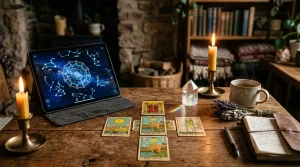
Have you ever felt drawn to the mystery of tarot cards, yet unsure of how they really work? Tarot reading offers profound insights into our lives, bridging the gap between intuition and guidance. It’s not just about fortune-telling; it’s a powerful tool for self-reflection and understanding our deepest desires and fears. In this guide, we’ll explore the fundamentals of tarot-how the cards communicate messages, the significance of different spreads, and how you can begin your journey into this ancient art. Whether you’re a curious skeptic or an eager believer, unraveling the secrets of tarot can empower you to navigate your path with clarity and confidence. Let’s demystify tarot together and discover its value in our everyday lives.
Understanding the Basics of Tarot Reading

The allure of tarot reading captivates many, offering an intriguing intersection of intuition, symbolism, and personal introspection. At its core, tarot is a tool for reflection and guidance, assisting individuals in exploring their thoughts, feelings, and life situations. By engaging with the cards, even skeptics can find value in the insights they may reveal about one’s path forward, making tarot an inclusive practice for anyone willing to explore.
Understanding the tarot system begins with recognizing the structure of the tarot deck itself. A standard deck contains 78 cards, divided into two main segments: the Major Arcana and the Minor Arcana. The Major Arcana features 22 cards that represent significant life events or spiritual lessons, such as The Fool, The Magician, and The World. These cards offer profound insights into pivotal moments in your life. Meanwhile, the Minor Arcana, consisting of 56 cards, reflects daily influences and experiences, divided into four suits: Cups, Pentacles, Swords, and Wands. Each suit addresses different areas of life-emotions, material aspects, thoughts, and actions, respectively.
When it comes to interpreting these cards, the meanings can vary based on their positions in a spread-the layout in which the cards are drawn. Spreads can range from simple one-card pulls to more complex arrangements like the three-card spread, which explores past, present, and future, or the Celtic Cross, which delves deeply into various aspects of a situation. Each position within the spread provides context that informs the interpretation of each card’s symbolism and message.
The true magic of tarot lies in the balance between knowledge and intuition. While understanding card meanings and spreads is essential, tapping into your intuition allows for a personal touch. Beginning readers may find it helpful to journal their thoughts and feelings about each card they draw, enhancing their interpretive skills over time. This practice fosters a connection with the cards, transforming your readings into deeply personal experiences rather than mere interpretations of set meanings.
Ultimately, the journey into tarot is as much about personal growth as it is about divination. Each reading you conduct is an opportunity for self-discovery and empowerment, providing clarity in moments of uncertainty. The next time you shuffle the cards, remember-you hold the keys to unveiling not just the future, but also the insights within yourself.
The Tarot Deck: Components and Symbols
The tarot deck is more than just a collection of beautifully illustrated cards; it is a profound tool for introspection and insight. Every card is laden with symbols and meanings that can provide clarity and guidance. Understanding these components is essential for anyone looking to harness the power of tarot reading.
A standard tarot deck comprises 78 cards, divided into two main categories: the Major Arcana and the Minor Arcana.
The Major Arcana
The 22 Major Arcana cards reflect significant life themes and spiritual lessons. Each card represents pivotal moments in your journey, inviting you to explore your personal growth and transformation. For example, The Fool symbolizes new beginnings and potential, while The World signifies completion and fulfillment. These cards often call attention to events that require your deeper awareness, making them crucial players in any reading.
The Minor Arcana
The 56 Minor Arcana cards provide insight into daily experiences and influences. They are organized into four suits, each representing different aspects of life:
- Cups: Emotions, relationships, and connections.
- Pentacles: Material matters, work, and financial concerns.
- Swords: Thoughts, challenges, and conflicts.
- Wands: Action, creativity, and ambition.
These suits help contextualize your day-to-day experiences, revealing strengths and challenges as you navigate life’s ebb and flow.
Symbols and Imagery
Each card is adorned with rich imagery and symbols that deepen its meaning. For instance, a card may feature colors, animals, or celestial imagery, each signifying various energies and principles. Take the Seven of Cups, which depicts multiple cups filled with different possibilities. This card often signifies choices, illusion, or temptation, urging you to discern what aligns with your truth.
By tuning into these symbols and understanding their nuances, new readers can approach tarot with curiosity rather than fear. Engage with the cards, ask questions, and allow their messages to unfold naturally. As you develop your interpretive skills, you’ll find that each reading becomes a unique conversation with your subconscious, guiding you towards self-discovery and clarity. Remember, the tarot deck is not just a tool for divination; it’s an invitation to explore your own inner landscape.
How Tarot Spreads Reveal Insights

The layout of tarot cards in a spread is a powerful technique that can help unveil layers of meaning in your readings. Each position within a spread holds specific significance, framing the context of the cards drawn and guiding you toward insightful interpretations. Think of a tarot spread as a map; it can help direct you through the complex terrain of your questions and situations.
Understanding the different types of spreads can enrich your tarot practice. For instance, a simple three-card spread can explore past, present, and future dynamics, providing a snapshot of how events are interrelated. Conversely, more intricate spreads like the Celtic Cross offer a comprehensive view, addressing various aspects such as influences, inner self, and potential outcomes. Each spread serves a unique purpose, allowing you to focus on specific inquiries or broader life themes.
In a practical reading, let’s say you choose a three-card spread to delve into a career decision. The first card might represent past influences, like the Eight of Pentacles, indicating hard work and dedication in your previous roles. The second card, reflecting the present situation, could reveal the Two of Wands, which suggests planning and making choices for the future. Lastly, the future position might reveal the Wheel of Fortune, indicating a turning point and the potential for change. This narrative flows together, offering a coherent story about your career path and guiding you in making informed decisions.
While interpreting the spread, let your intuition flower. Consider not just the meanings associated with each card but also how their positions relate to one another. Do they weave a narrative that resonates with your situation? As you practice, you will find that spreads serve not just as structures for your readings but also as mirrors reflecting your internal landscape, helping you gain clarity and perspective in a collaborative conversation with your cards. Remember, the essence of a tarot spread lies in its ability to facilitate self-discovery, encouraging you to trust your intuition as you navigate life’s mysteries.
Decoding Card Meanings: A Beginner’s Guide
Decoding the meanings of tarot cards can feel a bit like unwrapping a gift-each layer reveals new insights and deeper connections. With 78 cards in a standard tarot deck, each bearing rich symbolism and nuance, the process can be both exciting and overwhelming for beginners. The key is to approach learning card meanings with an open heart and a curious mind. Let’s break it down into manageable, inviting pieces that will nurture your understanding and confidence in reading the tarot.
To start, it’s helpful to categorize the cards into two main groups: the Major Arcana and the Minor Arcana. The Major Arcana, consisting of 22 cards, represent significant life themes or spiritual lessons. Cards like the Fool, Magician, and Tower serve as powerful symbols of transformation, growth, and challenges. In contrast, the Minor Arcana consists of 56 cards divided into four suits-Cups, Pentacles, Swords, and Wands. These cards often reflect the more everyday aspects of life, addressing emotions (Cups), material matters (Pentacles), thoughts and challenges (Swords), and actions (Wands).
Understanding Basic Meanings
When you first encounter a card during your reading, consider its imagery, colors, and symbolism, which can convey emotions and messages. Here’s a brief overview of what to watch for:
- Intuition: Pay attention to your gut feelings about a card. Each time you draw, your intuition provides its own interpretation.
- Card Position: The meaning can shift depending on where the card is placed in a spread. For example, a card symbolizing conflict might suggest reflection in the past position but indicate a current experience in the present.
- Keywords: Start with foundational keywords for each card. For example, the Star might represent hope and guidance, while the Three of Swords usually signifies heartbreak or sorrow.
Using Intuitive Insights
As you begin to familiarize yourself with the cards, try to link their meanings to your own life experiences. For instance, if you draw the Six of Cups, which often represents nostalgia or childhood memories, reflect on how this theme has surfaced in your life recently. This not only enhances your connection with the cards but also deepens your intuitive reading skills.
Moreover, practicing with card combinations can further illuminate their meanings. For example, drawing the Empress alongside the Five of Wands could suggest the need for creative solutions amidst competition or conflict. Pay attention to how the cards interact, as the energies together can unveil entirely new stories.
As you navigate the vibrant world of tarot, remember that the journey of understanding card meanings is as much about personal interpretation as it is about traditional definitions. Allow the cards to speak to you, and trust in your ability to weave together intuition and knowledge. With practice, your readings will not only convey insights but also foster a deeper connection to your inner guidance and the universe at large.
The Role of Intuition in Tarot Reading
Connecting with your intuition can transform your tarot reading experience from merely interpreting cards into a deeply personal journey of insight and self-discovery. Each time you draw a card, it’s an invitation to tap into your inner wisdom and trust your instincts. Your intuition serves as a guiding force, often providing a visceral reaction to the imagery and symbolism of the cards that goes beyond learned meanings. This connection is crucial, especially for beginners, as it allows you to create a unique narrative influenced by your own life experiences.
When you engage with the tarot, approach the cards with an open mind and heart. Take a moment to breathe and center yourself before starting your reading. As you lay out the cards, pay attention to your feelings and observations. Is there a card that stands out to you? Perhaps the bright colors of the Sun evoke a sense of joy, or the somber hues of the Five of Cups resonate with feelings of loss. These intuitive responses are not mere coincidences; they are clues to your personal interpretations. The more you listen to these feelings, the more confident you will become in your readings.
It’s also helpful to keep a tarot journal to document your intuitive insights. After each reading, write down any impressions or thoughts that arose during the session. Over time, you may notice patterns or themes that reflect your intuitive capabilities and enhance your understanding of the cards. For instance, if you consistently feel a sense of empowerment with the Strength card, explore what that might mean for you in your current life situation. This practice reinforces the idea that tarot is a collaboration between the cards and your own insights, allowing for richer interpretations.
Remember, developing your intuition is a skill that improves with practice. So don’t hesitate to experiment with different spreads or ask yourself open-ended questions when conducting a reading. This could be as simple as “What should I focus on today?” or “What energies are influencing my current situation?” By engaging actively with the tarot and trusting your intuition, you’ll discover a vibrant world of possibilities and deeper self-understanding. Embrace the journey, and allow yourself the freedom to explore what these cards speak to you-after all, tarot is not just about predicting the future, but also about illuminating your path in the here and now.
Common Tarot Reading Techniques for Beginners
The art of tarot reading can seem enigmatic, but it becomes accessible with the right techniques and a touch of practice. For beginners, engaging with the tarot can initially feel overwhelming, but by adopting a few core techniques, you can unveil the wisdom these cards hold. One of the most effective ways to start exploring tarot is through basic spreads that require minimal cards, allowing you to focus on the meaning and connection of each card drawn.
Start Simple: The One-Card Pull
One of the easiest techniques for beginners is the one-card pull. This method involves asking a specific question or focusing on a particular situation and drawing a single card. This approach can offer immediate insight and helps to build your confidence in interpreting each card’s meaning. For instance, if you draw the Empress, you might reflect on themes of creativity, abundance, or nurturing in your current life.
Exploring Three-Card Spreads
Once you’re comfortable with one-card pulls, consider progressing to a three-card spread. This simple yet effective layout provides a broader context for your question. You might designate the positions for Past, Present, and Future, which helps you understand how past events influence your current situation and the potential outcomes. For example, if the first card is the Tower (representing upheaval), the second card is the Two of Cups (indicating harmony), and the third card is the Star (offering hope), you can weave a narrative of transformational experiences leading to healing and renewal.
Incorporating Elemental Meanings
To deepen your readings, familiarize yourself with the four elemental associations of tarot: Cups (water, emotions), Wands (fire, passion), Swords (air, intellect), and Pentacles (earth, material). Understanding these associations can enhance your interpretations. For example, if most cards drawn belong to the Cups suit, it may suggest a strong emotional focus in your current reading. Engaging with these elemental energies adds another layer of meaning and helps foster a more intuitive connection to the cards.
Trust Your Intuition
As you practice, remember that your intuition is a powerful ally. Allow your personal interpretations to emerge as you engage with the imagery and symbolism on each card. If a card evokes a unique feeling or thought unrelated to its standard definition, acknowledge that insight. Your intuitive responses are valid and enhance your understanding of the tarot’s message for you.
By integrating these straightforward techniques, you can build a solid foundation for your tarot practice. Embrace the learning process with an open heart, and allow the cards to speak to you as you embark on this fascinating journey of self-discovery and insight.
Overcoming Fears: What to Expect During a Reading
Stepping into the world of tarot reading can evoke a whirlwind of emotions-curiosity, excitement, and yes, fear. Many people wonder what it will be like to have their cards read and worry about encountering daunting symbols or foreboding predictions. It’s essential to address these concerns upfront because understanding what to expect can significantly enhance your experience and ease any apprehensions.
The first thing to remember is that tarot reading is fundamentally a tool for personal exploration and reflection. Rather than serving as a strict prophecy, the cards simply offer an opportunity to engage with your inner thoughts and feelings. When you approach a reading, whether you’re receiving one from someone else or conducting your own, you can expect a warm, inviting atmosphere. Most readers aim to create a safe space where vulnerability is honored and exploration is encouraged. Thus, your fears about negative outcomes can be reassured-readings are less about predicting doom and more about understanding your current situation and exploring potential paths.
What Happens During a Reading?
During a tarot reading, communication is key. You’ll likely begin by sharing what’s on your mind, whether it’s a specific question or a general inquiry into your life. This initial conversation helps establish a connection and allows the reader to tailor the session to your needs. For instance, a beginner might find clarity by asking a straightforward question, such as “What should I focus on this week?” This can help minimize anxiety as it directs the reading toward something manageable.
As the cards are drawn, remember they are not fixed answers but rather reflections of your current energy and situation. For example, drawing the Three of Swords might initially evoke fear, suggesting heartbreak or loss. However, a skilled reader will help you interpret this card in context-perhaps it points to an opportunity for healing or embracing change. Each card communicates layers of meaning, which can lead to positive insights and affirmations.
Managing Anxiety
To counter any nerves you may feel, consider a few practical tips:
- Prepare Your Mind: Before your reading, take a moment to meditate or reflect. Entering the session with a calm mind can facilitate openness and receptiveness.
- Ask Clarifying Questions: If a card confuses you, don’t hesitate to ask for clarification. Good readers are eager to ensure you comprehend your reading fully.
- Trust the Process: Remember that tarot is a journey, not a destination. Be open to where the cards might lead you rather than fixating on a specific outcome.
Ultimately, overcoming fear in tarot reading involves acknowledging your feelings and reframing your perspective on the cards. This practice is for everyone, from the most skeptical to the deeply spiritual, and it can yield profound insights when embraced as an introspective journey. So lean into the experience, and allow the cards to guide you through understanding yourself better, encouraging growth and clarity in your life.
Practical Steps to Perform Your First Tarot Reading
Performing your first tarot reading can be an exciting journey of self-discovery and intuition. The key is to approach it with an open mind and a sense of curiosity. You don’t need to be an expert or have a deep understanding of the cards; your intuition and willingness to explore are the most important components.
Start by creating a comfortable setting. Find a quiet space where you won’t be interrupted. Light a candle or burn some incense to set the mood-this can help you feel more grounded and connected. Take a few moments to breathe deeply and center yourself, allowing any distracting thoughts to fade. This preparatory phase is not just ritualistic; it helps you establish a mindset conducive to connecting with the cards.
Next, think about what question or area of your life you want to explore. It’s helpful to keep your question open-ended rather than yes-or-no. For example, instead of asking, “Will I get this job?” try framing it as, “What do I need to know about my job search?” This invites a broader perspective and deeper insights.
Once you’re ready, shuffle your tarot deck while focusing on your question. As you shuffle, pay attention to the cards and what feelings they evoke. When you feel ready, draw a certain number of cards based on the spread you want to use. A simple three-card spread is a great starting point-one for the past, one for the present, and one for the future.
After laying out the cards, take a moment to observe the imagery and symbols. Each card holds its meanings, but your interpretation will also come from your intuition and feelings. For instance, if you draw The Fool, you might feel a sense of new beginnings and adventure. Reflect on how that applies to your question. Write down your impressions and feelings about each card; this can help you connect the dots and reveal a narrative that addresses your inquiry.
Finally, don’t rush through the process. Take your time with each card, allowing its meaning to resonate with you. If you hit a moment of confusion, that’s entirely natural! Embrace it as part of the learning experience. You might want to consult a guidebook or online resources to help clarify card meanings, but prioritize your intuitive responses first. Remember, tarot reading is as much about your personal journey and insights as it is about the cards themselves. Enjoy the process, and trust that each reading brings you closer to understanding yourself more deeply.
Connecting with Your Cards: Tips for New Readers
To forge a meaningful connection with your tarot cards, it is essential to approach them with respect and curiosity. Each card is a doorway to insights, symbolizing various aspects of life, emotions, and experiences. Start by taking the time to familiarize yourself with your deck. Hold the cards, shuffle them as you would a deck of playing cards, and notice how they feel in your hands. This tactile experience begins to establish a bond between you and the cards.
Creating a Personal Ritual
Developing a personal ritual can deepen your connection. Before each reading, you might want to set an intention or express gratitude for the guidance you seek. This could involve lighting a candle, organizing your space, or even choosing a special spot where you feel at ease. Consider creating a simple affirmation or mantra related to your readings. For example, saying, “I open myself to the wisdom within these cards,” can enhance your focus and openness.
Engaging with Imagery and Intuition
Take time to explore the imagery of each card beyond its traditional meanings. As you look at each card, ask what emotions, memories, or thoughts it evokes. This exploration allows your intuition to play a vital role. For instance, you might pull the Three of Cups and immediately think of a joyful gathering with friends. Trust these impressions; they are your personal insights surfacing from within. Keep a journal to record your interpretations and feelings about each card, and refer back to it to track your progress and evolving understanding.
Practice Regularly
Regular practice with your tarot cards will reinforce your connection and enhance your confidence. Start with daily draws where you pull a single card each morning. Reflect on its meaning as it pertains to your day ahead. Over time, this practice will help you recognize patterns and deepen your understanding of the tarot’s messages. As you become more comfortable, you can progress to short spreads, gradually moving toward more complex layouts.
Ultimately, connecting with your tarot cards is a journey of self-discovery and intuition. Embrace the process with an open heart, and remember that each reading is a step toward a richer understanding of yourself and the world around you. Your unique insights and experiences will shape the meanings of the cards, making every reading a personal and transformative practice.
Exploring Advanced Tarot Techniques
Advanced Tarot techniques can open up a new dimension to your readings, inviting deeper insights and a more profound connection to the cards. Once you’ve grasped the basics, it’s time to explore these multifaceted approaches that can enrich your Tarot practice. Techniques such as incorporating the astrological associations of cards, using numerology, or engaging in symbolic storytelling can elevate your readings significantly.
One popular method is astrological associations, where each card corresponds to a Zodiac sign or planet. For example, the Empress is linked to Venus, symbolizing love and abundance, while the Tower relates to Mars, reflecting sudden change or upheaval. Incorporating these associations allows you to layer additional meaning into your readings. To utilize this method, before a reading, familiarize yourself with the astrological meanings of the cards in your spread. This can help you interpret their messages not just in a personal context but also in relation to larger universal themes.
For those interested in numerology, each Tarot card is associated with a number that can offer additional layers of interpretation. For instance, the number three often symbolizes growth and creativity, so cards like the Three of Cups highlight joyful collaborations, indicating a time to celebrate connections and community. By calculating the total of the cards in your spread and comparing it to a numerological chart, you can uncover messages that speak to your current life cycle or challenges.
Another engaging technique is symbolic storytelling, which encourages you to weave a narrative using the cards pulled. This method requires a creative approach-choose cards that resonate with the query at hand and create a story around them. Allow each card to represent a character, event, or theme, constructing a personal myth that can illuminate your life circumstances. This can serve as a reflective practice, where the story serves both as entertainment and as a path to self-discovery.
As you delve into these advanced techniques, remember to draw upon your intuition as a guiding force. Recording your interpretations and experiences in a Tarot journal can be immensely beneficial. Each reading creates a unique tapestry of insights that reflect your personal journey. Whether using astrological insights, numbers, or imaginative narratives, these advanced methods can help you become a more confident and insightful reader, ready to explore the depths of Tarot wisdom.
The Spiritual Significance of Tarot Reading
Engaging with Tarot goes beyond divination; it taps into a deeper spiritual journey that fosters self-discovery and personal growth. At its core, Tarot reading serves as a mirror reflecting your inner landscape, helping to illuminate the paths that may not be immediately visible. By drawing cards, you’re not just seeking answers; you’re embarking on an exploration of your emotions, motivations, and the energies surrounding your life.
Connecting with Universal Wisdom
Each Tarot card is imbued with archetypal symbols and meanings that resonate on multiple levels. When you lay out a spread, you’re accessing not only your intuition but also your connection to universal knowledge. This interplay between your personal insight and the collective insights represented by the cards allows for a richer understanding of your experiences. For example, pulling the High Priestess may prompt you to trust your intuition, urging you to explore your dreams and subconscious desires, while the Chariot could be a call to harness your willpower to overcome challenges.
The Role of Intention in Readings
The spiritual significance of Tarot also lies in the power of intention. Before starting a reading, take a moment to set an intention or pose a specific question. This clarity can guide the energy of your session and enhance your connection with the cards. For instance, if you’re grappling with a decision, focus on that dilemma as you shuffle. The cards then become a dialogue between your higher self and your current state, revealing insights that can illuminate your next steps.
Practical Steps for a Spiritual Connection
To deepen your spiritual practice with Tarot, consider incorporating rituals or mindfulness techniques into your readings. Here are a few actionable steps:
- Ground Yourself: Before a reading, take a few deep breaths to center yourself and clear your mind. This sets a receptive state.
- Use a Tarot Journal: Record your thoughts, feelings, and any patterns you notice in your readings. This can help track your growth over time.
- Reflect on Your Spreads: After a reading, spend time reflecting on how the card meanings apply to your life situations. This can lead to profound insights.
The spiritual significance of Tarot is vast and personal, inviting you to connect with yourself and the universe in unique ways. As you embrace this journey, trust that each reading is not just an end, but a step in your ongoing exploration of self-awareness and enlightenment.
Resources for Deepening Your Tarot Practice
The journey into Tarot is both enriching and personal, offering a unique pathway for self-discovery and spiritual growth. To enhance your understanding and skills, several resources can support your Tarot practice at every level. Whether you’re just starting or you’re ready to dive deeper, these tools can strengthen your connection with the cards and your intuitive abilities.
Suggested Books
Books are an excellent way to expand your Tarot knowledge. Consider starting with classics like “The Ultimate Guide to Tarot Card Meanings” by Liz Dean, which provides detailed interpretations of cards along with practical advice for readings. For a more psychological approach, “Tarot as a Way of Life” by Karen Hamaker-Zondag delves into using Tarot as a tool for self-reflection and personal insight.
Online Resources and Communities
Engaging with online communities can be invaluable. Platforms like Reddit’s r/tarot and specialized Tarot forums provide spaces to ask questions, share readings, and learn from experienced readers. Websites such as Biddy Tarot offer free online courses and articles that cover everything from the basics to advanced Tarot techniques, catering to all skill levels.
Apps and Digital Tools
In our tech-savvy world, apps can bring Tarot to your fingertips. Apps like “Tarot Card Reading” or “Labyrinthos Tarot” provide virtual readings and card interpretations, making it easy to practice and learn on the go. Many of these apps also include educational resources to help you understand spreads and card meanings.
Workshops and Classes
Participating in Tarot workshops or courses can bolster your skills significantly. Look for local metaphysical shops or online platforms like Skillshare and Udemy that offer structured Tarot courses. Interactive settings provide opportunities to practice readings with guidance from experienced instructors, which can be particularly helpful for overcoming nerves and developing confidence.
Utilizing these various resources can deepen your relationship with the Tarot. Remember, the practice is as much about self-discovery as it is about understanding the cards. Each reading, whether for yourself or others, is a step toward greater insight and personal empowerment. Embrace the journey, and trust in your evolving intuitive abilities.
FAQ
Q: What is the purpose of a Tarot reading?
A: The purpose of a Tarot reading is to gain insight into personal situations, challenges, and decisions. By interpreting the symbols and messages on the cards, readers can provide guidance and clarity, helping individuals better understand their paths forward. It’s a tool for self-reflection and empowerment.
Q: How can beginners choose the right Tarot deck?
A: Beginners should choose a Tarot deck that resonates with them personally. Look for decks with imagery and themes that speak to you. Familiarize yourself with the artwork, and consider a deck with a companion guide to support your learning. Remember, your connection with the cards is crucial.
Q: Why is intuition important in Tarot reading?
A: Intuition plays a vital role in Tarot reading as it allows the reader to interpret the cards beyond their traditional meanings. Trusting your instincts helps you connect with the energy of the reading, leading to more meaningful insights. Always listen to your inner voice during interpretations.
Q: What are common misconceptions about Tarot readings?
A: A common misconception is that Tarot readings predict the future with absolute certainty. In reality, Tarot offers guidance and potential outcomes based on current energies and choices. It empowers you to take control of your destiny rather than dictating it.
Q: How should I prepare for my first Tarot reading?
A: To prepare for your first Tarot reading, set a clear intention about what you wish to explore. Create a calm environment, and gather your Tarot deck and any reference materials. Take a few moments to center yourself and clear your mind before beginning the reading.
Q: Can Tarot reading be used for decision-making?
A: Yes, Tarot reading can be a valuable tool for decision-making. The cards can reveal underlying feelings, potential consequences, and different perspectives. Use the reading to explore options and clarify your thoughts, rather than relying solely on the cards for a definitive answer.
Q: How often should I do a Tarot reading?
A: There’s no set frequency for Tarot readings; it depends on your needs. Some prefer weekly or monthly readings for consistent guidance, while others read only during significant life changes. Listen to your intuition on when to seek insight and respect your own emotional rhythm.
Q: Are there specific questions I should ask during a Tarot reading?
A: When asking questions during a Tarot reading, aim for open-ended questions that invite exploration, such as “What do I need to know about my career path?” or “How can I improve my relationships?” This encourages deeper insights and a richer reading experience.
Future Outlook
Now that you understand how tarot reading works, it’s time to unlock the potential insights that await you. Remember, tarot is not just a mystical tool but a pathway to self-discovery and clarity. Whether you’re looking to gain insight into relationships, career moves, or personal growth, a tarot reading can illuminate your path in profound ways. If you’re curious about specific card meanings or want to deepen your skills, explore our detailed Tarot Card Definitions [[2]] and consider trying a Daily Tarot Reading for a fresh perspective each day [[1]].
As you embark on your tarot journey, don’t hesitate to share your experiences in the comments or reach out if you have questions. We’re here to support your growth! For those eager to dive deeper, subscribe to our newsletter for exclusive content that will enhance your tarot practice. Remember, the magic of tarot is not solely in the cards but in the insights you glean from your experiences. Embrace the journey-your next revelation awaits!
Get our latest guides, news, and insights highlighted in your Google Search & AI Overviews.