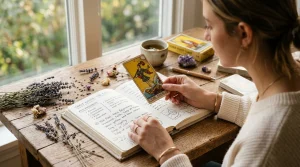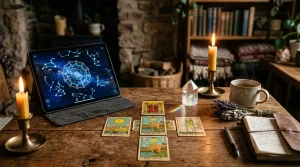
Tarot is more than just a deck of cards; it’s a window into your inner self and a tool for guidance on life’s complex path. Many people turn to Tarot seeking clarity and insight into relationships, career choices, or personal growth. It can be a powerful resource, whether you’re feeling lost, seeking affirmation, or simply curious about the deeper currents in your life. By exploring Tarot’s meanings and purposes, you’ll discover a blend of symbolic wisdom and intuitive understanding that resonates with everyone-whether you’re a skeptic or a seasoned reader. Join us as we demystify Tarot, offering you a supportive guide to unlock your intuition and navigate the cards with confidence. Your journey into the rich tapestry of Tarot awaits!
What is Tarot and Its Origins?
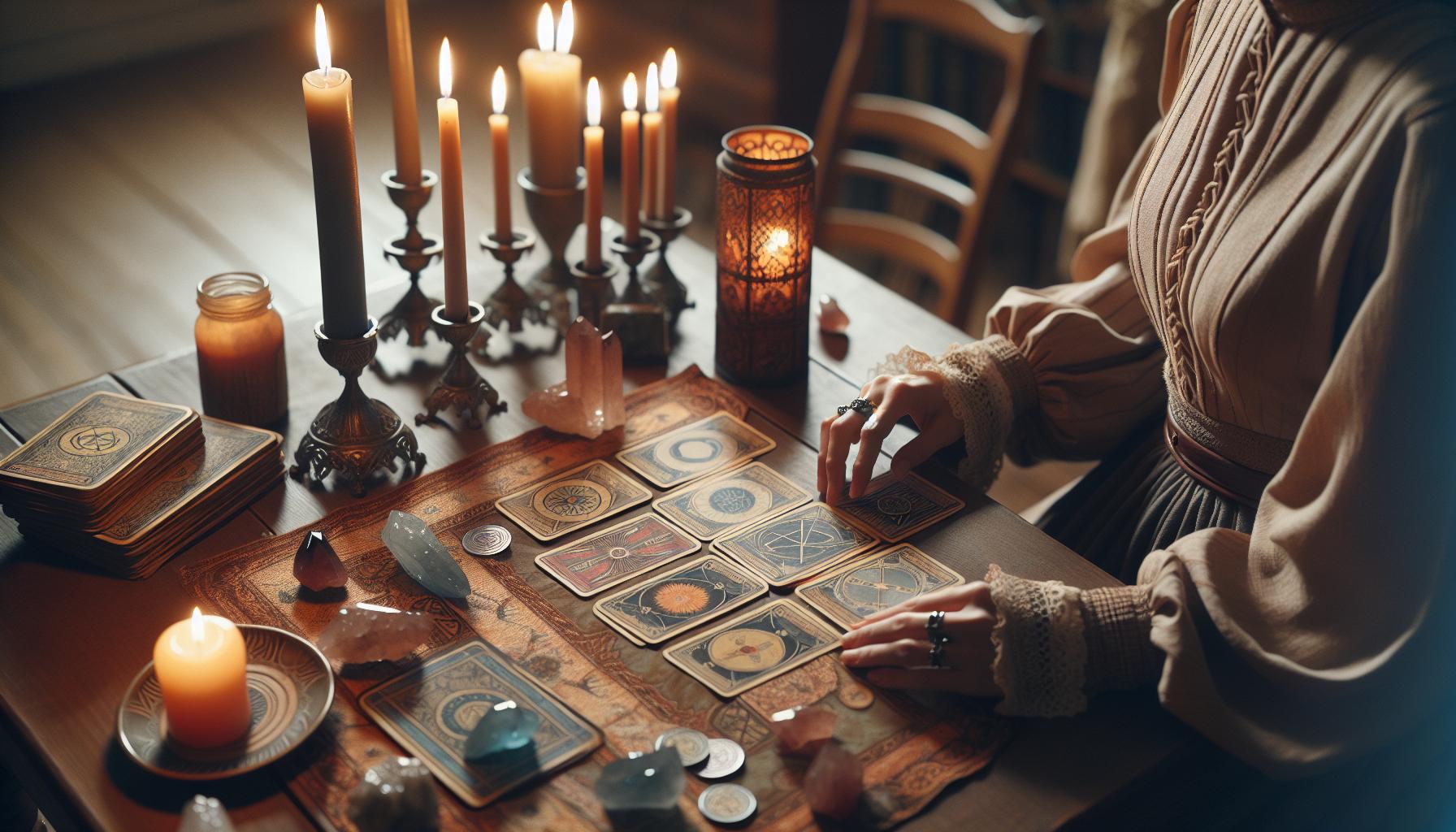
Tarot is a fascinating tool that acts as a mirror reflecting the complexities of our inner selves, guiding us through life’s challenges and uncertainties. Originating in the 15th century as playing cards in Europe, Tarot has evolved into a profound method for divination and personal insight. Initially, Tarot decks featured simple images designed for games, but by the late 18th century, they took on a mystical significance as scholars and occultists began to explore their deeper meanings and potential for self-discovery.
The first recognized Tarot deck was the Visconti-Sforza deck, created for Italian nobility. These cards not only entertained but also became a canvas for artistic expression, often depicting vivid imagery and symbolic scenes. Over time, various cultures influenced the cards’ designs, incorporating elements from astrology, numerology, and Kabbalah. This blend of traditions enriches the Tarot, making it a versatile tool for introspection and guidance.
Today, the essence of Tarot lies in its ability to connect individuals with their intuition and unconscious thoughts. Each card encapsulates a variety of meanings that speak to different aspects of life, from love and career to personal growth and spirituality. For instance, the Fool card represents new beginnings and taking risks, while the Emperor signifies authority and structure. The interplay of these symbols offers insights that resonate with the querent’s current life situation, helping them navigate their path more clearly.
Through its rich history and transformative power, Tarot invites seekers of all backgrounds-whether skeptics or believers-to explore the depth of their own intuitions. By embracing the wisdom of Tarot, one can embark on a journey of self-discovery, revealing insights that may have remained hidden otherwise. As you learn to read the cards and trust your interpretations, you’ll find that Tarot is not just a tool for fortune-telling, but a companion for reflection, growth, and understanding.
Understanding the Symbolism of Tarot Cards
Each Tarot card is a rich tapestry of symbolism, often offering multiple layers of meaning that resonate with our individual experiences. Recognizing this symbolism is crucial for anyone seeking deeper insights into their readings. At its core, Tarot serves as a visual language that communicates universal truths about the human experience. Understanding these symbols enables readers-whether beginners or seasoned practitioners-to unlock the messages each card conveys.
The imagery on Tarot cards draws heavily from various sources, including mythology, numerology, astrology, and psychology. Take, for example, the iconic Strength card. It often depicts a figure gently taming a lion. This image symbolizes not just courage, but also the gentle strength of compassion and patience in overcoming challenges. Similarly, the Water element represented in the Cups suit speaks to the emotional and intuitive aspects of our lives. When you understand these elements, you can interpret the cards in a way that connects with your question or situation.
To begin using this symbolism effectively, it’s helpful to remember key significances associated with different suits and cards. Here’s a brief overview:
- Cups: Emotions, relationships, and connections
- Swords: Intellect, conflict, and truth
- Wands: Action, inspiration, and creativity
- Pentacles: Material aspects, finances, and health
When conducting a reading, consider the specific symbols and their meanings in relation to your inquiry. For instance, if you draw the Two of Swords, this card, often depicting a blindfolded figure holding two crossed swords, suggests a mental block or a difficult decision. Engage with the imagery; ask yourself what emotions or thoughts it evokes, and let that guide your interpretation.
Lastly, fostering an intuitive connection to these symbols not only enhances your readings but also encourages a personal interpretation that reflects your unique perspective. Perhaps you notice a detail in a card that resonates with a recent experience. Trust that insight-it’s this intuitive dialogue with the Tarot that truly enriches your journey. By regularly reflecting on the symbolism and allowing it to guide your readings, you’ll find that Tarot becomes a profound tool for personal growth and discovery.
The Purpose of Tarot: Insights and Guidance
The Tarot is much more than a tool for divination; it serves as a mirror reflecting our inner thoughts, feelings, and experiences. Each card draws on archetypal imagery, providing a rich landscape where insights can emerge from the interplay between our questions and the cards’ meanings. This dynamic process invites deeper introspection and understanding, offering clarity during times of uncertainty. For many, engaging with the Tarot can awaken intuition and guide personal reflection, making it an accessible resource for insights and guidance.
One of the primary purposes of Tarot is to facilitate self-discovery and personal growth. By posing a question and interpreting the cards drawn in response, individuals can uncover underlying beliefs, emotions, and motivations that they may not have been consciously aware of. For instance, if you draw the Ten of Cups in response to a commitment question, it might suggest fulfillment and happiness in relationships, urging you to consider what genuine happiness means to you. Each reading can encourage you to confront fears, embrace possibilities, and cultivate a path toward greater self-awareness.
Moreover, Tarot can be a tool for decision-making. When facing uncertainty, a reading can provide different perspectives on a situation, highlighting potential outcomes and guiding you to make informed choices. Consider using a simple spread, such as the Three-Card Spread, which represents the past, present, and future. This format allows for a cohesive narrative that can illuminate patterns or choices you may have not initially recognized. As you engage with the cards, remember that they serve as a guide, not as absolute answers.
Ultimately, the purpose of Tarot extends into the realms of intuition and reflection. It is a practice that invites you to slow down, connect with your inner wisdom, and explore the complexities of your experiences. The more you trust this process, the more you can glean insights that resonate with your truth. Whether you’re a skeptic or a believer, the Tarot’s ability to inspire reflection and promote understanding makes it a valuable practice for anyone seeking clarity and guidance in their lives. Through this ongoing exploration, Tarot becomes a vital part of a holistic spiritual journey, nurturing both curiosity and insight.
How Tarot Works: A Step-by-Step Guide

Connecting with the Tarot can be a transformative experience, offering insights and clarity through a unique interplay of symbols and intuition. Understanding how Tarot works is essential for anyone looking to access its wisdom, whether you’re a beginner or an experienced reader. Let’s explore the step-by-step process of engaging with the Tarot.
Step 1: Setting Your Intention
Begin by grounding yourself and setting a clear intention for your reading. This could be a specific question or a more general area of your life you wish to explore. A clear intention helps focus your energy and guides the card selection process. For instance, if you’re seeking clarity on a relationship, you might ask, “What can I learn about my current feelings towards this relationship?”
Step 2: Choosing Your Deck and Spread
Select a Tarot deck that resonates with you; the imagery and symbolism should speak to your intuition. As you handle the cards, take a moment to connect with their energy. Next, decide on a spread. Beginners might start with a simple Three-Card Spread-representing the past, present, and future-while advanced readers can explore more complex layouts like the Celtic Cross. Each spread serves to organize your thoughts and provide context for the cards drawn.
Step 3: Shuffling and Drawing Cards
Shuffle your deck while concentrating on your question. This act transfers your energy into the cards. When you feel ready, draw the number of cards dictated by your chosen spread. For example, in a Three-Card Spread, you would draw three cards. Place them in order, allowing the positions to guide their meanings-such as past influences, current circumstances, and possible outcomes.
Step 4: Interpreting the Cards
Examine each card in the context of your question. Consider not only the traditional meanings of the cards but also your intuitive feelings about them. Engage with the imagery-colors, symbols, and figures may evoke personal meanings. For instance, if you draw the Queen of Cups, it could suggest emotional depth and empathy, prompting reflection on your nurturing aspects. You might jot down how each card relates to your situation, creating a narrative that unfolds with your reading.
Step 5: Reflecting on the Reading
After interpreting the cards, take a moment to reflect. What insights have emerged? How do these resonate with your current experiences? Journaling your thoughts can provide clarity and help you track patterns over time. Remember, the goal is not to predict the future but to encourage self-discovery and personal growth.
Engaging with Tarot is an inviting journey that welcomes both skeptics and believers. Each step enhances your intuition and builds a bridge between your inner wisdom and the guidance of the cards. By practicing regularly, you’ll develop confidence in your abilities, transforming Tarot into a valuable tool for introspection and decision-making in your life.
Different Types of Tarot Spreads Explained
The beauty of Tarot lies not only in its rich symbolism but also in the array of spreads that help to focus a reading’s intent and provide clarity on various aspects of life. Different spreads allow the reader to tackle diverse situations, emotions, or inquiries, catering to both novice users seeking guidance and seasoned practitioners desiring deeper insights.
An excellent way to begin your Tarot journey is with the Three-Card Spread. This simple layout allows you to explore the past, present, and future related to a specific question or situation. For instance, you might ask, “What do I need to know about my career path?” The first card would represent past influences on your career, the second your current situation, and the third potential future outcomes. This spread offers a concise overview and is perfect for quick reflections.
Moving to a more complex structure, the Celtic Cross Spread is popular among more experienced readers. It consists of ten cards that deliver an in-depth analysis of a situation. Each card has a specific position and meaning, helping uncover various layers of a situation, including challenges, influences, and possible outcomes. For example, the central card might embody the current issue while the crossing card reveals the immediate challenge.
For those seeking insight into relationships, the Relationship Spread utilizes seven cards to explore the dynamics between two individuals. Cards may represent how each person views the other, underlying emotions, and potential paths forward. This spread fosters better understanding and can highlight areas for growth or discussion.
Finally, the Daily Draw can be an inspiring daily practice. Simply drawing one card each day allows for reflection on its message as it relates to daily experiences. This practice fosters a deeper connection with the cards and enhances intuitive skills over time.
Using these varied spreads, whether simple or complex, can vastly improve your Tarot reading experience. Each spread serves to funnel the energy of your inquiry and allow the cards to illuminate the paths ahead, making Tarot a valuable tool for self-discovery and guidance.
Interpreting Tarot Cards: Meanings and Messages
Unlocking the meaning behind Tarot cards is a transformative journey that can lead to profound self-discovery. Each card in the Tarot deck is imbued with distinct symbolism and messages, which can mirror our internal states or external situations. Understanding these meanings is the first step towards harnessing the power of the Tarot for intuition and reflection.
The Tarot is typically divided into two main sections: the Major Arcana and the Minor Arcana. The Major Arcana consists of 22 cards that represent significant life themes and spiritual lessons, while the Minor Arcana, made up of 56 cards, reflects everyday aspects of life. Cards like The Fool signify new beginnings and spontaneity, whereas cards like Death symbolize transformation and endings. Each card’s imagery and symbolism tap into universal archetypes, offering insights tailored to the querent’s situation.
When interpreting cards, context is crucial. The position of a card in a spread alters its meaning. For example, in a past-present-future spread, the same card can signify past influences, current challenges, or future possibilities depending on its placement. This layered interpretation encourages readers to consider various perspectives. A simple approach is to start with keywords associated with each card-positive and negative-and evolve your interpretation as you gain experience and intuition.
To enhance your understanding, consider the following practical exercises:
- Keep a Tarot Journal: Write down your impressions and insights after each reading, noting how different cards resonate with your questions.
- Daily Draw: Pull a single card each day and explore its meaning in relation to your daily life. How does this card reflect your experiences or challenges?
- Study Card Combinations: Observe how different cards interact within a reading. Certain combinations may enhance or alter the individual meaning of each card.
As you engage more with each card, trust your intuition to guide your interpretations. This balance between studying traditional meanings and tapping into your unique insights is where the true magic of Tarot lies. With practice, you’ll build confidence in interpreting the cards, unlocking a powerful tool for personal growth and guidance.
Common Misconceptions About Tarot
Many people harbor misconceptions about Tarot, often viewing it through a lens shaped by superstition or fear. One of the most prevalent myths is that Tarot cards can predict the future in a deterministic way. While Tarot can provide insights into potential outcomes or influences, it doesn’t dictate fate. Instead, it acts as a mirror reflecting one’s current path and choices, helping individuals make informed decisions based on their circumstances. This empowers querents to understand that they hold the reins in shaping their destiny.
Another common misunderstanding is the belief that Tarot reading is solely reserved for the mystical or the occult. In truth, Tarot is a versatile tool that can enhance intuitive thinking and emotional awareness for anyone, regardless of their spiritual beliefs. Many readers approach Tarot with a psychological perspective, using the cards as a means to explore the subconscious mind. This approach emphasizes the connection between the symbols in the cards and personal experiences, fostering self-reflection rather than a focus on divination.
Additionally, some skeptics question the validity of Tarot, assuming that interpretations are purely subjective or arbitrary. While personal intuition plays a vital role, there are established meanings and symbolism associated with each card, which serve as foundational guides. Over time, as readers engage with the cards more, they begin to develop a deeper understanding that blends traditional meanings with their unique insights. This leads to richer, more nuanced readings that resonate on personal levels.
Lastly, many newcomers fear that they must possess innate psychic abilities to be effective Tarot readers. In reality, Tarot is accessible to everyone. Like any skill, it improves with practice and patience. Embracing the learning process-whether through journaling insights, joining study groups, or engaging with the Tarot community-can demystify the experience. Remember, each card holds layers of meaning that reveal themselves as you deepen your relationship with them, making Tarot a personal journey of discovery rather than an exclusive gift.
Using Tarot for Intuition and Reflection
Unlocking the potential of Tarot goes beyond mere predictions-it’s an invitation to delve deeper into your intuition and foster self-reflection. Each card in the Tarot deck acts as a mirror, reflecting your inner thoughts, emotions, and current life situations. When you engage with Tarot, you’re not just drawing cards; you’re embarking on a journey to connect with your subconscious mind, examining the narratives you tell yourself, and exploring the choices you face.
To utilize Tarot for intuition and reflection, start by familiarizing yourself with the cards. Take time to study their meanings, but more importantly, allow yourself to connect with them on a personal level. Think about how each card’s symbolism resonates with your life experiences. For instance, if you draw the Two of Cups, reflect on how relationships-whether romantic, platonic, or familial-are playing a role in your life right now. Document your thoughts in a journal, noting what feelings and ideas arise when you see a particular card.
Steps to Enhance Intuition with Tarot
- Create a Dedicated Space: Set up a cozy area where you can regularly conduct your readings, free from distractions.
- Focus on a Question: Whether it’s about a specific situation or a general inquiry about your emotional well-being, framing a clear question can help guide your interpretation.
- Draw Cards Daily: Pull one card each day and spend a few moments meditating on its meaning. Ask yourself what it might be trying to communicate about your current state or situation.
- Trust Your Instincts: While established card meanings are useful, your intuition is key. What does the card evoke for you personally? Trust those insights.
As you practice, be mindful of how Tarot encourages you to look inward. Often, the cards can highlight areas where you might need to cultivate awareness or make changes, offering a pathway to personal growth. For example, if drawing the Hermit prompts introspection about your need for solitude, this acknowledgment can lead to valuable self-care practices, such as quiet time or mindfulness.
Additionally, integrating Tarot into your daily life can enhance your emotional regulation and self-awareness. Use your readings to set intentions or reflect on past events. This process not only clarifies your thoughts but also builds a foundation for long-term self-discovery and empowerment. Remember, Tarot is a tool for everyone, enabling you to explore the complexities of your mind and spirit without the need for extensive expertise. As you cultivate this practice, you’ll find that Tarot can be a guiding light, illuminating paths you might not have previously considered.
The Role of Intention in Tarot Readings
When you engage with Tarot, the intention you set is paramount. It acts like a compass, guiding your reading and shaping the energy surrounding your inquiry. By clarifying your purpose, you create an inviting space for insights and messages to emerge. Whether you seek wisdom about a pressing issue, clarity for future choices, or simply a moment of reflection, your intention directs the flow of the reading and enhances its relevance to your life.
To harness the power of intention effectively, consider the following steps:
- Be Specific: Instead of asking broad questions, hone in on a particular aspect of your life. For example, rather than inquiring simply about love, you might ask, “What can I do to cultivate deeper connections in my relationships?” This specificity invites more profound reflections.
- Create a Ritual: Before your reading, take a moment to ground yourself. You might light a candle, breathe deeply, or recite a personal mantra to set the mood. This ritual not only centers your energy but also reinforces your intention.
- Visualize Your Desired Outcome: Picture what you hope to gain from the reading. This doesn’t mean you should dictate the answers but rather open yourself to the possibilities the cards may reveal.
- Stay Open-Minded: While clarity and direction are essential, remaining flexible in your approach is equally important. Sometimes the answers we receive challenge our expectations, guiding us toward growth in unexpected ways.
As you practice this intentional approach, you may find that your readings become increasingly resonant. For instance, a seeker who approached their reading with a clear intention about career change might draw cards that not only reveal obstacles but also illuminate unexpected opportunities. By being clear about their focus, they’ve cultivated a rich dialogue with the cards that offers both affirmation and guidance on the path forward.
Remember, the essence of Tarot lies not just in the cards themselves but in the interplay between your intention and their symbolism. This synergy transforms Tarot into a powerful tool for self-exploration, allowing you to tap into intuitive insights that can foster significant personal development. Embrace this practice as a nurturing journey where your intentions pave the way for meaningful revelations.
Advanced Tarot Techniques for Experienced Readers
Unlocking the full potential of Tarot requires moving beyond basic readings and embracing advanced techniques that deepen your understanding and enhance your intuitive insights. For those who are comfortable with traditional spreads and card meanings, exploring more complex methods can transform your practice into a dynamic and personal journey. Here are some techniques to elevate your Tarot readings.
Integrative Spread Techniques
One of the most effective advanced methods is creating custom spreads that resonate with your specific inquiries. For instance, consider a 3-Card Past, Present, Future spread but personalize it by adding a card for the lesson learned from each phase. This not only provides clarity but invites deeper reflection on how past experiences influence your current situation and future outcomes. You can also design spreads based on themes, such as relationships, career, or spiritual growth, tailoring positions to align with your questions.
Deepening Card Interpretation
To enhance your practice, consider incorporating the concept of numerology or astrology into your readings. Each Tarot card carries numerological significance; for example, the number 1 symbolizes new beginnings, while the number 10 often signifies completion. By recognizing these patterns, you can offer richer interpretations. Additionally, correlating cards with astrological signs or elements can enrich the narrative, allowing you to draw on broader cosmic energies. For instance, associating The Fool (0) with Uranus can highlight themes of originality and change.
Intuitive Techniques for Daily Readings
Incorporate daily draws into your routine, but instead of simple card pulls, challenge yourself to integrate them. For example, draw one card each morning and reflect on its meaning throughout the day. At the end of the day, note how the card’s message manifested in your experiences. This practice attunes you to your intuitive voice and reinforces the dynamics of your unique journey with the Tarot.
Journaling and Reflection
Another powerful tool for advanced readers is maintaining a detailed Tarot journal. Document not only your readings but also your emotional responses, insights, and patterns over time. This ongoing reflection can highlight how certain cards and energies consistently resonate with specific issues in your life. Include sections for personal growth, lessons learned, and even card reversals. Analyzing patterns in your journal can lead to profound breakthroughs in understanding both the cards and your life journey.
By integrating these advanced techniques into your Tarot practice, you will nurture a profound connection with the cards, unveiling layers of meaning and insight that enrich both your readings and personal growth. Remember, the goal of Tarot is not just to predict the future but to illuminate the paths that lead to potential outcomes. Embrace this journey with an open heart and mind, allowing your intuitive skills to flourish.
Integrating Tarot into Daily Life and Spiritual Practice
Incorporating Tarot into your daily life can transform not just your spiritual practice but also your perspective on the world around you. Many seekers find that the cards serve as a powerful mirror, reflecting both inner wisdom and external circumstances. Whether you choose to engage with Tarot as a spiritual guide or a tool for self-reflection, you can unlock profound insights that resonate deeply with your life experiences.
One effective way to integrate Tarot is through daily draws. Start each morning by pulling a single card, allowing it to set the tone for your day. Take a moment to meditate on its imagery and meaning. For instance, if you pull the Empress, consider how themes of creativity and nurturing might manifest throughout your day. At bedtime, reflect on how the day unfolded in relation to the card’s message. This practice creates a dialogue between you and the Tarot, strengthening your intuitive abilities over time.
Creating Tarot rituals can also enhance your spiritual practice. Consider setting aside a quiet space in your home where you can conduct readings or meditate with your deck. You might light a candle, play soft music, or use crystals that correspond to your intentions. This ritualistic approach signals to your mind and spirit that you are entering a sacred space for growth and exploration. Using a simple spread, like a three-card layout, you can focus on the past, present, and future, bringing clarity to specific life challenges or desires.
Additionally, maintaining a Tarot journal can deepen your understanding of the cards. Document not just the cards you pull but also your feelings and the insights that arise from your reflections. This ongoing record will reveal patterns over time, illuminating how certain cards influence your personal growth. You might notice, for example, that the Wheel of Fortune frequently appears during times of change, signaling a need to embrace the ebb and flow of life.
Remember, integrating Tarot into your daily routine doesn’t need to be elaborate; the key is consistency and openness. As you develop a relationship with the cards, they can serve as a supportive guide, encouraging mindful living and greater self-awareness. Approach your Tarot practice with curiosity, and let it unfold naturally, nurturing both your spirit and your understanding of the universe around you.
Resources for Learning Tarot and Enhancing Practice
The journey of learning Tarot can be both enriching and transformative, providing insights into the self and the broader universe. Whether you are a curious beginner or an experienced reader seeking to deepen your practice, a variety of resources can enhance your understanding and relationship with Tarot.
Books and Literature
Start by exploring foundational books that delve into the meanings of the cards, interpretations, and different spreads. Some recommended titles include:
- The Ultimate Guide to Tarot Card Meanings by Liz Dean – A comprehensive guide to card meanings and their symbolism.
- Seventy-Eight Degrees of Wisdom by Rachel Pollack – A classic text that combines psychology with Tarot to deepen your understanding.
- Holistic Tarot by Benebell Wen – Offers a thorough approach, integrating various aspects of Tarot reading.
These texts not only provide card definitions but also offer practical exercises to apply the concepts in real-life readings.
Online Courses and Workshops
Investing time in structured learning can enhance your Tarot skills significantly. Numerous online platforms offer courses for all skill levels. Websites like Udemy, Skillshare, and even dedicated Tarot sites often feature:
- Beginner courses that cover the basics of Tarot reading and card meanings.
- Intermediate workshops focusing on specific spreads or reading techniques.
- Advanced discussions exploring intuitive reading and integrating Tarot with other practices like astrology.
Participating in live sessions can also provide the benefit of real-time feedback from instructors and connection with fellow learners.
Communities and Forums
Joining Tarot communities can be invaluable for sharing experiences and gaining new insights. Online forums such as Tarot Forums, r/Tarot on Reddit, and Facebook groups dedicated to Tarot discussions allow you to:
- Ask questions and seek advice from experienced readers.
- Share your readings and receive constructive feedback.
- Participate in group readings, enhancing your skills collaboratively.
These spaces foster a supportive environment where both skeptics and believers can explore Tarot without judgment.
Practice Tools
To enhance your practical experience, consider using tools that promote intuitive reading. Here are some suggestions:
- Tarot Journal: Maintain a journal to document your readings, reflections, and evolving interpretations of each card. This will help you identify patterns and deepen your personal understanding.
- Apps and Online Resources: Many mobile apps simulate readings and offer daily card pulls, providing a convenient way to engage with Tarot on a daily basis.
- Crystal Associations: Familiarize yourself with crystals that correspond to specific Tarot cards, enhancing your readings through their energies.
By utilizing these diverse resources, you can cultivate a robust Tarot practice that aligns with your spiritual journey. Remember, the most effective teacher is often your intuition; approach each aspect of learning with an open heart and mind, allowing the magic of Tarot to reveal itself in your life.
FAQ
markdown
Q: What is the main purpose of a Tarot reading?
A: The main purpose of a Tarot reading is to provide insights and guidance about your life's journey. It acts as a mirror to reflect your inner thoughts and emotions, helping you navigate challenges and make informed decisions. For more on the significance of Tarot, explore the section on The Purpose of Tarot: Insights and Guidance.

Q: How can Tarot help with decision-making?
A: Tarot can aid decision-making by presenting perspectives you may not have considered. Each card draws on intuition and the subconscious, highlighting choices and potential outcomes. This reflective process allows for more thoughtful decisions. Check out How Tarot Works: A Step-by-Step Guide for effective practices.

Q: Can anyone learn to read Tarot cards?
A: Yes, anyone can learn to read Tarot cards with practice and patience. Start by familiarizing yourself with the card meanings and simple spreads. As you gain confidence, deepen your understanding through personal intuition and experiences. Look into Resources for Learning Tarot and Enhancing Practice for helpful tools.

Q: What should beginners know about Tarot?
A: Beginners should learn the meanings of the major and minor arcana, practice with simple spreads, and approach readings with an open mind. Intuition is key; trust your feelings as you interpret cards. For a solid foundation, refer to What is Tarot and Its Origins? for context.

Q: How often should I consult Tarot cards?
A: You can consult Tarot cards whenever you feel the need for guidance-daily, weekly, or during significant life events. Regular practice can enhance your intuitive understanding. Consider integrating Tarot into your Daily Life and Spiritual Practice for ongoing reflection.

Q: What are common misconceptions about Tarot?
A: Common misconceptions include the belief that Tarot is purely about fortune-telling or that it requires psychic abilities. In reality, Tarot primarily serves as a tool for reflection and guidance based on your current situation and choices. Discover more in Common Misconceptions About Tarot.

Q: How does the symbolism of Tarot cards work?
A: The symbolism in Tarot cards represents broader themes and archetypes, allowing for deep exploration of personal issues. Each symbol relates to emotions, experiences, or lessons, providing insight when interpreted. For a deeper dive, refer to Understanding the Symbolism of Tarot Cards.

Q: Why is intention important in Tarot readings?
A: Intention is paramount as it sets the focus for your reading. Clear intentions help channel energy and clarify the questions being addressed, resulting in more meaningful insights. Learn more in The Role of Intention in Tarot Readings for effective practice.
The Conclusion
As you explore the fascinating world of Tarot, remember that each card is a gateway to understanding yourself and the universe around you. Whether you’re a curious beginner or a seasoned reader, the insights gained can illuminate your path forward. Don’t let uncertainty hold you back-dive deeper into your Tarot journey today!
To expand your knowledge further, check out our free daily Tarot reading for daily guidance or consider a personalized 3-card love reading to uncover deeper emotional truths. Each session can reveal new layers of meaning and help you connect with your intuition.
Join our community by signing up for our newsletter to receive tips and updates right to your inbox, and feel free to share your thoughts or questions in the comments below. Your interaction can inspire others on their spiritual journeys! Embrace the magic and let Tarot be a trusted companion on your path.
Get our latest guides, news, and insights highlighted in your Google Search & AI Overviews.