Tarot cards have captivated minds for centuries, serving as mirrors to our inner selves and guides on our life journeys. In “What Are All the Tarot Cards? Complete 78-Card List,” we unravel the meanings behind each card, empowering you to understand their messages and harness their wisdom. Whether you’re a curious beginner or a seasoned reader, knowing these cards is vital for enhancing your intuitive readings.
The interplay of archetypes and personal experience in Tarot can illuminate your path, guiding you through challenges and choices. By exploring the rich symbolism and energy of the 78 cards, you’ll gain insights not only into your own life but also into the human experience as a whole. So, take this journey with us and discover how each card can resonate with your unique story. Get ready to unlock the mystery of Tarot and embrace the magic that awaits within every shuffle!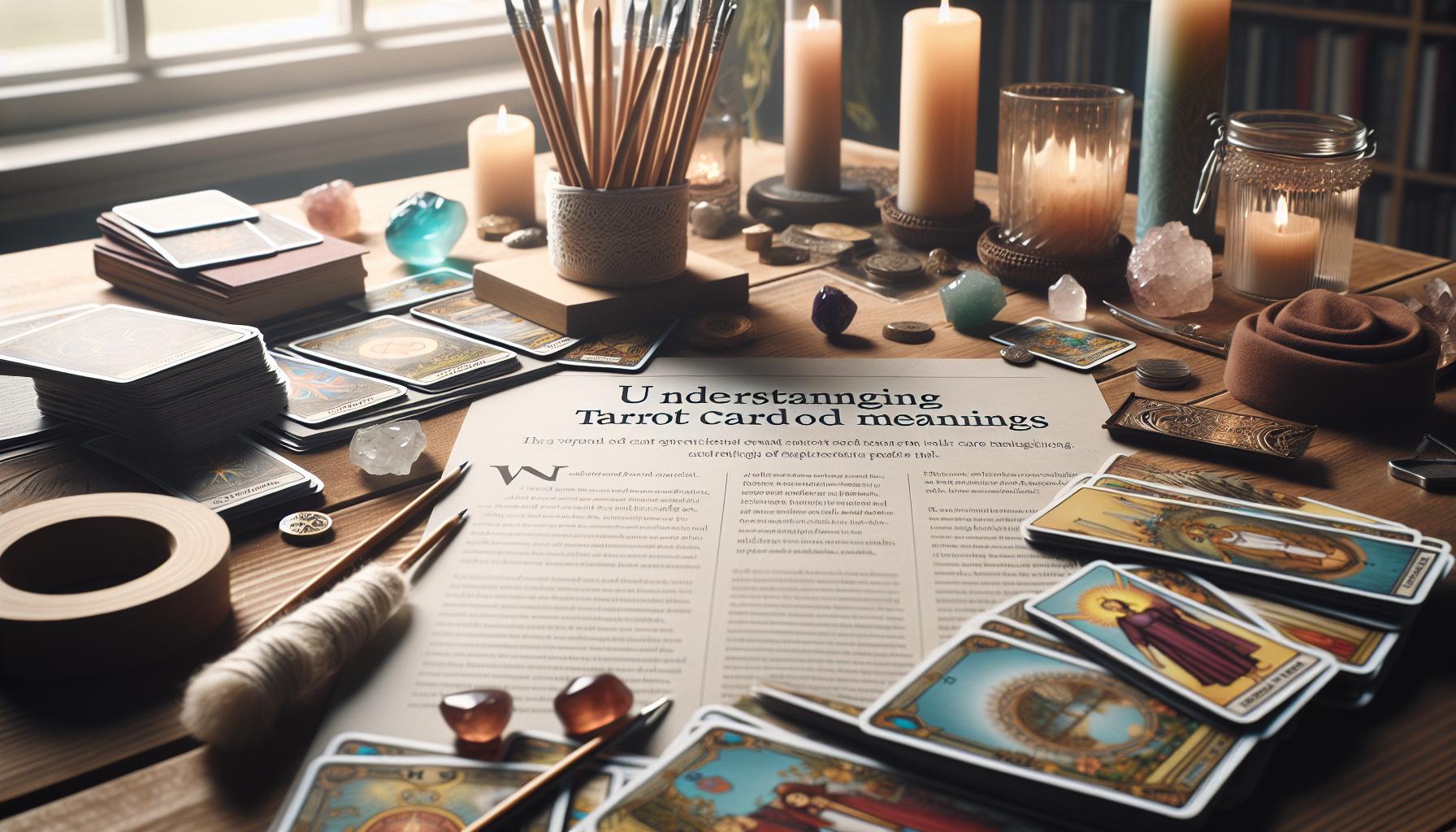
Understanding the Tarot: An Overview of Card Meanings
Understanding the nuances of Tarot card meanings opens a gateway to deeper self-discovery and insight. Each of the 78 cards in a Tarot deck carries its own unique symbolism and message, allowing readers to tap into their intuition and reflect on various aspects of life. This exploration begins with the two primary divisions of the deck: the Major Arcana and the Minor Arcana.
The Major Arcana consists of 22 cards, representing significant life events and spiritual lessons. Cards such as The Fool symbolize new beginnings and adventures, while The World signifies completion and fulfillment. These cards often reflect the overarching themes in a person’s journey, offering profound insights into their spiritual path and life’s milestones.
In contrast, the Minor Arcana is comprised of 56 cards, divided into four suits: Cups, Wands, Swords, and Pentacles. Each suit corresponds to different aspects of life: Cups relate to emotions and relationships; Wands represent creativity and action; Swords deal with thoughts and challenges; and Pentacles focus on material aspects and stability. Understanding these suits can help you contextualize the cards in any reading, allowing for a more nuanced interpretation based on your current situation.
When reading Tarot, it’s beneficial to approach each card with an open mind, considering both its traditional meaning and how it resonates with your own experiences. For instance, encountering a reversed Five of Swords might suggest internal conflict or defeat, inviting you to reflect on its relevance in your life. Remember, the key to unlocking the magic of Tarot lies not just in memorizing meanings, but in connecting with them personally. By cultivating this personal relationship with each card, you can enhance your intuitive abilities and gain valuable insights that resonate deeply within.
The Major Arcana: Key Symbols and Interpretations
The Major Arcana is where the heart of Tarot lies, capturing the essence of our life’s journey through its rich tapestry of symbols and meanings. Comprising 22 cards, this section of the deck addresses profound themes and pivotal moments, representing both the challenges we face and the lessons we learn. Each card serves not only as a reflection of significant life events but also as a guide, illuminating our path towards personal growth and self-awareness.
Strong images, such as The Fool, which embodies innocence and the spirit of adventure, encourage taking leaps of faith, while The Empress nurtures themes of fertility, creativity, and abundance. A key aspect of understanding these powerful symbols is recognizing their dual nature-how they may resonate differently in various life situations. For example, The Lovers card can signify romantic relationships, but it can also symbolize critical decisions and the search for harmony in life.
Understanding Key Symbols
Delving into the key symbols of the Major Arcana, it’s essential to pay attention not just to the surface meaning but also to the narrative each card offers:
- The Magician: Manifestation and resourcefulness; the reminder that you have all tools at your disposal to create your reality.
- Justice: Fairness, truth, and the law of cause and effect; encourages us to seek balance in our actions.
- The Tower: Sudden change and upheaval; while it may seem chaotic, it often clears the air for new beginnings.
- The World: Completion and integration; symbolizes achieving a goal, fulfilling potential, and harmony.
Interpretations in Readings
When incorporating the Major Arcana into your Tarot readings, consider their position within the spread. For instance, if The Hanged Man appears prominently, it might suggest a need for a different perspective, urging you to suspend action and reflect. By understanding the context of each card, you can derive deeper meanings relevant to your situation.
Whether you’re just starting or have experience with Tarot, remember that the Major Arcana is an invitation to explore your inner landscape. Each card encourages a personal connection, fostering your intuition and allowing the cards’ wisdom to emerge organically. No matter where you are on your journey, engaging with these profound symbols opens doors to introspection and enlightenment, making Tarot a valuable companion for everyone.
Exploring the Minor Arcana: Suits and Their Significance
The Minor Arcana adds depth and nuance to the Tarot, illustrating the daily experiences and challenges we encounter. Comprised of four suits-Cups, Pentacles, Swords, and Wands-each suit corresponds to different aspects of life, helping us navigate our journeys with greater clarity. Understanding these suits can enhance your readings, allowing you to connect more deeply with your own intuitive insights and the energies surrounding you.
Cups: Emotions and Relationships
The suit of Cups relates to our emotional world, focusing on love, relationships, and feelings. It represents the heart’s desires and interpersonal connections. For example, drawing the Two of Cups often signifies harmony and partnership, hinting at a blossoming connection, whereas the Five of Cups may reveal feelings of loss or disappointment. In readings, Cups encourage you to examine your emotional landscape and the energies within your relationships.
Pentacles: Material Matters
Pentacles symbolize the material aspects of life, including finances, work, and physical health. These cards often stress the importance of practicality and resource management. The Ten of Pentacles signifies stability and legacy, while the Four of Pentacles can indicate holding on too tightly to resources. As you explore this suit, consider questions around your material security and how you interact with the tangible world.
Swords: Thoughts and Challenges
The Swords suit dives into the realm of intellect, conflict, and communication. It often embodies the struggles we face within ourselves and with others. For instance, the Three of Swords is associated with heartbreak and grief, while the Ace of Swords symbolizes clarity and a new idea cutting through confusion. This suit encourages you to engage thoughtfully in your communication and to address any mental challenges you may be facing.
Wands: Creativity and Action
Lastly, Wands represent creativity, inspiration, and action. This suit fuels our passions and ambitions. The Page of Wands embodies youthful enthusiasm and new opportunities, while the Eight of Wands indicates swift movement and progress. Engaging with Wands motivates you to take action and explore your creative endeavors, pushing you to harness your inner drive.
Each of these suits holds its unique significance and energy, guiding you through different aspects of life. When conducting a reading, thoughtful consideration of which suit predominantly appears can provide valuable insight into the circumstances surrounding you, encouraging both introspection and growth.
Comprehensive Guide to the 78 Tarot Cards
The Tarot deck is a rich tapestry of meanings, stories, and symbols, composed of 78 cards that each have their own unique significance. These cards are categorized into two main groups: the Major Arcana and the Minor Arcana. Understanding these cards can deepen your intuition and enhance your readings, empowering you to uncover the wisdom they hold.
The Major Arcana consists of 22 cards, each representing significant life lessons, spiritual themes, and deep psychological archetypes. Cards like the Fool symbolize new beginnings and adventures, while Death signifies transformation and change. These cards often reveal powerful energies at play in a person’s life, guiding them towards greater self-awareness and personal growth. Engaging with the Major Arcana can help you to navigate pivotal moments and choices.
The Minor Arcana, on the other hand, is made up of 56 cards divided into four suits: Cups, Pentacles, Swords, and Wands. Each suit corresponds to different aspects of life, as outlined in your previous content. For instance, Cups explore emotional experiences and relationships, while Pentacles focus on material issues and security. Within each suit, cards such as the Three of Cups may express celebration and joy, and the Nine of Swords can reflect anxiety or worry. The interplay of these cards provides a more nuanced understanding of daily experiences and challenges.
To effectively work with the Tarot, consider creating a personalized list of key meanings for each card. This could include:
- The Fool: New beginnings, adventure, innocence
- The High Priestess: Intuition, subconscious knowledge, mystery
- Ten of Cups: Happiness, emotional fulfillment, family harmony
- Five of Pentacles: Financial loss, isolation, worry
- Ace of Swords: Clarity, new ideas, breakthroughs
- Knight of Wands: Passion, action, adventure
Creating memory aids, such as flashcards or a dedicated Tarot journal, can help reinforce your understanding of the cards. As you delve deeper into your readings, aim to interpret the cards within the context of your queries or the themes of your life, which can yield more personal and relevant insights. Keep practicing, and remember that every reading is an opportunity for growth, reflection, and connection with your intuitive self.
Common Tarot Spreads: How to Use Your Cards
Using Tarot spreads effectively can unlock profound insights and better navigate your questions and life circumstances. A Tarot spread is simply the way you lay the cards out during a reading, and each position in the spread can represent different aspects of your life or query. Whether you’re a beginner or more advanced reader, exploring various spreads can enhance your readings and intuitively guide you through complexities.
Beginner-Friendly Spreads
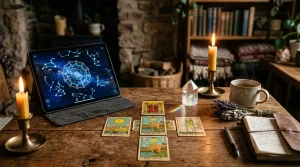
For those new to Tarot, the three-card spread is a fantastic starting point. It allows for a straightforward interpretation, typically covering the past, present, and future regarding a specific question. For example, if you draw the Empress, the Sun, and the Wheel of Fortune, you might interpret this as a journey from nurturing and growth to positivity and success, leading to inevitable changes and opportunities.
Another simple spread is the single card draw-perfect for daily insights or quick guidance. Ask yourself a question, shuffle your deck, and draw a card. This method can help you build confidence in your interpretations, making intuitive connections between your question and the card’s meaning.
Intermediate and Advanced Techniques
As you become more familiar with the cards, you might explore more complex spreads such as the Celtic Cross. This ten-card spread provides a comprehensive picture of your situation, covering your current position, challenges, desires, and possible outcomes. Understanding what each position represents is crucial: for instance, the “Crowning Card” shows your goals, while the “Near Future” offers foresight on what’s to come.
For those looking to deepen their readings, consider using cards in reverse. Reversals can add layers to interpretations, often indicating blocked energies or the need for introspection. For instance, if you draw the reversed Lovers, it could suggest disharmony in relationships or a focus on self-love before making connections with others.
Practical Tips for Using Tarot Spreads
When working with Tarot spreads, here are a few practical tips to enhance your experience:
- Set a Clear Intention: Before drawing cards, meditate on your question to focus your energy.
- Journaling: Keep a Tarot journal detailing your spreads and interpretations to track your progress and insights.
- Trust Your Intuition: While guides and meanings are helpful, your intuition is vital in interpreting the connections that resonate with you.
- Experiment: Don’t hesitate to modify existing spreads or create your own as you become more comfortable with the cards.
Embracing these practices will help demystify Tarot spreads, facilitating a more authentic and personal connection to the cards. Allow yourself the space to grow, learn, and explore your intuition through each reading, and soon the cards will feel like an old friend guiding you through life’s intricacies.
Connecting with Your Intuition: Tips for Reading Tarot
Building a connection with your intuition while reading Tarot can transform your experience from simply interpreting cards to a deeply personal and insightful journey. Every card has its traditional meanings, but the real magic happens when you allow your inner voice to guide you. Begin by creating a serene, distraction-free space before your reading. This sets the tone for connecting with your intuitive self and understanding the messages the cards have for you.
Start your session by asking a clear question, whether about your personal life, career, or emotional state. Once your question is set, shuffle the cards while focusing on your intention. Feel the energy of the cards in your hand; this tactile connection enhances your intuitive responses. When you draw cards, take a moment to observe your immediate feelings, thoughts, or memories that the images evoke. These instinctive reactions can offer profound clues about your interpretation.
When analyzing each card, consider not only its traditional meaning but also how it resonates with your current situation. For example, drawing the Six of Cups might typically represent nostalgia or childhood memories, but if you’re focusing on a work question, it might underscore the importance of enjoying your current role or hint at a collaborative project with old colleagues. Trusting these personal associations fosters a more intimate reading experience.
Finally, keep a Tarot journal to record your thoughts and insights after each session. Write down the cards drawn, your interpretations, and any intuitive hits you received. Over time, this practice builds your confidence and sharpens your intuition, making your readings more personalized and insightful. Remember, the journey of Tarot reading is as much about exploring your inner world as it is about uncovering messages from the cards themselves. Your intuition is a powerful guide-embrace it, and let it lead you.
The Role of Reversals in Tarot Readings
In Tarot readings, reversals can dramatically shift the interpretation of a card, often providing a deeper layer of meaning. A reversed card suggests that the energies of the card are either blocked, diminished, or manifesting in a less direct way. For instance, while the upright position of the Fool symbolizes new beginnings and adventure, a reversal might indicate recklessness or poor judgment in one’s choices. This duality allows readers to explore the complexities of situations and emotions, reflecting the intricate nature of life itself.
When reading reversals, it can be helpful to consider the context of the spread and the question being asked. Is the query about a challenge? A reversal might signal internal struggles or external blockages impacting progress. Alternatively, if the focus is on personal growth, a reversed card could serve as a beacon, urging the querent to recognize unhealthy habits or patterns. By asking empowering questions like, “What can I learn from this blockage?” or “How can I shift this energy?” readers enable themselves and their clients to reframe obstacles as opportunities for transformation.
To incorporate reversals into your readings, start small. You could designate specific spreads that include reversed cards, or allow yourself the freedom to read reversals in situational spreads like the Celtic Cross. As you’re getting comfortable, practice with common reversals:
- The Lovers Reversed: Imbalance or miscommunication in a relationship.
- The Tower Reversed: Avoidance of disaster or fear of change.
- The Empress Reversed: Creative blocks or nurturing issues.
Remember, reversals are not inherently negative. They can highlight the necessity of reflection and inner work. By acknowledging both the upright and reversed meanings, you deepen your understanding and exploration of the 78 cards. This approach not only enriches the reading experience but also helps readers cultivate a holistic view of their journey through the Tarot’s rich symbolic landscape.
Tarot for Beginners: Essential Practices and Tips
Starting your journey with Tarot can feel like venturing into a mystical realm filled with ancient symbols and intuitive insights. With 78 unique cards in a standard deck, each one tells its own story and offers guidance for diverse life situations. Whether you’re drawn to Tarot out of curiosity or a deeper quest for self-understanding, embracing a few essential practices can significantly enhance your reading experience.
One of the most important aspects for beginners is to establish a personal connection with your Tarot deck. Before diving into readings, take time to handle each card. Observe their images, colors, and symbols. What feelings do they evoke? Consider keeping a tarot journal to document your thoughts and initial impressions. This practice not only builds familiarity but also deepens your intuition over time.
Choosing Your First Deck
Selecting the right deck can elevate your tarot practice. While the Rider-Waite-Smith deck is a popular choice due to its rich imagery and symbolism, explore other decks that resonate with you personally. Whether you prefer whimsical, traditional, or modern styles, choose a deck that feels vibrant and inviting in your hands.
Understanding Card Meanings
You don’t need to memorize all 78 card meanings at once. Instead, focus on broad themes to start: Major Arcana cards represent significant life events and spiritual lessons, while Minor Arcana cards deal with day-to-day experiences. Begin with concepts like love, conflict, and growth. Remember, it’s perfectly okay to use a guidebook or online resources during readings. As you gain more experience, you’ll find that many meanings will become second nature.
Practicing Readings
When you’re ready to read, start with simple spreads. A one-card draw is a fantastic way to start your day with a focus or intention in mind. As you grow more comfortable, try the three-card spread representing past, present, and future. This can help you see how your current actions affect your life’s direction.
Today’s exploration is all about nurturing your intuition. Each reading can be enhanced by grounding yourself before you begin. Take a few deep breaths, clear your mind, and focus on your inquiry. Trust the feelings and images that arise as you work with the cards. Trusting your insights, however simple they may seem, can lead to profound discoveries over time.
Tarot is a journey, not a destination. Be patient with yourself as you learn. Engage with communities, whether online or in person, to share experiences and insights. Embrace the magic and wonder that comes with each reading and allow your intuitive abilities to flourish.
Advanced Tarot Techniques: Deepening Your Readings
Advanced Tarot reading techniques can elevate your practice and deepen your connection to the cards, transforming each session into a rich exploration of insights. One powerful method is the Layering Technique, where you draw additional cards to add context to your initial reading. For example, if you pull a card that suggests emotional turmoil, consider drawing two more cards: one to reveal underlying causes and another for potential outcomes. This multi-layered approach can enrich your understanding of a situation and provide clearer guidance.
Another technique to enhance your readings is to explore Card Associations. Each card in the Tarot can resonate with various themes, including astrology, numerology, and mythology. By understanding these connections, you can unlock deeper meanings. For instance, the Chariot card (Major Arcana, 7) not only signifies movement and determination but is also associated with the astrological sign of Cancer and the element of Water. Reflecting on these connections can provide a fuller picture of the energies at play in your life or readings.
When working with Reversals, consider using them to delve into shadow aspects or overlooked issues. For instance, if the Tower card appears reversed in your reading, it may indicate avoidance of necessary change or fear of upheaval. Instead of merely reading reversals as negative, focus on the potential for insight they can offer regarding the challenges and lessons that accompany transformation.
Lastly, consider using Intuitive Prompting during readings. Set a timer for a few minutes and draw a card at random. Instead of relying on traditional interpretations, allow your intuition to guide your response. What does the imagery evoke for you personally? How does it relate to your life? This practice not only deepens your connection with the cards but also builds your confidence as an intuitive reader, allowing for profound self-discovery and insight.
By incorporating these advanced techniques, you’ll find that your Tarot readings become more layered and insightful, helping you to unlock the rich tapestry woven by the 78 cards. Embrace these methods as part of your journey, and watch how your understanding and connection deepen over time.
Tarot and Spiritual Growth: A Pathway to Self-Discovery
Engaging with Tarot can be an enlightening journey, one that offers profound insights not only about your life’s circumstances but also about your inner self. As you navigate the complexities of the 78 cards, you begin to unravel layers of consciousness that help you understand your motivations, fears, and desires. Each card serves as a mirror, reflecting different aspects of your personal and spiritual growth. Whether you are a beginner still discovering the art of reading or someone more experienced looking to deepen your practice, Tarot provides a flexible and intuitive pathway for self-exploration.
Embracing Self-Discovery
Many people find that their first encounter with Tarot resonates deeply, often leading to transformative moments. Suppose you draw the *High Priestess* card during a reading. This card can symbolize intuition, inner wisdom, and the need to listen to one’s inner voice. Reflecting on what this card means to you can reveal hidden truths pertinent to your current life situation. Questions like “What does my intuition tell me about my challenges?” or “How can I cultivate a deeper understanding of myself?” can guide your reflection. The answers may not always be immediate, but the process of asking can unlock new ways of thinking about your journey.
Practical Techniques for Growth
To fully harness the spiritual potential of Tarot, consider implementing a few practical techniques in your readings:
- Journaling: After each reading, take time to write down your thoughts and feelings about the cards, especially the ones that resonate strongly. This practice not only solidifies your understanding but also tracks your growth over time.
- Daily Pulls: Start your day by drawing a single card. Reflect on its meaning throughout the day and notice how its influences manifest in your life. This daily engagement turns the cards into a living part of your spiritual practice.
- Theme Spreads: Create spreads that focus on specific themes of growth, such as “What do I need to release?” or “What strategies can I employ for personal development?” This narrows your focus and provides actionable insights.
Integrating Insights into Daily Life
Tarot isn’t just a spiritual practice; it’s a practical tool for everyday living. Each card not only conveys meanings but also invites you to take meaningful action. For example, encountering the *Three of Pentacles*, which symbolizes collaboration and skill development, might encourage you to seek out community learning opportunities or engage more deeply with a project that requires teamwork. Using Tarot this way fosters a deeper sense of connection between your spiritual insights and real-world applications.
Ultimately, the path of Tarot as a tool for spiritual growth is about development, enlightenment, and connecting with the larger tapestry of life. By approaching your readings with an open heart and a curious mind, you create a meaningful dialogue with your inner self, guiding you on a journey of self-discovery. Your Tarot practice can thus become a cherished companion on your path, offering wisdom and clarity as you navigate life’s complexities.
How to Care for Your Tarot Deck: Maintenance Tips
Caring for your tarot deck is not just about maintenance; it’s about nurturing the energy and connection you share with the cards. Just as you would cherish a beloved book or a piece of jewelry, your tarot deck deserves respect and attention. Keeping your cards in optimal condition allows your insights to flow more freely and your readings to resonate deeply.
To start, consider the environment where your tarot deck resides. Choose a dedicated space that feels positive and calm. This could be a special box, a cloth, or even a drawer where the cards feel protected. Avoid exposing your cards to direct sunlight or moisture, as these elements can damage the cards and diminish their energy. If your deck comes with a guidebook, store them together to keep everything coherent and accessible during your readings.
Regular cleansing is essential for keeping your deck’s energy clear. This can be as simple as gently shuffling the cards or giving them a light breeze of incense smoke. You might also want to try a physical cleanse by passing the deck through your hands and visualizing any stagnant energy leaving the cards. For a deeper cleanse, place your deck under a full moon or among crystals like selenite to recharge. Make this practice a ritual that connects you further to your deck.
Handling your cards with care enhances your connection. When you are about to shuffle or lay out your tarot cards, take a moment to set your intention. This encourages mindfulness in your readings. Avoid eating or drinking while handling your cards to prevent any accidental spills or stains, which, while can feel alarming, often create an unintended memory marked in the deck’s story.
Lastly, take time to inspect your cards regularly. Look for signs of wear that may call for a gentle wash or replacement. If a card gets damaged, consider if it’s an opportunity to learn or a message from the universe. A well-cared-for deck not only brings clarity in readings but also deepens your spiritual practice, ensuring that you and your cards work together harmoniously for self-discovery and insight. Engage with your tarot deck, treat it like a friend on your journey, and watch how its magic becomes even more profound.
Exploring Tarot’s History: From Ancient Roots to Modern Use
The origins of tarot are as mysterious as the cards themselves, with roots stretching back to the 15th century in Europe. Initially, tarot cards were used not for divination but as playing cards in games like tarocchi in Italy and triomphe in France. It wasn’t until the late 18th century that tarot began to be associated with the metaphysical and mystical practices that many know today. This shift was largely influenced by figures like Antoine Court de Gébelin, who proposed that the tarot held ancient wisdom linked to the Egyptian mysteries, a theory that has since captivated imaginations and spurred countless interpretations.
As tarot evolved, it split into two main components: the Major Arcana, consisting of 22 cards that represent profound spiritual themes and significant life lessons, and the Minor Arcana, depicting everyday experiences through four suits – Cups, Wands, Swords, and Pentacles. Each suit corresponds to different facets of life, embodying emotions, actions, intellect, and material aspects. Understanding this dual structure is vital for any tarot reader as it provides a framework for interpreting the cards’ meanings. For instance, drawing a Major Arcana card often points to significant influences or karmic events, while a Minor Arcana card may signal more mundane, day-to-day matters.
Today, the tarot card deck comprises 78 cards, each with unique imagery and symbolism designed to tap into the subconscious mind. This richness allows for a variety of reading styles. From the simplicity of a three-card spread to complex Celtic Cross layouts, readers can tailor their approach to the querent’s needs. For beginners, starting with the well-known Rider-Waite-Smith deck can be particularly comforting; its iconic images are steeped in traditional symbolism, aiding interpretation and intuition.
In our modern world, tarot transcends mere fortune-telling. It serves as a powerful tool for self-reflection and personal growth, engaging in dialogue with one’s inner self and helping users navigate their life paths. For anyone curious about unlocking their intuition or understanding the tarot more deeply, the journey through its history offers both context and connection. Embrace that rich tapestry of history, and realize that within each shuffle and spread lies the potential for profound insight and transformation.
Faq
Q: What are the different suits in Tarot cards?
A: The Tarot consists of four suits: Cups, Wands, Swords, and Pentacles. Each suit represents different aspects of life; Cups relate to emotions and relationships, Wands to inspiration and action, Swords to thoughts and challenges, and Pentacles to material and financial matters. Learn more in the section on suits [1].
Q: What does each Tarot card represent?
A: Each of the 78 Tarot cards carries specific meanings, often reflecting life’s experiences. Major Arcana cards address significant life themes and lessons, while Minor Arcana cards delve into day-to-day events. Understanding these meanings is essential for accurate readings. For detailed descriptions, refer to the comprehensive guide in the article [1].
Q: How can I memorize the Tarot card meanings?
A: To effectively memorize Tarot card meanings, practice regularly through daily draws, use flashcards, or engage in guided readings. Associating cards with personal experiences can also enhance memory. Start with the Major Arcana and gradually incorporate the Minor Arcana for a structured approach.
Q: What’s the difference between Major and Minor Arcana in Tarot?
A: The Major Arcana features 22 cards representing significant life events and karmic lessons, while the Minor Arcana consists of 56 cards that cover day-to-day situations and challenges. Understanding this distinction helps in interpreting readings more effectively.
Q: How do Tarot spreads work?
A: Tarot spreads are layouts that help clarify questions. Each position in the spread represents a different aspect, such as past influences or future outcomes. Popular spreads, like the three-card spread or Celtic Cross, cater to various reading styles, making them useful for both beginners and advanced practitioners.
Q: What is the significance of Tarot card reversals?
A: Reversed Tarot cards often denote blocks, challenges, or alternative meanings of the upright interpretation. They offer deeper insights into situations and help identify hidden factors at play during readings. Exploring the role of reversals can enhance reading accuracy and understanding.
Q: Can anyone learn to read Tarot cards?
A: Yes, anyone can learn to read Tarot cards with practice and patience. Start with the basics, like understanding card meanings and practicing spreads. Over time, intuitive skills develop, allowing for more profound interpretations. Embrace the journey and enjoy the exploration of your intuition.
Q: How should I care for my Tarot cards?
A: Proper care for Tarot cards involves keeping them clean, stored away from sunlight, and in a protected space to maintain their energy. Regular handling and readings can also help establish a connection. Consider using a cloth bag or box for storage and occasional cleansing methods, such as moonlight exposure or smoke from incense.
Insights and Conclusions
Now that you’ve explored the complete 78-card list of tarot cards, you have the tools to unlock their meanings and deepen your intuitive practice. Remember, each card holds a unique story that can guide you through life’s many journeys. Whether you’re a curious beginner or an advanced reader, understanding these cards empowers you to create insightful spreads that resonate with your questions and situations.
Want to dive deeper? Check out our guides on how to interpret tarot spreads or discover the significance of major and minor arcana cards. Engaging with the tarot community can enrich your journey-consider sharing your experiences in the comments below or exploring our interactive tarot readings for instant guidance. Don’t miss out on our newsletter for ongoing tips and exclusive resources that will enhance your tarot practice. Embrace the magic, and let the cards guide you forward!
Get our latest guides, news, and insights highlighted in your Google Search & AI Overviews.