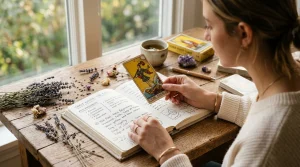
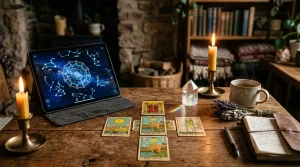
Tarot is more than just a deck of cards; it’s a powerful tool for self-discovery and spiritual insight. Understanding how Tarot works can unlock profound truths about your life, relationships, and personal challenges. Whether you’re seeking clarity on a pressing issue or simply wish to explore your intuition, this mystical practice offers guidance that resonates on multiple levels.
Many approach Tarot with curiosity or skepticism, wondering if it truly reflects their experiences. The beauty of Tarot lies in its ability to connect with anyone, offering universal messages that can inform and inspire. As you delve into the spiritual mechanics of Tarot, you’ll discover how each card serves as a mirror to your inner world, revealing insights that are both comforting and challenging. Join us on this journey to demystify Tarot, empowering you to navigate your path with confidence and clarity. Embrace this opportunity to learn how to interpret these cards, harness their meanings, and deepen your connection to yourself and the universe.
How Tarot Connects to Spirituality
Understanding the connection between Tarot and spirituality reveals how this ancient practice serves as a powerful tool for introspection and personal growth. At its core, Tarot is not merely a divination method; it is a mirror reflecting our inner landscape, emotions, and the universe’s intricate patterns. The cards act as symbols that resonate with different aspects of our lives, allowing us to engage deeply with our thoughts and feelings. This engagement fosters a sense of connection not only to ourselves but also to the broader spiritual tapestry of existence.
The imagery and archetypes in Tarot resonate with universal themes-love, conflict, change, and transformation-enabling us to tap into our intuition and the collective unconscious. A simple three-card spread can provide insight into our past, present, and future, guiding us toward greater self-awareness. For instance, drawing the Three of Cups may signal a time of celebration and connection with friends, inviting us to reflect on our relationships and the joy they bring. This process of interpretation encourages a dialogue between our conscious mind and the spiritual influences surrounding us, bridging the seen and unseen realms.
Moreover, setting an intention before a Tarot reading enhances its spiritual efficacy. This practice grounds your reading, aligning it with your higher self and opening the door to deeper insights. For example, if your intention is to understand a challenging relationship, focusing on this while shuffling the cards can help direct the reading toward relevant messages. Thus, the act of seeking guidance through Tarot becomes a ritual that honors our spiritual path and invites wisdom from beyond.
Incorporating Tarot into your daily spiritual practice can also enrich your life. Consider dedicating a few moments each morning to draw a card, reflecting on its significance, and integrating its lessons into your day. This simple yet profound act can serve as a daily reminder of your connection to the universe, fostering personal growth and spiritual awareness. In essence, Tarot invites you to embark on a journey of self-discovery, helping you navigate the complexities of life with clarity and purpose.
The Fundamentals of Tarot and Intuition

To fully grasp the essence of Tarot, one must recognize its intimate connection with intuition. At its core, Tarot serves as a tool to enhance this innate ability, guiding us to tap into our subconscious and draw upon our inner wisdom. Each card, steeped in symbolism and archetypal imagery, resonates with certain emotional or spiritual truths that can evoke profound insights. Engaging with your cards invites a dialogue between your spiritual self and the universe, fostering a heightened sense of awareness around your thoughts, feelings, and circumstances.
Connecting with your intuition requires practice and openness. Start by creating a sacred space for your readings-a quiet corner, a soft candlelight, or even your favorite spot in nature can serve as your personal sanctuary. When you sit down to draw cards, take a moment to breathe deeply, quiet your mind, and clear any distractions. This helps center your energy and prepares you to receive messages without bias.
In practice, consider utilizing a simple one-card draw at first. As you shuffle your deck, ponder a specific question or intention. Once you reveal the card, allow yourself to freely associate what you see, rather than relying solely on established meanings. For instance, drawing the Two of Swords might evoke themes of indecision or balance for you, based on your current life situation, even if traditional interpretations lean toward conflict or choices. Trusting your gut feeling is crucial; every reader’s interpretation is unique, reflecting their personal journey and context.
It’s essential to remember that Tarot is accessible to everyone, regardless of your prior experience or belief system. Whether you’re a skeptic or a seasoned practitioner, the mechanics of connecting intuition and Tarot can be honed over time. Embrace this collaboration between your intuitive abilities and the cards, allowing each reading to deepen your understanding of yourself and your spiritual journey. As you grow more comfortable, consider experimenting with different spreads and exploring various card meanings, continually refining your perspective and intuition as you go.
Exploring Tarot Cards: Meanings and Symbols

Within the realm of Tarot, each card is a unique vessel of meaning, rich with symbols that resonate with our inner experiences and shared human emotions. Understanding these meanings and their associated symbols can unlock deeper insights into our lives and spiritual journeys. Every card, whether part of the Major Arcana or the Minor Arcana, tells a story that reflects universal themes such as love, conflict, growth, and transformation.
For beginners, grasping the fundamental meanings of the cards is essential. The Major Arcana cards, comprising 22 cards, represent significant life lessons or spiritual milestones. For instance, the Fool symbolizes new beginnings and spontaneity, urging the querent to embrace the unknown. In contrast, the Death card, often misunderstood, signifies transformation and the end of one phase to make way for another, embodying the cycle of life.
As you delve into the Minor Arcana, you encounter 56 cards divided into four suits: Cups, Pentacles, Swords, and Wands. Each suit corresponds to different aspects of life. Cups relate to emotions and relationships, Pentacles focus on material aspects and career, Swords represent thoughts and conflict, and Wands embody creativity and action. For example, the Two of Cups signifies partnership and connection, while the Ten of Swords often indicates a painful ending or betrayal, inviting reflection on personal suffering and acceptance.
To deepen your connection with the Tarot, practice visualizing the symbols on the cards. Engage with the imagery-what emotions do they evoke? What stories do you see reflected in your life? Utilize a Tarot journal to jot down your interpretations and insights. This not only reinforces your understanding but also nurtures your intuition as you witness how your perspective shifts over time.
Moreover, consider that the meanings of the cards can evolve based on the context of your reading. When drawn in a spread, the relationship between cards can reveal layers of meaning that serve your current questions or situations. For instance, if you draw the Five of Pentacles alongside the Wheel of Fortune, it may indicate a challenging time in finances but foreshadows a shift toward positive change. Recognizing these interactions is vital to mastering the art of interpretation.
Ultimately, exploring Tarot cards is a journey of personal reflection and spiritual growth. Allow the cards to speak to you, and remember that your insights are unique, shaped by your experiences and intuition. As you embrace both the meanings and symbols of Tarot, you’ll find they serve as guides on your path to self-discovery, illuminating the hidden threads of your life’s narrative.
Unpacking Tarot Spreads: Types and Uses
When you dive into the world of Tarot, you’ll quickly discover that spreads-the arrangement of cards during a reading-are integral to unlocking the depth and meaning of your inquiry. Each spread serves a distinct purpose, acting as a framework that guides both the reader and the seeker to a richer understanding of the situation at hand. By choosing the right spread, you not only clarify your question but also harness the intuitive insights offered by the Tarot.
Popular Types of Tarot Spreads
There are numerous spreads to explore, each suited for different inquiries and levels of complexity. Here are some of the most common types:
- 1-Card Spread: This is perfect for quick guidance or daily reflection. Draw one card and contemplate its message for your day.
- 3-Card Spread: Often used to explore past, present, and future aspects of a situation. It provides immediate clarity on how past events connect to present conditions and future possibilities.
- Celtic Cross: A more in-depth spread that analyzes multiple facets of a situation. It includes ten cards, providing a comprehensive view of influences, challenges, and outcomes.
- Relationship Spread: Specifically designed to explore dynamics between two individuals. This spread reveals insights regarding feelings, points of view, and possible areas for growth within the relationship.
Choosing the Right Spread
Selecting a spread depends largely on your inquiry. For beginners, starting with the 1-Card or 3-Card Spread can help build confidence and understanding of card meanings. As you become more comfortable, you can delve into more complex structures like the Celtic Cross, which uncovers deeper layers of the question.
For example, if you’re grappling with a career decision, a 3-Card Spread might reveal the benefits of your current role, the challenges you face, and potential paths you could explore. Alternatively, in a relationship context, the Relationship Spread could illuminate both partners’ emotional states, fostering a deeper understanding and communication.
How to Use Tarot Spreads Effectively
When using a spread, approach the cards with an open mind and heart. Set a clear intention for your reading-what you wish to understand or uncover. As you lay out the cards, observe their placements and connections. How do their meanings interact? This process transforms the reading into a dialogue between you and the cards.
Taking notes in a Tarot journal can enhance your readings. Write down not only the card meanings but also your impressions and feelings during the process. Over time, you’ll notice patterns that reflect your intuitive growth and insight development.
By regularly experimenting with different spreads, you’ll cultivate a deeper connection with the Tarot and a richer understanding of your spiritual journey, opening doors to clarity and empowerment in many areas of your life. Remember, the beauty of Tarot lies not just in the spread itself but in the insights it sparks within you.
The Role of Intention in Tarot Readings
Setting an intention before a Tarot reading is akin to planting a seed in fertile soil; it nurtures clarity and focus, elevating the interpretation of the cards drawn. Intention serves as a guiding compass, directing your energy and thoughts toward what you truly seek to understand or uncover. Whether you’re seeking guidance on a personal relationship, a career change, or simply looking for insight into daily challenges, clearly defined intentions create a powerful framework for exploration.
When you approach a Tarot reading, consider formulating your question thoughtfully. Instead of asking, “What will happen in my career?”, you might frame it as, “What steps can I take to enhance my career fulfillment?” This shift toward a solution-oriented approach invites introspection and engagement with the cards on a deeper level. As you shuffle the deck, visualize your intention manifesting, letting it permeate your thoughts and intuition. This practice not only fosters a stronger connection with the Tarot but also sharpens your instincts regarding the messages the cards convey.
After laying out the cards, observe their placements and the interconnections among them. Ask yourself how each card relates to your original intention and what narrative emerges. For instance, if you pulled the Two of Cups in a reading focused on a relationship, reflect on how this card exemplifies the energies of connection and partnership. What lessons can be drawn from its position within the spread? Keeping a Tarot journal can be immensely beneficial, where you can jot down your queries, card meanings, and your internal revelations during the reading. Over time, this practice enhances your ability to interpret and apply the insights gleaned from each session.
Integrating intention into your Tarot practice enhances both beginner and advanced readings, creating a ritual that feels authentic and empowering. Regardless of whether you’re a skeptic or a believer, the act of setting intentions can help ground your reading experience, allowing it to become not just a means of divination, but a genuine dialogue with your own intuition and inner wisdom. Each reading then transforms into a sacred journey, rich with personal discovery and potential growth.
How to Interpret Tarot Readings with Confidence
Every Tarot reader, whether a novice or seasoned practitioner, occasionally feels a flutter of uncertainty when interpreting the cards. It’s important to remember that interpreting Tarot isn’t just about knowing card meanings; it’s a deeply personal and intuitive process. Confidence in your interpretations grows from practice, patience, and honoring your unique insights. To facilitate this journey, let’s explore some actionable steps that empower you to read Tarot with assurance and clarity.
Start with the Basics
Understanding the foundational meanings of each card is essential. Familiarize yourself with the Major Arcana and Minor Arcana, noting their core themes. The Major Arcana often points to significant life lessons and transformative experiences, while the Minor Arcana deals with day-to-day events and challenges. For instance, The Fool represents new beginnings, while the Ace of Swords can signify clarity of thought or the need to confront challenges directly. Maintain a connection to these meanings as you engage with your intuitive insights during readings.
Encourage Intuition
After laying out the cards, take a moment to breathe and enter a receptive state of mind. Observe the imagery and colors on the cards-what feelings do they evoke? Allow your intuition to guide you. Each card’s position in a spread can alter its interpretation. For example, in a three-card spread representing the past, present, and future, the same card may suggest different messages based on its context. If you pull the Five of Cups in the present position, it may indicate current feelings of loss or regret. Yet in the future position, it might serve as a gentle reminder to focus on what remains instead of what has been lost.
Practice Through Journaling
Consider keeping a Tarot journal to document your readings. Write down the cards drawn, your initial impressions, and how they relate to the question posed. Over time, review these entries to see patterns or recurring themes that emerge. This practice not only enhances your understanding but also builds your confidence as you witness your growth in interpreting the cards. A well-kept journal allows you to revisit thoughts and insights, reinforcing the notion that readings are deeply personal experiences shaped by context and intuition.
Engage in Community Learning
Joining a Tarot community-whether online or in-person-can foster connection and bolster confidence. Sharing your experiences, interpretations, and questions with others can broaden your perspective. You’ll gain valuable insights from fellow readers, learn different approaches, and appreciate the diverse ways people interpret the same cards. This collaborative learning reinforces the idea that Tarot is not solely about fixed meanings but an evolving conversation with the self and the universe.
By embracing these practices, you cultivate a nurturing space for your intuitive abilities to flourish. Remember, every reader is unique, and your interpretations will reflect your personal journey and understanding of the cards. Tarot is less about rigid rules and more about the rich dialogue between your intuition and the imagery of the cards, guiding you toward clarity and insight. With time and practice, you’ll uncover the confidence to trust in your interpretations fully.
Tarot as a Tool for Self-Reflection
In the realm of personal growth, Tarot serves as a profound tool for self-reflection, unlocking insights that may be obscured by the hustle of daily life. By engaging with the cards, you invite an intimate dialogue between your inner self and the symbols represented, leading to greater self-awareness and understanding. Each time you lay out your deck, you are not just seeking answers but also creating a mirror in which to see your thoughts, feelings, and patterns more clearly.
Understanding Your Inner Landscape
When you draw cards, consider them a reflection of your unconscious mind. For example, pulling The Hermit might signal a need for introspection, urging you to take a step back and evaluate your personal journey. Alternatively, The Lovers can represent relationships-not just romantic but also the connection you maintain with yourself and others. This versatility allows for nuanced explorations of themes in your life, making it easier to identify areas that require attention or healing.
A helpful practice is to approach each reading with a specific question or intention. This could range from “What do I need to focus on this week?” to “What are my barriers to personal happiness?” As you interpret the cards, jot down insights in a Tarot journal. Over time, this documentation will showcase recurring themes and lessons, illuminating your growth journey.
Creating Meaningful Spreads
Utilize simple spreads tailored for self-reflection. A three-card spread can be particularly effective:
- Card One: What you need to let go of.
- Card Two: Strengths to harness.
- Card Three: Steps for positive change.
This straightforward layout prompts thoughtful exploration of your current situation. For instance, if the first card reveals the Five of Pentacles, it may suggest feelings of lack or isolation that need addressing. Recognizing these insights allows you to confront them directly, fostering personal growth.
Integrating Tarot Insights into Daily Life
Integrating the lessons learned from your Tarot readings into daily practices enhances their impact. Consider setting aside time each morning to meditate on the messages from your cards. Visualize how you can embody the positive aspects revealed in your readings, and carry these reflections throughout your day.
Additionally, discuss your interpretations with a friend or within a Tarot community. Sharing perspectives can deepen your understanding and open your mind to new interpretations. This collaborative approach strengthens your intuitive skills while validating your personal journey.
By using Tarot as a self-reflective tool, you can cultivate a deeper relationship with yourself. The cards provide not just guidance but also encouragement to explore your inner landscape, allowing for continuous growth and transformation. Trust in your intuition, and let Tarot illuminate your pathway to clarity and insight.
Debunking Myths: Common Misconceptions About Tarot
Many people approach Tarot with a mixture of curiosity and skepticism. Understanding the common misconceptions surrounding Tarot can help demystify this powerful tool and reveal its true purpose. One prevalent myth is that Tarot cards predict the future with absolute certainty. In reality, Tarot serves more as a guide to personal insight than a crystal ball. Each card represents themes and energies that may be present in your life, allowing you to interpret and act upon them rather than receiving definitive prophecies.
Another frequent misconception is that Tarot is solely for those with psychic abilities. In truth, anyone can learn to read Tarot cards! It’s about developing your intuition and understanding the symbolism of the cards. You don’t need to possess supernatural powers; rather, it’s about building a connection with the cards and allowing your insights to flow. A beginner might start with simple two- or three-card spreads and gradually build confidence and skill as they become more familiar with their deck.
Similarly, many believe that Tarot reading is a purely mystical practice, detached from reality. However, Tarot’s true power lies in its ability to foster self-reflection and personal growth. By asking meaningful questions and analyzing the cards drawn, you can explore your thoughts, feelings, and aspirations. This reflective process often leads to profound realizations about your current challenges and paths forward. It’s a practice accessible to everyone, not just those who subscribe to certain spiritual beliefs.
Finally, some think of Tarot as a form of witchcraft, leading to fears of negative consequences or misinterpretation. While Tarot does have roots in esoteric traditions, it is fundamentally a tool for understanding and empowerment. There’s no inherent magic in the cards themselves; what matters most is how you use them. By approaching Tarot with an open heart and intent, you can harness its potential for enlightenment and clarity. This welcoming and grounded approach shifts the perspective from one of fear to one of exploration, making Tarot a valuable ally in anyone’s spiritual journey.
Integrating Tarot into Daily Spiritual Practice
Integrating Tarot into your daily spiritual practice can transform the way you connect with your inner self and the universe. Tarot cards are not just tools for divination; they serve as mirrors reflecting your thoughts, emotions, and experiences. By weaving Tarot into your daily routine, you encourage ongoing self-reflection and intention-setting, helping you to navigate life’s complexities with greater clarity and purpose.
Start each day with a simple morning ritual. Pull a card to serve as your guiding principle for the day. For example, if you draw The Chariot, focus on harnessing your willpower and determination throughout the day. Reflect on what actions align with the energy of that card and how you can embody its message. This practice allows you to set a tone for your day, infusing everyday tasks with purpose and intention.
Consider dedicating time each week for a more in-depth spread, such as a three-card Past, Present, Future layout. Each card can offer insightful lessons about your journey, helping you recognize patterns or challenges that may arise. Write down your interpretations in a dedicated Tarot journal, noting how the insights impact your life. Over time, you might find that tracking these reflections enhances your intuitive skills and deepens your understanding of the stories your cards tell.
Lastly, don’t hesitate to incorporate Tarot into the broader spectrum of your spiritual practice. You can blend Tarot readings with meditation, yoga, or even journaling. For example, meditate on a card’s imagery and symbolism, inviting its energy into your meditative space. This practice fosters a deeper connection to the spiritual and intuitive aspects of Tarot, transforming it into a holistic tool for personal growth and spiritual exploration.
By recognizing Tarot as a versatile companion on your spiritual journey, you embrace its magic while rooting yourself in practical applications. Allow yourself the freedom to explore, question, and evolve with these cards, creating a dynamic interplay between your inner world and the universe’s vastness. Integrate these practices into your routine with an open heart, and you will cultivate a richer, more meaningful connection with yourself and your spiritual path.
Advanced Techniques: Deepening Your Tarot Skills
To truly deepen your understanding and proficiency with Tarot, it’s essential to explore advanced techniques that expand not only your skills but also your intuitive engagement with the cards. These methods can enhance your readings and connect you more profoundly to the spiritual mechanisms at play in Tarot.
Enhancing Intuitive Readings
Take time to bond with your deck outside of formal readings. Familiarity breeds insight. Spend moments with each card-observe its imagery, colors, and symbols without the pressure of interpretation. This dedicated time can enhance your intuition, allowing feelings and impressions to arise naturally. You might keep a daily mini-practice, such as selecting one card a day to contemplate its messages, which can sharpen your skills gradually.
Exploring Advanced Spreads
Beyond basic three-card spreads, delve into more complex layouts like the Celtic Cross or the Horseshoe spread. These structures approach readings from different angles, helping you uncover layers within your inquiries. For instance, the Celtic Cross offers ten positions, revealing not just your current situation but also influencing factors, past experiences, and potential outcomes. As you practice these spreads, jot down your observations and interpretations-over time, this record will illuminate patterns, enhancing your intuition and understanding of card relationships.
Integrating Symbolism and Numerology
A deeper grasp of Tarot involves integrating its rich symbolism and numerological meanings into your readings. Each card is part of a greater system where numbers and elements reflect universal themes. For instance, knowing that the number Seven often signifies introspection or assessment can provide context when interpreting cards like the Seven of Cups or Seven of Pentacles. Consider creating a personal system where you correlate your insights with traditional meanings, allowing for a unique reading style that resonates with your understanding.
Facilitating Group Readings
Engaging in group readings or workshops can also amplify your learning. Reading for others forces you to articulate your insights and interpretations, which strengthens your confidence and clarity. Invite friends to explore Tarot together, sharing perspectives and interpretations to broaden your understanding. Seeing how different readers perceive the same cards can deepen your appreciation for the cards’ multifaceted nature.
By adopting these advanced techniques, you will foster a rich, intuitive Tarot practice that reveals a deeper spiritual connection. Embrace the journey of exploration, allowing your skills to grow in tandem with your understanding of the intricate layers of Tarot. This approach not only enhances your readings but also connects you with a broader narrative of self-discovery and spiritual growth.
Reading Tarot for Others: Ethical Considerations
When engaging in the sacred practice of reading Tarot for others, ethical considerations play a pivotal role in maintaining the integrity and respect of the reading experience. As a Tarot reader, it is essential to approach each session with a sense of responsibility, ensuring that the guidance provided is both helpful and considerate of the querent’s feelings and circumstances.
One of the primary ethical principles in Tarot reading is to honor confidentiality. When someone shares their personal thoughts, feelings, or situations, it is paramount to respect their privacy. This trust forms the foundation of a supportive environment where the querent feels safe to explore sensitive topics. Always keep in mind, what is discussed in a reading should remain between you and the querent unless given explicit permission to share certain insights.
Another essential consideration is setting appropriate boundaries. Before delving into a reading, clarify what the querent hopes to gain from the session. Are they seeking guidance on a specific relationship, career decision, or personal growth? Understanding their intentions helps tailor the reading to their needs while preventing any overstepping into areas of life that they might not want to discuss.
Additionally, as a reader, it is crucial to be mindful of your own limitations. There may be situations where you feel unequipped to provide the guidance the querent needs. In these instances, it is absolutely acceptable to refer them to a professional counselor or therapist. This not only maintains the ethical integrity of your practice but also demonstrates genuine care for their well-being.
Ultimately, the goal of reading Tarot for others is to empower them through insight and reflection, facilitating their journey of self-discovery. Always approach each reading with compassion and humility, recognizing the profound impact your words can have. By fostering a nurturing and ethical reading environment, you help ensure that Tarot remains a tool for healing and enlightenment, accessible to all who seek its wisdom.
Exploring the Connection Between Tarot and Astrology
The interplay between Tarot and astrology weaves a rich tapestry of symbolism and insight, allowing practitioners to deepen their understanding of both systems. Each Tarot card can be associated with astrological signs and planets, creating a multidimensional approach to readings that enriches the interpretation of individual cards. For instance, the Moon card resonates with the intuition and emotional depth of Cancer, while The Emperor aligns with the structured energy of Aries. By integrating these associations, readers can draw on the underlying energies of the cosmos, enhancing their ability to offer meaningful guidance.
Understanding how these two practices complement each other is key to unlocking deeper insights in your readings. By familiarizing yourself with the astrological correspondences of each card, you can add another layer of interpretation. For example, if a querent draws The Empress, aware that she is connected to Venus, you might explore themes of love, beauty, and fertility, suggesting the querent reflect on their personal relationships or creative projects. This connection not only provides a cosmic perspective but also invites querents to consider how astrological events (like a lunar phase or retrograde) may influence their current situation.
To begin integrating this connection into your practice, start by keeping a simple reference chart of Tarot cards and their astrological counterparts. Consider the following points as you practice:
- Identify Key Cards: Choose a few Tarot cards to study alongside their astrological meanings. For example, the Sun embodies positivity and vitality, paralleling its impact in astrology.
- Reflect on Timing: Use astrological cycles, such as Mercury retrograde, to time your readings or personal development exercises, aligning your queries with these energies.
- Craft Spreads Based on Zodiac Signs: Create spreads that represent the twelve zodiac signs, allowing querents to explore how each sign’s attributes resonate with their current challenges.
As you deepen your knowledge of both Tarot and astrology, you’ll find that this interconnectedness reveals profound insights, empowering you and your querents on their spiritual journeys. Embrace this synergy, and remember that both tools are here to guide you toward greater self-awareness and understanding in a universe filled with cosmic wisdom.
Faq
Q: How do Tarot cards work in spiritual readings?
A: Tarot cards work as a tool for spiritual insight, reflecting the energies surrounding the querent. Each card’s symbol and meaning connect with the reader’s intuition, revealing deeper truths and guidance. This process fosters a spiritual dialogue that helps individuals explore their life situations and make empowered choices.
Q: What is the significance of intention in Tarot readings?
A: Intention is crucial in Tarot readings as it shapes the reading’s direction and focus. A clear, positive intention aligns the reader’s energy with the cards, increasing receptivity to guidance. Setting an intention before drawing cards enhances clarity and relevance during the reading.
Q: Why do different Tarot spreads matter?
A: Different Tarot spreads offer varied perspectives on a question or situation. Each spread serves a unique purpose, whether revealing past influences, current challenges, or future possibilities. Choosing the right spread enables a tailored approach to interpretation and insight, enhancing the reading’s effectiveness.
Q: Can I use Tarot for everyday decision-making?
A: Yes, Tarot can be a powerful aid in everyday decision-making. By drawing a card or two regarding a specific choice, individuals can gain clarity and perspective on their options. Regular use can bolster confidence and awareness in daily life challenges.
Q: How does intuition enhance Tarot reading?
A: Intuition plays a vital role in Tarot reading by allowing the reader to interpret cards in a personal and contextual manner. Tuning into one’s intuitive sense enhances understanding and connection with the cards, making readings more insightful and resonant.
Q: What are some common misconceptions about Tarot readings?
A: Common misconceptions include the belief that Tarot predicts the future or requires complex rituals. In reality, Tarot is a guide that provides insight and clarity, and its effectiveness relies on the reader’s intuition and the querent’s openness rather than any mystical powers.
Q: How can beginners effectively use Tarot cards?
A: Beginners can effectively use Tarot cards by starting with a simple one-card draw for daily guidance. Familiarizing oneself with card meanings and trusting initial feelings during readings can build confidence. Keeping a Tarot journal to note insights also enhances learning and intuitive development.
Q: What role do symbols play in Tarot readings?
A: Symbols in Tarot hold significant meaning and convey messages on multiple levels. Each card’s imagery encapsulates themes and messages that resonate with the querent’s life. Understanding these symbols enhances interpretative skills and deepens the reading experience.
In Summary
Now that you have a clearer understanding of how tarot works and its spiritual mechanics, consider how you can apply this knowledge to your own journey. Whether you’re curious about your personal growth or seeking guidance in your career, tarot can be a powerful tool. Don’t hesitate to explore more! Check out our guide on the four tarot suits to deepen your insights, or try a 3-card tarot career reading for tailored advice and clarity on your professional path.
If you found this exploration enriching, why not dive deeper into the mystical world of tarot? Join our newsletter for exclusive tips and resources, or explore our daily tarot reading to connect with your inner voice each day. Remember, tarot isn’t just for the mystical-it’s for anyone eager to tap into intuition and self-discovery. Share your thoughts or questions in the comments below; we’d love to hear how tarot has impacted your life!
Get our latest guides, news, and insights highlighted in your Google Search & AI Overviews.