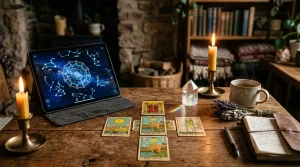
Have you ever felt drawn to the mystique of tarot but didn’t know where to begin? Tarot reading is not just a tool for fortune-telling; it’s a powerful means of self-discovery and insight. By learning to read tarot, you open the door to understanding your own intuition while connecting deeply with the energies around you. This journey invites you to explore your inner thoughts, navigate life’s challenges, and provide guidance to others.
Whether you’re curious about the symbolism of the cards or how to perform a meaningful reading, this guide will equip you with practical steps and spiritual wisdom to become a confident tarot reader. Embrace the magic of the tarot and discover how it can transform your perspective, clarify your path, and enhance your intuitive abilities. Let’s embark on this enlightening journey together and unlock the secrets that the cards have in store for you!
How Tarot Works: Understanding the Basics
The world of Tarot is rich and inviting, serving as a powerful tool for self-reflection and guidance. At its core, Tarot consists of a deck of 78 cards, each with its own imagery, symbolism, and story. These cards are divided into the Major Arcana and Minor Arcana. The Major Arcana, comprising 22 cards, represents significant life events and spiritual lessons, while the Minor Arcana, with 56 cards, reflects everyday experiences and influences, divided into four suits: Cups, Pentacles, Swords, and Wands.
When you shuffle and lay out the cards, you engage in a dialogue with your intuition and the universe. Each card drawn can reveal insights about your past, present, and potential future, depending on the question or focus of your reading. For beginners, understanding the basic meanings of the cards is essential. Here’s a brief overview of some card themes:
- Cups: Emotions, relationships, and connections.
- Pentacles: Material aspects, work, and finances.
- Swords: Thoughts, challenges, and intellect.
- Wands: Creativity, action, and ambition.
Every reading also depends on the arrangement of the cards, known as a spread. Common spreads include the three-card spread for quick insights or the Celtic Cross for a more comprehensive analysis. The position of each card in the spread often provides context on how it relates to the querent’s question or situation.
To enhance your understanding of how Tarot works, consider keeping a Tarot journal. This practice encourages you to reflect on your readings: note the cards drawn, their positions in the spread, and your interpretations or feelings. Over time, you’ll build a personal connection to the cards and develop your intuitive abilities. Whether you see Tarot as a spiritual guide or a psychological tool, remember that the real power lies in how you interpret and apply the insights to your life. Engaging with Tarot doesn’t require belief in mystical powers; it’s about tapping into your intuition and understanding the symbols that resonate with you.
Choosing Your Tarot Deck: A Personal Connection
When it comes to choosing a Tarot deck, the process can feel as personal as selecting a pen to write your thoughts. With countless styles and themes available, the right deck should resonate with you on a deep level. It’s not just about the aesthetics; it’s about finding a source that inspires a connection and opens pathways to your intuition. Your Tarot deck will become a vital tool in your reading practice, reflecting your personality, beliefs, and emotions.
Start by exploring various decks available in bookstores or online. Take time to look at the artwork and the symbolism within each deck. Some people are drawn to classic imagery, like the Rider-Waite-Smith deck, while others may prefer modern interpretations or decks infused with specific cultural or thematic elements, such as animal symbolism or mythology. As you browse, pay attention to your feelings-does a particular deck spark excitement or curiosity? Trust these instincts. Here’s why: the energy of the deck should align with you, allowing messages to flow more freely in your readings.
Once you’ve chosen a deck, spend time getting to know it. This can be as simple as shuffling the cards, laying them out, and observing the imagery. Journaling can be a powerful tool here. Document your thoughts and feelings about each card, noting how they resonate with your experiences or questions. This practice helps build a personal language with your deck, creating a unique interpretative style that reflects your intuition.
Moreover, consider the importance of rituals in your relationship with your Tarot deck. Rituals don’t have to be elaborate; they can be simple acts like cleansing your deck with sage or moonlight, or meditating with a card that stands out to you. Developing this connection goes a long way in enhancing your reading experience, allowing you to channel deeper messages and insights. Ultimately, the right deck for you will serve not just as a set of cards, but as a trusted companion on your Tarot journey.
Essential Tarot Spreads for Beginners
Every tarot reader begins their journey with an eagerness to tap into their intuition and find meaning in the cards. One of the best ways to start this exploration is through tarot spreads. A tarot spread is simply the layout you choose when you pull your cards, and it helps guide the reading based on the positions of the cards. For beginners, simplicity is key. By using straightforward spreads, you can avoid feeling overwhelmed while still gaining valuable insights.
Three-Card Spread
This classic spread is a gentle introduction for those new to tarot. Pull three cards, and assign each one a specific meaning. A common approach is to use them for past, present, and future insights regarding your query. For example:
- Card 1: Represents the past influences on your situation.
- Card 2: Reflects your present circumstances.
- Card 3: Indicates potential outcomes or future possibilities.
As you interpret these cards, consider how they relate to one another. Are there themes that connect them? Trust your instinct and let your inner voice guide your interpretations.
Wheel of the Year Spread
If you’re looking to understand your current life cycle in a more seasonal context, the Wheel of the Year spread is perfect. This can involve pulling twelve cards, each representing a month of the upcoming year, to offer guidance on what to expect. Focus on one card at a time, and think about what new challenges or blessings might come up. This spread encourages long-term thinking and helps you align with the rhythm of natural cycles.
Pyramid Spread
For a deeper look into a situation, the Pyramid Spread allows you to explore the dynamics at play. This involves laying down a card at the top representing the situation and two cards below it to symbolize the challenges and supports. The next row can include two additional cards that offer further insights or outcomes. This structure helps you visualize your readings in layers, making it easier to discern complex relationships and influences.
To make the most of any spread, take the time to reflect on each card’s meaning. Use a guidebook if needed, but ensure you also tap into your intuition. Remember, the goal of the tarot is not only to provide answers but to help you connect with your inner wisdom. As you become comfortable with these essential spreads, you’ll find your confidence growing, allowing you to delve into deeper and more intricate tarot practices as you advance in your journey.
Developing Your Intuition: Trusting Your Inner Voice
Every tarot reader’s journey begins with a powerful realization: the cards are not the only source of wisdom; your own intuition plays a critical role in the practice. Developing your intuition involves fostering a trust in your inner voice that guides you during readings. This inner voice speaks in subtle nudges and gut feelings-recognizing these signals can transform your tarot experience from a simple card reading into a profound dialogue with your higher self.
To nurture your intuition, start with grounding exercises. Before you shuffle the cards, take a moment to breathe deeply and center your thoughts. As you set your intention, visualize a warm light surrounding you, creating a space where clarity and insight can flow. This preparatory stage is not about dismissing the cards; instead, it’s about inviting your intuitive feelings into the session. Over time, you’ll find that this mindful approach enhances your ability to interpret the symbols and messages within the cards.
Keep a tarot journal to document your readings and the intuitive insights you receive. Write down your interpretations right after the reading, noting any feelings or thoughts that arose during the process. Reflect on how your instincts guided the interpretation. For instance, if you pulled a Three of Swords and instinctively felt it represented emotional healing rather than heartbreak, record this insight and look back on it later. This practice not only strengthens your trust in intuition but also shows how your interpretations evolve with experience.
Lastly, embrace the idea that intuition can sometimes feel uncertain or even intimidating. It’s normal to question your insights, especially when starting out. To combat this, try using affirmations like “I trust my intuition” or “My inner voice is clear and strong.” Over time, these affirmations can help quiet any self-doubt and build a solid foundation of confidence in your intuitive abilities. Remember, the beauty of tarot lies in its personal nature-each reading is your unique interpretation, guided by the wisdom both within and around you.
Reading Tarot for Yourself: Techniques and Tips
Reading tarot for yourself can be an enlightening and deeply personal experience, allowing you to connect with your inner wisdom and insight. When you draw cards for personal reflection, it becomes an opportunity to explore your thoughts, emotions, and life circumstances more effectively. Here are some techniques and tips to enhance your self-readings and make the most of the cards.
Start by creating a calm and focused environment that invites reflection. Set your intention before you shuffle the deck. This could be a specific question or a more general inquiry about your current path or feelings. Once you have your intention, shuffle the cards while thinking about that topic. You might find it helpful to light a candle or incense, or even play soft music to help center your energy.
Choosing a Spread
Deciding on a spread is crucial for structuring your reading. For beginners, the three-card spread is a simple and effective choice. You can designate each card for a different purpose, such as:
- Card 1: Past influences on the situation.
- Card 2: Present circumstances and feelings.
- Card 3: Future guidance or potential outcomes.
For more advanced readers, consider using the Celtic Cross or a relationship spread to delve deeper into complex situations. No matter what spread you choose, remain open to the messages the cards convey.
Interpreting the Cards
When interpreting your cards, trust your intuition. Look beyond traditional meanings; consider how each card resonates with your current life context. If you draw The Lovers, for instance, it might symbolize a choice you need to make regarding a relationship, or perhaps an important decision in your life. Write down your interpretations in a tarot journal, noting feelings and insights that arise during the reading. This practice not only reinforces your understanding but also allows you to track your growth over time.
Lastly, embrace the practice as a journey rather than a destination. As you read for yourself, you may encounter moments of doubt. It’s okay to question your insights-this skepticism can lead to deeper understanding. To build confidence, you can use affirmations like “I welcome guidance from the cards” or “I trust myself to interpret what I see.” With time and practice, self-readings can lead to profound revelations, shaping your personal and spiritual growth.
Interpreting Cards: Meaning Beyond the Surface
Interpreting Tarot cards is an art that goes far beyond memorizing definitions. Each card holds layers of meaning, influenced by your personal experiences, intuition, and the specific context of your reading. A card that typically signifies conflict might, in the context of a particular question, symbolize an internal struggle rather than external discord. This flexibility invites you to explore meaning holistically, transforming a simple reading into a rich tapestry of insight.
Your intuition serves as your best guide during this process. When you draw a card, take a moment to observe your immediate reactions. For example, pulling the Tower card might evoke fear of disruption, but it could also resonate as a necessary shake-up for growth. Engage with the imagery and symbolism of the card. Does the color palette evoke certain emotions? Does the facial expression of a figure remind you of someone in your life? These reflections can unlock deeper interpretations that textbooks may not articulate.
Emotional and Situational Context
Consider the circumstances surrounding your inquiry. For a question about career progression, drawing The Chariot may suggest triumph through determination, while in a relationship context, it could indicate a power struggle or the need for mutual support in navigating challenges. Incorporating context not only enriches your interpretations but also keeps your readings relevant and meaningful.
Another useful practice is maintaining a tarot journal. Documenting your interpretations, intuitions, and thoughts during readings can illuminate patterns over time and track your personal growth. Note how the meanings of specific cards evolve as you encounter various life experiences. This type of reflective writing fosters a deeper understanding of the cards and allows you to see your intuitive abilities flourish.
Finally, remember: Tarot reading is a journey, not a destination. Embrace uncertainty and remain open to various interpretations as you deepen your connection with the cards. There’s no single right answer, and your interpretations will evolve with your personal experiences. As you cultivate your relationship with Tarot, you’ll find that the messages it brings are uniquely tailored to you and your life path, guiding you toward greater understanding and self-awareness.
Enhancing Your Readings with Rituals and Tools
To elevate your tarot readings, integrating rituals and tools can create a sacred space that enhances focus, intention, and connection with your cards. Whether you’re a novice or more experienced reader, these practices can deepen insights and enrich your entire tarot experience.
Setting the scene with a ritual can invoke a sense of reverence and purpose. One simple ritual involves cleansing your space and cards before a reading. Use sage, palo santo, or even sound, like a singing bowl, to clear any lingering energies. Incorporating elements such as candles or crystals can also amplify your readings. For example, placing a clear quartz crystal on your reading table can enhance clarity and connection, while amethyst can assist in intuitive insights.
Creating a structured reading environment supports focus and intention. Here are practical steps you might follow to design your own ritual:
- Choose Your Space: Find a quiet, comfortable area free from distractions. This could be a dedicated room, a corner of your home, or even a peaceful outdoor spot.
- Gather Your Tools: Apart from your tarot deck, consider having a journal for notes, a candle for ambiance, and any crystals you feel drawn to. Each item can serve a specific purpose in grounding and enhancing your energy.
- Set Intention: Before starting, take a few moments to reflect on your purpose for the reading. Whether seeking clarity on life, decisions, or guidance, stating your intention can make your reading more precise.
- Ground Yourself: Engage in a brief meditative practice. Take deep breaths, focusing on the present moment. Visualize a warm light surrounding you, creating a protective and nurturing space.
These practices aren’t merely for embellishment-they help you connect with your intuitive self, making your readings even more impactful. For instance, many readers find that journaling the experiences during these rituals allows them to track how specific rituals influence their intuitive insights over time.
Embracing rituals turns tarot reading into a transformative experience, allowing each session to feel unique and sacred. By manifesting your intentions with these practical tools, you’ll not only improve your tarot practice but establish a deeper connection to your journey and insights.
Practice Makes Perfect: Gaining Confidence in Readings
Gaining confidence in tarot readings is essential for nurturing your intuitive abilities and enhancing your overall practice. One of the most effective ways to build this confidence is through consistent practice and real-world application. Just like any other skill, tarot reading improves as you engage with the cards and reflect on your experiences.
Start by dedicating regular time to practice, even if it’s just 10-15 minutes a day. You can begin with single card pulls, asking specific questions about your day or current feelings. As you learn to interpret the cards more intuitively, gradually transition into simple spreads, such as a three-card spread that showcases past, present, and future influences. This structure offers you insight while allowing room for deeper interpretation and reflection.
- Document Your Readings: Keeping a tarot journal is invaluable. Write down the card meanings, your interpretations, and how the reading applies to your life. Over time, you’ll notice patterns and grow more confident in your understanding.
- Seek Feedback: Sharing your readings with a trusted friend or a tarot community can provide fresh perspectives and constructive insights. Others may see connections or interpretations you might have overlooked.
- Set Realistic Goals: Instead of aiming for perfection, focus on setting achievable goals for each practice session. For instance, strive to interpret the symbolism of a specific card or to clarify your feelings about a reading without judgment.
It’s also crucial to embrace any nervousness as part of your journey. Even seasoned readers occasionally doubt themselves; the key is to approach each reading with an open heart and a willingness to learn. Remember, tarot is a tool for connection-not just with the cards but also with your inner wisdom. By allowing yourself to explore the messages without being overly critical, you cultivate a trusting relationship with both your cards and intuition.
As you practice, you will find that confidence begins to bloom naturally. Your ability to resonate with the cards will grow, leading to readings that feel more genuine and impactful. Embrace your journey with patience and curiosity; each reading adds a layer of mastery and insight on the path to becoming a skilled tarot reader.
Navigating Common Challenges in Tarot Reading
Every tarot reader faces challenges, whether they’re beginners or more experienced. Understanding these challenges is the first step toward overcoming them and deepening your relationship with the cards. One common hurdle is the fear of misunderstanding the cards. It’s natural to feel anxious about whether you’re interpreting the cards correctly, especially when you’re starting out. Remember, tarot reading is not about being “right” or “wrong.” It’s about insights and connections you draw from the imagery and symbolism presented. Trust your intuition, as often your first interpretation holds a profound personal significance.
Another frequent challenge is dealing with emotional reactions. When the cards don’t reflect what you want to hear or bring up uncomfortable truths, it can be disheartening. A helpful approach is to view the reading as a conversation rather than a prediction. Each card has layers of meaning, so engage with them openly. Ask yourself how the card relates to your life and emotional state. For instance, if the Three of Swords appears, instead of focusing solely on heartbreak, consider what it might teach about healing and resilience. This perspective shift can mitigate emotional discomfort and transform challenging readings into constructive opportunities for growth.
Time management can also be a challenge, especially for those balancing tarot with daily responsibilities. Carving out a specific time for tarot practice can help. Even setting aside just 10 minutes a day for a quick reading can cultivate consistency and improve your skills over time. As you grow accustomed to incorporating tarot into your routine, you’ll discover that these sessions enhance your overall intuition and connection with the cards.
Lastly, it’s essential to navigate the potential overwhelm of symbolism and meanings. With a plethora of interpretations available, it can be daunting to grasp them all. Begin with focusing on a few cards at a time, really delving into their meanings within your context. Use a tarot journal to track your interpretations and how the cards manifest in your life. This practice not only simplifies the process but also builds a personalized library of insights.
Each challenge comes with its own learning opportunity. Embrace these obstacles as part of your unique tarot journey, fostering resilience and intuition with each reading.
Tarot Ethics: Respecting the Art and Your Querents
Every tarot reader holds the responsibility of honoring the art and respecting the individuals who seek guidance through its insights. Ethics in tarot isn’t just about following rules; it’s about cultivating trust, compassion, and respect within the sacred space created during a reading. Most importantly, your role is to empower your querents, helping them to navigate their thoughts and emotions, rather than dictating their futures.
Fostering a respectful relationship with your querents begins with clear communication. Always set boundaries and ensure they understand the nature of tarot reading as a tool for reflection rather than a definitive answer to life’s questions. When you approach a reading, consider starting with a brief discussion, allowing your querent to share their intentions. This dialogue builds trust and clarifies expectations, setting a positive foundation for the session.
When interpreting the cards, remember to tread lightly with sensitive subjects. Empathy is key. If cards present difficult truths-such as those related to loss, love, or personal challenges-frame your insights with care. Instead of simply stating what you see, invite your querent to explore the implications for themselves. For example, if the Tower appears, use it as an opportunity to talk about transformation and rebuilding rather than just focusing on upheaval. By guiding them through the potential meanings, you allow them to engage with the cards on a deeper level, enhancing self-discovery.
Furthermore, be aware of the diverse backgrounds and beliefs of your querents. Inclusivity is vital. Tarot attracts individuals from various spiritual paths, so your practice should reflect respect for their unique perspectives. Avoid imposing your beliefs; instead, approach their questions and concerns from a place of understanding. For instance, if a querent is seeking guidance about a personal conflict, listen attentively and respond thoughtfully, anchoring your insights in the universal themes present in the cards.
In summary, maintaining ethical standards in tarot reading is about embracing your role as a guide, mindfully navigating the energies in the space, and ensuring that every interaction is grounded in respect and understanding. Your querents seek not just answers but a sense of empowerment and clarity. By approaching your practice with integrity, you honor both the art of tarot and those who turn to it for illumination.
Building a Tarot Community: Sharing Experiences and Learning
Building a vibrant tarot community can significantly enhance your journey as a tarot reader, providing you with support, insights, and camaraderie. Engaging with others who share your passion for the cards not only deepens your understanding but also fosters a sense of belonging. Whether you are a beginner or an experienced reader, connecting with others can illuminate your practice in transformative ways.
One of the best ways to start building your tarot community is through participation in local or online groups. Many cities have metaphysical shops or community centers that host tarot meetups, workshops, and classes. This is a valuable opportunity to share experiences, swap decks, and practice readings in a welcoming environment. If in-person options are limited, numerous online platforms and social media groups offer spaces for discussion, live readings, and advice sharing. Sites like Instagram and Facebook have dedicated tarot communities where readers post insights, card interpretations, and reading tips, allowing you to engage with fellow seekers and teachers.
Consider starting or joining a tarot book club. Reading and discussing tarot literature can deepen your understanding of the cards and introduce you to varied perspectives. Each participant can share insights from their readings or interpretations on specific themes, allowing discussions that encourage growth and ignite creativity. You can also arrange virtual tarot exchanges, where members draw cards for one another and share insights, helping everyone to expand their intuitive abilities and foster a supportive learning environment.
As your community grows, remember that collaboration can amplify everyone’s experience. Organize group readings or events where members can practice together. These gatherings can help demystify the reading process, alleviate the fear of judgment, and boost confidence. Engaging in collective spreads-where each participant contributes a card to address a single query-can illuminate connections among the cards and forge a deeper understanding of the collective energies at play.
Ultimately, the heart of a thriving tarot community is built on trust, shared experience, and mutual support. Embrace the diversity of thoughts and practices within your group, and approach each interaction with openness and respect. This environment will not only foster your own growth as a reader but will also empower others on their tarot journey, creating a dynamic circle of learning and support that enriches everyone involved.
Advanced Techniques: Deepening Your Tarot Knowledge
To truly elevate your tarot reading practice, exploring advanced techniques can unlock deeper layers of understanding and intuition. As you grow more comfortable with the cards and mechanics of reading, consider diving into these methods that can enrich your tarot experience and provide more nuanced insights.
One powerful approach is to incorporate numerology into your readings. Each card holds not only symbolism but also a number that can inform its meaning. For instance, the Fool (0) signifies new beginnings and potential, while the Ten of Cups (10) can represent fulfillment and joy. By analyzing the numerical aspects of your spreads, you can connect patterns across cards, revealing deeper messages related to your queries.
Another technique involves elemental associations. Each suit in the tarot is linked to one of the four elements-Earth, Air, Fire, or Water. Understanding these connections can help you interpret the energetic qualities present in your readings. For example, a predominant presence of Fire cards might suggest a time of action, passion, or impulse, while an abundance of Water cards may point to emotional depth or intuition. Consider creating a practice where you note the elemental representation of your readings to see how they influence the overall narrative.
You might also explore themed or purpose-driven spreads. While traditional spreads like the Celtic Cross offer direction, customizing spreads around specific themes-such as relationships, career, or personal growth-can provide you with tailored insights. Design a three-card spread where the first card represents the current state, the second card shows the challenge, and the third card indicates potential outcomes. This focused exploration can lead to clarity and actionable takeaways.
Finally, consider maintaining a tarot journal to track your readings and the insights gained over time. Documenting your thoughts, card interpretations, and emotional responses allows you to reflect on patterns and growth. You can revisit past entries to witness your evolution as a reader and to understand how your intuition develops. Over time, you may recognize recurring symbols or themes that resonate with you personally.
These advanced techniques cultivate a richer connection with the tarot, enhancing both your skills and confidence as you interpret the cards. By integrating numerology, elemental insights, customized spreads, and reflective journaling into your practice, you open the door to profound personal understanding and powerful readings. Remember, each reader’s journey is unique; embrace what resonates with you and allow your intuition to guide your explorations.
FAQ
Q: What skills do I need to become a successful tarot reader?
A: To become a successful tarot reader, develop strong intuition, communication skills, and empathy. Understanding basic tarot symbols and spreads is essential, as well as honing your ability to interpret the cards in a nuanced way. Practice regularly to build confidence and refine your reading style.
Q: How long does it take to learn tarot reading?
A: Learning tarot reading varies by individual, but with consistent practice, many people can start reading for themselves within a few weeks. Mastery, however, can take several months or even years. Engage with the community and study different interpretations to deepen your knowledge over time.
Q: Can I read tarot cards for others right away?
A: Yes, you can start reading tarot for others once you feel comfortable with the basics. It’s advisable to begin with friends or family to gain experience. Clarify your understanding of card meanings and spreads, but remember that everyone has their own style, so trust your intuition.
Q: What are common mistakes beginners make in tarot reading?
A: Common mistakes include over-reliance on guidebooks, misunderstanding card meanings, and reading with bias or fear. It’s important to approach readings openly and avoid projecting your own issues onto the cards. Practice self-reflection after readings for continuous improvement.
Q: How can I build confidence in my tarot reading abilities?
A: Build confidence by practicing regularly and starting with simple spreads. Join a tarot community, take online courses, and ask for feedback from fellow readers. Keep a journal of your readings and insights to track progress and reflect on your growth.
Q: What materials do I need to start reading tarot?
A: To start reading tarot, you need a deck of tarot cards, a quiet space for readings, and optionally, a journal to record your insights. Familiarize yourself with your deck and consider additional tools like crystals or candles for creating a conducive reading environment.
Q: How do I connect with my tarot deck?
A: Connecting with your tarot deck involves cleansing it and spending time familiarizing yourself with the cards. Consider setting an intention or performing a simple ritual to create a personal bond. Daily draws can also enhance your connection and understanding of the cards’ meanings.
Q: What types of spreads are best for beginners?
A: Beginners often start with simple spreads like the 3-card spread for past, present, and future insights, or the Celtic Cross for in-depth readings. As you gain experience, experiment with more complex spreads to enhance your understanding and intuition. Visit our section on Essential Tarot Spreads for guidance.
In Retrospect
As you embark on your journey to becoming a tarot reader, remember that each card holds the potential for profound insight and transformation. You’ve learned essential card interpretations and reading techniques, so now is the perfect time to delve deeper. Don’t hesitate to explore our guides on “Advanced Tarot Spreads” and “Interpreting Tarot for Yourself,” where you’ll discover more valuable strategies to enhance your skills.
Act now to unlock your intuitive abilities and connect with your personal tarot magic! If you have questions or hesitations about starting, comment below – our community is here to support you. Plus, don’t forget to subscribe to our newsletter for regular insights and tips from experienced readers. Your path as a tarot reader awaits, and each step you take will bring you closer to mastering this mystical art. Embrace the journey and let the cards guide you!
Get our latest guides, news, and insights highlighted in your Google Search & AI Overviews.