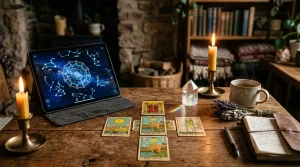
Tarot card reading is more than just a mystical practice-it’s a powerful tool for self-reflection and clarity. Whether you’re seeking guidance in love, career, or personal growth, learning how to interpret these cards can nurture your intuition and connect you with your inner self. Many people turn to tarot during times of uncertainty, looking for answers or reassurance. This guide will demystify the art of tarot reading, providing you with practical steps and insights to build your confidence. By the end, you’ll not only understand the significance of each card but also how to weave their meanings into a cohesive reading tailored to your own questions and experiences. Embrace the journey, and let the cards illuminate your path ahead!
How Tarot Card Readings Work: The Basics
Tarot card readings can be a fascinating journey, offering insights into your life’s questions, challenges, and paths. The process hinges on the interpretation of symbols and images found within the Tarot deck, which is composed of 78 cards. Each card carries its own meaning and can represent different aspects of life, emotions, and situations. When you engage with Tarot, you’re not just glimpsing at predetermined outcomes; rather, you’re accessing intuitive insights that guide you through uncertainty and allow for deeper self-reflection.
To begin a reading, the querent (the person seeking guidance) will typically shuffle the deck while focusing on their question or concern. This act of shuffling not only energizes the cards with the querent’s energy but also sets the intention for the reading. Once shuffled, the selected cards are laid out in a specific spread-a pattern that determines how the cards will relate to one another. Popular spreads include the three-card spread for a straightforward inquiry and the Celtic Cross for more comprehensive insights.
After laying out the cards, interpreting their meanings in the context of the querent’s situation is key. Each card can have nuanced interpretations influenced by its position in the spread and the cards surrounding it. For instance, drawing The Fool in the present position might suggest new beginnings and adventures, while its appearance in a past position could indicate a time of spontaneity that has shaped current circumstances. It’s crucial to blend the card meanings with personal intuition, creating a narrative that resonates with the querent’s experience.
Finally, remember that Tarot is not about predicting a fixed future but rather about illuminating possible paths and choices. The insights gained from a reading can encourage introspection and empower individuals to take active roles in their journeys. Embrace the process, allow your intuition to guide you, and remember that with practice, your understanding of the Tarot will deepen, enhancing the meaningfulness of your readings.
Choosing the Right Tarot Deck for You
When embarking on your Tarot journey, selecting the right deck is a crucial step that can enhance your reading experience. With countless styles, themes, and artistic designs available, finding one that resonates with you personally can make all the difference. A Tarot deck is not just a tool; it becomes a companion in your spiritual exploration, reflecting your unique intuition and energy.
To start, consider your personal style and preferences. Are you drawn to traditional imagery, or do you prefer something more modern or abstract? You might find classic decks like the Rider-Waite-Smith appealing for their familiarity and rich symbolism, which can provide a solid foundation for beginners. Alternatively, if you’re looking for something that feels more connected to your personal interests-be it nature, mythology, or pop culture-you might explore themed decks such as The Wild Unknown or the Modern Witch Tarot. The key is to choose a deck that you feel excited to work with.
Deck Features to Consider
When selecting a deck, keep the following features in mind:
- Artwork: Does the artwork resonate with you? Beautiful imagery can inspire and deepen your connection to the cards.
- Guidebook: Check if the deck comes with a comprehensive guidebook. A well-written guide can be especially helpful for beginners.
- Card Stock: Consider the quality of the card stock. Thicker cards can be more durable and easier to shuffle.
- Size: Ensure the card size is comfortable for your hands. Larger cards might be challenging to shuffle for some.
- Intent: Think about the purpose of your readings. Are you seeking personal insight, using Tarot for others, or both?
Try Before You Buy: Whenever possible, visit a metaphysical shop or a bookstore with a Tarot section. Many shops allow you to handle the decks, giving you a chance to see which deck speaks to you most. If in-person shopping isn’t an option, consider looking for online reviews and unboxing videos to get a feel for what various decks offer.
Ultimately, the right Tarot deck is one that feels like an extension of your own intuition and energy. Don’t hesitate to trust your instincts-if a particular deck calls to you, it’s likely the right choice to accompany you on your Tarot journey. As your understanding of Tarot deepens, you may even find your collection grows as you explore different aspects of this mystical practice.
Understanding Tarot Card Meanings
Understanding the meanings behind each Tarot card is fundamental for anyone looking to unlock the deeper insights these cards can provide. Each card is imbued with rich symbolism and layered meanings, acting like a mirror reflecting back to you the energies and influences present in your life. Whether you’re encountering a Major Arcana card, which signifies significant life events and lessons, or a Minor Arcana card, which speaks to the day-to-day situations and challenges, grasping these meanings is essential for impactful readings.
To navigate the worlds of Tarot meanings, start with the core interpretations of the cards. Each card carries overarching themes; for instance, The Fool card represents new beginnings and untapped potential, while The Tower signifies sudden upheaval and transformation. It’s beneficial to familiarize yourself with the most common meanings as a foundation. Here’s a quick primer on a few key cards:
- The Magician: Manifestation, resourcefulness, and power.
- The Empress: Abundance, nurturing, and fertility.
- The Devil: Obsession, materialism, and bondage.
- Ace of Cups: New beginnings in relationships, emotional awakening.
- Three of Swords: Heartbreak, sorrow, and emotional pain.
Contextual Interpretation
Once you grasp the basic meanings, the next step is to consider the context of your reading. This means looking at the cards in relation to one another, the questions posed, and the specific situation at hand. For example, if you draw The Chariot while inquiring about a career move, it may signify a strong forward momentum and success through determination. However, if paired with cards like the Seven of Cups, which hints at confusion or scattered options, it may suggest that you should remain focused amidst multiple possibilities.
Building Your Personal Connection
It’s also important to develop your personal relationship with each card, which can often reveal insights that traditional interpretations might miss. Take time to meditate on the imagery and symbolism of each card. How does it resonate with your experiences? Journaling about your encounters with different cards can enhance your understanding and deepen your intuitive connection.
As you progress through your Tarot journey, remember that interpreting Tarot cards is as much about intuition as it is about learned meanings. Allowing yourself to feel the energy of each card and responding to it can lead to powerful insights and a more enriching reading experience. With practice, you’ll find your interpretations becoming more instinctual and personalized, guiding you uniquely through your spiritual path.
The Importance of Intuition in Readings
Trusting your intuition is one of the most crucial aspects of conducting meaningful Tarot readings. Each card in a deck is not just a symbol; it resonates with energies that can guide your interpretations profoundly. Intuition acts as a bridge between the surface meanings of the cards and the deeper insights that emerge during a reading. It’s essential to cultivate this innate awareness, allowing it to inform your understanding as you lay the cards out.
As you handle the cards, pay attention to your feelings and bodily sensations. Perhaps you feel a tingling in your fingertips when you touch a specific card or a sense of heaviness in your chest when another card is revealed. These physical reactions can provide clues about the energies or situations represented by the cards. Let’s consider an example: if you pull the Five of Pentacles, which often signifies hardship or feelings of exclusion, your intuition might guide you to reflect on personal experiences related to loss or support. This can deepen your reading, allowing you to connect with the querent’s situation on an emotional level.
Engaging Your Inner Voice
Your inner voice plays an important role in interpreting the cards. After you’ve drawn them, take a moment to listen to what comes to mind-without filtering or second-guessing. This stream of consciousness can yield unexpected insights that go beyond learned definitions. For instance, if you see The Sun card in a spread related to a career question but are struck with a vision of a new project you’ve been considering, this is your intuition nudging you toward action, suggesting optimism and success related to your creative pursuits.
Practice Makes Perfect
Integrating intuition into your Tarot practice takes time and experimentation. Start by journaling your readings. Write down the cards, your interpretations based on traditional meanings, and then follow with your intuitive insights. Over time, you will notice patterns and themes that emerge, which can sharpen your intuitive abilities further. Invite friends or family for practice readings, where you can both share your thoughts and refine your techniques in a low-pressure environment.
Incorporating intuition into your Tarot practice elevates the experience from merely analytical to intensely personal and interactive. As you nurture this skill, you’ll discover that the cards become less about rigid meanings and more about flowing narratives that resonate with the querent’s unique life path. Remember, while the meanings you learn are important, the whispers of your intuition are where the true magic lies. Trust it, and your readings will blossom with a depth of understanding that can truly illuminate someone’s journey.
Setting the Mood: Creating Your Reading Space
Creating the right atmosphere for your tarot reading can profoundly impact the clarity of your insights and the depth of your intuitive connections. A well-prepared space can help you focus, enhance your energy, and invite positive energies to facilitate a meaningful experience. Start by finding a location that feels sacred or peaceful to you-this could be a corner of your room, a quiet nook outdoors, or even a dimly-lit café table. The key is to choose a space where you feel safe and comfortable, free from distractions.
To enhance the energy of your reading space, consider incorporating elements that resonate with you and enhance your senses. Here are some suggestions:
- Candles: Light candles to create a warm ambiance. Choose colors that correspond with your intention-blue for calmness, green for growth, or pink for love.
- Crystals: Surround yourself with crystals that help raise your vibrational energy, such as clear quartz for clarity or amethyst for intuition.
- Incense or Essential Oils: Burning incense or using essential oils can purify the air and create a calming atmosphere. Scents like sage, sandalwood, or lavender can be particularly beneficial.
- Visual Elements: Decorate your space with meaningful symbols or images-perhaps a meaningful painting, a tarot-themed tapestry, or images of nature that inspire your intuition.
When you sit down for your reading, take a moment to ground yourself. Close your eyes, take deep breaths, and visualize a protective light surrounding you. This not only centers your energy but also sets the tone for open communication with your intuition and the cards.
In addition to physical elements, consider the emotional aspect of your environment. Having a personal item that brings you joy, like a favorite book or a photograph, can help foster a sense of warmth and connection. When you’re relaxed and centered, your readings tend to flow more intuitively, allowing you to engage deeper with the meaning of the cards drawn.
As you develop your reading practice, remember that your environment reflects your inner state. The more you cultivate a space that feels inviting and nurturing, the more clarity and richness your readings will hold. A peaceful, intentional atmosphere encourages not only your intuition but can also make querents feel more at ease, creating a sacred space for shared exploration and understanding.
How to Formulate Questions for Tarot
Crafting the right question is foundational to a meaningful tarot reading. The questions you ask shape the direction of your insights and can unlock deeper understanding of your current situation. Good questions are open-ended and specific, allowing the cards to reveal complex answers rather than just a simple yes or no. A well-formulated question invites exploration and reflection, making it easier to connect with the intuitive guidance the cards provide.
To begin, consider the area of your life you want to explore-be it love, career, health, or personal growth. Start by reframing common questions into more profound inquiries. For example, instead of asking, “Will I get the job?” you might ask, “What do I need to know about the opportunities available in my career right now?” This approach gives the tarot space to present the nuances of your situation and helps you uncover the underlying factors influencing your desired outcome.
Types of Questions to Consider
When forming your questions, you may find it helpful to categorize them based on intention. Here are some examples of question types:
- Exploratory Questions: Aim to gain clarity about a situation. For instance, “What challenges should I prepare for in my current relationship?”
- Insightful Questions: Seek deeper understanding. Try asking, “What strengths can I harness to overcome my current obstacles?”
- Action-Oriented Questions: Focus on steps to take. An example could be, “What actions can I take to improve my financial situation?”
As you reflect on your questions, stay open to the messages the cards may deliver. Sometimes, the most insightful revelations arise from unexpected places. Another key aspect is to trust your intuition throughout this process. If a question doesn’t feel right or doesn’t resonate, it’s perfectly okay to adjust it until it feels aligned with your inquiry.
Remember, the goal is to engage in a dialog with the tarot, creating a space where you can uncover insights that resonate with your own feelings and experiences. By taking the time to formulate clear, meaningful questions, you set the stage for a richer, more rewarding tarot reading experience.
Popular Tarot Spreads and Their Purposes
Choosing the right tarot spread is crucial for guiding your reading and uncovering the insights that lie within the cards. Each spread serves a unique purpose, illuminating different aspects of your question or situation. As you explore various tarot spreads, keep in mind that the right one can help you connect more deeply with your intuitive self, revealing layers of meaning that resonate with your current life circumstances.
One of the most popular spreads is the Three-Card Spread. This simple yet effective layout allows for a focused exploration of past, present, and future, or it can highlight different perspectives on a single issue. For example, if you’re facing a decision, you might interpret the first card as what is influencing the situation from the past, the second card as your current state, and the third card as potential outcomes.
Common Tarot Spreads
- Story Spread: A layout of five cards representing the protagonist, their conflict, obstacles, resolution, and outcome. Great for storytelling and personal narratives.
- Celtic Cross: Offers a comprehensive view of the situation. It provides insight into the past, present, future, your role, and external influences. Advanced readers often use this to dive into complex issues.
- Relationship Spread: Typically using five cards, it reveals dynamics and influences in relationships. You can analyze how each party feels, their future together, and the potential challenges.
- Daily Draw: A single card drawn for daily guidance, perfect for beginners. It’s a great way to build familiarity with interpretations and understand the energy of the day.
Selecting a spread should align with the type of question you’re asking and your experience level. Beginners might find that starting with a Three-Card Spread or a Daily Draw helps them build confidence and understanding before moving on to more complex spreads like the Celtic Cross. Regardless of your choice, take a moment to dwell in the energy of the cards you draw. Reflect on their imagery, meanings, and how they relate to your inquiries.
Ultimately, the magic of tarot lies in how you weave the messages of the cards into your intuitive understanding, allowing you to unlock new pathways to clarity and insight in your life. Embrace each spread as a tool, enhancing your personal journey of self-discovery and empowerment.
Step-by-Step Guide to Conducting a Reading
Embarking on a tarot reading can be a transformative experience, connecting you with your intuition and offering clarity on life’s enigmas. Understanding how to conduct a tarot reading is essential for unlocking the secrets the cards hold. Here’s a straightforward, step-by-step approach to guide you through the process.
Begin by preparing your space. Choose a quiet, comfortable location where you can focus without interruptions. Lighting a candle or burning incense can enhance the ambiance, making it feel sacred. This is also the time to ground yourself-take a few deep breaths, perhaps with your eyes closed, to center your energy and intentions.
Once your space is prepared, formulate your question. Clarity is key here; the more specific your inquiry, the more focused your reading will be. Consider writing down your question to help solidify your intent. For example, instead of asking, “What’s going to happen in my future?” try “What steps can I take to improve my career?”
With your question in mind, it’s time to shuffle the cards. This action isn’t just mechanical; it’s a way to infuse your energy into the deck. As you shuffle, think about your question and visualize the answers you seek. You can shuffle until you feel ready, whether that’s after a few seconds or a couple of minutes.
Next, select your spread. For beginners, simple layouts such as the Three-Card Spread are ideal. Draw three cards while focusing on your question: the first for the past influences, the second for the present situation, and the third for potential outcomes. Alternatively, if you’re more experienced, you might opt for a more complex spread like the Celtic Cross.
As you reveal each card, it’s important to interpret them in the context of your question. Take a moment to observe the imagery and symbolism in each card. Reference your understanding of tarot meanings, but also trust your intuition. How do these cards resonate with you personally? Consider how each card interacts with the others as well.
Finally, after interpreting the cards, take the time to reflect on the reading. Write down your insights in a journal, noting how the messages resonate with your life. It can be incredibly revealing to look back at these reflections, as they may provide answers you didn’t recognize immediately.
Every tarot reading is a journey, and embracing both the magic and the method of the process enhances your connection with the cards and your own intuitive abilities. Remember, there’s no right or wrong way to read tarot-it’s about what feels authentic for you.
Interpreting Tarot Cards in Context
Interpreting tarot cards is an art that combines intuition, understanding of symbolism, and awareness of the context surrounding each reading. When you draw a card, it’s vital to understand that its meaning isn’t fixed but deeply influenced by the question you asked and the energy of the moment. Cards can shift in meaning based on their position in a spread or their relationship with other cards drawn. For instance, if you pull The Tower card during a reading about career changes, its implications may signal sudden upheaval or transformation. However, if the same card appears in a personal relationship context, it might symbolize unexpected revelations or shifts within that dynamic.
One effective way to interpret cards in context is by employing the “three layers of meaning” approach:
- Traditional Meaning: Start by considering the established meanings of each card based on traditional interpretations. For example, The Fool often represents new beginnings, spontaneity, and a leap of faith.
- Intuitive Insights: Next, pay attention to your personal feelings about the card. What emotions or visions does it evoke? A card may remind you of a specific past experience, providing additional layers to your understanding.
- Contextual Relationship: Finally, evaluate how this card interacts with others in your spread. For instance, if The Fool is paired with The Empress, it could suggest that your new beginnings are grounded in nurturing creativity and abundance.
As you consider each card’s imagery, notice the nuances that speak to you. Does a particular symbol resonate with your current life situation? Take into account the position the card occupies in your spread. For example, a card that appears in the “past” position can indicate influences that have shaped the current question, while one in the “future” position may hint at possibilities ahead.
The act of interpretation should feel dynamic and fluid, allowing for a conversation with the cards rather than a strict reading of predetermined meanings. Practice by keeping a tarot journal where you reflect on your readings, noting how your interpretations change over time or with different contexts. This will not only deepen your understanding of the cards but also bolster your intuitive connection, making each reading more meaningful and personal. Remember, the journey of understanding tarot is uniquely yours; trust in your process and embrace the magic within it.
Common Challenges in Tarot Readings
Many budding tarot readers encounter common challenges that can make the learning process feel overwhelming. One primary hurdle is interpreting the cards, as meanings can shift dramatically based on context, question clarity, and individual intuition. This fluidity can leave readers unsure about how to derive accurate insights from a spread. A practical approach to overcoming this difficulty is to keep a journal where you document your readings, interpretations, and any thoughts that arise. Over time, this reflection can help you recognize patterns and deepen your connection to the cards.
Another frequent challenge involves setting the right intention and formulating clear questions for the reading. Vague or overly complicated questions can lead to ambiguities in card meanings, resulting in less helpful guidance. To enhance your readings, practice articulating your questions with specificity and clarity. For example, instead of asking, “What about my future?”, try asking, “What should I focus on to improve my career in the next six months?” This simple shift can lead to more actionable insights.
It’s also important to cultivate confidence in your intuitive abilities. Many readers doubt their instincts, often second-guessing themselves or relying too heavily on guidebooks. While references are valuable, trust in your personal interpretation is key. Integrating your feelings and insights about a card can create a richer reading experience. Remember, each reading is unique, and your perspective can provide meaningful layers to the interpretation.
Lastly, managing expectations can be crucial. New readers may expect immediate clarity or profound revelations, leading to frustration when that doesn’t occur. Tarot is a tool for guidance rather than a definitive predictor of the future. Embrace the process as a journey of exploration rather than a destination. Allow yourself the grace to grow and evolve with your practice, recognizing that both successes and challenges are part of becoming a more skilled reader.
Tips for Developing Your Reading Skills
Mastering the art of tarot reading is a journey filled with discovery and personal growth. Whether you’re attempting your first reading or seeking to deepen your existing skills, there are several practical strategies to enhance your experience and intuition. One effective approach is to engage regularly with your tarot deck. The more you interact with the cards, the deeper your understanding of their symbols and meanings will become. Set aside time each week to draw a card and reflect on its message in relation to your life, journaling your thoughts to track your progress over time.
Another key tip is to practice different spreads. From simple one-card draws for daily guidance to more complex three-card spreads focusing on past, present, and future, each layout offers unique insights. Experiment with various spreads to discover which resonate most with you and your reading style. Creating a dedicated reading space can also significantly influence your practice. A cozy, inviting area with minimal distractions helps cultivate a focused and spiritual atmosphere for your readings.
Connecting with other tarot enthusiasts is equally beneficial. Join online forums, social media groups, or local meet-ups to share experiences, challenges, and insights. Engaging in discussions about different interpretations can broaden your perspective and introduce you to new techniques. Furthermore, don’t hesitate to incorporate your own life experiences and intuition into readings. Trusting your instincts is crucial; every reader has a unique voice that can illuminate a card’s meaning in ways that guidebooks may not capture.
Finally, remember the importance of reflection and patience. After each reading, take some time to ponder the messages received, how they fit into the present moment, and how they may unfold over time. It’s essential to recognize that tarot is not about perfection but about personal connection, discovery, and growth. By nurturing your reading practice with these tips, you can build confidence and deepen your relationship with the cards, transforming your readings from mere interpretations into profound, intuitive conversations with your higher self.
Ethical Considerations in Tarot Reading
Engaging with tarot can be a deeply enriching experience, yet it comes with responsibilities that every reader should uphold. The revolve around the principles of respect, honesty, and care for the querent’s well-being. Each reading is more than just a shuffle of cards; it’s an opportunity to provide guidance while fostering trust and understanding with those seeking insight. By maintaining a clear ethical framework, you enhance the integrity of your practice and the healing potential of tarot.
When conducting a reading, it is vital to establish boundaries and set a safe, respectful environment for the querent. Confidentiality is key: everything shared during a reading should remain private, creating a space of trust. Start by clarifying your role as a reader-make it clear that you are not a substitute for professional advice in areas such as health, finance, or legal matters. This transparency helps manage expectations and reinforces your commitment to ethical practice.
Moreover, avoiding manipulative behavior is crucial in providing readings. Empower your querent by encouraging them to make their own choices rather than instilling fear or pressure to act in a particular way based on the cards. For example, if the cards indicate a challenging situation ahead, ensure that your interpretation leaves room for agency and action, rather than fostering despair. Always strive to deliver insights with sensitivity and encourage positive steps towards resolution.
Practicing Integrity in Your Readings
To cultivate an ethical tarot practice, consider the following approaches:
- Keep learning: Continuously educate yourself about tarot and the various ethical dilemmas that can arise in readings.
- Check your biases: Approach every reading without preconceived notions about the querent’s life or choices, allowing for an open and non-judgmental space.
- Foster open dialogue: Encourage questions and discussions during or after the reading, reinforcing that the querent’s concerns are valid and heard.
- Reflect on your influence: Be mindful of the potential impact your words may have on someone’s life and decisions, treating your role with the seriousness it deserves.
Ultimately, a successful tarot reading is built on trust and respect, where both reader and querent navigate the mystical landscape together. By approaching your practice with integrity and mindfulness, you not only enhance the experience for your querents but also deepen your connection to the cards and the guidance they provide. Tarot is a tool for enlightenment, and when approached ethically, it can lead to profound personal growth for both parties involved.
Frequently Asked Questions
Q: What should I do before my first Tarot card reading?
A: Before your first Tarot reading, take time to center yourself. Consider meditation or deep breathing to clear your mind. Set an intention for your reading, and formulate specific questions to gain clarity. This preparation enhances your focus and helps connect with your Tarot deck.
Q: How do I shuffle Tarot cards properly?
A: To shuffle Tarot cards effectively, divide the deck into two halves, then mix them together. You can also try the riffle shuffle, where you let the cards fall together, or the overhand shuffle, where you pull small groups of cards from the top and drop them. Focus on your question while shuffling to enhance your connection.
Q: Why is intuition important in Tarot readings?
A: Intuition plays a crucial role in Tarot readings because it allows you to interpret card meanings beyond their traditional definitions. It helps you tap into your subconscious and read the energy surrounding the inquiry. By trusting your instincts, you can provide deeper insights during your readings, enhancing your overall experience.
Q: Can I read Tarot for others without experience?
A: Yes, you can read Tarot for others even as a beginner! Focus on interpreting the cards honestly and sharing your insights openly. It’s beneficial to practice regularly and ask for feedback to grow your skills and confidence. Remember, every reader starts somewhere, and your unique perspective is valuable.
Q: How do I choose the right Tarot spread?
A: Choosing the right Tarot spread depends on your question’s complexity and focus. For simple inquiries, a 3-card spread is effective. For deeper exploration, consider a Celtic Cross or any spread that aligns with your intention. Familiarize yourself with various spreads to see which resonates most.
Q: What common mistakes should I avoid in Tarot readings?
A: Common mistakes in Tarot readings include ignoring intuition, relying solely on book meanings, or overcomplicating interpretations. Ensure you stay grounded, maintain focus on your questions, and avoid questioning the cards too much. Trust in your ability to convey messages from the cards.
Q: How can I improve my Tarot reading skills?
A: To improve your Tarot reading skills, practice regularly with different spreads, study card meanings, and engage in reflective journaling after each reading. Join a Tarot community or take online courses to gain insights from other readers. Remember, consistency and open-mindedness enhance your skills.
Q: What should I do if I receive unclear messages from the cards?
A: If you receive unclear messages from the cards, take a moment to meditate and revisit your question. Sometimes, a second reading or discussing interpretations with a fellow reader can clarify meanings. Trust that clarity will come with patience and an open heart. Take notes to track recurring themes over time.
Future Outlook
As you embark on your journey into the enchanting world of tarot reading, remember that every card drawn offers a unique perspective on your life’s path. Embrace the insights gained from your readings and let them guide you. For further exploration, check out our detailed guide on Daily Tarot Readings for daily guidance, and dive into a 3-Card Love Reading to uncover deeper connections in your relationships.
Don’t hesitate to share your experiences or questions in the comments below-community engagement enriches our collective understanding. Ready to enhance your skills? Sign up for our newsletter for more tips on tapping into your intuition and mastering tarot. Now, go ahead and shuffle those cards-your next insight is just a draw away!
Get our latest guides, news, and insights highlighted in your Google Search & AI Overviews.